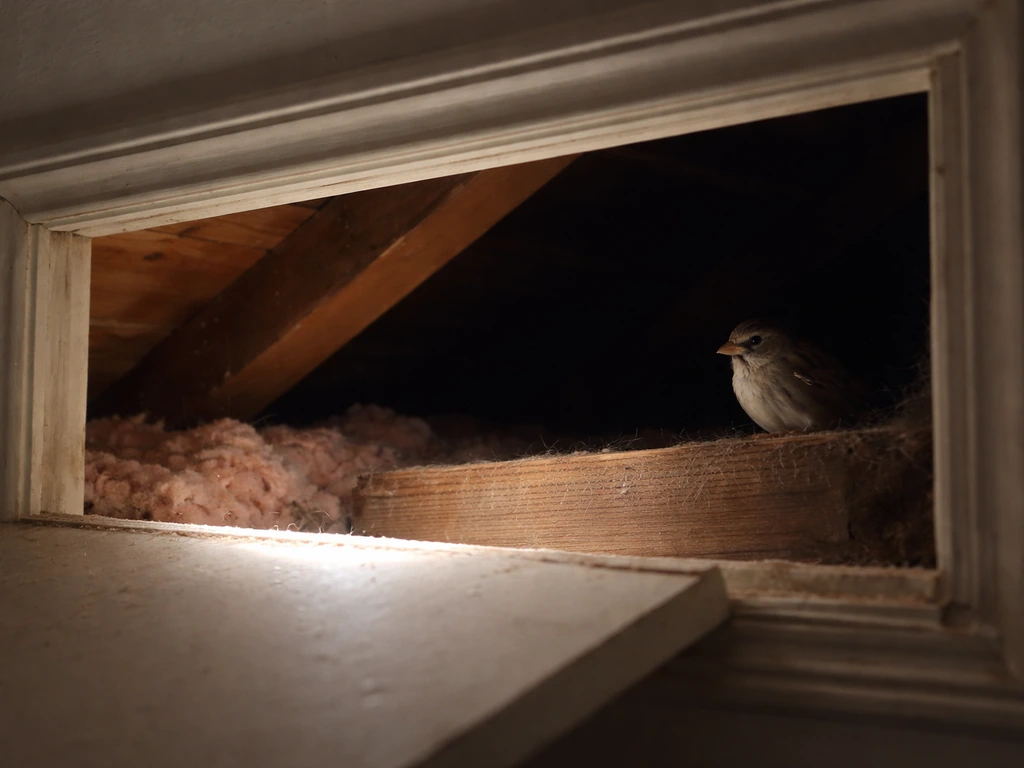
A bird inside your house will almost always head toward the highest, darkest, most sheltered spot it can find. In practice, that means your attic, a high closet shelf, behind a water heater, inside ductwork or a soffit cavity, or tucked behind heavy curtains near a window. If you can hear it but can't see it, start your search at ceiling level and work down, follow the sound of scratching or fluttering, and check near any window or light source because birds instinctively move toward light when they want to escape. If you still cannot find where the bird entered, focus on the highest, darkest areas first, then verify common gaps near windows, vents, and roof openings how can a bird get in your house.
Where Would a Bird Hide in a House? Quick Guide
Maya Carver
16 Jun 2026
Where birds hide based on how they behave indoors
Understanding a bird's instincts makes the search much faster. Birds don't wander randomly. They react to stress, light, height, and shelter in predictable ways, and knowing those patterns tells you exactly where to look first.
High, dark, and enclosed spaces
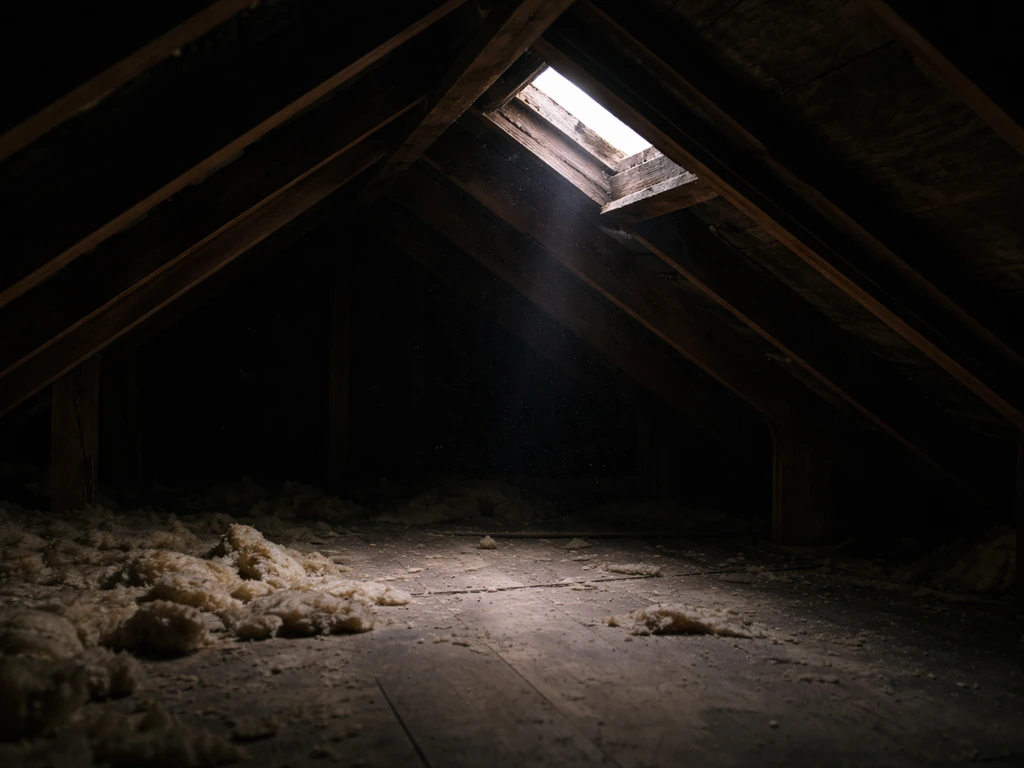
A panicked bird's first move is up. Attics are the single most common hiding spot because they offer height, darkness, insulation to nestle into, and often direct entry from roof vents, gable gaps, or open ridge lines. Inside living spaces, birds will land on top of tall cabinets, inside open closets near the ceiling, or on high shelves. Drop ceilings in basements and offices are another favorite because a bird can push a tile aside and disappear into the void above.
Near light sources and windows
Once a bird has settled and calms down slightly, it will often press itself against a window it can see daylight through. Check behind long curtains and drapes first, especially ones that pool on the floor. Blinds are another spot: birds slide down behind the slats and sit on the windowsill, nearly invisible until you move the blind. Sliding glass doors and skylights attract birds the same way.
Inside walls, ductwork, and soffits
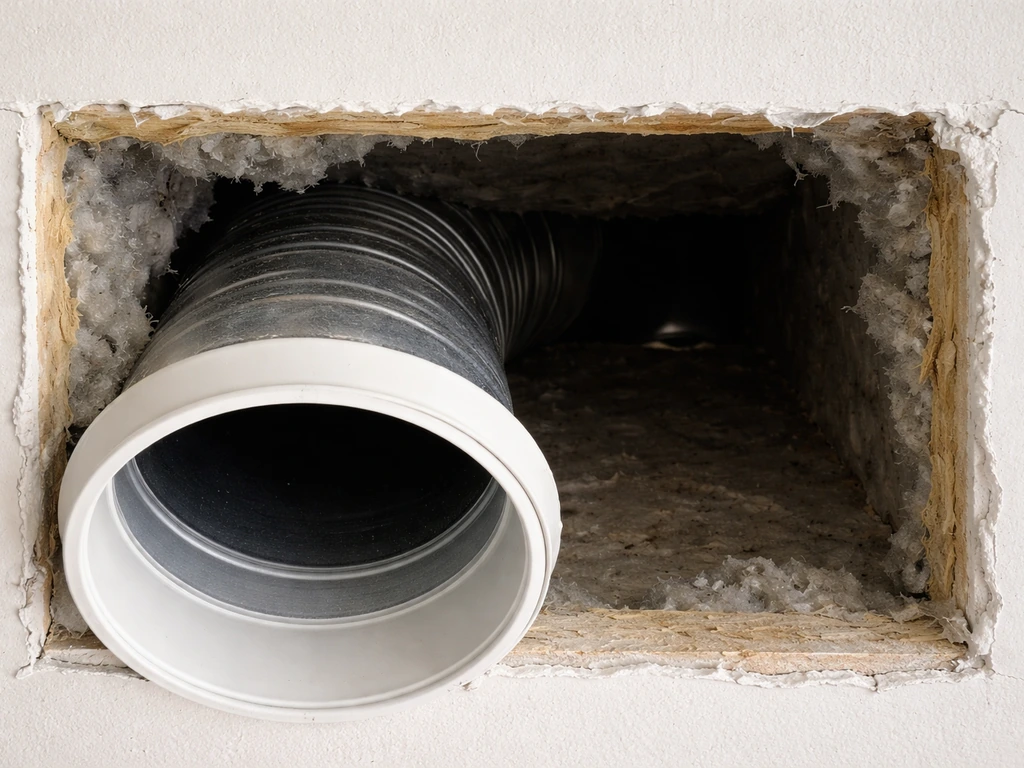
Birds entering through bathroom exhaust vents, dryer vents, or HVAC returns can travel surprisingly far inside ductwork before stopping. Soffits under roof overhangs are another common dead-end trap. Once inside, a bird in ductwork usually can't turn around, so it stays put and calls out. You'll hear it clearly but won't be able to see it at all.
Under furniture and in utility rooms
Small birds like sparrows, wrens, and starlings will eventually exhaust themselves and drop to floor level, hiding under sofas, behind refrigerators, under washing machines, or between the water heater and the wall. These tight utility-room spots are warm, dark, and feel safe to a stressed bird. Check behind every large appliance if your high-level search comes up empty.
Quick reference: most likely hiding spots by bird type
| Bird type | Most likely hiding spot | Behavioral clue |
|---|---|---|
| Small songbird (sparrow, finch, wren) | Behind curtains, under furniture, on high shelves | Rapid chirping, short flutter bursts |
| Starling / pigeon | Attic, soffit cavity, drop ceiling void | Heavy thumping, cooing, strong odor |
| Chimney swift | Inside chimney or flue, wall cavity | Rapid clicking/chattering, rarely seen |
| Woodpecker | Attic insulation, wall void near eaves | Intermittent pecking noise, wood shavings |
| Owl (small, e.g., screech owl) | Dark corners, closets, crawl spaces | Silent during day, hissing if disturbed |
How to find the bird fast using real clues
You don't need to see the bird to locate it. Work through these clues systematically and you'll pinpoint its position within a few minutes.
Listen first
Turn off the TV, fans, and any background noise. Stand still in the middle of the room and listen for scratching, thumping, wing flapping, or vocalizations. If you still cannot locate the bird, focus on listening for where it is moving and move toward the exit route from a distance bird in house what to do. Scratching inside a wall or ceiling almost always means the bird is in a cavity. Rhythmic thumping against glass means it's near a window. A weak, infrequent chirp often means the bird is exhausted and on the floor or a low surface.
Look for physical evidence
- Droppings: small white-and-dark spots on floors, windowsills, or furniture directly below the bird's position
- Feathers: scattered on the floor or caught on rough edges near where the bird has been moving
- Grease or smudge marks: oily streaks on walls, vent covers, or window frames where the bird repeatedly contacts the surface
- Dust trails: disturbed insulation fibers or dust on attic floors, showing movement paths
- Damaged materials: torn insulation, pecked drywall, or displaced ceiling tiles
A simple search sequence
- Silence the room and listen for 60 seconds to identify which floor or zone the sound is coming from
- Check ceiling-level hiding spots first: attic access hatches, tops of cabinets, drop-ceiling tiles
- Move to windows and glass doors: look behind every curtain and blind
- Check high closet shelves, then lower shelves, then the closet floor
- Inspect utility spaces: behind the water heater, refrigerator, washer, and dryer
- If all else fails and you still hear it, check duct covers and soffits for signs of entry
Emergency safe response: what to do right now
Before you try to remove the bird, spend three to five minutes setting up the situation so the bird can leave safely and can't make things worse. If you need step-by-step help, start with a quick setup and a clear exit route so the bird can leave safely without you handling it. Rushing this step is how birds end up deeper in the house, or how people get scratched.
- Close off other rooms by shutting interior doors so the bird can't spread through the house
- Cover or turn off ceiling fans immediately, a flying bird hitting a moving fan blade is a common cause of injury
- Cover or move open containers of food or water on counters
- Turn off fireplaces or wood stoves and close the damper if a bird might be in the chimney
- Open one clear exit to the outside: a window or door that leads directly outdoors, ideally on the same wall where the bird is located
- Close any other windows to reduce confusion, one clear exit works better than many options
- Dim interior lights and let natural outside light guide the bird toward the exit
- Clear the path between the bird and the exit, move furniture if needed
- Leave the room or stand very still near the exit to reduce the bird's stress
Do not chase the bird, wave at it, or try to grab it while it's flying. A cornered bird will panic, fly erratically, and injure itself. Patience and a clear exit route solve most situations without any handling at all.
Removing the bird humanely without harming it
The one-way exit method (best option)
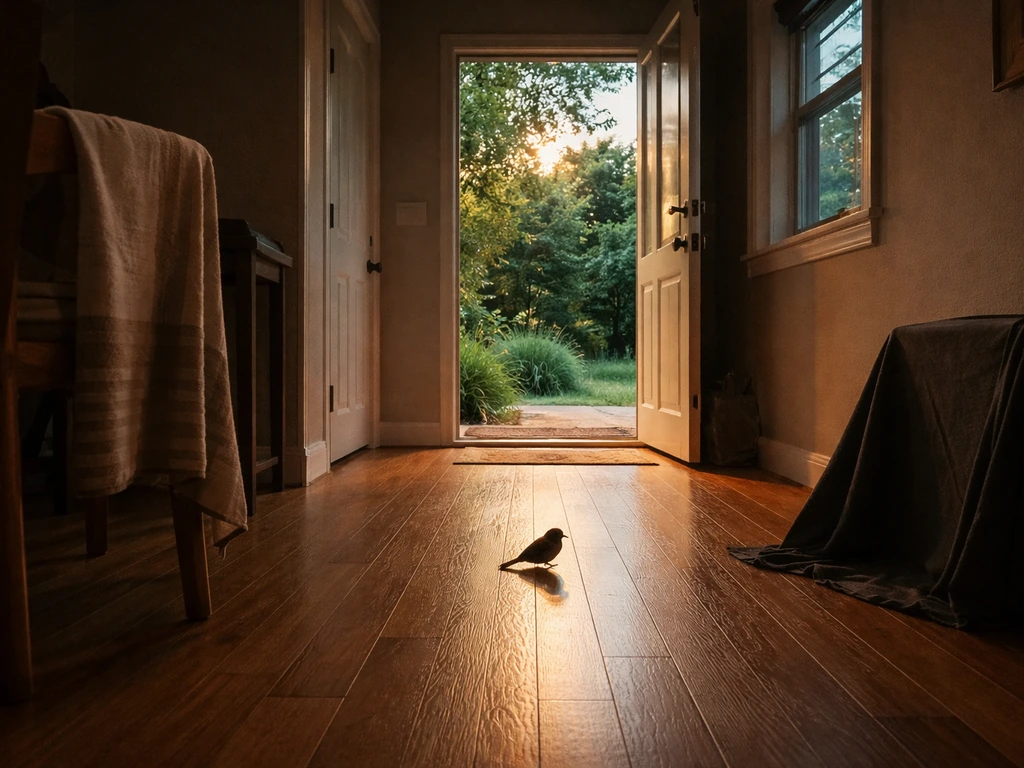
If you've set up a clear exit and dimmed the room, most small birds will find their way out within 15 to 30 minutes on their own. The key is to stay out of the room and not interrupt the process. Check back every 10 minutes. If the bird is still there after an hour and is actively flying around, gently herd it toward the open exit by walking slowly toward it from the far side of the room, holding a large piece of cardboard as a visual barrier. Don't rush. Slow, steady movement toward the bird from behind usually guides it toward the light.
If the bird is grounded or exhausted
A bird sitting still on the floor is usually exhausted or mildly stunned, not tame. Put on gloves (leather gardening gloves work well), approach slowly from behind, and cup both hands gently around the bird's body with wings folded against its sides. Carry it outside immediately and set it on a flat surface in a sheltered spot. Most birds recover quickly and fly off within a few minutes. If it doesn't fly within 10 to 15 minutes, that's a sign of injury and it needs professional help.
Birds stuck in ductwork or wall cavities
This situation is harder to DIY. A bird inside a duct or wall cavity cannot use a one-way exit. You have two realistic options: wait and listen for it to either exit the way it came in (which sometimes happens overnight), or call a wildlife control professional who can create a controlled opening and extract the bird safely. Do not leave a bird trapped in ductwork for more than 24 to 48 hours; birds can die from stress, overheating, or dehydration quickly in enclosed spaces.
Sealing entry points and removing attractants after the bird is gone
Getting the bird out is only half the job. If you don't find and close the entry point within a day or two, another bird (or the same one) will be back. This is also the point where a small investment of time pays off for years.
Find and seal how it got in
- Inspect all roof vents, ridge vents, gable vents, and soffit vents for missing or damaged covers and install hardware cloth (half-inch galvanized mesh) behind any open vent
- Check dryer exhaust vents and bathroom exhaust vents for flap dampers that no longer close properly and replace any that are stuck open or missing
- Walk the roofline and inspect where fascia boards meet soffits for gaps wider than half an inch
- Check chimney caps and spark arrestors for damage or absence
- Inspect window screens for tears, missing frames, or gaps at corners
- Look at where utility lines (electrical, cable, plumbing) enter the building and seal gaps around penetrations with appropriate caulk or expanding foam
Remove indoor attractants
Birds follow food and shelter. If you have pet food left out, open birdseed bags in a garage, fruit on counters, or an indoor compost bin, those smells can draw birds in through any opening. Store bird food in sealed containers and keep pet food dishes cleared between meals. If you use an indoor bird feeder or have a pet bird, make sure its cage is secure and the feeding area is away from open windows.
Clean up droppings safely
Bird droppings are a genuine health concern. Histoplasma capsulatum, the fungal spore that causes histoplasmosis (a potentially serious lung infection), can be present in bird and bat droppings, and the CDC notes that blank" rel="noopener noreferrer">preventing droppings from accumulating in the first place is the best protection. When cleaning up after a bird indoors, wear an N95 respirator (not just a dust mask), disposable gloves, and eye protection. If the bird has already died, avoid handling it directly and focus on safe cleanup and disease risk precautions. Mist the droppings lightly with water or a diluted bleach solution before wiping to suppress spore dispersal. Bag and dispose of contaminated materials; don't sweep or use a dry vacuum.
Preventing birds from getting back in by season
Bird intrusions follow a seasonal rhythm. Knowing what's happening at different times of year helps you schedule proofing work before the next risk window opens.
| Season | Main risk | What to do |
|---|---|---|
| Spring (March–May) | Nesting: birds actively searching for cavity sites inside soffits, vents, and attics | Complete all sealing before late March; check vents and eaves monthly; install vent covers before birds start scouting |
| Summer (June–August) | Fledglings: young birds not yet strong fliers end up inside through open windows or doors | Keep screens in place and in good repair; check ground-level entry points |
| Fall (September–November) | Migration: large flocks moving through may roost in attics or outbuildings overnight | Inspect and seal attic access points in September before migrants arrive |
| Winter (December–February) | Roosting: birds seeking warmth enter through small gaps around chimneys, pipes, and vents | Check chimney caps and damper seals before temperatures drop; inspect pipe penetrations |
A simple twice-yearly inspection (once in early March and once in early September) catches most problems before they become an intrusion. Walk the full perimeter of the building, look up at soffits and eaves, and check every vent cover. Mark anything that needs repair and address it within a week.
When to stop DIY and call wildlife control
Most single-bird situations resolve with the steps above, but there are specific circumstances where calling a licensed wildlife control operator or your local wildlife rehabilitator is the right call, not a last resort. If you are unsure, the fastest way is to call your local wildlife control or wildlife rehabilitator call a licensed wildlife control operator.
Call a professional if any of these apply
- The bird is visibly injured (can't stand, drooping wing, bleeding, not responsive to movement) and needs a licensed wildlife rehabilitator
- You find an active nest with eggs or chicks: under the Migratory Bird Treaty Act, most migratory bird nests are federally protected and cannot be disturbed or removed without a permit
- You suspect the species is protected (chimney swifts, certain owls, swallows, and most songbirds are covered by the MBTA)
- There are multiple birds, suggesting an established roost colony, which requires a systematic exclusion plan, not just removing individuals
- The bird is inside a chimney, inside wall cavities, or in any area where access requires removing structural materials
- You've tried the one-way exit method twice and the bird is still inside after several hours
- The building is a commercial or multi-unit property where large-scale exclusion work is needed
What to tell the professional when you call
Give them the bird's approximate location (attic, wall void, living area), any species identification if you have it, whether you've seen a nest or eggs, how long the bird has been inside, and whether it appears injured. In many cases, disturbing or possessing nests or eggs of covered migratory birds can be unlawful under the Migratory Bird Treaty Act (MBTA), so it helps to report whether you have seen a nest or eggs when you call a wildlife professional Bird nests. That information lets them come prepared with the right equipment and legal authorizations. If you need to find a licensed operator, your state wildlife agency website lists permitted wildlife control professionals, and the National Wildlife Control Operators Association keeps a directory by state.
Once the professional has resolved the situation, circle back to the proofing steps above to make sure the entry point that let the bird in is permanently closed. Removal without sealing is a temporary fix, and birds are persistent about returning to spots they know.
FAQ
If I never see the bird, where would a bird hide in a house when I only hear it?
If you cannot find the bird after checking the obvious highest dark areas, look for the route from the room it is in. Birds often “hide where they can see daylight,” so check behind curtains and window frames near where light leaks in, then scan along the ceiling line for gaps around vents, base of stairs, and return-air grilles.
How can I use the sounds to tell where a bird is hiding in my house?
Start with the entry most consistent with the sound. Scratching that sounds like it’s inside the wall or ceiling usually points to a cavity near where the bird entered, while a steady tapping near glass usually means it’s positioned close to a window or skylight. Move systematically by sound source, not by instinct, and re-check the highest areas first.
Where would a bird hide if I have a drop ceiling in the room?
If you have a drop ceiling, don’t just look for the bird, also listen for which side of the room the noise is coming from, then check the gaps around vent tiles and lighting fixtures. A bird may push or slip behind those fixtures, where you can hear activity but see nothing.
Can a bird move from an attic or ceiling to floor level and hide somewhere else?
Yes, especially with small birds that stay quiet to avoid detection. If the bird is exhausted, it may flatten and hide under furniture, between appliances, or behind a water heater even if you initially heard fluttering above. Re-check low, tight spaces after 10 to 20 minutes if the sound suddenly stops.
Should I leave the house to let the bird escape, or stay and watch?
In most cases, leaving the room is best once you have a clear exit path and dim lighting. However, if the bird is trapped in an inaccessible duct or wall cavity, it may not be able to get out on its own, and you should avoid waiting beyond the short window you can reasonably monitor.
What should I do if the bird looks alive but won’t fly after I put it outside?
If you find a bird that won’t fly within 10 to 15 minutes after being placed outside, treat that as a likely injury or severe exhaustion case. At that point, contact a local wildlife rehabilitator or licensed wildlife control for assessment, because long outdoor delay can worsen shock or dehydration.
What’s the safest way to clean up after a bird if I find droppings indoors?
For cleanup, focus on preventing dust and droppings from becoming airborne. Use an N95 respirator, gloves, and eye protection, then lightly mist before wiping, bag everything, and avoid dry sweeping or dry vacuuming, especially in attics or basements where spores can be disturbed.
Is it okay to chase or try to grab a bird that’s hiding inside?
No. Chasing or grabbing a bird that’s in a corner, behind glass, or inside a tight cavity increases panic and can drive it deeper into walls, or into additional rooms. Instead, create a clear exit route and control movement with slow, steady positioning from the far side.
After the bird leaves, how do I make sure it does not return through the same hideout spot?
A “temporary” removal is common when the entry gap remains. After the bird is out, seal the specific opening you suspect, then re-check around the same locations later (vents, soffits, roof penetrations, and window gaps). If you close the wrong opening, the same pathway can let another bird in quickly.
When should I call wildlife control instead of trying to wait for a bird in ducts or a wall cavity?
If you have a suspected duct or wall cavity, do not rely on guesswork. You have a waiting option for possible overnight exit, but if it’s not improving quickly, call a licensed wildlife control operator who can create a controlled opening and extract safely.