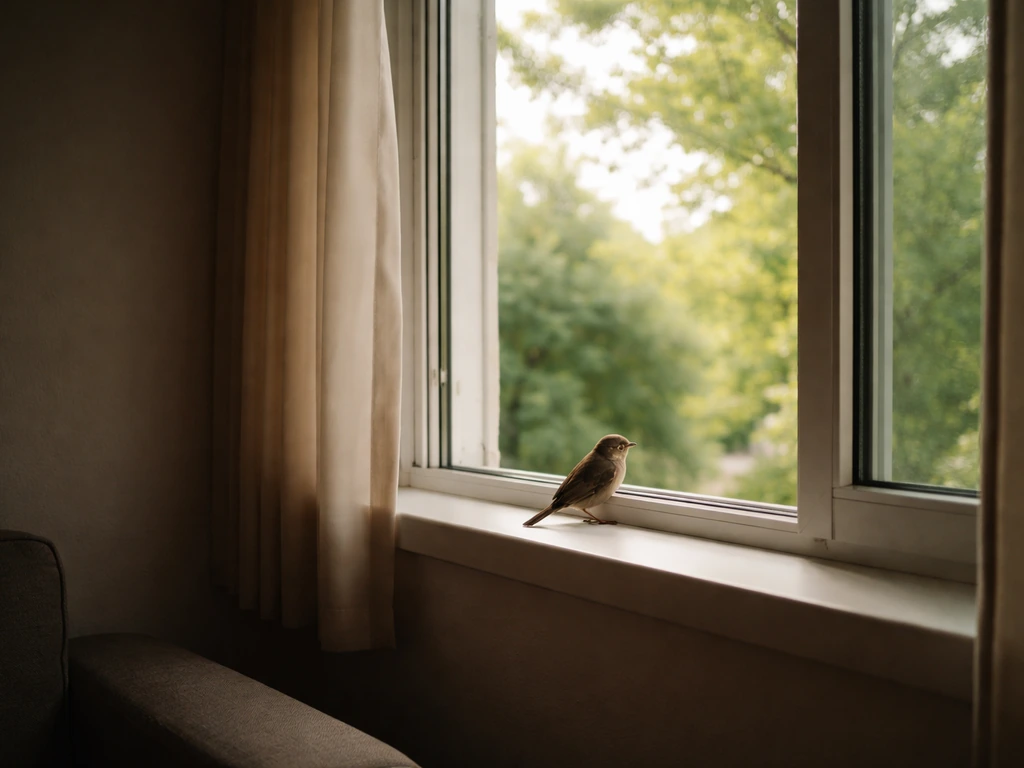
The fastest way to catch a bird in your house is usually not to chase it at all. Open one clear exit to the outside, turn off every interior light, close off the rest of the house, and give the bird a quiet moment to find its own way out.
How Do You Catch a Bird in Your House Safely
Maya Carver
21 Apr 2026
If you are trying to work out how to find a lost bird in your house, start by giving it a clear exit and keeping the rest of the space quiet. That single sequence resolves the majority of indoor-bird situations without any physical capture whatsoever. When it doesn't work, there are controlled, humane methods to guide or contain the bird safely. Here's exactly how to work through the whole process, from the first frantic moment to long-term prevention.
If you want the full checklist for finding a lost bird in your house, follow the steps from calming the space through prevention find a lost bird in your house.
First five minutes: what to do right now
Before you reach for anything, stop and slow down. A panicked bird will crash into walls, mirrors, and windows if you chase it. Your immediate job is to calm the space, not the bird. Work through this sequence as fast as you can:
- Clear the room of people and pets. The fewer moving bodies in the space, the less panicked the bird becomes.
- Turn off all interior lights in the room. Birds fly toward light, and killing the interior lights removes competing bright spots.
- Close every interior door so the bird is confined to one room. This is critical: a bird loose in an entire house is far harder to deal with.
- Close all windows and doors in that room except one. Pick the largest window or door that opens directly outside.
- Draw curtains or blinds over every closed window to block those as visual targets. Cover mirrors and any large reflective surfaces if you can do it quickly.
- Open the chosen exit as wide as possible, then leave the room and close the door behind you (or at least step back and stay very still).
- Wait at least 10 to 15 minutes. The bird will almost always move toward that single bright opening and fly out on its own.
If the bird is in a chimney instead of a main room, the approach shifts slightly. Open all windows and external doors in the connected room to create an airflow pathway, and leave the damper open so the bird can drop down and exit through the room rather than staying trapped in the flue.
While you're waiting, do a quick hazard scan. Switch off any ceiling fans. Move breakable items off shelves if you can do it without disturbing the bird. Note the species if possible: a small songbird, a pigeon, or a larger bird of prey each calls for a different next step.
Safe capture: wild birds vs. pet birds
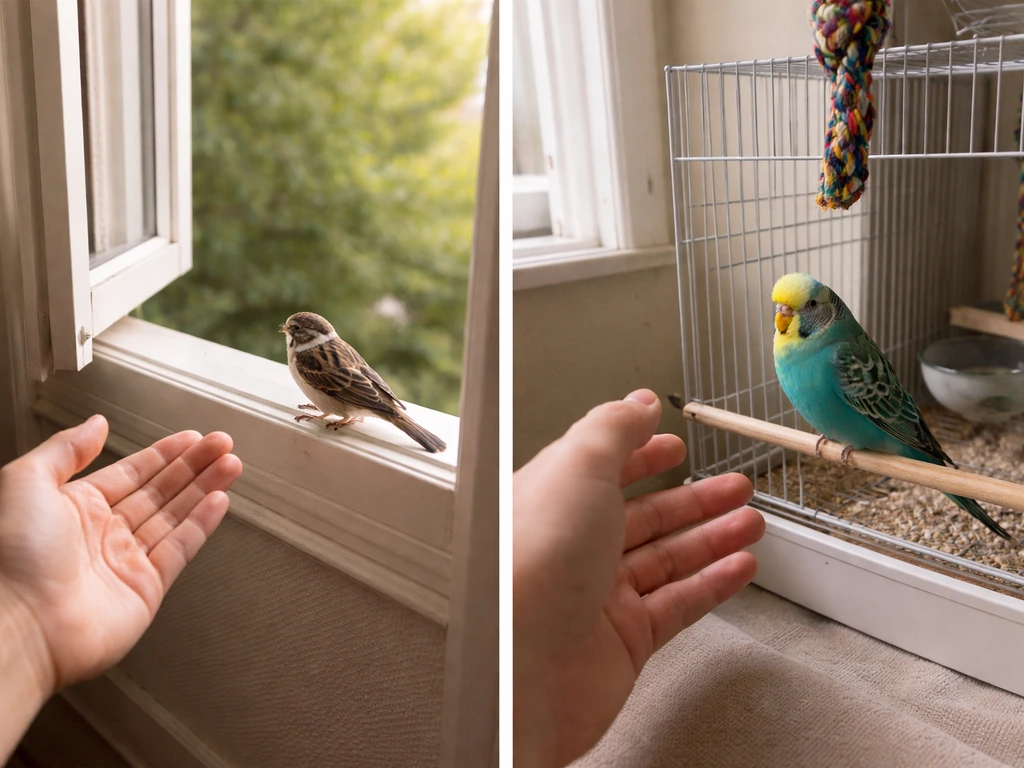
If the self-exit method hasn't worked after 15 to 20 minutes, you'll need to make a judgment call based on what kind of bird you're dealing with. The approach for a wild bird that wandered in through an open door is meaningfully different from handling a pet bird that got loose inside the house.
Wild birds
For small wild birds (sparrows, finches, starlings, pigeons), a hands-on capture is reasonable if the bird is clearly exhausted or can't locate the exit. Use thick gloves, and approach slowly and quietly. Drape a light towel or small blanket over the bird to calm it and reduce visibility, which usually causes the bird to stop thrashing immediately. Once covered, cup your hands gently around it through the fabric and carry it directly outside. Do not squeeze. You're aiming for firm, secure, and calm.
For larger wild birds, especially hawks, owls, or any bird of prey, do not attempt hands-on capture yourself. These birds have talons that can cause serious injury. Columbus Audubon is direct on this point: if a trapped hawk or other large bird can't find the exit, seek help from animal control or a wildlife rehabilitation center rather than attempting capture yourself. The same logic applies to any bird that seems injured, disoriented, or diseased.
Pet birds
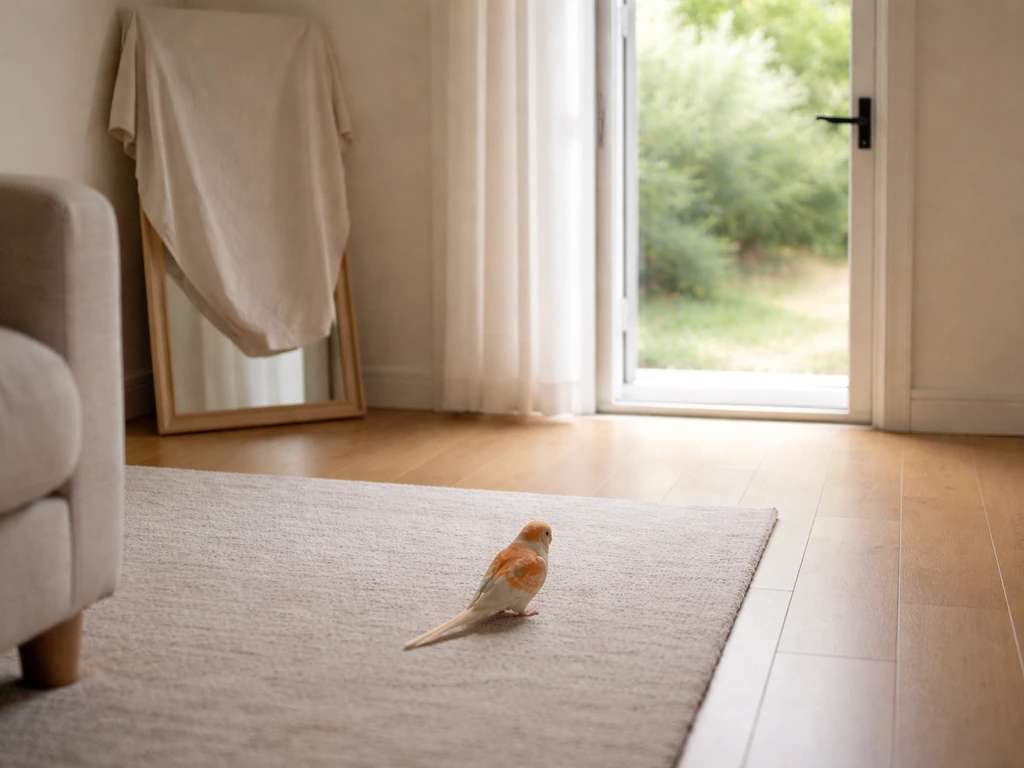
A loose pet bird like a parrot, cockatiel, or budgie inside the house is a different situation. The bird knows you and is not trying to escape to the wild; it's usually just spooked and looking for a perch. The priority here is containment, not exit. Close all windows and doors in the house first (unlike with wild birds, you do not want your pet bird to find an exit to outside).
Turn off fans. Then use a calm voice, offer a familiar perch or treat, and let the bird come to you. Most pet birds will settle on their owner's hand or shoulder within a few minutes once the environment is quiet. Once you have the bird, return it to its cage and do a full check of how it got loose so it doesn't happen again.
If your pet bird won't come down from a high perch, try lowering the lights slightly (not full dark, which can cause distress) and placing the open cage nearby with food visible inside. Patience works far better than chasing.
DIY methods to guide a bird out without direct handling
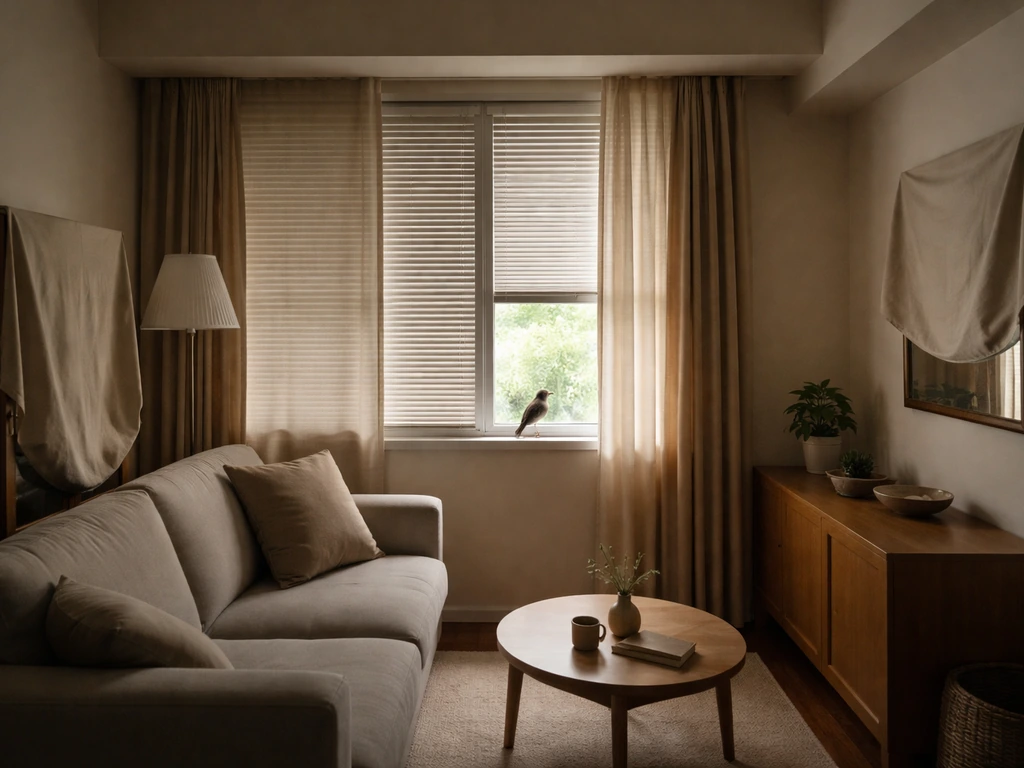
Direct capture should always be the last resort. Before you get to that point, here are the most effective DIY methods for encouraging a bird to leave on its own or funneling it toward a single exit.
The light-and-exit method (most effective for most situations)
This is the same technique from the immediate steps, but executed more deliberately. Close every blind, curtain, and interior door in the affected room. Cover any mirror or large reflective surface with a sheet or towel. Open one exit fully, ideally at ground level or within a few feet of the floor since exhausted birds often drop lower as they tire. Turn off every interior light source. The single bright opening becomes the obvious and only target. Leave the room completely and check back in 10 to 15 minutes.
The towel funnel method
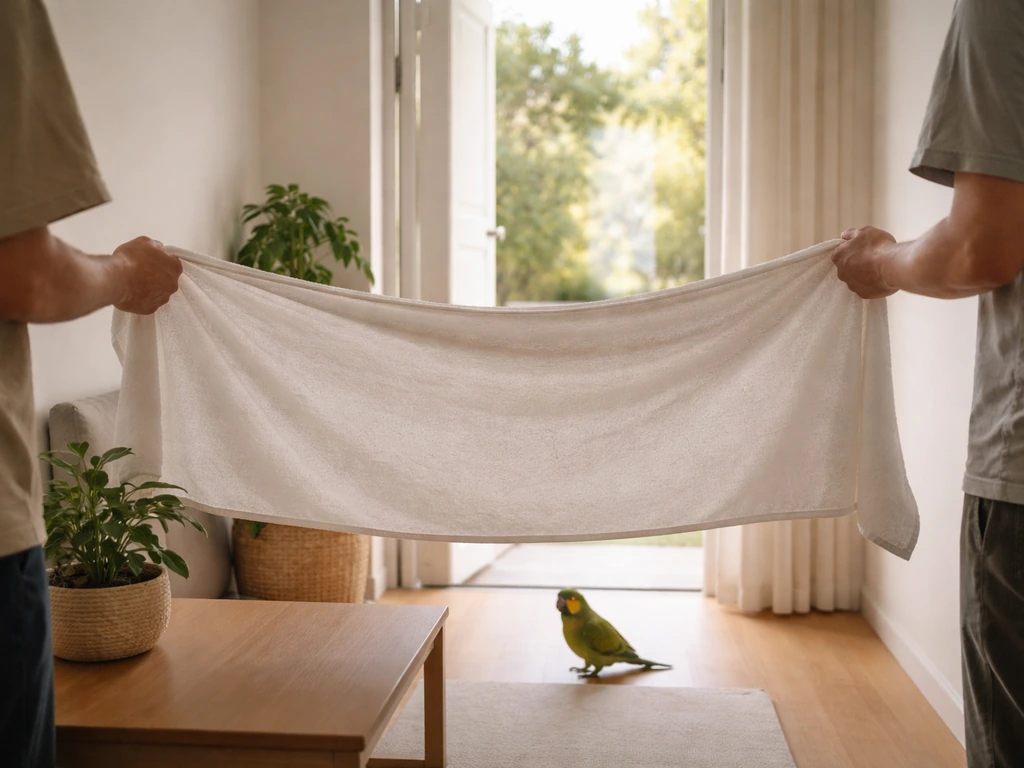
If the bird is perched and the exit is open but the bird isn't moving toward it, you can use a large sheet or towel held wide between two people to gently herd the bird in the direction of the exit. Move slowly, stay low, and don't make noise. The goal is to narrow the bird's options without causing panic. Think of it less like chasing and more like quietly closing off the wrong directions.
The dark-room containment method
If the bird has retreated to a dark corner or is hiding, reduce all stimulation: full lights off, curtains drawn, everyone out of the room. Birds in complete darkness tend to become very still and calm. Wait 10 minutes, then open one exit and re-enter slowly. The contrast between the dark room and the bright outside should prompt the bird to move toward the light. Wisconsin Humane Society also recommends opening any windows in the garage or shed (or covering any non-opening windows) so the bird does not mistake the window for an exit, and notes birds will usually fly toward light and out an open door after some time bird moves toward the light.
If nothing is working
If the bird has been in the room for over an hour, is clearly injured, or keeps crashing into windows despite your efforts, stop the repeated disturbance cycle. Repeated chasing raises the risk of the bird injuring itself. At this point, either attempt a careful towel capture as described above or call for professional help. Repeated failed attempts do more harm than a single calm intervention. If you find a bird has died in your house, focus on safe cleanup and check local guidance for disposal and possible disease risk what to do if a bird dies in your house.
After you've got the bird: handling, containment, and release
Safe handling basics
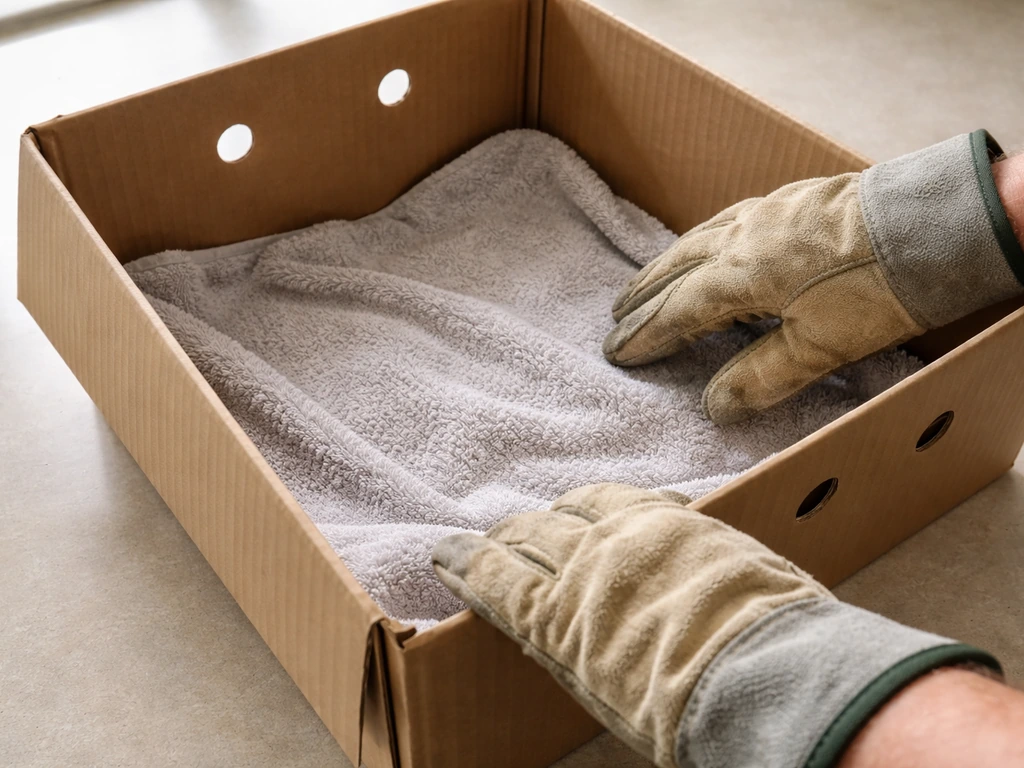
Always wear thick gloves when handling a wild bird, even a small one. Beaks and claws can break skin, and birds can carry zoonotic diseases. The CDC recommends washing your hands thoroughly after any contact with birds, their droppings, or anything they've touched. Keep the bird covered with a light towel during transport to keep it calm and reduce visual stimulation. Hold it securely but gently: you should feel the bird, not compress it.
Temporary containment if release isn't immediate
If the bird needs a short holding period (for example, you caught it but it's dark outside, or the bird seems stunned and needs a moment to recover), place it in a cardboard box or paper bag with air holes. Keep it in a dark, quiet space away from pets and children. Do not offer food or water unless you know the species and its diet. Do not keep a wild bird indoors longer than necessary. The goal is to minimize stress and get the bird back outside as quickly as safely possible.
Releasing a wild bird
Release the bird outside in a sheltered area away from heavy foot traffic and direct predator exposure. Set the box on the ground, open the top or side, and step back. Give it a few minutes. If the bird flies off confidently, you're done. If it sits still on the ground, appears to be struggling to fly, or is clearly injured, do not leave it outside unattended. Contact a local wildlife rehabilitator for the next step.
Transferring a pet bird back to its cage or to a vet
Once you have your pet bird in hand, return it to its cage calmly and do a quick visual check: feathers, feet, eyes, and breathing. If the bird was loose for a while or showed signs of stress, watch it closely for the next few hours. If it seems injured, lethargic, or abnormal in any way, a vet visit is the right call. After any loose-bird event, wash clothing, towels, and any fabric items used during handling in a hot wash.
Keeping birds from getting back in: practical proofing
Catching the bird solves today's problem. If you want a step-by-step plan for how a bird can get in your house and what to do, follow the same light-and-exit approach described here how can a bird get in your house. how can a bird get in your house how a bird can get in your house. Preventing re-entry solves next month's. Once the immediate situation is handled, do a methodical walk around the building to find and seal entry points.
Common entry points to check and seal
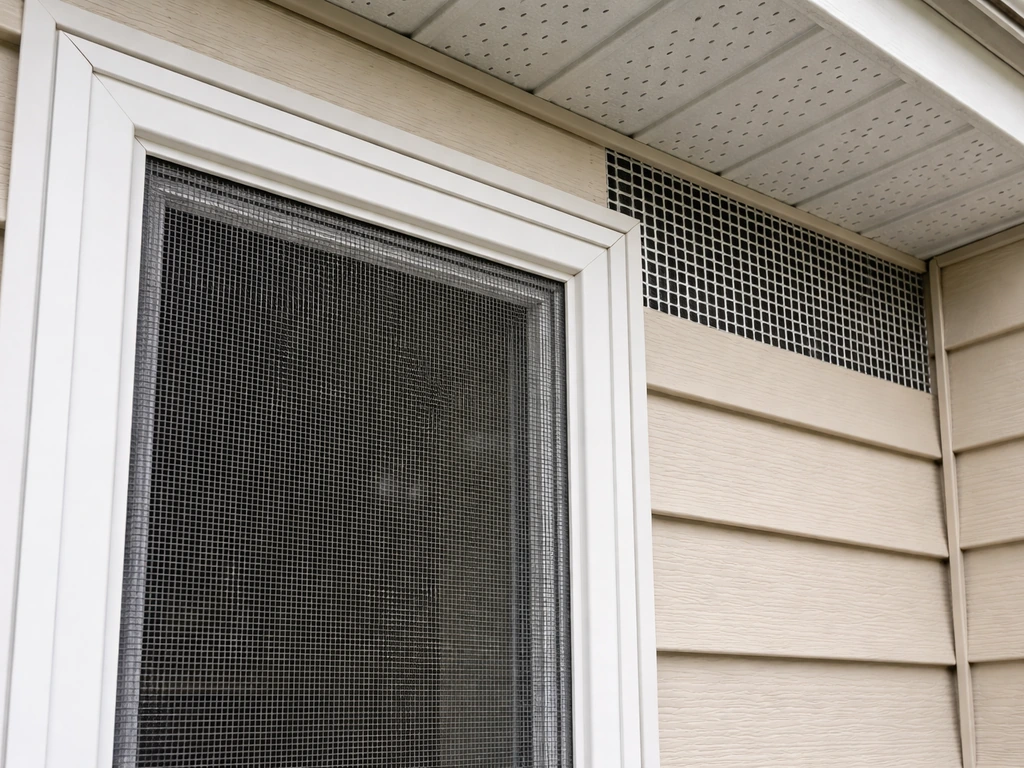
- Damaged or missing window screens: repair or replace with heavy-gauge mesh
- Gaps around roof vents, soffit vents, and gable vents: cover with hardware cloth (half-inch mesh or smaller)
- Open chimneys: fit a capped chimney guard designed to allow airflow but block bird entry
- Gaps around utility penetrations (pipes, wires, HVAC lines entering the building): seal with appropriate caulk or metal flashing
- Spaces under eaves and behind fascia boards: check for rot or separation that creates entry gaps
- Garage doors left open: birds enter quickly, especially in spring nesting season
Window and glass hazards
Birds mistake large glass panes for open sky or reflected habitat, which is why they fly into windows. Treating exterior glass with window film, bird-safe decals, or angled screens reduces this substantially. Keeping interior lights off at night also removes the visual draw that pulls birds toward windows from outside. This is especially relevant in spring and fall migration periods when bird activity near buildings spikes.
Deterrents for repeat offenders
If the same species keeps finding its way in (pigeons on a loading dock, starlings through a warehouse vent), add physical deterrents: bird spikes on ledges, netting across open areas, and removing any food sources like spilled grain, open trash, or standing water nearby. Houston Humane's guidance makes the point clearly: remove the food source first, then use deterrence. Physical barriers without addressing what's attracting the birds will only partially solve the problem.
Seasonal planning
Schedule a building inspection in late winter (February to March) before spring nesting season begins, and again in early fall when migratory species are active. Check all vents, screens, and structural gaps. Spring is the worst time to discover an entry point because birds may already be nesting, which creates both a legal and a practical complication.
When to call a professional, and what the law says
When to stop DIY and get help
Call animal control or a licensed wildlife rehabilitator if any of the following apply: If the situation does not improve quickly, call animal control or a licensed wildlife rehabilitation center for help. If you need to know who to call when a bird is stuck in your house, start with animal control or a licensed wildlife rehabilitator call animal control.
- The bird is a hawk, owl, eagle, or other bird of prey
- The bird appears injured, is bleeding, can't fly, or is behaving abnormally
- The bird has been trapped indoors for more than a few hours and repeated attempts to guide it out have failed
- You believe the bird may be ill (unusual discharge, seizure-like movements, extreme lethargy)
- The bird is in a space you can't safely access yourself (high atrium, industrial space, roof cavity)
- There is an active nest with eggs or chicks involved
To find local help, contact your regional animal control office, a licensed wildlife rehabilitation center, or the Avian Wildlife Center if you're in their service area. When you call, be ready to describe the species (or your best guess), where the bird is in the building, how long it's been there, and what you've already tried.
Legal protections you need to know about
In the United States, most wild bird species are protected under the Migratory Bird Treaty Act. This means you cannot legally trap, possess, relocate, or harm a migratory bird without a federal permit. Guiding a bird out of your house and releasing it immediately is fine. Keeping it, even temporarily with good intentions, is where the law gets complicated. Eagles have additional protections. If you're uncertain about the species, treat it as protected and contact a wildlife professional rather than improvising.
The U.S. Fish and Wildlife Service is clear that even authorized possession of migratory birds requires humane and healthful conditions: appropriate handling, housing, ventilation, and veterinary care where relevant. If you're a facility manager dealing with recurring bird-in-building events, it's worth speaking with your state wildlife agency about what permits, if any, apply to your situation.
A note on pet birds and disease
The CDC recommends routine veterinary care for pet birds and handwashing after any handling. If a wild bird came into contact with your pet bird's cage, food, or water during the event, clean and disinfect those items before use. The risk is low in most cases, but it's not worth skipping the cleanup.
Quick-reference checklist: bird in the house right now
- Remove people and pets from the room immediately
- Turn off all interior lights in the room
- Close all interior doors to contain the bird to one space
- Cover mirrors and close blinds on all windows except one
- Open one large exit to the outside as wide as possible
- Leave the room and wait 15 minutes
- If the bird is still inside after 15 minutes, try the towel-funnel or dark-room method
- If capture is needed, use thick gloves and a light towel to cover the bird before picking it up
- Carry the bird outside and release it in a sheltered spot
- If the bird is injured, a bird of prey, or won't be captured, call a wildlife rehabilitator
- After the event, identify and seal the entry point and wash all handling materials
Wild bird vs. pet bird: at a glance
| Factor | Wild Bird Indoors | Pet Bird Loose Indoors |
|---|---|---|
| Goal | Guide out and release outside | Contain indoors and return to cage |
| Windows/exits | Open one exit to outside | Close all windows and doors — no exits |
| Lights | Turn off interior lights to create contrast | Reduce stimulation but avoid full dark |
| Approach | Minimal interaction; let it self-exit | Calm voice, familiar perch or treat |
| Capture method | Thick gloves + towel if needed | Offer hand or perch; let bird come to you |
| After capture | Release outdoors immediately | Return to cage; check for injury |
| Call for help if... | Bird of prey, injury, or can't self-exit | Injury, prolonged stress, or won't come down |
| Legal concern | Migratory Bird Treaty Act may apply | No legal restriction on handling your own pet |
FAQ
Should I turn off all lights in the entire house, or only where the bird is?
Turn off all interior lights only in the rooms near the bird, then ensure the one chosen exit is the brightest opening you can create from the bird’s perspective (open door, no lights behind you). If you leave multiple rooms lit, the bird can keep hopping toward the next light instead of locating the exit.
What should I do if the bird keeps circling or repeatedly crashes into the same window?
If the bird keeps landing on the same wall or window, stop reopening areas and switch to one-room focus: close interior doors to isolate the bird, cover reflective surfaces, and use a single exit at floor level. Repeatedly changing exits often restarts the bird’s confusion cycle.
How do you catch or guide a bird if you hear it but you cannot find it?
If you hear a bird at night but cannot see it, do not wander and startle it. Stay still, close interior doors to narrow its movement, and wait for it to reposition toward the brightest open door or window you provide from a safe, quiet distance.
If my pet bird refuses to come down, should I turn the room fully dark to calm it?
For a pet bird, avoid fully “darkening” the room. If you need help getting it down, use reduced but not zero lighting, place the cage nearby with the familiar food, and keep your voice calm. If it shows labored breathing or stays fluffed and inactive, treat it as urgent and contact a vet.
Should you feed a wild bird you captured while you wait to release it?
Do not offer water or food to a wild bird you are trying to release. In most cases it increases stress and can delay release, especially if you do not know its diet. If you must hold the bird briefly in a paper bag or box, keep it quiet and release as soon as it looks steady and outside conditions are safe.
Can I use a towel or blanket to move the bird away from a window without picking it up?
If a bird is hitting glass repeatedly, keep people out of the room and increase contrast at the exit only (open one exit, cover mirrors, and reduce other light sources). If possible, use a towel or sheet held wide to gently funnel it away from the glass, rather than approaching close enough for sudden flight.
When should you skip DIY methods and call for help right away?
If you see a suspected injured or diseased wild bird, do not attempt hands-on capture unless you are trained. Keep pets and children away, limit movement in the room, open the exit if it is reachable, and call animal control or a wildlife rehabilitator when it cannot self-exit quickly.
What’s the safest way to handle a pet bird that is stuck high up on a ceiling or curtain rod?
If the bird is perched high, place the open exit nearby only if you can do so safely, then encourage movement rather than grabbing. For pet birds, the fastest approach is usually the cage plus a familiar perch, keep the room quiet, and avoid sudden reaching from above.
What changes if there is bird droppings on furniture or in the room where the bird was?
Do a quick containment step first: close doors and move pets away, then ventilate and remove droppings and contaminated items with gloves. After cleanup, wash hands and launder any fabric used. If you suspect an illness risk, especially around vulnerable people, contact a professional for guidance on safe disposal.
How soon should I inspect and seal entry points after the bird is out?
Yes. Even if you do not see damage, check the bird entry path you most likely used, then seal it. Common fixes include repairing torn screens, covering open vents, and addressing gaps around pipes or siding edges before the next season.
Next Article
How to Get a Trapped Bird Out of Your House Safely
Humane, step-by-step guide to get a trapped bird out safely, handle injuries, and prevent future entry.