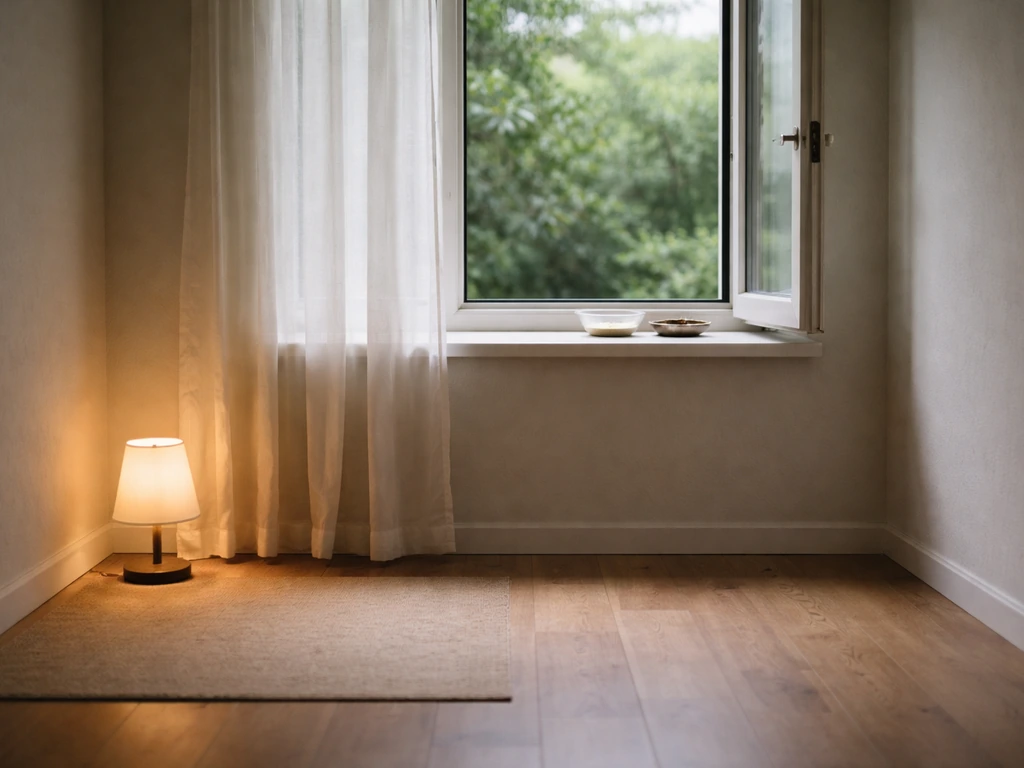
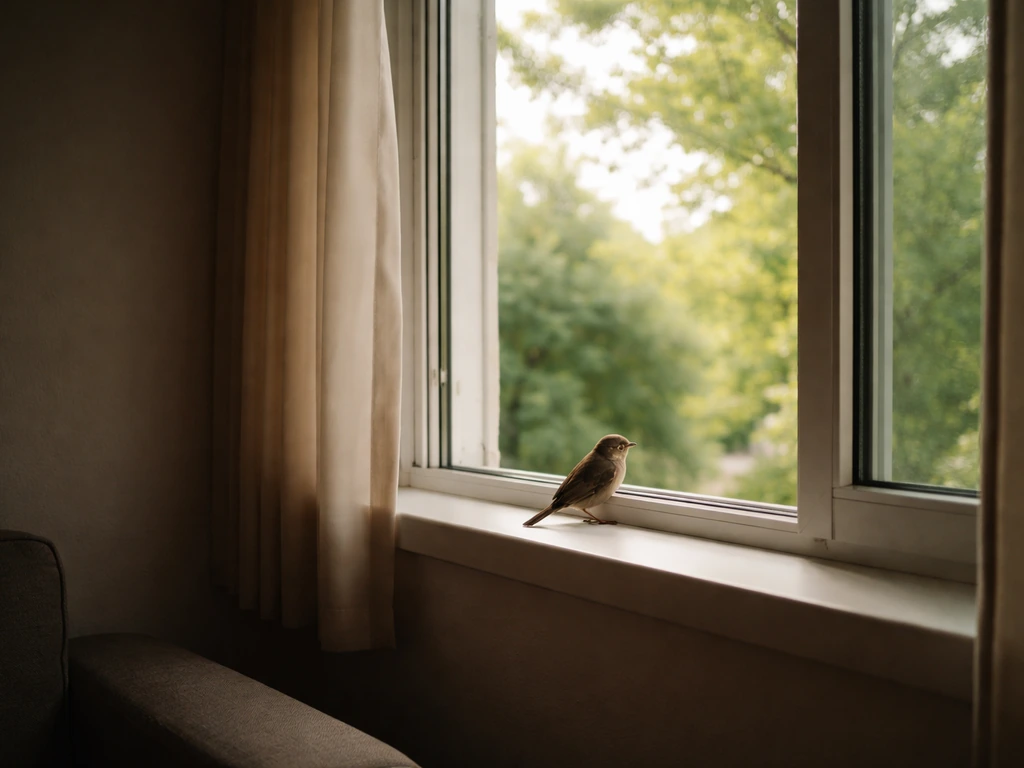
Turn off fans, secure your pets, and close interior doors to limit the bird to one area. Then open a single window or exterior door in that space, cover every other window with a blanket or blind so the open exit is the brightest point in the room, and give the bird a quiet few minutes to find its own way out. The U.S. Fish and Wildlife Service notes that if birds are entrapped in bright light that cannot be permanently turned off, switching lights off for about 15, 20 minutes can let birds escape the disorienting light and return to normal behavior blank" rel="noopener noreferrer">turning lights off for about 15–20 minutes. That single sequence resolves most indoor bird situations within 30 minutes, and everything else in this guide builds on that foundation. If you want a quick checklist for bird in house what to do, follow the steps above in order and start with containing the space and opening a single bright exit. If you still need a step-by-step plan, the methods in this guide explain exactly how do you catch a bird in your house without hurting it catches a bird.
How to Find a Lost Bird in Your House: Step-by-Step
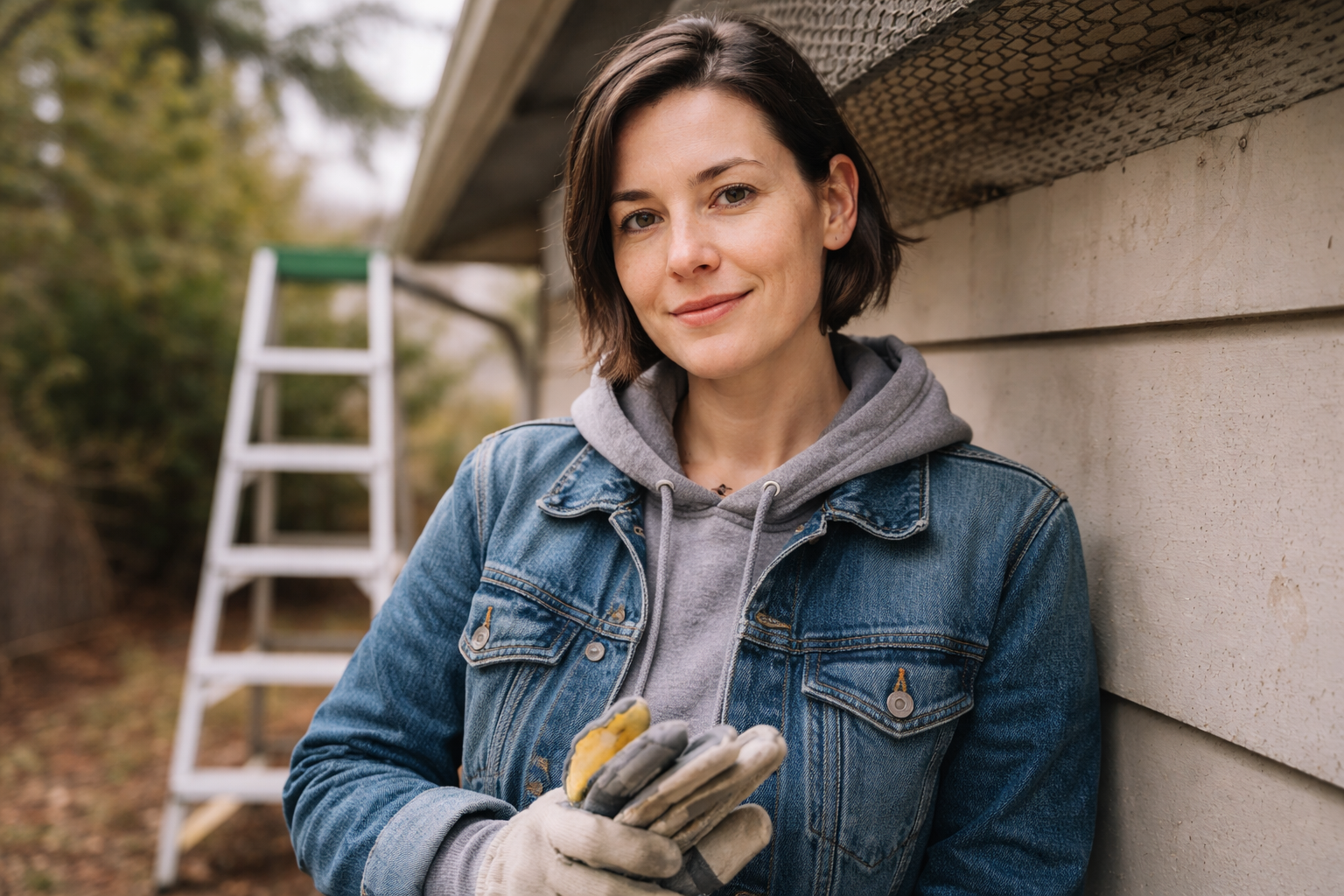
Immediate safety steps and a humane approach
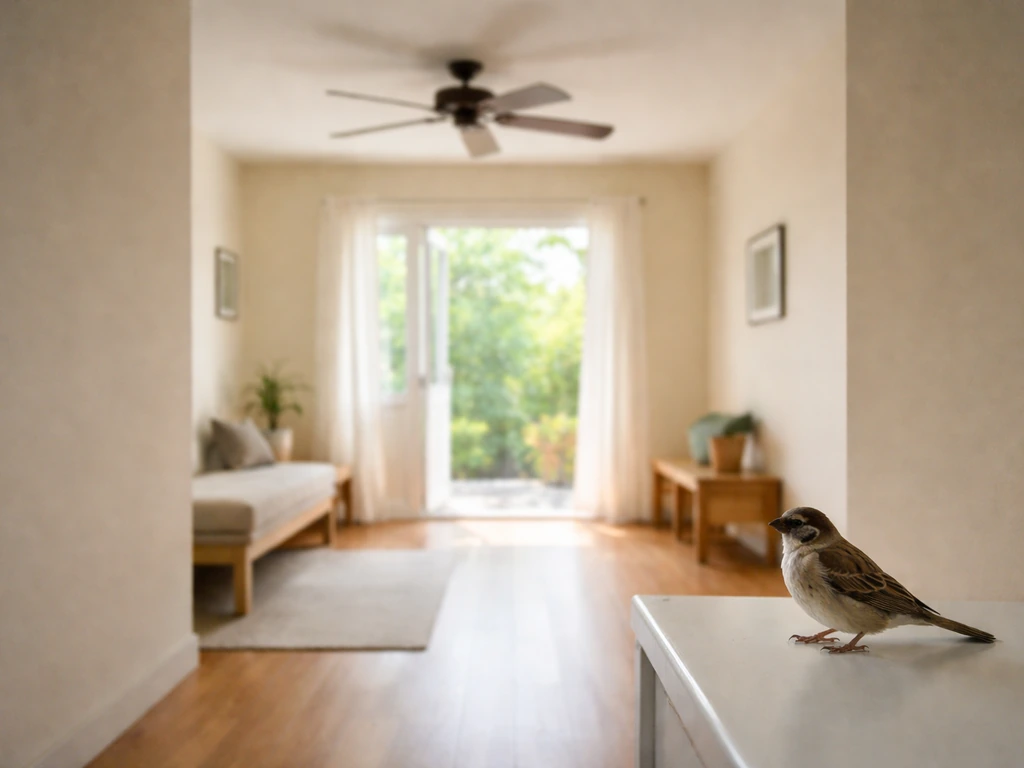
The first 60 seconds matter most. A panicking bird will fly into windows repeatedly, exhaust itself, and become much harder to guide. Your job right now is to reduce chaos, not catch the bird.
- Turn off ceiling fans, oscillating fans, and any exposed moving machinery immediately.
- Remove or confine dogs, cats, and other pets to a separate room and close that door.
- Close interior doors to limit the bird's range to the smallest possible space.
- Don't shout, clap, or make sudden movements. Keep your voice low and your movements slow.
- If children are present, ask them to leave the room calmly.
Once the situation is contained, put on a pair of light gloves if you have them. Most common wild birds are not dangerous, but some carry external parasites, and gloves also prevent your scent from stressing a bird further if you need to handle it. Don't worry about full PPE unless the bird looks sick or injured, in which case see the section on injury and wildlife professionals below.
A quick legal note before you do anything else: most wild birds in the United States are protected under the Migratory Bird Treaty Act (50 CFR 21). You can guide a bird out of your home without any permit, but if it's injured and needs ongoing care, only a licensed wildlife rehabilitator can legally keep and treat it. Keep that in mind as you work through this guide.
Quick tactics to calm the bird and narrow the search
Before you start a room-by-room search, take two minutes to set up the right conditions. This can make the bird reveal itself without you having to find it at all.
- Dim or turn off artificial lights in rooms where exits are closed. Birds follow the brightest path.
- In the room with the open exit, leave or increase natural light so that window or door is the obvious bright spot.
- Cover closed windows in the target room with curtains, blinds, towels, or cardboard so the bird isn't lured toward glass it can't pass through.
- Stand still and listen. A bird in a hidden spot will rustle, chirp softly, or knock into objects. Give it 2 to 3 minutes of silence.
- Watch for small movements near the floor, behind furniture, under shelving, or on top of high cabinets where a stressed bird often lands to rest.
- If you've heard the bird but can't see it, note where the sound came from and work outward from there.
Birds that have just entered are usually still moving and relatively easy to locate. Birds that have been inside for hours or overnight are often exhausted and huddled in a corner, behind an appliance, or tucked onto a shelf. In that case the silence-and-listen approach works especially well.
Room-by-room and hiding-place search strategy
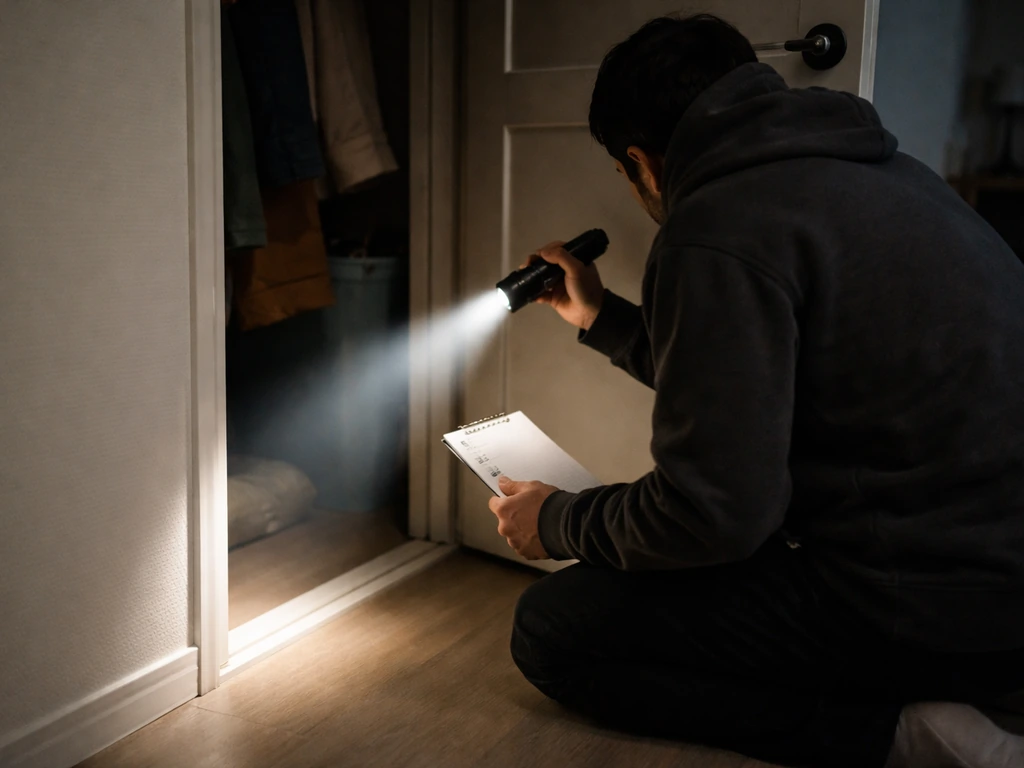
Work systematically from the room where the bird was last seen, or from the most likely entry point. Birds almost never go upstairs from a ground floor unless actively chased. They tend to fly toward light, so prioritize bright rooms, sunrooms, and any room with windows. If you still cannot see it, focus on where would a bird hide in a house, starting with corners, behind appliances, and any dark cavity or gap.
The most common hiding spots, by room
| Room/Area | Top hiding spots to check | Quick action |
|---|---|---|
| Living room | Behind the sofa, under chairs, on top of tall bookshelves, inside open fireplaces | Move furniture slowly away from walls; check fireplace damper |
| Kitchen | Behind the refrigerator, under the stove, inside open cabinets, on top of upper cabinets | Pull appliances out slightly; check inside any open cabinet or bag |
| Bathroom | Behind the toilet, inside a cabinet under the sink, on top of shower curtain rod | Check behind door; close the toilet lid if open |
| Bedroom/closet | Inside open closets, under the bed, behind dressers, on curtain rods | Check clothing in open closets; look on high shelves |
| Attic/loft | Rafters, insulation batt edges, inside open boxes, near gable vents | Bring a flashlight; watch for droppings to locate a roosting spot |
| Basement | Pipe chases, behind the water heater, on ledges near windows, inside stored boxes | Check near any light source; birds head toward even small windows |
| Utility/laundry room | Inside dryer vent duct opening, behind washer, on top of water heater | Critical: check dryer vent before running the machine |
| Garage | On rafters, behind shelving units, inside open vehicle vents, near the garage door track | Check high corners first; open the main door before searching |
Use a flashlight in dark corners and listen between moves. If you find droppings, feathers, or a small smear on a window but no bird, you're close. Check immediately above and below that spot. A bird that flew in through a gap in a soffit, vent, or eave often ends up in the attic or wall cavity first before working its way into living space, so if you can't find it in the main rooms, check the attic.
Tracking a bird that keeps moving
If the bird flushes every time you enter a room, use a simple paper checklist of every room, mark each one as cleared, and close the door behind you once you've confirmed it's empty. This way the bird can only be in the unmarked rooms, and you'll narrow it down fast without retracing your steps.
If you locate the bird: capture, containment, and exit plan
Once you've found the bird, resist the urge to immediately grab it. The goal is always to let it exit on its own, because a bird you chase will panic and injure itself.
The open-exit method (best first option)
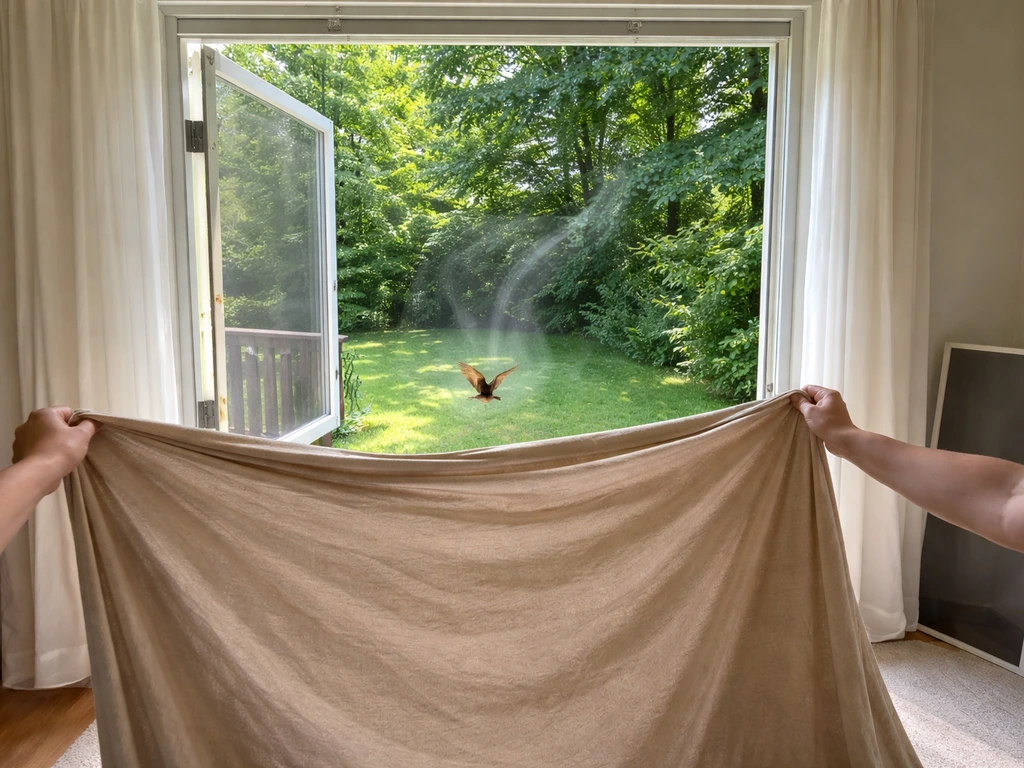
- Open one window or exterior door wide in the room where the bird is.
- Remove or lock the screen so there's a clear gap, not just a screen the bird will fly into.
- Cover all other windows in the room with blankets, towels, or closed blinds so the open exit is the only bright spot.
- Leave the room entirely if you can. Give the bird 10 to 15 minutes alone.
- If it hasn't left, re-enter slowly and use a long-handled broom or a large blanket held wide to gently herd the bird toward the open exit. Don't swing or jab; just create a soft, moving barrier.
A large sheet or blanket held open between two people works extremely well for guiding a bird toward a door. The bird sees a wall and moves away from it, right toward the exit. This technique works in hallways and narrow spaces especially well.
If the bird needs to be contained (stunned, injured, or hiding in a dangerous spot)
If the bird is grounded, not flying, or clearly stunned (but has no visible injuries), gently drape a lightweight towel or small blanket over it, then scoop the bundled bird carefully into a shoebox or similarly sized cardboard box lined with a single layer of tissue. Fold the lid closed and tape it. Don't add food or water for short holds under a few hours. Keep the box in a quiet, dark, room-temperature spot. The darkness calms the bird significantly. If it recovers and you can hear it moving actively, take it outside, open the box low to the ground near shrubs, and let it fly free.
If the bird has visible injuries (bleeding, a drooping wing, inability to stand), go directly to the injury section below. Don't attempt extended home care for an injured wild bird.
Troubleshooting when the bird won't be found or keeps escaping
Some situations are more stubborn. Here's how to handle the most common ones.
You heard it but can't find it
If you're hearing tapping, rustling, or faint chirping inside a wall or ceiling, the bird may be inside a wall cavity, behind a soffit, or in a duct. Don't open up walls yourself. Instead, identify where the sound is loudest, check if there's a nearby vent or access panel, and open it to create an exit route. Place a cardboard guide barrier leading away from the opening toward a bright exterior door or window. Then leave the area quiet for several hours. Birds in wall cavities will eventually move toward light and air.
The bird flies back in every time you open the exit
This happens most often when there's an attractant near the entry point, like a bird feeder within a few feet of the door, a reflective surface, or an open food container inside. Remove any attractants near the exit, then repeat the open-exit method. If the same bird is re-entering repeatedly, there's likely a structural gap it's using as a regular entry point. See the prevention section.
Bird keeps flushing to a new room before you can guide it
Stop moving entirely. Every time you enter, you're resetting the bird's stress level and making it harder to work with. Set up the open-exit conditions in the most likely room, then step back and wait. Patience genuinely works faster here than pursuit. If you have a second person available, station them at the door of the target room to gently block re-entry while you wait at a distance.
Bird is in the chimney
This is a special case. A bird inside a chimney cannot safely exit the way it came in, and hazing or noise-making will not work. Keep the damper closed so the bird doesn't enter the living space. If you see or hear the bird has come down past the damper or appears covered in soot, that bird is likely injured or exhausted and needs professional help. Call a licensed wildlife rehabilitator for guidance before doing anything else.
Injury, high-risk situations, and when to call wildlife professionals
Not every indoor bird situation is a DIY job. If you later find the bird dead inside, skip the rehoming steps and focus on safe cleanup and local disposal guidance what to do if a bird dies in your house. Here's when you stop handling it yourself.
- The bird has a visibly drooping or broken wing, is bleeding, or cannot stand upright.
- The bird is covered in soot or appears lethargic and unresponsive.
- The bird appears to be a juvenile (fluffy down mixed with feathers, very short tail, gaping beak).
- The bird shows neurological signs: circling, head tilting, or involuntary eye movement.
- You cannot identify the species and suspect it may be a raptor (hawk, owl) or a larger protected bird.
- The bird has been inside for more than 24 hours and appears severely weakened.
- The situation involves a commercial building, school, or facility where multiple people are at risk.
If any of the above apply, contain the bird gently in a ventilated cardboard box as described earlier, keep it dark and quiet, and contact a licensed wildlife rehabilitator as fast as possible. The clock matters for injured birds. You can find licensed rehabilitators through your state wildlife agency, the National Wildlife Rehabilitators Association directory, or by calling your local animal control office. If the bird is injured and needs ongoing care, Washington Department of Fish & Wildlife directs you to blank" rel="noopener noreferrer">permitted wildlife rehabilitators and its rehabilitation resources. If you are not sure who to call, start with your state wildlife agency or local animal control office for guidance on licensed wildlife help who to call if a bird is in your house. In the US, remember that possessing a wild migratory bird, even to help it, requires a federal permit if you're not licensed. Your role is safe containment and handoff, not treatment.
When you call, be ready to describe the species if you can, the bird's condition, how long it has been inside, and whether it has visible injuries. That information helps the rehabilitator prioritize and advise you on transport.
Preventing future bird entry: seasonal proofing and sealing checklist
Once the bird is out and the immediate situation is resolved, take an hour to do a proofing walk-around. The same gap that let this bird in will let the next one in too, often during peak nesting seasons in spring (March through May) and when young birds are dispersing in late summer.
Where to look for entry points
- Roof vents, soffit vents, and ridge vents: check for missing or deteriorated screens
- Gable vents: look for gaps at the edges or holes in existing screening
- Dryer vents and bathroom exhaust vents: inspect the flap damper for damage or missing covers
- Gaps around pipe penetrations, conduit, and utility lines entering the building
- Chimney caps: check that the cap is intact and the screen mesh is not torn
- Gaps under eaves, especially where fascia boards have pulled away
- Foundation vents in crawlspaces: check for missing or corroded screens
- Garage door seals and weatherstripping: look for gaps at corners and along the bottom
How to seal what you find
Small gaps up to about half an inch can be sealed with exterior-grade silicone caulk. Larger openings need a physical barrier: use galvanized hardware cloth or corrosion-resistant wire mesh with openings no larger than a quarter inch. This is the standard recommended by building science professionals and is small enough to exclude most bird species. For vent openings, install purpose-made vent covers with built-in screens, or cover existing vents with welded galvanized hardware cloth cut to fit and fastened with staples or screws. Avoid plastic mesh, which degrades in UV light and gaps over time.
Seasonal maintenance schedule
| Season | Task |
|---|---|
| Late winter (February) | Inspect chimney cap and flashing before nesting season begins; replace damaged caps |
| Early spring (March) | Check all roof and soffit vents for screen integrity before migratory birds arrive |
| Late spring (May) | Recheck any areas where birds were heard in the attic; seal after confirmed departure |
| Late summer (August) | Inspect for gaps created by heat expansion, pest damage, or storm wear |
| Fall (October) | Check weatherstripping on all exterior doors and seal gaps before winter roosting begins |
| After any storm | Inspect roof vents, fascia, and soffits for storm damage that opens new entry points |
One important rule: never seal an entry point while birds may still be inside, especially during nesting season. Trapping birds or nestlings inside a wall or attic is both inhumane and, for most migratory species, a federal violation. If you suspect active nesting, watch the entry point for a week to confirm the birds have left before sealing. If you're unsure, contact your state wildlife agency or a licensed wildlife control operator for guidance.
Reducing outdoor attractants also helps. Move bird feeders at least 10 feet from the building, especially away from doors and vented areas. Apply window film or external tape patterns to large glass surfaces to reduce collision-driven entry attempts. Keep garage doors closed when not in active use, and install brush-strip door sweeps on any exterior door with a gap larger than a quarter inch at the base.
A bird getting into your house is almost always a structural problem first and a bird behavior problem second. Seal the gaps, install the right screens, and the chances of a repeat are very low. After you get the bird out, a quick proofing and sealing checklist can help prevent another bird from getting in the same way next season. The room-by-room search and guided exit steps above handle today's problem; the proofing checklist handles next season's.
FAQ
What should I do first if I hear a bird but I cannot find it anywhere in the room?
Keep the containment steps in place (fans off, pets secured, doors closed), then focus on the brightest openings and check for sound sources. Use a flashlight to scan the ceiling line and along vents or soffits, because birds that are calling from a “gap” often move toward the nearest airflow and light once you remove constant movement.
Is it safe to use a vacuum, net, or towel immediately to grab the bird?
Avoid tools meant for catching. The safest approach is to guide the bird to an exit you create, because sudden contact or suction can injure wings and can cause internal panic injuries even when the bird appears unharmed.
How long should I wait for the bird to exit once I open a single window or exterior door?
Start with a quiet 10 to 30 minute wait after creating the brightest single exit. If the bird does not progress after that window, switch to a systematic room search and use the flashlight listening method to locate it before changing the strategy again.
What if the bird keeps flying into the same window after I open an exit?
Confirm that other windows are fully blocked (blanket or blind coverage) so the open exit is clearly the brightest. Also reduce reflective distractions near the door and avoid standing in the line of flight, because movement and reflections can repeatedly pull the bird back toward the strongest visual cue.
What if I find droppings or feathers but I never see the bird?
Treat it as a sign the bird is close, then check the nearest vertical spaces around the evidence, including immediately above and below the window or smear area. If there is an attic-access door, nearby vent, or soffit line where the evidence could originate, inspect those routes because the bird may be working inward from a cavity.
Can I leave the bird contained overnight if I still cannot locate it?
Do not keep it in an unsafe or unknown space overnight without a plan. If you cannot find it after a thorough room-by-room pass and sound localization, set up the open-exit conditions in the most likely area and contact a wildlife rehabilitator for guidance, especially if the bird may be injured or inside a wall.
If the bird is sitting on the floor, should I try to revive it with water or food?
No, not for short holds. For an apparently uninjured but grounded bird, focus on the towel-over approach, place it in a small ventilated box with minimal disturbance, and keep it dark and warm-ish (room temperature). Do not offer food or water unless the rehabilitator instructs you, because stress and aspiration risk are common.
What if the bird looks injured but I still want to attempt home care?
If there is bleeding, a drooping wing, inability to stand, or heavy exhaustion, skip extended at-home treatment and hand off quickly. Keep it dark and in a ventilated box for transport, because delay can worsen shock and make later rehab less successful.
How can I tell whether the bird is in the chimney versus somewhere else?
Chimney cases often produce intermittent movement and a flight pattern that suggests the bird cannot “back out” to the room. If the bird appears sooty or you suspect it has gone past the damper, do not attempt noise-based hazing. Keep the damper closed and call a licensed wildlife rehabilitator for guidance.
What information should I prepare before calling a wildlife rehabilitator?
Have the likely species (if you can identify it), your best estimate of how long it has been inside, where you last saw or heard it, whether it is moving normally or grounded, and whether you noticed blood or a drooping wing. If possible, mention whether the bird is trapped in a wall/ceiling and any access panel or nearby vent location.
When is it safe to seal entry gaps after the bird is out?
Do not seal until you are confident there is no active nesting. In spring (often March through May) and during late-summer dispersal, watch the suspected entry point for about a week if you are unsure whether birds are still present. If you suspect active nesting, wait or contact a wildlife professional instead of sealing right away.
What is the most common prevention mistake after a successful removal?
Sealing an entry point too soon while birds could still be inside. Another common mistake is only fixing one visible crack, while the actual route is an eave, vent gap, or behind a window frame. Do a proofing walk around the likely last-entry area and verify screens and vent covers are secure.
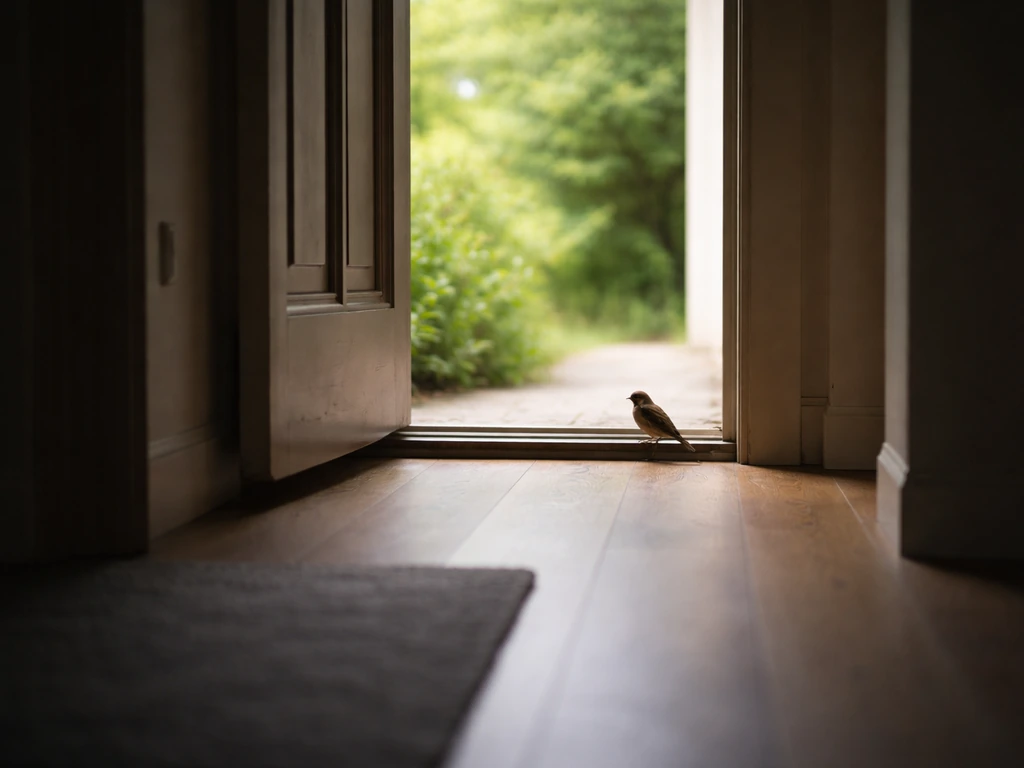
Humane steps to safely get a bird out and prevent it nesting again with entry-point fixes and safety guidance.
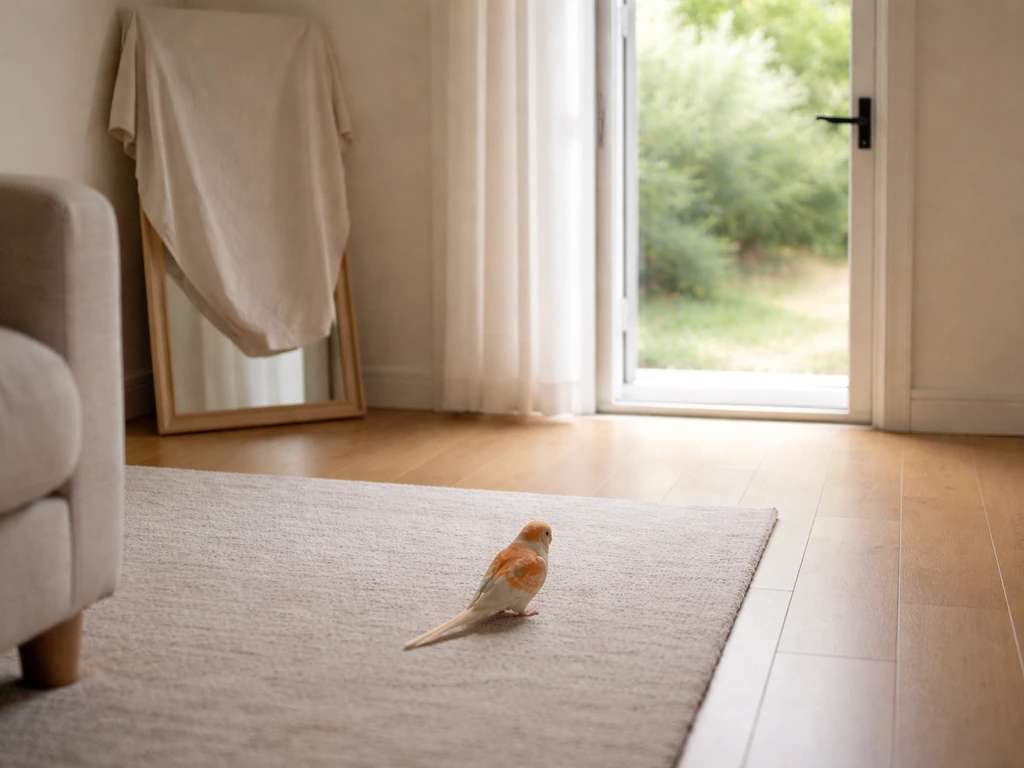
Humane, safety-first steps to catch or contain an indoor bird, then release or transfer and prevent repeat entry.
Humane, step-by-step guide to get a trapped bird out safely, handle injuries, and prevent future entry.