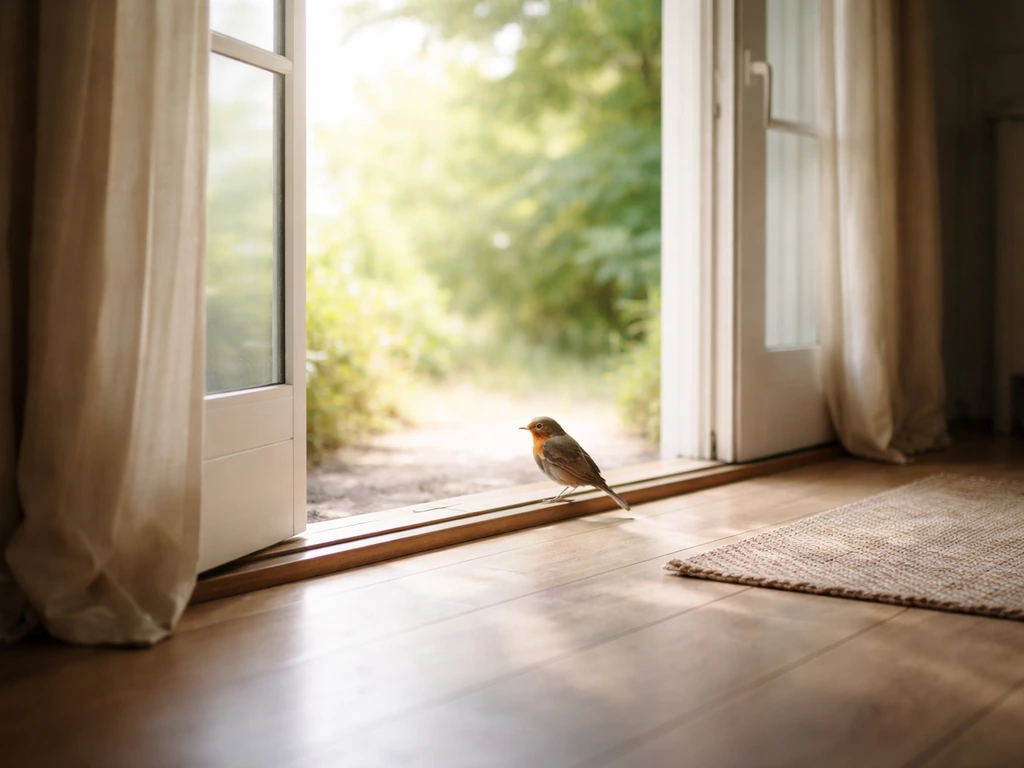
Put on gloves before you touch anything, bag the bird, seal it, and get it outside. That is the core of what you need to do right now. Everything else, disinfecting the area, finding out how it got in, and making sure it does not happen again, comes after the immediate removal. This guide walks you through every step in order, from the moment you find the bird to the long-term fixes that keep your home or building bird-free.
What to Do If a Bird Dies in Your House: Steps
Maya Carver
17 May 2026
First: Safety actions and who to involve right now
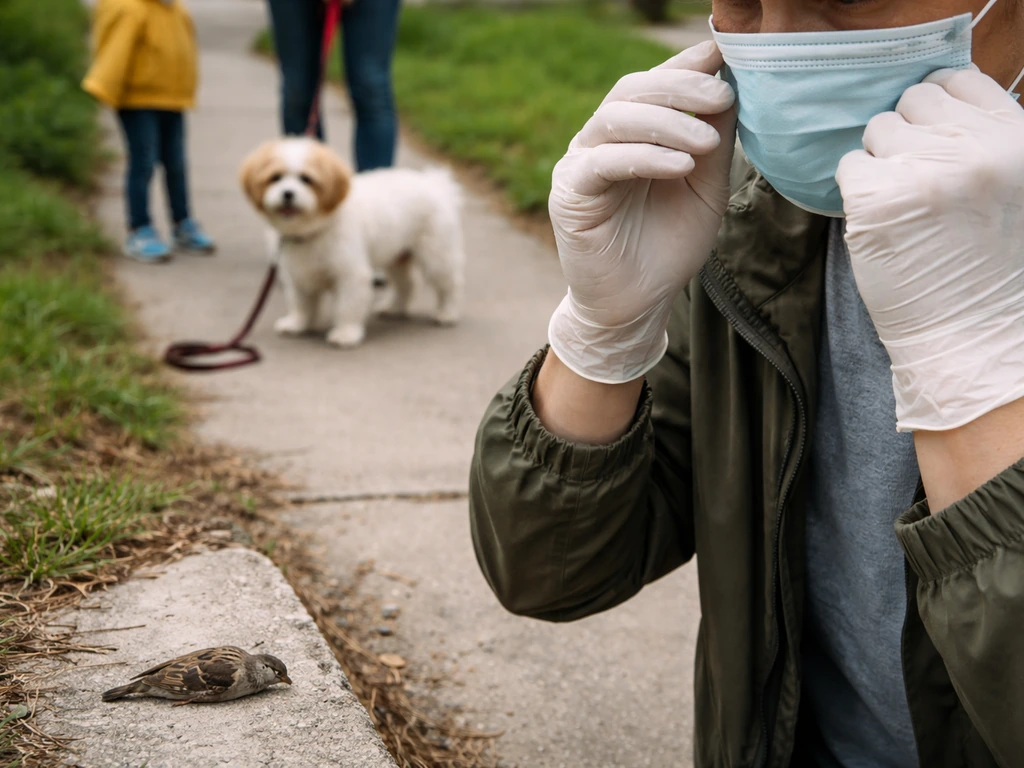
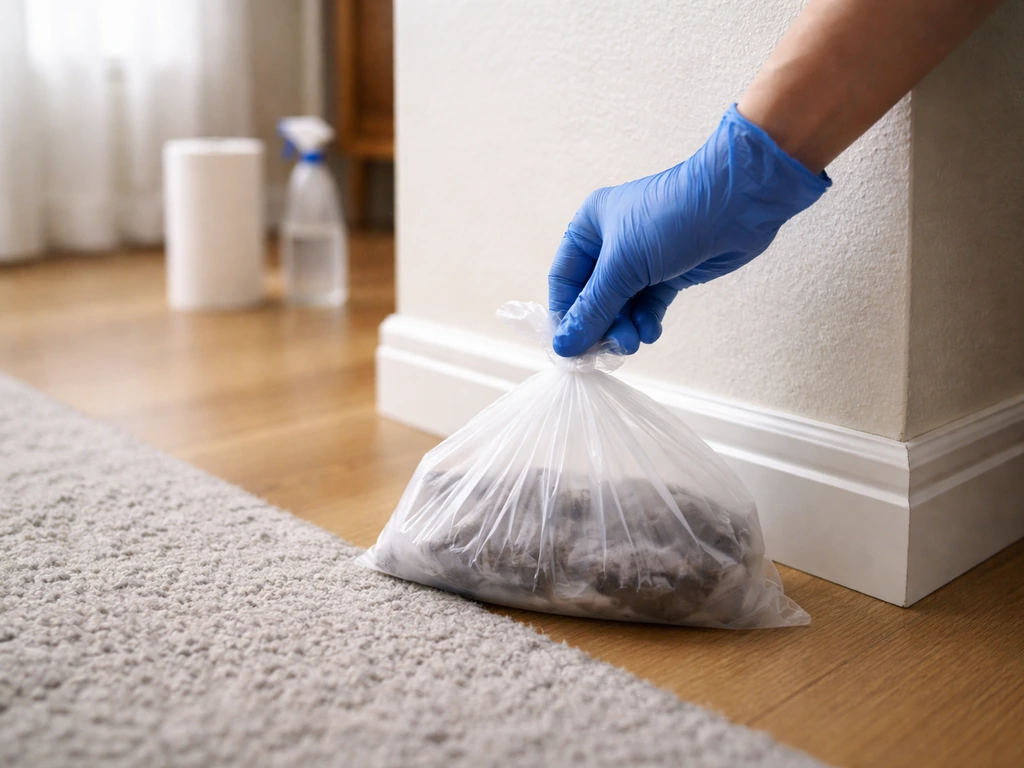
Before you go near the bird, stop and get your gear. The CDC recommends disposable impermeable gloves at minimum, and if you have any reason to suspect bird flu or the bird looks like it may have been sick rather than just disoriented and injured, add safety goggles that fit snugly and a disposable mask (N95 if you have one). Do not handle the bird bare-handed under any circumstances. Bare-handed contact with dead birds is a real exposure risk for pathogens including West Nile virus and avian influenza.
If the bird appears freshly dead or is still warm, keep pets and children out of the room immediately. Crack a window to ventilate the space, but do not run fans that will blow air across the carcass toward occupied areas of the building. If the bird is large, visibly sick before it died, or part of a group of dead birds, do not handle it yourself. Call your state wildlife agency or a licensed wildlife removal professional first.
If you need help identifying who to call for a trapped bird, start with your state wildlife agency, animal control, or a licensed wildlife removal professional. If you are dealing with a bird inside your house, this is the right place to start for guidance on who to call and what to do next Call your state wildlife agency or a licensed wildlife removal professional.
If you manage a facility, document the discovery with a photo and timestamp before removal. Note the species if you can identify it, the location, and whether there are signs of others (droppings, feathers, sounds from walls or HVAC). This record matters if you need to report to a wildlife authority or file an incident report.
- Stop: do not touch the bird bare-handed
- Gear up: gloves (disposable, impermeable), goggles, mask if available
- Clear the room: remove pets, children, and non-essential people
- Ventilate: open a window away from occupied spaces
- Document: photo, location, species if known, date and time
- Call for help if: the bird is large, you found multiple dead birds, or the bird appeared ill
What actually happens after a bird dies indoors
Understanding the timeline helps you act with the right urgency. In the first few hours after death, the main concerns are bodily fluids, dander, and any ectoparasites (mites, fleas, lice) that lived on the bird and will now start looking for a new host. These parasites typically leave the cooling body within hours, so the area around the carcass becomes a secondary concern quickly.
Decomposition indoors is significantly faster than outdoors because there is no wind, rain, or scavenging to disperse the material. In warm indoor conditions (70 to 80 degrees Fahrenheit), a small bird can begin to smell noticeably within 24 to 48 hours and reach active decomposition within 3 to 5 days. In a wall cavity or HVAC duct, that odor can permeate an entire room or floor of a building. The longer you wait, the harder the cleanup.
If the bird died inside a wall, ceiling, or duct rather than in an open room, you may not see it at all. The first sign is usually a foul smell that intensifies over days and then slowly fades as the carcass dries out, which can take several weeks. Secondary issues in this scenario include flies and their larvae (maggots), which can emerge from a wall gap and appear in living spaces, and blowflies attracted from outdoors.
Step-by-step cleanup: PPE, containment, and disposal
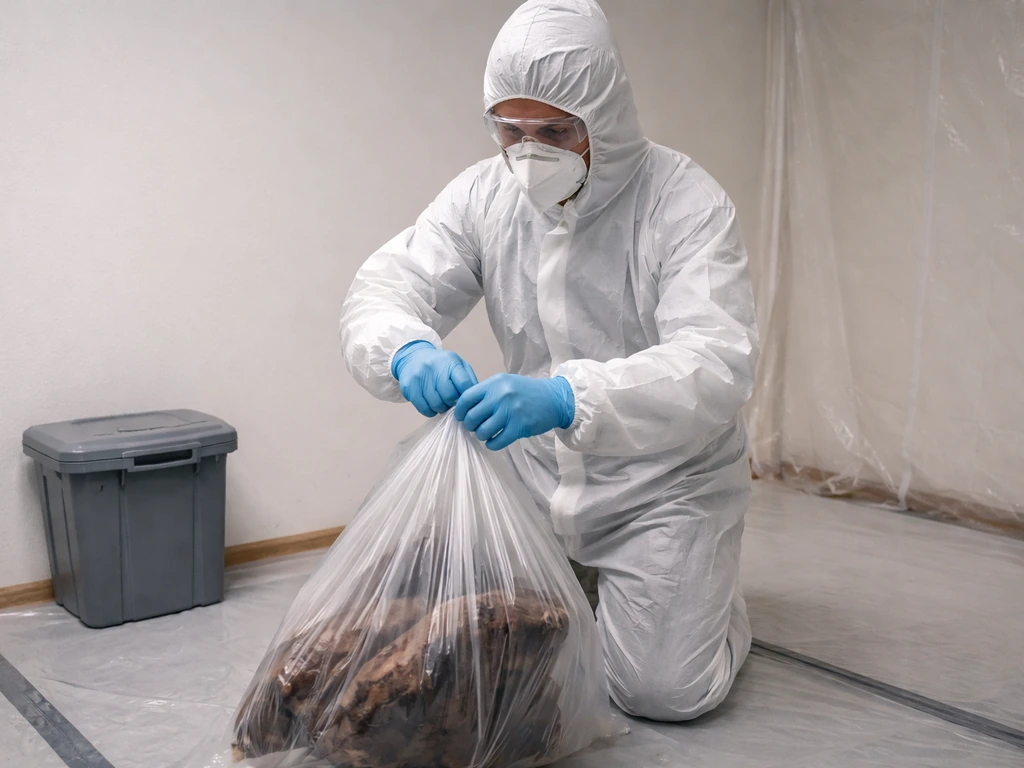
Work methodically and do not rush this. Rushing leads to spills, unnecessary dust disturbance, and missed contaminated spots.
- Put on your PPE: disposable impermeable gloves, snug-fitting goggles, and a mask. Add a disposable head cover if you have one and are working in a confined space.
- Prepare two plastic bags: one for the bird, one as a double-bag outer layer.
- Approach the bird calmly. Do not shake, fan, or disturb feathers or surrounding debris. The CDC specifically warns against actions that stir up dust, waste, and feathers because doing so can disperse viral particles into the air.
- Gently place the bird into the first bag without inverting or shaking it. If the bird is on a hard surface, slide it in directly. If it is on carpet or fabric, use a piece of stiff cardboard to scoop it without pressing down.
- Seal the first bag completely, then place it inside the second bag and seal that too.
- Bag any materials that had direct contact with the bird: paper towels, the cardboard scoop, soiled rags. These go in a separate sealed bag.
- Remove your gloves by inverting them as you pull them off (so the outside is now inside), then bag those too.
- Wash your hands thoroughly with soap and water for at least 20 seconds.
- Place the sealed double bag in your outdoor trash bin. Do not put it in indoor recycling or compost.
- If you suspect a protected species or illness, hold the sealed bag and contact your state wildlife agency before disposal.
One thing to avoid: pressure washing. It seems like a thorough approach, but the CDC specifically cautions against it because the force can aerosolize viral particles and push contaminated material into cracks and surfaces rather than removing it.
A note on legal considerations and protected species
The Migratory Bird Treaty Act (MBTA) covers hundreds of species and generally prohibits possessing migratory birds or their parts without authorization. As of December 31, 2024, the U.S. Fish and Wildlife Service replaced the old salvage permit requirement with a Regulatory Authorization, which allows individuals to pick up and dispose of incidentally found dead migratory birds without a permit in most cases. However, if you find a species that appears unusual, exotic, or if multiple birds have died in the same location, contact USFWS or your state agency before handling. When in doubt, photograph it and call.
Disinfection and where to check beyond the bird itself
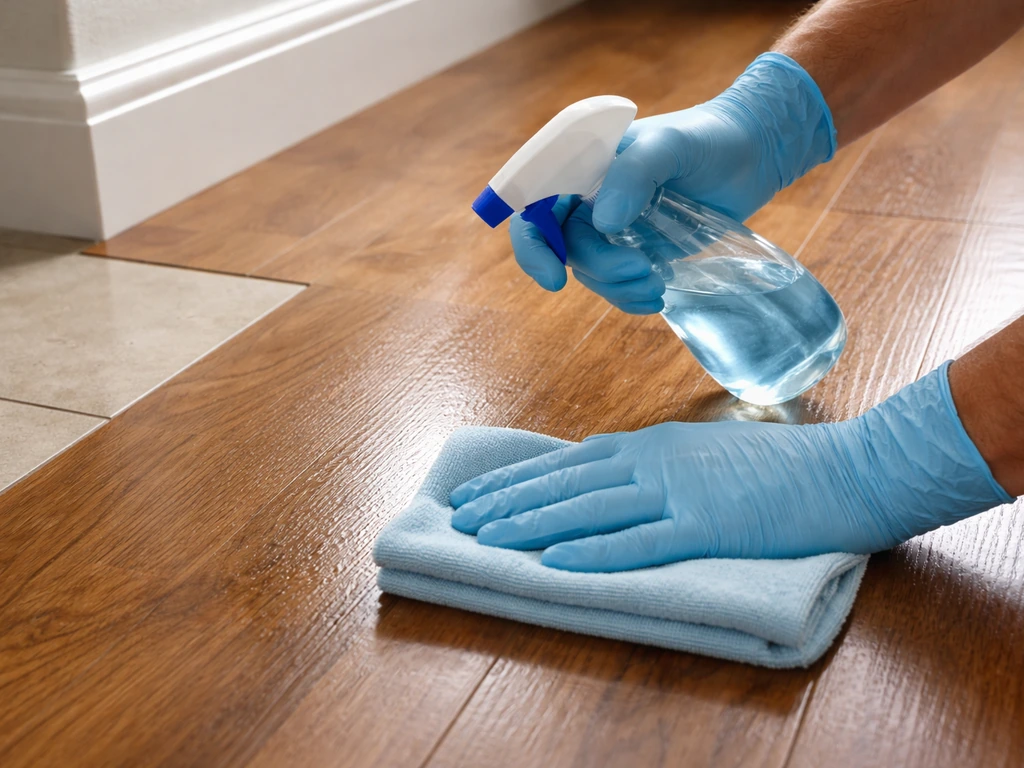
After removal, the bird is gone but the contamination is not. Disinfect every surface the bird contacted, and then work outward from that spot. The CDC process is clean first, then disinfect: scrub the surface with soap and water until visible soiling is gone, rinse, then apply a disinfectant with label claims against influenza A viruses. The EPA maintains List M, a registry of disinfectants registered as effective against avian influenza A. Check that your product appears on that list and follow the contact time listed on the label exactly. For example, some products require the surface to remain visibly wet for 10 minutes. Do not wipe early.
Hard, non-porous surfaces like tile, sealed hardwood, glass, and painted walls are straightforward to disinfect. Porous surfaces like carpet, upholstery, and unfinished wood are harder. For carpet, blot (do not rub) any visible fluid, apply a disinfectant appropriate for fabric if available, and allow to air dry. Consider steam cleaning for carpeted areas where the bird rested for an extended time.
Surfaces and areas to check beyond the obvious spot
- Window sills and frames where the bird may have landed or perched before dying
- Walls and baseboards near the carcass location (bodily fluids spread further than you expect)
- HVAC vents or returns in the same room (bird dander and pathogens can be pulled into the system)
- Any fabrics, curtains, or rugs within 2 to 3 feet of the bird's position
- The floor path between where you found the bird and the nearest exit you used during removal
- Your own clothing: change and wash it after cleanup, even if you wore PPE
If the bird was found near or inside an HVAC duct, change your air filter immediately after cleanup and consider having the ductwork inspected. Contaminants drawn into the system can circulate through the building. After cleanup, monitor yourself for symptoms for 10 days following your last day of potential exposure to the bird or contaminated materials, as the CDC advises for anyone exposed to potentially infected birds.
How to find and fix the entry route
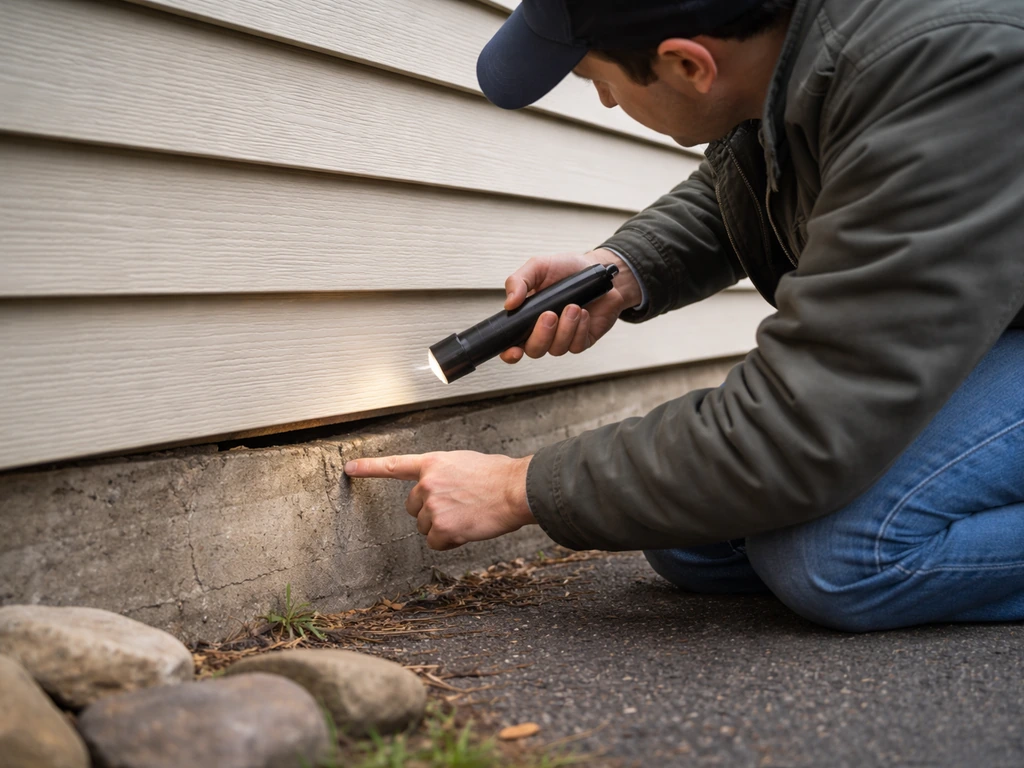
A bird dying inside your home or building means one got in. That entry point is still open unless you find and seal it. The most common ways birds get indoors are through open or unscreened windows, gaps around roof vents and exhaust fans, open chimneys, damaged soffits or fascia, and gaps where utility lines enter the building. If the bird died inside a wall or attic, it almost certainly entered through the roofline or an exterior gap at a higher point.
Start your inspection from the outside. Walk the perimeter and look at eye level and upward for gaps larger than half an inch, missing mortar, loose vent covers, and any area where daylight is visible from inside. Check the roofline from a safe vantage point or ladder (use a spotter). Inside, look at where pipes and wires enter walls, check bathroom and kitchen exhaust fan covers, and look at any attic access points.
Sealing and proofing the entry
Seal gaps under half an inch with exterior-grade caulk. For larger openings, use hardware cloth, rust-proof wire mesh, or metal sheeting depending on the size and location. USDA APHIS also describes exclusion devices as barriers Wildlife Services/APHIS uses to minimize or stop wildlife access to buildings or resources, including approaches like netting or wire mesh and anti-perching devices. HVAC and plumbing openings should be covered with durable metal screens. The Building America Solution Center recommends rust-proof wire or plastic mesh for screening HVAC openings, while larger structural gaps may need metal mesh with openings no larger than half an inch. Do not use foam alone for any gap a bird could reach: they can peck through it.
For windows, the problem is often collisions rather than deliberate entry: birds hit glass they cannot see as a barrier. If you are finding dead birds on window sills regularly, apply an exterior window pattern treatment with a 2-by-2-inch grid spacing, which the USGS identifies as an effective deterrent. UV-reflective glass treatments and one-way transparent films are also options recommended by the U.S. Fish and Wildlife Service's Bird-Friendly Home Toolkit.
| Entry type | Sealing method | Best material |
|---|---|---|
| Small gaps (under 0.5 inch) | Caulk or foam backer + caulk | Exterior-grade silicone or polyurethane caulk |
| Medium gaps (0.5 to 2 inches) | Wire mesh patch | Rust-proof hardware cloth or metal mesh |
| Vent and exhaust openings | Screen cover | Durable metal screen, minimum 0.5-inch openings |
| Chimney or large roof openings | Cap or cage | Commercial chimney cap or welded wire cage |
| Open windows or doors | Physical barrier | Tight-fitting screens with no tears or gaps |
| Window glass collisions | Visual deterrent | 2x2-inch exterior grid pattern or UV-reflective film |
When to call a wildlife professional or pest specialist
Most single dead-bird situations are DIY-manageable if you follow the steps above. But there are clear situations where you should stop and make a call instead. USDA Wildlife Services provides wildlife damage management assistance for exactly these kinds of situations, and your state wildlife agency can often refer you to a licensed professional.
- You found more than one dead bird in the same area or within a short timeframe (potential mortality event requiring state reporting)
- The bird is large (raptor, waterfowl, crow) and you are unsure how to handle it safely
- The bird appears to have been ill before it died: discharge from eyes or beak, unusual posture, or found near other sick wildlife
- You cannot locate the carcass but smell decomposition (bird is inside a wall, ceiling, or duct)
- You see signs of an active bird infestation: nesting materials, multiple live birds, large quantities of droppings
- You are a facility manager with liability concerns or staff exposure
- You cannot identify the species and are unsure about MBTA protections
- You suspect the species may be protected or endangered
When you call, have the following information ready: approximate species or description, location found (indoor, outdoor, which room), condition of the bird, whether you found others nearby, and any symptoms in household members or staff. Massachusetts, Oregon, and many other states have specific reporting protocols for avian mortality events, and your local animal control officer is often the right first call if a wildlife line is not immediately available.
Seasonal prevention and a home or facility proofing checklist
Bird intrusions follow seasonal patterns. Spring is nesting season, when birds actively seek enclosed spaces: chimneys, attic vents, and wall gaps become target sites from March through June. Fall migration in September and October brings disoriented birds into contact with glass and building facades, increasing window collision deaths. Winter sometimes drives birds to seek warmth near or inside structures. If you are a facility manager, these are the three windows when proactive inspections pay off the most.
Annual proofing checklist
- Inspect all exterior vents, louvers, and exhaust covers: replace any damaged screens before spring
- Check soffits, fascia, and roofline for gaps or displaced panels after winter
- Confirm chimney caps are secure and intact
- Walk the building perimeter and seal any new gaps larger than half an inch with appropriate materials
- Check window screens for tears, especially before spring nesting season
- Apply or refresh exterior window collision deterrents before fall migration
- Inspect HVAC intake and return covers and confirm mesh is intact and unobstructed
- Clear gutters and roof edges of nesting debris from the previous season
- Check any utility penetrations (pipes, conduit, cable) where they enter the building
- Review and update your bird incident log if you manage a facility
For facilities, build this checklist into your seasonal maintenance schedule as a recurring task in February (pre-spring) and August (pre-fall migration). For homeowners, combining it with a general home inspection once a year is enough. Fixing a single gap takes 15 minutes; finding a dead bird inside a wall and dealing with the odor and extraction can take days and real money. The proofing work is always worth it.
If you are dealing with a live bird trapped indoors rather than a dead one, or if you are trying to figure out how birds are getting in at all, those are separate problems with their own approaches. If you are trying to locate where a bird entered, the same clues can guide you on how to find a lost bird in your house figure out how birds are getting in at all.
The situation of finding a dead bird is just one scenario in a broader picture of keeping birds safely out of your building, and the entry-point fix you do after this incident is the most important long-term step you can take. To prevent a bird in the house from happening again, seal the entry route and proof the areas where birds can enter.
If you are trying to learn how to catch a bird in your house, start with safety first and then focus on getting it outside without handling it more than necessary keeping birds safely out of your building.
FAQ
Should I throw the bird away immediately, or does it need special disposal steps?
Do not bring it to a trash can inside the house. Put it in a sealed bag or double-bag it while still wearing gloves, then take it outside promptly and place it in a closed outdoor bin. If the bird was warm or appears freshly dead, treat it as higher risk and avoid any extra handling (no wrapping in paper, no sorting through the bag).
How long can I wait after noticing the smell before cleanup, especially if I cannot see the bird?
If you can smell it strongly, or you see flies, the cleanup needs to start sooner rather than later. For “bird-in-wall/duct” cases, odor can worsen over days as drying and secondary insects progress, so you should begin decontamination as soon as the carcass is located or removed, even if parts of the area have not fully “stopped smelling.”
What if a child or pet touched the dead bird or the area it was in?
If a pet or child touched the bird or the contaminated area, isolate them and wash exposed skin with soap and running water right away. Avoid having them help with cleanup. If there was direct contact with the bird, noticeable mucous membrane exposure (eyes, nose, mouth), or the person develops fever or flu-like symptoms after the event, contact a clinician and mention possible exposure to dead birds.
Can I use a vacuum cleaner to clean feathers, dander, or residue around the bird?
Do not vacuum. Vacuuming can spread microscopic contamination into the air and onto other surfaces, especially on porous materials. For cleanup, stick to the method in the article: remove the carcass carefully, then scrub with soap and water, rinse, and disinfect with a product that matches the label claims and contact time.
I do not have goggles or an N95, what should I do instead?
Only use PPE you can properly fit and wear safely. If you do not have a mask and goggles, do not improvise with loose-fitting items that let air leak around the edges. If the bird looked sick, is part of a group of dead birds, or you cannot safely isolate the area, your safer next step is to call your state wildlife agency or a licensed wildlife removal professional.
What if I already cleaned up and disposed of the bird, but I did not disinfect properly?
If the bird has already been removed by someone else, you still need to disinfect contact surfaces and consider where it landed. Use the documented location as your start point, then clean outward. Also check HVAC filters if it was near or inside a duct, because air movement can distribute contamination beyond where the carcass was.
What is the best way to disinfect carpet or upholstery if the bird was there for a while?
For a carpeted area, blotting is only the first step. If any fluids or stains are present, apply an appropriate disinfectant for fabric (if you have one that is labeled for the material), keep the surface wet for the full label contact time, then air dry completely. Avoid rubbing, because it can push residue deeper into the fibers.
I used a household cleaner already, should I redo the disinfection step?
If you already used bleach or another household cleaner before disinfecting correctly, you should follow up with a detergent wash (soap and water) to remove soiling, then apply a disinfectant that specifically lists influenza A effectiveness with the correct wet contact time. Do not mix disinfectants or combine chemicals.
When should I stop DIY and call someone for a bird inside a wall, ceiling, or HVAC duct?
If you suspect the bird died in a wall, attic, or duct, you may need a contractor to locate and extract it safely. A strong odor plus insect activity is a common pattern, and waiting can make the contamination harder to fully reach. If you cannot access the area without damaging building materials, call a wildlife removal professional or appropriate contractor for the extraction and remediation.
Should I disinfect gloves, grabbers, or reusable tools after removing the bird?
If you are reusing the same tools or reusable containers, treat them as contaminated. Wear gloves, remove visible soil, then wash with soap and water and disinfect them using the same influenza A labeled product approach, and let them dry fully. Better yet, use disposable materials during cleanup.
If I keep finding dead birds by a window, what should I do beyond sealing gaps?
For window-collision prevention, the key is adding a visual pattern that birds can detect. If you are placing film or treatments, apply it to the inside or outside so the spacing stays consistent and does not peel at edges. Re-check after weather or cleaning, and replace if the pattern becomes less visible.
What situation turns a single DIY cleanup into something I should report before handling anything?
If multiple birds have died in the same area, the incident looks unusual (rare species, birds appearing abnormal), or you see birds dropping around a feeder or nesting site, pause handling and contact your state agency or USFWS guidance first. It can change what you should report and whether specialized disposal or testing is recommended.
Next Article
Bird in House What to Do: Humane Removal and Prevention
Humane steps to get a bird out safely, cleanup tips, and prevention to seal entry points and stop repeat visits.