If a bird is in your house right now, your first call depends on the situation: for a healthy, free-flying bird, try guiding it out yourself before calling anyone. If the bird is injured, trapped somewhere it can't get out of, or you're dealing with a raptor or a large flock, call a licensed wildlife rehabilitator or a wildlife removal specialist.
Who to Call If a Bird Is in Your House: Step-by-Step Guide
Maya Carver
20 May 2026
Animal control handles domestic animals in most places, so they're usually not your best first call for wild birds unless you can't find anyone else. Pest control companies handle exclusion and proofing work once the bird is gone, not the rescue itself. Exclusion and proofing are what stop birds from finding the same entry point and getting back in exclusion and proofing work.
First few minutes: what to do before you call anyone
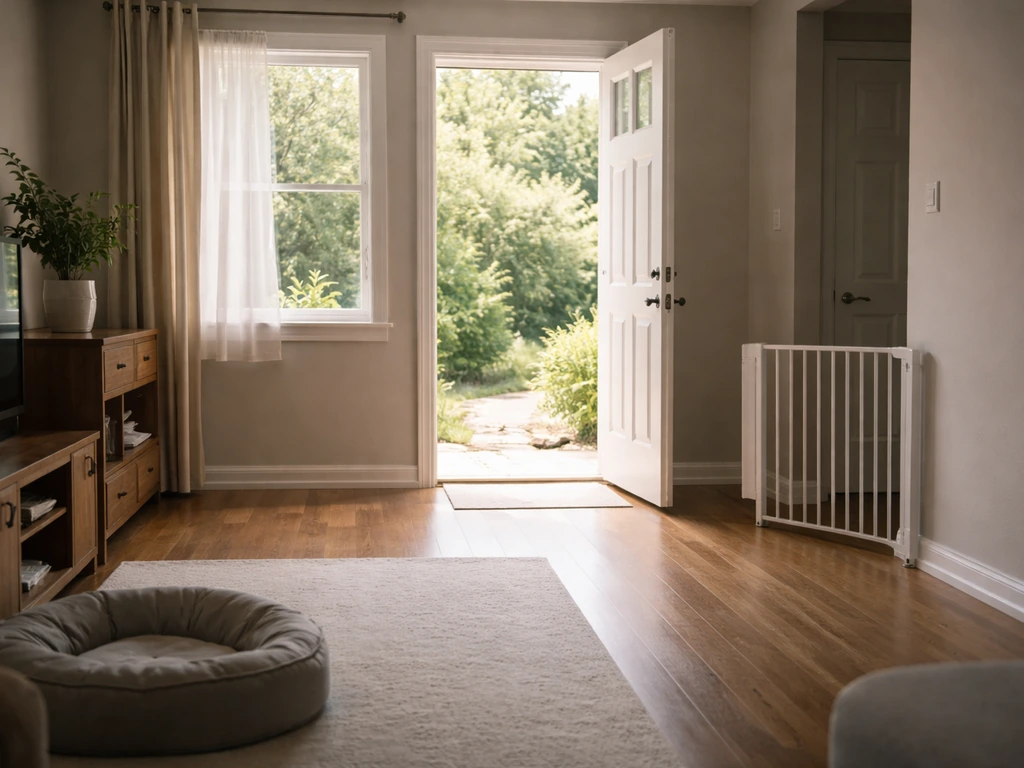
Before you pick up the phone, spend two minutes setting up conditions that give the bird the best chance of finding its own way out. Most healthy birds will leave on their own if you remove the barriers and get out of the way. If you ever end up dealing with a bird in your house, focus first on safety and giving it a clear way out before deciding who to call.
- Get people and pets out of the room. Dogs and cats escalate panic flights and can injure the bird. Kids should leave too.
- Close all interior doors between rooms. You want to contain the bird to one space so it doesn't fly deeper into the house.
- Turn off all interior lights. Birds move toward light, so a dark room with one bright exit is far more effective than a lit room with an open window.
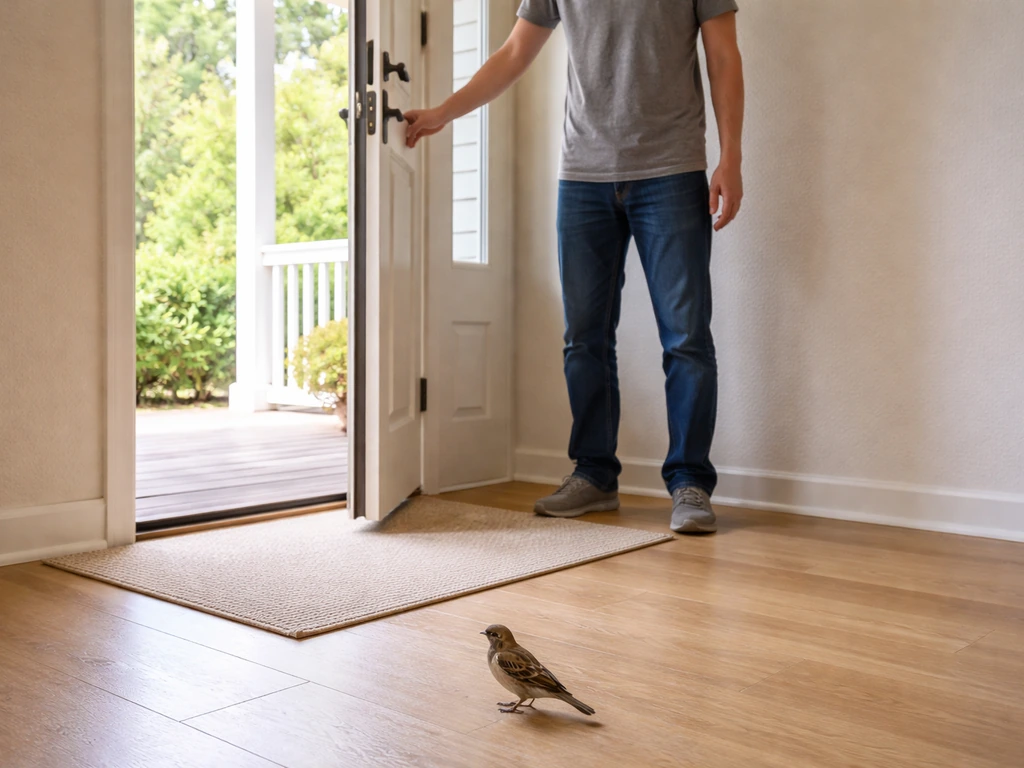
- Open the widest exit you have: a patio door, a large window with the screen removed, or an exterior door. Point it toward daylight.
- Leave the room and wait quietly for 10 to 15 minutes. A calm environment is your biggest advantage.
If the bird is in a basement, the approach is slightly different. Turn off the basement lights, open any windows you can, and cover windows that won't open with a blanket or cardboard so the bird isn't drawn to closed glass. The goal is one obvious lit exit and darkness everywhere else.
If the bird hasn't found its way out after 15 to 20 minutes, you can gently encourage it toward the exit using a broom held low and steady, sweeping the air slowly, not swatting. The San Diego Humane Society recommends confining the bird to a small area as close to the exit as possible before attempting any guiding. If you need help figuring out how to find a lost bird in your house, start by creating easy exits and minimizing hiding spots confines the bird to a small area. Never throw a towel or blanket over a flying bird to catch it. The RSPCA is clear on this: it can cause serious injury, especially to wing joints.
Who to call: the right contact for every situation
Not every bird situation needs the same professional. Calling the wrong one wastes time when you're already stressed. Here's a clear breakdown.
Call a licensed wildlife rehabilitator
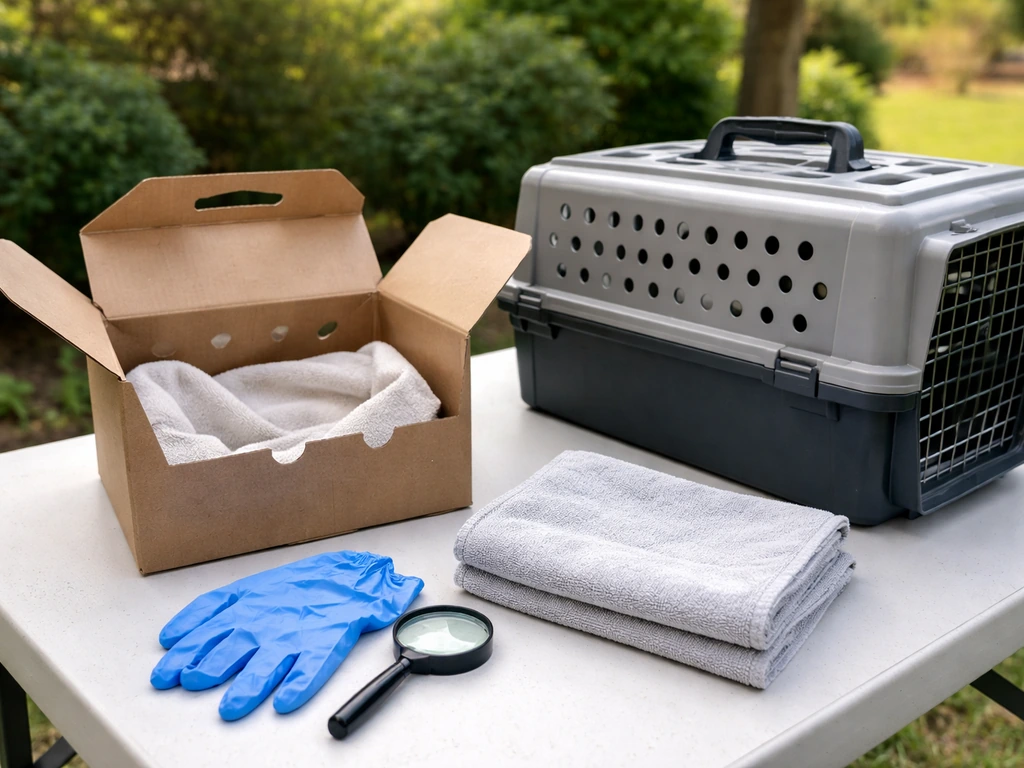
This is your go-to for an injured bird, a bird that can't fly, a nestling or fledgling that has fallen inside, or any bird you suspect is sick. Wildlife rehabilitators are trained and licensed to handle wild birds legally. To find one, search the National Wildlife Rehabilitators Association directory or call your state's fish and wildlife agency. Have the bird's approximate size, species if you can identify it, and the location in the house ready before you call.
Call a wildlife removal specialist
For a healthy bird that won't leave on its own, a large bird like a hawk or owl, repeated intrusions through the same entry point, or a bird that has nested inside a wall or attic, a licensed wildlife removal company is the right call. They handle live capture and exclusion work. Many also offer the follow-up sealing and proofing services you'll need afterward. Look for companies that advertise humane bird removal and ask specifically whether they handle wild birds, not just pigeons and pest species.
Call animal control (with realistic expectations)
Municipal animal control officers primarily deal with domestic animals: dogs, cats, livestock. In many jurisdictions they have limited authority or training for wild birds. That said, they can sometimes refer you to the right resource, and in a true emergency (a large injured raptor that poses a safety risk, for example) they may respond. In states like Massachusetts, there's a separate category called Problem Animal Control (PAC) agents who are authorized to respond when wild animals are damaging property or posing a safety threat. Your local animal control office can tell you whether PAC agents operate in your area.
Call pest control or a building contractor
Pest control is not the right call for the rescue itself, but it is the right call after the bird is out. Pest control or exclusion contractors handle the inspection, sealing, netting, and proofing work that prevents birds from getting back in. If you're a facility manager dealing with recurring bird problems in a commercial building, this is the long-term partner you need. Make sure any contractor you hire understands the legal requirements around active nests before they start blocking entry points.
| Situation | Who to Call |
|---|---|
| Healthy bird, won't leave on its own | Wildlife removal specialist |
| Injured or sick bird | Licensed wildlife rehabilitator |
| Bird that can't fly or is a nestling | Licensed wildlife rehabilitator |
| Hawk, owl, or large raptor inside | Wildlife removal specialist or wildlife rehabilitator |
| Bird nested in attic, wall, or chimney | Wildlife removal specialist |
| Repeated intrusions through the same gap | Wildlife removal specialist, then exclusion contractor |
| Wild animal posing a safety/property threat | PAC agent or wildlife removal specialist |
| Post-removal sealing and proofing | Pest control or exclusion contractor |
| Contaminated droppings, large cleanup needed | Biohazard cleanup or restoration company |
DIY humane options (and when to stop and call)
DIY is absolutely appropriate for a single healthy bird in a room with an obvious exit. The method is simple: darken the room, open one large exit to daylight, leave, and wait. If gentle guiding is needed, use a broom or a piece of cardboard held horizontally to steer the bird toward the opening without chasing or cornering it.
Once the bird is out, the RSPCA recommends allowing it to fly freely through the open exit rather than attempting to handle it further. RSPCA recommends that if a bird is trapped inside, you should open all the windows and any external doors in the room to create an escape route [open all the windows and any external doors to create an escape route](https://www. rspca. org.
uk/adviceandwelfare/wildlife/birds/trapped).
Stop the DIY approach and make the call if any of these apply:
- The bird appears injured, is sitting on the ground, or can't fly
- It's a raptor (hawk, owl, falcon): talons cause serious injuries and these birds are federally protected
- The bird has been inside for more than an hour and shows no progress toward exits
- You've found a nest with eggs or chicks inside the building
- There are significant droppings or signs the bird has been nesting inside a wall, attic, or chimney
- The same bird (or another bird) has entered through the same spot before
- Anyone in the home is immunocompromised or has respiratory conditions
If you need to temporarily contain an injured bird while waiting for a rehabilitator, place a cardboard box with air holes over it gently. Do not handle the bird directly with bare hands. Keep the box in a quiet, dark location away from pets and children. Don't offer food or water unless specifically told to by a wildlife professional.
Safety, liability, and legal considerations
Protected species and the law
Most wild birds in the United States are protected under the Migratory Bird Treaty Act. This means you cannot legally destroy an active nest that contains eggs or chicks without a federal permit. The USFWS issues nest removal permits only when there's a documented human health or safety concern, or when birds are in immediate danger. If you find an active nest inside your home or building, document what you see and call a wildlife professional before touching anything. Attempting to remove it yourself can result in federal fines. The same nest protections apply at the state level in most cases. This is not a gray area worth testing.
Some species commonly found inside buildings, like European starlings and house sparrows, are not protected under the MBTA, which gives you more flexibility. But unless you know exactly which species you're dealing with, treat every nest as protected until a professional tells you otherwise.
Health risks: droppings, disease, and PPE
Bird droppings carry real health risks, particularly histoplasmosis (a fungal lung infection from accumulated droppings) and, in outbreak contexts, avian influenza. The CDC's guidance on both is consistent: do not stir up dry droppings by sweeping or shoveling. During cleaning in suspected avian influenza situations, CDC recommends avoiding stirring up dust, waste, or feathers so the virus does not disperse into the air avoid stirring up dust, waste, or feathers. Before any cleanup, lightly mist the area with water to reduce aerosolization. Collect droppings in a sealed container and dispose of them securely.
For any droppings cleanup involving more than a small area, wear an N95 respirator or better, safety goggles that fit snugly against your face, disposable gloves, and old clothes you can bag immediately afterward. The CDC specifically notes you should avoid touching your eyes, nose, or mouth during and after working in contaminated areas. If there's significant accumulation in a confined space like an attic, hire a biohazard cleanup company rather than doing it yourself.
Don't handle a sick or dead bird with bare hands. When you need to deal with a bird death inside your house, the same safety precautions for handling and cleanup apply a sick or dead bird. Use gloves and double-bag the bird before disposal. If you've had direct contact with a sick bird's droppings or body fluids, wash your hands thoroughly with soap and water and contact your local health department if you have concerns.
How to stop birds from getting back in
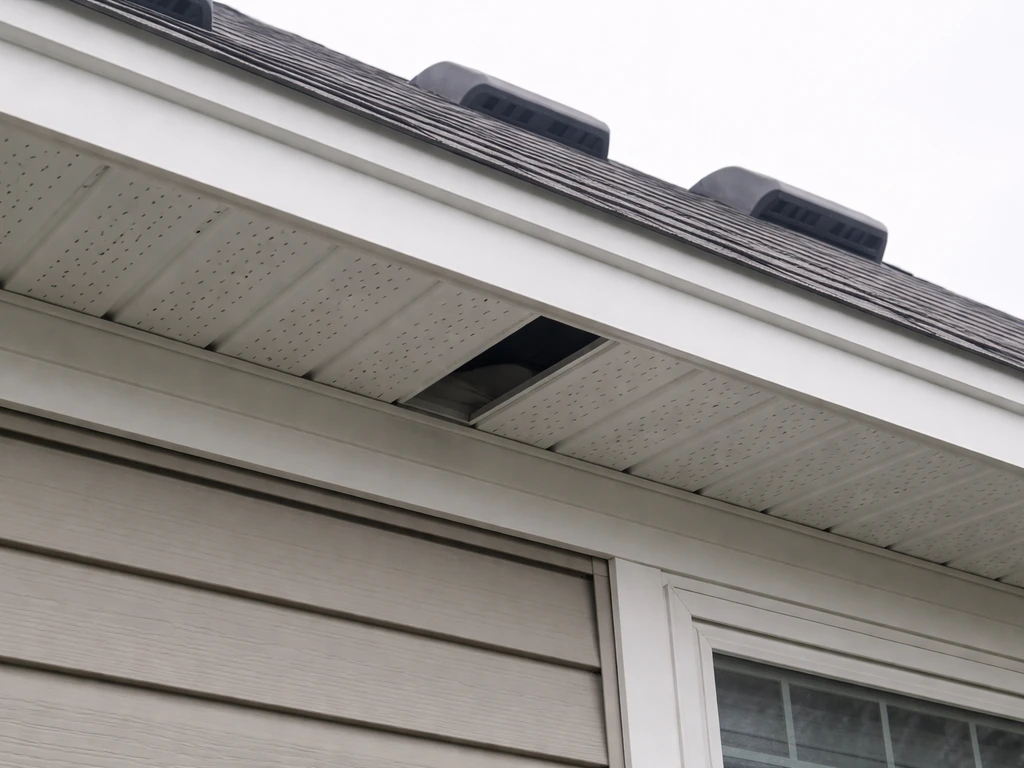
Once the bird is out, the most important thing you can do is find how it got in and close that gap. A single bird finding its way inside is usually a sign of an entry point that will be used again, either by the same bird or others.
Inspection: finding entry points
Walk the exterior of your building and look at rooflines, soffits, vents (dryer vents, bathroom exhaust vents, ridge vents), chimney caps, gaps around pipes and utility lines, and any place where two building materials meet. Most birds enter through gaps as small as an inch and a half. Inside, check the attic during the day with lights off and look for daylight coming through. Loose or missing vent covers are the most common culprit.
Sealing and exclusion materials
For most gaps and openings, hardware cloth (a rigid wire mesh) or galvanized steel mesh is the most durable fix. Use quarter-inch mesh for small birds. Bird netting works well for larger open areas like under eaves or around loading docks. Anti-perching devices (spikes, coil wire, or tension wire systems) prevent birds from roosting on ledges, signs, and rafters. USDA APHIS wildlife management programs specifically list bird netting, wire mesh, and anti-perching devices as the core exclusion toolkit for bird control in and around buildings.
Vent covers with fine mesh screens are one of the most cost-effective long-term fixes. Replace any plastic vent covers with metal ones, since birds can chew through or dislodge plastic. Chimney caps with mesh sides are essential if you have an uncapped flue. These are straightforward DIY repairs for a confident homeowner, but if the access requires roof work or you're not comfortable on a ladder, hire the work out.
Habitat changes that reduce bird pressure
Birds nest near food and water sources. If you have open compost, uncovered trash, or pet food left outside, you're attracting birds to the perimeter of your property. Trim back tree branches that hang over the roof or touch the building, since these act as on-ramps. Remove bird feeders within 10 to 15 feet of the house if you're experiencing repeated intrusions. The CDC's histoplasmosis guidance echoes this: the best way to avoid cleanup problems is to prevent droppings from accumulating in the first place, which means preventing birds from roosting inside.
Seasonal planning and building type considerations
Bird intrusions follow predictable seasonal patterns, and your prevention work should too. The USFWS recommends timing any exclusion or proofing work to avoid active nesting periods, typically February through August for most species in the continental US, with peak nesting from March through July. The most effective window for sealing and exclusion work is late fall through early winter, after young birds have fledged and before the next breeding season begins.
| Season | Bird Activity | Recommended Action |
|---|---|---|
| Late fall (Oct–Nov) | Nesting season over, birds dispersing | Best time to seal entry points, install vent covers, and do full exterior inspection |
| Winter (Dec–Jan) | Low nesting activity | Good window for exclusion installs, chimney cap replacement, roof repairs |
| Early spring (Feb–Mar) | Nesting beginning for early species | Inspect before nesting starts; avoid sealing gaps where activity has already begun |
| Peak nesting (Apr–Jul) | Active nests, eggs, chicks likely present | Do not disturb active nests; document and consult wildlife professional before any exclusion |
| Late summer (Aug–Sep) | Fledglings leaving nests, young birds exploring | Monitor for new entry points; prepare for fall exclusion season |
Building type also matters. Single-family homes most often deal with birds entering through dryer vents, bathroom vents, and chimneys. Older homes with wood soffits have more gaps than newer construction. Commercial buildings and warehouses face pressure at loading dock doors, open ventilation systems, and large roof penetrations. Facility managers in commercial settings should schedule a professional exterior inspection every fall and designate a contact (a wildlife removal specialist or exclusion contractor) before an incident happens, not after.
Your emergency checklist
Keep this handy the next time a bird gets in. For more guidance on what to do if a bird is in your house, follow the quick steps for safe containment and knowing when to call a professional. Work through it in order before calling anyone.
- Remove people and pets from the room
- Close all interior doors to contain the bird
- Turn off interior lights
- Open the largest exterior exit (door or window, screen removed)
- Leave the room and wait 15 to 20 minutes
- If needed, gently guide the bird toward the exit with a broom or cardboard
- If the bird is injured, contains itself in a box and call a wildlife rehabilitator
- If DIY fails or you're dealing with a raptor or repeated intrusion, call a wildlife removal specialist
- After the bird is out, find and seal the entry point before the next breeding season
Once you've handled the immediate situation, the follow-up steps covered in the inspection and sealing section above are what prevent you from being in this position again next spring. A half-hour exterior walk and a few hardware cloth patches over open vents will do more than any product or deterrent spray on the market.
FAQ
Should I call a veterinarian if the bird seems sick or I’m not sure what’s wrong?
A veterinarian may help with general triage, but for wild birds the fastest correct next step is usually a licensed wildlife rehabilitator, they are authorized and trained for legal transport and treatment. If the bird is obviously a raptor, a fledgling, or appears weak, call the rehabilitator first and tell them you need guidance on temporary containment.
Can I use bird spikes, tape, or a spray immediately after the bird exits?
Avoid using deterrent sprays or temporary adhesive products right after an incident. If you apply exclusion materials before you locate and seal the actual entry gaps, birds can immediately reuse the same path. Exclusion and proofing should come after the bird is out and after you inspect where it entered.
What if the bird is stuck in a room with no obvious windows or doors I can open right now?
Create a temporary exit by opening the nearest interior door to the room where you can access daylight, then block other pathways that lead to closets or behind furniture. Keep blinds or curtains open near the exit, and turn off lights in other areas so the bird is drawn toward the single brighter route.
Is it safe to catch the bird and move it to another room?
It depends on health and species, but in general, do not grab a wild bird with bare hands or attempt to hold it. For healthy free-flying birds, guidance should be indirect (broom or cardboard held low). For injured or trapped birds, call a wildlife rehabilitator or removal specialist instead of trying to relocate it yourself.
What if the bird keeps flying into the same window even though I’m trying to help it?
Treat that as a sign the bird is finding a repeated path to the same entry point or reflective surface. Reduce reflections (turn off nearby lights at night, close curtains on the reflective side), then focus on giving one clear door or window route to daylight and remove or cover barriers that redirect it back toward the problem area.
How do I know whether it is a DIY situation or one that needs a professional call?
If the bird is healthy, free-flying, and you can create a clear exit within a few minutes, DIY guidance is usually appropriate. Call a wildlife professional if the bird is injured, cannot fly, is trapped in an inaccessible area, is a large raptor, or if you see signs of nesting (droppings, repeated entry, or evidence inside walls/attic).
How should I contain an injured bird while waiting for help?
Use a cardboard box with air holes placed gently, keep it dark and quiet, and keep it away from pets and children. Do not offer food or water unless the rehabilitator explicitly instructs you, and avoid repeated opening of the box because stress can worsen injuries.
What should I do if I accidentally throw a towel or blanket over a flying bird?
Stop immediately and do not continue trying to catch it that way. While the intention is to restrain, covering a flying bird can cause wing and joint injuries. Switch back to indirect guidance (single bright exit, darkened area, low broom or cardboard) or call a rehabilitator if the bird is harmed.
Do I need to report or document the nest, and what counts as documentation?
Yes, document before anyone touches anything. Take clear photos of where the nest is located, note dates and approximate species if known, and avoid disturbing eggs or chicks. Then call a wildlife professional so they can advise on legal removal options based on human safety risk.
I found droppings, but I never saw a live bird. What should I do first?
Treat it as evidence of prior roosting or nesting. Start by identifying likely entry points and areas with accumulated material, then decide whether to do a limited cleanup only after you reduce aerosolization (lightly mist) and contain the area. For significant accumulation in enclosed spaces like an attic, hire a biohazard cleanup company.
When is bird poop cleanup more than “small area,” and I should not DIY?
If the droppings are spread across multiple surfaces, cover an enclosed space (attic, crawlspace, duct area), or you would need to disturb dried material to reach it, it is beyond small-area cleanup. In those cases, use a biohazard cleanup company because more extensive containment and ventilation may be required.
After the bird is out, how fast should I close entry points?
Close the entry as soon as you confirm where it leads, ideally the same day or within a few days, before the area becomes repeatedly used. However, do not seal over active nests during exclusion work. If you suspect nesting, contact a professional to plan the timing safely.
Is hardware cloth or mesh always the right material for sealing?
It is durable, but the correct mesh size matters. Use smaller rigid mesh for small birds (for example, quarter-inch) and consider netting for larger openings or eave-length areas. If roof access is needed or you are not comfortable on a ladder, hiring a contractor prevents falls and ensures the mesh is installed correctly.