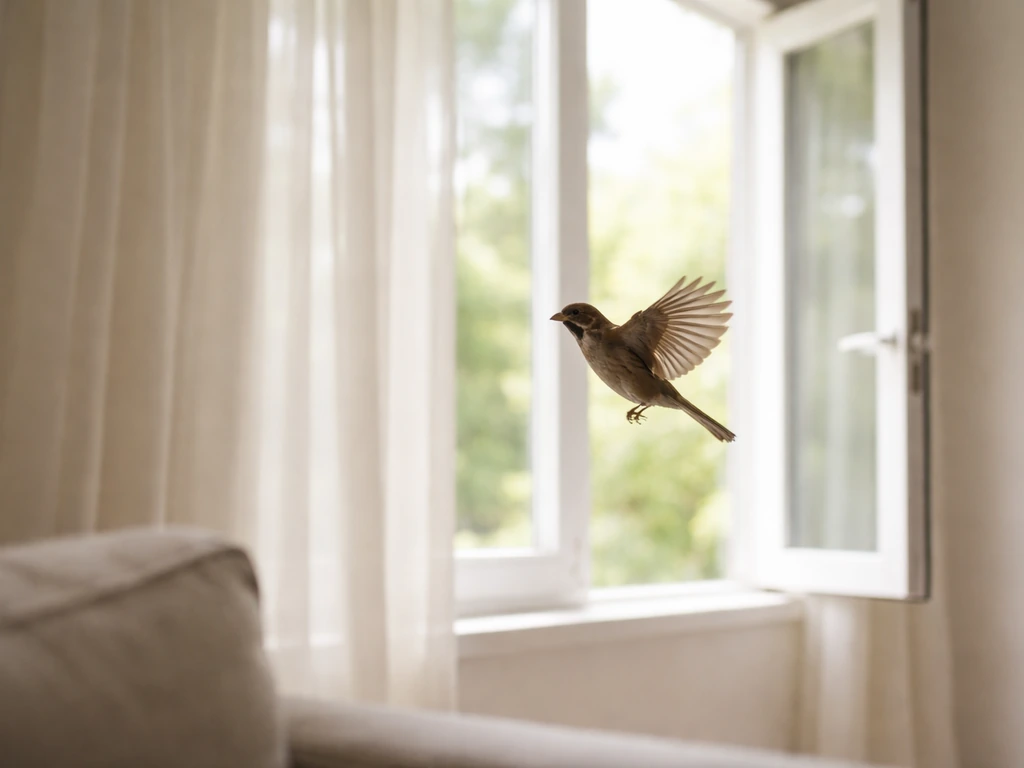
Turn off every interior light, open one door or window to the outside, and then leave the room. That single move solves most indoor bird situations in under 20 minutes. If you need more guidance on the full process, see how to get a bird to leave a building for the complete set of options. This is exactly why learning how to guide a bird out of your house can prevent repeat visits. Birds are strongly attracted to light, so making the open exit the brightest point in the space gives the bird a clear target and lets it leave on its own terms, without chasing, grabbing, or panicking it further.
How to Scare a Bird Out of House Safely and Prevent It
Maya Carver
13 Jun 2026
Quick emergency steps to get the bird out safely
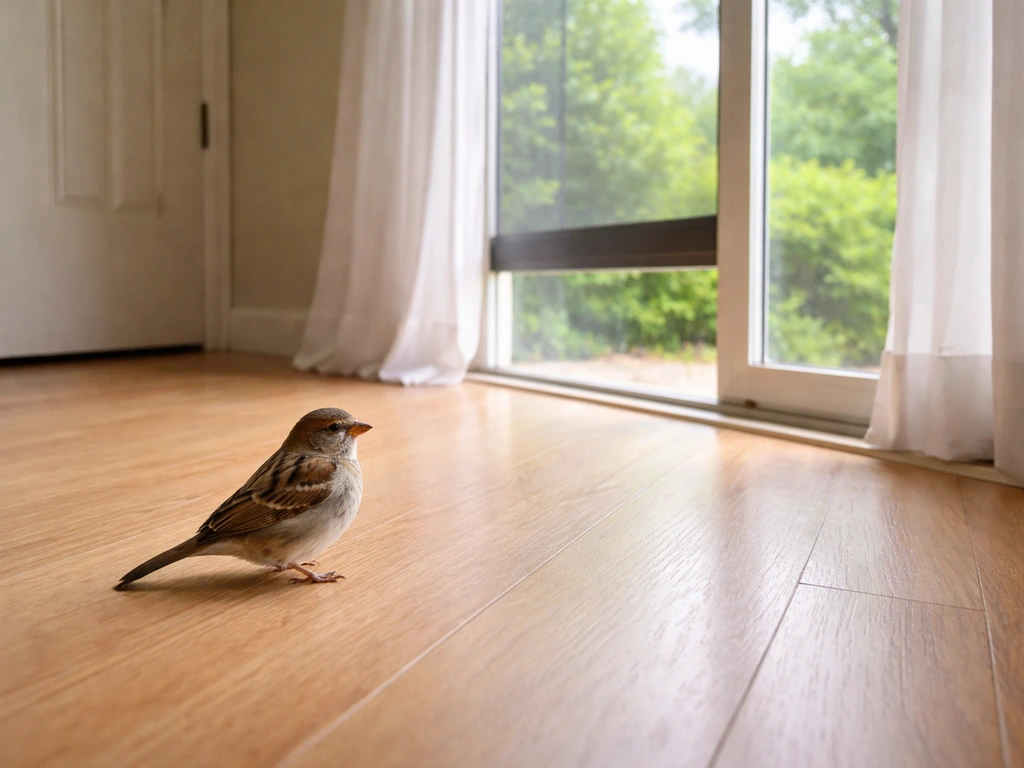
Work through these steps in order. The goal is to set up the exit, reduce stress on the bird, and then get out of the way. Most birds will find the opening themselves once the conditions are right.
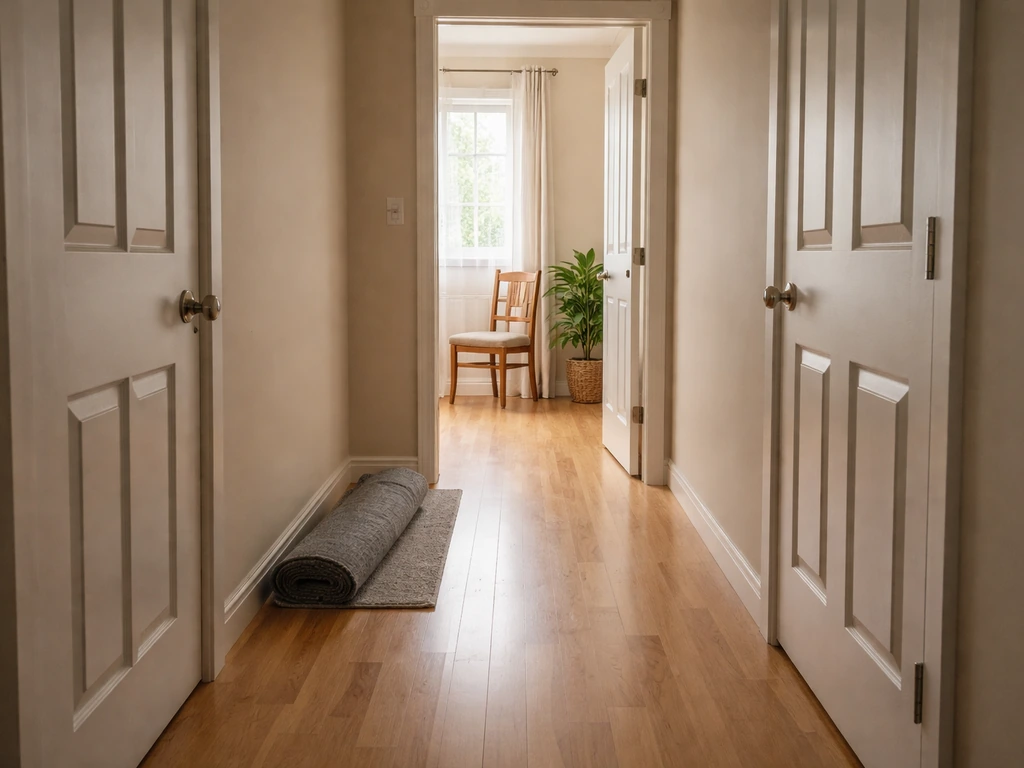
- Confine the bird to the smallest possible area near an exit. Close interior doors between rooms so the bird can't retreat deeper into the house.
- Open one external door or window as wide as possible. This is your primary exit. One clear opening is better than several competing light sources.
- Draw the blinds or curtains on every closed window in the room. A panicking bird will fly toward reflections and strike glass it can't see, so blocking those false exits is critical.
- Turn off all interior lights. The open exit should now be the brightest point in the room, which is exactly where the bird wants to go.
- Leave the room and close the door behind you, leaving a gap if needed for the bird to exit that way. Give it at least 15 to 20 minutes of quiet.
- If the bird hasn't left after 20 minutes, re-enter calmly, avoid sudden movement, and gently herd it (using a broom held horizontally as a soft guide, not a weapon) toward the open exit.
- If the bird appears injured, is on the floor, or cannot fly, do not attempt to grab it without thick gloves. Contact a local wildlife rehabilitator or wildlife rescue line for specific guidance.
One safety note before you start: wear gloves if you need to handle the bird at any point. Wild birds can carry salmonella and other pathogens, and a stressed bird may scratch or bite. Avoid touching your face during or after the process.
How to guide the bird to an exit using light, airflow, and timing
The light trick works because birds are instinctively drawn toward brightness, which they associate with open sky. Once you darken the interior and open a single exit, you've essentially pointed an arrow at the door. For larger spaces like open-plan living areas, close off adjoining hallways first, then work the bird from the far end of the room toward the open exit.
Airflow can also help. A gentle cross-breeze created by opening a second window slightly on the opposite side of the room can create an air current that nudges the bird in the right direction. Keep the cross-breeze gentle though; a strong draft can disorient a bird and cause it to fly erratically.
Timing matters more than most people realize. Dawn and dusk are the worst times to try to evict a bird because activity levels are highest and the bird is most agitated. Mid-morning, roughly two hours after sunrise, is usually the best window. The bird has had time to calm down, natural light outside is strong (making your open exit very attractive), and the bird is more likely to recognize and fly toward the opening.
If the bird keeps hitting closed windows despite drawn blinds, try taping a piece of paper or cardboard across the interior of the glass. This removes the reflection entirely. Reflections are the number one reason birds keep striking the same window repeatedly: they see trees, sky, or clouds in the glass and don't register it as a barrier.
What not to do: mistakes that injure birds or get you in legal trouble
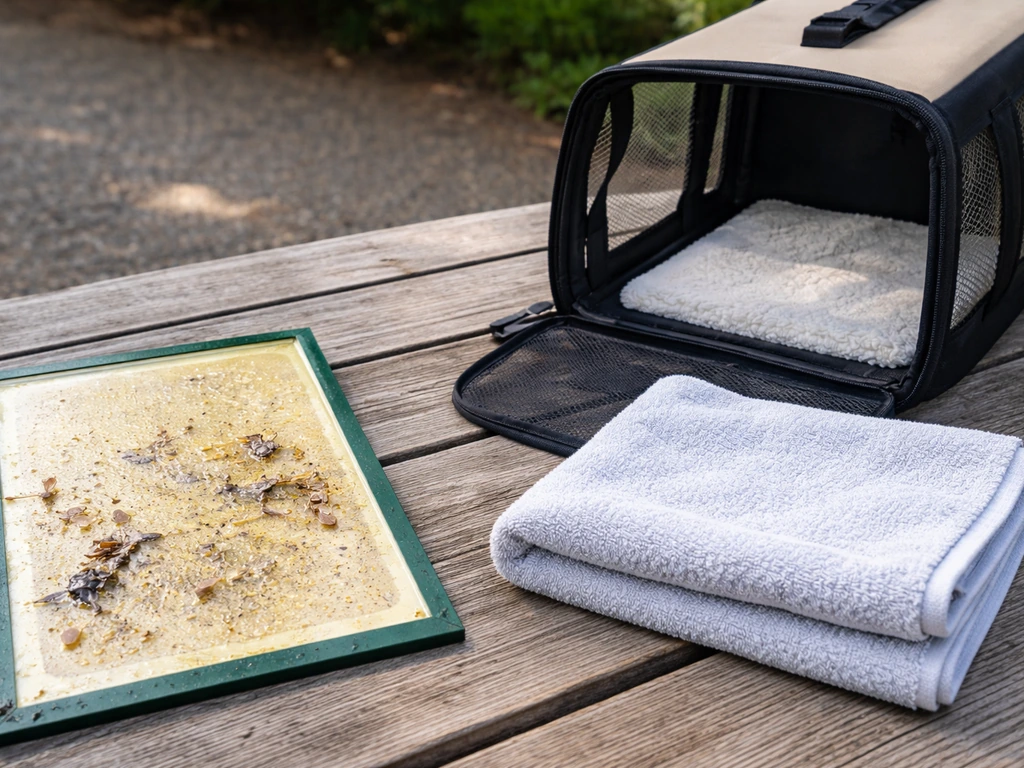
A lot of the instinctive responses people have when a bird is flapping around inside can actually make things much worse, both for the bird and for you. Here's what to avoid.
- Never use glue traps or sticky boards. These cause wing and leg dislocations, destroy feathers, and permanently impair a bird's ability to fly. They're also illegal to use on migratory birds under U.S. federal law (50 CFR 21.14).
- Don't chase or corner the bird aggressively. A panicking bird is more likely to fly directly into a window. Tufts Wildlife Clinic specifically notes that panicked birds trying to escape are at far higher risk of window strikes.
- Don't open every window and door at once. Multiple light sources confuse the bird and reduce the chance it exits through any single opening.
- Don't use poison bait indoors. Beyond being dangerous to pets, children, and unintended wildlife, it's ineffective for an immediate eviction and creates a dead-bird-in-wall problem.
- Don't try to catch the bird barehanded unless it's clearly injured and on the floor. A stressed bird can injure itself trying to escape your grip.
- Don't place a cage or live trap inside the house. Under 50 CFR 21.14, any bird captured by trapping must be immediately released to the wild in a humane manner. Improper trapping of a migratory bird is a federal offense.
- Don't disturb a nest with eggs or young birds. In the U.S., UK, and EU, this is a protected act. Disturbing an active nest can result in fines. More on this below.
Prevent re-entry: seal gaps, exclude, and remove what attracted the bird
Once the bird is out, your next job is making sure it can't come back in. This is the step most homeowners skip, which is why they end up dealing with the same problem every spring. Start by finding the entry point while the memory of where the bird appeared from is still fresh.
Find and seal entry points
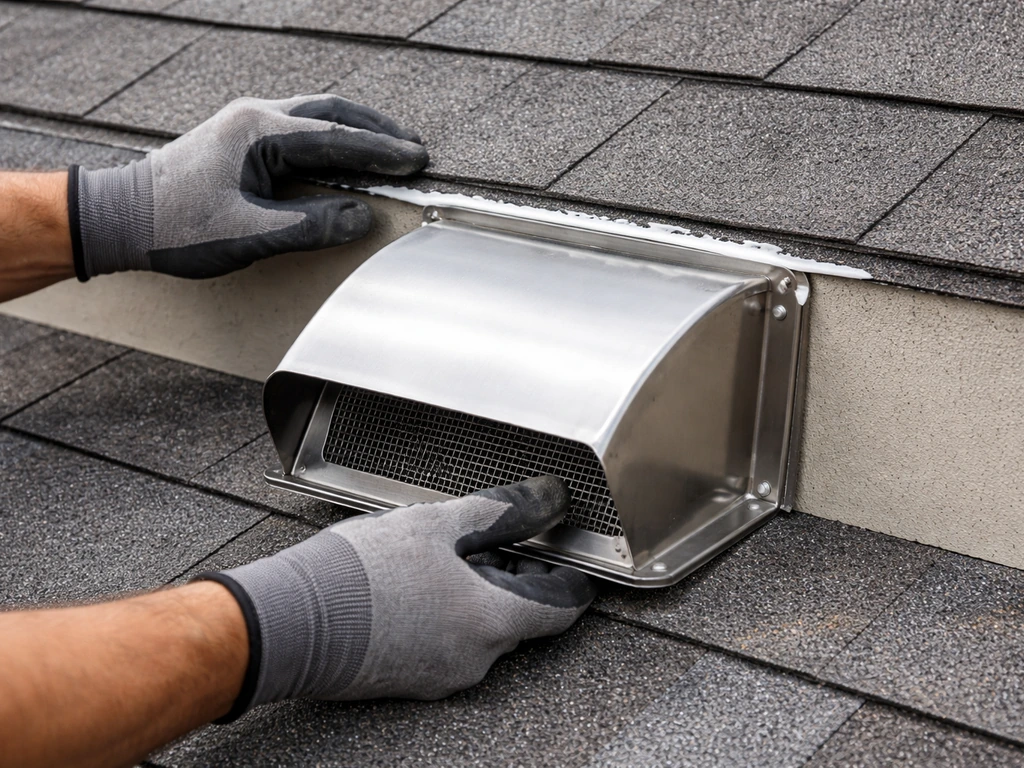
Walk the exterior of the building and look for gaps larger than half an inch. Common culprits include: gaps around roof vents and exhaust fans, open or broken soffit panels, uncapped chimney flues, deteriorated caulking around window frames, and holes around utility penetrations (pipes, cables, HVAC lines). Hardware cloth (1/4-inch galvanized mesh) is the most durable patch material for most of these. Foam sealant alone isn't enough since birds and other wildlife will peck through it.
For larger openings like uncapped vents, use a commercial vent cover with an integrated screen, rated for wildlife exclusion. Chimney flues should get a stainless steel chimney cap with a mesh side guard. Confirm the flue is empty before capping it.
Remove attractants
- Move bird feeders at least 30 feet away from the house, or remove them entirely if birds are actively nesting or entering the building.
- Clean up spilled birdseed from windowsills, ledges, and around feeder stations on or near the house.
- Remove accessible water sources directly adjacent to the structure: birdbaths near entry points, leaking gutters, or standing water on flat roofs.
- Clear out any plant material, grass clippings, or debris from gutters and ledges that could serve as nesting material.
- If you keep pet food outdoors, bring it inside or store it in sealed containers.
Deterrents that actually work
Deterrents fall into three categories: visual, physical, and sound. The most effective long-term solutions use at least two categories together, because birds adapt quickly to a single static deterrent.
| Deterrent type | Best for | Effectiveness | Key notes |
|---|---|---|---|
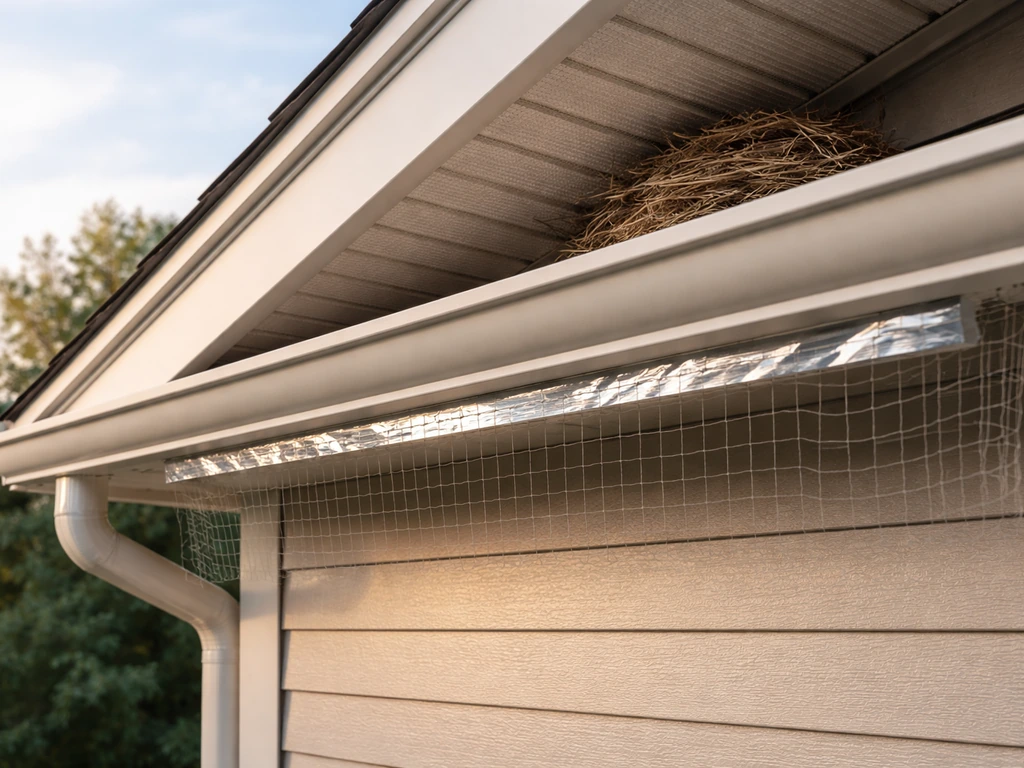
| Bird exclusion netting | Eaves, balconies, open bays, large openings | High (permanent when installed correctly) | Use 5/8-inch or smaller mesh so birds bounce off rather than getting entangled. Must be taut and properly anchored. Check regularly for sag or tears. |
| Bird spikes | Ledges, window sills, roof ridges, signage | High for perching prevention | Stainless steel spikes outlast plastic. Ineffective in enclosed cavities or large flat surfaces. |
| Predator decoys (hawk/owl silhouettes) | Open areas, balconies, patios | Low to moderate unless moved regularly | Birds habituate in days if the decoy stays in one spot. Reposition every 2 to 3 days. |
| Reflective tape or flash tape | Eaves, vents, garden areas near entry points | Moderate | Works best in direct sunlight. Needs replacing seasonally. |
| Ultrasonic sound devices | Enclosed spaces like attics or garages | Mixed; limited peer-reviewed support | May irritate pets. Best used as a short-term supplement, not a standalone fix. |
| Aromatic repellents (methyl anthranilate sprays) | Entry points, ledges, specific perch areas | Moderate for some species | Non-toxic, grape-scented. Needs reapplication after rain. Not suitable for enclosed interior spaces. |
| Motion-activated sprinklers | Garden areas and exterior roost spots | High for ground-level deterrence | Not practical for elevated areas. Effective for pigeons and starlings near ground level. |
For most homeowners dealing with repeat entry, the combination that gives the best results is: seal the entry point first, then install exclusion netting or spikes at the exterior opening, then add a reflective deterrent nearby. The USFWS cautions that bird netting can entrap and kill birds if used incorrectly or not properly managed, and directs using appropriate exclusion material and avoiding unsafe openings like vertical pipe holes where birds can enter blank" rel="noopener noreferrer">exclusion netting or spikes. If you want to lure the bird out rather than just scare it, the principles in related guidance on how to lure a bird out of your house or how to guide a bird out of your house are worth combining with these deterrents.
Troubleshooting by location
Bird in the attic or ceiling space
Attic situations are the trickiest because you're working in a confined, dark space with limited ventilation and the bird has multiple hiding spots. Start by opening any attic vents or hatches to the exterior, then darken the interior of the attic as much as possible. A single work light placed near the open vent gives the bird an exit target. Leave the space for at least an hour. If the bird is still there, check whether it has entered through a soffit gap or broken vent and, if it's safe to do so, use a broom to gently guide it toward the light. Attic spaces also carry a fall risk, so use proper footing on joists and consider a headlamp rather than a handheld torch.
After eviction, inspect every soffit panel and ridge vent. Attic bird problems almost always involve a structural gap rather than a one-time incident. Seal gaps before the next nesting season in early spring.
Bird in the garage
This is the most straightforward location to resolve. Open the main garage door fully. Close the interior door between the garage and the house. Turn off all interior lights in the garage. The large open door creates an obvious, well-lit exit. Leave the garage and give the bird 15 to 30 minutes. In most cases that's all it takes. If the bird is still there after 30 minutes and sitting on a rafter, calmly re-enter and use a broom to gently sweep it toward the open door. Don't block the door opening with your body while doing this.
Bird in a living area (kitchen, living room, bedroom)
In a living area, your main challenge is the number of windows and the complexity of reflections. Close every interior door first so the bird can't move to another room. Draw blinds or curtains across every closed window. Open one external door or window as wide as possible, ideally the largest opening available (a sliding patio door or French door works perfectly). Turn off all lights. Then leave and give it at least 20 minutes. If the room has a ceiling fan, turn it off; a spinning fan is a serious hazard to a bird in flight.
If you can't leave the room, sit still in a corner and avoid eye contact with the bird. Movement is what keeps birds in flight-or-fight mode. A calm, still human in the corner is far less threatening than someone walking around.
Bird in a chimney
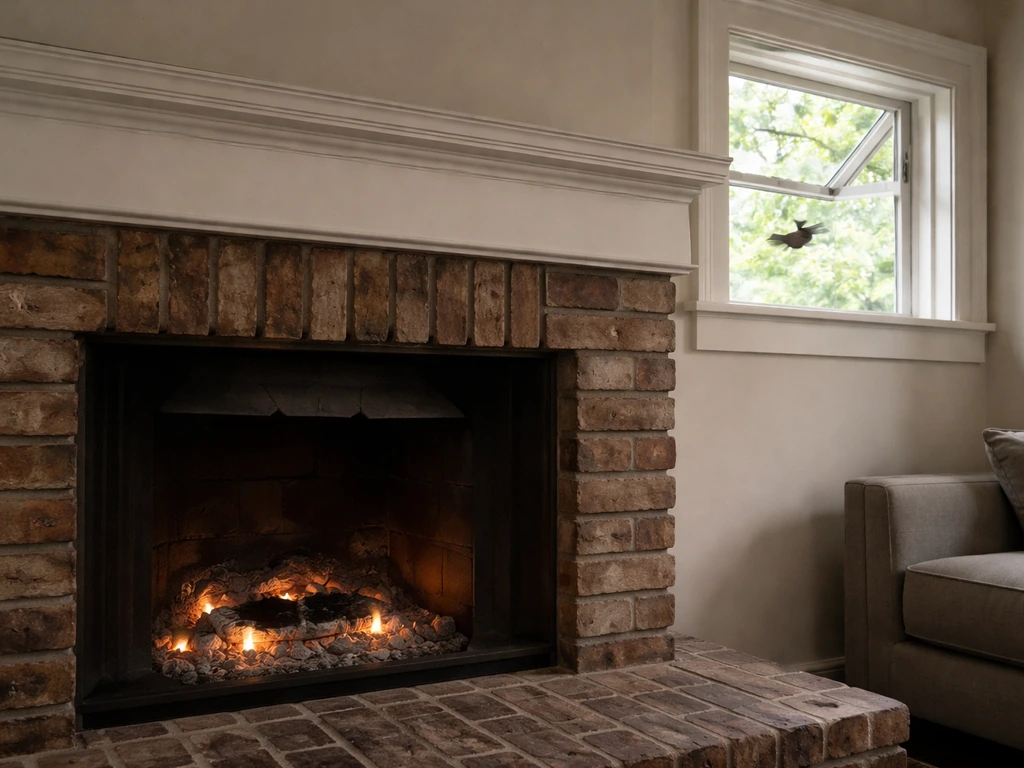
If a bird is stuck in a chimney flue (you'll hear scratching or flapping), close the fireplace damper to prevent it entering the living space. Open a window in the room above the fireplace if there's an upper-floor connection. If the bird has fallen into the firebox, open the damper slowly and gently, place a cardboard box with air holes next to the opening, and let the bird find its way into the box in the dark. Then carry the box outside and open it. Never light a fire to force a bird out.
When there's a nest or a protected species involved
This is where the situation changes significantly, both legally and practically. So if you are asking, “can you scare a bird away from its nest,” the answer depends on whether that nest is active and protected active nest. In the United States, almost all wild bird species are protected under the Migratory Bird Treaty Act, and 50 CFR 21.14 specifically addresses birds in buildings. You may evict and exclude birds without a permit only when they are preventing normal use of the building, creating a health or safety risk, damaging property, or at risk of injury from being trapped. But you may not use methods that are likely to harm the bird, and any bird captured must be immediately and humanely released. The Wildlife Center of Virginia also warns that blank" rel="noopener noreferrer">glue traps can cause wing and leg dislocations, feather damage, and flight impairment even when the animal is not immediately skeletal or muscularly injured.
If you find an active nest with eggs or young birds inside your home, the rules change further. Disturbing or removing an active nest is a federal offense under the Migratory Bird Treaty Act in the U.S. In the UK, the Wildlife and Countryside Act 1981 makes it an offense to take, damage, or destroy the nest of any wild bird while it is in use or being built, or to take or destroy any egg. EU member states are bound by the Birds Directive (2009/147/EC), which prohibits deliberate destruction of nests and eggs across all naturally occurring wild bird species.
In practical terms: if the nest is active (has eggs or chicks), you may need to wait until the young have fledged before you can legally remove or block the entry point. Nesting seasons vary by species and geography, but the core nesting risk window in the Northern Hemisphere runs from roughly March through August. If you're unsure about the species, the status of the nest, or whether a permit applies, contact your local wildlife agency, a licensed wildlife rehabilitator, or in the UK, the RSPCA before taking any action.
Decision checklist: do you need professional help?
- The bird appears injured, is on the floor, or cannot fly — contact a wildlife rehabilitator immediately.
- You can see or hear young birds (chicks) in the structure — do not disturb; consult your local wildlife agency before proceeding.
- You suspect the species may be a protected or rare bird of prey — stop and consult before taking any action.
- The bird has been inside for more than 24 hours and all eviction methods have failed — call a wildlife removal professional.
- In Washington State and many other jurisdictions, possessing or transporting live wild birds without a permit is unlawful — don't attempt capture if you're not sure of the rules.
- The entry point is in a chimney, roof structure, or attic that requires working at height — hire a professional who carries appropriate insurance.
Seasonal plan to stop this from happening again
Bird entry problems tend to follow a predictable seasonal rhythm. Nesting-related entries peak in spring (March through May in most of North America and Europe) as birds actively search for cavity sites. Fall and winter bring roosting issues, where starlings, sparrows, and pigeons seek warmth inside roof spaces and attics. Planning your prevention work around that rhythm is far more effective than reacting after the fact.
| Season | Common bird behavior | Priority prevention tasks |
|---|---|---|
| Late winter (Feb-Mar) | Scouts looking for nest sites | Inspect and seal all gaps before nesting begins. Install chimney caps now. |
| Spring (Mar-May) | Active nesting and egg laying | Do not disturb active nests. Monitor for new entry points. Keep feeders away from the house. |
| Summer (Jun-Aug) | Fledglings leaving nests | Once nest is confirmed empty and fledglings have left, remove nest material and seal the entry point. |
| Fall (Sep-Nov) | Flocking and roost-seeking | Check soffit vents, ridge vents, and attic access points. Install or inspect exclusion netting. |
| Winter (Dec-Feb) | Roosting in warm cavities | Inspect monthly for new activity. Address any gaps found before February. |
The single most effective annual maintenance task is a full exterior inspection every February, before nesting season begins. Walk the roofline, check every vent cover, inspect soffit panels, and look for fresh bird droppings on ledges (a reliable sign of a perching or roost spot). An hour of inspection time in February can save you a full nest-eviction headache in May.
If you're also trying to keep birds away from the exterior of your home long-term, the principles that apply to outdoor deterrence (physical barriers, habitat modification, removing attractants) tie closely to what's covered in related guidance on how to keep birds away and how to make a bird leave your house. To keep birds away long-term around your home’s exterior, use physical barriers, habitat changes, and remove attractants how to keep birds away. The indoor eviction steps here and the outdoor deterrence strategies work together as a complete system, not as separate problems.
FAQ
How long should I wait before trying a different approach if the bird won’t leave?
Give the exit setup at least 20 minutes in a living space, 15 to 30 minutes in a garage. If it is still repeatedly circling the same area after that, reassess reflections and interior doors first (close off more rooms, fully darken the interior, and confirm you opened the brightest, widest exit possible).
Can I use a towel or blanket to guide the bird out?
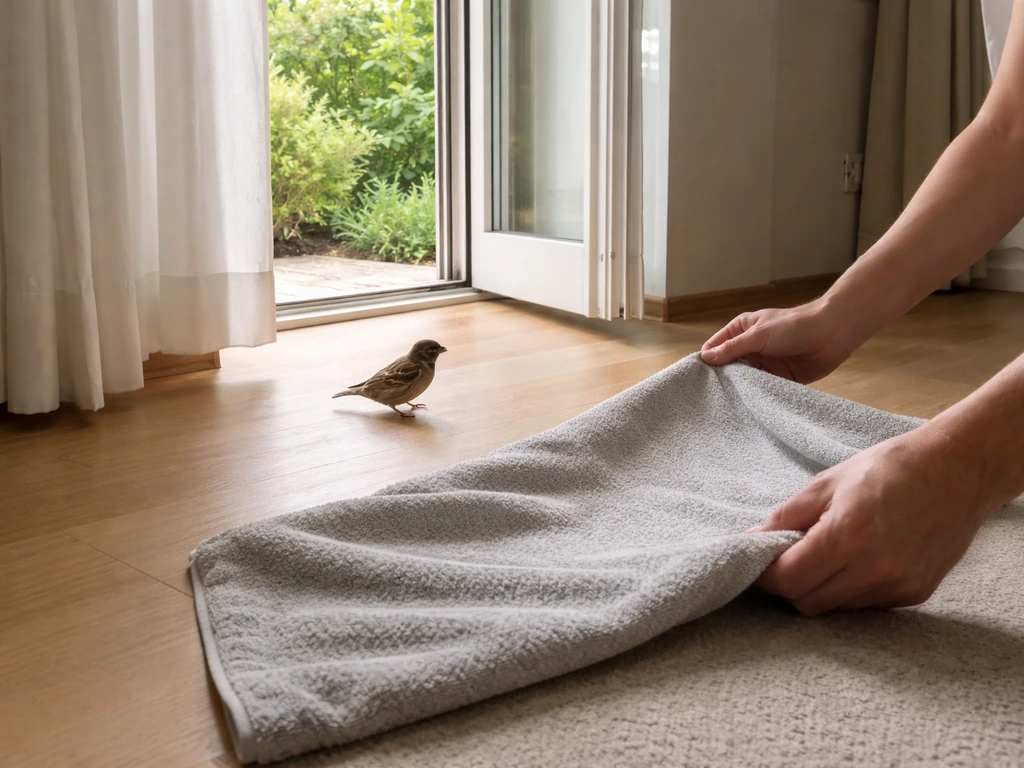
Avoid grabbing or cornering the bird with fabric. If you need to use a broom method, do it calmly and from the side, aim to sweep gently toward the exit, and do not block the opening with your body or the bird will panic and delay leaving.
What should I do if the bird is stuck behind a closed interior door or in a tight corner?
Prioritize closing all other doors so it cannot relocate, then open one external exit in the room where it is trapped. If it is wedged in a corner, keep still and give it time, do not try to pull it out, because handling increases injury and disease risk.
Is it safe to scare the bird by turning lights back on or switching rooms?
Turning lights back on inside usually reduces the “single target” effect. If you need to reposition, do it before the bird starts moving erratically, then keep interior lighting off and maintain one open exit as the brightest point.
Why does the bird keep hitting the same window even after I opened an exit?
Most often it is seeing an outside reflection in the glass or misreading the barrier. Cover the interior side of the window with paper or cardboard to remove reflections, and also ensure blinds are fully drawn on every other window in that space.
Should I open more than one window or door to help it leave faster?
Usually no. The guide is to set up one clear exit, because multiple openings can split the bird’s attention and prolong confusion. A second window is useful only as a slight cross-breeze, and only if you are still keeping one primary exit the brightest.
What if the bird is in an attic and I cannot reach the open vent or hatch safely?
If you cannot access with safe footing, stop and avoid climbing on joists you cannot stand on. Attics also have multiple entry gaps, so the safest next step is to identify the likely soffit or vent entry from below and then address exclusion rather than repeated in-attic chasing.
Can I use bird repellent spray or chemicals indoors while trying to evict it?
Do not rely on chemical deterrents for an active indoor bird. The more reliable approach is reducing stress and creating an exit target. If you plan deterrents afterward, use exclusion and physical barriers first, because birds adapt quickly to static “scare” cues.
What should I do with the bird after it exits, if it keeps returning to the house?
Immediately start finding the entry point while your memory of where it appeared is fresh, then seal gaps and add exterior exclusion. Birds often return within days if the opening still exists, so postponing repairs until the next season usually brings repeat incidents.
Can I scare birds away from nests if I think they are active?
Do not assume. If there are eggs or chicks, disturbing or removing an active nest can be illegal and risky for the birds. If you are unsure whether a nest is active, pause eviction, verify status, and contact a local wildlife agency or rehabilitator before blocking or removing anything.
Is dawn or dusk always the worst time to remove a bird?
It is usually the worst, because birds and other outdoor activity are highest. If you have to act during those times, focus on minimizing additional stressors like movement and turning lights off, then maintain the open exit as the brightest point.
What personal safety steps matter most when a bird is inside?
Wear gloves if you might handle the bird, avoid touching your face, and keep children and pets out of the room. Also turn off ceiling fans during indoor attempts, since a moving fan can injure a bird even if you are not actively chasing it.
After I seal the entry point, how soon should I do prevention maintenance?
Do a prompt check right after repairs, then plan a full exterior inspection before nesting season, around February in many regions. Look for fresh droppings on ledges, re-check vent covers, and confirm exclusion materials are intact before birds begin searching for nesting sites.
Next Articles
How to Guide a Bird Out of Your House Safely Today
Step-by-step, safety-first guide to get a bird out fast, avoid injury, seal entry points, and prevent repeats.
Can You Scare a Bird Away From Its Nest Safely?
Safe, humane steps to deter nesting birds, when scaring works or fails, and when to call pros for legal compliance.
How to Make a Bird Leave Your House Safely
Humane step-by-step ways to make a bird leave your house safely now, then prevent repeat entry with proofing and checkli