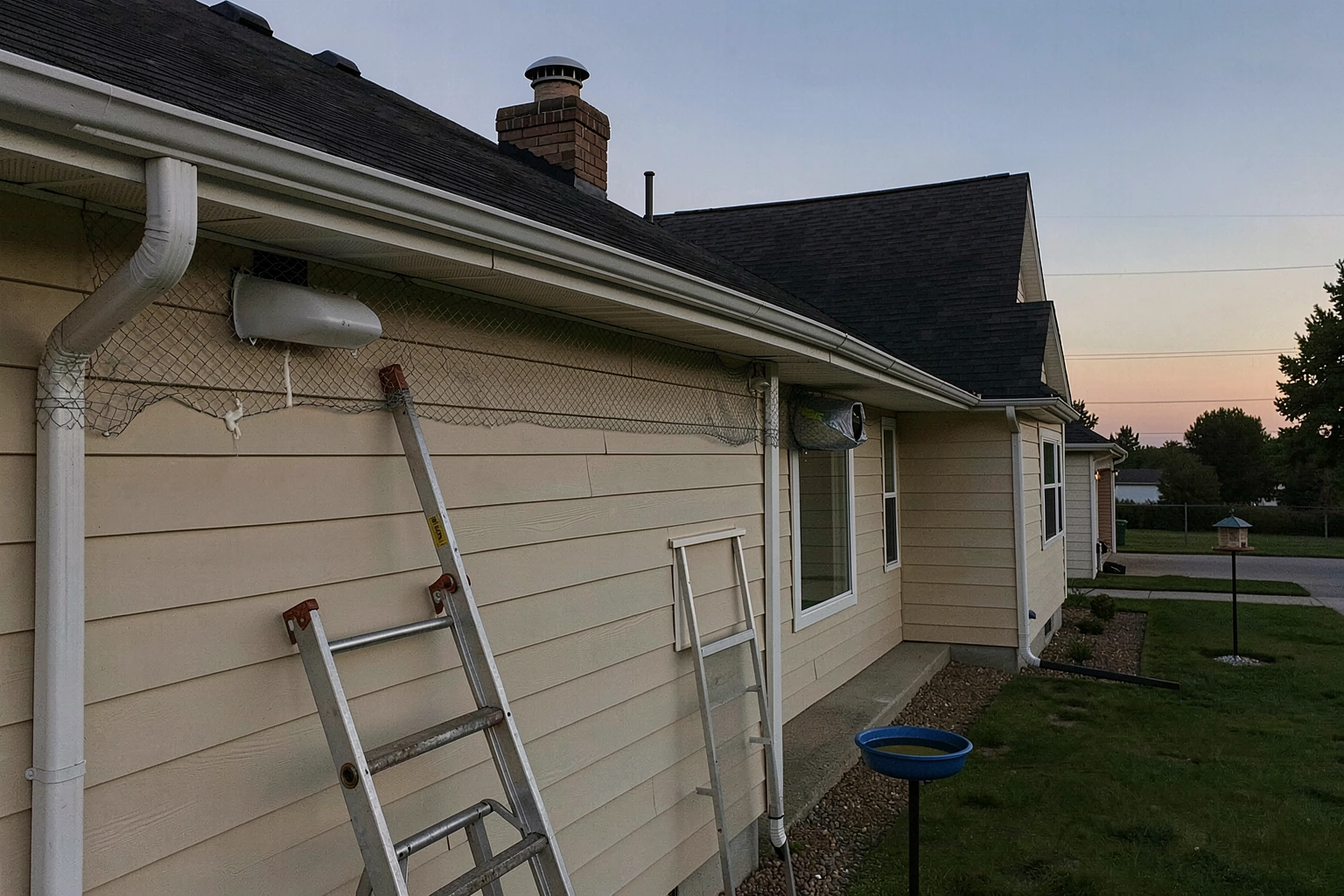
You can scare a bird away from its nest, but only in specific situations, and the window is narrower than most people expect. For more detailed, humane options and timing, see the guide on how to scare a bird away from its nest. If the nest already has eggs or chicks in it, scaring the bird away is both ineffective and potentially illegal under federal law in the U.S. (the Migratory Bird Treaty Act) and similar protections in Canada. If the nest is still being built and no eggs have been laid, you have a real opportunity to interrupt the process safely and legally. The honest answer is: check the nest first, then act based on what you find.
Can You Scare a Bird Away From Its Nest Safely?

Maya Carver
3 Jun 2026
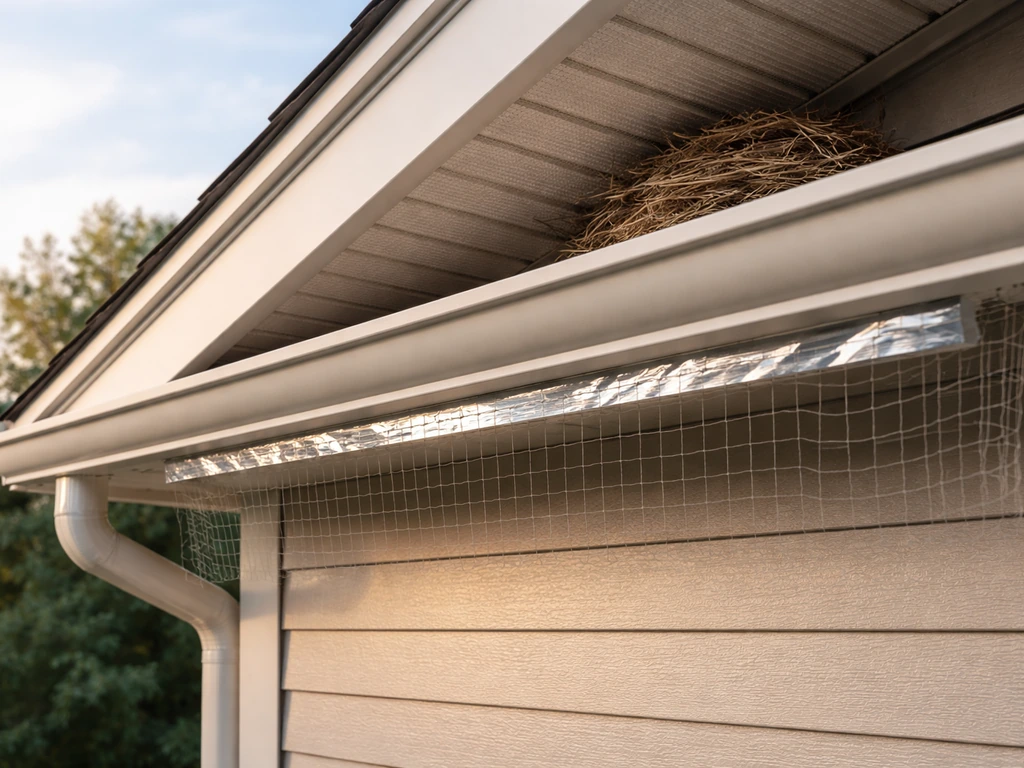
When scaring actually works (and when it doesn't)
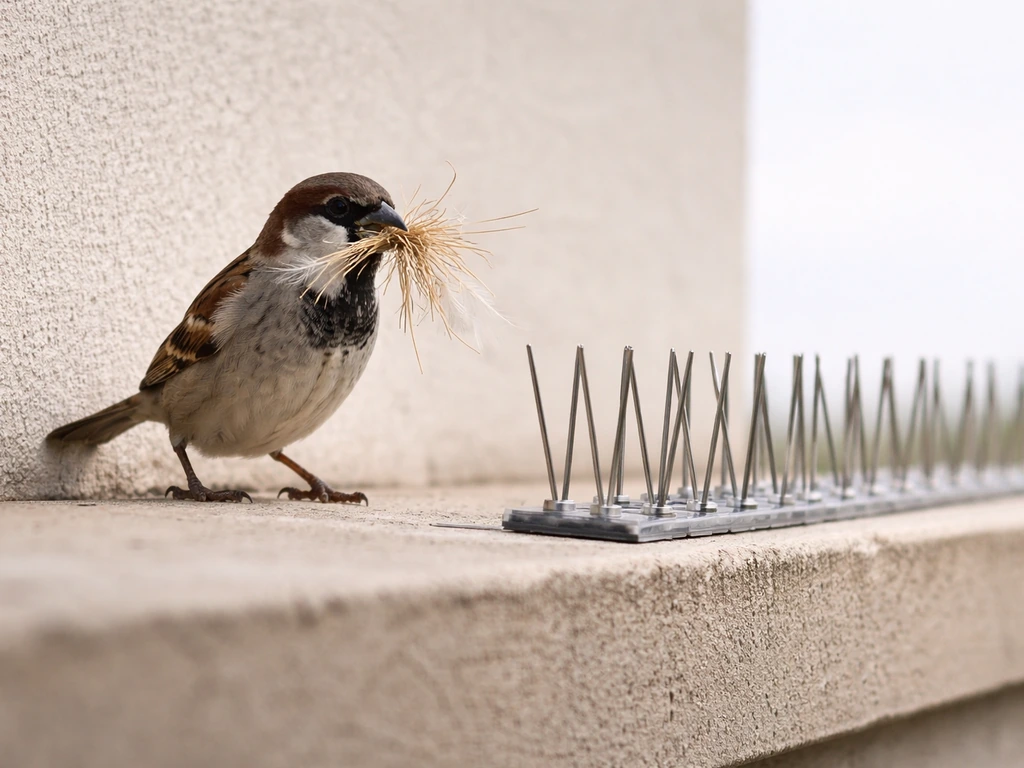
Scaring works best before commitment. A bird that is scouting a site or just starting to gather nesting material has not yet invested much, so a deterrent placed now can redirect it elsewhere. Once a bird has laid eggs, the calculus changes completely. The hormonal drive to stay on a nest is extremely strong, and most birds will return within minutes of being startled, no matter what you do. You are not going to outwait a brooding bird with a plastic owl.
The situations where scaring is genuinely useful include birds that roost near a building but have not yet nested, birds in early nest construction (no eggs present), and species with flexible nesting behavior like pigeons and house sparrows. The situations where it fails reliably include active nests with eggs or young, cavity-nesting birds in tight enclosed spaces, and any nest inside a structure where the bird has a strong site fidelity.
| Situation | Will Scaring Work? | What to Do Instead |
|---|---|---|
| Bird scouting a location, no nest yet | Yes, very effective | Deploy deterrents immediately |
| Nest under construction, no eggs | Yes, act fast | Remove nest materials, add deterrents, block access |
| Active nest with eggs | No, illegal to disturb in most cases | Wait for fledging, then act |
| Active nest with chicks | No, illegal to disturb in most cases | Wait for fledging, then act |
| Nest is inactive (post-season, abandoned) | Not applicable | Remove nest, seal site, proof against return |
| Roosting birds, no nesting activity | Often yes | Sound, light, and movement deterrents |
Quick emergency actions to protect people and the nest
If you have just discovered a nest in a problem spot, such as over a doorway, on HVAC equipment, or above a loading dock, take a breath before you act. The first priority is to assess without disturbing. Use binoculars or a phone camera on a selfie stick to check the nest from a distance. You want to know: are there eggs or chicks, is the bird actively sitting on it, and how far along is the nest construction?
- Observe from a safe distance first. Do not reach into or handle the nest.
- If the nest is in a direct safety hazard (blocking fire exit, on live electrical equipment, or directly above a public walkway with fecal accumulation), photograph the situation and contact a wildlife professional or your local USFWS field office before doing anything physical.
- Temporarily cordon off the area below the nest if droppings or debris are creating a slip or hygiene hazard. This protects people without touching the nest.
- If the nest is new construction with no eggs, you can remove the nest materials now. Do it today, before eggs are laid, because once eggs appear your legal options narrow significantly.
- Wear gloves and a dust mask when working near any bird nest or roosting area. Dried droppings can carry respiratory pathogens.
Safe deterrents to try immediately
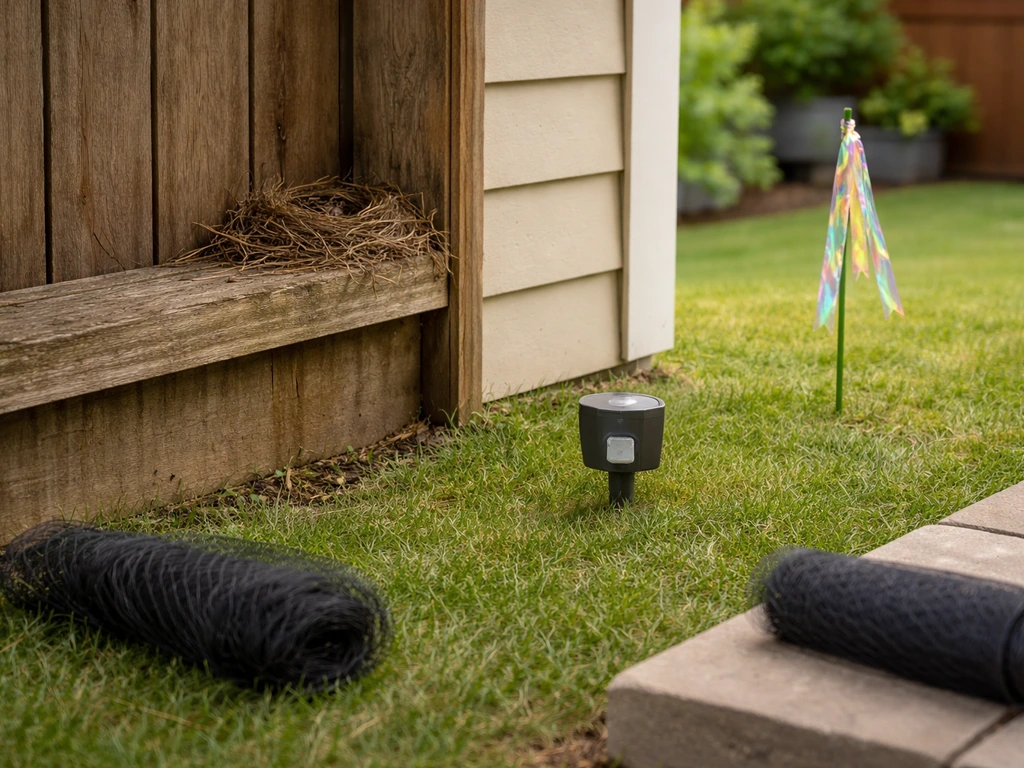
If the nest is in early stages or the bird is only roosting and has not nested, you have a useful toolkit of deterrents. If you need a quick answer to how to make bird go away, start by identifying whether the bird has already nested, then use legal deterrents matched to that stage. If you need a quick, practical plan for how to keep a bird away, focus on early-stage deterrents and prevent the nesting spot from becoming comfortable. The key is layering them, because birds habituate quickly to a single stimulus. A reflective tape that scares them on day one is often ignored by day five if nothing else backs it up.
Sound
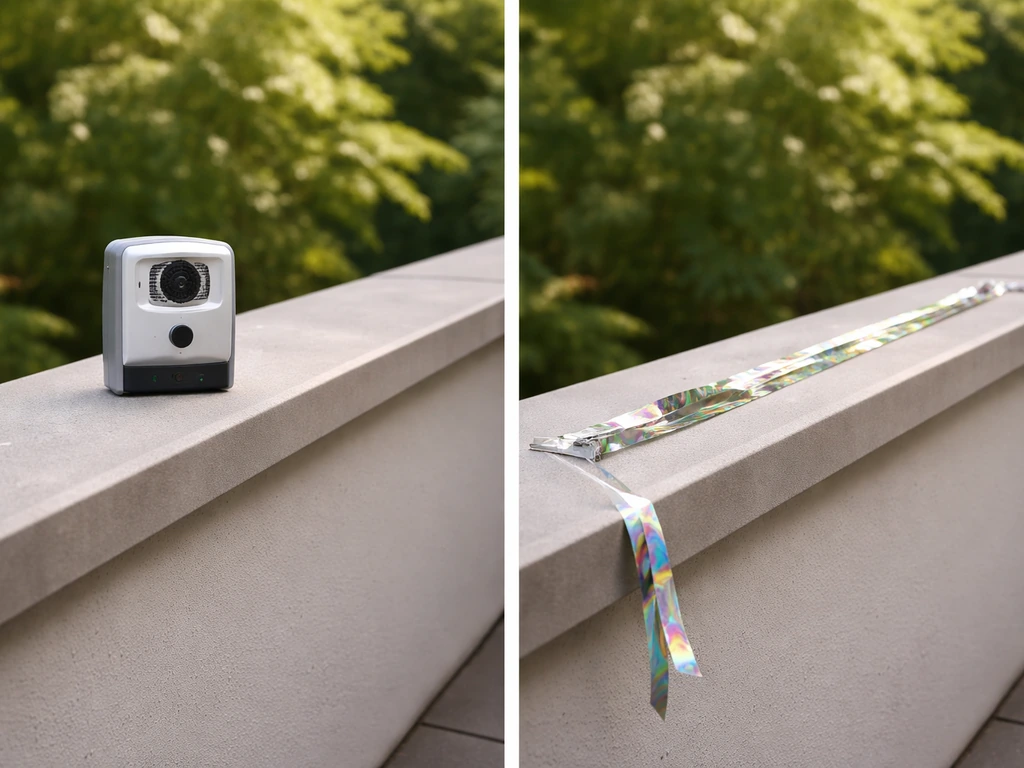
Ultrasonic bird repellers have mixed reviews, but audible distress call devices work better for many species, particularly pigeons, starlings, and gulls. Play the distress or predator calls of the specific species you are dealing with. Generic bird sounds often do nothing. Set them on a timer so they run irregularly, because a predictable pattern gets ignored fast. Some facility managers run them for 10 to 15 minutes every hour during the morning hours when birds are most active.
Light and reflection
Reflective tape, old CDs, or commercial holographic bird tape hung where it can move in air currents creates unpredictable light flashes that birds find uncomfortable. Flash tape works best outdoors in direct sunlight. Laser bird deterrents are effective at dusk and dawn in larger open areas like warehouses, parking structures, and flat rooftops. A motion-activated strobe light in an enclosed eave or carport can discourage a bird from settling.
Movement and physical presence
Predator decoys (hawk kites, owl silhouettes) work only if you move them regularly, ideally daily. A static owl loses all deterrent value within a week. Spinning or bobbing decoys anchored on a pole perform significantly better than stationary ones. Wind-powered pinwheels and flutter ribbons near the target area add movement without maintenance. If you can increase foot traffic or human activity near the nest site temporarily, that disruption alone often discourages early-stage nesting.
Smell-based deterrents
Methyl anthranilate, a grape-derived compound found in commercial bird repellent sprays, irritates birds' trigeminal nerve and makes treated surfaces unpleasant to land on. It is non-toxic and approved for use around buildings. Apply it to ledges, sills, and flat surfaces where birds land before nesting. It does need to be reapplied after rain. Avoid applying any repellent directly to or near an active nest.
Troubleshooting when deterrents stop working
- Habituation: Rotate deterrent types every 5 to 7 days. No single method holds forever.
- Wrong placement: Deterrents must be at or very close to the landing and nesting site, not just nearby.
- Timing: Deploy deterrents before breeding season starts in your region, not after birds have already arrived.
- Gaps: If exclusion has any gap larger than the bird's head, it will find it. Physical inspection is necessary.
- Species mismatch: Distress calls for the wrong species do nothing. Identify the bird first.
Remove attractants and block access
Deterrents buy you time, but they do not fix the root cause. Birds come to your building because it offers something: shelter, a ledge, food nearby, or a cavity that mimics a tree hollow. If you want to know how to make a bird leave your house, the key is to remove what is drawing it in, like shelter, food, and easy nesting spots. Removing those attractants is the most durable solution.
Clean-up first
Old nesting material and droppings contain pheromone cues that attract the same bird back and signal to other birds that a site is suitable. Once a nest is legally removable (no eggs, no chicks, breeding season over), clean the site completely. Use a HEPA vacuum or damp removal method rather than dry sweeping, which aerosolizes dried feces. Wear an N95 mask, gloves, and eye protection. Disinfect the surface with a diluted bleach solution or commercial bird-dropping cleaner.
Exclusion options
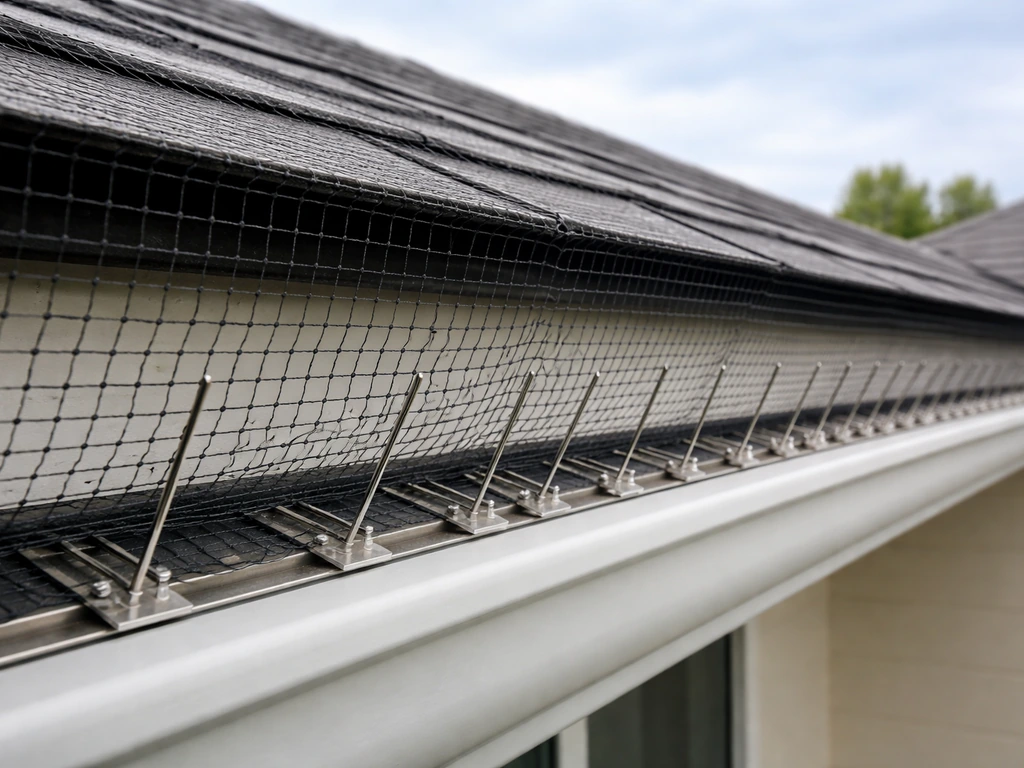
Physical exclusion is the most reliable long-term fix. Match the method to the bird and the surface.
| Exclusion Method | Best For | Notes |
|---|---|---|
| Bird netting (19mm mesh) | Eaves, roof edges, open structures | Must be taut with no gaps; inspect seasonally |
| Bird spikes (stainless or polycarbonate) | Ledges, sills, pipes, signs | Ineffective on wide flat surfaces; space correctly for species size |
| Electric track systems | Serious infestations on premium architecture | Low-voltage deterrent; professional install recommended |
| Slope barriers (45-degree angle inserts) | Flat ledges and window sills | Removes flat landing surface without spikes |
| Sealing gaps with hardware cloth or foam-backer rod plus caulk | Soffits, vents, cavity openings | Check all gaps first; never seal a cavity with birds inside |
When sealing gaps and cavities, always verify the space is empty before closing it. Sealing a bird inside is a welfare and odor problem you do not want to create. Do your inspection in the morning when birds are typically active and visible outside the structure.
Reduce food sources near the building
Bird feeders within 50 feet of the building, uncovered dumpsters, outdoor dining areas, and flat rooftop HVAC condensation pools all attract birds. Eliminate or manage these: switch to enclosed or treadle feeders, ensure dumpsters have secured lids, and direct condensate drainage away from open surfaces. Reducing food and water near the structure makes your building less interesting to the birds overall, which makes every other deterrent more effective.
Prevent nesting long-term: proofing, scheduling, and habitat changes
The most effective nest prevention happens before breeding season starts. In most of the continental U.S. and southern Canada, that means completing your building inspection and deploying exclusion measures by late February or early March, before the earliest nesters arrive. Facility managers should put this on the annual maintenance calendar rather than treating it as a reactive problem.
Seasonal schedule
| Time of Year | Action |
|---|---|
| January to February | Inspect building envelope: soffits, vents, HVAC housings, ledges. Note and repair any gaps. |
| February to March | Install or refresh exclusion and deterrents before early nesters (robins, pigeons, house sparrows) arrive. |
| March to July | Monitor but do not disturb active nests. Document locations for post-season remediation. |
| August to September | After fledging and once nests are confirmed inactive, remove nesting material, clean, and disinfect. |
| October to December | Seal access points identified during the season. Plan hardware upgrades before next year. |
Habitat modifications
Trim trees and large shrubs that overhang or press against the building. Dense vegetation against a wall gives birds a natural approach corridor and shelter. Redirect exterior lighting away from the roofline, since insects attracted to lights attract insect-eating birds, which then investigate the structure. On flat commercial roofs, gravel ballast can be replaced with smooth membrane to eliminate the foothold birds use to anchor nests near HVAC units.
Legal and safety considerations you cannot ignore
This is where a lot of well-intentioned DIY efforts go wrong. In the United States, the Migratory Bird Treaty Act makes it a federal offense to destroy or disturb an active nest (one with eggs or chicks) without a permit from the U.
S. Fish and Wildlife Service. The USFWS issues these permits only in very limited circumstances, typically when the nest is creating a genuine human health or safety risk or when the birds themselves are in immediate danger. "It's inconvenient" does not qualify.
In Canada, similar protections apply under the Migratory Birds Convention Act, and Environment and Climate Change Canada's guidance is explicit: the best way to avoid problems is to do your exclusion work before the breeding season, not during it.
- Never remove a nest with eggs or chicks unless you have a permit or unless the nest belongs to a non-protected species (house sparrows, European starlings, and rock pigeons are the main exceptions in the U.S. and are not covered by the MBTA).
- If you are unsure of the species, treat the nest as protected until confirmed otherwise.
- Photographs and date-stamped notes of the nest status protect you legally if a situation escalates.
- If eggs hatch, chicks typically fledge within 10 to 21 days depending on the species. In most cases, waiting is the safest and most practical path.
- Once a nest is inactive and the birds are no longer using it for breeding, you can legally remove it without a permit in most jurisdictions. Confirm with your state or provincial wildlife agency if you are unsure.
- Canada's government guidance confirms that removing a nest when it does not contain a migratory bird or viable egg (generally after breeding season) has no effect on the birds' ability to nest again.
- Oregon Department of Transportation's MBTA technical guidance, which reflects standard best practice, advises removing nests before egg laying or after fledging whenever feasible.
On the safety side: wear PPE (gloves, N95 mask, safety glasses) whenever working near nests or droppings. If the nest is at height, do not use an extension ladder alone. Use proper scaffold, a lift, or hire a contractor. Fall risk from bird-related work is real and underestimated.
When to call a wildlife professional or your facilities team
Some situations are genuinely outside what a homeowner or building manager should handle alone. If you are trying to scare a bird out of a house, it is smart to use a careful, legal approach that encourages the bird to leave without harming it. Knowing when to escalate saves time, avoids legal exposure, and gets you to a resolution faster.
Call a wildlife professional if:
- You find an active nest in a location that poses an immediate safety risk (live electrical panel, blocked fire exit, critical HVAC equipment) and you need a permit-assisted removal.
- You have a large colony situation: multiple nests from communal nesters like cliff swallows, chimney swifts, or herons. These often have additional legal protections and require specialized management.
- The species is unclear and might be a raptor, swift, or other highly protected bird. Misidentification is a common and costly mistake.
- A baby bird has fallen from the nest or appears injured.
- You have tried deterrents and exclusion for a full season and the birds are still returning. A professional site assessment often identifies access points or attractants that are easy to miss.
Escalate to your facilities or operations team if:
- The nest or roosting area is affecting building systems: HVAC airflow, electrical conduits, drainage, or roof membrane integrity.
- Droppings accumulation has become a slip hazard or public health concern affecting staff or visitors.
- The remediation requires working at height, confined space entry, or structural penetration.
What to tell them when you call
Have this information ready: the species if known, the exact location of the nest and how it was accessed, whether there are eggs or chicks present (and approximately how old the chicks look), how long the nest has been there, any safety or operational impact, and photos if you have them. This lets the professional assess the situation remotely and come prepared, which speeds up the resolution considerably.
If you are dealing with birds inside a building rather than in an outdoor nest, the approach shifts significantly toward guiding the bird out safely without causing injury. For detailed steps to guide a bird out of your house without harming it, follow the safe guidance in our bird-exit instructions.
If the bird is already inside, use a gentle guiding approach and avoid blocking it in a way that could trap it how to get a bird to leave a building. If the bird is hanging around the interior of your home, you still want to guide it out rather than rely on harsh scares guide the bird out safely.
If you are dealing with birds inside, use a careful, non-harmful method to help lure them out of the house. If you need step-by-step guidance for how to lure a bird out of your house safely, focus on gentle exclusion and letting the bird find an open exit lure them out of the house. That is a different problem set worth addressing separately from outdoor nest management.
FAQ
Can I use a “plastic owl” or fake predator to scare a bird away from its nest if I see it sitting on eggs?
Not reliably. A bird that is actively incubating will usually return quickly after a scare, and static decoys lose impact within days. If eggs or chicks are present, focus on legal, non-destructive deterrence or get a professional to assess whether exclusion is permitted.
Will reflective tape or CDs keep working after a few weeks, or do birds habituate even if I move the material?
Birds habituate quickly to a single stimulus, even if the setup was effective at first. To maintain effect, change the pattern, move the tape periodically, and combine it with another measure (like reduced access to ledges or temporary increased foot traffic).
Are ultrasonic bird repellers safe to use near a home or workplace, and will they drive birds away from nests?
Safety is one concern, performance is another. Many ultrasonic units have mixed results, and birds often ignore them, especially once they decide the spot is safe. If you try one, pair it with a habitat fix (removing landing spots, blocking cavities) rather than relying on sound alone.
Can I legally remove a nest if it looks abandoned or the bird seems to have left it temporarily?
Assume it could still be active until verified. If eggs or chicks are inside, removing or disturbing can trigger legal penalties. Wait for clear signs of absence and confirm timing, then clean and exclude only when you can do so without harming protected birds.
How can I tell the difference between a roost and an active nest from a distance before I act?
Use distance checks for construction stage and behavior. Nesting typically involves carrying material, frequent repeated returns, and a structured cup or cavity lining. Roosting often looks less built, and birds may not show consistent nest-site attendance.
What should I do if the nest is on a high HVAC unit or in a tight eave and I cannot reach it safely?
Do not improvise with unsafe ladders. Use appropriate equipment (scaffold or lift) or hire a contractor, because fall risk is a major hazard. Also, plan for exclusion after the breeding stage, not while the nest is occupied.
Does increasing foot traffic always help, or can it make things worse with birds nesting on a doorway or dock?
It can help mainly during early-stage nesting because it reduces the site’s perceived safety. If eggs or chicks are already present, repeated disturbance may not change the outcome and can increase risk. Use temporary disruption only when the nest is not actively incubating or brooding.
Can I apply methyl anthranilate directly around an occupied nest if the birds keep landing there?
Avoid applying it directly to or near an active nest. Use it only on surfaces birds land on before nesting starts, and reapply after rain because rain reduces effectiveness. If the nest is occupied, the safer route is staged deterrence and legal guidance.
What is the most durable way to prevent a bird from returning after I clean the area and remove old nesting material?
Cleaning is necessary but not sufficient. The durable fix is physical exclusion matched to the bird and the access point (for example, sealing gaps only after confirming the cavity is empty, then installing appropriate barriers). This prevents the same location from becoming a “known safe” site again.
If I seal a cavity after birds left for a day, is it possible that I trapped a bird inside?
Yes, and that is a common mistake. Birds can leave temporarily for feeding, and the timing varies by species. Inspect in the morning when birds are most visible, confirm no eggs or chicks are present, and consider a waiting period before sealing.
When should I escalate to a professional wildlife or pest-control service instead of trying DIY deterrents?
Escalate when eggs or chicks are present, the nest is inside walls or tight cavities, the location is high or inaccessible without risky equipment, or the species is hard to identify. A professional can also determine whether a permit is needed for any action related to active nests.