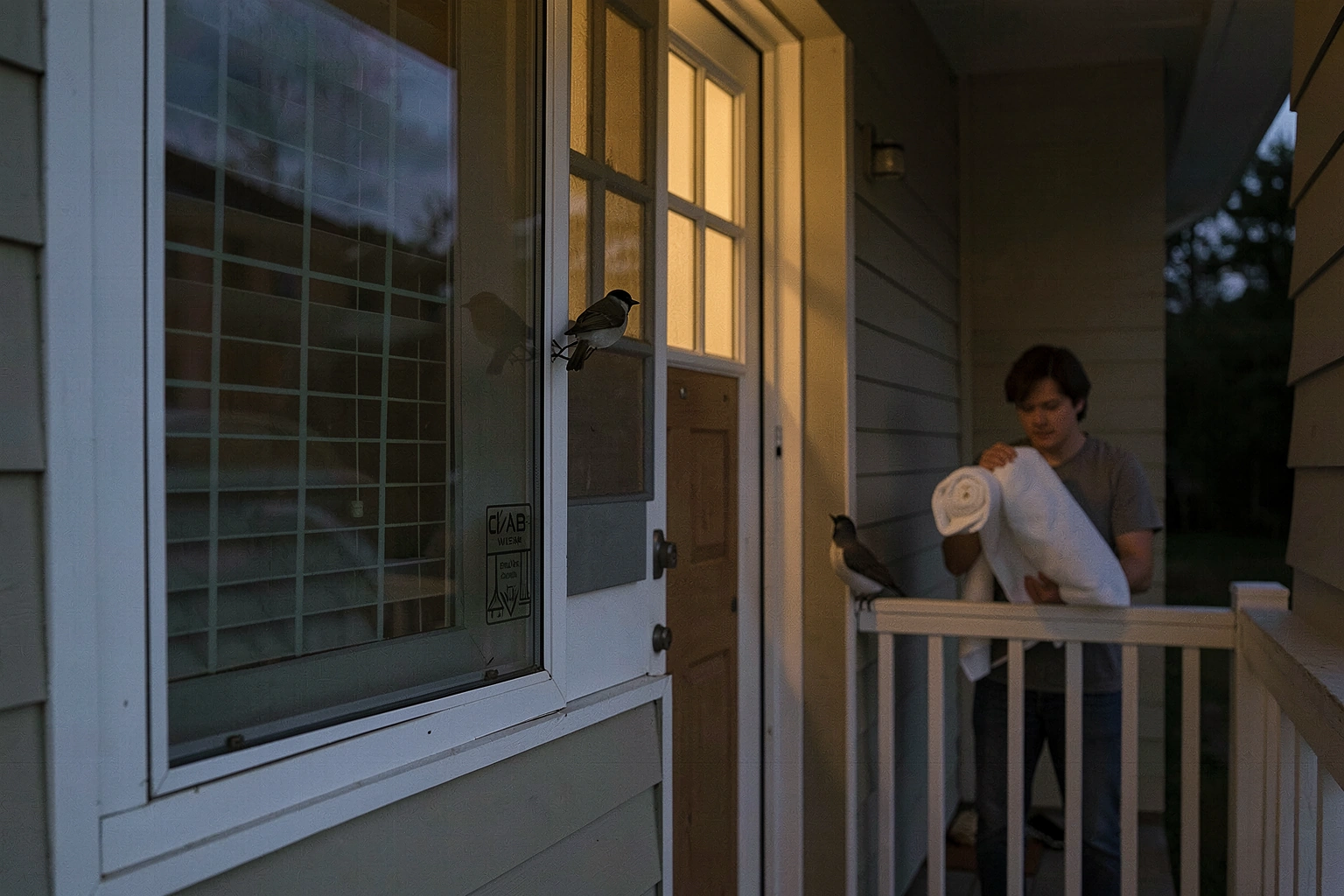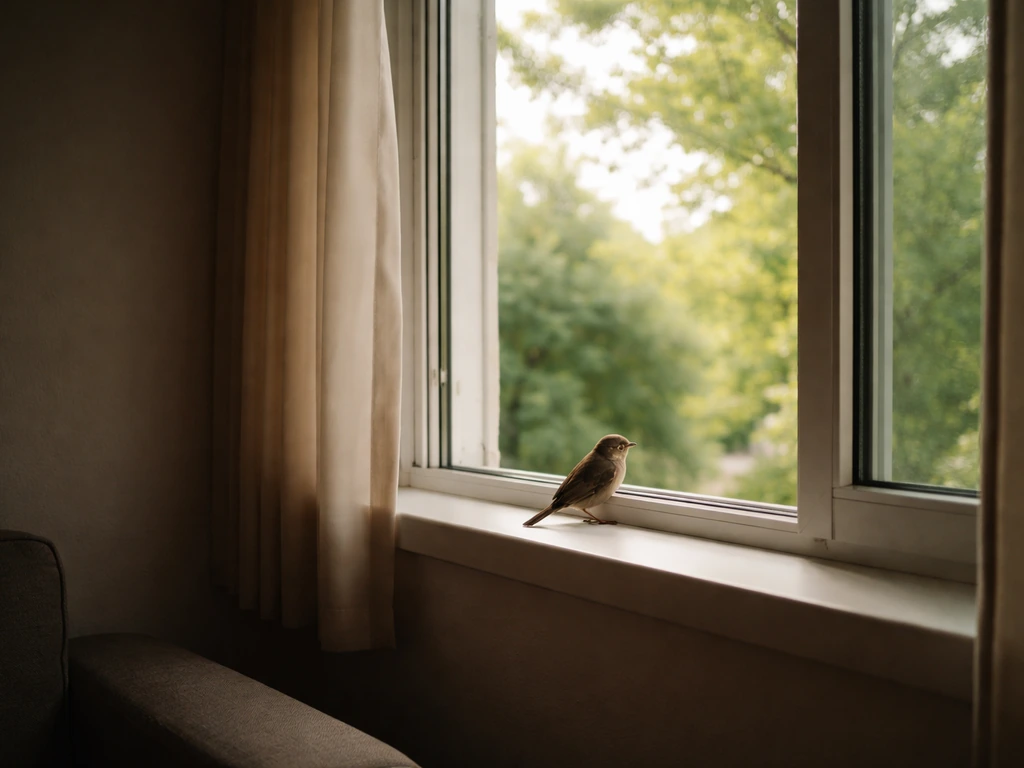
The fastest way to scare a bird away is to combine a visual deterrent with movement, remove whatever is attracting the bird, and stay consistent for at least a week. A single plastic owl sitting still on a fence post won't cut it. Birds are smarter than most people expect, and they habituate quickly to anything that doesn't change. This guide walks you through every practical method, how to place them correctly, and what to do when the bird just won't leave. Scaring a bird away from its nest follows the same deterrence principles, but you must be especially careful about legality when the nest is active can you scare a bird away from its nest.
How to Scare Away a Bird: Step-by-Step Deterrent Plan
Maya Carver
22 Mar 2026
Step one: figure out what you're dealing with
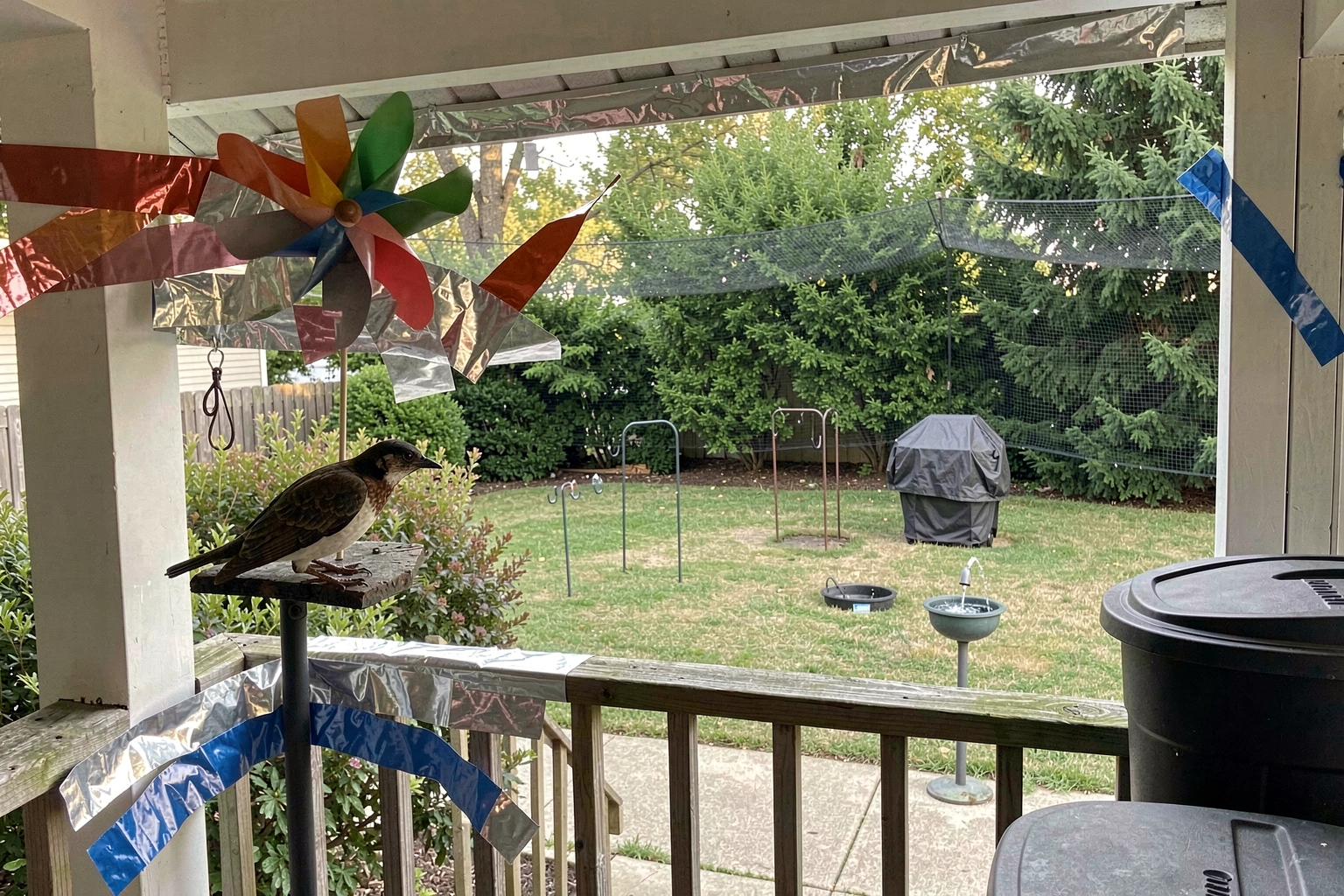
Before you put up a single deterrent, spend five minutes watching the bird and the area around it. The species matters because different birds respond to different tactics. Pigeons, starlings, gulls, woodpeckers, crows, and sparrows each have different behaviors, sensitivities, and legal protections. Watch how the bird feeds or rests: its posture and what it's doing often reveal the species. A bird pecking wood rhythmically is likely a woodpecker; one rummaging through trash is probably a crow, starling, or gull.
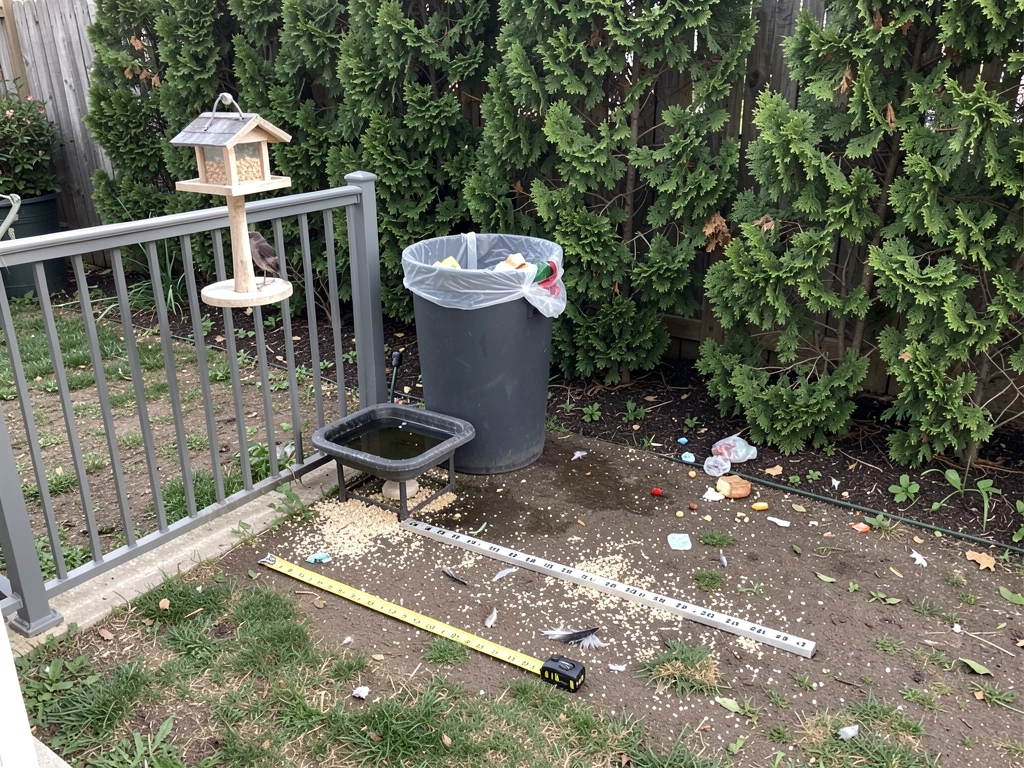
Once you know what you're dealing with, look for what's pulling the bird to that spot. The three biggest attractants are food, water, and shelter. Check for open trash or recycling bins, pet food left outside, fallen fruit, a bird feeder within 30 feet of the problem area, standing water in pots or gutters, and dense shrubs or eaves that offer nesting cover. Removing or blocking those attractants is not optional if you want lasting results. The USDA APHIS has long emphasized that stopping the food supply is foundational to any bird dispersal strategy, and the Audubon Society specifically connects feeder placement and nearby water sources to repeat bird visits.
Common problem locations and what usually attracts birds there
| Location | Common Attractant | Most Likely Visitor |
|---|---|---|
| Garden / yard | Seeds, insects, standing water | Sparrows, robins, starlings |
| Porch / patio | Shelter, nesting spots, food scraps | Pigeons, swallows, sparrows |
| Window ledge / sill | Warmth, reflective surfaces, shelter | Pigeons, starlings |
| Trash / recycling area | Open food waste | Crows, gulls, starlings |
| Roof / gutters | Nesting materials, water pooling | Pigeons, starlings, sparrows |
| Garden pond / pool | Standing water, fish | Herons, ducks, geese |
Visual deterrents and movement: the fastest options
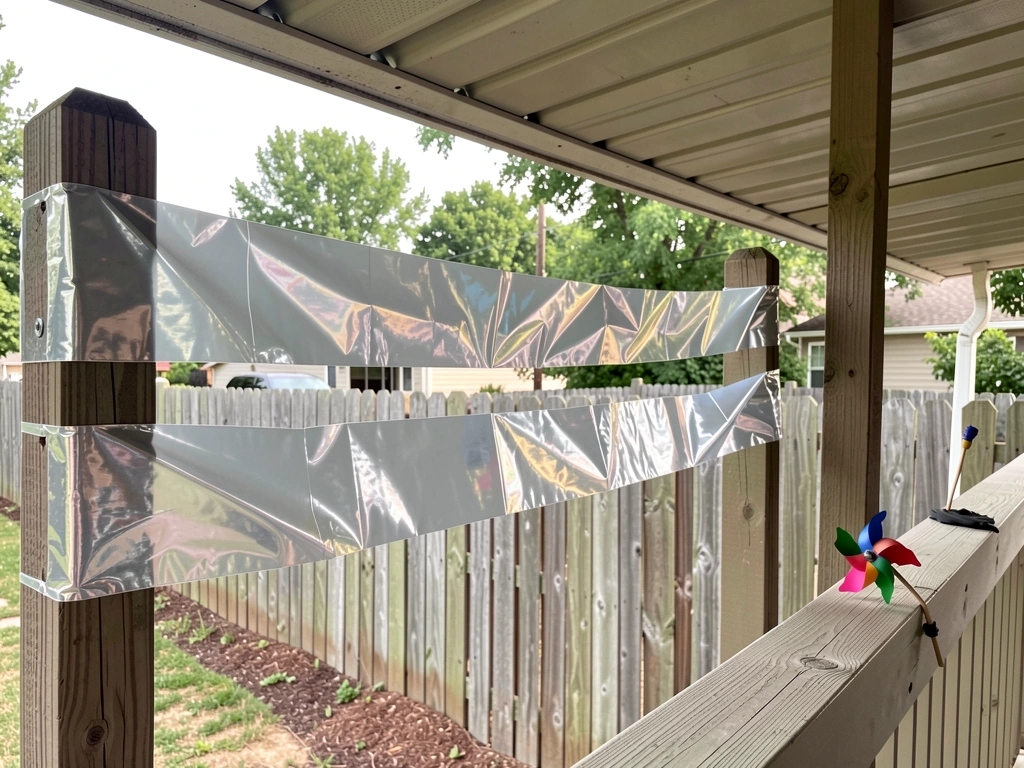
Visual deterrents work because birds are highly sight-dependent and react to perceived threats and unexpected movement. The key word is movement. A static object does very little after the first day or two because birds quickly learn it poses no real threat. Anything that spins, flashes, or sways in the wind is considerably more effective.
Reflective tape is one of the cheapest and most immediately available options. Hang it in 12- to 18-inch strips so it twists and reflects light in the wind. Transport Canada's evaluation of bird control products found that reflective tape works in some agricultural settings, but placement and movement are critical. Attach it to branches, fence posts, porch railings, or under eaves near where the bird lands. Replace or reposition it every few days to maintain the novelty factor.
Predator decoys, specifically hawks, owls, and falcons, can be effective if you move them every one to two days and raise them on a pole or string so they sway slightly. A decoy sitting motionless in the same spot for a week becomes invisible to a bird's threat radar. Some decoys have reflective eyes or spinning heads, which extend effectiveness. Balloons with large predator-eye patterns (sometimes called bird-scare balloons or Mylar balloons) work on the same principle and are particularly effective in open spaces like gardens and patios because they move in even light breezes.
- Reflective tape or Mylar strips hung in moving strips, repositioned every 2 to 3 days
- Predator decoys (owls, hawks) mounted on a swiveling base or suspended by string, moved daily
- Bird-scare balloons with predator eye patterns, especially good for open gardens and patios
- Pinwheels or spinning reflective windmills placed at bird entry points
- Old CDs or DVDs hung on fishing line in clusters to flash and spin
- Bird-scare tape (also called irri-tape) stretched loosely between stakes or posts so it vibrates and hums
For window and ledge problems, angle reflective strips so they catch direct sunlight during the hours the bird arrives. If you know the bird shows up every morning, position your deterrents the evening before and adjust based on where the sun hits.
Sound and scent deterrents: when to use them and how
Sound-based options
Sound deterrents fall into two categories: distress and alarm calls, and ultrasonic devices. Alarm-call recordings are more reliably effective. Playing the recorded distress call of the specific species you're dealing with signals danger and triggers an instinctive flee response. UF/IFAS Extension research confirms that alarm-call recordings can deter certain bird species, though they work best for temporary alleviation rather than permanent removal. Pair an alarm-call device with another deterrent (like a moving visual) for a stronger combined effect, which is exactly what the Minnesota DNR recommends for gulls: reinforce distress calls with a secondary harassment method because birds habituate to single-method approaches.
Ultrasonic devices emit high-frequency sounds above human hearing range. The evidence for their effectiveness is mixed. Some birds, particularly songbirds and pigeons, have limited sensitivity to ultrasonic frequencies, which means these devices often underperform expectations. If you use one, position it so the sound waves travel directly toward the bird's preferred perch or landing spot, not aimed at a wall. Rotate the device's position every few days.
Propane cannons and pyrotechnics (like bird-scare cartridges) are used in agricultural and commercial settings and are very effective, but they produce loud bangs and are not practical or appropriate in residential areas due to noise ordinances and neighbor considerations. They're worth knowing about if you're managing a large property or farm.
Scent-based repellents
Birds have a relatively limited sense of smell compared to mammals, so scent repellents are the weakest tool in your kit. That said, commercial chemical bird repellents, specifically methyl anthranilate-based products (derived from grape extract), are recognized by USDA APHIS and referenced in federal regulatory guidance as authorized bird-damage management tools. USDA APHIS lists methyl anthranilate (MA) as a registered ingredient for bird repellent use in wildlife damage management blank" rel="noopener noreferrer">methyl anthranilate-based products. These are applied as a spray to grass, crops, and surfaces and work by causing mild irritation when birds contact or taste them. They're non-toxic, widely available, and useful for gardens, lawns, and flat roof surfaces. Reapply after rain.
Bird gel repellents (polybutylene-based sticky gels) create an uncomfortable landing surface. Apply them in thin beads on ledges, window sills, and beam edges where birds perch. They don't trap or harm birds but make the surface unpleasant enough that most birds stop returning. Avoid applying gel where birds could get matted feathers, and do not use on branches or natural perches.
Physical changes that actually solve the problem long-term
Scaring birds is a short-term fix. Physical exclusion and habitat modification are what keep them from coming back. Think of deterrents as buying you time while you make the environment genuinely uninviting.
Block access to perching and nesting spots
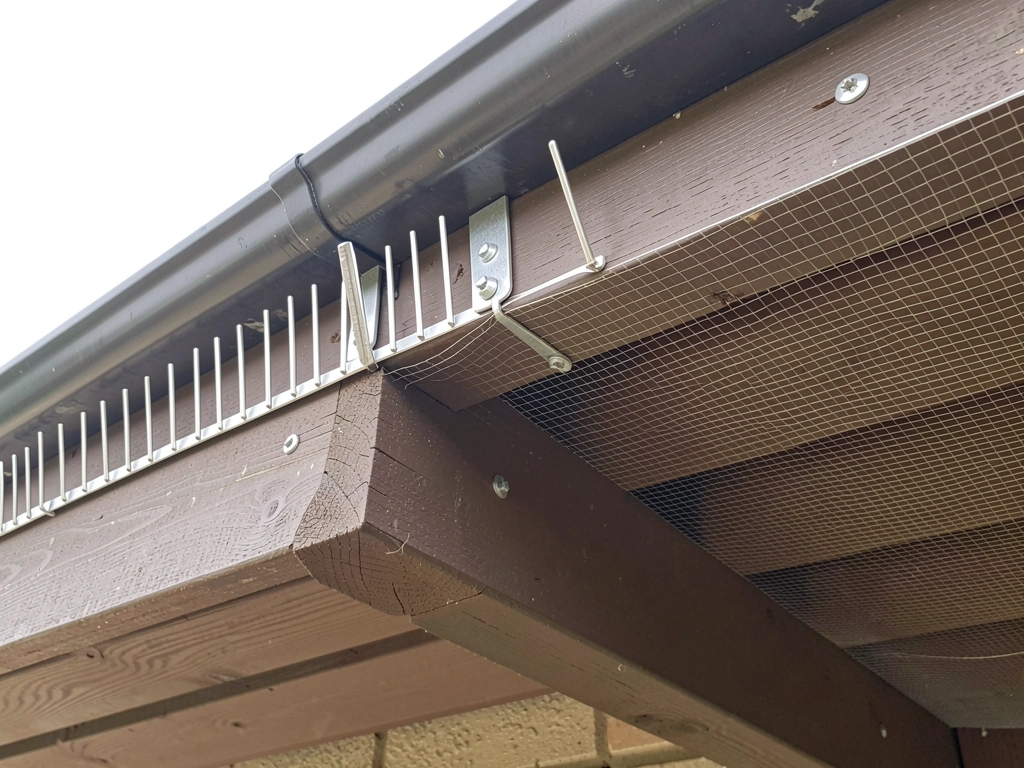
Bird spikes are plastic or stainless-steel strips installed on ledges, gutters, rooflines, and beam tops. They don't harm birds but make landing impossible. They're one of the most durable and low-maintenance solutions available. Install them on every available perch point in the problem area, not just one or two, because birds will simply shift two feet to the side.
Exclusion netting creates a physical barrier that stops birds from reaching nesting or roosting areas entirely. USFWS guidance and USDA APHIS both recognize exclusion netting as an effective, humane deterrent. Mesh size matters: use a smaller mesh (around 3/4 inch) for sparrows and starlings, and up to 2-inch mesh for pigeons and larger birds. One important caution from USFWS: some bird netting, if poorly installed, can entangle and kill birds. Make sure netting is taut, fully sealed at edges, and checked regularly.
For eaves, rafters, and porch ceilings where swallows or pigeons try to nest, foam or caulk to fill gaps combined with netting or hardware cloth over the opening is the most effective approach. If you're dealing with a garden or pond, netting stretched over the top of the area on a frame will deter herons, ducks, and similar birds.
Remove attractants from the environment
- Take feeders down or relocate them at least 30 feet away from the problem area
- Remove standing water from saucers, gutters, tarps, and containers (or add a fountain that keeps water moving, which reduces attractiveness to some species)
- Secure trash and recycling bins with locking or bungee-secured lids
- Pick up fallen fruit from trees daily during fruiting season
- Trim dense shrubs, vines, and vegetation close to buildings to reduce nesting cover
- Remove or relocate pet food bowls as soon as pets finish eating
If you spot a nest that's already being built, remove the nesting materials daily before the nest is complete and no eggs or chicks are present. NH Audubon advises that consistent daily removal of materials can discourage birds from finishing a nest in an inconvenient spot. Once a nest is complete and active (containing eggs or live chicks), stop and read the legal section below before doing anything else.
How to set up deterrents so they actually work
Placement and timing are where most DIY bird deterrent attempts fall apart. Here's a practical setup routine you can start today.
- Deploy deterrents before the bird's peak activity time. Most nuisance birds are most active in early morning. Set up or reposition deterrents the evening before.
- Cover the full perimeter of the problem area, not just one spot. Birds will simply move to an adjacent perch if one spot feels uncomfortable.
- Combine at least two deterrent types: one visual (moving or reflective) and one sound or physical deterrent. The Minnesota DNR recommends this paired approach specifically because single-method deterrents fail faster.
- Rotate or move every deterrent every 1 to 3 days. Even the most effective scare device loses power within a week if it stays in exactly the same position.
- Run sound devices during active bird hours (typically 6am to 10am and late afternoon) rather than all night, which could disturb neighbors and desensitize the bird.
- Keep the pressure on for a minimum of 7 to 14 consecutive days. Backing off too early lets birds re-establish their routine at the site.
- After 14 days, scale back to maintenance mode: keep physical deterrents in place, remove standing water and food sources, and do a quick check every few days.
For larger open areas like a garden or lawn, create a grid pattern with reflective tape or pinwheels at roughly 10-foot intervals rather than clustering everything in one corner. Coverage matters more than concentration.
When birds won't leave: troubleshooting what's going wrong
If you've been running deterrents for several days and the bird keeps returning, one of a few things is likely happening. Work through this checklist before switching tactics entirely.
| Problem | Likely Cause | Fix |
|---|---|---|
| Bird returns every morning despite deterrents | Deterrents aren't moving or have become familiar | Reposition and add a second deterrent type; use alarm call recordings |
| Bird ignores predator decoy | Decoy hasn't moved in days | Move decoy to a new spot and raise it so it sways in wind |
| Reflective tape stopped working | Bird has habituated to it | Swap for a different visual deterrent; try scare balloons instead |
| Bird is nesting and won't leave | Active nest with eggs or chicks present (legally protected) | Do not disturb; wait until nest is no longer active |
| Multiple birds, not just one | Food or water source still present | Audit entire property for attractants; remove feeders and standing water |
| Bird keeps returning after exclusion netting installed | Gaps in netting or wrong mesh size | Check all edges and seal fully; confirm mesh size matches bird species |
| Nothing is working | Single-method approach, not enough coverage | Escalate to a licensed wildlife control operator |
One of the most common reasons scaring fails is that there's still a reliable food or water source nearby that the bird values more than it fears the deterrents. If you haven't removed the attractant, your deterrents are fighting uphill. Go back to step one and audit the area again.
If you've tried multiple methods for two or more weeks without results, it's time to call a licensed wildlife control operator. Indiana DNR notes that licensed operators can use a broader toolkit including hazing, habitat modification, and in some cases permitted actions that aren't available to the general public. This is the right escalation path for persistent, high-volume, or complex bird problems.
Stay legal and keep it humane
This part isn't optional. Most birds in the US and Canada are protected by federal law. The U.S. Migratory Bird Treaty Act (MBTA) makes it illegal to pursue, hunt, take, capture, or kill migratory birds, and it also protects their nests, eggs, and even feathers. That covers most common nuisance birds including pigeons in some contexts, starlings, swallows, gulls, crows, and many others. The penalties are real, so don't assume it's fine to take matters into your own hands.
On the nest question specifically: if a bird has already built a complete nest and it contains eggs or live chicks, you cannot legally remove, destroy, or disturb it in the US without a federal permit. USFWS is clear that such permits are usually only issued when the nest poses a direct human health or safety concern. In Canada, the Migratory Birds Regulations (2022) similarly prohibit disturbing, damaging, or removing a nest that contains a live bird or viable egg. The practical advice is simple: if the nest is active, leave it alone until the young birds have fledged and the nest is no longer in use. For nests that are unoccupied and not yet reused, check your local and provincial or state rules, since some jurisdictions allow removal without a permit once a nest is confirmed inactive.
The Illinois Department of Public Health adds that both the MBTA and the Endangered Species Act prohibit trapping or possessing most birds without a permit. This means glue traps, netting intended to capture birds, or any method designed to physically catch the bird is off-limits unless you are a licensed professional with the correct permits.
Safe, legal methods include all the deterrents covered in this article: visual scare devices, sound devices, chemical repellents applied to surfaces, exclusion netting (installed correctly so it doesn't entangle birds), bird spikes, and habitat modification. These are the methods recognized by USDA APHIS and aligned with federal wildlife management guidance. If you're unsure whether a specific product or action is legal in your area, contact your state wildlife agency or a licensed wildlife control operator before proceeding.
One more practical safety note: if you're cleaning up bird droppings as part of your deterrence effort, especially in enclosed or poorly ventilated spaces, wear an N95 mask and gloves. Dried bird droppings can carry pathogens including Histoplasma and Cryptococcus. Dampen the area before cleaning to prevent dust, and bag and dispose of waste securely.
Your action plan for today
Here's the practical sequence to get started right now, ordered by effort and speed of impact. If you need step-by-step help with the right deterrents, this guide explains how to make birds go away while keeping the approach safe and effective how to make bird go away. Follow the same approach indoors and outdoors to guide the bird out of your house safely and encourage it to leave for good how to make birds go away. If you are dealing with a bird inside your home, use the indoor-safe deterrent steps in this guide to scare it out without harming it how to scare a bird out of house. For specific steps on how to make a bird leave your house, follow the indoor-safe deterrent routine in this guide scare it out without harming it. If you need a focused walkthrough, this guide on how to lure a bird out of your house is a useful related option to follow next.
- Spend 5 minutes identifying the bird species and what's attracting it to the exact spot
- Remove or secure all food sources, standing water, and accessible nesting materials in the area immediately
- Hang reflective tape or set up a predator decoy with movement before this evening (so it's in place for tomorrow morning's bird activity)
- If you have a garden or large open area, add pinwheels or scare balloons at 10-foot intervals across the zone
- If sound is an option, set up an alarm-call device or speaker with species-specific distress calls timed for early morning
- Plan to move and reposition every visual deterrent in 48 hours
- After 5 to 7 days with no improvement, layer in a second deterrent type and check for any remaining food or water attractants you may have missed
- After 14 days with no improvement, contact a licensed wildlife control operator
Getting a bird to leave and stay gone is mostly about being more persistent than the bird. They're creatures of habit, and they'll keep testing a spot until it consistently feels unsafe and unrewarding. Remove the reward, introduce the discomfort, keep rotating your tactics, and the bird will find somewhere else to be.
FAQ
What should I do if the bird keeps coming back even after I put up deterrents?
Start by addressing the attractant first, because a “scare” usually fails if food or standing water is still available. Then use a moving visual (tape, pinwheel, spinning/reflective elements) and add exclusion on landing points (spikes or netting) so the bird cannot simply reposition nearby.
How often do I need to move or replace scaring devices for them to keep working?
Do not rely on one static item, even if it looks threatening. Birds habituate when nothing changes, so rotate or reposition moving components every 2 to 7 days, and keep coverage spread out across the likely landing or roosting area.
Where should I place deterrents for birds that hit the same window in the morning?
If the bird appears near windows or ledges every day, set deterrents the evening before and aim reflective strips to catch direct sun when the bird arrives. If the bird arrives at different times, adjust after 2 to 3 days by tracking where it lands and where reflections hit.
Are ultrasonic bird repellents actually effective?
Avoid ultrasonic devices as a primary solution if you have pigeons or songbirds, since many units have mixed performance. If you still try one, direct it toward the preferred landing perch (not at a wall), and rotate the device position frequently because birds may shift to zones with less sound coverage.
When should I use chemical or scent-based repellents, and what’s the catch?
Use scent only as a last-resort supplement, since birds generally do not respond strongly to smell compared with visual and habitat cues. When you use methyl anthranilate products, reapply after rain and focus coverage where the bird contacts the surface.
Will bird spikes or gels work if I only install them where I see droppings?
Exclusion works best when installed on every access point, not just one. For ledges and gutters, cover all reachable perching spots, and make sure barriers are continuous so the bird cannot “step around” the deterrent by a couple of feet.
What’s the safest way to use exclusion netting without harming birds?
Netting must be installed taut and sealed at edges to prevent entanglement. Check regularly, especially after wind or storms, and remove or adjust any sagging sections immediately before leaving birds any opportunity to get trapped.
What should I do if I notice a nest being built under my porch or eaves?
If you find nest material, remove it daily before it becomes a complete nest with eggs or chicks. Once a nest is complete and active, do not remove or disturb it, and wait until the young have fledged or follow your local permit rules.
Can I remove an old nest if I think it’s inactive?
If the nest contains eggs or live chicks, treat it as protected and avoid any disturbance until fledging occurs or until you confirm a permit is required. For nests that are unoccupied and clearly inactive, some places allow removal, but the rules vary by location and species.
What methods are considered illegal or risky to try myself?
Do not use trapping methods like glue traps or any setup intended to capture birds, since they can violate wildlife protection laws. If control is needed, use deterrents and exclusion, and for persistent problems contact a licensed wildlife operator.
What’s the safest way to clean up droppings while I’m trying to scare birds away?
For droppings cleanup, dampen the area first to prevent dust, and use an N95 respirator plus gloves in enclosed or poorly ventilated spaces. Bag waste securely and wash hands afterward, because dried droppings can release airborne pathogens.
Is scaring birds ever a permanent solution, or just a temporary fix?
Yes, but only after you remove attractants like food, water, shelter, and nesting access. If you can eliminate the reward and block landing or roosting points, scares can “buy time” while the habitat becomes genuinely unsuitable, which is what prevents repeat visits.
When should I stop DIY efforts and call a wildlife control operator?
If you tried consistent deterrents for 2 or more weeks and the bird still returns, escalate. Persistent high-volume or complex situations often require a licensed wildlife control operator who can assess species-specific behavior and use tools or methods that are not available to the public.