The fastest way to stop a bird from screaming in the morning is to figure out why it's screaming first, then remove the trigger. That sounds obvious, but most people skip the diagnosis and try one generic fix that does nothing. Light pouring through your windows, a territorial rival, a nearby nest full of hungry chicks, or a bird actually trapped inside your walls or attic are all completely different problems that need completely different solutions. Work through the triage steps below, confirm the cause, and you'll have a targeted fix you can start today.
How to Stop Your Bird From Screaming in the Morning

Maya Carver
6 Jun 2026
First: Is the bird in distress, trapped, or just loud?
Before you do anything else, spend two minutes figuring out whether you're dealing with a normal (but annoying) bird or one that actually needs help. The response is very different.
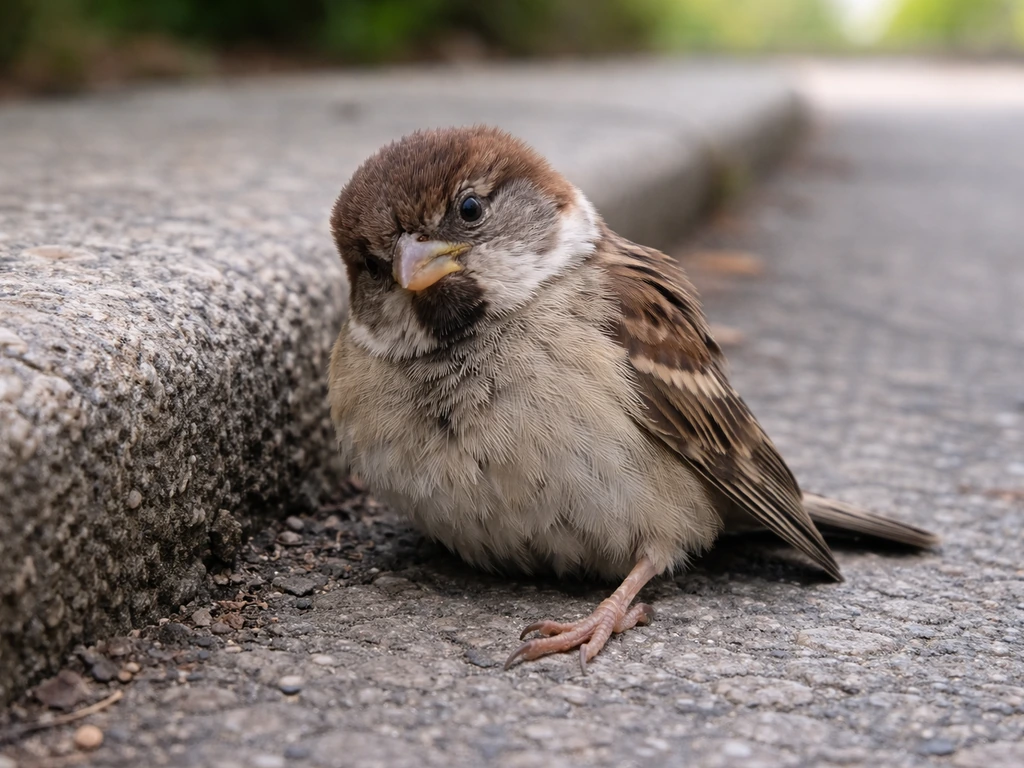
Signs the bird is injured or in distress: a wing or leg sticking out at an odd angle, inability to take off when approached, lying on the ground without moving, repeated window strikes with visible disorientation, or screaming that sounds panicked and continuous rather than rhythmic. If you're seeing any of these, skip ahead to the 'When to call a wildlife pro' section at the bottom.
Signs the bird is trapped inside your building: you can hear it but can't see it outside, scratching or fluttering sounds come from the attic, walls, or chimney, or you've spotted a bird flying in circles inside a room. A trapped bird will often escalate to frantic, continuous noise rather than the periodic calls you'd expect from an outside bird doing its morning routine.
Signs the bird is behaving normally (just loudly): the noise has a pattern, it peaks around dawn and tapers off by mid-morning, it's coming from outside, and the bird is clearly mobile and flying freely. This is the scenario most people are dealing with, and it's what the bulk of this guide covers. If you’re trying to stop the bird from waking you up every morning, focus on identifying the trigger first, then use the right deterrents based on whether the bird is outside, trapped, or behaving normally stop bird chirping in the morning.
Immediate actions to reduce the noise today
If the bird is outside and behaving normally, your quickest wins come from changing what's drawing it to your building or triggering its calls. If the bird is calling from outside, you can also reduce cues like light and reflections that keep it returning. Here's what to do right now.
If the bird is trapped inside
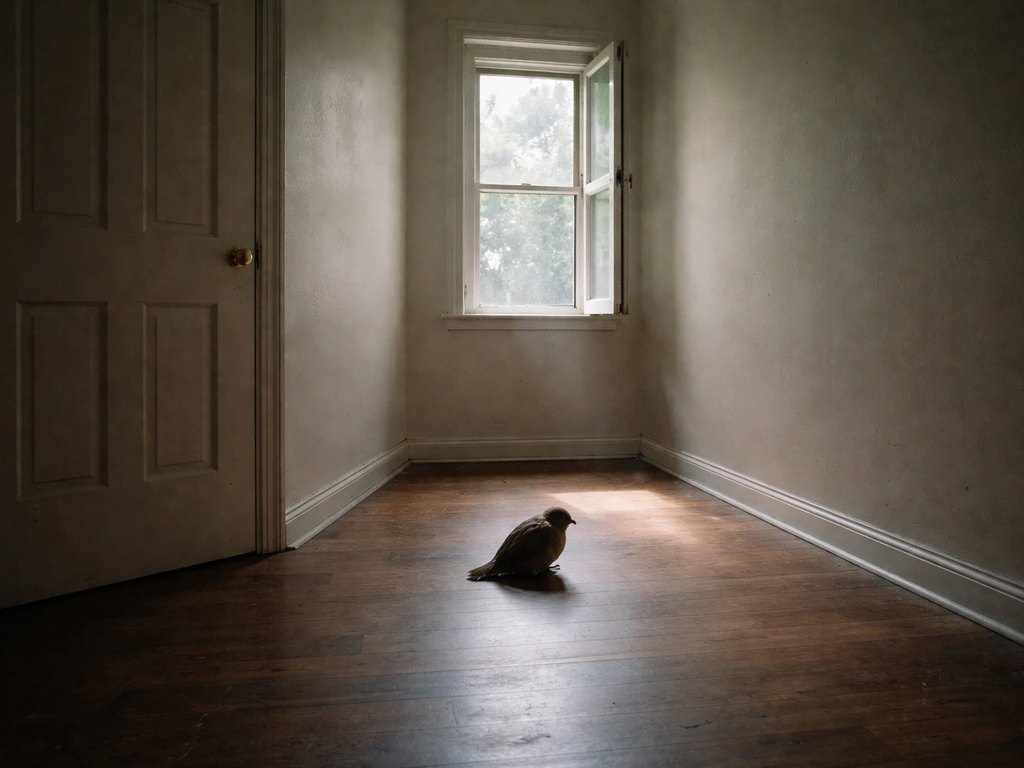
[Close the door to the room where the bird is to confine it to as small a space as possible. ](https://www. wildlife-removal. com/birdinhouse.
html) Open the nearest window or exterior door fully. Then turn off every interior light in that room so the open exit becomes the brightest point in the space. Light is your main tool here: birds move toward the brightest exit, and a lit room with one open window will confuse the bird and keep it circling.
Once the bird is out, you can focus on how to get rid of a flicker bird for good by preventing repeat entry and reducing window strikes. Darken everything except the exit. If the bird is up high on a curtain rod or ceiling fixture, use your arms or a broom (not touching the bird) to gently lower it toward the exit level. Keep pets out of the room entirely.
If the bird is a hawk or owl, don't try to handle it yourself. Confine it, open an exit, and call a wildlife rehabilitator immediately. For normal, non-trapped birds that are just loudly calling from outside, you can use the guide’s steps for reducing the noise and preventing it from returning how to get rid of a chirping bird.
If the bird is outside and screaming at your building
- Close blinds or curtains on the windows facing the noise. This breaks the reflection the bird may be reacting to and reduces interior light spilling out.
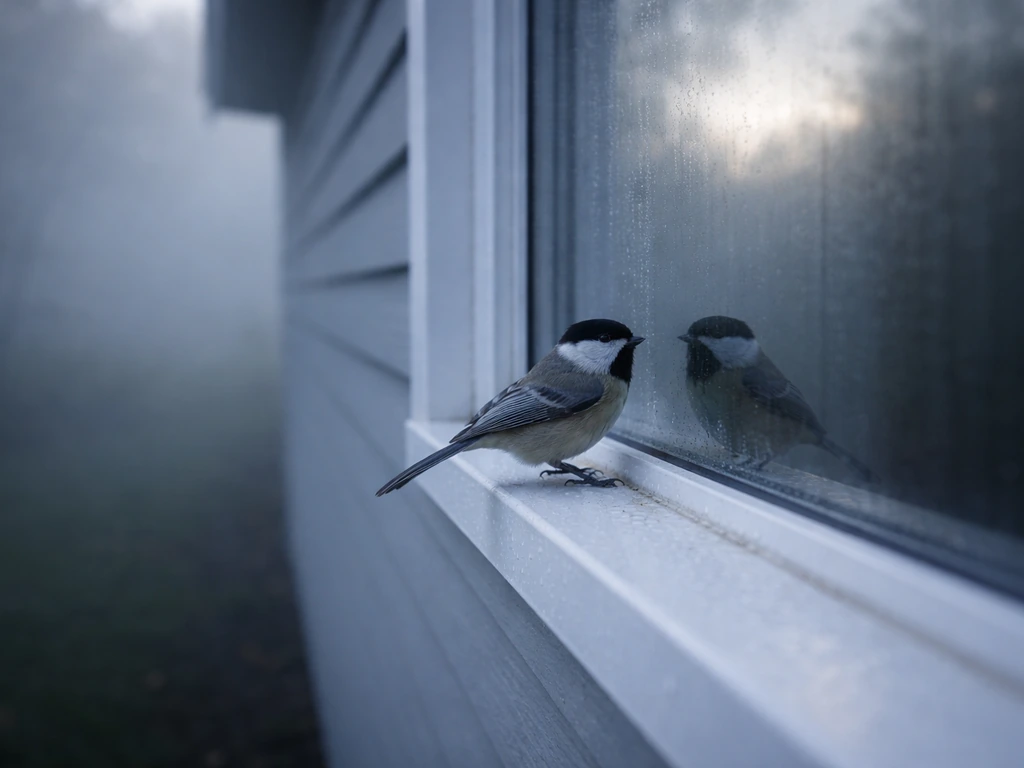
- Cover any large reflective windows on the exterior with temporary film, soap solution, or even old sheets hung inside. Birds attacking their own reflection will stop once the mirror-like surface is broken up.
- Remove bird feeders within 15 feet of the building temporarily. Feeders concentrate birds and can reinforce the habit of returning to the same spot every morning.
- Check for an obvious nest or roost site on or directly against the building. If eggs or chicks are present, do not disturb the nest (see the legal notes below).
- Make a note of exactly where the bird is positioned when it calls. That location tells you what it's reacting to.
DIY troubleshooting checklist: find the real cause

Run through each item below. When you hit one that matches what you're seeing, that's your primary cause. Fix that one first before layering on deterrents.
| Possible cause | What you'll observe | Quick test to confirm |
|---|---|---|
| Light / reflective windows | Bird arrives at dawn, attacks or calls at one specific window or surface | Cover the window for one morning and see if the bird moves on |
| Territory / mating calls | Rhythmic calls that peak at dawn, bird is perched on a high point (roof, antenna, tree), especially in spring (March to June) | Check if calls are directional and stop by 9–10 AM once rivals settle |
| Hunger / food access blocked | Bird is near feeder, vents, or gaps where it previously accessed food | Check for a blocked or empty feeder; confirm no food source was recently removed |
| Nest with young nearby | Persistent alarm calls, adult birds flying back and forth to one spot, intensifies if you approach | Watch from 20+ feet for 5 minutes and look for a nest location |
| Predator / people alarm calls | Short, sharp bursts of alarm rather than song, other birds may join in | Check for a nearby cat, hawk perch, or high foot-traffic area below |
| Trapped inside building | Noise comes from walls, attic, or chimney; bird is not visible outside | Listen at dusk for movement sounds; inspect eaves, vents, and soffits for entry points |
Humane deterrents: inside and outside the building
Inside the building
Interior light management is the single most effective indoor intervention. Turn off lights in rooms you're not using at night and in the early morning. Draw shades or close curtains before dawn, especially on the side of the building where the bird is active. If you can see through a window from outside, a bird at a reflective angle can too, and interior light creates a beacon. Installing blackout liners on bedroom curtains is cheap and permanent.
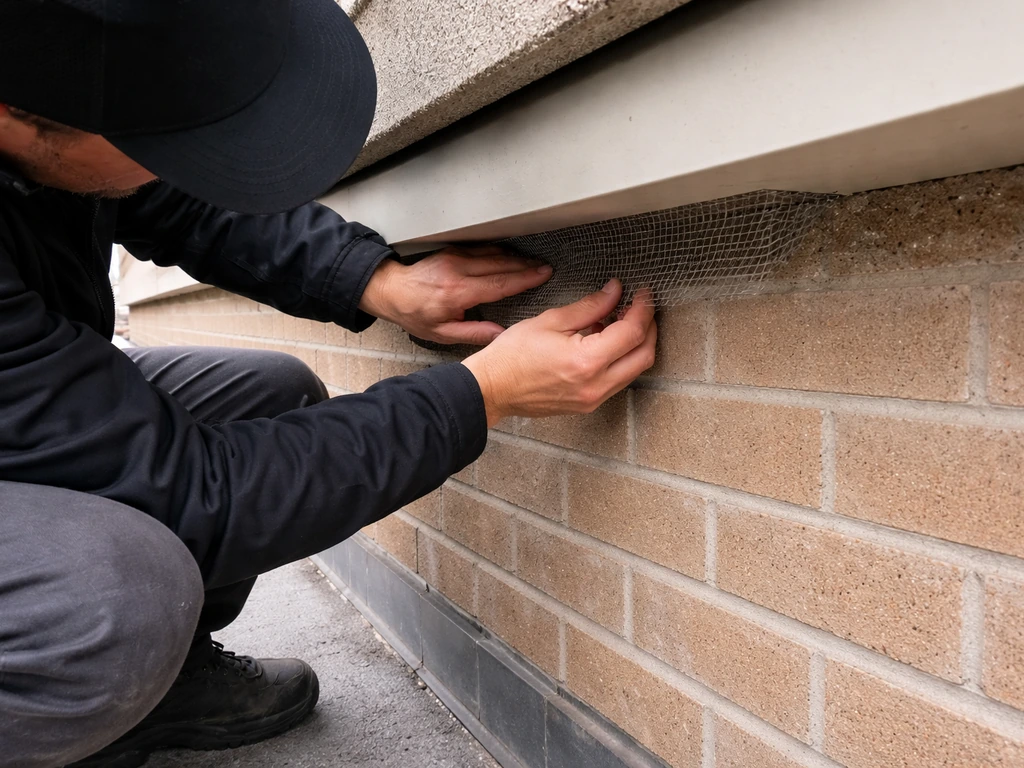
If you have a bird that has repeatedly entered the building through a gap (chimney, broken vent screen, open attic louver), block that access point as soon as you've confirmed no birds are inside. Use hardware cloth (1/4-inch mesh) to cover vents and openings. Do not seal an entry point if a bird or nest may still be inside.
Outside the building
Window treatments are your first line of defense against birds attacking reflections or colliding with glass. The most effective approach is breaking up the reflective surface on the outside of the glass. Apply a pattern of dots or stripes spaced no more than 2 inches apart (in a 2-by-2 inch grid) using window collision tape, tempera paint, or repositionable film. This makes the glass visible to approaching birds without permanently altering the window.
For territorial or mating callers using your roof, chimney cap, or antenna as a calling perch, install physical perch blockers: stainless steel spikes, coiled wire, or angled plastic strips on the exact ledge or surface the bird favors. These don't hurt the bird but remove the preferred spot. The bird will typically move to a different perch within a few days.
Visual deterrents like predator decoys (hawk silhouettes, owl statues) work short-term but lose effectiveness quickly unless you move them every few days. Reflective tape, old CDs hung near problem areas, or motion-activated sprinklers tend to have better staying power. Sound deterrents (distress calls, predator sounds) can cause stress to other wildlife in the area and are generally not the right first move for a screaming bird problem near a residence.
If the bird is reacting to a feeder placement, reposition the feeder to more than 30 feet from the building, or move it to within 3 feet of the window (counterintuitive but it works: birds that close can't build up enough speed to cause a window strike and won't treat the window as a flight path).
Long-term proofing: stop it from coming back next season
The birds that scream at your building every morning in June will very likely be back in March. They're territorial and they remember good spots. The window to do exclusion work is roughly August through February, before nesting season starts again in most of the U.S.
Exclusion and nesting prevention
Walk the building exterior in late summer and inspect every gap larger than 3/4 inch at the roofline, soffits, vents, chimney base, and around HVAC equipment. Cap open chimneys with a spark arrestor chimney cap. Cover attic vents and ridge vents with 1/4-inch hardware cloth. Seal gaps around pipes and conduit entering the building with copper mesh or caulk rated for exterior use.
If birds nested in a cavity on your building this year, you can close that entry point only after the young have fully fledged and left. Adults often return within a day or two to start another brood, so watch the site for at least a week after you think the nest is empty before sealing it. Removing an active nest containing eggs or chicks is illegal under the Migratory Bird Treaty Act (more on that below).
One-way exclusion doors (built from plywood, sheet metal, or hardware cloth) let birds exit a cavity but not re-enter. Timing these correctly is critical: install them only when you're certain no eggs or dependent young are inside, and remove them after a few days once the birds have left. An exclusion device that traps birds inside makes the problem significantly worse.
Removing attractants and managing habitat
- Remove or relocate bird feeders and birdbaths during nesting season if they're drawing birds to a problem area of the building.
- Trim tree branches that overhang or touch the roofline. These act as on-ramps for birds accessing eaves and soffits.
- Clear gutters of debris in fall. Accumulated organic material in gutters creates nesting habitat within arm's reach of vulnerable entry points.
- Remove berry-producing shrubs or fruiting trees directly against the building if they're repeatedly concentrating birds near walls or windows.
- Install motion-sensor outdoor lighting aimed downward rather than toward the building face, to avoid creating a beacon effect at night.
Seasonal maintenance schedule
| Season | Key tasks |
|---|---|
| Late summer (Aug–Sept) | Inspect building exterior for entry points; seal gaps after nests are confirmed empty; install vent covers and chimney caps |
| Fall (Oct–Nov) | Clear gutters; recheck exclusion work; reposition or store feeders if they've been drawing problem birds |
| Winter (Dec–Feb) | Last chance to seal before spring nesting begins; check that window treatments and perch blockers are still in place |
| Spring (Mar–May) | Monitor for early nesters; document any new activity so you can plan post-season exclusion; do not disturb active nests |
When to call a wildlife professional (and what to do while you wait)
Some situations are beyond DIY. Call a licensed wildlife rehabilitator or wildlife control operator if:
- The bird has a visibly injured wing or leg and cannot fly away.
- A bird hit your window and is on the ground, disoriented, or not moving after more than an hour.
- You have a bird of prey (hawk, owl, falcon) inside your building.
- You suspect a bird is trapped inside a wall, chimney, or attic and can't locate or safely access the entry point.
- You've found an active nest with eggs or chicks in a location that poses a safety or structural hazard.
- Standard exclusion methods aren't working after two weeks of consistent effort.
While you wait for the professional: confine the injured bird to a small, dark, ventilated box or carrier. The Skunk Corner recommends confining an injured bird or one that will not fly away to a small area and calling a wildlife rehabilitation center confine the injured bird to a small, dark, ventilated box or carrier. Don't offer food or water unless directed to by the rehabilitator. Do not attempt to handle a bird of prey without thick gloves and experience. Keep the area quiet and limit foot traffic around the bird to reduce additional stress.
Legal notes: what you can and can't do
Nearly all wild birds in the U. S. are protected under the Migratory Bird Treaty Act. That means it is illegal to kill, capture, possess, or destroy the nests of migratory birds without a federal permit.
Specifically, you cannot legally remove a nest that contains eggs or chicks (or chicks still dependent on the adults) without the appropriate authorization from U. S. Fish and Wildlife Service. This isn't a technicality: the fines and penalties are real.
If a nest is empty and the season is over, you can remove it and seal the entry point. If it's active, document the location, leave it alone, and call your regional USFWS office or a licensed wildlife control operator who can advise you on legal options. This applies to common birds too, including robins, sparrows, and starlings (with some species-specific exceptions for certain invasives under state law).
When contacting a wildlife professional, be ready to describe: the species if you know it, the exact location on the building, whether a nest is visible, how long the problem has been occurring, and what you've already tried. That information helps them bring the right equipment and assess legal considerations before they arrive.
FAQ
How can I tell if the morning screaming is a mating call versus a bird that’s stuck inside my walls?
Mating and territorial calling usually peaks around dawn, comes from an outside spot, and the bird remains mobile and flying normally. A trapped bird tends to sound frantic and continuous, may escalate over time, and is often paired with scratching or fluttering that seems to originate from inside attic or wall cavities.
What should I do the first 5 minutes if I hear screaming but I can’t locate the bird outside?
Confine your search room-by-room, close the room you’re in, and use the “brightest exit” rule by opening the nearest exterior door or window and turning off interior lights in that room. If you still can’t see a bird outside and you hear activity from ceilings or walls, treat it as potentially trapped and move to the trapped-bird triage.
Is it safe to spray water, use ultrasonic devices, or play bird distress sounds to stop the screaming?
Usually no as a first move. Sound-based deterrents (distress or predator audio) can stress other wildlife near your home, and ultrasonic devices often don’t work well for birds. Water sprays and similar tactics can startle the bird but may also increase agitation, so prioritize light management and exclusion steps first.
Does covering the entry gap or sealing something off help immediately if I suspect a bird is getting in through the attic or a vent?
Only after you confirm there are no birds or dependent young inside. Blocking a potential entry while a bird or nest is still present can trap it and worsen the screaming and distress.
How do I prevent repeat window strikes once I’ve gotten the bird out?
After the bird exits, reduce the chance it reattempts the same flight path by breaking up reflections on the window surface (dots or stripes on the outside-facing glass). Also keep shades or curtains closed before dawn, since interior light can recreate the same reflective lure the next morning.
If I don’t know where the bird is perched, what’s the fastest way to identify the trigger location?
Watch from inside at least 10 to 15 minutes around dawn and note where calls originate (roofline, antenna area, a specific tree, or directly at a window). If the sound seems to “move” between spots, focus on likely calling perches and nearby reflective windows rather than assuming it’s trapped inside.
What’s the difference between excluding a bird from a cavity and using an exclusion door?
Cavity exclusion doors let birds leave while preventing re-entry, timing it so no eggs or dependent young remain inside. Regular sealing or permanent covering is only appropriate when you’re certain the nest is empty, otherwise you risk trapping active birds.
Can I stop the problem by moving a feeder or changing what’s nearby?
Yes, but do it strategically. If the feeder is attracting the bird to window strikes or close behavior, reposition it to more than 30 feet from the building or move it very close to the window (within about 3 feet). The “close-in” option works because birds can’t build the same approach speed to treat the window like a flight corridor.
When should I use professional help instead of continuing deterrents?
Call a licensed wildlife rehabilitator or wildlife control operator if you suspect injury, repeated panicked behavior suggests the bird is trapped inside, or you have a bird of prey on the property. Professionals are also the safer choice if you cannot confidently locate the entry point or you suspect an active nest in a cavity.
What should I do if I accidentally find an active nest while trying to stop the screaming?
Don’t remove it or seal the entry point right away. Document the location, leave it alone, and contact the appropriate wildlife authority or licensed wildlife control operator for legal and timing guidance. Many nests, even from common species, are protected during nesting.