You can't actually command a bird to be quiet, but you can absolutely stop the noise by removing what's causing it and blocking the bird's access to your building. If you want, you can also follow a detailed, step-by-step guide on how to make a bird stop chirping for your specific situation stop the noise. The fastest fixes are removing the bird from inside (if it got in), blocking roosting or entry points it keeps returning to, and eliminating whatever is drawing it there in the first place. Most bird noise problems around buildings are solved within a day or two once you identify the cause and apply the right combination of deterrents and exclusion.
How to Make a Bird Shut Up Safely and Humanely
Maya Carver
29 Apr 2026
Quick emergency steps to stop bird noise right now
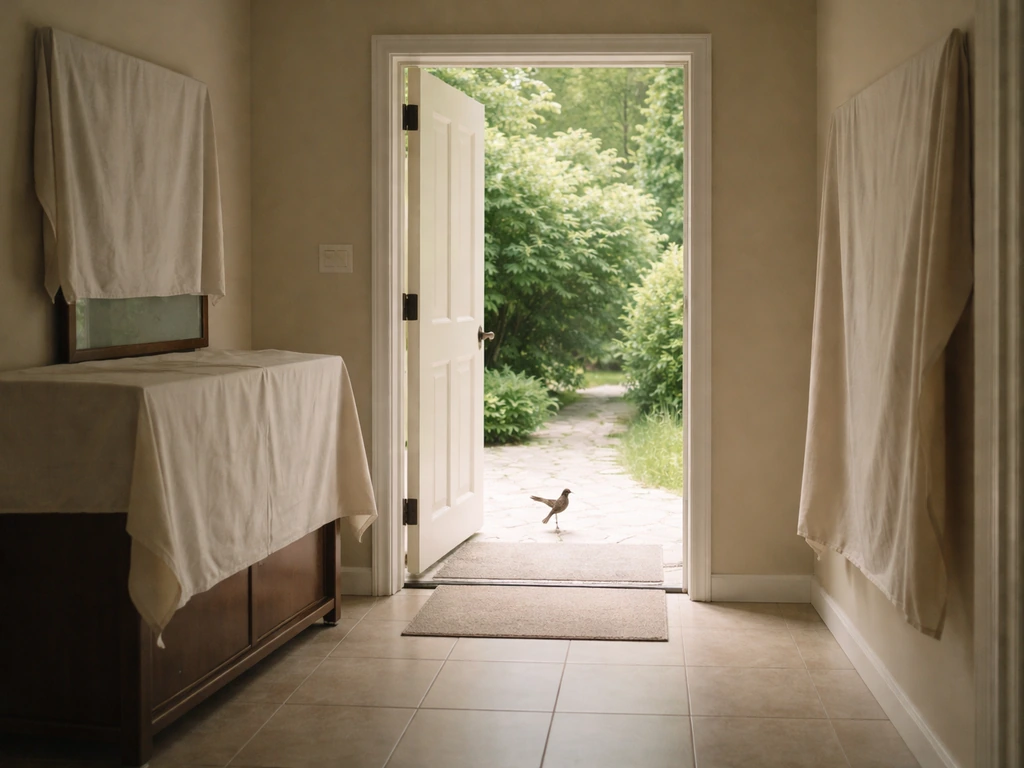
If a bird is making noise inside your building, that's your most urgent situation. Stay calm, because chasing or startling it will only extend the chaos. Here's what to do immediately:
- Clear people and pets from the room so the bird isn't panicked by movement.
- Close all interior doors to confine the bird to one room.
- Open one exterior door or window wide (remove the screen if possible).
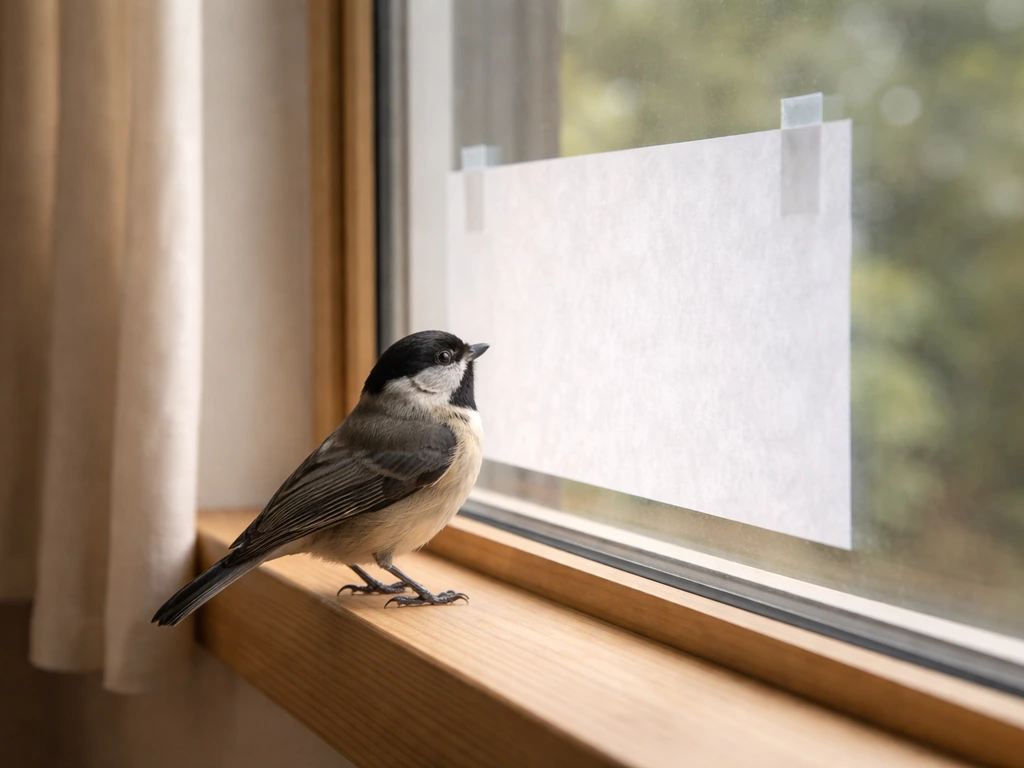
- Close or cover all other windows, including pulling blinds on any panes the bird keeps flying toward — birds mistake reflective or transparent glass for open air.
- Turn off most interior lights so the one open exit is the brightest point in the room.
- Step back and give the bird 10 to 15 minutes to find the exit on its own.
- If it's still confused, gently herd it toward the opening with a broom or large piece of cardboard, moving slowly and staying low.
For a bird making noise outside on a ledge, roof, or vent, don't attempt anything from height without fall protection in place. The immediate response outdoors is noise disruption at close range (hand claps, a firm voice) combined with removing whatever the bird is responding to, whether that's food, a visible competitor's reflection, or a nesting spot it's defending. That said, a single deterrent event rarely silences a territorial or nesting bird for long. You'll need the follow-up steps below.
Why is the bird actually calling? Pinning down the cause
Bird noise is never random. The type and timing of calling tells you almost everything about the fix you need. Misread the cause and you'll apply the wrong solution and waste time. If you are looking for practical, step-by-step help, start with how to get rid of a chirping bird by matching the fix to the cause and entry points involved.
| Behavior clue | Likely cause | What it means for you |
|---|---|---|
| Loud calling in early morning, especially spring/summer | Territorial singing (breeding season) | Bird is claiming space; proofing entry points and roost spots is the fix |
| Persistent calling from one spot on the roof or ledge | Active nest nearby | Disturbing or removing the nest is illegal if it's active; you must wait or get a permit |
| Frantic, irregular noise from inside a room or attic | Bird trapped indoors | Create a clear exit path immediately (see emergency steps above) |
| Repeated return to the same spot, calling aggressively | Roosting habit or food source | Remove food attractants and apply physical exclusion to the roost spot |
| Distressed, repetitive calls from a young bird on the ground | Fledgling out of nest | Do not remove it; parent birds are likely nearby and still feeding it |
| Calling at windows repeatedly | Territorial response to reflection | Cover or treat the outside of the glass to break the reflection trigger |
Timing matters enormously here. Spring and early summer (roughly March through July in the Northern Hemisphere) are peak nesting and territorial calling seasons. A bird screaming at your window every morning in April is almost certainly defending territory or an active nest nearby. Expecting deterrents alone to stop that behavior is unrealistic until the nesting season ends, usually by late summer. If your problem is specifically about early-morning calls, the pattern of calling, or a squawking or screaming bird, those scenarios each have slightly different timing and trigger patterns worth addressing separately. If the bird keeps squawking or calling at predictable times, follow the specific prevention steps in this guide on how to stop a bird from squawking so the noise does not return. If the chirping starts before sunrise, focus on the bird's early-morning trigger patterns and use deterrents that match that timing early-morning calls.
Humane deterrents you can set up today
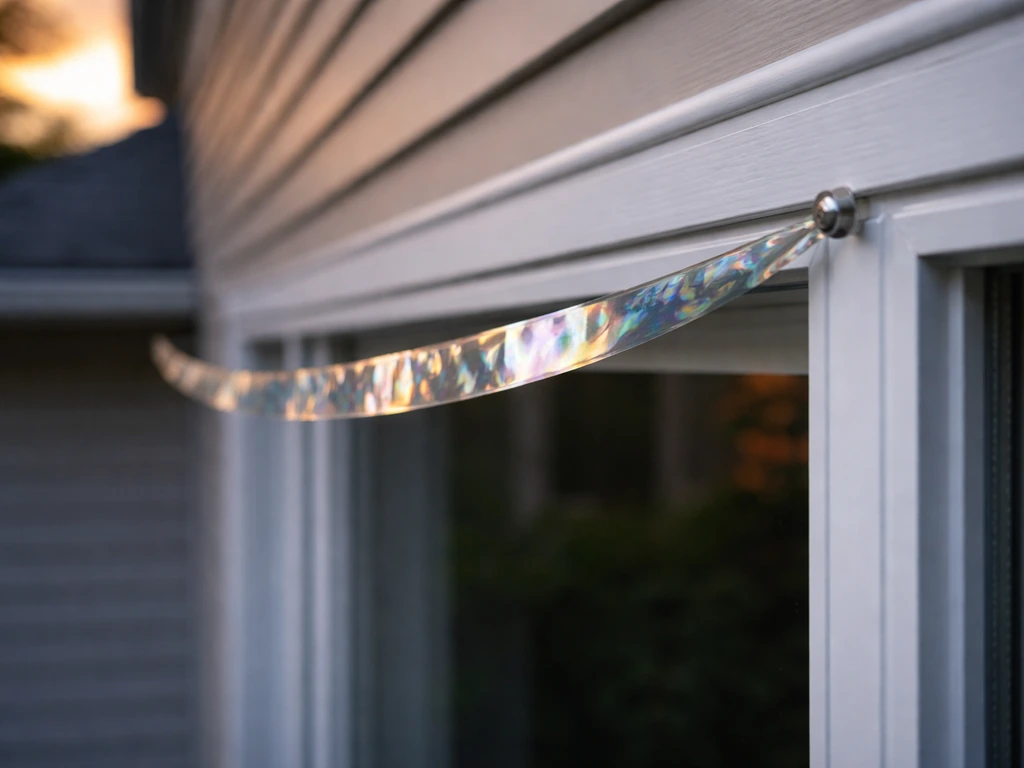
Physical and sensory deterrents work best in combination. Birds habituate quickly to a single static deterrent, whether it's a plastic owl, a shiny strip, or a single speaker, so rotating and layering methods is important.
Light-based deterrents
Turning off unnecessary exterior lights at night is one of the most underused and effective steps for reducing nighttime bird disorientation and calling, particularly during spring migration. Buildings lit up at night disorient birds flying through cities, causing them to circle, call, and sometimes collide with glass. USFWS guidance for bird-friendly building design recommends minimizing light at night and reducing window reflections such as with curtains or blinds to help prevent bird collisions reducing window reflections (e.g., via curtains/blinds). The Audubon Society's Lights Out program and USFWS guidance both recommend switching off unneeded exterior and interior window lights after dark during spring. Conversely, during the day, a single bright exterior light or reflective surface pointed at a roosting or territorial spot can discourage landing without harming the bird.
Sound and visual deterrents
Predator call recordings, ultrasonic devices, and reflective tape or flash tape all have a role, but none of them work indefinitely. Birds are smart and they stop reacting to anything that never actually threatens them. Use sound deterrents in short bursts, move them regularly, and combine them with physical changes to the environment. A bird that keeps calling at its reflection in your window won't stop because of a noise device; you need to eliminate the reflection by applying external window film or tape to the outside of the glass.
Exclusion barriers
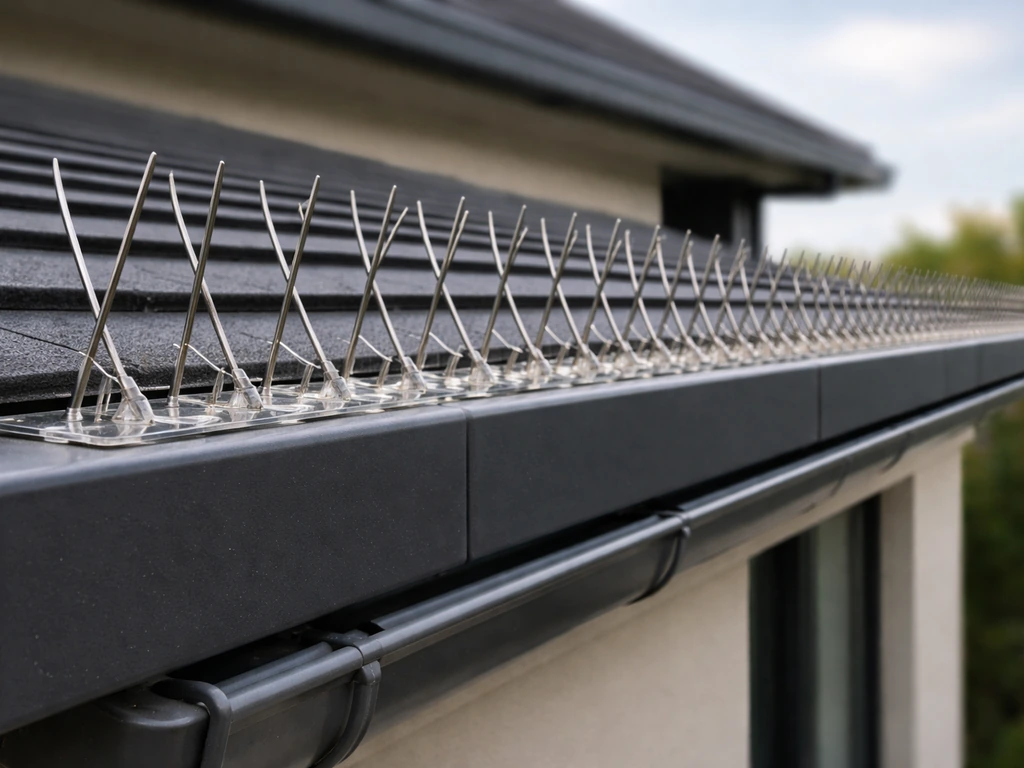
Physical barriers are the most durable deterrent category. Bird spikes on ledges, eaves, and rooflines stop birds from landing and therefore stop the noise that comes from roosting and calling from those spots. Tightly installed, properly managed bird netting can block access to larger areas like roof voids or under solar panels, but both the RSPB and RSPCA strongly warn that loose or poorly maintained netting traps and kills birds. Only use netting that is properly tensioned and regularly inspected, and never during active nesting season when birds could be trapped with eggs or chicks.
Handling the specific situation: bird inside vs. bird outside on the building
Bird trapped inside a room or attic
Follow the emergency steps at the top of this article. The key principle is light-guided exit: make the open exit the brightest point, cover every other glass surface that could confuse the bird, and give it time. If the bird is in a large attic or warehouse and won't leave on its own, confine it to a smaller space closer to the exit point before opening it. If it's exhausted or stunned (for example after a window collision), place it in a dark, well-ventilated cardboard box and contact a licensed wildlife rehabilitator. Do not attempt to handle a wild bird beyond what's necessary to contain it temporarily.
Bird calling from a ledge, roof, or vent outside
For persistent outdoor callers attached to a specific spot on your building, work through this sequence. First, identify exactly where the bird is spending time and what's there (food, shelter, reflective surface, or a nest). If you still can't tell what's triggering the calls, use the steps here to get rid of a flicker bird safely and permanently. Second, remove the attractant if you legally can. Third, apply a physical deterrent to the spot once the bird has left (spikes on the ledge, a wire deterrent system on the roof edge, or foam backer rod in gaps). Never attempt roof or eaves work without proper fall protection, and never disturb a nest that's actively in use. If you can hear young birds calling from inside a structure, that nest is active and protected by law.
Long-term proofing so the noise doesn't come back
Deterrents buy you time, but proofing is what ends the problem permanently. Once the birds have vacated, typically after nesting season, go through these steps systematically.
Close entry points
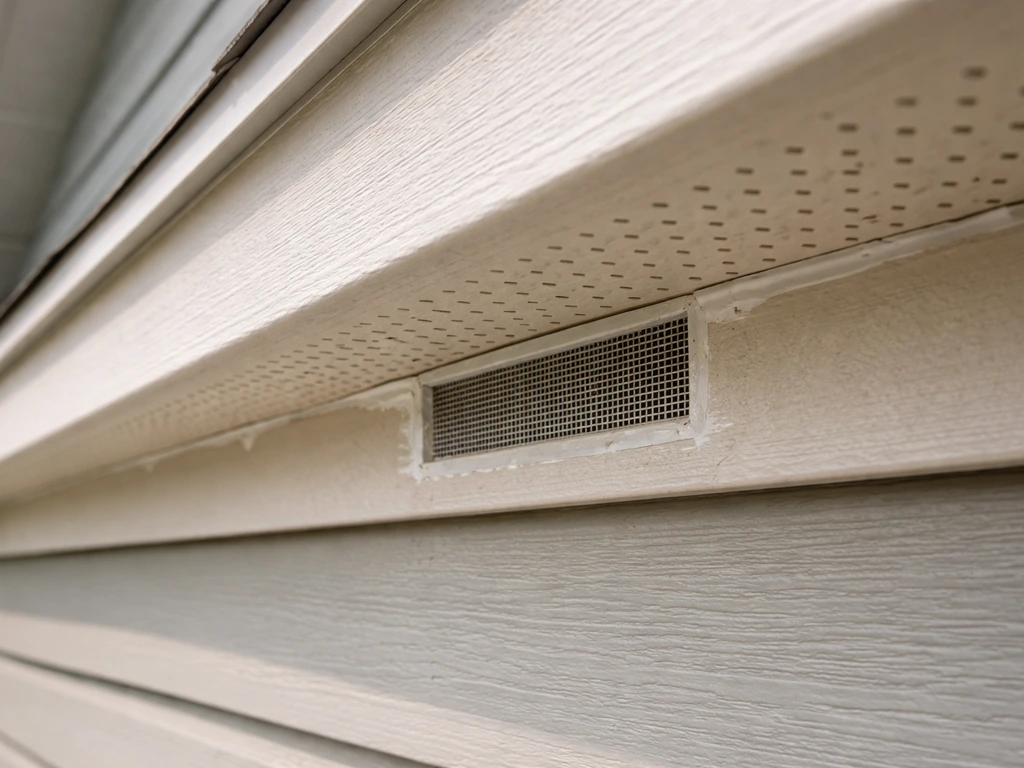
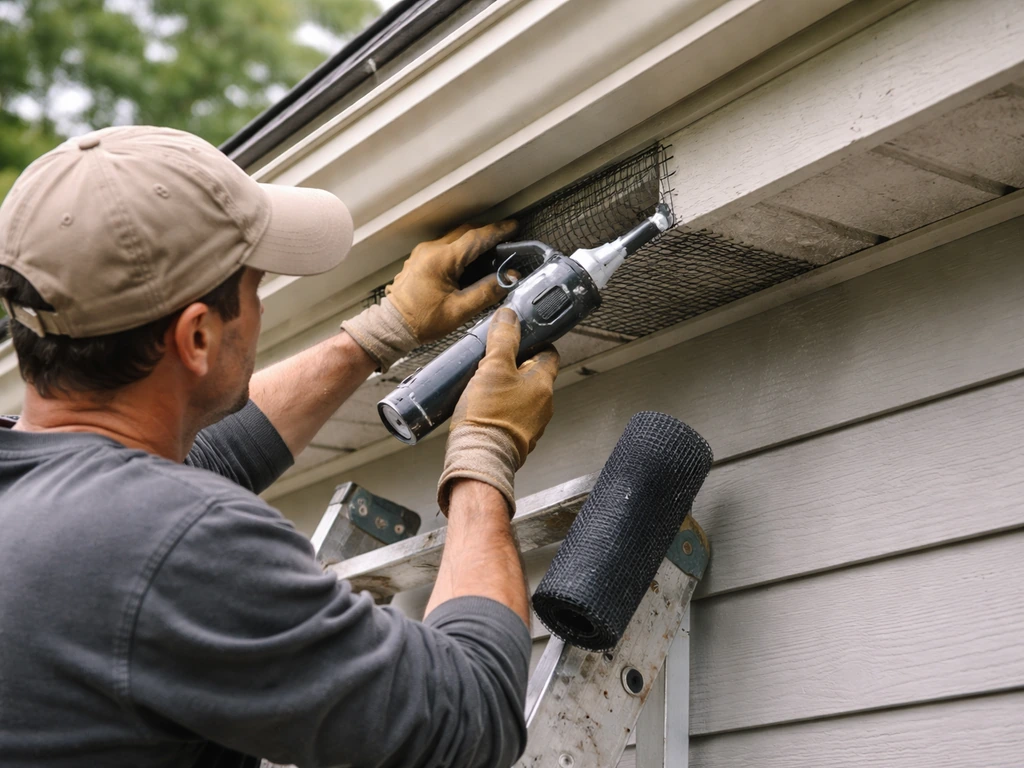
Walk the entire roofline, eaves, soffits, and any vents accessible from the exterior. Common entry points include open fascia board gaps, broken soffit panels, uncapped chimneys, gaps around HVAC penetrations, and missing vent covers. Seal gaps larger than half an inch with hardware cloth, galvanized wire mesh, or purpose-made vent covers rated for bird exclusion. Use one-way door devices if birds are actively roosting in an attic or wall cavity: these let the bird exit but not return. The timing here is critical. Install one-way doors only after you're confident there are no eggs or chicks inside, and remove them once you're sure all occupants have left, usually within a week.
Remove roost spots and food attractants
Birds return to the same buildings because those buildings offer something useful: shelter, warmth, a good vantage point, or food. Reducing food availability is one of the most effective long-term steps you can take. Secure all garbage bins with tight lids, pick up fallen fruit, and avoid feeding other wildlife near the building if it's drawing problem birds. Install bird spikes or angled ledge strips on every horizontal surface where birds have been perching. For flat roofs, wire deterrent systems strung at 6 to 8 inch intervals above the surface remove the landing platform entirely.
Habitat and environment changes
Trim or remove vegetation that gives birds a launching point or cover directly adjacent to the building. If gutters are holding standing water or debris, clean them out, since some birds nest or forage in gutters. Reducing the reflective surfaces that trigger territorial window-striking behavior (by applying frosted or UV-patterned film to the outside of problem windows) removes one of the most persistent triggers for repeated calling. Remember that treatments placed on the inside of the glass are far less effective during the day than those on the exterior surface.
When to stop DIY and call a wildlife professional
There are specific situations where DIY work isn't appropriate and attempting it could expose you to legal liability or safety risk.
- You can hear chicks calling or see eggs in a nest on or inside your building. Under the Migratory Bird Treaty Act (U.S.) and the Wildlife and Countryside Act 1981 (UK), active nests are legally protected. You cannot remove or disturb them without a permit, full stop.
- The bird is injured, stunned, or cannot fly. Contact a licensed wildlife rehabilitator. The USFWS has specific guidance on humane handling and transfer to permitted rehabilitation channels.
- The bird appears to be a Schedule 1 protected species (UK) or a species with additional federal protections (U.S.). If you're not sure what species it is, treat it as protected until confirmed otherwise.
- The infestation involves a colony (starlings, sparrows, or pigeons in large numbers in an attic or roof void). Colony removal requires coordinated exclusion with professional experience to avoid trapping animals inside.
- Access requires working at height above a single story without proper equipment. Fall hazards kill more people than bird problems ever will. Hire a professional with the right access equipment.
- You've applied deterrents and exclusion and the bird keeps returning after two breeding seasons. A professional survey can identify attractants or entry points you've missed.
When you call a wildlife control professional, be ready to describe: the species if known, where exactly the bird is accessing or calling from, whether you've seen or heard evidence of a nest, how long the problem has been happening, and what you've already tried. That information cuts the assessment time significantly and helps them recommend the right legal approach for your region.
Troubleshooting checklist and seasonal planning
Use this checklist to work through a bird noise problem from emergency response to long-term prevention. If you want a specific plan for how to stop bird from screaming, start by identifying the cause, then use exclusion and deterrents in the right order stop bird noise. Tick each step before moving to the next.
Immediate response checklist
- Is the bird inside the building? If yes, follow the emergency exit steps. If no, move to step 2.
- Is there an active nest with eggs or chicks present? If yes, stop all exclusion and deterrent work near that spot and contact a professional or wait for the season to end.
- Is the bird injured or unable to fly? If yes, contain it gently and call a licensed rehabilitator.
- Identify the calling trigger: territorial reflection, roosting spot, food source, or trapped situation.
- Apply an immediate deterrent appropriate to the trigger (cover the window, remove food, add spikes to the roost spot).
- Confirm no fall risk before working at height. Use a buddy system and proper equipment.
Long-term prevention checklist
- After nesting season ends (typically August onward in Northern Hemisphere), inspect all entry points on the roofline, eaves, soffits, chimneys, and vents.
- Seal all gaps over half an inch with hardware cloth or purpose-made covers.
- Install spikes, wires, or angled strips on every ledge, parapet, and flat roof edge where birds have been landing.
- Apply external window film or UV-pattern tape to any windows where territorial reflection striking has occurred.
- Remove all food attractants: secure bins, pick up fruit, stop supplemental feeding near the building.
- If roof voids or attics were occupied, use one-way exclusion doors for 5 to 7 days post-season to confirm all birds have exited, then seal permanently.
- Vary deterrents seasonally so birds don't habituate to a single static setup.
Seasonal planning calendar
| Season | Key bird activity | What to do |
|---|---|---|
| Late winter (Jan-Feb) | Pre-nesting scouting; some territorial singing begins | Inspect and seal entry points before birds claim nesting sites |
| Spring (Mar-May) | Peak nesting establishment; heavy territorial calling | Do not disturb active nests; use deterrents away from nest sites; turn off exterior lights at night |
| Early summer (Jun-Jul) | Chick rearing; fledglings on ground; continued calling | Avoid exclusion near active nests; manage food and water sources |
| Late summer (Aug-Sep) | Nesting season ends; birds begin to disperse | Best window for sealing entry points, installing exclusion devices, and full-building proofing |
| Autumn/Winter (Oct-Jan) | Roosting flocks; some year-round residents calling | Maintain and inspect deterrents; seal any gaps found before next spring |
The single biggest mistake people make is trying to do exclusion and proofing work during nesting season when it's illegal to disturb active nests and when any gaps you seal may trap birds inside. Late summer through autumn is the right window for the permanent work. Do the emergency and deterrent steps now, then schedule the full proofing for August or September when you can legally and safely complete the job.
FAQ
What if I scare the bird and it quiets for a minute, then immediately starts again?
If the bird keeps calling from the same spot, “making it shut up” usually means you have to remove the trigger, not just scare the bird. Start by checking for the attractant you can fix right away (food source, nesting pocket, competing “rival” reflection). Then do exclusion or proofing only after the bird leaves, because deterrents alone wear off quickly.
Can I just use deterrents and skip exclusion?
Yes, but only in the right order. Do a short “noise disruption” at close range outdoors, then switch to removing the attractant and blocking access points. If you use deterrents on a nest or during active occupancy, you can extend the problem and also trigger legal issues.
Why does the bird keep calling at my window even though I hung deterrents?
A common scenario is territorial calling near windows. If the bird is repeatedly reacting to reflections, the fix is to reduce the reflective cue on the outside of the glass (for example frosted or UV-patterned film), then cover or remove the landing/roosting surface nearby. Interior-only changes often won’t hold up in daylight.
How do I figure out why the bird is calling at specific times (like before sunrise)?
It depends on what “timing” you mean. Morning calling often follows daily territorial or nest-defense routines, while spring and early summer calling is more likely linked to nesting. Note the exact times for several days, then match your countermeasures to whether it seems nest-defense, window-territory, or early-morning light-trigger behavior.
I hear chicks calling inside my walls, what should I do?
Don’t assume the bird is nesting just because you hear noise from a wall cavity or roof void. Look for physical clues like scratch marks, feather debris, or visible entry points, then treat the area as active until you are sure. If you confirm young birds are calling from inside a structure, assume the nest is active and protected by law.
Do I need to rotate deterrents, or will one kind work long-term?
Rotating deterrents helps because birds habituate to a single static option. Use a layered approach (visual plus sound plus physical exclusion where possible) and do it in short, changing intervals. If you rely on only one device, the bird usually returns once it learns there is no real threat.
Are predator recordings or ultrasonic devices actually enough to stop the noise?
Using predator call recordings and ultrasonic devices is most effective only as a temporary “buy time” tactic while you fix access and attractants. For anything tied to a landing spot or reflection, you still need proofing (spikes, wire systems, window-reflection reduction) because sound-only methods won’t permanently stop repeat routes.
What’s the safest way to handle a bird that’s stuck indoors?
For inside-the-building situations, the priority is containment and a calm exit pathway, not chasing. Make the open exit the brightest area, cover other confusing glass surfaces, and if it cannot leave on its own, confine it closer to the exit. If it appears exhausted or stunned, use a dark ventilated cardboard box and contact a wildlife rehabilitator.
When is it actually legal and safe to seal entry holes or install one-way doors?
If there is any chance it is actively nesting, do not seal gaps or remove access until after nesting ends. The article’s key timing rule applies, late summer through autumn is typically the safer window for permanent proofing. During nesting season, use only the emergency and non-invasive deterrent steps that reduce the noise without blocking exits.
Can I install one-way doors to stop re-entry while the bird might still be inside?
Use one-way doors only when you are confident there are no eggs or chicks inside, and remove them once occupants have clearly left, typically within about a week. If you guess wrong and birds are still inside, you can trap them, so inspection and timing matter.
What are the most common entry points I should check first?
If you find loose or broken soffit panels, uncapped chimneys, gaps around HVAC penetrations, or missing vent covers, that’s often the bird’s access route. Seal gaps larger than about half an inch with appropriate bird-rated materials (hardware cloth, wire mesh, or rated vent covers), then install landing prevention on horizontal ledges after the birds vacate.
How long will it take to permanently fix an ongoing bird noise problem?
If you want durable results, plan proofing after the birds leave, usually after nesting season. Then walk the full roofline, eaves, soffits, and accessible vents from the exterior, because missing even one gap can restart the whole cycle when the bird relocates back to the same building.
What should I do if the bird is not just loud, it looks hurt or dazed?
If the bird seems injured, exhausted, or stunned (for example after a window collision), avoid handling beyond temporary containment. Place it in a dark, well-ventilated box and contact a licensed wildlife rehabilitator rather than trying to release it yourself immediately.
When should I stop DIY and call wildlife control instead?
Call a professional when the access point is high-risk (roofwork without fall protection), the space is enclosed (warehouse/attic with uncertain access), or you suspect active nesting. They can identify the species and entry route, confirm whether it’s an active nest, and choose region-appropriate legal exclusion methods.
What’s the most common mistake people make when trying to fix bird noise?
The biggest preventable mistake is doing exclusion and proofing during nesting season, because it can be illegal and can trap birds inside sealed gaps. Use deterrents and noise-reduction steps now, then schedule permanent exclusion and sealing for a safer late-summer or early-autumn window.
Next Article
How to Make a Bird Stop Chirping: Fast Humane Steps
Humane, fast steps to stop outdoor or indoor bird chirping, identify triggers, bird-proof, and know when to call wildlif