To stop a bird from screaming right now, your first move is to stay calm and avoid reacting with loud noises, sudden movements, or shouting back. For a pet bird, cover the cage partially with a light cloth to reduce stimulation, check that its basic needs are met (food, water, temperature), and move to a quiet room if possible. For a wild bird inside a building, close interior doors to contain it to one room, open a window or exterior door, turn off lights so the outdoor light draws it out, and back away. If you are dealing with a flicker, seek the right solution based on whether the bird is trapped indoors or just outside, and act quickly to reduce distress wild bird inside a building. Both situations have fast fixes and longer-term solutions, and this guide walks you through both.
How to Stop Bird From Screaming: Quick Humane Steps
What to do right now: immediate noise reduction steps
Before diagnosing anything, you can reduce the intensity of screaming within minutes using these steps. They work whether you have a panicking parrot or a trapped wild bird.
- Lower your own energy first. Birds read your stress. Slow your movements, speak quietly, and don't match their volume.
- Remove or reduce the trigger. If a bird is screaming at a window, a mirror, another pet, a TV, or a person walking past, block the view or move the bird away from it.
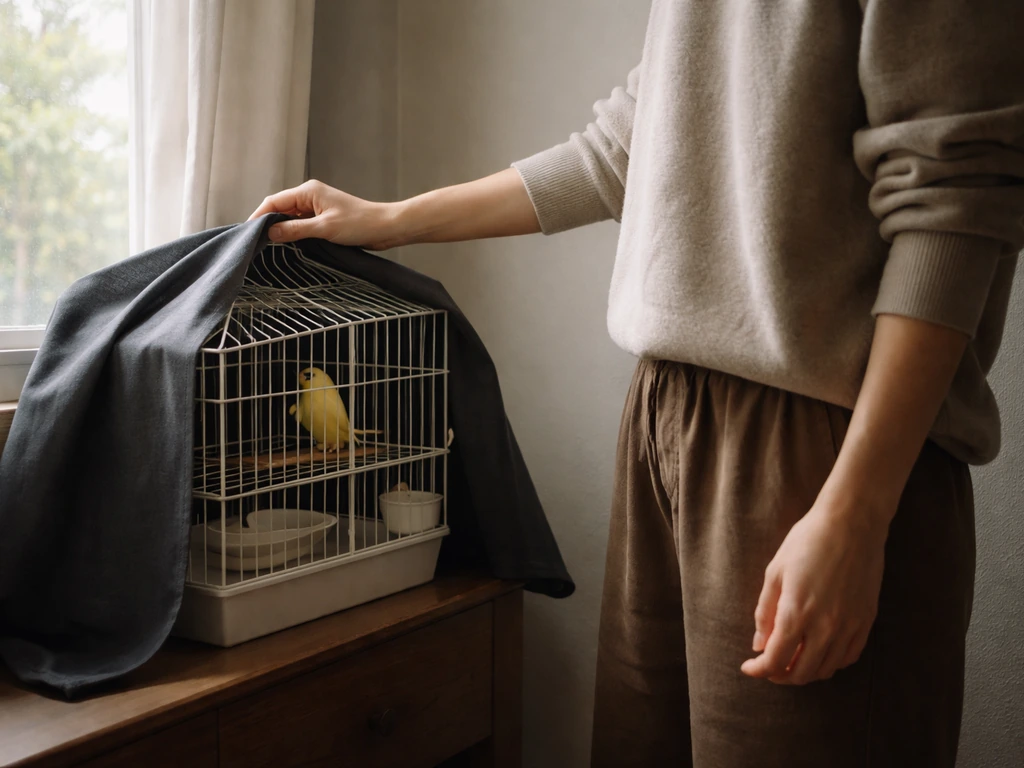
- Partially cover the cage or enclosure with a breathable cloth. This cuts visual overstimulation and often quiets a pet bird within two to three minutes.
- Check the basics immediately: fresh water, food, and a comfortable temperature (65 to 80 degrees Fahrenheit for most companion birds). An empty food dish is a very common screaming trigger.
- If it's a wild bird inside, open one window or door to the outside, close all interior doors to limit the bird to one room, dim indoor lights, and step back. Don't chase it.
- If the bird appears injured (can't stand, wing dragging, bleeding), skip the noise issue for now and go straight to the health and safety section below.
These steps are not a permanent fix, but they buy you time to figure out what's actually causing the screaming and apply the right solution. The rest of this guide helps you do exactly that.
Is it your pet bird or a wild bird? Identify the cause first
The right fix depends almost entirely on which situation you're dealing with, so narrow it down quickly. The causes and solutions for a screaming cockatiel in your living room are completely different from a starling trapped in your attic or a woodpecker drumming on your siding at 6 a.m.
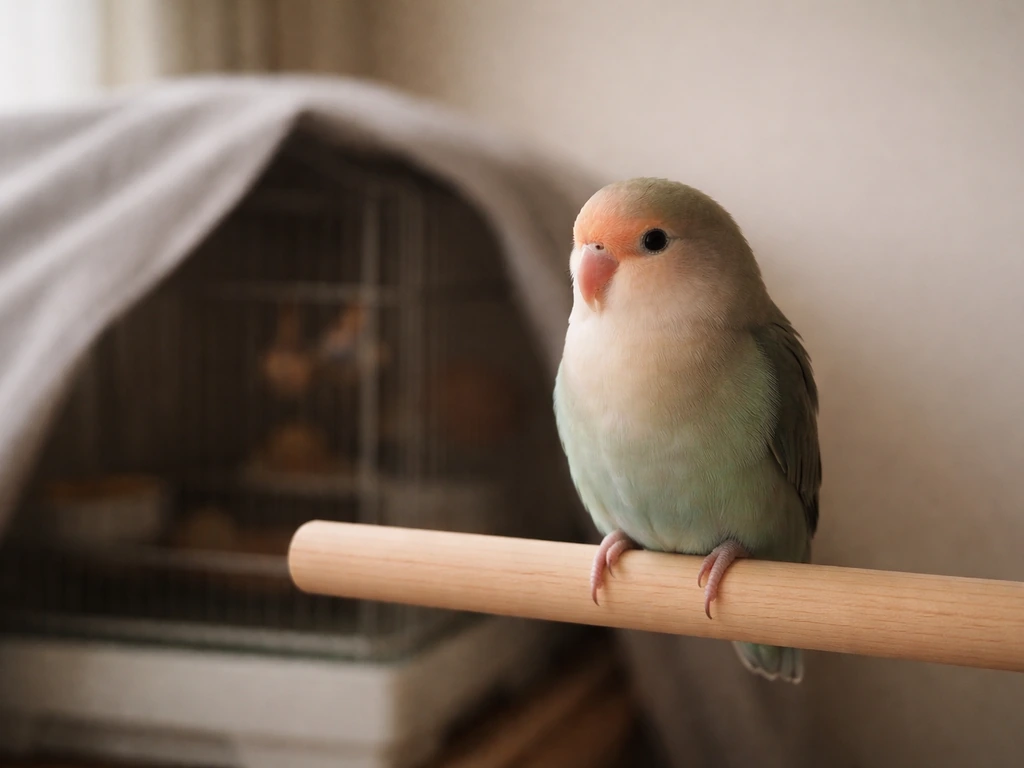
- Pet bird in a cage or aviary: parrots, parakeets, cockatiels, cockatoos, lovebirds, canaries, finches
- Wild bird trapped inside a building: flew in through an open window, door, or gap in the structure
- Wild bird outside or on the building: nesting in eaves, drumming on siding, perching and calling repeatedly near windows
- Bird heard but not seen: could be roosting in a wall cavity, attic, crawlspace, or HVAC duct
If you're not sure, do a quick walk-through. Look for droppings, feathers, or an obvious entry point. A bird inside a wall or duct will sound muffled and directional. A pet bird will be in a known location. A bird outside will be heard clearly but seen on a structure or tree. Once you know which situation you have, jump to the relevant section below.
Pet bird screaming: common causes and how to fix each one
Pet birds, especially parrots, cockatiels, and cockatoos, are social flock animals. Screaming is their natural communication tool, and it's almost always telling you something specific. The goal isn't to silence a bird completely, it's to understand the message and remove the need to scream. If you are looking for how to make a bird shut up, the goal is still to address the real cause instead of trying to force silence silence a bird completely.
Attention-seeking screaming
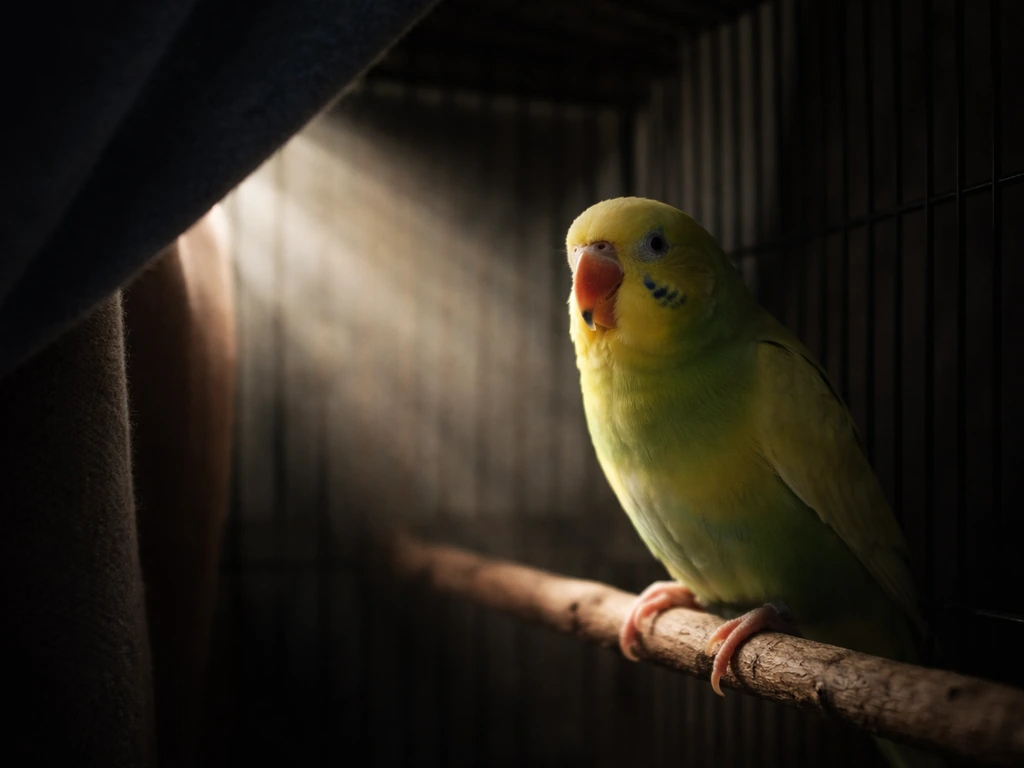
This is the most common type. The bird has learned that screaming gets a reaction, so it repeats the behavior. The trap here is that rushing over to tell the bird to be quiet is still a response, and it reinforces the screaming. The fix is to never reward screaming with attention. Wait for a pause, even two seconds of quiet, then immediately go to the bird and give calm attention. Over days to weeks this teaches the bird that quiet is what gets results. You can also teach a "contact call", a short whistle or word, so the bird can communicate without a full-volume panic.
Stress and fear-based screaming
Sudden loud noises, new objects near the cage, unfamiliar people, other pets staring at the bird, or a change in the home routine can all trigger fear screaming. Identify what changed. If you recently moved the cage, got a new pet, or rearranged furniture, that's likely the cause. Put the cage back in its familiar spot, cover the side facing a stress trigger, and give the bird several quiet, low-pressure interactions to rebuild its sense of safety.
Loneliness and boredom
A bird that screams during certain parts of the day, especially when you leave the room or the house, is likely lonely or under-stimulated. Build predictable social time into the day: at minimum 30 to 60 minutes of direct interaction for parrots, spread across morning and evening. Add foraging toys that make the bird work for food, rotate toys every few days to keep things novel, and consider leaving a radio or TV on low volume while you're away. Flock sounds from other birds (even recordings) can also reduce distress calls.
Hormonal and seasonal screaming
In late winter through spring (roughly February through May in the Northern Hemisphere), many companion birds go through a hormonal surge tied to longer daylight hours. Cockatoos, Amazons, and cockatiels are especially vocal during this period. Screaming, territorial behavior, and increased aggression are all signs. You can reduce the intensity by shortening artificial light exposure to 10 to 12 hours per day using blackout curtains or a cage cover, avoiding petting on the back or under the wings (which can be hormonally stimulating), and reducing protein-rich foods temporarily. If hormonal behavior is severe or seasonal, talk to an avian vet about long-term management options.
Routine disruption
Birds are creatures of strict routine. Feeding times, sleep times, and social time should be consistent every day. A bird that was fed at 7 a.m. for three years will absolutely scream at 7:05 a.m. if you're late. If your schedule has shifted, adjust the bird's routine gradually (15 minutes at a time) rather than abruptly. Predictability is one of the most powerful tools for reducing chronic screaming.
Health and safety checks: when screaming means something is wrong
A sudden change in screaming pattern, especially if the bird is normally quiet or if the calls sound different (higher pitched, more distressed, continuous), is a red flag that something physical is wrong. Birds hide illness instinctively, so by the time symptoms are visible, a problem can already be serious.
- Sudden onset of screaming in a previously calm bird with no environmental change
- Fluffed feathers, lethargy, or sitting at the bottom of the cage alongside screaming
- Loss of appetite, vomiting, or changes in droppings
- Labored breathing, tail-bobbing, or any sign of respiratory distress
- Visible injury: bleeding, a drooping wing, swollen area, or obvious wound
- Screaming only when touched in a specific spot (can indicate internal pain or injury)
If you see any of these signs, stop trying to modify the screaming behavior and book an avian vet appointment immediately. Do not use over-the-counter remedies or cover the cage hoping it resolves itself. Pain-based screaming will not respond to behavioral strategies, and delaying a vet visit for a sick bird is dangerous. When calling the vet, note when the screaming started, any recent changes in the environment, what the bird has eaten, and what the droppings look like. That information will speed up the diagnosis.
Environmental adjustments that help calm a screaming bird
The cage setup, lighting, and daily environment have a huge effect on how much a bird vocalizes. These changes won't produce instant silence, but they consistently reduce baseline screaming within one to two weeks when applied together.
Sleep and lighting
Most companion birds need 10 to 12 hours of uninterrupted sleep in a dark, quiet space. If your bird screams in the morning, making sure it gets those same quiet, dark overnight conditions can reduce the early-day wake-up calls how to stop my bird from screaming in the morning. If your bird is in a room where lights stay on late or people move around at night, it's sleep-deprived, and a sleep-deprived bird screams more. Use blackout curtains or a cage cover at the same time each evening. Artificial light that's too long also mimics breeding season and ramps up hormonal vocalizations, so keeping lights to a consistent 10 to 12-hour window helps year-round.
Cage placement
Place the cage in a room where the bird can see activity but isn't overwhelmed by it. Avoid isolating the bird in a back bedroom (loneliness screaming) or putting it in the center of a chaotic, high-traffic area (stress screaming). A corner placement with two walls behind the cage gives the bird a sense of security. Keep the cage away from exterior windows if wild birds outside are triggering territorial screaming.
Enrichment and foraging
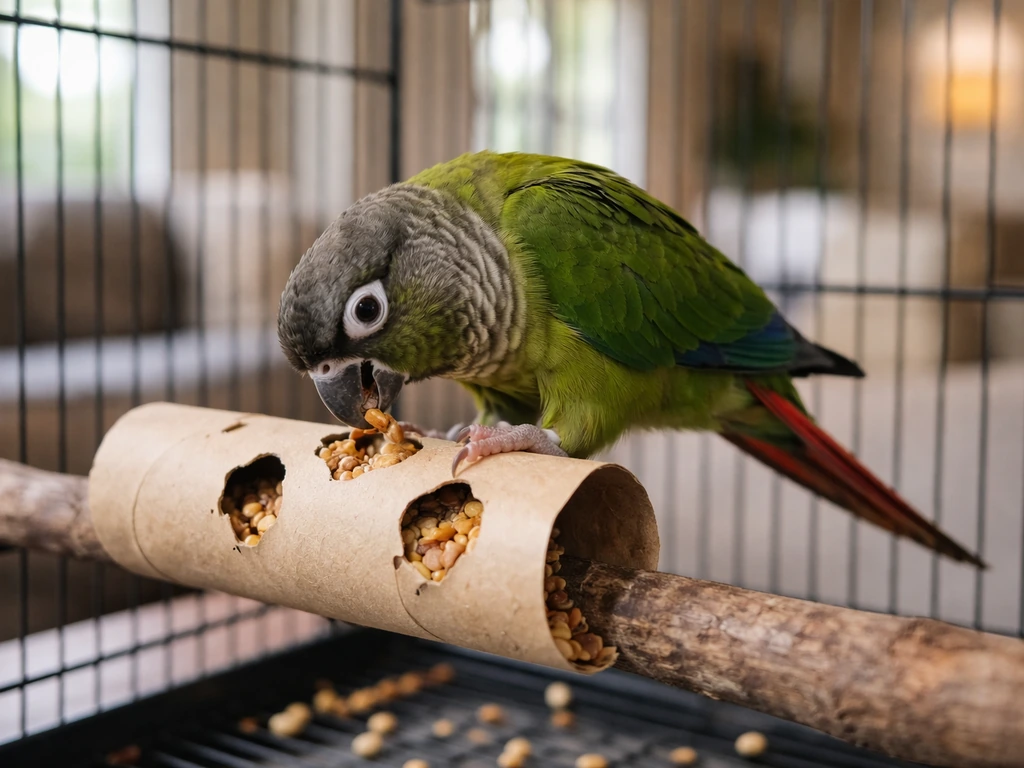
Boredom is a massive driver of screaming in intelligent birds. Hide food inside foraging toys, paper rolls, or small boxes so the bird spends time working for meals rather than sitting idle. Rotate three to five toys on a weekly schedule. Natural wood perches of varied diameters are better for foot health and keep birds busier than smooth dowel perches. Puzzle feeders designed for parrots are widely available and one of the most cost-effective ways to reduce screaming from boredom.
Reducing mirror and territorial triggers
Mirrors can cause some birds to constantly interact with their reflection, escalating into frustrated screaming when the "other bird" won't respond normally. If your bird screams at its mirror, remove it. Similarly, if the bird screams at its own reflection in a window, apply window film or reposition the cage. Territorial screaming triggered by seeing other birds outside can often be resolved simply by blocking the bird's line of sight to that window.
Wild bird inside your building: how to get it out safely
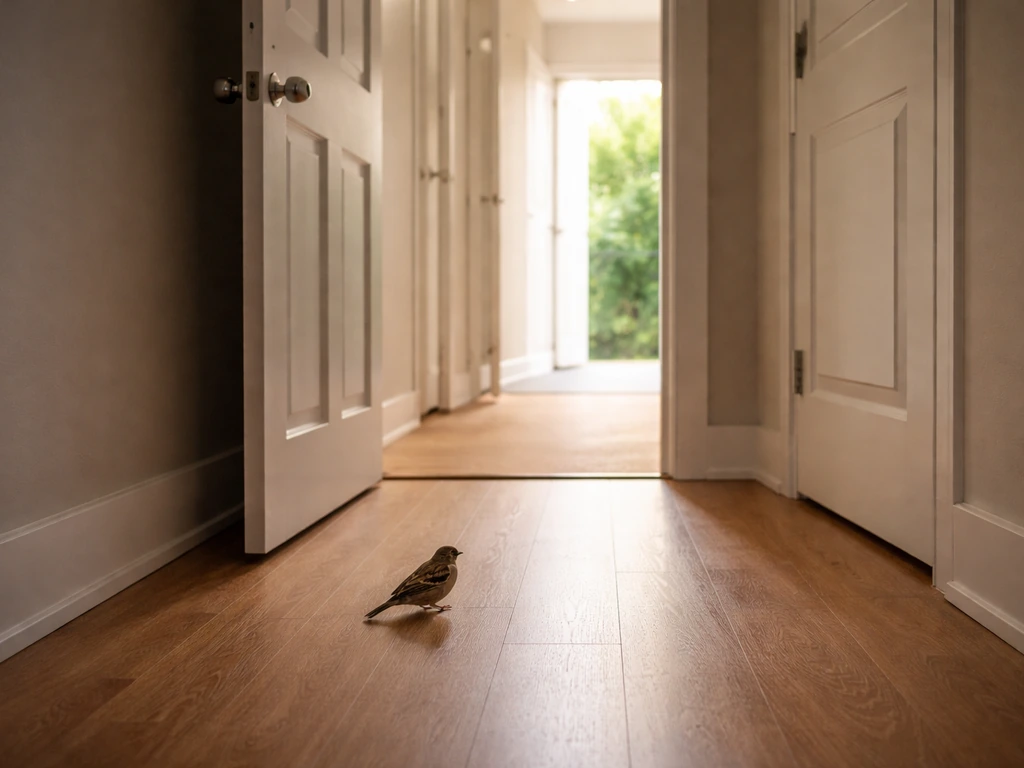
A wild bird trapped inside a building is stressed, disoriented, and potentially dangerous to itself. The noise it makes is a distress call, and it will continue until the bird escapes, exhausts itself, or dies. If you are wondering how to get rid of a chirping bird, the key is to keep the bird calm and get it out safely so the distress call stops naturally. The priority is getting it out quickly and humanely.
- Contain the bird to one room by closing all interior doors.
- Open one exterior window or door fully. If there's a screen, remove it.
- Darken the rest of the room so that the exterior opening is the brightest point: birds fly toward light.
- Leave the room and give the bird 15 to 30 minutes to find the exit on its own.
- Do not chase the bird. Chasing increases its panic, raises the risk of injury, and can cause the bird to fly further into the building.
Under 50 CFR § 21.14, you are legally permitted to humanely remove a migratory bird from the interior of a residence or building without a federal permit, provided you also take feasible steps to prevent re-entry, such as patching holes or installing exclusion devices. This means once the bird is out, you need to find and seal the entry point.
Finding and sealing entry points
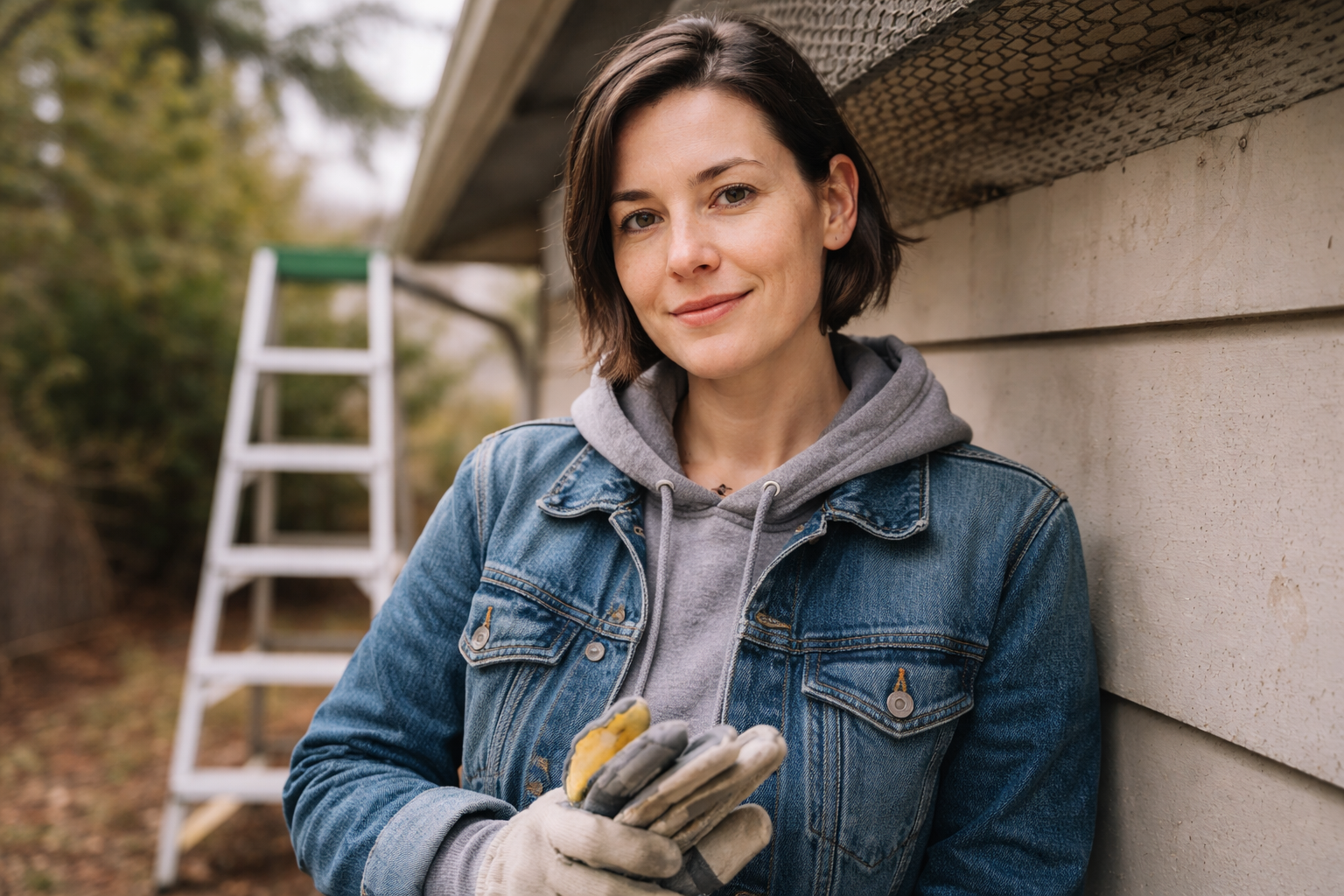
Common entry points include damaged fascia boards, gaps in soffit vents, missing or broken vent covers, open chimney flues, and damaged roof edges. Inspect the exterior of the building methodically from ground level first (use binoculars if needed), then from a ladder if safe to do so. Install bird-proof vent covers, hardware cloth (1/2-inch mesh) over open gaps, and chimney caps. Do this after birds have left for the day, not while nesting is active, as disturbing an active nest may be restricted under the Migratory Bird Treaty Act.
Wild birds outside the building (nesting, drumming, or calling)
If the bird is outside and vocalizing from the structure, your options depend on what it's doing. If the bird is outside and won't stop calling from a structure, the right approach is to remove the attractants and block its access, not just quiet it options depend on what it's doing. Woodpeckers drumming on siding, birds nesting in eaves, or starlings roosting in large numbers each require a different approach. Physical deterrents like bird spikes, netting, or visual scare devices (reflective tape, predator silhouettes) work well for perching and roosting when applied correctly. However, blank" rel="noopener noreferrer">never attempt to remove or destroy an active nest containing eggs or chicks without checking your local and federal regulations first. Most wild bird nests in the U.S. are protected under the Migratory Bird Treaty Act, and removal without a permit can carry significant penalties. If you're unsure whether a nest is active or whether the species is protected, contact a licensed wildlife professional before touching anything.
When to stop DIYing and call a professional
Most bird screaming problems can be managed with the steps above, but some situations genuinely require professional help. Here's how to know when you've hit that point.
| Situation | Who to call | Why |
|---|---|---|
| Pet bird showing signs of illness, injury, or pain | Avian veterinarian (board-certified if possible) | Physical problems require medical diagnosis, not behavioral fixes |
| Behavioral screaming that hasn't improved after 2 to 3 weeks of consistent changes | Avian veterinarian or certified parrot behavior consultant | May indicate an underlying health or psychological issue beyond DIY scope |
| Injured wild bird found inside or outside | Licensed wildlife rehabilitator or local animal control | Handling a wild bird without training risks injury to you and the bird; many species are protected |
| Wild bird trapped deep in walls, ductwork, or inaccessible areas | Licensed wildlife removal professional | Safe extraction requires tools and experience; self-attempts often injure or kill the bird |
| Protected species nesting on the building (e.g., swallows, chimney swifts) | U.S. Fish & Wildlife Service or state wildlife agency | Removal or disturbance may be illegal without a permit |
| Large-scale roost or colony inside a commercial building | Licensed nuisance wildlife control operator | Health and structural risks require professional assessment and a legal management plan |
When contacting a wildlife professional, have this information ready: the species if you can identify it (photos help), where the bird is located, how long the problem has been going on, whether you've seen nesting activity, and what DIY steps you've already tried. That shortens the call and gets you a faster, more accurate recommendation.
Legal and safety reminders
In the U.S., the Migratory Bird Treaty Act protects the vast majority of wild bird species, including many common ones like sparrows, swallows, starlings in some contexts, and virtually all raptors. Disturbing, moving, or killing a protected bird or its active nest without authorization is a federal offense. If you're dealing with a wild bird situation and you're not sure whether the species is protected, assume it is and call your regional U.S. Fish & Wildlife Service office or a licensed professional before taking action. For work involving ladders, rooftops, or attic spaces, always use proper fall protection and wear gloves and a dust mask when working in areas with bird droppings, which can carry pathogens including histoplasmosis.
Your longer-term plan: prevent the screaming from coming back
Once you've dealt with the immediate situation, a simple preventive routine will keep the problem from cycling back. For pet birds, consistency is everything: fixed sleep and feeding times, daily social interaction, regular vet checkups (at least once per year for most companion birds), and a cage environment that changes just enough to stay stimulating. For buildings, an annual exterior inspection in late winter (before nesting season begins in spring) lets you find and seal entry points before birds move in. Check vent covers, soffits, fascia, chimney caps, and any gaps around HVAC penetrations. Catching a small gap in February is infinitely easier than managing a nest full of protected chicks in April.
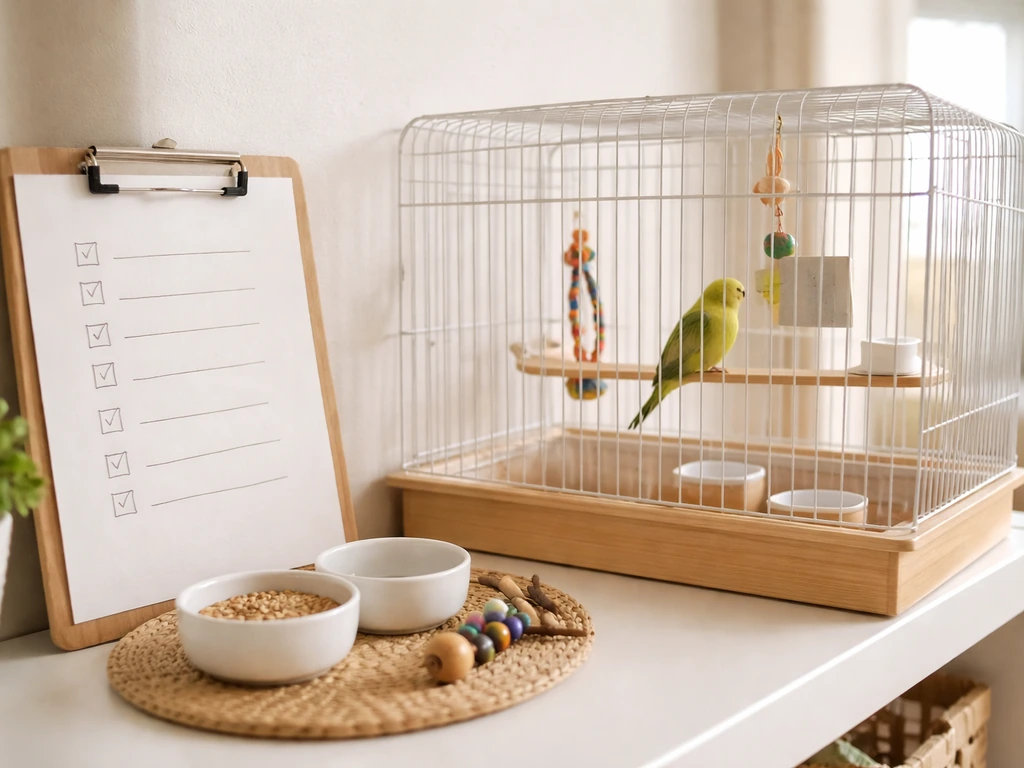
If screaming has been a recurring problem with a pet bird across multiple seasons, keep a simple log: note the date, time of day, what seemed to trigger the episode, and what stopped it. After a few weeks, patterns become obvious, and you can make targeted changes instead of guessing. That kind of record is also extremely useful if you do end up at the vet, because it gives the clinician real data to work with rather than a vague description of the problem.
FAQ
Will covering the cage completely stop the screaming faster?
A total cover can backfire by increasing heat buildup, trapping odors, and reducing airflow. If you use a cover, do partial coverage only, keep ventilation, and remove it periodically to check breathing and body condition.
How long should I wait for a pet bird to calm down after I stop responding?
Often you will see brief reductions within minutes and more stable change over days to a couple of weeks. If there is no improvement after 2 weeks of consistent sleep, routine, and no reactive attention, reassess triggers and consider an avian vet.
What if the screaming gets worse when I try to ignore it?
That can be an extinction burst, where the bird screams harder because it is not getting the usual reaction. The safest approach is to stay calm, remove your immediate attention, wait for even short quiet pauses, then respond with low-key calm interaction.
Is it okay to put a pet bird in a different room to quiet it?
Yes only if it reduces overstimulation and still meets needs (temperature, sleep window, water access). Avoid isolating it in a lonely or dark spot all day, because some birds escalate loneliness screaming.
My bird screams when I leave the house. Should I give it attention before I go?
Don’t reward screaming by rushing over or making big goodbyes. Instead, do neutral, brief check-ins that happen when the bird is quiet, and keep departures and returns low-drama so the bird learns the routine is not a cue for panic.
Can I use music or TV to stop screaming immediately?
Background noise can help for some birds by masking sudden sounds and reducing distress, but it is not a substitute for sleep and stimulation. Keep volume low, and avoid constant nighttime noise that shortens the bird’s uninterrupted rest.
My pet bird screams toward a window. What’s the best fix if it seems territorial?
First block the line of sight (place the cage so the window is not directly in front, use a screen or window film). Also check for outdoor triggers like other birds on the same tree or ledge, and reduce reflections.
Should I remove mirrors completely if my bird screams at its reflection?
Often yes. Mirrors can escalate frustrated or bonded behavior because the bird keeps expecting interaction that never changes. If you remove it, watch for a week and reintroduce only if the bird clearly calms around its lack of visual stimulus.
What droppings or behavior changes mean I should skip behavior tricks and call a vet?
If screaming becomes continuous, sounds different (more distressed or higher pitched), or comes with lethargy, tail bobbing, fluffed posture, breathing changes, diarrhea, or blood in droppings, treat it as possible pain or illness and book an avian vet promptly.
For hormonal-season screaming, what should I avoid changing?
Avoid sudden, extreme changes that disrupt routine, and do not over-handle or increase physical stimulation, especially petting that targets the back or under-wing areas. Use consistent light reduction and food adjustments as discussed, then monitor closely for worsening aggression or illness signs.
How can I tell if a wild bird inside is trapped behind a wall versus in the room?
Directional, muffled, or echoing sounds that shift with where you stand often indicate the bird is inside a wall, duct, or between floors. If you cannot visually locate it quickly, don’t chase blindly, contain the space, and consider calling a wildlife professional.
What should I do if a wild bird is inside but won’t exit after lights are turned off?
Keep interior doors closed to contain it, darken the room with the exit route (window or exterior door), and back away so you are not the source of panic. If it still does not leave after a reasonable period, escalate by contacting wildlife help rather than repeatedly approaching.
Is it legal to remove a wild bird from my home?
Many migratory birds are covered by federal protections. The article notes a narrow circumstance where humane removal from a residence can be permitted without a federal permit, but you still must prevent re-entry and avoid disturbing active nests without confirming requirements.
Can I use bird spikes, netting, or scare devices right away if I see birds nesting?
Do not apply deterrents to areas with active eggs or chicks. First confirm whether a nest is active, then use exclusion only when nesting is not active, or contact a licensed wildlife professional to handle timing and compliance.
How do I make sure I’m not unintentionally reinforcing my pet bird’s screaming?
Avoid the common mistake of approaching right during a scream, talking loudly, or trying to “distract” the bird mid-episode. Instead, wait for a short quiet break, then offer calm attention, followed by a neutral action like routine care or a foraging activity.
What should I record to help a vet if screaming persists?
Track start date, time of day, what changed beforehand (people, pets, routine shifts, sounds, lighting), how long it lasts, and any concurrent symptoms (breathing, droppings, appetite). Photos of droppings and video snippets of the sound can be especially helpful.
What’s a good next step if I’m unsure whether the issue is boredom, fear, or routine?
Run one controlled change at a time for a short window, such as improving sleep consistency or adding a daily foraging session, while keeping everything else steady. If screaming triggers remain tied to a specific person, departure, or sound, focus there before making broader environmental changes.