If you can hear a bird chirping inside or around your building right now, the first thing to do is figure out exactly where it is before you do anything else. A bird chirping at a window needs a completely different response than one trapped in your attic, stuck in a vent, or sitting on an active nest in your soffit. Once you know the location, most situations resolve quickly with a few calm, simple steps, and almost all of them can be handled humanely without traps, chemicals, or calling anyone.
How to Get Rid of a Chirping Bird: Humane Steps

Maya Carver
14 Jun 2026
Quick triage: figure out where the chirping is coming from
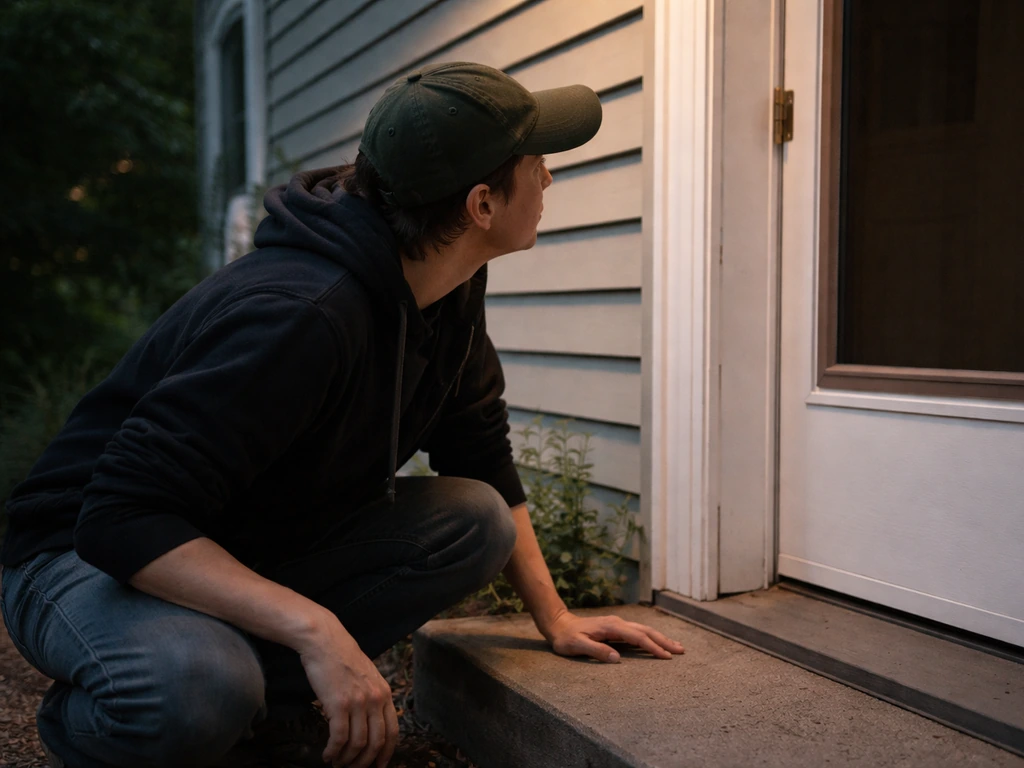
Before you grab anything or start opening windows, spend two minutes just listening. Walk slowly toward the sound. The location and pattern of the chirping will tell you almost everything you need to know about what's happening and what to do next.
| What you hear / see | Most likely situation | Go to section |
|---|---|---|
| Chirping near a window, tapping or fluttering at glass | Bird striking or stuck at window | Troubleshooting: window scenarios |
| Chirping inside a room, bird visible and flying | Bird loose indoors | Immediate safety actions |
| Chirping from behind a wall, ceiling, or inside a duct | Bird trapped in vent, soffit, or wall cavity | Troubleshooting: vents and soffits |
| Steady chirping from attic or roof space, possibly multiple birds | Nest in attic or eave | Troubleshooting: attic nests |
| Chirping from outside near eaves, gable vents, or chimney | Nesting or roosting on building exterior | DIY eviction and deterrence |
| Soft peeping from inside a wall with no adult bird visible | Chicks in a nest cavity | When to call a wildlife pro |
Use your ears as much as your eyes. A bird trapped in a duct will sound slightly muffled and may echo. A bird flying loose in a room sounds sharp and close, and you'll often hear wing beats. Chirping that suddenly stops when you approach a wall usually means there's a nest nearby and the adult bird flushed. Write down or note the location before moving on.
Immediate safety actions for indoor birds and nests
If a bird is loose inside a room, stay calm. A panicked bird is a dangerous one, because startled birds fly fast and erratically and are far more likely to hit a window or injure themselves. The goal is to give it one obvious way out and then get out of its way.
- Close every interior door in the room so the bird can't access more of the building.
- Pull curtains or blinds shut on every window except the one you want it to use as an exit.
- Open that single exit window or exterior door as wide as possible.
- Turn off all interior lights so the bird moves toward the natural light at the exit.
- Leave the room quietly, or stand completely still near a wall if you need to stay.
- Give the bird 10 to 20 minutes to find the opening on its own. Most birds exit quickly once the room is calm.
If it doesn't leave, you can gently herd it toward the opening by moving slowly from the opposite corner. Never chase, swat, or throw anything at the bird. If it lands on a surface and seems exhausted or stunned, place a lightweight cloth or small cardboard box gently over it, then slide a piece of cardboard underneath and carry it outside. Release it at ground level in a sheltered spot, and it will typically fly off within a few minutes.
Safety note: wear light gloves when handling any wild bird. Wild birds can carry bacteria like Salmonella, and some species have surprisingly sharp talons or bills. This isn't a reason to panic, it's just basic hygiene. Wash your hands thoroughly after contact.
If you suspect there's a nest with eggs or chicks inside your home (for example, behind an interior wall or inside a ceiling), do not start tearing into drywall or blocking the opening yet. Many songbirds, swallows, and other common species are protected under federal law in the U.S. (the Migratory Bird Treaty Act), which means disturbing an active nest can result in fines. Check the troubleshooting section below and the wildlife pro section at the end of this article before taking any physical action.
DIY eviction and deterrence steps (humane, non-injuring)
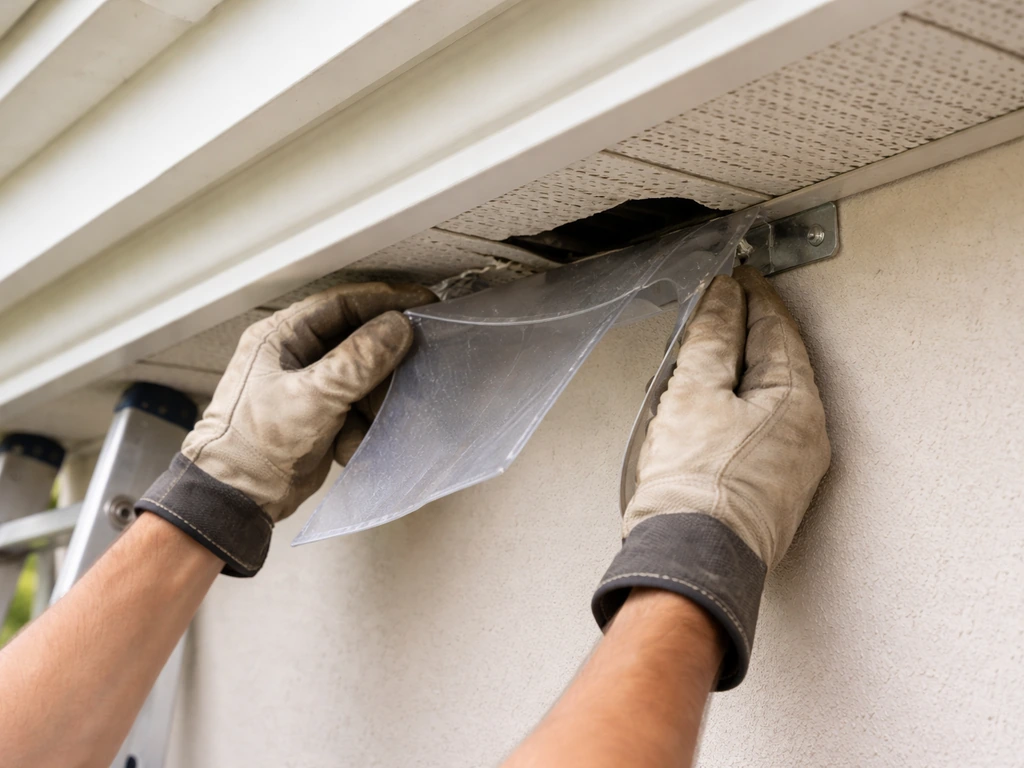
For birds roosting or nesting on the outside of the building, like in a soffit gap, under eaves, or in a gable vent, you have more options and more time. The key principle is to encourage the bird to leave on its own before you seal anything. Never seal an opening while a bird or active nest is still inside.
Physical deterrents that actually work
- Bird spikes on ledges, sills, and rooflines: effective for larger birds like starlings, pigeons, and house sparrows. Install on any flat surface they're landing on regularly. Stainless steel spikes last longer than plastic.
- Bird slope panels (also called anti-perch panels): angled plastic panels installed under eaves or on ledges so birds can't get a foothold. Works well for swallows under eaves.
- Netting: the most complete exclusion method for large areas like under a roof overhang or over a courtyard. Use UV-resistant polypropylene netting with a mesh no larger than 3/4 inch for small birds.
- Visual deterrents: reflective tape, hanging CDs, or predator decoys (owls, hawks) can work short-term. Move them regularly or birds will habituate within a week or two. They are not a permanent fix on their own.
- Sonic deterrents: ultrasonic or distress-call devices have mixed results. They can help in enclosed spaces but are largely ineffective outdoors where sound dissipates. If you try one, rotate distress calls for different species.
- Habitat modification: remove the thing that's attracting birds in the first place. Bird feeders, open water sources, and uncovered compost or trash are major draws. If you have feeders and a bird problem, move the feeder at least 30 feet from the building.
For birds actively roosting on a ledge or returning repeatedly to one spot, a combination of physical exclusion (spikes or netting) plus removing the attractant works best. Deterrents alone rarely solve a persistent problem because birds are motivated, and if the site is good, they'll work around a single obstacle.
What to avoid
- Glue traps: these cause severe injury and prolonged suffering, and are illegal for bird control in most jurisdictions.
- Poison bait: illegal for birds in the U.S. and Canada under wildlife protection laws, and dangerous to other wildlife, pets, and children.
- Sealing an occupied space: if a bird or nest is inside, sealing the entry point traps and kills the animal, which may also be illegal.
- Shooting or injuring the bird: even non-protected species typically require a depredation permit before lethal control is used.
Preventing re-entry: seal, screen, and remove attractants
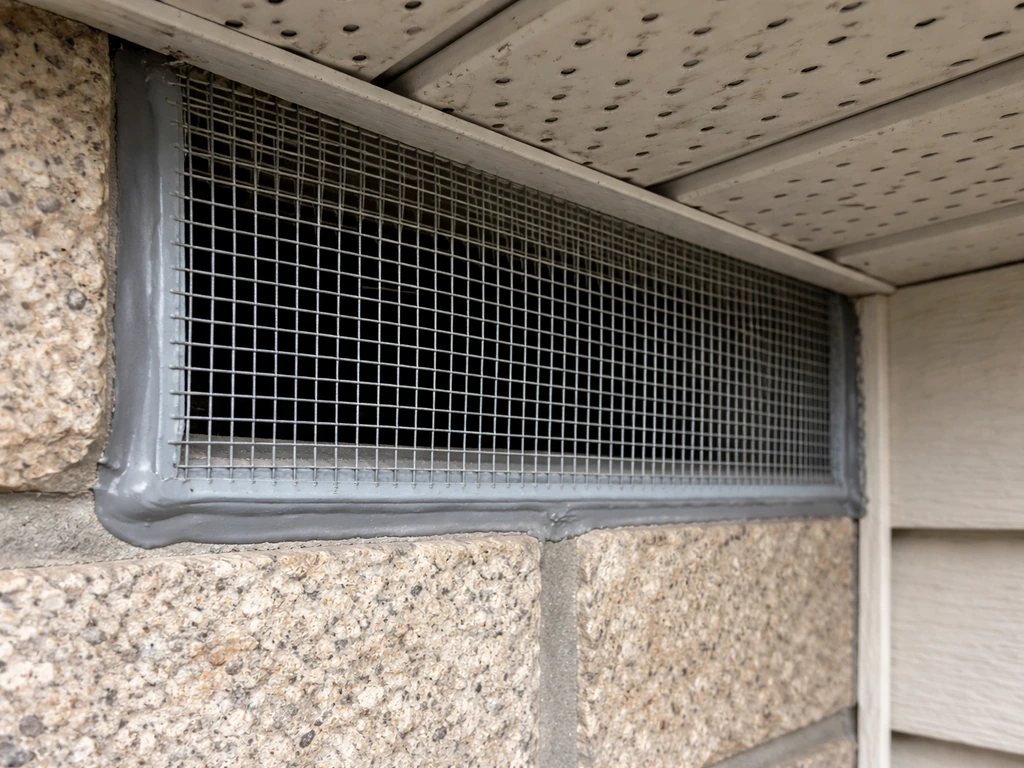
Once the bird is gone, this is your window to make sure it doesn't come back. If the chirping keeps happening in the morning, the same prevention steps like sealing gaps and removing attractants can stop it from returning how to stop bird chirping in the morning. Most birds return to the same spot if the opening is still there, especially during nesting season. A thorough inspection of the exterior now saves you from repeating this process every spring.
Seal up entry points
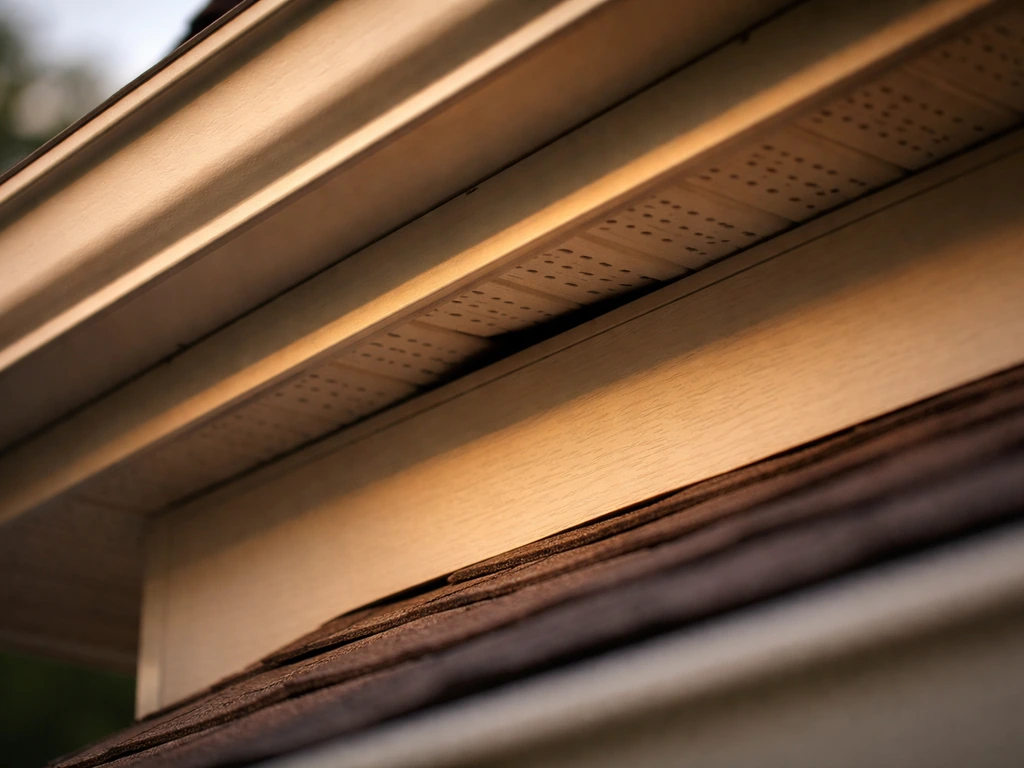
Walk the full perimeter of your building and look specifically at: gable vents (check that screens are intact and have no gaps larger than 1/2 inch), soffit joints and any soffit that has pulled away from the fascia, gaps around roof penetrations like pipes and conduit, chimney openings (cap if not already done), and any loose or missing fascia boards. Hardware cloth (1/2 inch galvanized mesh) is the most durable material for covering vents and gaps. Foam sealant and caulk work for very small gaps but birds can sometimes peck through softer foam, so use it as a secondary measure, not a primary one.
Remove what's attracting them
- Move or temporarily remove bird feeders during active problem periods. Even a 30-foot buffer between feeder and building helps significantly.
- Cover or remove open water sources like pet water dishes, birdbaths, or standing water in gutters near entry points.
- Secure trash and compost. Open containers draw insects, which draw insect-eating birds.
- Trim shrubs and trees within 5 to 10 feet of the roofline. Dense vegetation near the roof gives birds a staging area before entering.
Troubleshooting common scenarios
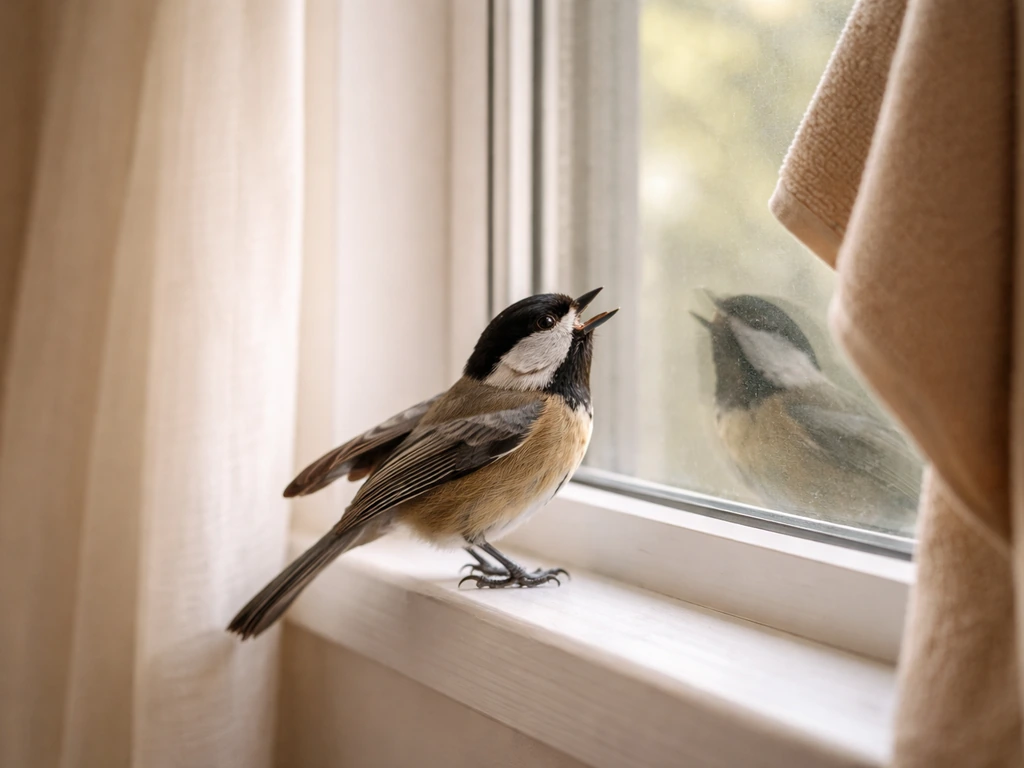
Bird chirping and tapping at a window
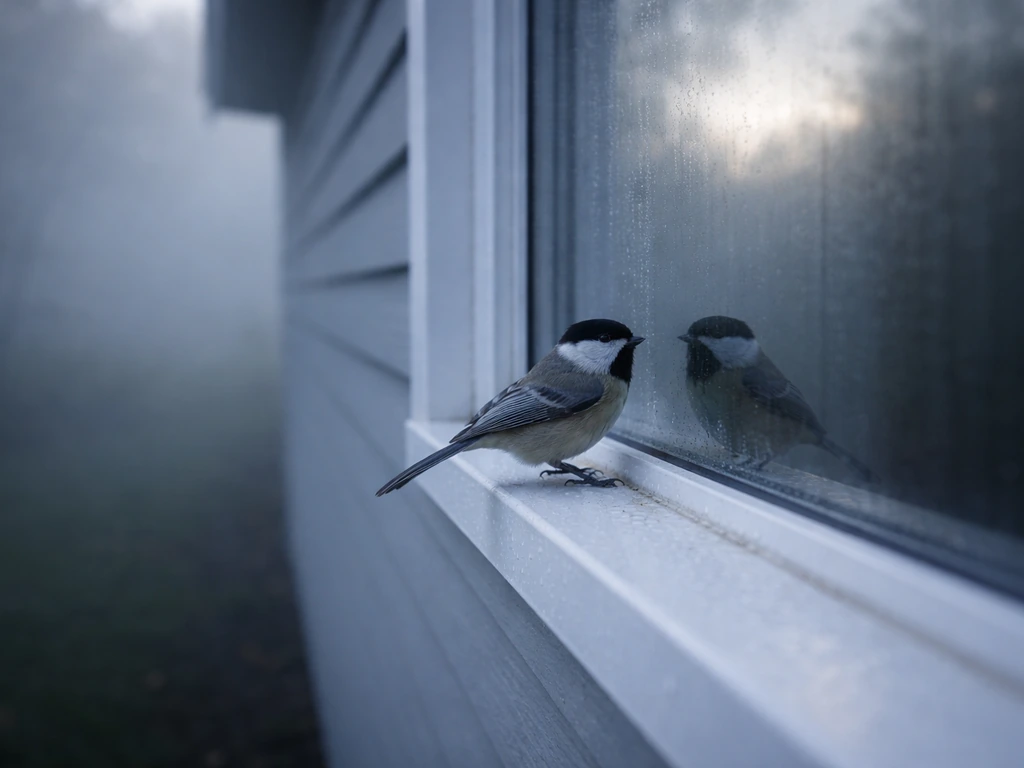
This is typically a male bird seeing his own reflection in the glass and interpreting it as a territorial rival, or a bird that has been startled and is now confused by the reflected landscape. If the bird is screaming near a window or entering your home, the steps below can help you stop the behavior humanely and prevent it from coming back how to stop bird from screaming. To stop it, you need to break up the reflection on the outside of the glass.
Dim the exterior lighting or change the light conditions so birds are more likely to flee for cover rather than panic, and make sure there is an escape route like closing one problematic window or providing shade that leads them away from the glass break up the reflection on the outside of the glass. If you’re dealing with a window-tapping situation, you can also follow the window-specific guidance on how to make a bird stop chirping. Apply window film, tempera paint, or soaping on the exterior surface of the problem pane.
You can also hang vertical strings or cords about 4 inches apart on the outside of the window, close enough to the glass to flutter in the breeze. Closing blinds or curtains from the inside helps, but it works best when you also treat the exterior surface since that's where the reflection is visible to the bird. Turning off unnecessary interior and decorative lights also reduces the glass-mirror effect at night.
The territorial chirping behavior typically stops on its own when the breeding season ends, but without treatment it can recur daily for weeks. If the flicker bird keeps showing up at your home, use the same reflection and timing fixes, then seal the entry points once the bird is gone. If you’re dealing with nonstop chirping, the best approach is humane prevention, such as stopping the conditions that make the bird keep returning can recur daily for weeks.
This is also the scenario addressed in guides on how to make a bird stop chirping at a specific window.
Bird trapped in a vent or soffit
Muffled chirping from inside a duct or vent is one of the trickier situations. First, confirm the bird is alive and moving by listening carefully. Then check whether the vent has an exterior flap or damper: if it does and it opens from inside, the bird may be able to exit on its own once it finds the flap.
Place a light source (a lamp or bright flashlight) aimed at the exterior vent opening so the bird moves toward the light. For bathroom or kitchen exhaust vents, turn the fan on briefly to help the bird locate the opening.
If the bird has been in the duct for more than a few hours and you can still hear movement, you may need to remove an interior vent cover and use a cardboard box to catch and release it as described in the indoor bird steps above. Once the bird is out, install a proper vent guard with 1/2 inch hardware cloth before replacing the cover.
Chirping from the attic
Attic chirping is almost always nesting activity. In late spring and early summer (roughly March through August in most of North America), there is a very good chance there are eggs or chicks involved. Before you go into the attic, put on a dust mask and gloves: bird nests and droppings can carry histoplasmosis and other pathogens.
Look for the entry point from the outside first, usually a gap in a gable vent screen, a loose soffit section, or a gap near a roof vent. Do not seal the opening yet. Go into the attic and look for nest material. If you find an active nest with eggs or chicks, stop and read the protected species section below.
If the nest is empty and abandoned (no eggs, no activity for several days), you can remove it using gloves and a sealed bag, clean the area with a dilute bleach solution, and then seal the entry point with hardware cloth.
Chirping behind a wall or ceiling
This usually means either a bird is trapped in a wall cavity, or there is a nest in a cavity accessible from outside (common with house sparrows and European starlings, which use gaps in siding or under eaves). If the sound is irregular and sounds like movement or scratching, the bird is likely trapped and panicked. Find the nearest exterior opening to that wall section and open it up or leave a light aimed at it to guide the bird out. If the sound is regular repetitive chirping, especially with multiple birds answering each other, it's almost certainly a nest. Again, do not seal until you have confirmed it is inactive.
Long-term proofing plan by season
One of the most practical things you can do is time your maintenance to stay ahead of nesting season rather than react to it. Here's a simple seasonal schedule that works for most of North America.
| Season | Key tasks |
|---|---|
| Late winter (January to February) | Inspect all vents, soffits, gable screens, and chimney caps before nesting season begins. This is your best window to seal entry points because nests are not yet active. Install chimney caps, repair screens, and caulk gaps now. |
| Spring (March to May) | Do not seal any opening that may have active nest activity. Monitor problem areas. Install spike strips or netting on ledges where birds are beginning to scout. Move bird feeders away from the building. |
| Summer (June to August) | Active nesting peak. Focus on deterrents rather than exclusion. Document problem entry points for fall sealing. If a nest becomes inactive (chicks have fledged), remove it promptly to discourage re-use. |
| Fall (September to November) | Ideal time for comprehensive sealing work. Nests are abandoned, and migrants have passed through. Seal all identified entry points with hardware cloth. Clean gutters, which hold debris that attracts birds. Inspect roof flashing. |
| Winter (December to January) | Check that all repairs held through fall storms. Look for new gaps caused by ice or wind damage. Plan and budget any larger proofing work for late winter before nesting resumes. |
Facility managers overseeing larger buildings should schedule a dedicated bird-proofing inspection every fall and every late winter. Keeping a simple log of where birds have entered or nested in previous years will help you prioritize where to focus each season.
When to call a wildlife pro (and what the law actually says)
Most chirping bird situations can be resolved without professional help, but there are several circumstances where calling a licensed wildlife control operator or contacting your state or provincial wildlife agency is the right move.
Call a professional when:
- You find an active nest with eggs or chicks in a difficult or enclosed location (inside a wall, deep in ductwork, in a chimney flue) and can't identify a safe way to create an exit without causing harm.
- You suspect the bird is injured or cannot fly. A bird that is grounded, not moving, or breathing with its mouth open needs wildlife rehabilitation, not just eviction.
- The species involved is a protected migratory bird and you are not sure whether removal is legal. In the U.S., this means almost all native songbirds, swallows, swifts, woodpeckers, and raptors are protected under the Migratory Bird Treaty Act. Disturbing an active nest of these species without a federal depredation permit is a federal offense.
- You have a large-scale infestation (multiple nesting pairs, significant droppings accumulation, or a colony of birds like European starlings or cliff swallows) that requires coordinated exclusion across a building.
- The bird is in a space where accessing it would require working at height, in a confined space, or near electrical equipment.
What the law covers
In the United States, the Migratory Bird Treaty Act (MBTA) protects the vast majority of native wild bird species. It is illegal to take, possess, pursue, or destroy the nest or eggs of a protected species without a permit. The three species that are not protected federally and are legal to remove at any time are the European Starling, House Sparrow (English Sparrow), and Rock Pigeon, because they are non-native invasive species.
If you are unsure of the species, do not take any action that could disturb a nest until you confirm it. In Canada, the Migratory Birds Convention Act provides equivalent protection. State and provincial laws may add further protections, so check with your local wildlife agency if in doubt.
When you call a wildlife professional, have this information ready: the location and approximate size of the entry point, the species if you can identify it, how long the activity has been happening, and whether you've seen eggs or chicks. That will help them give you accurate guidance on your legal options and the fastest humane path to resolving the problem.
Problems like persistent morning chirping from nesting birds, squawking or screaming from particular species, or birds that return to the same entry point year after year often benefit from a professional assessment that covers both the immediate eviction and a long-term proofing plan for your specific building. If your main issue is how to stop your bird from screaming in the morning, a pro can help you target the cause and prevent it from recurring persistent morning chirping.
If your main goal is how to stop a bird from squawking, focus on identifying the cause first, since different situations need different humane deterrents squawking or screaming. If you are dealing with repeated screaming, the right approach is to identify why the bird is distressed and then use humane deterrence to stop it from returning.
FAQ
What should I do if I cannot find where the chirping bird is coming from?
If the chirping is coming from a spot where you cannot safely access vents, walls, or the attic, do not keep experimenting with light, fans, or openings. Instead, wait until you can identify the nearest exterior entry point and use a controlled exit method (herding toward an opening, guiding toward an exterior flap, or removing an interior cover only if you can do it safely). When in doubt, a licensed wildlife control operator can also confirm whether a nest is active and what proofing is legal.
Can I seal the hole or vent as soon as the chirping stops?
No. Preventative sealing should wait until you confirm there is no active nest or live bird inside. Even if the chirping stops temporarily, it can restart when adults return to a nest, or if the sound was from a fledgling later. Treat the entry-point closure as the final step only after you have verified the bird is gone and the area is inactive.
What if the bird is chirping after it flew into my window, or looks stunned?
If a bird hits a window and keeps chirping afterward, the priority is to check for injury before you try to “scare it off.” Use a towel or lightweight cloth to gently contain it if you can do so safely, keep it in a quiet, dim box (ventilated) until it appears coordinated, then release at ground level in a sheltered spot. If it is bleeding, unable to stand, or keeps sliding, contact a local wildlife rehabber rather than releasing it.
How do I tell if it is an active nest versus a one-off bird that got in?
If the chirping sounds continuous, repetitive, and you see birds repeatedly returning to the same exterior ledge or soffit gap, assume it is nesting or a consistent territorial site. The most common mistake is relying only on temporary deterrents, like sprays or one-time blocking. Use proofing materials (for example, 1/2 inch hardware cloth) and remove the access and attractant conditions together, then recheck after a few days to ensure nothing is still entering.
If the bird is loose inside, what is the safest way to set up an exit?
For indoor “loose in the room” situations, an effective next step is to create a direct exit route, close off other rooms, and turn off ceiling fans. Place a single opening you want it to use (open the door or window to the outside) and keep yourself near the opposite side so it can move out without being herded into corners or windows again.
What if the bird might be trapped inside a wall cavity, can I just cut or open the drywall?
Yes, and it is an important edge case. If the bird is in a wall or duct and you need to open a vent cover to retrieve it, do not do it if you suspect an active nest nearby or if the cavity is part of a structure that might contain eggs. Also, avoid opening multiple areas at once, because you may release other animals. If you cannot confirm the situation quickly and safely, switch to professional help.
I hear chirping from outside (soffit or gable). Can I repair right away if I don’t see eggs?
If the sound is coming from an exterior cavity and it is daytime, you can often pause work and wait for a natural lull, then re-check from outside with binoculars or a phone camera with zoom. If you still see adults entering and leaving, treat it as active and postpone repairs until the nest is inactive. This prevents the common mistake of sealing during incubation or early chick development.
What materials are best for preventing re-entry after the bird is gone?
For vent screens and entry gaps, prioritize durable barriers sized to stop the bird from fitting through, even if it pecks. Hardware cloth at 1/2 inch mesh is more reliable than softer materials because birds can sometimes damage foam sealant or caulk. If you use sealant for small cracks, combine it with mesh or rigid covers at the larger access points.
If it returns the next morning, how can I tell whether it is a re-entry problem or a reflection problem?
Birds may return repeatedly if lighting or visual cues keep triggering the behavior, especially near windows. After you address entry points, also reduce nighttime “glass mirror” conditions by limiting decorative lights and correcting reflections (for example, exterior window treatment rather than only closing curtains). If the chirping resumes in the same spot at the same time each day, it usually means the visual trigger is still present.
What should I do if I can’t identify the bird species or I’m worried about protected nests?
If you are unsure whether the species is protected, the safe decision aid is to treat all nests as protected until identified, then avoid disturbing the area. If the situation involves repeated chirping over days, decide to either wait out inactivity (without sealing) or contact your local wildlife agency with the location and approximate timing, so you get guidance on legal next steps.
Next Article
How to Stop Your Bird From Screaming in the Morning
Humane, step-by-step fixes to stop morning bird screaming by diagnosing the cause and proofing windows, access points, a