Move your bird away from your ear immediately, redirect it to a perch or toy, and do not react with yelling or sudden movement. Then figure out which trigger is driving the biting: attention-seeking, hormonal arousal, overstimulation, fear, or physical discomfort. Once you know the trigger, the fix is straightforward and usually shows real improvement within 2 to 6 weeks of consistent handling and environmental changes.
How to Stop Your Bird From Biting Your Ears

Maya Carver
13 Jun 2026
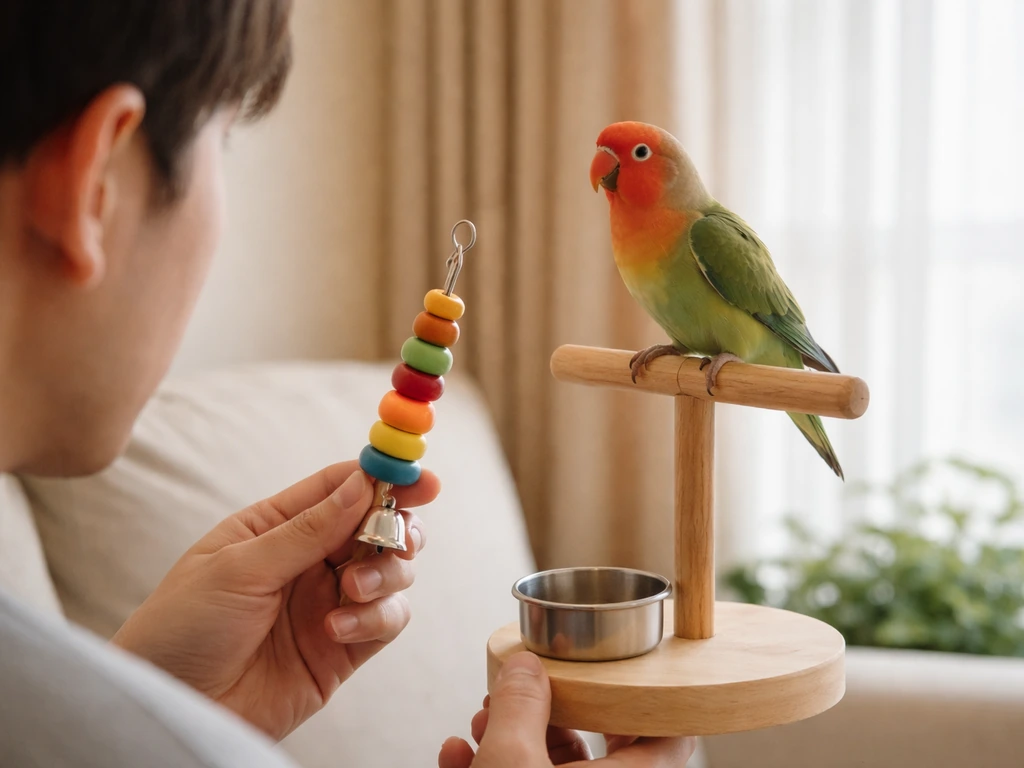
Why birds bite ears in the first place
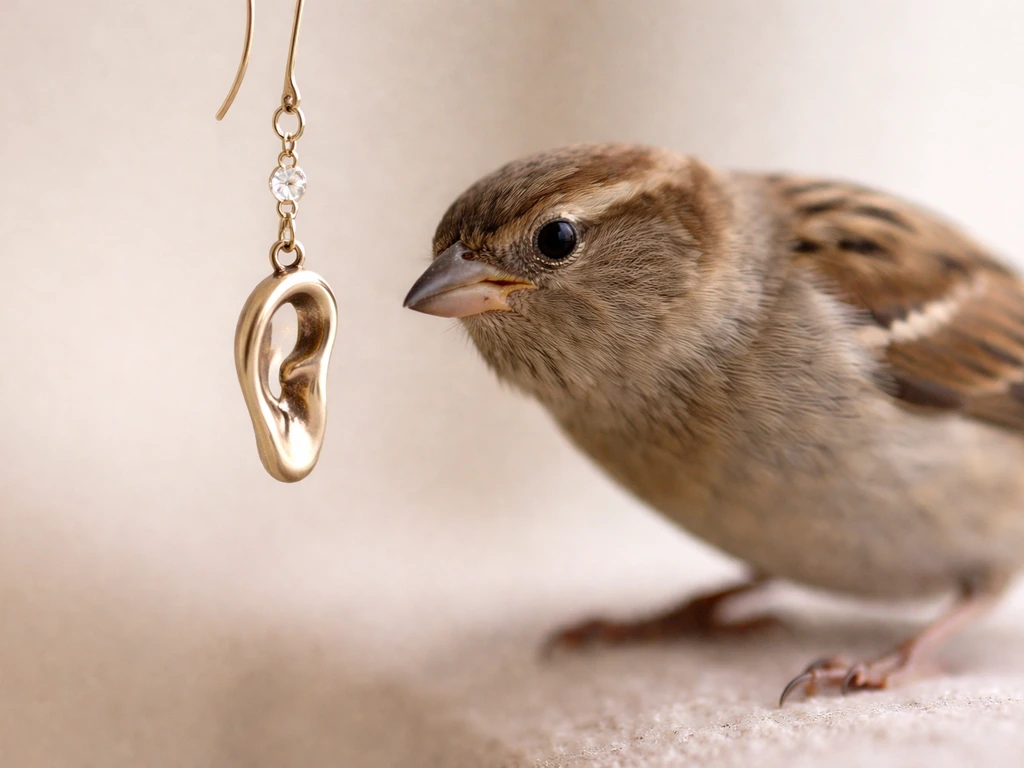
Ears are irresistible to a lot of birds for a few overlapping reasons. Earrings dangle and catch light, making them look like food or a toy worth investigating. The ear canal carries scent and warmth. And your ear is right at beak level when your bird rides on your shoulder, which means it is also the closest thing to bite when the bird gets overstimulated, feels cornered, or wants your attention.
The specific trigger matters because it determines your entire response plan. Here are the most common ones and how to tell them apart by reading body language:
| Trigger | What you'll see before the bite | What makes it worse |
|---|---|---|
| Attention-seeking | Quiet bird suddenly nips and then watches you react; may vocalize right after | You respond with eye contact, talking, or moving the bird back to your face |
| Overstimulation | Feathers puffed or pinned, pupils rapidly dilating/constricting, tail fanning, rapid head-bobbing right before contact | Long shoulder sessions, lots of petting, noisy environments |
| Hormonal/mating behavior | Regurgitating on you, wing-drooping, vent-rubbing, possessiveness around cage; peaks in spring | Being near the bird's head/neck during hormonal season, petting over back or wings |
| Fear or stress | Leaning away, crouching, feathers slicked down, wide eyes, trying to flee before biting | Reaching toward the bird fast, strangers nearby, unfamiliar sounds |
| Territorial aggression | Charges or lunges from cage/perch location; bites when you reach in or approach the cage | Approaching the bird on its cage rather than asking it to step onto neutral ground |
| Medical discomfort | Sudden change in a previously calm bird; biting when touched near a specific area; fluffed or lethargic between biting episodes | Handling near the painful area; the bite is defensive rather than exploratory |
A bird does not bite out of spite. Every bite has a reason, and the ear location is usually just opportunity combined with whatever emotional state the bird is in at that moment. Reading body language before the bite is your earliest and most useful warning system.
What to do right now when the biting starts
De-escalating in the moment
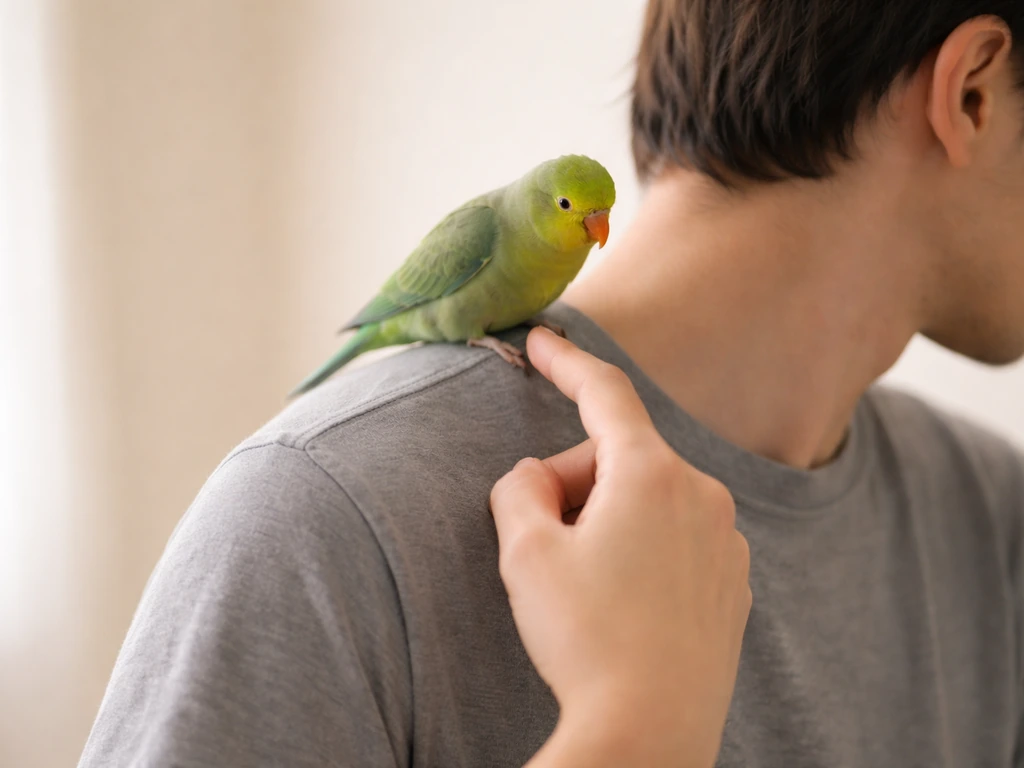
Stay calm. A sharp verbal reaction or flinching dramatically is interesting to the bird and, in some cases, rewarding. Instead, say nothing, turn your head away, and use a free hand or a perch to redirect the bird off your shoulder within the next few seconds. To stop a bird from attacking you, de-escalate calmly and redirect it to a perch or toy as soon as biting starts how to stop a bird from attacking me. Do not let the bird return to your shoulder during that session. End the interaction calmly and place the bird on a standalone perch or back in its cage. This communicates that biting ends the fun without creating fear or confusion.
- Stay still and avoid flinching or yelling
- Use a finger or handheld perch to step the bird down off your shoulder immediately
- Do not return the bird to your shoulder or face for the rest of that interaction
- Give the bird a moment to settle on its perch before you walk away
- Resume interaction only after both of you are calm, and start on neutral ground (not your shoulder)
First aid for the bite itself
Even a small bird can break skin, and the ear area is classified by medical professionals as a higher-risk bite location. Wash the wound thoroughly with soap and running water for several minutes, apply an antiseptic, and cover it. Then watch the site closely over the next 24 to 48 hours for signs of infection: increasing redness, swelling, pain, warmth, or any discharge. If any of those develop, or if the bite is deep or on your face, neck, or ear canal, call your doctor or go to an urgent care clinic promptly. Bird bites can introduce bacteria that require antibiotic treatment, and getting evaluated early is always the right call when there is any doubt.
The training plan: how to stop ear-biting over the next 2 to 6 weeks
Consistent, humane behavior modification is the only lasting fix. How to stop a bird biting your ears starts with identifying the trigger and then using humane, consistent training to remove the reward for biting. Punishment does not work with birds: they do not connect scolding with the action the way humans expect, and negative reactions often increase biting because the bird learns that biting produces a dramatic response. The approach that actually works is a combination of removing the reward for biting, reinforcing an alternative behavior, and gradually changing the bird's emotional association with the situations that trigger biting.
Step 1: Stop reinforcing the bite (days 1 to 7)
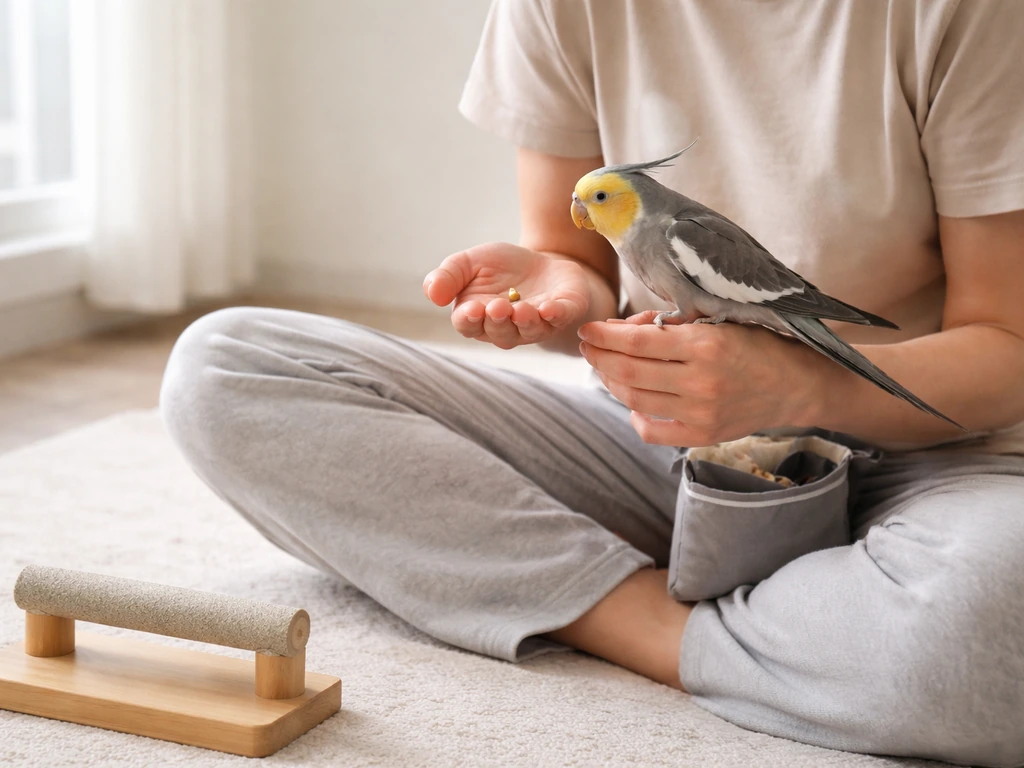
Every time you react to a bite with eye contact, talking, or bringing the bird back to your face, you are teaching it that biting works. Starting today, any bite immediately ends the shoulder session with zero drama. No scolding, no yelling, no big reaction. Just a calm step-down and a brief end to that interaction. It will feel anticlimactic. That is the point.
Step 2: Reinforce the alternative (ongoing from day 1)
Decide what you want the bird to do instead of biting your ear. Common alternatives are sitting calmly on the shoulder, playing with a clip-on shoulder toy, or accepting a food treat. Every time the bird is near your ear and does not bite, mark that moment with a verbal cue ('good') or clicker and immediately give a high-value reward like a small piece of favorite food. You are building a competing behavior that is more rewarding than biting. This is differential reinforcement, and it is the most effective tool in the toolbox for this kind of problem.
Step 3: Solidify 'Step up' on neutral ground (week 1 to 2)
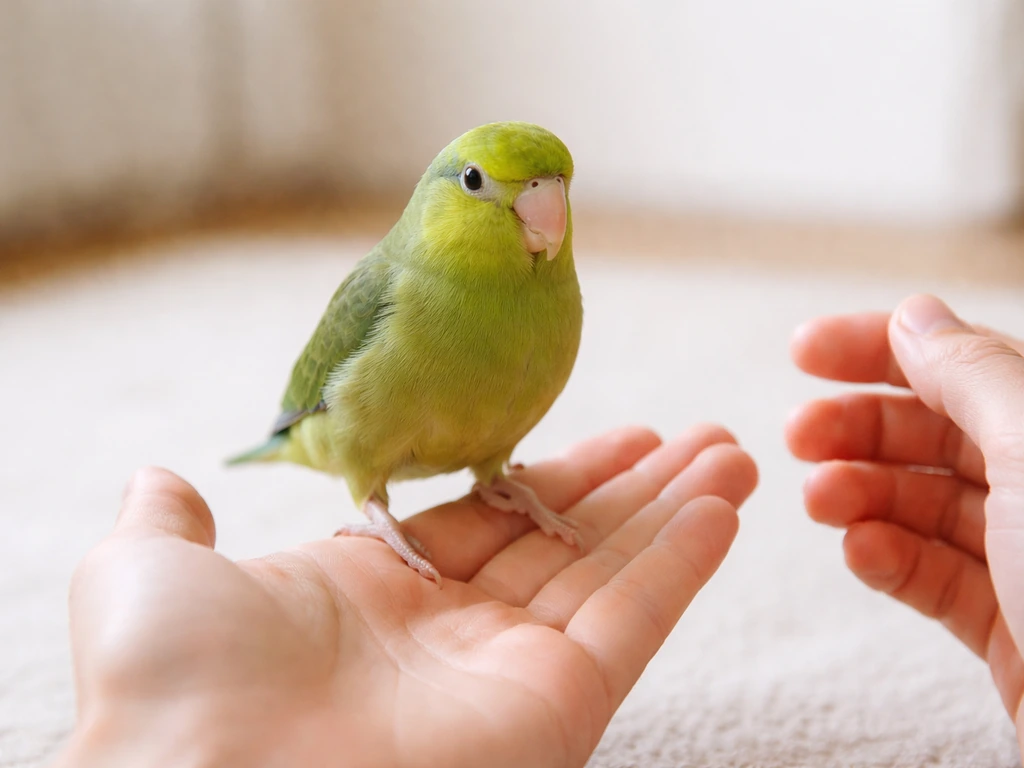
A reliable step-up command is your primary safety tool. Practice it daily in a neutral area away from the cage, keeping sessions short (3 to 5 minutes) and always ending while the bird is still engaged and calm. Pair the 'step up' cue consistently with the same reward so the bird's association stays clear. If the bird is reluctant or has started to associate step-up with the end of fun, practice stepping up and then immediately rewarding with continued playtime rather than always putting the bird away afterward.
Step 4: Desensitize the ear area (week 2 to 4)
If your bird is consistently approaching your ear to bite, you can work on changing that association using desensitization. Start at the distance or position that is just below the bird's biting threshold: for example, the bird is on your hand near (but not at) your shoulder. Reward calm behavior at that level consistently before moving closer. Progress in very small, deliberate steps. If the bird bites at any stage, you have moved too fast. Back up one step and stay there longer. Pairing each incremental approach with something the bird loves (a treat or praise) gradually changes the emotional association from 'opportunity to bite' to 'something good is about to happen.'
What not to do during training
- Do not flick the beak, tap the bill, or use any physical correction — this increases fear and biting
- Do not let the bird ride on your shoulder unsupervised until biting is reliably reduced
- Do not allow one household member to reinforce biting while others are working on extinction — the plan must be consistent across everyone in the home
- Do not end training sessions immediately after a bite if it means the bird learns biting = going back to the cage (which it may prefer) — step down calmly and wait before returning to the cage
- Do not assume the bird is being 'mean' — the bite always has a reason
Environmental fixes that remove the trigger
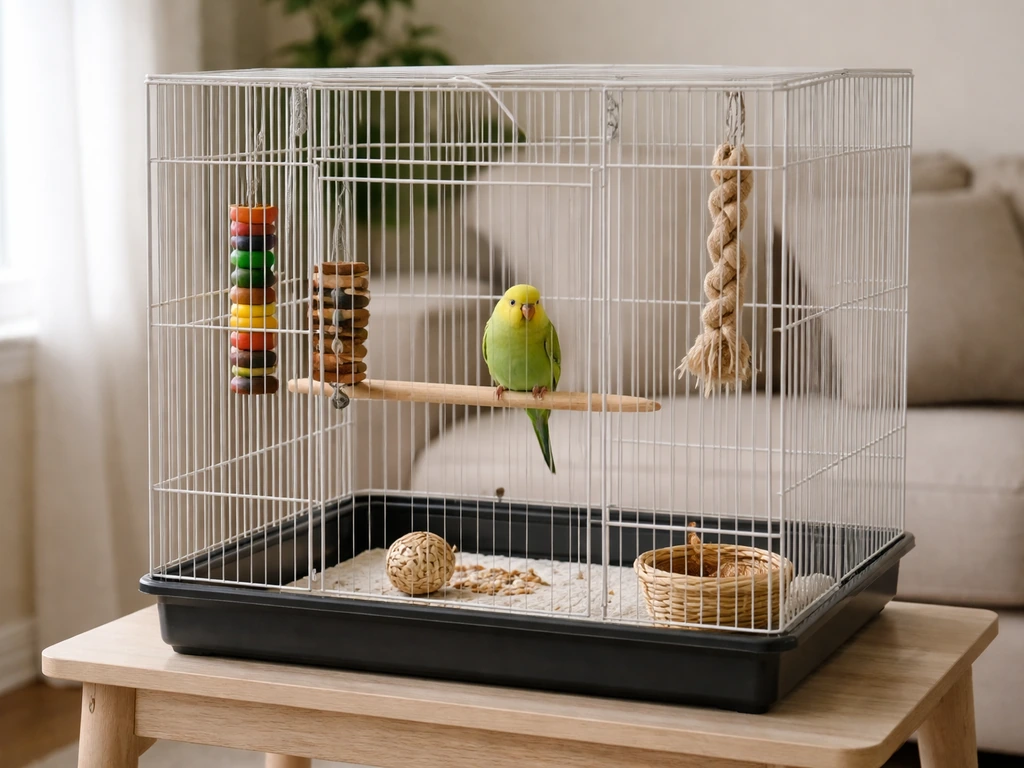
Training works faster and sticks longer when you also change the environment so the bird has fewer reasons to bite in the first place. Most ear-biting problems involve some combination of boredom, overstimulation, and a cage or perch setup that keeps the bird in a constant state of alertness or frustration.
Perch and cage placement
The cage should be at chest height or lower, never above eye level. A bird whose cage is at or above your head level has a positional advantage that can amplify territorial and dominant behaviors. Place the cage in a busy-but-not-chaotic area so the bird gets social stimulation without constant high-alert stress. Avoid positioning the cage directly in front of windows with heavy foot traffic or predator activity outside, which keeps the bird in a chronic stress state.
Enrichment that channels biting instinct
A bored bird bites ears because it has nothing better to do. Rotate foraging toys, shreddable toys, and puzzle feeders regularly so novelty stays high. Clip a dedicated shoulder toy (a small piece of cork, leather strips, or a foot toy) to your shirt near the shoulder when you are working with your bird.
To stop a bird from chewing wood, you’ll want to remove access to the unsafe wood, increase safe chew options, and adjust the bird’s routine to reduce boredom and overstimulation. This gives the beak somewhere to go that is not your ear. The key is rotating the toy so it stays interesting: a toy left in the same spot for weeks becomes invisible to the bird.
Light and sleep schedule
Many birds that are chronically overstimulated or hormonal are also sleep-deprived. Most parrots need 10 to 12 hours of darkness per night in a quiet location. If your bird is in a room where lights or the TV stay on until midnight, it is almost certainly under-rested, and that makes biting and reactivity measurably worse. Use a cage cover and, if necessary, move the cage to a quieter room for sleep. A consistent light/dark routine is one of the fastest environmental wins for reducing overall irritability and biting.
Management changes to stop the biting cycle from repeating
Management means setting up daily life so the bird does not get repeated chances to practice biting your ear. Every time the bite is rehearsed, it becomes more ingrained. Prevention is not a long-term substitute for training, but during the training period it is essential.
- Remove dangling earrings before handling your bird — they are a major biting trigger and can also injure the bird if swallowed
- Limit shoulder time to supervised, short sessions until biting is reliably reduced — 10 to 15 minutes maximum initially
- During hormonal season (typically late winter through spring), avoid petting your bird on its back, wings, or vent area, which stimulates mating behavior and dramatically increases biting and possessiveness
- Do not carry your bird to your ear or face as a reward or to comfort it — this reinforces the pattern where proximity to your ear is the goal
- Keep a consistent daily routine: feeding, out-of-cage time, and sleep at predictable times reduce anxiety-driven biting
- If you have guests who tend to let the bird climb to their shoulders, brief them on the plan before the bird comes out
- During high-risk times (first thing in the morning when the bird is most energized, or during hormonal peaks), do hand-based interaction instead of shoulder time until you see consistent improvement
When to call an avian vet or certified bird behaviorist
Not all biting is a training problem. Sudden changes in behavior, especially in a bird that was previously calm and handleable, are a red flag for an underlying medical issue. Illness can change a bird's personality and turn a gentle bird into one that bites when touched, particularly near the painful area. Before committing to weeks of behavior modification, rule out medical causes if any of the following are present:
- Biting started suddenly with no change in handling or routine
- The bird is also fluffed, lethargic, or sleeping more than usual
- You notice changes in droppings (color, consistency, or volume)
- The bird reacts particularly strongly when touched in one specific area (possible pain response)
- Feather condition has changed alongside the biting
- The bird has lost or gained weight noticeably
- There is any discharge from the eyes, nares, or beak
An avian vet can run a blood panel (complete blood count and biochemistry) to check for infection, organ issues, or nutritional deficiencies that could be driving behavior changes. Do not assume a sudden aggression shift is purely behavioral without at least a basic health check first.
If the bird has a clean bill of health but biting is severe, fear-based, or has not improved after 4 to 6 weeks of consistent training, a certified parrot behavior consultant is worth the investment. Fear-based biting especially can escalate quickly if handled incorrectly, and a professional can build a tailored desensitization plan and observe body language cues you might be missing. This is the same kind of escalation point discussed in related biting scenarios, including when birds become aggressive toward their own reflection or attack people unpredictably. This same behavior framework also applies when birds become aggressive toward their own reflection and start attacking it.
Long-term prevention, building proofing, and seasonal planning
Once your bird's ear-biting is under control, a few proactive habits will prevent it from coming back. The biggest seasonal risk period is late winter through spring, when hormonal surges make even well-trained birds more reactive, nippy, and possessive. During this window, reduce shoulder time, switch back to hand-based interaction, limit back and wing petting, and expect some regression. Ride it out with consistent management rather than abandoning the training framework.
Simple monthly maintenance checklist
- Rotate enrichment toys every 1 to 2 weeks to maintain novelty and reduce boredom-biting
- Review the sleep schedule each month — if household routines have shifted, recalibrate light/dark timing
- Refresh step-up and step-down practice with everyone in the household, especially after any long period without regular handling
- During hormonal season, proactively reduce contact stimulation and increase foraging enrichment as a behavioral outlet
- Check the cage height and placement — if furniture has moved or the bird's eye level has changed, adjust accordingly
For facility managers and homeowners dealing with wild birds near buildings
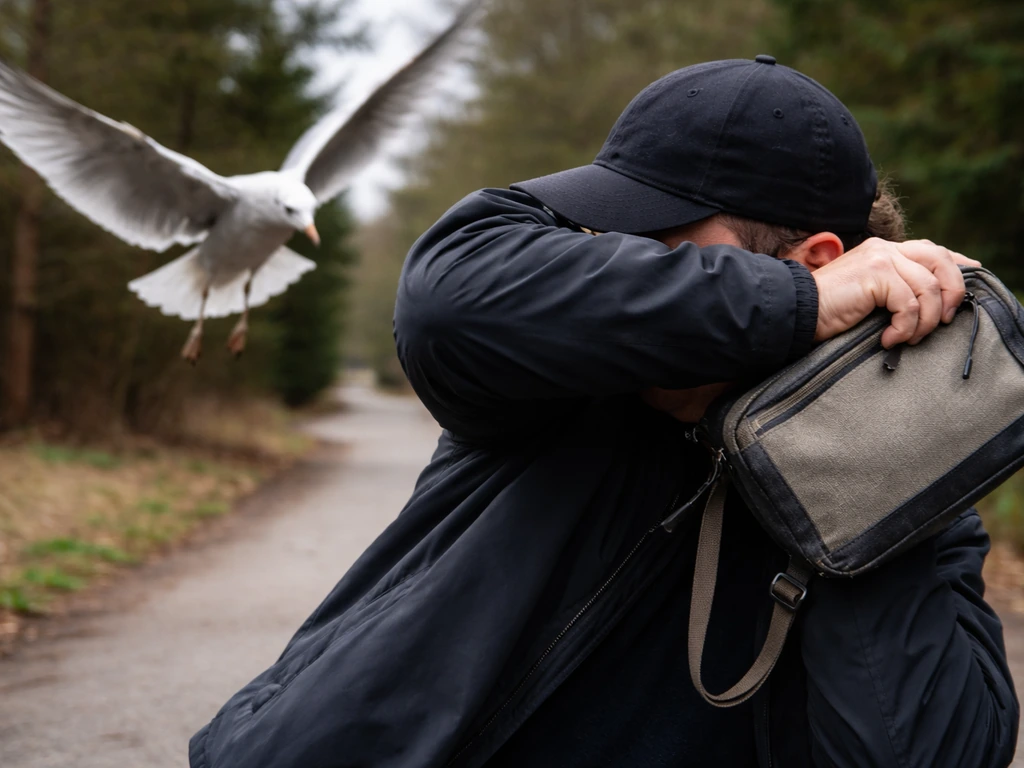
If the biting concern involves a wild bird rather than a pet, the approach shifts significantly. If you are dealing with wild birds near your home or workplace, the steps and deterrents for stopping attacks are different from training a pet, so use the wildlife guidance in the later section how to stop bird attacks.
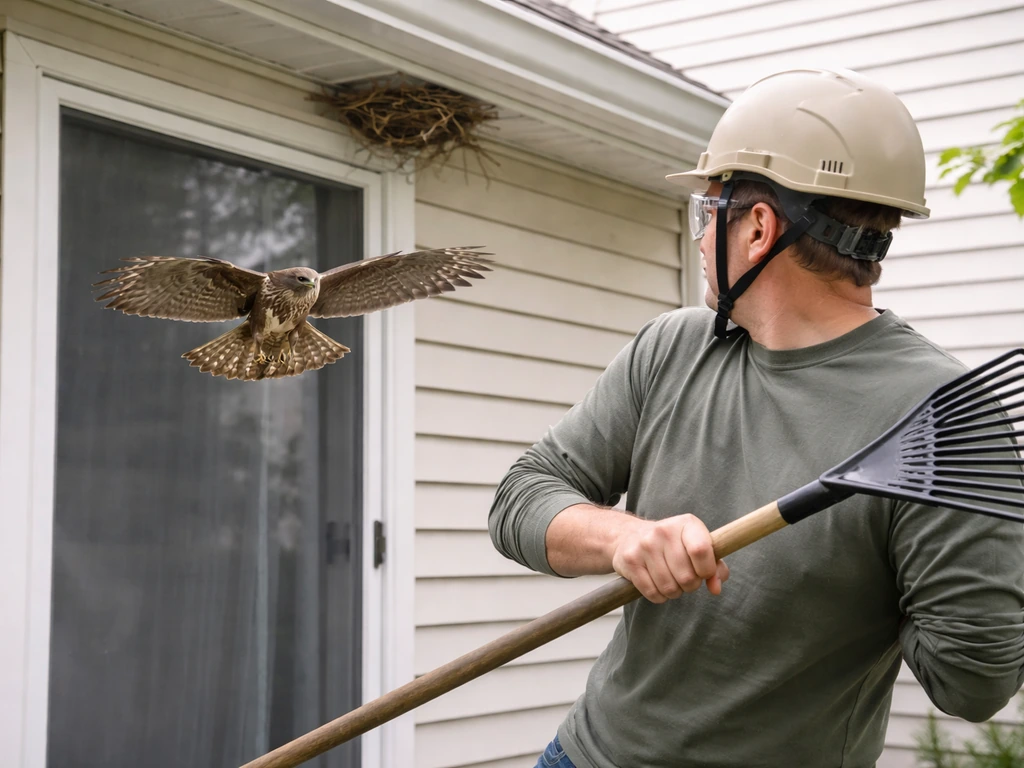
If your problem is specifically a bird pecking at your house, use passive deterrents and manage nesting areas to reduce the opportunity for repeated pecking wild bird peck or bite people near buildings. Wild birds that approach and peck or bite people near buildings are typically defending a nest or territory, which is especially common during nesting season (spring through early summer).
The humane response is to identify and mark the nesting area, avoid approaching it during the active period, and use passive deterrents like reflective tape or exclusion netting on building entry points to redirect bird traffic away from high-foot-traffic zones. Do not attempt to remove nests or handle wild birds yourself: many species, including most songbirds and raptors, are federally protected under the Migratory Bird Treaty Act, and interfering with active nests can carry legal penalties.
Contact a licensed wildlife professional or your local wildlife agency if a wild bird poses a genuine safety risk or if exclusion work requires access to protected nesting sites. The proofing and deterrent principles are similar to those covered in managing birds that peck at building exteriors or attack people near structures, but legal considerations make professional escalation the right call for most wild-bird scenarios.
For pet birds, the long-term goal is a relationship where the bird has enough enrichment, sleep, and predictable interaction that biting your ear simply does not offer much compared to everything else available to it. If you still notice plucking behaviors, focus on the same foundations: reduce triggers, increase enrichment, and use consistent, humane training routines stop a bird from plucking its feathers. Get the triggers identified, get the environment right, and stay consistent with training. Most birds show meaningful improvement within 2 to 4 weeks, and solid improvement within 6 weeks, when all three pieces are in place at the same time.
FAQ
What should I do the moment my bird bites my ear, before I start training?
Interrupt the shoulder session calmly by moving your bird away immediately, redirecting to a perch or toy within a few seconds, and then ending the interaction. Avoid eye contact, talking, flinching, or putting your face back near the bird, because those reactions can unintentionally reward the bite.
How can I tell if the biting is hormonal versus overstimulation or fear?
Hormonal biting often comes with more guarding or possessive behavior around the owner, and it tends to cluster during predictable seasonal periods. Overstimulation is more likely when the bird is already excited or “amped up” from too much handling or chaotic activity, while fear-related biting usually shows early warning body language such as crouching away, freezing, or sudden sudden retreat before the bite.
Should I stop letting my bird sit on my shoulder completely?
For the short training window, reduce shoulder time to prevent repeated practice of the behavior, but do not abandon shoulder-based goals forever. Use a step-up plan and a designated shoulder toy so the bird has an approved alternative and you can reinforce calm moments without constantly removing the bird.
My bird only bites when I wear certain earrings. Is that normal?
Yes. Dangling, bright, or scented items can look like food or a toy. Temporarily switch to simple, non-dangling accessories, avoid strong perfumes near your skin, and use the same ear-safe routine so the bird learns that the area near your ear does not lead to biting.
What if my bird bites less when I ignore it, but bites again as soon as I move away?
That pattern can mean the bird is chasing attention or seeking access to your face. Keep redirection consistent, end the shoulder interaction immediately after a bite, and do not allow a quick return to the shoulder during the same session. If the bird escalates, slow down training and work at a greater distance using desensitization.
Can I use treats to lure my bird away from biting, or does that reward the bite?
Use treats only after the bird is calm and not biting, so the reward is tied to the alternative behavior. If you offer food immediately during an active attack, you may accidentally reinforce the bite. A better approach is to redirect to a toy first, then reward calm proximity or step-up.
How often should I practice step-up, and what if my bird learned it means “training ends”?
Keep sessions short, around 3 to 5 minutes, and end while the bird is still engaged and calm. If the bird has started associating step-up with the end of fun, follow step-up with continued play or interaction right away, rather than always sending the bird away afterward.
What are signs the bite is deep enough that I should seek medical care right away?
Get urgent care promptly if the bite is deep, near the ear canal, on the face or neck, or if you notice significant swelling, increasing pain, warmth, redness that spreads, or any drainage. Bird bites can introduce bacteria, so err on the side of evaluation rather than waiting for symptoms to fully develop.
My bird’s behavior changed suddenly, and now it bites my ears when touched. What should I check first?
First rule out medical causes, especially if the bird was previously handleable. Sudden aggression near a specific area can reflect pain or illness. Arrange a basic avian vet check, such as blood work, before assuming the problem is purely behavioral.
How long should I wait before I assume training is not working?
If you have consistent redirection, differential reinforcement for calm behavior, adequate sleep, and environmental trigger control, many birds improve within a few weeks. If there is no meaningful improvement after about 4 to 6 weeks, or if biting is escalating or fear-like, consider a certified parrot behavior consultant for a tailored plan.
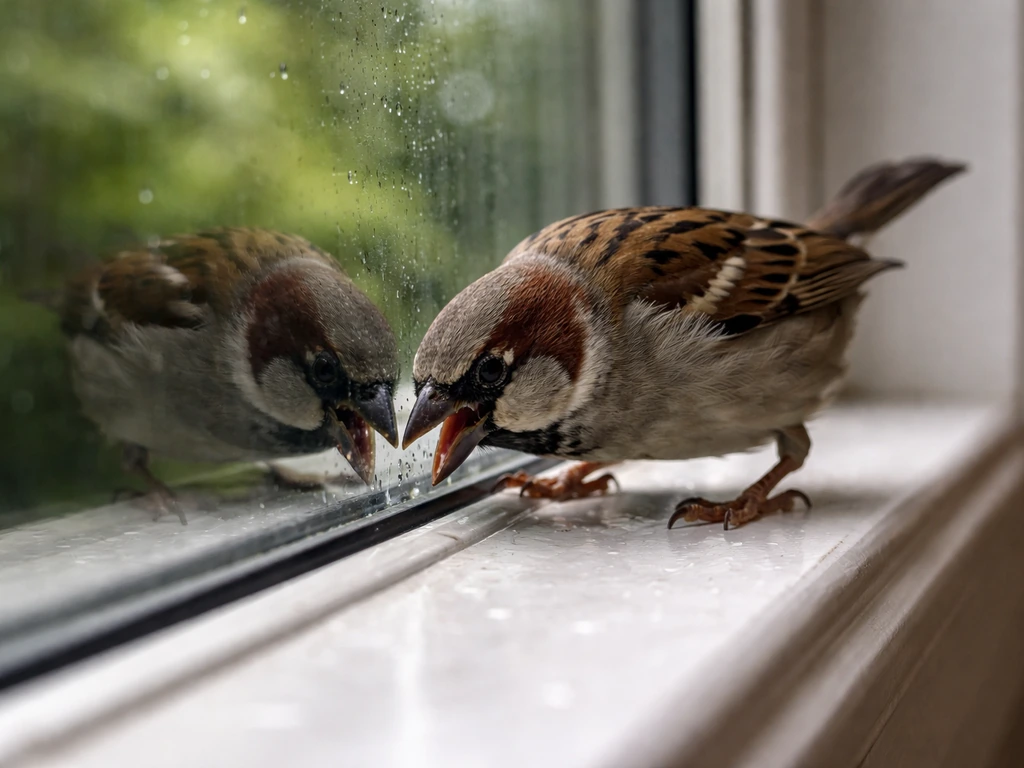
Is biting aimed at reflections or other birds related to ear biting?
It can be. Birds that react aggressively to reflections or unpredictably to people often share underlying trigger issues such as hormonal drive, overstimulation, or fear. If you see similar escalation patterns in other contexts, address those triggers systematically instead of only correcting the ear interaction.
What should I do if my bird is chewing or plucking while also biting my ears?
Treat it as a combined enrichment and trigger problem. Increase safe chew options, rotate foraging and shredding toys, and ensure adequate rest. Then use the same humane training framework, rewarding calm and redirecting to approved alternatives so the bird has fewer reasons to seek stimulation through biting or pulling feathers.
How do seasonal hormone surges affect ear biting, and how can I prepare?
During late winter through spring, many birds become more reactive and possessive. Plan for reduced shoulder time, more structured hand-based interaction, fewer touch types that escalate arousal, and expect some temporary regression while you keep sleep, routine, and reinforcement consistent.
What if this is a wild bird pecking at my face or ears near my door or windows?
Do not treat it like pet training. Use passive, location-based deterrents and avoid approaching the area during peak nesting or territorial periods. If active nests are involved or exclusion requires access to protected areas, contact a licensed wildlife professional, because handling or interfering with nests can carry legal consequences.