Cover the outside of the glass right now. That single step fixes the problem faster than anything else. A bird attacking its reflection is responding to a territorial rival it can see but never chase away, and the only way to end the standoff is to break or block the reflection from the bird's side of the glass. You don't need to trap the bird, shoo it away, or wait out the breeding season in silence. Work through the steps below in order: stop the attack today, then put a longer-term fix in place so it doesn't come back next spring.
How to Stop a Bird From Attacking Its Reflection

Maya Carver
12 Jun 2026
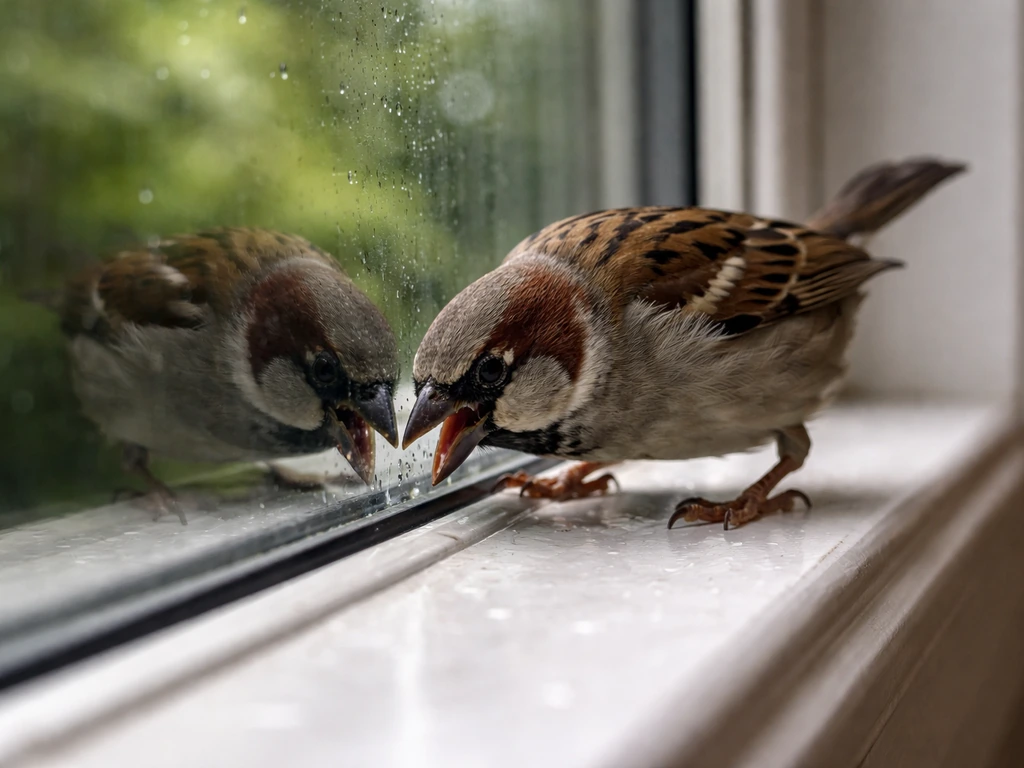
Why birds attack their reflection (and where it happens)
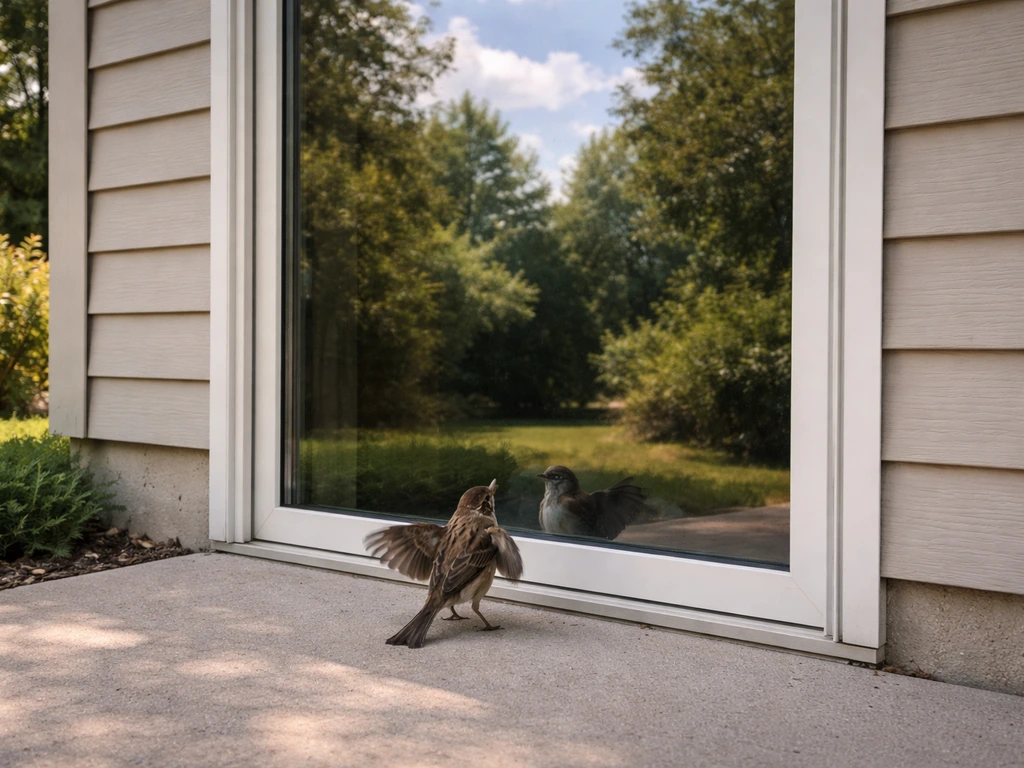
This is pure territorial behavior, not confusion. During breeding season, typically spring through early summer, male birds stake out a territory and defend it aggressively against rivals. When a bird sees its own reflection in a window, a car mirror, or any shiny surface, it reads that image as another male of the same species standing its ground. Every time the bird lunges at the glass and the 'rival' lunges back, it looks like a standoff that won't resolve, so the bird keeps coming back. Northern Cardinals and American Robins are among the most commonly reported offenders, but any territorial species can do this.
It happens wherever the glass acts like a mirror from the bird's vantage point outside. A window in full shade with a bright room behind it, a vehicle door mirror, a glass-fronted building, a sliding door reflecting a garden, a polished metal surface, even a large TV screen visible through a window. The key is that the reflection looks convincing enough to trigger a territorial response. Knowing that, your fix is always the same: make the exterior of the reflective surface visually obvious so the bird stops seeing a rival and starts seeing a barrier.
This is worth distinguishing from a bird flying into a window by accident (a collision event). Reflection attacks are deliberate, repeated, and almost always happen at the same spot. If the bird is tapping, fluttering, or striking the glass in the same location multiple times a day, you're dealing with territorial reflection behavior, not a disoriented flier.
Emergency: stop the attack in the next 5–30 minutes
Your goal right now is to break the reflection before the bird exhausts itself or injures its beak and feet. Repeated strikes cause real physical wear over days, so acting fast is genuinely humane. Here's what to do immediately, in priority order.
- Go outside and stand where the bird is standing. Look at the glass from that angle. You'll immediately see which pane, which portion, and which height creates the mirror-like view. That exact area is what you need to treat.
- Tape, pin, or hang something on the outside surface to break the reflection. A piece of newspaper, a sheet of cardboard, a strip of kraft paper, or even a few lengths of ribbon or string will do it. This is a 5-minute fix and it works. Don't apply anything to the inside of the glass; the bird responds to what it sees from outside.
- If you have window screen material, netting, or shade cloth on hand, drape or clip it over the outside of the glass. Hold it at least 2–3 inches away from the glass surface so that if the bird does bump it, it bounces off rather than hitting the glass through the mesh.
- Move any potted plants, bird feeders, or birdbaths that sit directly in front of the window. These attract the bird to the area, and the closer it perches, the more convincingly the reflection appears.
- If the attack is happening on a vehicle mirror, fold the mirror in when parked and drape a plastic bag or cloth over it. This is the fastest fix for a car or truck.
Do not chase the bird, clap at it, spray it with water, or attempt to catch it. If the bird is attacking you near the windows, stop the reflection trigger and cover the exterior surface as the most effective way to prevent repeat attacks how to stop a bird from attacking me. That startles it without solving the problem, and in many countries migratory songbirds are legally protected, meaning injurious hazing is not an option. The bird will return the moment it settles down and the reflection reappears.
Quick DIY fixes: cover, change lighting, reduce sightlines
Once the immediate attack is interrupted, you want something that holds for several days while you plan a more permanent fix. The same approach of removing the bird's line of sight to reflective glass helps you stop pecking at a house too how to stop bird from pecking house. These options are all reversible, inexpensive, and can be done in under an hour.
Cover the exterior surface
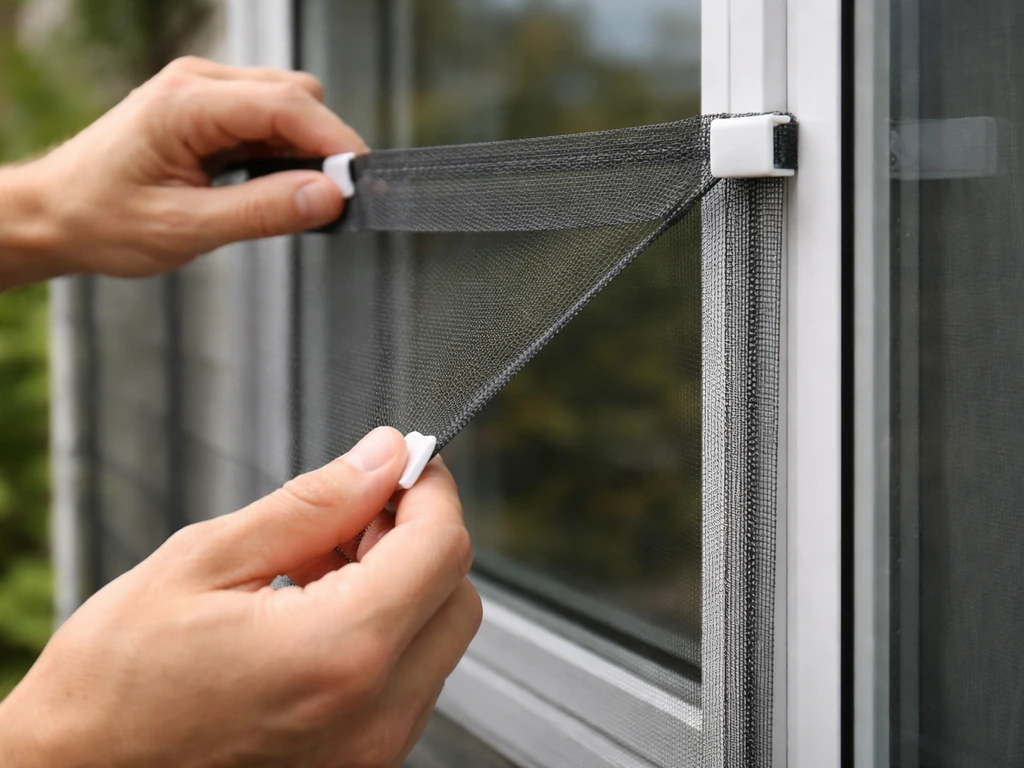
Window screening is the most reliable short-term cover. Clip or staple it to the outside of the frame, keeping it 2–3 inches proud of the glass. The gap is important: a bird that bumps the screen bounces off safely instead of hitting the glass. Use mesh with openings no larger than half an inch so small birds can't get their heads or feet caught.
Apply temporary exterior markings
Tempera paint and washable window markers work well here. Apply a pattern directly to the outside of the glass. The pattern needs to be dense enough to break up the mirror effect across the whole pane, not just a few corner stickers. A useful rule of thumb: space your marks no more than 2 inches apart in both directions so the bird can't find a clear 'window' in the pattern to look through. Tempera paint washes off with rain or a wet cloth, so you can remove it once the breeding season ends.
Hang ribbons, paracord, or strips
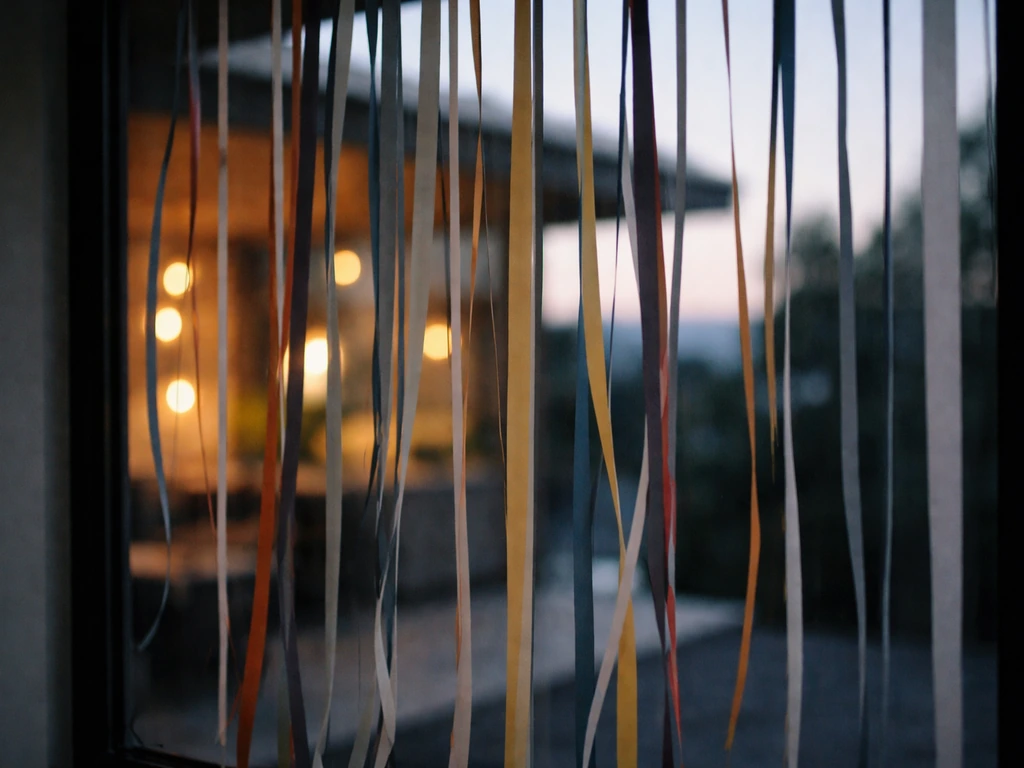
Long strips of ribbon, surveyor's tape, or paracord hanging vertically from the top of the window frame break up the reflective surface and flutter in the breeze, which helps too. Space them every 4 inches or less across the width of the pane. This is a particularly good option for large windows or sliding doors where taping cardboard isn't practical.
Adjust lighting to reduce glare
At night, a brightly lit room behind dark glass turns every window into a near-perfect mirror from outside. Close your blinds or shades after dark, turn off nonessential interior lights near windows, and angle any outdoor security lights away from the glass. This matters most during the day too: if a window faces a shaded wall or tree line, the shaded exterior makes the glass appear reflective even in daylight. Adding an exterior shade, awning, or overhanging trellis reduces that effect without blocking your view.
Move attractants away from the window
Bird feeders and birdbaths within about 10 feet of an attacked window reliably bring territorial birds right back to the problem spot. Either move them more than 30 feet away, or temporarily remove them entirely until the breeding season is over. Removing the perch opportunities within a few feet of the glass, such as a fence rail, a porch railing, or a potted shrub, also reduces the bird's ability to settle in and stare at the 'rival.'
Long-term prevention: make glass non-reflective and add deterrents
Seasonal tape and paper will eventually fall off or get removed, and next spring the same bird, or its offspring, may return. A permanent or semi-permanent exterior treatment is worth the investment if you've had repeated incidents. Here are the main options compared.
| Treatment | How it works | DIY difficulty | Durability | Best for |
|---|---|---|---|---|
| Bird-safe window film (e.g., Feather Friendly, WindowAlert UV) | Dot or grid pattern on exterior glass surface makes glass visible; some use UV-reflective dots birds see clearly | Easy, peel-and-stick | 3–5 years outdoors | Single windows, homeowners |
| ABC BirdTape (adhesive tape strips) | Strips applied to exterior in 2-inch grid; breaks reflection across full pane | Easy | Seasonal, 1–2 years | Temporary to semi-permanent fix |
| Acopian BirdSavers (paracord curtains) | Paracord strands hang vertically, spaced 4.25 inches apart; deflects birds before glass contact | Moderate, requires frame attachment | 5+ years outdoors | Large windows, multi-pane facades |
| External window screen or netting | Physical barrier 2–3 inches from glass; mesh ≤0.5-inch opening | Moderate | 3–5 years with maintenance | Windows with frames that accept clips/staples |
| Etched or frosted glass (retrofit or replacement) | Permanently breaks reflection; sandblasted or acid-etched finish on exterior surface | Requires professional installation | Permanent | Buildings, facilities, major retrofits |
| One-way privacy film (interior) | NOT recommended as primary fix; birds respond to exterior reflection, not interior view | Easy | N/A | Not suitable alone for this problem |
The single most important rule across all of these: the treatment must be on the exterior surface. Interior films or decals may look like they should work, but birds are responding to what they see reflected in the outside of the glass. Exterior application changes that image; interior application mostly does not.
For spacing, follow the 2-by-2-inch rule for flat decals, dots, and tape: pattern elements should be no more than 2 inches apart in any direction. For hanging cord solutions like Acopian BirdSavers, strands spaced at approximately 4 inches apart are effective because the vertical movement adds a visual disruption that flat decals don't provide. The U.S. Fish and Wildlife Service's technical guidance uses the same 2-inch spacing standard for visual markers as a baseline for effectiveness.
If you manage a facility or a building with extensive glazing, consider a phased approach: apply temporary treatments (tempera paint, tape, netting) during the current breeding season, monitor which windows attract repeat attacks, then prioritize those panes for permanent film or etching retrofits before the following spring. This 'treat and monitor' cycle is the same approach recommended for commercial bird-safe building upgrades and keeps costs manageable.
Troubleshooting tricky situations
The bird won't leave even after I covered the window
Check whether there's another reflective surface nearby that the bird has switched to. Neighboring windows, a car parked in the driveway, a metal downspout, or even a glazed ceramic pot can all create convincing reflections. Walk the area and look from the bird's likely perch points. If you've covered every visible reflection and the bird is still loitering, it may have found a second 'rival' elsewhere in the territory. Cover or treat each one.
One technique worth trying if the bird is fixated on a specific pane: place a real mirror a few feet away from the attacked window, angled so the bird can see itself in it. The idea is to redirect the territorial attention to a controlled location away from your main glazing while you get a proper treatment installed. It sounds counterintuitive, but the bird is going to look for a reflection regardless; giving it one that's easier for you to manage can buy time.
Multiple windows are being attacked, or multiple birds are involved
If a bird is working along a row of windows, it's likely moving along a territorial boundary and each pane creates a fresh 'rival.' Treat all the panes in sequence, working from the one the bird visits most. If two different birds are involved, they're almost certainly defending separate territories that happen to overlap around your building. Identify which bird is attacking which window (cardinals and robins rarely share a territory boundary) and treat each problem pane individually.
The reflection is coming from an indoor screen or monitor
A large TV or monitor visible through a window at night can create a reflection visible from outside, especially when the surrounding room is dark and the screen is bright. The fix is the same principle but applied differently: close the blind or curtain between the screen and the window after dark, or reposition the screen so it's no longer visible from outside. Anti-glare screen covers on monitors can help reduce the reflective quality of the screen itself, but physically blocking the line of sight between screen and window is faster and more reliable.
I can't cover or modify the window right now
If you're in a rental, a listed building, or a situation where you can't attach anything to the exterior glazing, your fastest option is washable window marker or tempera paint applied directly to the outside of the glass in a dot or stripe pattern. If your real problem is chewing wood rather than attacking a reflection, focus on removing the chewable surfaces and making the area unappealing to the bird how to stop a bird from chewing wood.
Both wash off cleanly. Alternatively, prop a piece of cardboard or foam board against the outside of the glass from the inside of a window that opens, using the window sash to hold it in place. It looks odd, but it works for a few days while you arrange something better.
Safety, legality, and humane handling guidance
Before you do anything that involves physically interacting with the bird or disturbing its nesting area, understand the legal context. If your bird is also biting you at close range, use humane window-reflection fixes first and then look for bird-specific ear-biting steps like how to stop my bird from biting my ears. In the United States, most songbirds, including cardinals, robins, and hummingbirds, are protected under the Migratory Bird Treaty Act.
Intentionally injuring, capturing, or killing a protected migratory bird without a permit is a federal offense. That doesn't prevent you from modifying your own windows, but it does mean that lethal traps, adhesive surfaces that could catch birds, netting that birds could get entangled in, and any hazing that could injure a bird are off the table.
In the United Kingdom, all wild birds are protected under the Wildlife and Countryside Act 1981. RSPCA guidance on moving bird nests explains that clearing or moving nests at the wrong time can be an offence under this protection In the United Kingdom, all wild birds are protected under the Wildlife and Countryside Act 1981.. Disturbing an active nest, damaging a nest in use, or injuring a wild bird is a criminal offense. If the attacking bird has a nest nearby, do not disturb that nest or the surrounding vegetation while it's in use, even if the bird is a nuisance. Apply your window treatments from a safe distance without approaching the nest.
In the EU, the Birds Directive (2009/147/EC) prohibits deliberate disturbance of wild birds, particularly during breeding and rearing periods. The same principle applies: humane, non-contact modification of the reflective surface is both the legally safe and practically effective approach.
For your own safety: if the attacked window is high up or requires ladder work to treat, use proper fall protection and don't work alone. For ground-level windows, no special equipment is needed, but wear gloves if you're handling netting or staple guns. If a bird has genuinely injured itself (broken wing, blood visible, unable to fly), do not attempt to handle it with bare hands. Contact a licensed wildlife rehabilitator immediately.
The bottom line on handling: the best approach across every conservation authority is to change what the bird sees, not to interact with the bird at all. That approach is both the most humane and the most legally straightforward.
When to call wildlife professionals + seasonal prevention checklist
Most reflection attacks resolve on their own once the breeding season ends, typically by midsummer. If you've applied exterior treatments and the bird is still attacking after a week, revisit the area and look for a missed reflective surface. You genuinely shouldn't need professional wildlife intervention for a typical reflection attack on a home window.
Call a licensed wildlife professional or avian rehabilitator if: the bird appears injured and cannot fly normally; the bird has become entangled in netting or screen material; you're managing a large commercial or institutional building where multiple species and multiple windows are involved and a building-wide retrofit assessment is needed; or you're dealing with a species you suspect may be on a protected or threatened species list with enhanced legal requirements beyond standard MBTA coverage.
For facility managers overseeing large glazed buildings, American Bird Conservancy's building retrofit guidance is the right starting point for a formal assessment. Provide the professional with: the building address, a list of affected windows by floor and orientation, the species involved if known, the duration of the problem, and photos of the window from outside at the bird's approach angle. That information lets them prioritize which panes to treat first.
Seasonal prevention checklist
| Season / Timing | Action |
|---|---|
| Late winter (Feb–Mar, Northern Hemisphere) | Inspect all south- and east-facing windows for reflective surfaces from ground level. Note any new landscaping or structures that create new reflection angles. |
| Early spring (Mar–Apr) | Apply or reinstall exterior treatments (film, tape, or cord) on any windows that had problems the previous year. Move feeders and birdbaths away from problem windows before territorial birds arrive. |
| Peak breeding season (Apr–Jun) | Monitor daily for new attack sites. Keep a quick-fix kit on hand: tempera paint, tape strips, spare netting. Adjust indoor lighting and close shades at night. |
| Midsummer (Jul–Aug) | Attacks typically stop as breeding season winds down. Remove any temporary treatments (tempera paint, paper) and assess which windows need permanent upgrades before next spring. |
| Fall (Sep–Nov) | Reinstall or check permanent film and cord treatments. Inspect netting for damage or sagging. Note any new vehicle or outdoor mirror placements that might create problems. |
| Year-round | Keep the area within 10 feet of problem windows clear of bird attractants during breeding season. Log any repeat incidents by window ID so you can prioritize retrofits. |
Installation and monitoring plan
After you apply any treatment, check it at 24 hours and again at 72 hours. Walk to the bird's usual perch position and look at the window yourself. If you can still see a clear reflection in any portion of the treated area, the coverage is insufficient and the bird likely can still see a rival. Add more coverage to those gaps. At one week, if attacks have stopped, the treatment is working. If they haven't, the bird has found a new reflective surface and your job is to find it first.
Keep a simple log: window location, date of first attack, treatment applied, date attacks stopped. Over two or three seasons this log tells you exactly which windows need permanent treatment and helps you build a cost-effective retrofit schedule rather than scrambling every April. It's also the documentation a wildlife professional or building consultant will ask for if you ever need to escalate.
Reflection attacks and direct attacks on people or other birds are different problems that sometimes overlap during breeding season. If you're also dealing with birds diving at people near the building, that's a separate territorial behavior worth addressing on its own terms alongside the window fixes.
FAQ
How can I tell if my bird is attacking a reflection versus flying into the window by accident?
A quick test is to cover just the outside portion of the pane that the bird targets (or cover it with a temporary exterior screen or marker dots). If the bird stops within a day or two, it confirms reflection-trigger territorial behavior rather than a one-off collision or illness.
What should I do if I covered the window but the bird keeps attacking anyway?
If you can’t find a clear “missing piece,” assume there is another reflective surface within the same line of sight, such as a nearby window, car body, downspout, polished décor, or even a TV/monitor reflection at night. Walk from the bird’s usual perch and look outward at eye level, not from your doorway.
Will putting tape or stickers on the inside of my window stop the bird?
Do not use interior decals, suction cups, or spray-on treatments placed only inside the room. Birds are reacting to what reflects from their side (outside the glass), so the barrier needs to be applied to the exterior surface or otherwise block the exterior reflection.
How long should I keep the temporary solution on before I remove it?
The highest-risk time for reappearance is early in the day and during the first couple of hours after a bird has established the territory. Keep exterior coverage in place for several days after attacks stop, then re-check at 24 and 72 hours before removing or downgrading any temporary measures.
How do I know my pattern spacing is enough to stop the attacks?
Avoid “partial coverage.” If there are gaps larger than about 2 inches in any direction for flat exterior markers, dots, or tape, birds can still find a view of the “rival.” Add more elements so the entire targeted viewing area breaks the reflection.
What’s the right way to use washable marker or tempera paint, and what mistakes make it fail?
If your plan is marker or tempera paint, apply a full, dense pattern to the exterior, because a few corner stickers often leave enough clear reflection for repeat strikes. Tempera paint can be removed later, but marker coverage should be treated as temporary unless you’re sure it will weather off safely.
If my bird attacks one window, will it start attacking another one soon after I fix it?
Yes, the bird can switch targets to another pane that still reflects it convincingly from a nearby perch. Treat the full row or cluster in order, and after you fix one window, watch whether the bird relocates within 1 to 2 days.
What should I do if the bird is injured or stuck after repeated window strikes?
If the bird is entangled or bleeding, or it can’t fly normally, don’t try to pull it free yourself or handle it bare-handed. Instead, contact a licensed wildlife rehabilitator right away, and if it is stuck in netting or a screen, prevent other animals or people from accessing the area until help arrives.
Do feeders and birdbaths affect window reflection attacks, and how should I position them?
Even if the bird stops, feeding or bathing near the window can recreate the same territorial focus point. Remove bird feeders and birdbaths within roughly 10 feet during the problem period, or relocate them more than 30 feet away until breeding activity settles.
What are my options if I’m renting or I can’t modify the exterior of the glass?
If you rent or cannot attach anything to the exterior, the safest effective option described is washable window marker or tempera paint applied to the outside. As a workaround for opening windows, you can prop a barrier from the inside so it blocks the exterior view, but make sure it covers the outside line of sight, not just the room’s interior glare.
Can reflection attacks and aggressive direct attacks be caused by the same bird, and how do I prioritize what to fix?
Yes. If the bird is attacking people directly near the same area, it may be another territorial defense behavior rather than a reflection issue. Address window triggers first to reduce risk, then evaluate the bird’s specific behavior pattern (for example, repeat dives or guarding an adjacent area).
At what point should I assume I have the wrong reflective surface or the wrong fix, and what’s the next step?
If attacks continue after about a week despite proper exterior coverage, do a targeted re-audit: check from the bird’s likely perch points, look for additional reflections outside your initial scope, and confirm the entire targeted view area has no clear “window” through the treatment.
How should I monitor the window after I apply a treatment?
After applying any treatment, inspect it from outside at the bird’s approach angle at 24 hours and again at 72 hours. If you still see a sharp reflection through any untreated gap, add coverage immediately, because birds often exploit even small clear areas.
Are there legal or ethical restrictions on what I can do to stop the bird?
In many regions, intentionally capturing, injuring, or killing protected migratory birds can carry legal risk. As a practical substitute, focus on non-contact exterior modifications (markers, paint, screens, external visual disruption) and avoid netting or adhesives that could entangle or trap birds.