Walk away calmly, protect your face and eyes, and put something between you and the bird. That is the core response when a bird attacks you. Do not run, do not swat at the bird, and do not make sudden aggressive movements. Once you are out of its defense zone, the attack almost always stops on its own. What you do next depends on whether you are dealing with a one-time scare or a recurring problem around your home or building.
How to Stop a Bird From Attacking You: Immediate Steps

Maya Carver
21 May 2026
Immediate safety steps if a bird attacks
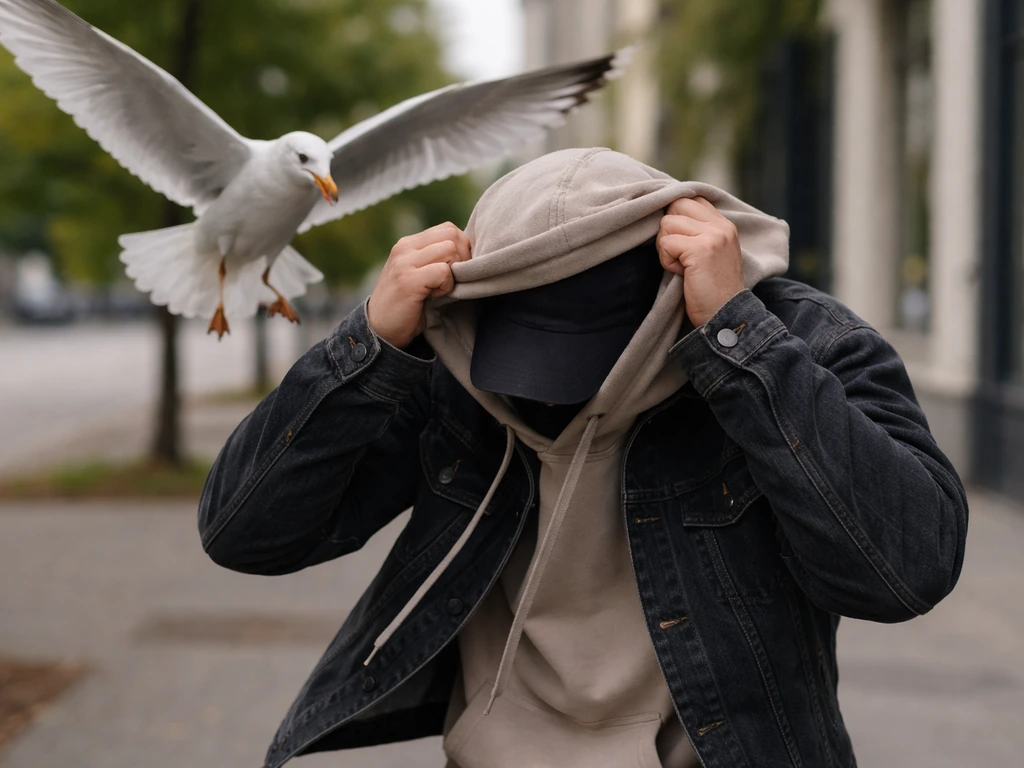
Bird attacks can cause real injury. Talons can scratch, bills can puncture, and a direct strike to the eyes or face is a genuine risk. Treat it seriously, especially with larger birds like red-tailed hawks, Canada geese, or great horned owls. Here is what to do the second an attack starts.
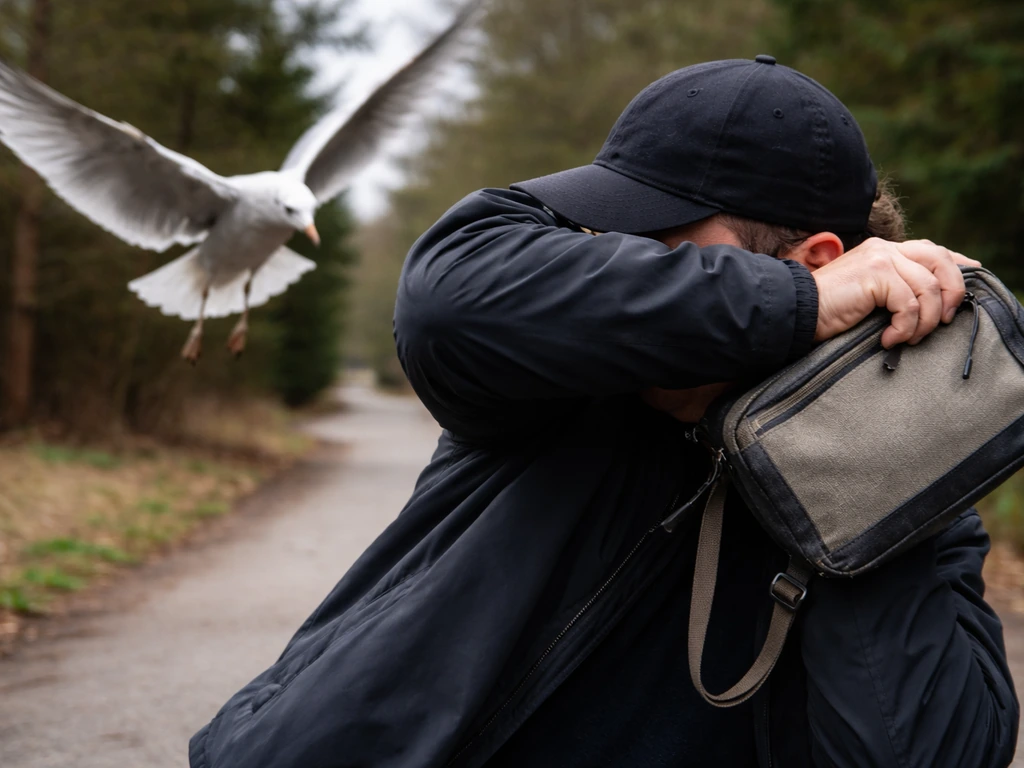
- Cover your face and eyes immediately. Use your arms, a bag, a jacket, a hat, or an open umbrella held above your head. Sunglasses protect your eyes well. A broad-brimmed hat protects the back of your skull.
- Do not run. Running triggers chase behavior and you are unlikely to outpace a bird in the air. Walk quickly and steadily away from the area instead.
- Face the bird as you leave. Some birds, especially Australian magpies and mockingbirds, are deterred when you make eye contact. Walk backward or sideways while keeping the bird in your line of sight.
- Put a physical barrier between you and the bird. An open umbrella, a raised bag, a clipboard, or even a bicycle walked beside you breaks the bird's flight path and interrupts the attack.
- Get indoors or under cover as fast as you can walk. A car, a building entrance, a covered walkway, or a dense hedge all count. Once you cross out of the bird's perceived defense zone, the attack stops.
- Do not retaliate. Swinging at the bird, yelling aggressively, or throwing objects escalates the situation and can injure the bird, which may carry legal consequences under federal migratory bird law.
After you are safe, check for any scratches or puncture wounds and clean them with soap and water. If a talon or bill broke skin near your eyes or face, see a doctor. Birds can carry bacteria and, in rare cases, other pathogens.
How to tell what kind of bird is attacking (and why)
Identifying the species and the likely reason for the attack changes everything about how you respond. Almost all unprovoked bird attacks on people come down to one of three causes: nest defense, territorial behavior, or a bird that has associated people with food. Nest defense is by far the most common.
Nest defense (the most likely cause)
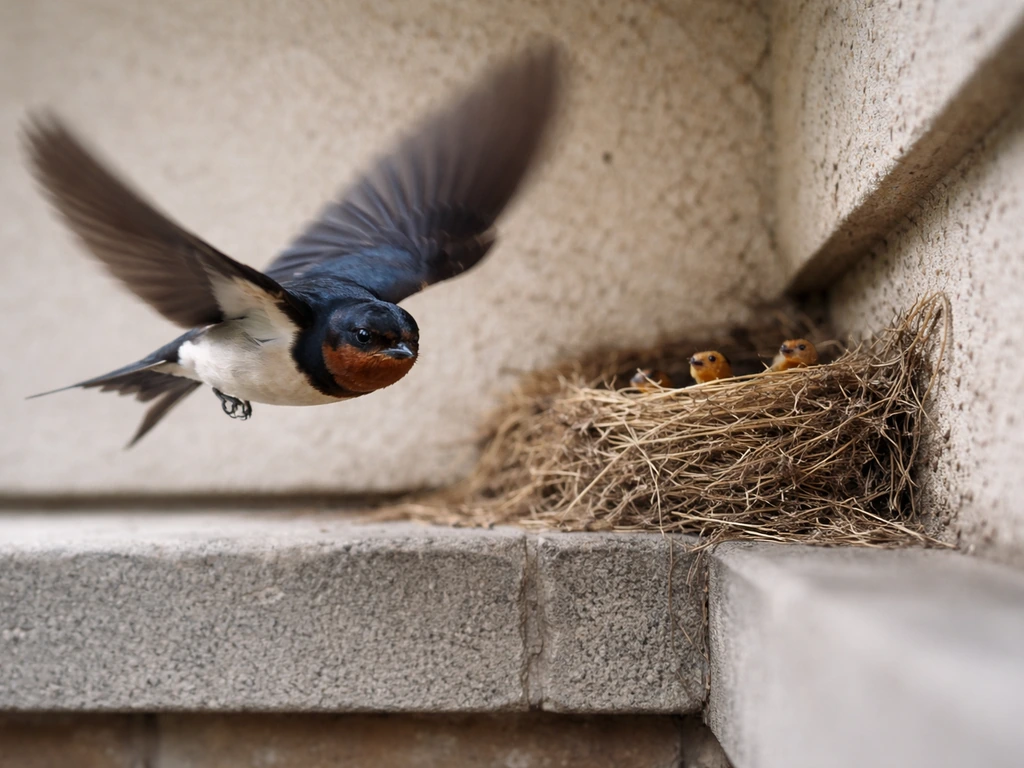
If a bird is dive-bombing you, swooping past your head repeatedly, or making alarm calls while flying at you, you have walked into its defense zone around a nest or young birds. The U.S. Fish and Wildlife Service describes this as a classic escalation: when warning postures fail, birds will lunge or dive using wings, talons, and bill. Mass Audubon identifies the nestling period (roughly the two weeks from hatching until the young leave) as when birds are most aggressive. Northern Mockingbirds, American Robins, Gray Catbirds, Blue Jays, and Red-winged Blackbirds are among the most common culprits in North American backyards. Swallows can defend nest sites from March through September and may raise multiple clutches in a season, so an area can stay hot for months.
Territorial or competitive behavior
Some species attack windows, mirrors, and shiny surfaces on buildings because they see their own reflection and perceive it as a rival. This is a separate issue from nest defense and calls for a different fix. If a bird keeps flying at a specific window or car mirror rather than at people, that reflection-rival behavior is the cause. Similarly, Canada geese can become highly territorial around people in open grassy areas near water, especially during breeding season.
Food-conditioned aggression
A bird that has been hand-fed or that regularly associates people with a food source can become bold and even aggressive when food is withheld or when it feels crowded. This is more common with corvids (crows, ravens, jays) and waterfowl. The fix here is removing the food source, not deterring the bird from a zone.
| Behavior you see | Likely cause | What to do first |
|---|---|---|
| Dive-bombing near a tree, shrub, or building overhang | Nest defense | Leave the area; identify nest location; reroute foot traffic |
| Repeated strikes at a window or mirror | Reflection rivalry | Cover or break up the reflective surface from outside |
| Bird follows you across open ground, hissing or charging | Territorial (e.g., geese, swans) | Back away slowly; do not turn and run; use a barrier |
| Bold approach for food, then nipping | Food conditioning | Stop feeding immediately; remove attractants |
| Single swoop from overhead, no follow-up | Warning strike (not full attack) | Move away quickly; the bird is signaling, not fully committed |
De-escalation in the moment: body position, distance, barriers, and cues
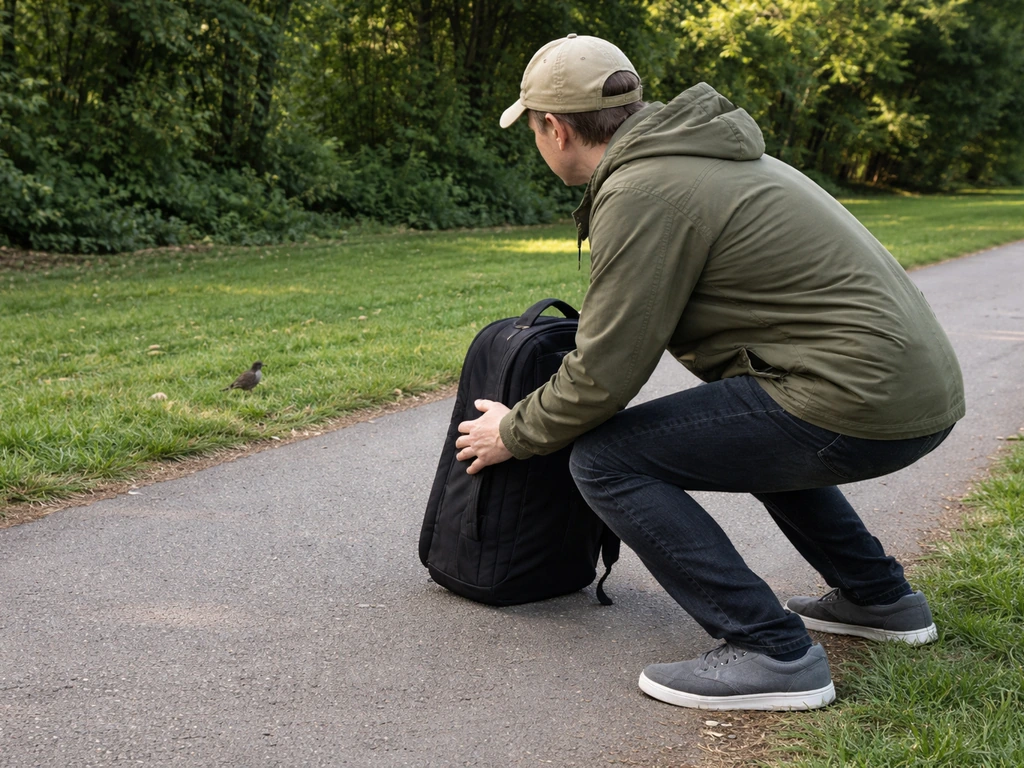
Once you understand what is triggering the bird, you can work with that understanding rather than against it. The goal is to communicate that you are not a threat and to exit the defense zone without triggering a more intense response.
- Keep your body low and non-threatening. Hunching slightly and avoiding sudden raised arms signals you are retreating, not threatening.
- Maintain eye contact with dive-bombing birds while you walk away. Research on species like Australian magpies consistently shows birds are less likely to press an attack on someone who keeps watching them, because ambush is no longer possible.
- Use an umbrella as your primary barrier. An open umbrella held overhead breaks the attack line and gives the bird something other than your head to focus on.
- Wear a hat with eyes drawn on the back. This sounds odd, but it works on some species because birds are less likely to strike from behind when they perceive they are being watched from all sides.
- Increase distance steadily. Most nest-defending birds have a defined perimeter, often 20 to 50 feet from the nest. Once you cross outside it, attacks stop. Note where the boundary seems to be and avoid re-entering.
- Avoid loud sudden noises or throwing anything at the bird. Both actions are perceived as counter-aggression and escalate the encounter.
For facility managers: if a building entrance, loading dock, or outdoor walkway falls within a bird's defense zone, a temporary detour route is safer and cheaper than trying to force the bird out of the area mid-season. Post a simple sign warning staff and visitors, and redirect foot traffic around the zone until the nesting period ends.
Humane DIY deterrents to stop repeat attacks
If a bird is attacking in the same spot repeatedly, you need to discourage it from treating that location as a territory or nest site, or you need to protect people who must pass through the area. The following methods are humane and do not require permits when applied correctly.
Visual deterrents
Reflective tape, mylar streamers, and predator decoys (owl or hawk silhouettes) can reduce bird presence in an area. Reflective tape is most effective when it moves in the wind and creates unpredictable flashes of light. The honest caveat is that most birds habituate to static visual deterrents within days to weeks. Move them regularly, combine them with other methods, and replace them when they lose their movement. A single owl decoy bolted to a fence post will be ignored within a week.
Physical barriers for people in transit
For pathways, balconies, or building entrances inside an active defense zone, temporary physical shielding is often the most practical short-term fix. Install a simple overhead shade cloth or fine mesh canopy at 7 to 8 feet above the walkway. This interrupts dive-bombing flight paths without harming birds. Make sure any netting used is taut, properly installed, and checked regularly so birds cannot become entangled. The FWS specifically cautions that bird netting marketed for pest control can entrap and kill birds if installed incorrectly.
Noise and motion deterrents
Wind chimes, pinwheels, or motion-activated sprinklers can discourage birds from settling in a specific zone. Again, vary them frequently. A consistent, predictable stimulus stops working fast. Motion-activated sprinklers are particularly effective for ground-level territorial birds like geese because they combine surprise with mild discomfort without causing injury.
What not to do
- Do not remove an active nest yourself. This is illegal for most species under the Migratory Bird Treaty Act and will not stop the attacking behavior anyway because the bird will defend the disturbed site even more aggressively.
- Do not use sticky gel products directly on areas where birds land near nests. Birds can become entangled.
- Do not use fake or recorded predator calls for extended periods in residential areas. They disturb neighbors and birds habituate to them quickly.
- Do not block entry points to a structure while birds are inside or actively nesting. Birds can become trapped and die.
Proofing your property: exclude nesting and roosting spots and remove attractants
Long-term bird attack prevention is really about making your property less attractive as a nesting or roosting site in the first place. Once you stop a nesting season's conflict, act before the next one starts.
Exclude nesting and roosting access
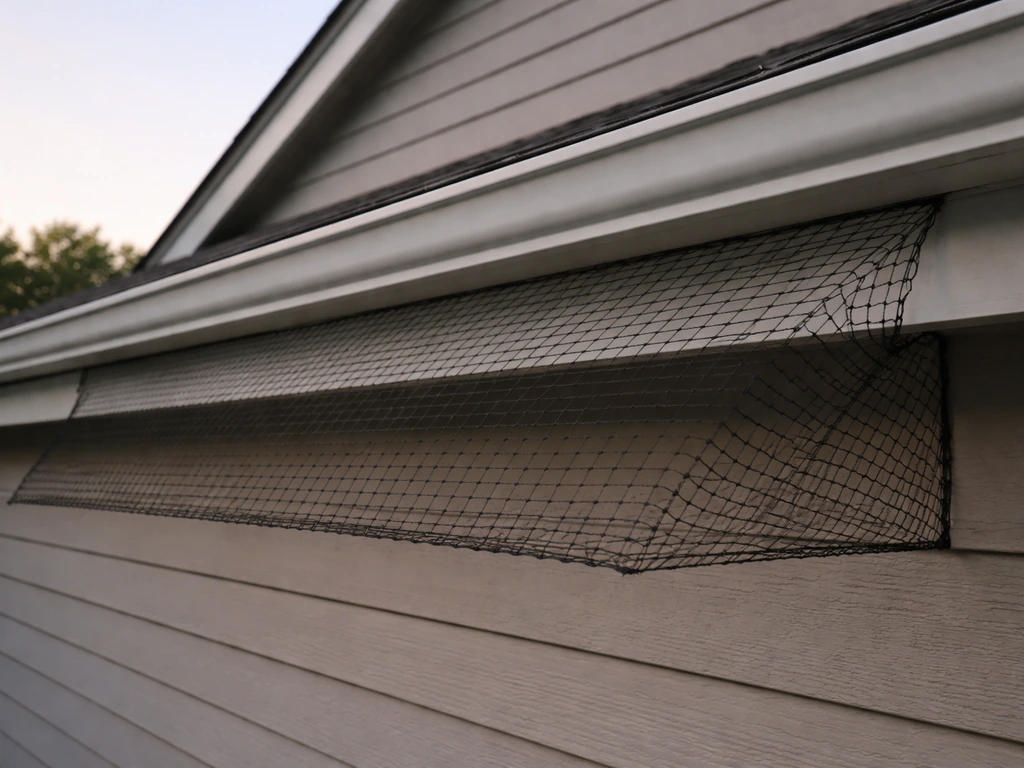
Mass Audubon recommends waiting until fall or winter to physically exclude birds from buildings, after nesting is fully over. At that point, you can install exclusion measures safely and legally. Key methods include:
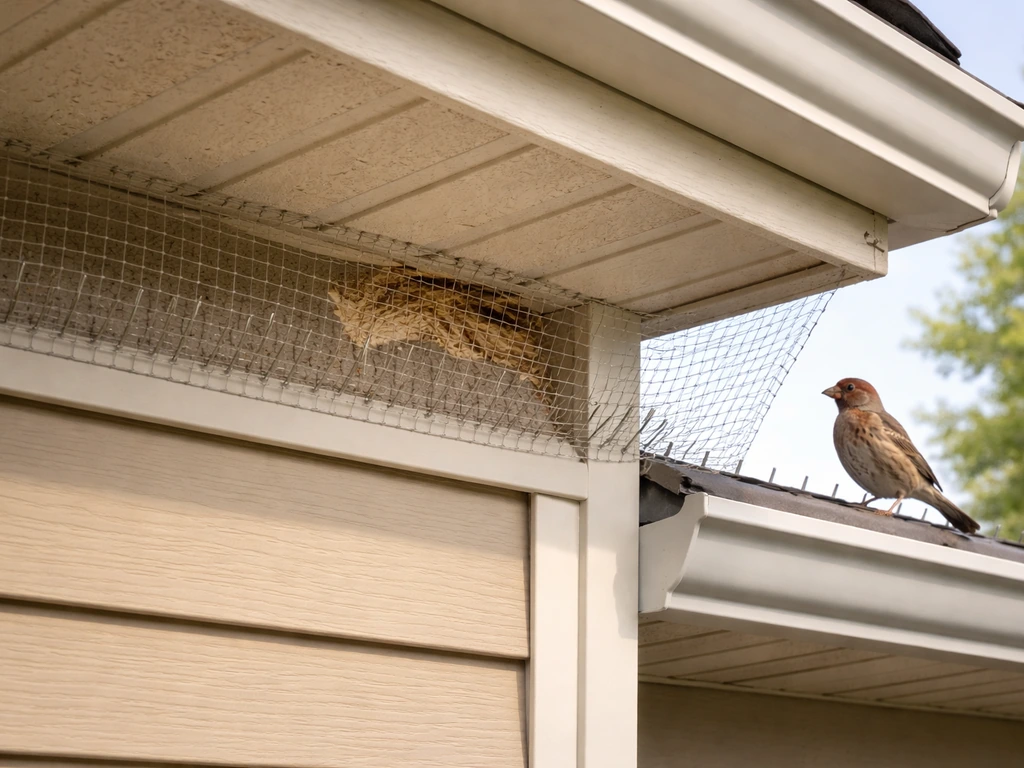
- Netting above ledges, under eaves, or over open rafters, installed at an angle to prevent birds from finding a foothold. Make sure netting is tensioned properly so birds cannot get behind it.
- Anti-perching spikes on ledges, beams, and window sills. These do not harm birds but remove flat landing surfaces. USDA APHIS and Historic England both list these as a primary physical exclusion tool.
- Angled surfaces at 60 degrees or steeper on ledges and parapet walls, which nesting birds avoid because they cannot gain footing.
- Sealing vents, gaps under eaves, and openings in soffits with hardware cloth or metal mesh. Do this only after confirming no birds are inside.
- Removing or trimming vegetation that provides concealed nesting cover directly above high-traffic paths or building entrances.
Remove attractants
- Secure outdoor garbage and compost bins so birds cannot access food scraps.
- Remove or relocate bird feeders and birdbaths from zones where attack incidents have occurred. You can move them to areas away from foot traffic rather than removing them entirely.
- Clean up fallen fruit, seeds, and spilled pet food promptly. These draw birds into proximity with people.
- Eliminate standing water near building entrances and loading areas.
- Stop hand-feeding birds in problem areas. Even casual feeding by one person can condition bold behavior across the whole flock.
Seasonal and site-specific prevention plan
Bird attack risk is not constant. It spikes hard during breeding season and drops off almost entirely in winter. Planning around that cycle is the most efficient thing you can do.
Outdoor areas: walkways, balconies, loading docks, parking lots
| Time of year | What to do |
|---|---|
| January to February (pre-season) | Inspect ledges, eaves, overhangs, and signage for last year's nests. Remove old nests now while legal and safe. Install exclusion hardware before birds scout sites. |
| March to September (breeding season) | Do not disturb active nests. Post warning signs near known attack zones. Reroute foot traffic if needed. Use temporary overhead barriers on critical pathways. Check deterrents weekly and rotate/move them. |
| October to December (post-season) | Remove old nests. Install or reinforce permanent exclusion hardware. Trim vegetation. Repair eave gaps and seal entry points. Plan ahead for next spring. |
Indoor situations
A bird that has gotten inside a building is usually disoriented and frightened, not attacking deliberately. Turn off interior lights and open large exterior doors or windows to give the bird a clear exit. Close doors to small rooms to limit the bird's movement to one open space. Do not chase or corner it. If the bird does not exit within a few hours and is exhausted or injured, contact a wildlife rehabilitator rather than handling it yourself. For buildings where birds routinely enter through loading bays or warehouse doors, strip curtains or bead curtains at large openings reduce entry without blocking human traffic.
Windows and building facades
If the attack is directed at a window rather than at a person, the bird is responding to its own reflection as a territorial rival. Break up the reflection from the outside using window film, tempera paint patterns, or tape strips applied to the glass exterior. Hanging streamers or netting a few inches in front of the glass works well. If a bird is chewing wood, use targeted deterrents like barriers or reflective, moving visuals rather than harsh punishment. Moving a car mirror that the bird targets, or covering it with a bag when parked, stops mirror-directed aggression quickly. This behavior is distinct from nest-defense attacks on people, and the fix is entirely about breaking the reflection.
When to call wildlife professionals and what the law requires
Most bird attacks are temporary, legal to manage with the methods above, and resolve on their own once nesting is done. But there are situations where you need professional help or must understand the law before acting.
Call a wildlife professional when:
- Attacks result in injury, especially to a child, elderly person, or someone who cannot physically leave the area.
- The attacking bird is a raptor (hawk, owl, falcon, eagle). These are all strictly protected and require a federal permit for any active management.
- You have confirmed an active nest inside a structure and need to decide whether and how to remove it. Do not remove active nests without guidance.
- DIY deterrents have failed over two or more weeks and the bird is still aggressive.
- You suspect the bird is sick or injured (erratic behavior, loss of fear, on the ground). Do not handle it yourself.
- The problem involves a large flock creating a sanitation or safety hazard at a commercial facility. This typically requires a coordinated dispersal plan and possibly state permits.
What the law says
Almost every bird you encounter in the U.S. is protected under the Migratory Bird Treaty Act. This includes common backyard species like robins, mockingbirds, swallows, and jays, not just rare or endangered ones. The MBTA makes it illegal to kill, capture, possess, or destroy the nests or eggs of protected birds without a federal permit. FWS FAQ emphasizes that most migratory birds and their nests or eggs are protected under federal and state law, and that removing nests may require permits destroy the nests or eggs of protected birds. The FWS will issue nest removal permits, but only when a nest is causing a documented health or safety hazard, and the bar for that is real. Simply being inconvenienced does not qualify. Local and state regulations add another layer, and some states require separate permits for any active bird control actions. Contact your state wildlife agency before taking any action beyond passive deterrence around an active nest. The CDC recommends reaching out to your state wildlife agency or a licensed wildlife rehabilitator for guidance on wildlife conflicts near homes and buildings.
What information to have ready when you call
- Species or best description of the bird (size, color, markings, behavior observed)
- Location of the nest or attack zone (building address, specific area like loading dock or second-floor balcony)
- How long the attacks have been occurring and how frequently
- Whether anyone has been injured and the severity
- What deterrents or actions you have already tried
- Whether the nest is accessible and whether eggs or young are visible
Bird attacks are almost always temporary and tied to a very specific location and season. The bird is not targeting you personally. It is protecting something. Your fastest path to safety is distance, your best long-term fix is exclusion before the next nesting season, and your safest overall approach is to work with the bird's biology rather than against it. If your bird is biting your ears, the same principle applies: you want to avoid triggering the bite and use consistent, humane prevention instead how to stop my bird from biting my ears. If you are dealing with feather-plucking behavior specifically, you can use the same overall strategy of removing triggers and improving the bird’s environment to reduce compulsive plucking stopping a bird from plucking its feathers.
FAQ
What should I do if a bird keeps attacking even after I walk away calmly?
Stop moving for a moment and increase the distance between you and the bird’s dive path, then put a barrier between you (umbrella, bag, stroller, or closed door). If it continues to lunge or repeatedly pass close to your head, treat it as an active nest-defense zone and avoid the area until the nesting period ends, especially if the bird keeps making alarm calls.
Should I cover my head or wear sunglasses during a bird attack?
Yes, covering your face and eyes matters. Use a hat or hood plus eye protection if you have it, but keep your movements slow. Avoid trying to swat, since sudden arm swings can escalate the bird’s response.
Is it ever okay to run from a bird that is dive-bombing me?
Running usually worsens the situation because the bird interprets fast, erratic motion as a stronger threat. If you must move quickly for safety (for example, crossing traffic), move in a controlled way toward a nearby exit or inside space, keeping your body between you and the bird as you go.
What if the bird actually hits me, scratches my eye, or draws blood?
Clean scratches or puncture wounds with soap and water promptly. If there is any injury near the eye or face, get medical advice quickly, since punctures can be deeper than they look and eye-area wounds need careful assessment even if bleeding seems minor.
How long should I wait before I assume the bird won’t stop on its own?
After you exit the defense area, many attacks stop quickly. If it keeps targeting the same spot or repeatedly follows you back into the zone over multiple trips, switch to prevention for that location (detours, shielding, discouraging settling) rather than relying on the bird to “give up.”
What’s the safest approach if a bird is attacking at a door, loading dock, or walkway at a facility?
Use a temporary detour that changes foot traffic patterns immediately, then add staff guidance and signage for the duration of the risk window. The goal is to keep people out of the bird’s defense zone rather than trying to force the bird out during its breeding peak.
Can I use those inflatable bird deterrents or static visual devices long term?
Static deterrents typically lose effectiveness within days to weeks because birds habituate. If you use visual deterrents, choose options that move unpredictably (tape that flutters, streamers) and plan to reposition or replace them frequently, ideally combining with another method like physical shielding or route changes.
Are motion-activated sprinklers safe around people and pets?
They are generally a humane option and can work well for ground-level territorial birds, but place them carefully so spray does not hit windows where water can pool dangerously or create slip hazards. If you have sensitive pets, test the setup when you can supervise, and make sure the coverage targets the bird’s approach path.
How do I know if the problem is nest defense versus a mirror or window issue?
Nest defense is usually tied to repeated dive-bombing or swooping near a specific location, often with warning behavior and aggressive passes at head level. Mirror or window aggression often happens when the bird targets a particular surface (same window or car mirror) and people passing nearby do not change the behavior.
What’s the correct way to protect birds while installing deterrents like netting or mesh?
Use taut, properly installed shielding and check it regularly for gaps, sagging, or contact that could trap or entangle birds. Avoid improvised netting, especially around active dive zones, since incorrect installations can create entrapment risks.
If a bird is inside my building, should I keep chasing it until it leaves?
No. Turn off interior lights and open a clear exit on the outside (large doors or windows), close off small rooms to limit its movement, and avoid chasing or cornering. If it does not leave within a few hours and seems exhausted or injured, contact a wildlife rehabilitator instead of handling it yourself.
What should I do if the bird targets the same window every day?
Treat it as reflection behavior and focus on breaking the reflection from outside the glass. Options include window film, exterior paint patterns, or taped strips, and temporarily hanging a barrier a few inches in front of the window. Also consider relocating or covering the specific mirror the bird targets.
Is it legal for me to remove an active nest if birds are attacking people?
In most cases in the U.S., protected birds and their nests are regulated, and removing nests or eggs usually requires a federal permit. If there is a documented health or safety hazard, you may be able to pursue a nest removal permit, but inconvenience alone is not usually sufficient. Contact your state wildlife agency before taking active measures beyond passive deterrence.
What are the first prevention steps if you want to stop recurring attacks near your home next season?
Plan around the breeding cycle: attacks spike in spring and summer and drop in winter. During peak risk, use route changes, temporary shielding, and non-injurious deterrents. Then schedule longer-term exclusion work when nesting is fully over, typically in fall or winter, to reduce legal and safety risks.
Next Article
How to Stop Bird From Pecking House: Humane Steps
Humane, step-by-step fixes to stop birds pecking house damage fast and prevent return with safe deterrents and proofing.