If a bird is actively dive-bombing or swooping at you right now, back away calmly, cover your head with your arms, and put as much distance as possible between yourself and the area. Do not wave, yell, or swat at the bird. That is step one. Once you are safe, the longer fix is almost always the same: find the nest or entry point driving the behavior, wait for the right legal window, then seal, exclude, and remove the attractant so the bird has no reason to come back.
How to Stop Bird Attacks: Step-by-Step Safety Guide

Maya Carver
24 May 2026
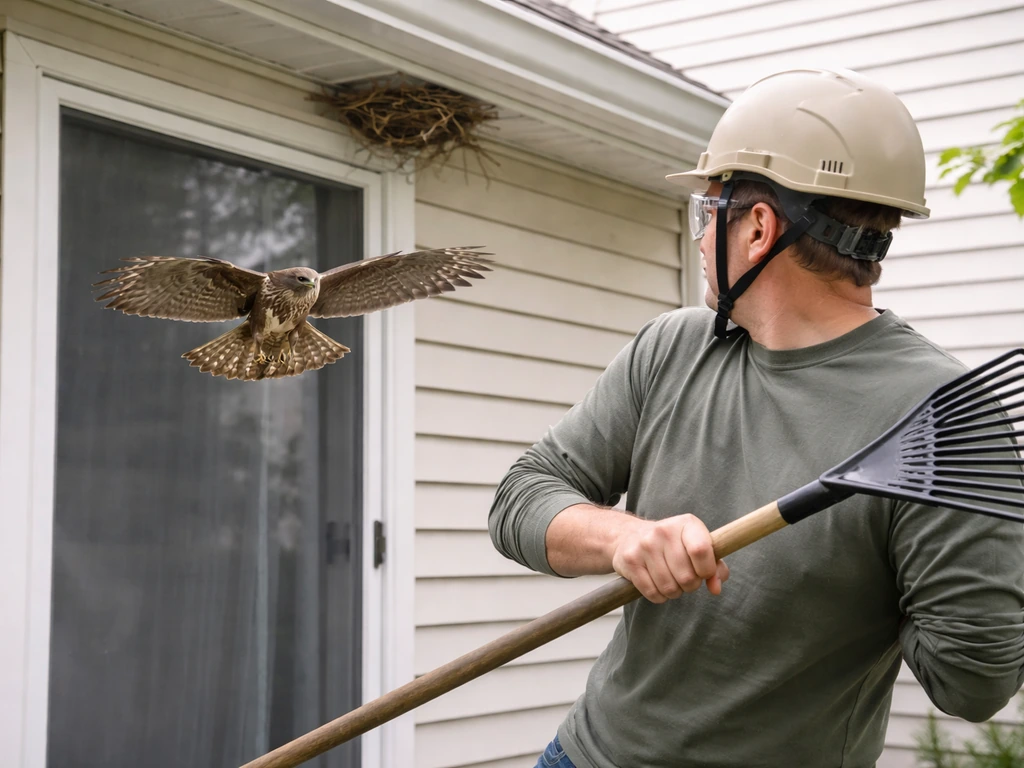
What counts as a 'bird attack' and how to stay safe right now
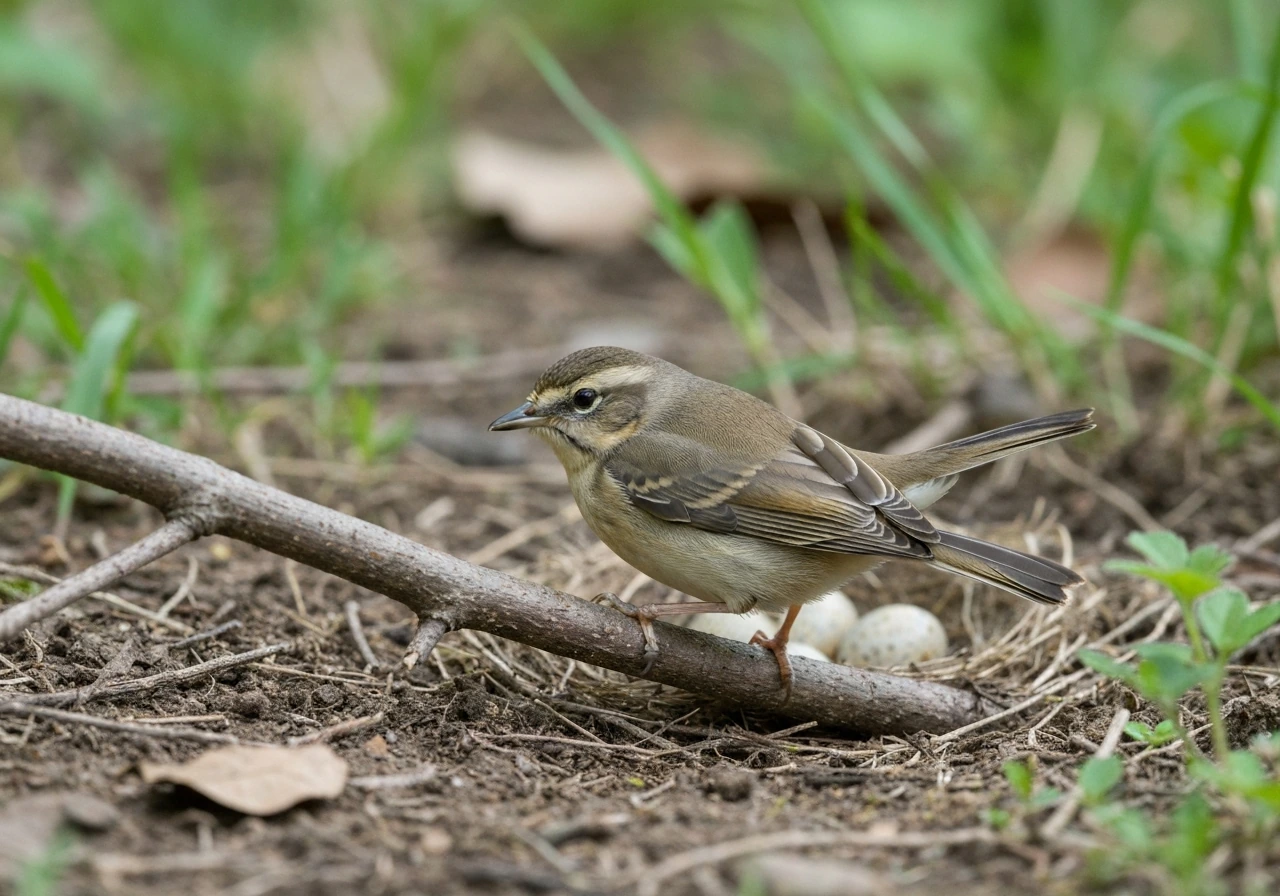
Most bird aggression is not random. What people call an 'attack' is almost always a blank" rel="noopener noreferrer">defensive response from a bird guarding a nest with eggs or chicks nearby. The bird is not being territorial in a general sense; it has a specific nest, and you (or your staff, your pets, or anyone passing through) wandered too close to it. blank" rel="noopener noreferrer">Swooping, dive-bombing, loud alarm calls, and bill-pecking at your head are all classic nest-defense signals. Some species, especially mockingbirds, red-winged blackbirds, and certain gulls, will do this repeatedly to anyone who enters a roughly 50-metre radius around the nest during the nestling period.
Other scenarios that get reported as attacks: a bird has entered a building and is flying frantically against windows (a panicked intruder, not an aggressor), or a bird has started pecking at a window or reflective surface (territorial behavior triggered by its own reflection, which is a slightly different problem). Knowing which type you are dealing with shapes your response. This guide focuses primarily on defensive aggression around nests and birds getting inside buildings, since those are the situations that put people at real risk.
To stay safe immediately, follow these rules regardless of species:
- Back away slowly and calmly. Running or waving can escalate the behavior.
- Cover your head and face with your arms or a bag if you must pass through the area.
- Wear a hat or helmet in areas where repeated swoops are occurring. Eye protection (sunglasses) is a practical addition.
- Do not attempt to touch, handle, shoo, or relocate the bird, its nest, eggs, or chicks.
- Do not feed birds in or near the problem area. Habituation makes birds bolder and more aggressive over time.
- Post a warning sign at the entry to the affected zone so others know to expect swooping behavior.
The aggressive phase is time-limited. In most common backyard and building-nesting species, the nestling period (hatching to fledging) is roughly two weeks. The most intense swooping typically happens during this window. Knowing this helps you decide whether a short-term workaround is enough or whether you need a longer fix.
Quick emergency response when a bird is attacking or entering a building
The first priority is always people, not the bird. Get everyone out of the immediate area and keep them out until you have a plan. Then work through the following steps in order.
- Clear the immediate zone. Move people at least 50 metres away from where the swooping is happening. If it is happening at a building entrance, redirect foot traffic through a different door if possible.
- Identify whether there is a nest. Look for a nest within 10 to 50 metres of where the attack is occurring. Check eaves, ledges, vents, gutters, low shrubs, and any recessed areas. Do not touch it; just locate it.
- If a bird is inside a building, close interior doors to limit the area the bird can access. Open the nearest exterior window or door fully, turn off interior lights, and give the bird a quiet, calm exit path. Most birds will find it within minutes if you stop moving around and reduce visual stimulation.
- Do not chase or herd a bird inside. It will panic, exhaust itself, and can injure itself on windows or furniture. Step back and wait.
- If someone has been scratched or struck, wash the area with soap and water immediately. Bird scratches can introduce bacteria. Seek medical advice if the skin is broken.
- If the bird appears injured (broken wing, bleeding, unable to fly), do not handle it yourself. Contact a permitted wildlife rehabilitator or wildlife veterinarian in your area.
- Document what you are seeing: species if you can identify it, location, time of day, and frequency of attacks. You will need this if you escalate to a professional or apply for a permit.
One thing that surprises people: wearing a hat does help protect your scalp and eyes, but it will not stop a determined bird from swooping if it still perceives you as a threat. Physical protection reduces injury; it does not reduce the behavior. Removing the perceived threat (distance, blocking nest access, or waiting out the nesting period) is the only thing that actually stops it. If your bird is biting your ears, the same principle applies: reduce the trigger, then use exclusion and habitat changes so it stops targeting you the perceived threat. Feather plucking is often driven by stress, improper diet, or an unsuitable environment, so addressing the cause is the most effective way to stop it stop a bird from plucking its feathers.
Stop access: immediate exclusion and habitat-blocking fixes (DIY)
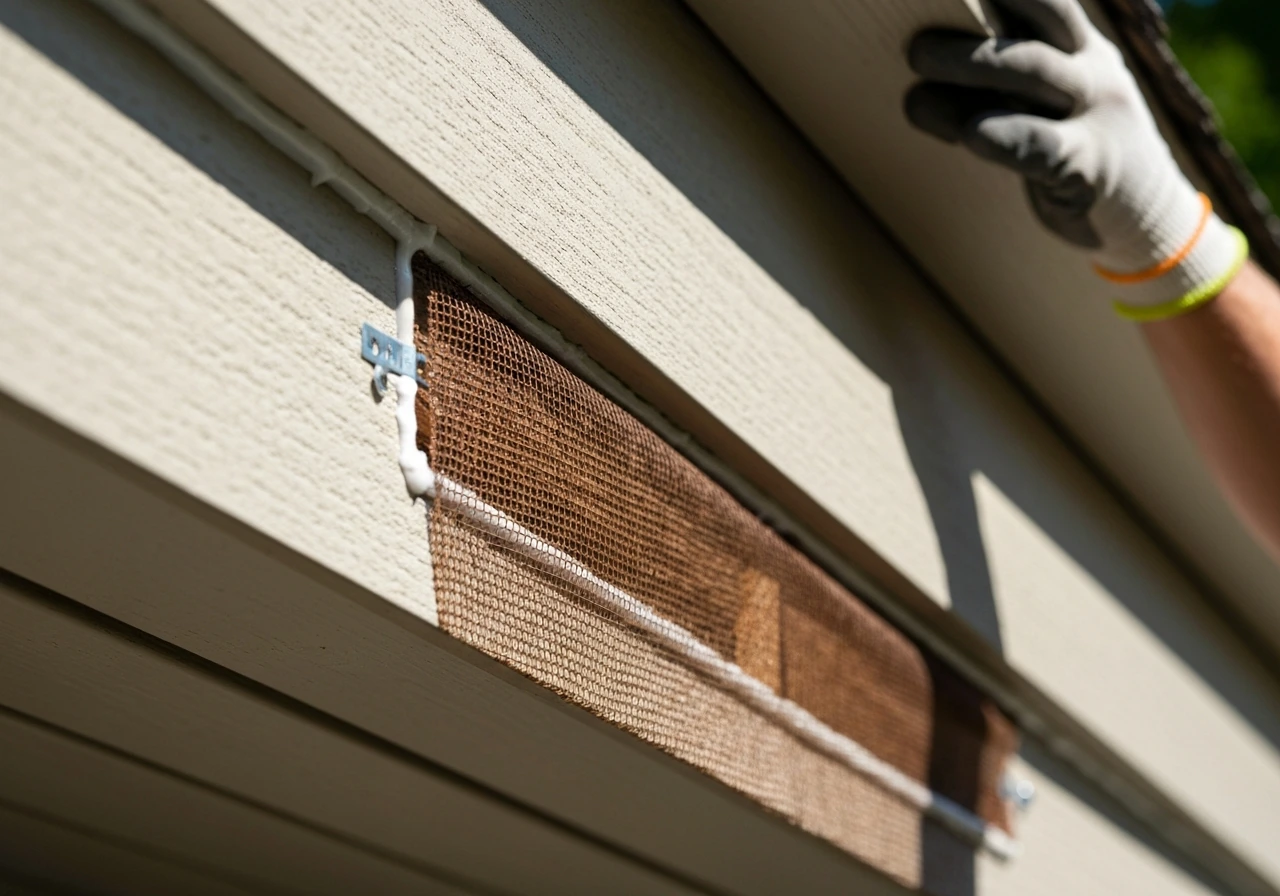
Exclusion is the most reliable long-term solution, but timing matters enormously for legal reasons. You cannot seal or block an entry point while an active nest (one with eggs or chicks) is inside. Wait until the nest is fully inactive, meaning eggs have hatched, chicks have fledged, and the birds are no longer dependent on that nest. Once it is inactive, you are free to act.
Checklist: immediate steps while waiting for the nest to go inactive
- Rope off or signpost the area around the nest to keep people away and reduce defensive triggers.
- Remove any food sources within 10 to 20 metres: open rubbish bins, pet food bowls left outside, accessible compost. Birds that associate an area with food will linger longer and defend it more strongly.
- Reduce water availability if there are standing-water features (birdbaths, puddles, flat rooftop pools) near the problem zone. Birds need water, and removing easy access discourages extended stays.
- Close non-structural openings temporarily with hardware cloth or plastic mesh taped over them so birds cannot start a second nest while you wait. (This is only appropriate for openings without current active nests.)
- If the aggressive bird is reacting to a reflection (window, shiny surface), cover or break up that surface with window film, paint, or a physical screen. This is a separate but related problem.
Checklist: sealing entry points after the nest goes inactive
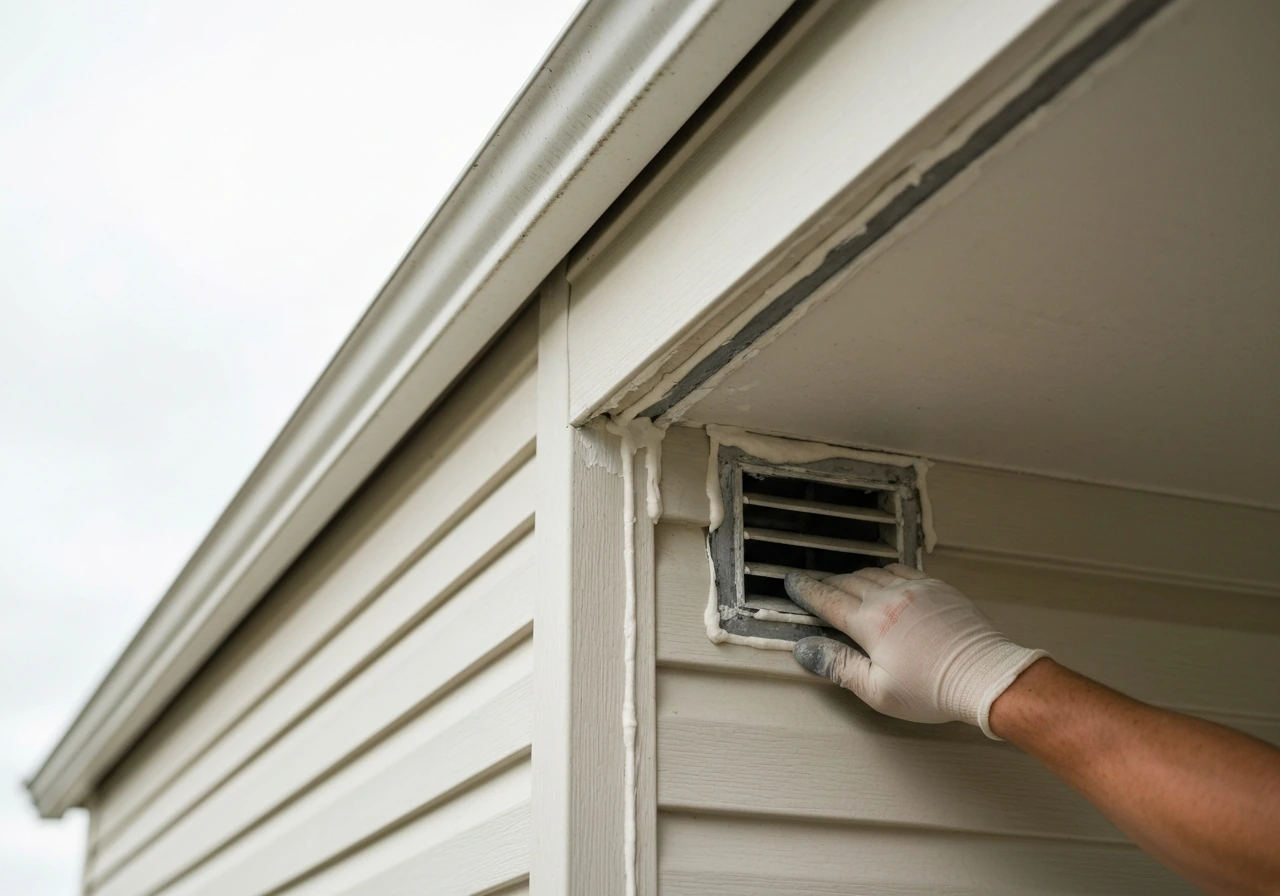
Once you have confirmed the nest is empty and inactive, move quickly because another bird (or the same one) may attempt to re-nest in the same spot the following season.
- Inspect the full building perimeter: eaves, soffits, ridge caps, vents, gutters, roof penetrations, gaps around pipes, and any recessed ledge or cavity larger than about 1.5 inches. Birds can squeeze through surprisingly small gaps.
- Seal vertical pipes and round holes smaller than 12 inches in diameter with hardware cloth (half-inch mesh is a reliable standard) secured firmly to the structure. Loose or poorly fastened mesh is a common failure point; birds will push through it.
- Install exclusion netting over recessed areas, under solar panels, and behind HVAC units. Net must have no gaps or holes; even a small opening makes the whole system ineffective.
- Replace damaged or missing soffit panels. This is one of the most common entry points for starlings and sparrows.
- Fit all roof and attic vents with purpose-made bird-proof vent covers or cover with 0.5-inch hardware cloth. Standard insect screens are not strong enough.
- Check that all fascia boards are flush and undamaged. Rotted or warped boards create cavities that birds exploit immediately.
- After sealing, do a walk-around at dawn or dusk (when birds are active) and watch for any birds attempting to re-enter. This will reveal gaps you missed.
A note on materials: chicken wire is not suitable for bird exclusion. It corrodes quickly and has openings large enough for many small birds. Half-inch galvanized hardware cloth is the standard that holds up. For larger open areas like loading docks or building facades, commercial-grade exclusion netting rated for bird control (typically polypropylene or nylon at appropriate UV resistance) is the right product.
Long-term prevention: proofing, deterrents, and environment changes
Physical exclusion handles entry points. But birds will keep trying to nest or roost on or near your building as long as it looks attractive to them. Long-term prevention is about making the site less appealing while keeping deterrents humane and legal.
Physical deterrents (what actually works)
| Deterrent | Best For | Effectiveness | Notes |
|---|---|---|---|
| Bird spikes (stainless or polycarbonate) | Ledges, parapets, signs, pipes | High for perching prevention | Must cover the full landing surface; gaps defeat the purpose |
| Exclusion netting | Large recessed areas, facades, under solar panels | High when installed with no gaps | Inspect twice a year for damage; one gap makes the whole net useless |
| Slope/angle deterrents (physical) | Window ledges, flat parapets | Moderate to high | Simple and passive; best combined with spikes on wide ledges |
| Decoy predators (owls, hawks) | Open areas, flat roofs | Low to moderate short-term | Birds habituate quickly; must be moved regularly to stay effective |
| Reflective tape or discs | Gardens, open structures | Low to moderate short-term | Wind-dependent; birds adapt; use as supplement, not primary control |
| Ultrasonic devices | Enclosed areas, attics | Mixed evidence; limited in open areas | Not a standalone solution; may disturb other wildlife |
| Habitat modification (plant removal, food removal) | Yards, facility grounds | High, long-term | Removes the root cause; works best combined with physical proofing |
The most durable long-term results come from combining two or three approaches: seal all entry points with solid exclusion materials, remove food and shelter attractants from the immediate environment, and install physical deterrents on remaining exposed perching surfaces. No single product is a complete fix on its own.
Habitat and sanitation changes
- Store all pet food in sealed, animal-proof containers and never leave food dishes outside overnight.
- Use wildlife-proof lids on all outdoor bins, especially food waste. Open bin lids are one of the fastest ways to attract and habituate birds to a site.
- Trim dense shrubs and hedges within 3 to 5 metres of doorways and high-traffic areas. These are preferred low-level nesting spots for mockingbirds and other aggressive nesters.
- Eliminate standing water where practical: fix flat roof drainage, empty birdbaths if attacks are ongoing, and address any pooling near entry points.
- Remove ivy and other dense climbing plants from building walls. They create ideal concealed nesting habitat directly against the structure.
- If a food source is driving the presence (berry-producing trees, compost, open grain storage), manage or relocate it. Wildlife, including birds, seek out places that reliably offer food, shelter, and safety. Remove one element and the site becomes far less attractive.
Troubleshooting common causes
Before you start installing hardware, take five minutes to diagnose why the problem is happening. The fix for a nesting bird defending a cavity in your soffit is different from the fix for a flock roosting on your roof ledges in winter, which is different again from a single bird attacking its own reflection in a window. Getting the diagnosis right saves time and money.
Diagnostic questions to ask first
- Is there a visible nest within 50 metres of the attack zone? If yes, nest defense is almost certainly the cause. Wait for the nest to go inactive before doing any exclusion work.
- Is the attack happening at one specific window or reflective surface? If yes, the bird is likely responding to its own reflection, not defending a nest. Cover or diffuse the reflection.
- Are multiple birds involved, or just one? A solo aggressive bird is almost always defending a nest. Multiple birds behaving aggressively may indicate a roost disturbance or a colony nesting situation.
- Is the bird getting inside the building? Locate the entry point first. Check all vents, gaps in soffits, and any roof penetrations the bird could be using.
- Is the problem happening at the same time every year? Seasonal recurrence almost always means the same nesting or roosting site is being used repeatedly. This is the highest-priority location to seal during the off-season.
- Is there a food source nearby that you may have overlooked? An outdoor bin, pet food, or fruit tree can explain why birds are spending so much time in a particular zone.
- What species is it? Some species (like pigeons and starlings) are not protected under the Migratory Bird Treaty Act and have different management options. Others (most songbirds, raptors, and waterbirds) are fully protected.
Seasonal root causes at a glance
| Season | Most Likely Cause | Key Indicators | Primary Fix |
|---|---|---|---|
| Spring (March to May) | Nest building and egg laying | Bird carrying nesting material; alarm calls when approached | Do not disturb; post warning signs; plan exclusion for after fledging |
| Late Spring to Summer (May to July) | Active nest defense; nestling period | Dive-bombing, swooping at anyone who passes; 2-week peak intensity | Avoid area; wear head protection; wait out the ~2-week nestling window |
| Late Summer (August to September) | Nests going inactive; juveniles dispersing | Reduced aggression; birds no longer returning regularly to nest site | Ideal window to seal entry points and remove old nests |
| Fall (October to November) | Roost establishment for winter | Large numbers of birds gathering at dusk; droppings accumulating on ledges | Install spikes and netting on roosting surfaces before roost is established |
| Winter (December to February) | Persistent roosting; food seeking | Same ledges and cavities used every night; birds foraging near bins or compost | Physical deterrents on roost sites; food source removal; seal cavities |
When to call a wildlife professional, and the legal side you need to know
There are situations where DIY is not the right answer, and getting this wrong can put you on the wrong side of federal or state law. The Migratory Bird Treaty Act (MBTA) protects the vast majority of native bird species in the United States. Under the MBTA, it is illegal to destroy, remove, or disturb an active nest (one containing eggs or chicks) without a federal permit. An active nest remains active from the time the first egg is laid until fledged young are no longer dependent on it. Inactive nests (no eggs, no birds) can generally be removed without a permit, but check your state law as well because some states add further protections.
Permits to remove active nests are issued only in limited circumstances, typically when the nest is causing a documented human health or safety hazard or when birds are in immediate danger. 'The bird is annoying' does not qualify. 'A nest is blocking a fire exit and presenting a documented safety risk' might.
Call a wildlife professional when:
- There is an active nest (eggs or chicks visible) inside the building or at a point that must be sealed for safety, and you cannot wait for natural fledging.
- The aggressive bird is a raptor (hawk, owl, falcon) or any other protected species, and the situation poses a genuine safety risk to people.
- Someone has been injured (scratched, struck, or had eye contact with a bird) and you need documentation for health or liability reasons.
- The problem involves a large colony (pigeons, starlings, gulls) that has been established for more than one season. Colony management typically requires an integrated pest management plan rather than a single fix.
- A bird is found injured on your property (broken bones, bleeding, unable to fly). Contact a permitted wildlife rehabilitator or wildlife veterinarian. Do not attempt to treat or house the bird yourself.
- You have applied all exclusion and deterrent measures and the problem persists after two full seasons. A professional assessment will often find entry points or attractants that are not obvious.
- Your facility is subject to health code inspections or food safety regulations. Bird presence in commercial food-handling or healthcare environments typically requires a formal integrated bird management plan with documentation.
When you call a professional, have this information ready: the species (or your best description), the location and type of nest or entry point, how long the problem has been occurring, what you have already tried, and whether there are active eggs or chicks. This helps them give you accurate advice on the first call and speeds up any permit application if one is needed.
A quick note on what not to do: do not use poisons, sticky traps, or any chemical deterrent not specifically registered for bird control in your state or country. Many of these products harm non-target species, are illegal for bird use, and can create liability if migratory birds are killed. Even well-intentioned actions like physically moving a nest with eggs can result in significant fines under the MBTA.
Plan by season: spring and summer nesting vs fall and winter roosting
The single most effective thing you can do to prevent next year's bird attack problems is to do your exclusion and proofing work in the right seasonal window. Most building-nesting birds in the U.S. are actively nesting from roughly mid-April through the end of July. The practical window for sealing entry points and installing deterrents runs from August through early April, when nests are likely inactive.
Spring and summer (April 15 to July 31): nesting season priority actions
- Do not disturb, seal, or remove any nest that may be active. Inspect carefully before any building maintenance work near eaves, vents, or ledges.
- Post warning signs in swooping zones and redirect foot traffic where possible.
- Use this period to observe and document every nest location and entry point on the building. This becomes your exclusion work list for August.
- Manage food and water attractants aggressively during this period to reduce the number of birds choosing your site next year.
- Brief staff or household members on how to move through swooping zones safely: walk calmly, cover head and face, do not run or wave.
- If construction or vegetation removal is planned, check for active nests first. Portland city guidance and most wildlife agencies recommend survey and avoidance during the primary nesting window (approximately April 15 to July 31).
Late summer and fall (August to November): the prime exclusion window
- Begin exclusion work as soon as nests in your identified locations appear inactive. Confirm no eggs or chicks are present before sealing anything.
- Remove all inactive nests from cavities and ledges before sealing. This removes the re-nesting trigger and any parasites or debris.
- Seal every entry point on your documented list using hardware cloth, purpose-made vent covers, or commercial netting as appropriate.
- Install bird spikes and slope deterrents on ledges and parapets before winter roosts become established. It is far easier to prevent a roost from forming than to break up an established one.
- Carry out any tree trimming or shrub management that removes dense nesting cover near building entrances.
- Check and clean gutters. Full gutters with debris are a nesting site for some species and a water source for others.
Winter (December to March): maintenance and pre-season preparation
- Inspect all exclusion work installed in fall. Cold weather causes materials to contract; check for gaps that have opened in netting or hardware cloth.
- Address any roosting problems on ledges now, before spring nesting begins. Birds that roost on a ledge in winter will often attempt to nest there in spring.
- Remove any remaining food attractants: fallen fruit, accessible compost, open grain or birdseed storage.
- Plan and schedule spring inspection rounds. Set a calendar reminder for early April to walk the building perimeter and check for new nesting activity before eggs are laid.
- If you are managing a facility, update your bird management log with any incidents, species observed, and exclusion work completed. This documentation supports any permit applications or professional consultations in the coming season.
Your action plan for today
If you are dealing with an active attack situation right now, work through the emergency steps first: get people clear, cover your head, locate the nest, and document everything. Then use the season you are in to decide your next move. If it is nesting season, your job is to manage human safety and wait. If nests are inactive or it is outside the primary nesting window, start your exclusion work immediately. The birds that attacked this season will try to use the same spots next year. Sealing those entry points and removing the attractants in the off-season is what breaks the cycle. For wood-chewing behavior, the same idea applies: identify what is attracting the bird, then remove the attractant and block access so it has no reason to chew the wood again broke the cycle.
Keep in mind that some bird behaviors that look like 'attacks' are actually different problems that need different fixes. Long-term, the way to stop bird pecking is to remove the attractant, then seal and exclude the entry points so the bird has no reason to keep coming back. A bird pecking at your window is almost certainly reacting to its own reflection. A bird repeatedly biting a person or pet is a different behavioral dynamic again. A bird that keeps biting often does it as a nest-defense behavior, and the most reliable solution is to remove the attractant by sealing and excluding the entry point once the nest is inactive. And if you are dealing with a bird inside your home that you cannot get out, the entry-point fix matters more than any deterrent. Matching the right fix to the right problem is what makes the difference between solving it this season and dealing with the same issue every year.
FAQ
What should I do if a bird keeps attacking but I cannot find the nest or entry point?
Start by expanding the search area, check ledges, soffits, gutters, vents, and roof transitions within the same roughly 50 m area people report as the “attack zone.” Look for fresh droppings, nest material, or alarm-calling behavior changing when you move. If you still cannot locate it, treat it as a nest-defense problem and wait out the suspected nestling window, because sealing an unknown active entry point can be illegal and ineffective.
How long do I need to keep people away from the area once the bird is swooping?
Keep everyone out until the birds stop showing nest-defense behavior around that specific spot, not just until the bird briefly flies away. Nest defenses typically peak during the nestling period, which is often about two weeks, but the safe move is to wait until chicks have fledged and the parents no longer react when you approach the location.
Is it ever safe to cover the nest or block the entrance while the eggs or chicks are still there?
No. Blocking, sealing, or covering an active nest while eggs or chicks are present is generally not allowed without the proper permit. The practical workaround is to manage human exposure (distance, barriers, and supervision) until the nest becomes inactive, then do exclusion and proofing quickly.
What if the bird is dive-bombing only one person, like a specific employee or pet?
That pattern often means the bird is keying on a repeat “threat” route, sight line, or an animal that repeatedly enters the nest-defense zone. Adjust behavior first, change the path people take, keep pets on leash and away from the area, and reduce visual triggers (for example, avoiding standing under the exact defended point). If it continues, document timing and triggers and plan a targeted exclusion of the nest site after it becomes inactive.
Can I scare the bird away using sound or motion devices during an active attack?
During an active nest-defense phase, the safest “scaring” is simply removing the perceived threat by increasing distance and clearing people from the area. Many motion and sound deterrents can be ineffective because birds interpret repeated stimuli as threats, and they do not remove the underlying nesting cause. Use deterrents as part of longer-term proofing when the nest is inactive.
If a bird enters my house through a window, what is the safest way to get it out?
Treat it as an indoor intruder problem, not a nest-defense issue. Keep doors closed to prevent it spreading to other rooms, turn off fans, open one clear exit window or door if possible, and guide it toward that opening using a towel or light obstruction rather than chasing or swatting. If you cannot control the exit safely, call a professional wildlife handler.
Does wearing a hat or helmet guarantee I will not get injured in an active swoop?
No. Head protection can reduce the severity of injury, but it does not prevent the bird from perceiving you as a threat and continuing the behavior. The only reliable way to stop an active swoop is to remove the trigger, mainly by backing away and reducing access to the defended nest area, then handling the cause later through lawful exclusion.
Is chicken wire acceptable for sealing gaps under eaves and soffits?
Usually no. Chicken wire corrodes faster and has openings large enough for many birds to still enter or re-nest. Use sturdier, properly sized hardware cloth (for example, half-inch galvanized hardware cloth for typical small bird entry points) or commercial-grade exclusion netting for larger facades or loading areas.
What should I document before calling a professional or applying for permits?
Record the species if known, or take clear photos, note the exact location and entry point type (soffit cavity, gutter end, vent, roof ledge), track how long the behavior has been occurring, and write down dates and times of peak aggression. Also document whether you observed eggs, chicks, or ongoing nest use, since that determines whether the nest is active and permit requirements.
Are chemical deterrents, poisons, or sticky gels allowed?
Do not use poisons, sticky traps, or chemical deterrents unless they are specifically registered for bird control in your jurisdiction. These can harm non-target species, create legal exposure, and they often do not address the underlying nesting or nesting-site attractiveness that drives repeated attacks.
When is the best time to do the long-term exclusion work to stop next year’s attacks?
Plan for proofing during the off-season, when birds are likely not actively nesting. In the U.S., many building-nesting species nest roughly mid-April through late July, so sealing and deterrent installation commonly fits the window from August through early April. Adjust based on your local climate and species, and always verify the area is inactive before sealing.
How can I tell if the behavior is really nesting-defense versus reflection or another issue?
Reflection issues usually involve repeated pecking at the same shiny surface without the intense “defend a nearby point” pattern, and it often persists even when you are farther away. Nest-defense typically includes alarm calls, swoops that originate near a specific spot, and behavior that changes as you approach that nest location. If you are unsure, diagnose first, because the correct fix differs and timing affects legality.
Next Articles
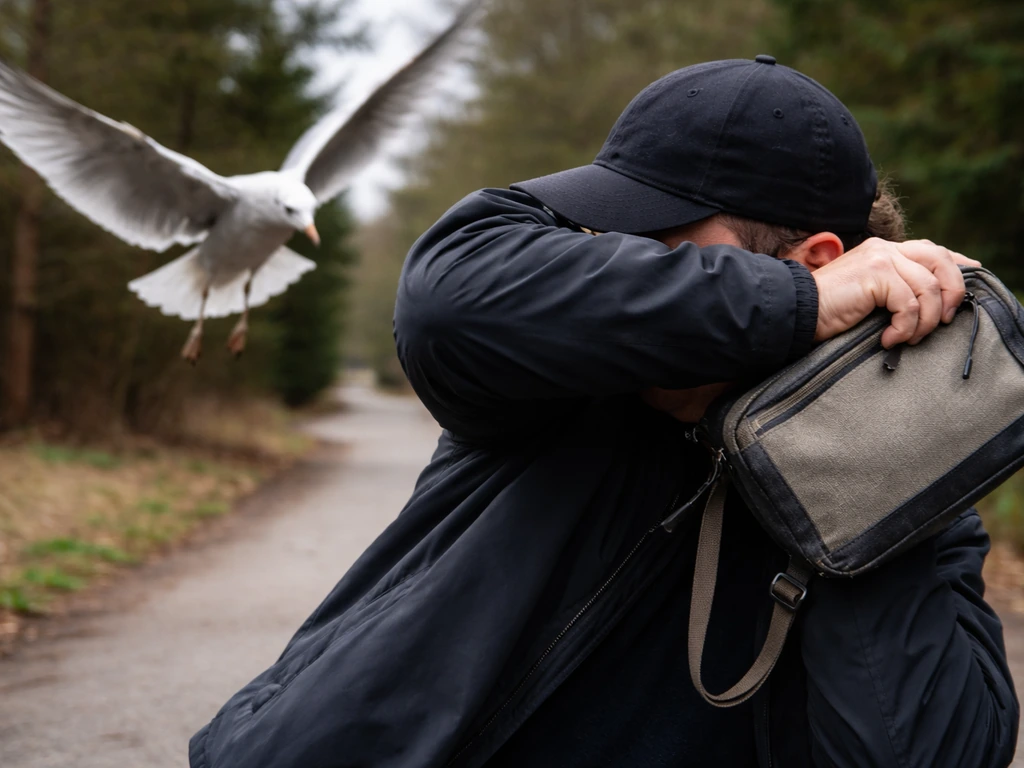
How to Stop a Bird From Attacking You: Immediate Steps
Step-by-step guide to stop a bird attack fast, protect face, and use humane prevention for nests, roosts, and entries.
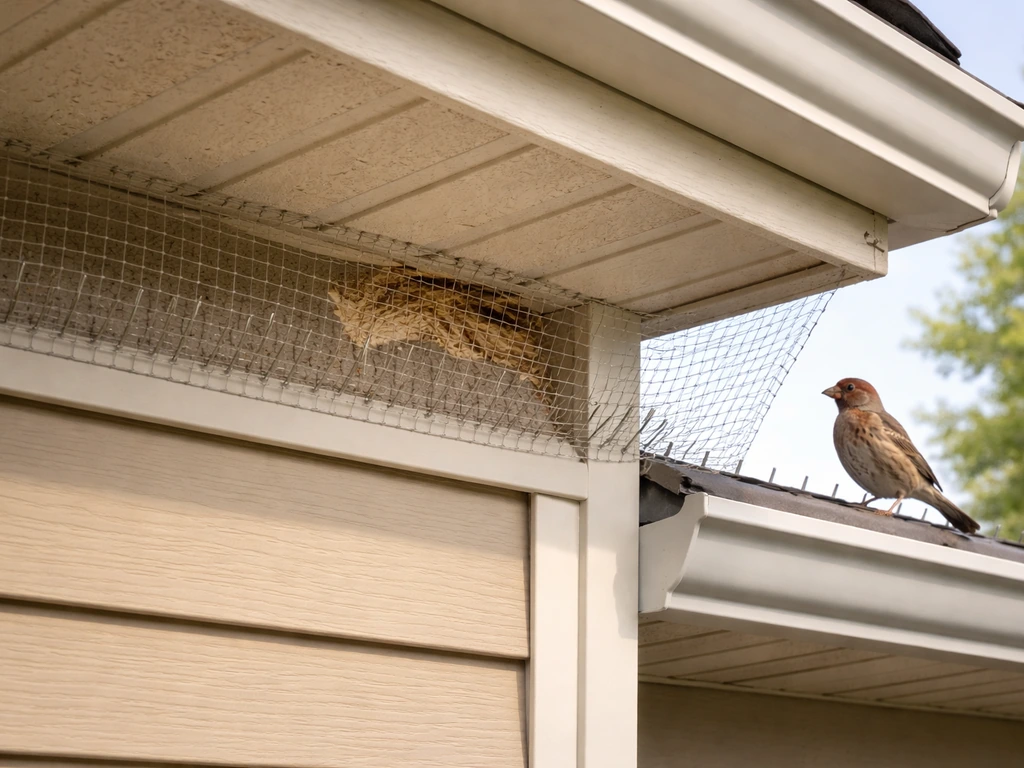
How to Stop Bird From Pecking House: Humane Steps
Humane, step-by-step fixes to stop birds pecking house damage fast and prevent return with safe deterrents and proofing.
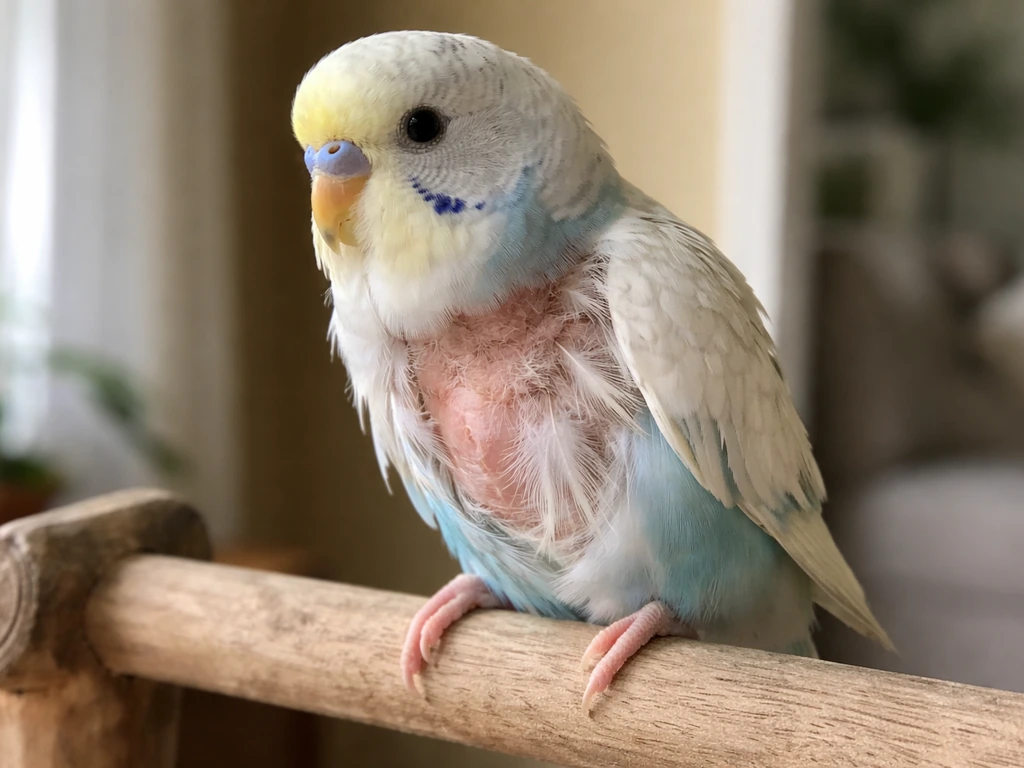
How to Stop a Bird From Plucking Its Feathers Fast
Step-by-step plan to stop feather plucking fast with safe fixes, enrichment, and medical checks plus when to call a vet