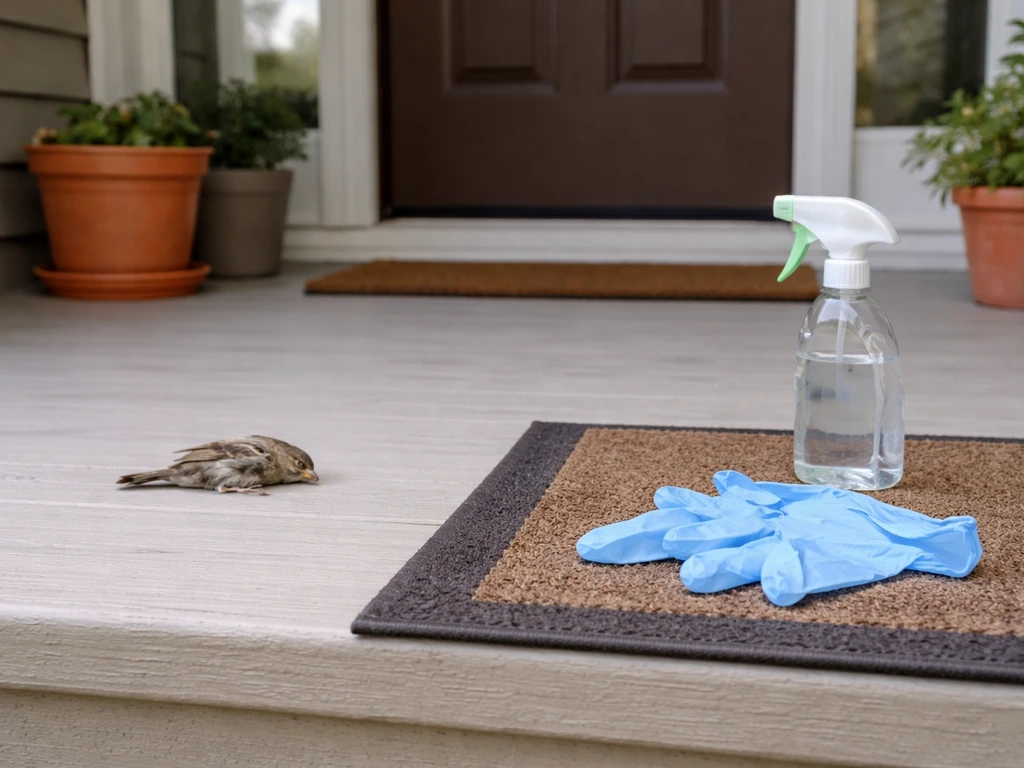
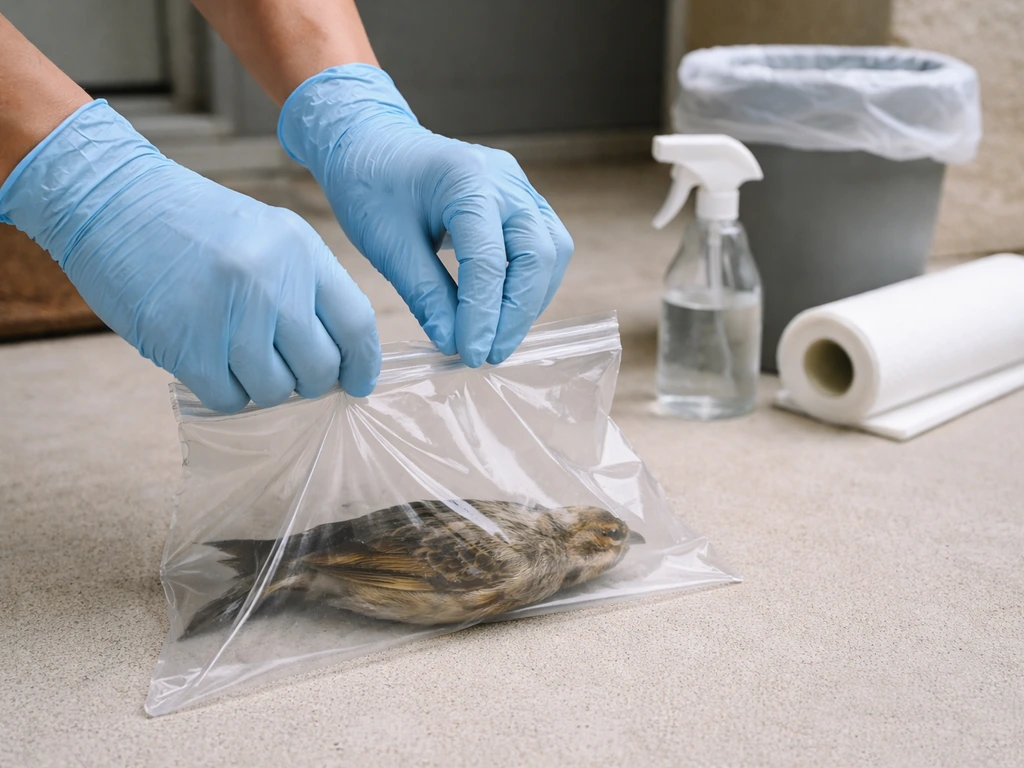
Put on a pair of disposable gloves, grab a plastic bag, and don't touch the bird with your bare hands. That's the most important thing right now. Pick up the bird by inverting the bag over your hand, seal it inside, then double-bag it and put it in your outdoor trash bin. Spray the spot where it was lying with an EPA-registered disinfectant, let it sit for the full contact time on the label, wipe it down, then wash your hands thoroughly with soap and water. That's the core of it. Everything below will walk you through each step in detail, help you decide when to call animal control or wildlife officials, and show you how to keep this from happening again.
What to Do With a Dead Bird on Your Porch Today
Maya Carver
5 Jun 2026
First: Protect Yourself Before You Do Anything Else
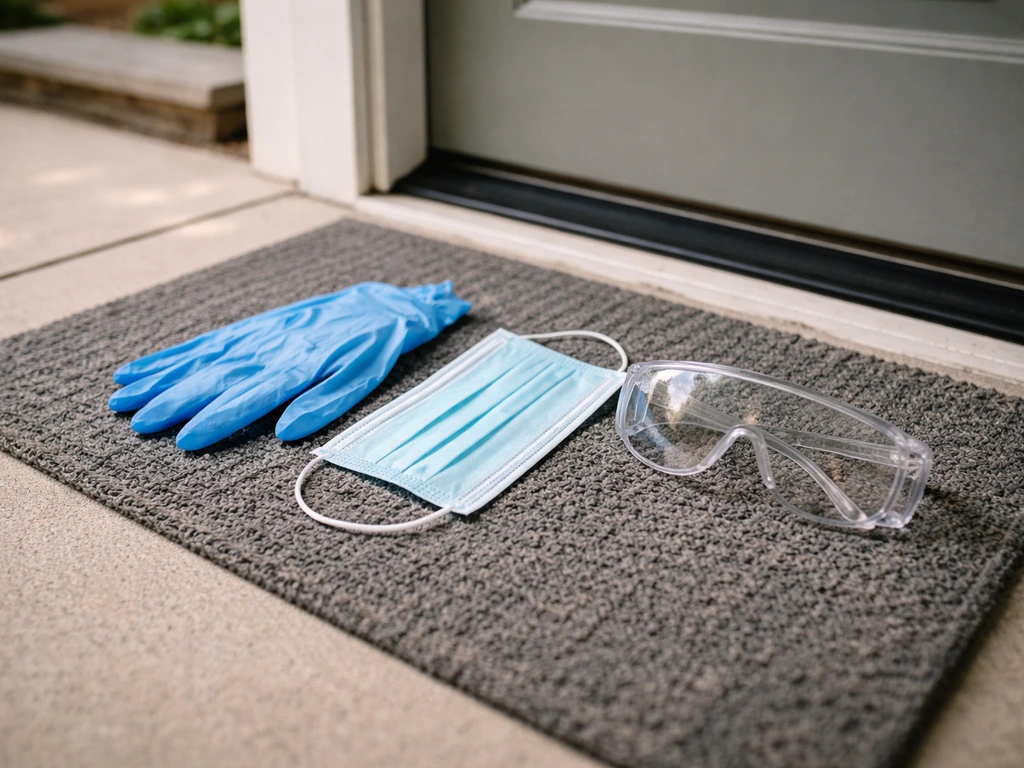
Before you move the bird or even get close to it, take a moment to gear up. Dead birds can carry avian influenza (H5N1), West Nile virus, and other pathogens. The CDC recommends that if you must handle a dead bird, wear disposable gloves, eye protection, and ideally an N95 respirator or at minimum a well-fitting face mask. If you don't have all of that on hand, a dust mask and safety glasses are far better than nothing.
One thing a lot of people miss: don't stir up feathers, dried droppings, or debris around the bird. Shaking or brushing the area can aerosolize particles that carry viruses directly into your airways. Step around the bird calmly, don't sweep near it until after you've disinfected, and keep kids and pets away from the area until cleanup is done.
- Disposable latex or nitrile gloves (your first non-negotiable item)
- N95 respirator or face mask (especially if the bird appears to have been dead for more than a day)
- Safety glasses or goggles
- Plastic bags (two, for double-bagging)
- EPA-registered disinfectant spray
- Paper towels or disposable rags
- Soap and water for hand washing after
A CDC tip worth following: before you start, seal the cuffs of your gloves to your sleeves with a strip of tape to prevent any fluid from getting on your skin. It sounds over-cautious until it isn't.
How to Remove and Dispose of the Bird Right Now
Once you're geared up, the removal itself is quick. The CDC's practical guidance for this exact situation is to use a plastic bag turned inside out over your gloved hand like a mitten, grab the bird through the bag, then pull the bag right-side out around it so the bird ends up sealed inside without you ever directly touching it. Drop that bag into a second bag, tie both off securely, and you're done with the hard part.
- Put on gloves, mask, and eye protection before approaching the bird.
- Invert a plastic bag over your gloved hand.
- Pick up the bird through the bag, then pull the bag right-side out around it so the bird is enclosed.
- Seal the first bag tightly, then place it inside a second plastic bag and seal that too.
- Place the double-bagged bird directly in your outdoor trash bin with a lid.
- Remove your gloves by peeling them off inside-out so the contaminated surface stays on the inside, then seal them in a separate bag.
- Wash your hands with soap and water for at least 20 seconds. If soap isn't available, use an alcohol-based hand sanitizer as a temporary measure until you can wash properly.
In most jurisdictions, a single dead wild bird in a standard plastic bag can go in your regular household trash. Check your local ordinances if you're unsure, but this is the standard guidance for residential disposal. Do not bury the bird in your yard if you have dogs or other animals that dig. Do not put it in a compost bin.
If the bird is large (a hawk, heron, or owl, for example), contact your local animal control or wildlife agency before disposal. If the bird is a blue heron, follow the same safety and disposal steps, but be extra careful because protected-species rules may apply and you may need to contact wildlife officials first how to get rid of blue heron bird. Large birds of prey and herons are almost always protected species, and the rules around handling and disposing of them are different. More on that in the legal section below.
Cleaning and Disinfecting the Porch Area
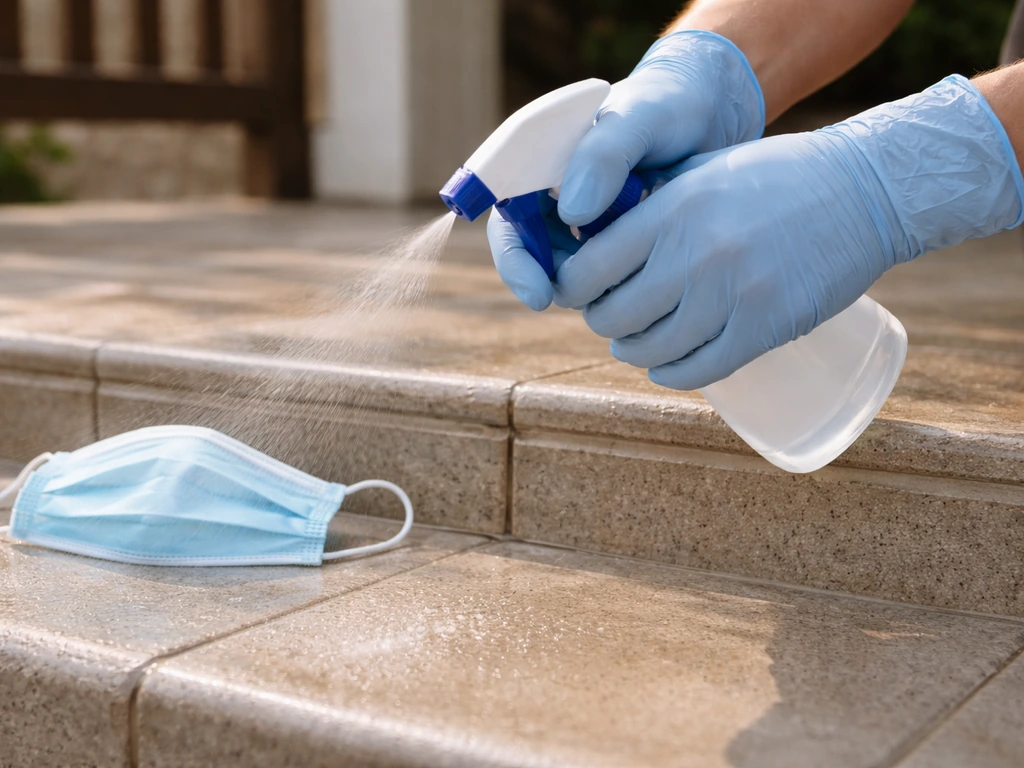
Once the bird is removed, you still have a potentially contaminated surface on your porch. Droppings, blood, feathers, or any fluid that touched your porch floor, railing, or furniture needs to be disinfected, not just rinsed off.
- Keep your gloves and mask on through the entire cleaning process.
- Pick up any loose feathers, debris, or droppings with a damp paper towel (never dry-sweep, which aerosolizes particles) and seal them in a bag.
- Apply an EPA-registered disinfectant to the affected surface. The EPA maintains a list (List M) of products registered to inactivate avian influenza A viruses on hard, non-porous surfaces. Common options include quaternary ammonium-based cleaners and diluted bleach solutions.
- Let the disinfectant sit for the full contact time listed on the product label. This dwell time is critical and often skipped. It can range from 1 to 10 minutes depending on the product.
- Wipe the area clean with disposable towels and seal them in a bag.
- If the surface is wood or another porous material, apply the disinfectant again and let it air dry.
- Dispose of all cleaning materials in a sealed bag in your outdoor trash.
- Remove your gloves and mask, bag them, then wash your hands thoroughly.
When choosing a disinfectant, check that the label explicitly includes directions for use against avian influenza and specifies the surface type (hard non-porous is the most common claim). Diluted household bleach (1 tablespoon per gallon of water) works well on concrete and sealed wood. Always follow the label. The EPA stresses this point specifically because using a product incorrectly, including skipping dwell time, can make it ineffective.
Keep pets and children off the porch until the disinfected surface has fully dried. Wash any clothing you were wearing during cleanup separately from your household laundry, or in the same load using hot water.
When to Call Animal Control, Wildlife Officials, or a Professional
Most of the time, a single dead bird on a porch is just bad luck for the bird: a window strike, a cat, or natural causes. If you want step-by-step help, this guide explains how to get rid of a storm bird safely from start to finish. You clean it up and move on. If you are wondering how to get rid of a dead bird, follow the bagging, disposal, and disinfecting steps above for safe cleanup You clean it up. If you need the quickest way to get rid of a bird on your porch, start with safe cleanup and disposal steps, then disinfect the area. But there are situations where you should pick up the phone before touching anything.
Call animal control or your local health department if:
- You find multiple dead birds in the same area within a short period (even two or three is worth reporting)
- The bird appears diseased: visible lesions, neurological symptoms before death (if you witnessed it), or unusual discharge
- The bird is a raptor, heron, owl, eagle, or any bird you think might be a protected migratory species
- You're not sure of the cause of death and you want the bird tested (some local agencies are tracking H5N1 or West Nile and may want the carcass)
- You or someone at your property has had direct contact with the bird without PPE and is experiencing symptoms like fever, eye irritation, or respiratory issues
The CDC specifically notes that local animal control, wildlife, health, or agricultural agencies may be tallying dead bird reports for disease surveillance purposes, particularly for West Nile virus and highly pathogenic avian influenza (HPAI). A single call to your county health department or state wildlife agency can confirm whether your area is part of an active monitoring program. USDA APHIS coordinates HPAI surveillance at the federal level and tracks wild bird detections through a reporting network.
If you suspect HPAI (H5N1 bird flu) because of unusual circumstances like multiple dead birds nearby or known local outbreaks in your area, do not dispose of the bird yet. Seal it in a bag, keep it cool, and call your state veterinarian's office or USDA APHIS. They can advise on whether a sample is needed for testing.
When to call a professional cleaning service:
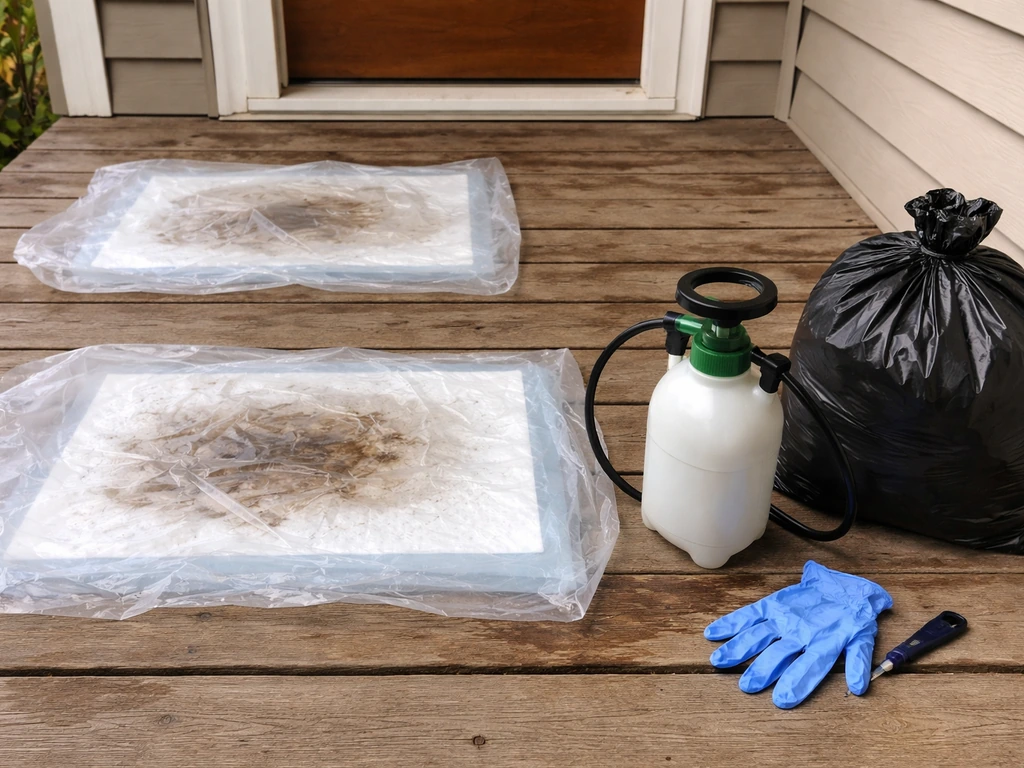
- The bird has been decomposing for several days and there is significant fluid or odor contamination on a porous surface
- The bird was located in a space that's difficult to access or disinfect, like inside a porch ceiling cavity or under decking
- You manage a commercial or institutional facility where regulatory compliance for biohazard cleanup applies
How to Stop This from Happening Again
One dead bird is a one-time event. Two or more in the same spot is a pattern worth fixing. The most common causes of dead birds on porches are window collisions, cats, and attractants like bird feeders or accessible water sources. Each has a practical fix.
Fix window collisions (the most common cause)
Birds can't distinguish glass from open air, especially when windows reflect trees or sky. If your porch has large windows or glass doors, this is almost certainly the culprit. The fix is to apply visual markers to the outside surface of the glass that break up the reflection. The key is spacing: the U.S. Fish and Wildlife Service, the National Park Service, and bird-safety organizations all specify that markings need to be no more than 2 inches apart horizontally and vertically across the entire window surface. Wider gaps still look like flyable airspace to a bird. Commercially available window decals designed for this purpose work well as long as you follow the 2-inch spacing rule. Tape strips, dot patterns, or ABC (anti-bird collision) film are all options. Placing items inside the window, like curtains or plants, provides much less protection than exterior markings.
Manage attractants
Bird feeders and birdbaths on or near the porch concentrate bird activity, which statistically increases the chance of window strikes, predator activity, and disease exposure. If you’re wondering how to get rid of a robin bird, focus on preventing it from returning by addressing attractants and blocking access points rather than trying to handle or remove it directly. If you find recurring dead birds near a feeder, move the feeder to a spot that's either very close to the window (within 3 feet, so birds can't build speed) or very far away (at least 30 feet). The CDC also specifically flags that feeding birds can attract wildlife and increase exposure risk, and recommends keeping feeders clean to reduce disease spread among bird populations.
Exclusion and physical proofing
If birds are roosting under your porch roof, in eaves, or in nearby structures, and dying there, that's a nesting or roosting problem rather than a collision problem. Bird netting, spikes on ledges, and sealing gaps in soffits and eaves are the right tools here. These measures also address the broader issue of birds getting into buildings. For detailed guidance on exclusion options by bird species, those are covered separately in the site's guides on specific bird removal situations.
Seasonal maintenance checklist
- Spring: Check window decals and exterior glass markings before peak migration season (April through May). Replace any that have peeled or faded.
- Summer: Clean bird feeders and birdbaths weekly with a diluted bleach solution to reduce disease spread. Avoid letting standing water accumulate on the porch.
- Fall: Inspect eaves, soffits, and porch ceilings for new nesting activity before birds settle in for winter. Seal gaps with hardware cloth or foam sealant.
- Year-round: Keep a supply of disposable gloves and bags somewhere accessible on or near the porch so cleanup never requires a search mission first.
Legal and Humane Considerations: Protected Species and What You Can't Do
Here's something most people don't know: in the United States, it is illegal to possess any part of most native wild birds, including feathers, nests, or eggs, without a federal permit. The Migratory Bird Treaty Act (MBTA), enacted in 1918 and administered by the U.S. Fish and Wildlife Service, covers the vast majority of wild birds you'd encounter in North America. That means you legally can't keep a feather you found on your porch, display it, or give it away. Disposing of the bird in the trash is fine. Keeping any part of it is not.
For bald eagles and golden eagles, the rules are even stricter. The Bald and Golden Eagle Protection Act prohibits taking, possessing, selling, or transferring these birds or any part of them (including feathers) and carries criminal penalties. If you find a dead bald or golden eagle on your porch, do not move it until you've contacted the U.S. Fish and Wildlife Service or your state wildlife agency. They will handle retrieval.
For other large or obviously unusual birds (owls, hawks, herons, songbirds you can't identify), the safest approach is to call your state wildlife agency or a licensed wildlife rehabilitator before disposal, especially if the bird is not obviously dead (just injured or stunned). If the bird you are dealing with is actually a pet, the safest step is to contact an avian veterinarian or a local bird rescue for guidance tailored to your bird's species and condition how to get rid of a pet bird. Wildlife rehabilitators are permitted to handle protected birds and can provide proper care. Animal control can also connect you with the right resource.
| Situation | What to do | Who to call |
|---|---|---|
| Single small songbird, clearly dead | Double-bag and trash it, disinfect the area | No call needed unless you want to report for surveillance |
| Multiple dead birds in the same spot | Don't dispose yet, photograph the scene | Local animal control or county health department |
| Bird appears diseased or unusual | Bag without touching, keep it cool | State veterinarian or USDA APHIS |
| Raptor, heron, owl, or large unidentified bird | Don't handle or dispose | U.S. Fish and Wildlife Service or state wildlife agency |
| Bald or golden eagle | Do not touch or move | U.S. Fish and Wildlife Service immediately |
| Injured but alive bird | Do not handle; keep area calm and quiet | Licensed wildlife rehabilitator or animal control |
The humane angle matters too. If you're finding repeated dead birds due to window collisions, fixing that problem is the most meaningful thing you can do. If you keep dealing with a whippoorwill on your property, use prevention steps like reducing attractants and addressing entry points so it doesn't keep returning how to get rid of a whippoorwill bird. It protects the birds, keeps your porch cleaner, and removes the repeated health cleanup burden from you. The 2-inch window marking rule is simple, inexpensive, and genuinely effective when applied correctly.
Your Quick-Reference Checklist
- Gear up: gloves, face mask, and eye protection before approaching.
- Keep kids and pets away from the area.
- Pick up the bird using the inside-out bag method and double-bag it.
- Place the sealed bag in your outdoor trash bin.
- Remove and bag your gloves and PPE.
- Wet-wipe any visible debris (no dry sweeping).
- Apply EPA-registered disinfectant to the affected surface and wait the full label contact time.
- Wipe clean with disposable towels; re-bag and trash all cleaning materials.
- Wash hands with soap and water for at least 20 seconds.
- Assess the cause: window? Feeder? Predator? Roosting problem?
- If multiple birds or suspicious circumstances, call animal control or your health department.
- If the bird is large, a raptor, or an eagle, call wildlife authorities before any disposal.
FAQ
Do I need to disinfect the porch if the bird looks dry and there is no obvious mess?
If the bird looks freshly dead or you see fluids or heavy droppings, treat it like a contamination event, wear PPE, and disinfect even if it is in a spot that looks “clean.” If it has been there a while and is dry with minimal residue, you still should not touch it bare-handed, but the key risks shift to dust from dried droppings and feathers, so avoid sweeping or brushing until after disinfection.
Can I vacuum up feathers and droppings after I remove the bird?
Don’t use a vacuum to clean up feathers or droppings unless the vacuum is designed for biohazard cleanup. A regular household vacuum can blow fine particles back into the air. If you must collect debris, do it only after disinfection with disposable wipes or paper towels, then discard them in the bag.
Where should I put the bagged dead bird on the way to the trash?
Take the bagged bird to an outdoor trash bin with the lid closed, and keep the bag away from areas where kids or pets roam. Avoid carrying it through indoor living spaces, and if you do bring it indoors temporarily, keep it in a sealed container and wash the route you touched.
What should I do if I touched the bird or got residue on my skin?
If you accidentally get blood, droppings, or fluid on your skin, rinse with soap and water right away, remove any contaminated clothing, and wash it separately using hot water if the fabric allows. Do not “cover it” with a bandage without washing, and if you have broken skin or you got it in your eyes or mouth, contact a medical professional for guidance.
When should I stop and call animal control or wildlife officials instead of disposing myself?
Contact your local animal control or wildlife agency before disposal if the bird is large, looks unusual for your area, is a species you cannot confidently identify, or if there are multiple dead birds. Also call if you notice signs like reluctance to move before death, because an injured bird might be present and the safest approach is species and circumstance-specific handling.
If I’m worried it could be bird flu, should I disinfect first?
If you suspect avian influenza (for example, multiple dead birds nearby, known local HPAI reports, or an unusual cluster), do not disinfect immediately or dump it out. Seal it, keep it cool (not frozen if you have no instructions), and call your state veterinarian or USDA APHIS for testing guidance. This preserves the specimen and prevents disturbing contaminated material.
Is diluted bleach safe to use for the porch and what mistakes should I avoid?
Yes, using bleach can work, but only if you make the correct dilution and verify the label or your disinfectant guidance allows that use on the specific surface. Never mix bleach with other cleaners like ammonia or acids, and make sure there is enough wet contact time for effectiveness, not just a quick wipe.
How long should I keep pets and kids off the porch after disinfecting?
You should keep kids and pets away until the disinfected surfaces are fully dry, and until any residue on shoes and paws is unlikely to be transferred. After it dries, do a normal cleanup of nearby surfaces you may have tracked through, such as doormats and the bottom of porch steps.
Can I wash the clothes I wore for cleanup with the rest of my laundry?
If clothing is heavily contaminated with droppings or fluids, bag it and wash it separately right away. If it is lightly soiled, you can still wash separately, but hot water helps if the fabric tolerates it. Do not shake the clothing, because it can aerosolize dried particles.
What if the bird touched porous items like cushions, rugs, or untreated wood?
If you have feather fragments or droppings on porch furniture cushions or other porous items, disinfection may not be fully effective because liquids can soak in. For porous cushions, consider removing covers for washing if possible, and discard disposable items that were directly contaminated. When in doubt, handle the area like it could still release particles, and follow the safest disposal guidance for those materials.
My porch gets dead birds repeatedly, what’s the fastest way to diagnose the cause?
If birds are returning, prioritize prevention changes before you set anything up again, such as addressing window strikes and removing or relocating attractants like feeders and accessible water. A practical decision aid is to look for patterns: if the dead bird is consistently near glass, start with exterior window marking, if near a roofline or eaves, address roosting entry points.
What if I can’t identify the bird species I found?
Even one dead bird can raise concern if it is an uncommon or protected species, or if it is part of an emerging cluster. If you cannot identify it confidently, treat it as wildlife and contact your state wildlife agency or a licensed wildlife rehabilitator before handling or disposing to avoid legal and safety mistakes.
Next Articles
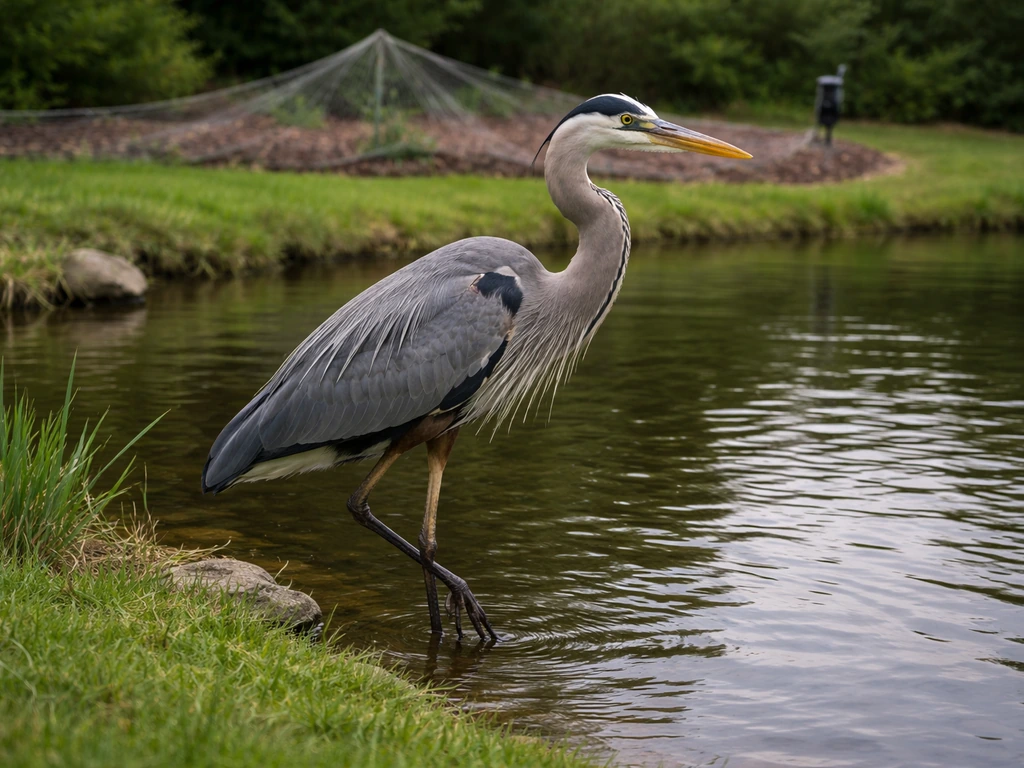
How to Get Rid of a Blue Heron Bird Safely and Humanely
Humane, legal steps to deter and prevent blue herons from yards and ponds with safe deterrents and proofing.
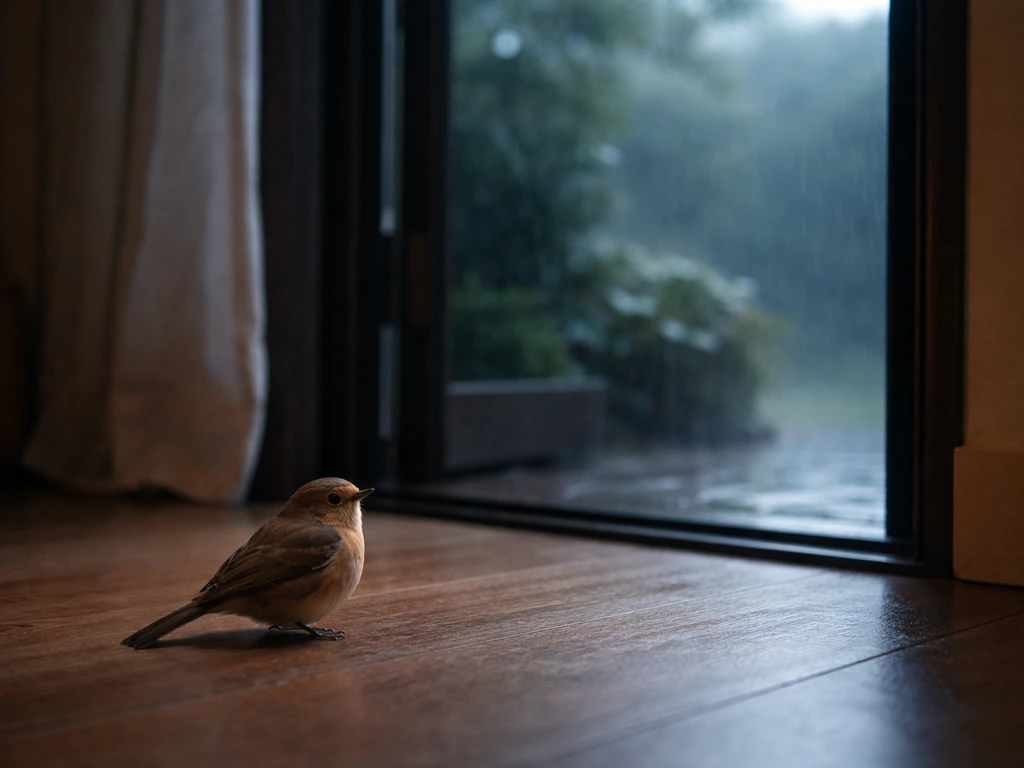
How to Get Rid of a Storm Bird Safely and Humanely
Step-by-step, humane removal of a storm-blown indoor bird plus prevention, cleanup, and when to call wildlife control.
How to Get Rid of a Dead Bird Safely and Cleanly
Safe step-by-step guide to remove and dispose of a dead bird, disinfect the area, and prevent future incidents.