If you want to get rid of a pet bird, your first step depends on what 'get rid of' actually means right now. For a “storm bird” specifically, the best approach depends on whether it is actually a pet bird you can capture safely or a wild bird that needs professional help. If the bird is loose in your home and you need it contained today, you need a low-stress capture plan before anything else. If you're looking to permanently rehome or surrender the bird, you'll want to gather some basic history and connect with the right placement resource. And if the bird keeps escaping into rooms, perching in dangerous spots, or triggering repeated cleanup headaches, you need a proofing plan. This guide covers all three angles, starting with the most urgent.
How to Get Rid of a Pet Bird: Safe Rehoming Steps
First, confirm: are you dealing with an escaped pet bird or a wild bird?
Before you do anything else, make sure you're actually dealing with a pet bird and not a wild visitor that wandered in. This distinction matters because wild birds, especially migratory species like songbirds, raptors, and waterfowl, are federally protected under the Migratory Bird Treaty Act, and handling them without proper authorization can get you into legal trouble. If the bird you need to get rid of is a whippoorwill, it is still important to treat it as a wild protected species and use the right licensed help rather than handling it yourself species like songbirds, raptors, and waterfowl. It also changes your entire response plan.
Here's a quick way to tell them apart. A pet bird will often show little fear of people, may respond to a familiar name or voice, and typically has clipped wings, a leg band, or unusually bright/unusual plumage for your region. A truly wild bird will panic and thrash immediately when approached, will look like a native species (robin, sparrow, pigeon, hawk), and will have no interest in landing near you unless it's injured. If you found the bird indoors and it looks like a native species, check out guidance on how to get rid of a bird for wild-bird-specific steps, since the approach differs meaningfully from handling a domestic pet. For a complete walkthrough, see our detailed guide on how to get rid of a bird, including both pet and wild-bird scenarios.
| Clue | Likely Pet Bird | Likely Wild Bird |
|---|---|---|
| Fear of people | Low, may step onto hand | High, thrashes immediately |
| Appearance | Exotic colors, unusual plumage, leg band | Matches local native species |
| Wing condition | Often clipped | Full flight feathers, strong flier |
| Voice response | May respond to name or familiar sounds | Silent or alarm calls only |
| Entry point | Cage left open, door/window left ajar | Open window, chimney, vent |
| Time of year | Any season | Collision/migration risk peaks spring and fall |
If you're still unsure, treat the bird as wild until confirmed otherwise. That default protects both you and the animal.
Quick emergency steps to safely contain the bird right now
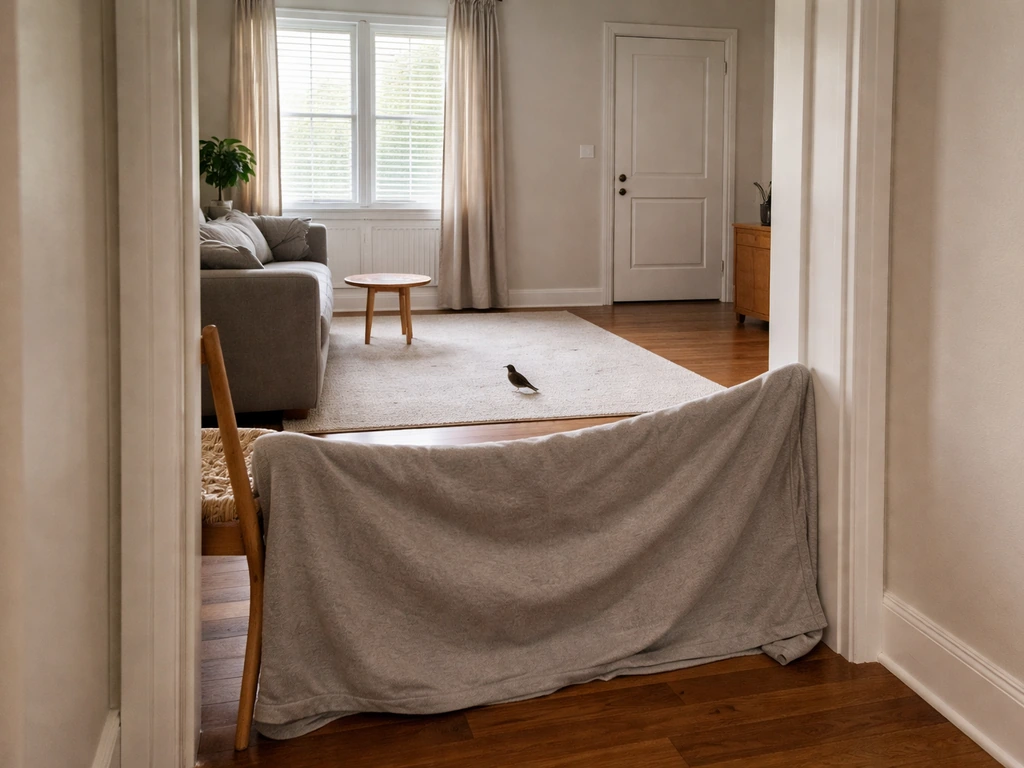
If the bird is loose in your home at this moment, act within the first few minutes before it retreats somewhere inaccessible. Work through these steps in order.
- Close all doors, windows, and vents in the room the bird is in. Isolate it to one space before it moves further into the building.
- Turn off ceiling fans immediately. A loose bird and a spinning fan blade is a medical emergency waiting to happen.
- Dim the lights. Birds tend to calm down in lower light and are less likely to fly frantically at windows.
- Remove other pets from the room, especially cats and dogs. Even a calm pet stresses a loose bird significantly.
- If the bird is perched and relatively calm, place its cage (door open) near it at perch height. Many pet birds will return voluntarily if they see a familiar space.
- If it won't return on its own, proceed to the low-stress capture steps below.
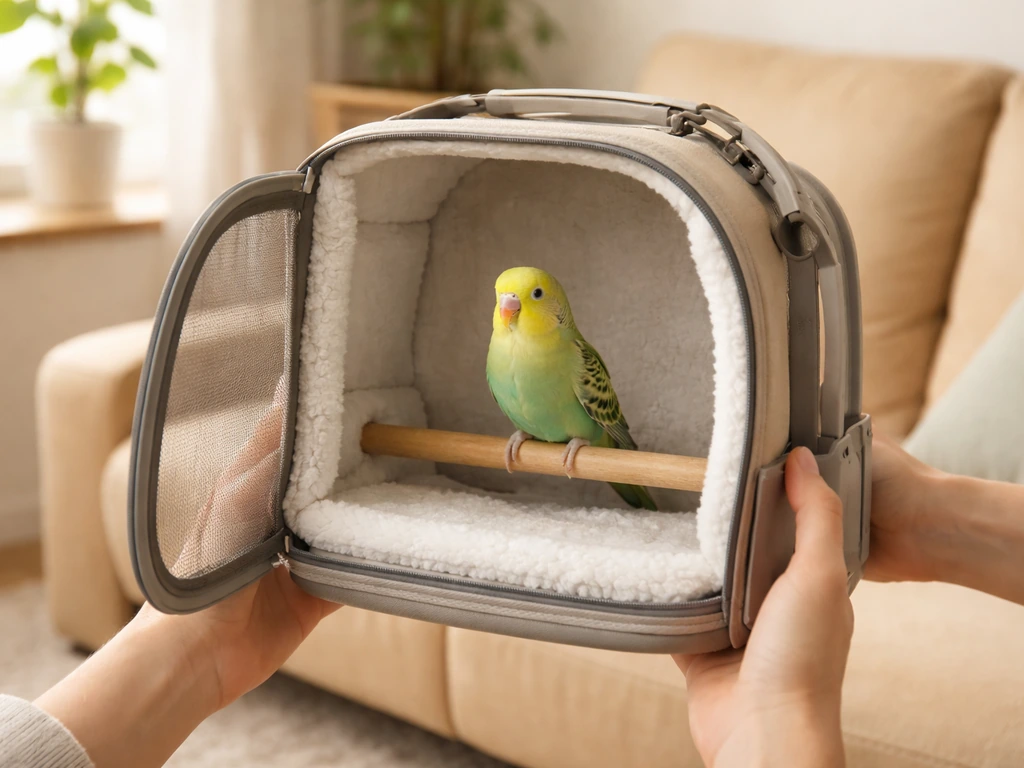
If the bird appears injured, keep the room temperature warm. Avian veterinary guidance recommends maintaining an environment of roughly 80°F to 90°F (27°C to 32°C) for an injured or stressed pet bird. If you can't heat the whole room that quickly, place the bird in a small carrier or box lined with a towel and use a heating pad on low underneath half the container, not under the whole floor, so the bird can move off heat if needed. Target 75°F to 85°F (24°C to 29°C) inside that small space.
Low-stress capture and handling basics (and what not to do)
The goal of capture is to end the bird's stress as quickly as possible, not to chase it into exhaustion. A bird that's been flying frantically for 20 minutes can overheat, injure itself on walls, or go into cardiac stress. Calm, confident movement is your biggest tool here.
The towel method (for grounded or low-perching birds)
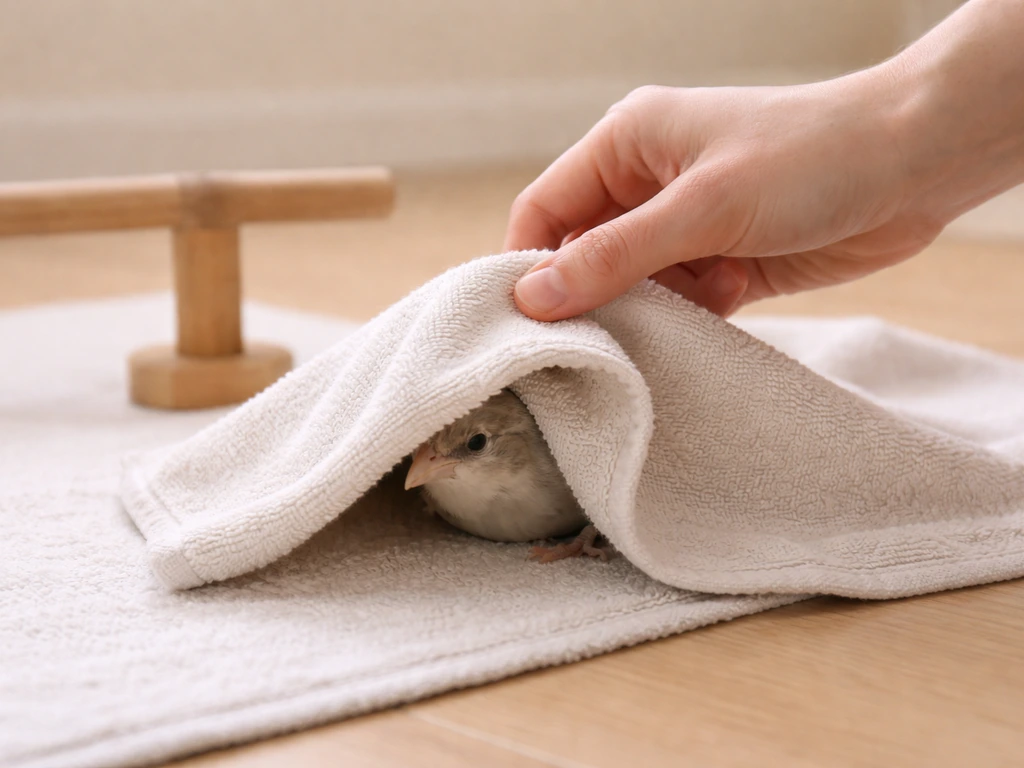
Have a lightweight towel ready before you approach. Move slowly and without sudden gestures. Drape or drop the towel gently over the bird to block its vision and reduce flapping. Once covered, cup your hands around the bird through the towel, supporting the body and keeping the wings gently folded against the body. Do not squeeze the chest, as birds breathe by expanding their ribcage and chest compression can suffocate them quickly. Transfer directly to a carrier or cage with the towel still in place, then withdraw the towel once the door is secured.
What to avoid
- Do not chase the bird repeatedly around the room. Each failed attempt raises its panic level.
- Do not throw a towel from a distance if the bird is actively flying or if it may be injured. A thrown towel can cause impact injuries or make existing injuries worse.
- Do not grab by the tail or wings. Feather loss and dislocations are common from incorrect grabs.
- Do not use food as bait in an open room without isolating the space first. It rarely works and wastes time.
- Avoid rooms with high ceilings for any transfer. Birds instinctively fly upward when startled and can end up on light fixtures, pipes, or beams that are hard to reach safely.
Good restraint is about technique and confidence, not force. If you're hesitant, move slowly, take a breath, and approach from the side rather than directly head-on. Birds read direct frontal approach as predator behavior.
Safest options after containment: rehome, surrender, or temporary care
Once the bird is safely contained, you have a real decision to make about its future. These are your three main paths.
Rehoming directly
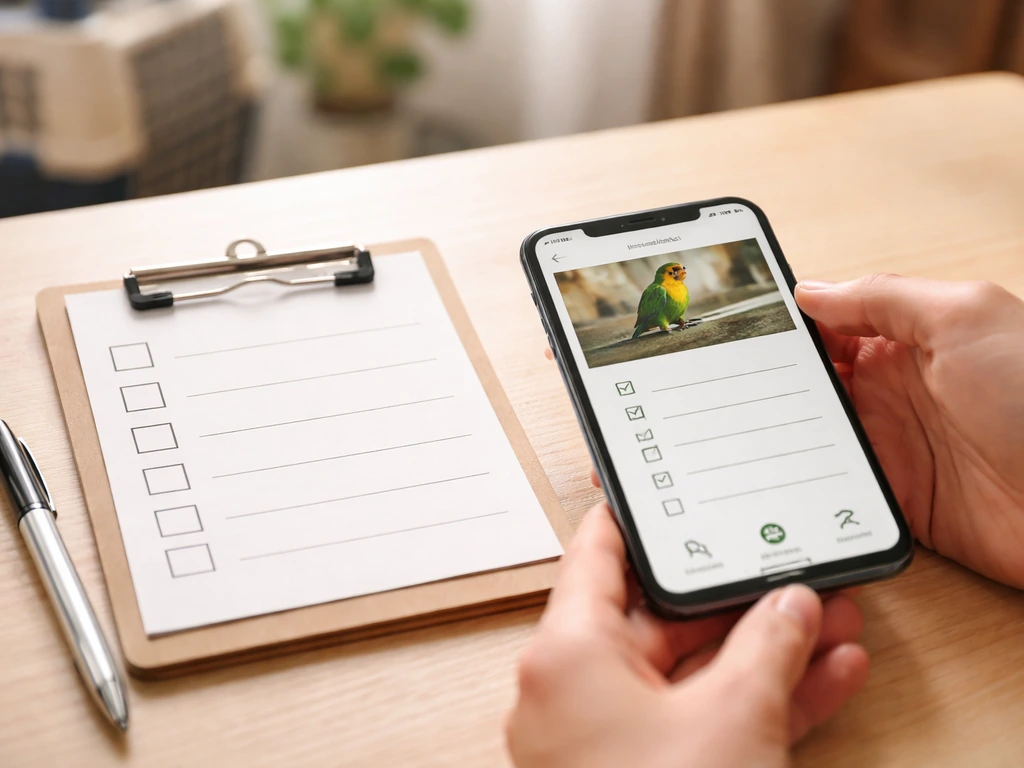
Direct rehoming to a trusted person, family member, or vetted bird owner is often the fastest and least stressful path for the bird. Post in bird-specific communities (local bird clubs, species-specific Facebook groups, avian hobbyist forums) rather than general classifieds. Be honest about the bird's temperament, noise level, and care needs so the match is a good one.
Surrendering to an avian rescue or shelter
If direct rehoming isn't an option, contact a bird-specific rescue or shelter. Before you call, gather the following information because shelters use it to plan intake and care. The more you bring, the better the outcome for the bird.
- Age and sex of the bird (if known, note how it was determined: vet records, leg band, DNA sexing)
- Past medical conditions, injuries, or diseases and any existing vet records
- The commercial food the bird has been eating day-to-day
- Behavioral history: biting, bonding with specific people, noise triggers, handling tolerance
- Any medications currently being given
Shelters that follow current avian welfare practices will want this intake information to provide appropriate care and to match the bird with a suitable adopter. Having it ready speeds up the process and reduces the stress of multiple follow-up calls.
Temporary care while you arrange placement
If placement will take a few days or weeks, keep the bird in a clean, quiet space away from household traffic. Maintain its existing diet to avoid digestive disruption. Cover the cage at night to support normal sleep cycles. Avoid introducing new people or handling more than necessary during this transition period, since added stress while the bird's routine is disrupted can suppress its immune system.
If the bird keeps escaping indoors: room-by-room prevention and proofing
If your problem isn't a one-time escape but a pattern of the bird getting into spaces it shouldn't, you need to look at the environment systematically. Walk through each area where the bird has access and address these points.
Kitchen
The kitchen is the most dangerous room for a pet bird. Non-stick cookware releases fumes at high heat that can kill a bird within minutes. Keep birds physically separated from the kitchen with a closed door policy. Install a door sweep if there's a gap at the bottom of the kitchen door.
Windows and glass doors

Birds can't distinguish reflective glass from open space. Apply window film, frosting, or decorative non-reflective coverage on glass panels in bird-accessible areas. Adjust interior blinds and interior lighting to reduce strong reflections. If the bird is flying toward windows repeatedly, the issue is almost always a combination of light pathway and reflection, not the bird being erratic.
Doors to outdoor areas
Add a second barrier at any exterior door: an interior screen door, a baby gate in a hallway, or a clear acrylic panel that creates a visual block at the doorway. Establish a household rule that exterior doors are not opened while the bird is out of its cage.
Ceiling fans and light fixtures
If the bird has free-flight time, ceiling fans must be off. Keep a simple reminder posted at the switch. For high ceilings with exposed beams or light rails, consider limiting free-flight to lower-ceiling rooms where retrieval is easier.
Cage security
Many escapes trace back to cage latches that smart birds (parrots especially) learn to open. Switch to carabiner clips or locks on any door the bird has figured out. Check hinge rivets and door gaps regularly, as these loosen over time.
Reduce attractants and manage entrances, windows, and vents
If your issue involves birds repeatedly entering from outside, the approach shifts toward blocking access and reducing what's drawing them in. Bright lights visible through windows, potted plants near glass, and reflective surfaces all attract birds toward the building. Moving indoor plants away from glass panels and adjusting interior lighting at dusk can reduce window strikes and repeated entry attempts.
For vents, install vent covers with fine mesh (no larger than 0.5 inch openings) on any external vent that leads into occupied space. Check attic vents, crawl space vents, dryer exhaust vents, and soffit openings at least once a year, ideally in late winter before spring nesting season. Gaps as small as an inch can allow smaller birds entry.
For windows in areas where repeated collision or entry is a problem, external screening set off the glass surface by at least a few inches is one of the most effective solutions. It creates a buffer so birds that approach bounce off the netting rather than hitting glass at full speed. This approach is particularly useful in facilities or buildings where multiple windows face open areas.
Cleanup and safety: droppings, feathers, and humane deterrents
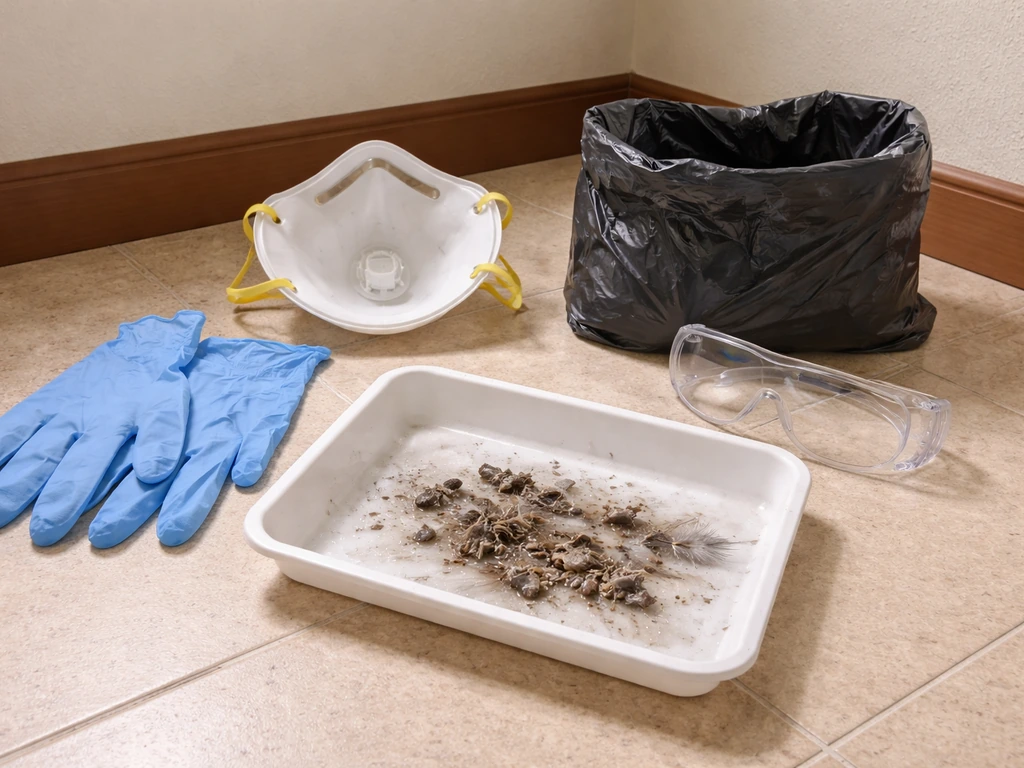
Bird droppings carry real health risks and need to be handled carefully, not just wiped up dry. Dried droppings can contain Chlamydia psittaci (the bacterium that causes psittacosis, a respiratory illness) and fungal spores associated with histoplasmosis. Avoid letting bird or bat droppings accumulate because elimination of the droppings helps prevent spores from becoming airborne, consistent with CDC/NIOSH guidance. The key rule: never dry-sweep or vacuum dry droppings. Aerosolizing them spreads the contamination into the air you're breathing and into your building's ventilation system.
Safe cleanup protocol
- Put on an N95 respirator (not a standard dust mask), disposable gloves, and eye protection before touching any accumulated droppings.
- Wet the droppings thoroughly with a disinfectant solution (a diluted sodium hypochlorite bleach solution works well) before disturbing them. This reduces aerosolization.
- Wipe up with damp paper towels or disposable cloths. Bag and seal immediately.
- Clean the surface again with disinfectant and allow to air dry with good ventilation, ideally with exhaust ventilation running to pull air away from occupied areas.
- Wash hands thoroughly. Bag and dispose of all PPE.
- For large accumulations (more than a few square feet), do not attempt DIY cleanup. Call a professional remediation service.
Good exhaust ventilation during and after cleanup is not optional. Aerosols from contaminated droppings can spread through shared HVAC systems and reach other parts of the building. If cleanup is happening in a room with shared ductwork, close that room's vents and work with a window open to the outside.
Humane deterrents for recurring perching or entry
If birds are repeatedly perching on ledges, windowsills, or rooflines, physical deterrents are more reliable than noise or visual scare devices, which birds habituate to quickly. Bird spikes on flat ledges, sloped surfaces over horizontal sills, and stainless steel coils on rails all reduce landing opportunities without harming the birds. For enclosed courtyards or HVAC intake areas, netting is the most complete solution. Inspect all deterrents seasonally since debris accumulation can reduce their effectiveness over time.
When to escalate: avian rescue, wildlife professionals, and protected-species rules
There are situations where the right move is to call someone with a permit and proper training, not to handle things yourself. Know when you've hit that threshold.
If the bird turns out to be a wild, protected species
Migratory birds including songbirds, raptors, and waterfowl are federally protected under the Migratory Bird Treaty Act. If the blue heron is the one causing trouble, the safest first step is to contact a licensed wildlife professional or local bird removal service for guidance on lawful removal and prevention Migratory birds including songbirds, raptors, and waterfowl. Handling, capturing, or transporting them without proper authorization is a federal violation. If you discover the bird in your building is a wild native species, contact a licensed wildlife rehabilitator immediately. In most states, blank" rel="noopener noreferrer">you can stabilize the bird and transport it to a permitted rehabilitator without needing your own permit, but you need to transfer it within 48 hours or as required by your state (Kansas, for example, specifies 48 hours). Do not attempt long-term care on your own. Topics like how to get rid of a robin bird involve protected native species and should always follow this escalation path. Topics like how to get rid of a robin bird involve protected native species and should always follow this escalation path.
If the bird is injured and you can't safely handle it
Call an avian vet or avian rescue before attempting capture if the bird is visibly injured, bleeding, or in respiratory distress. Keep the bird warm, contained, and in a dark, quiet space while you wait. An avian vet can provide guidance over the phone on immediate stabilization steps.
If cleanup or infestation is beyond DIY scope
Large-scale droppings accumulation in attic spaces, wall cavities, or HVAC systems requires professional remediation. This is a real air quality and structural issue, not just an aesthetic one. Contact a wildlife exclusion contractor who handles bird cleanup for proper containment and safe removal.
Quick escalation checklist
- Bird appears to be a wild native species: contact a licensed wildlife rehabilitator, do not keep it more than 48 hours
- Bird is injured, bleeding, or breathing abnormally: call an avian vet now
- You cannot safely capture the bird without risk of injury to yourself or the bird: call a local avian rescue for guidance
- Droppings cover more than a few square feet of enclosed space: call professional remediation
- Bird is in an inaccessible void (wall cavity, ceiling space): call a wildlife exclusion contractor
- You're unsure whether your situation involves a legally protected species: contact your state wildlife agency before doing anything
Whatever path you're on, the core goal is the same: a safe outcome for the bird, a clean and proofed space for you, and a clear plan so this doesn't repeat. With the right containment, placement, and proofing steps in place, most bird problems can be resolved permanently.
FAQ
How can I tell quickly if the bird is truly my pet versus a wild bird before I do anything?
If a bird is in your home but you cannot confirm it is a pet, treat it as wild until proven otherwise. For safety, avoid handling and instead contain the area (close interior doors, turn off ceiling fans, reduce light reflections) and contact a licensed wildlife professional for next steps, especially for native-looking species.
Can I use traps or DIY capture methods to get a bird out faster?
Do not use regular glue traps, rodent traps, or household mousetrap-style devices. They can cause severe injury and may be illegal for wildlife, and even if you contain the bird, injured birds should be stabilized by an avian vet or a permitted rehabilitator.
What should I feed or avoid feeding if I am rehoming or surrendering the bird?
Yes, you should avoid feeding or switching foods while the bird is being placed or held temporarily. Stick to the bird’s known diet, offer water, and keep the environment quiet and covered at night to reduce stress-related immune suppression and digestive upset.
What’s the safest way to keep a pet bird calm overnight while I arrange surrender or pickup?
If you must hold the bird overnight before transport, keep it in a clean, secure cage or carrier in a dark, quiet room, maintain warmth based on condition (more critical if injured), and minimize handling. Avoid introducing new people, new toys, or frequent cage repositioning.
What precautions should I take for bites, scratches, or contamination during capture or cleanup?
If the bird bites, scratches, or you have to restrain it, wash hands thoroughly and avoid touching your face until you clean up. Wear gloves for cleanup and capture if possible, and if there are any punctures or bites that break skin, seek medical advice, since avian contaminants can transfer through handling.
Is it okay to just wipe or vacuum bird droppings dry to clean up quickly?
Never dry-sweep or vacuum droppings dry. Use wet methods with appropriate ventilation, keep people and other pets away, and close vents to the rest of the building when working in shared ductwork areas to prevent aerosol spread.
When does droppings cleanup move from DIY to hiring a professional?
If cleanup is in an attic, wall cavities, or HVAC-related spaces with heavy buildup, that is typically beyond a household cleanup. Use a wildlife exclusion contractor for containment and safe removal, because disturbed droppings can create ongoing air-quality risks and because entry points often need exclusion work.
What should I do if the bird keeps flying into windows or tries to get back in from outdoors?
For repeated window collisions or escape attempts, the best fix usually combines reducing attraction and adding physical barriers. Use non-reflective window coverage or window film, and in problem rooms consider exterior netting that creates a buffer so birds bounce off the netting instead of glass.
My bird keeps getting out of its cage, how do I stop it for good?
If the bird escapes repeatedly, treat it like a containment engineering problem. Check cage latches, door locks, and hinge gaps, then upgrade to carabiner-style clips or locks on any opening the bird can access, and inspect weekly until you confirm the bird cannot manipulate the hardware.
When should I stop trying to capture it myself and call an avian vet or rescue instead?
If the bird shows obvious injury, bleeding, open-mouth breathing, marked lethargy, or labored respiration, call an avian vet or bird rescue before attempting capture. Keep it warm, dark, and quiet while you wait, and reduce stress by not chasing repeatedly.
If it turns out the bird is wild but injured, what are the next steps for lawful, safe help?
If the bird is suspected to be a protected wild native species, do not attempt to keep it long-term. You may be able to stabilize it and transport to a permitted rehabilitator, but timing rules can vary by state, so confirm the required transfer window and follow the rehabilitator’s instructions.
What information should I gather if I’m surrendering the bird but I don’t know its full medical or age history?
If you don’t have the bird’s full history, ask the shelter or rescue what they need at intake (photos, recent behavior, diet, cage setup, and any known medical issues). Bringing even a rough care timeline and a current photo helps them triage stress level and dietary transition safely.
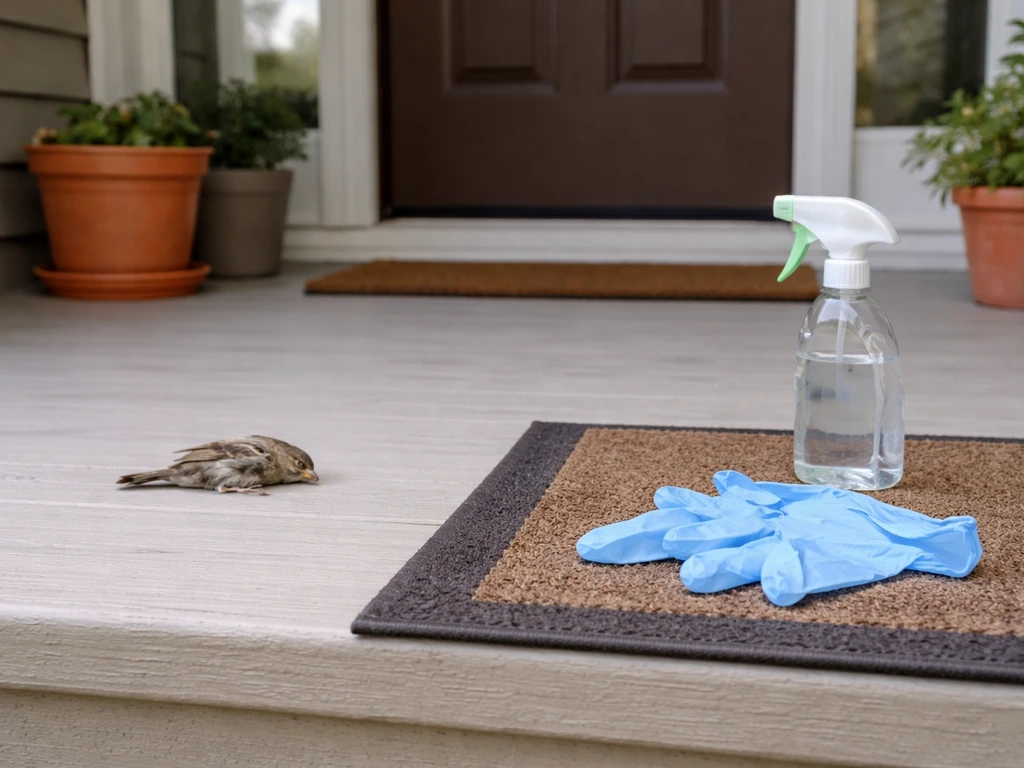
Step-by-step safety guide to remove and disinfect a dead bird on your porch, prevent repeats, and know when to call wild
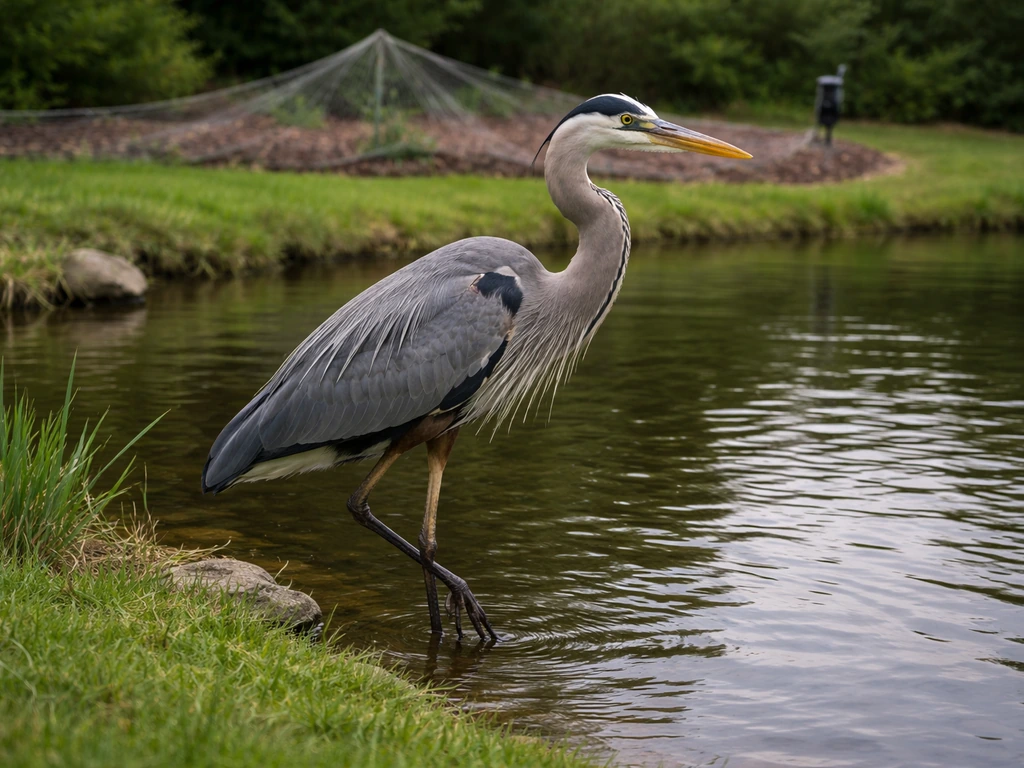
Humane, legal steps to deter and prevent blue herons from yards and ponds with safe deterrents and proofing.
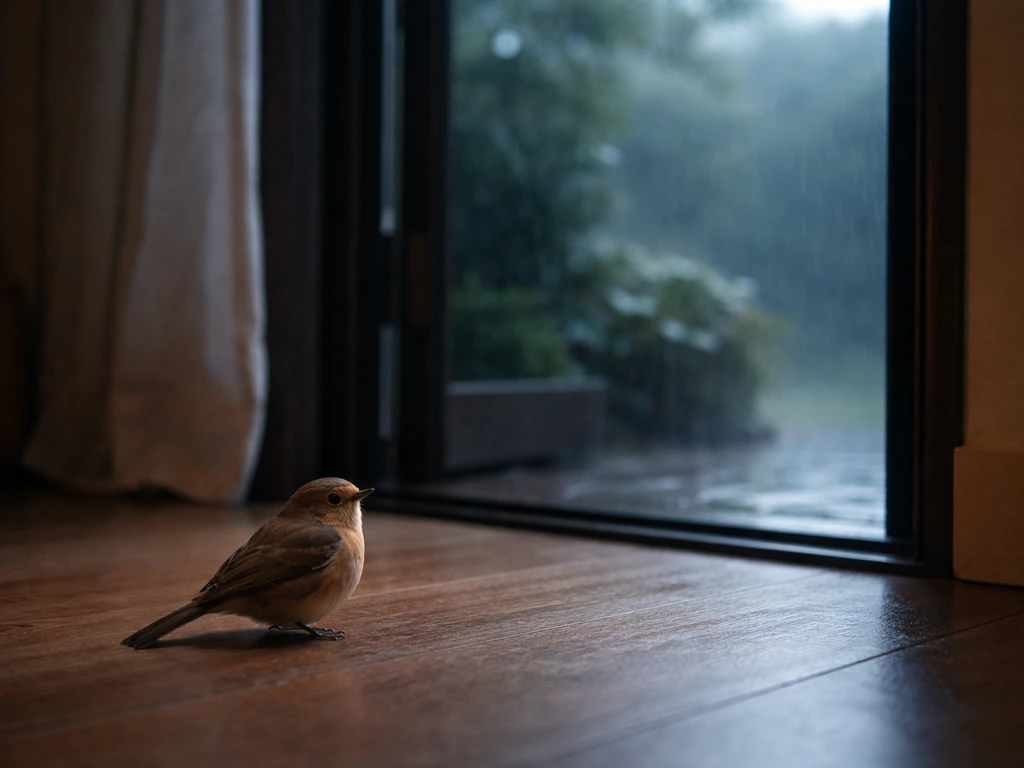
Step-by-step, humane removal of a storm-blown indoor bird plus prevention, cleanup, and when to call wildlife control.