To prevent birds from entering or nesting on your property, you need to do three things in the right order: identify what species you're dealing with and where they're getting in, close off every gap and opening they can use, and reduce whatever is attracting them in the first place. Done right, this is a same-day project for smaller problems and a season-long plan for persistent ones. This guide walks you through all of it, including what you can legally do if birds are already nesting. If you need step-by-step help, start with identifying the entry point and then use exclusion methods to stop bird nesting for good.
How to Prevent Birds From Entering and Roosting Safely
Maya Carver
11 Jun 2026
Step 1: Figure Out What You're Actually Dealing With
Before you buy a single product or seal a single gap, spend ten minutes watching and identifying. The species matters because different birds use different entry points, and some are protected by federal law while others are not.
The most common culprits around buildings
- House sparrows: Small, brown, and relentless. They target enclosed cavities like eaves, soffits, open fascia boards, roof-edge voids, gutters, and even dryer or bathroom vents. They pack in grasses, feathers, and debris very quickly.
- European starlings: Slightly larger and glossy black. They force their way into building vents, soffits, and gaps in rooflines. Like sparrows, they're cavity nesters and will return to the same spot every year.
- Pigeons: Larger birds that prefer open ledges, gutters, roof equipment platforms, and any sheltered horizontal surface. They don't need a cavity but will use one if available.
- Swallows and swifts: Often target the undersides of eaves or open barn-style structures. Important note: many swallow species are federally protected migrants.
Where to look for entry points
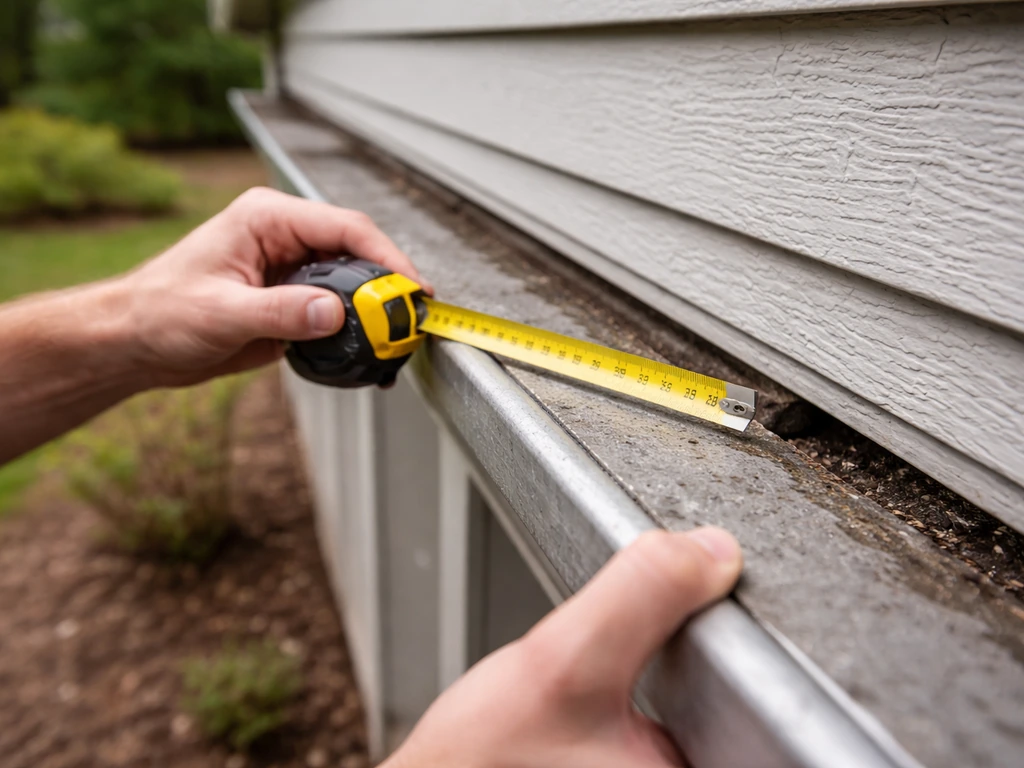
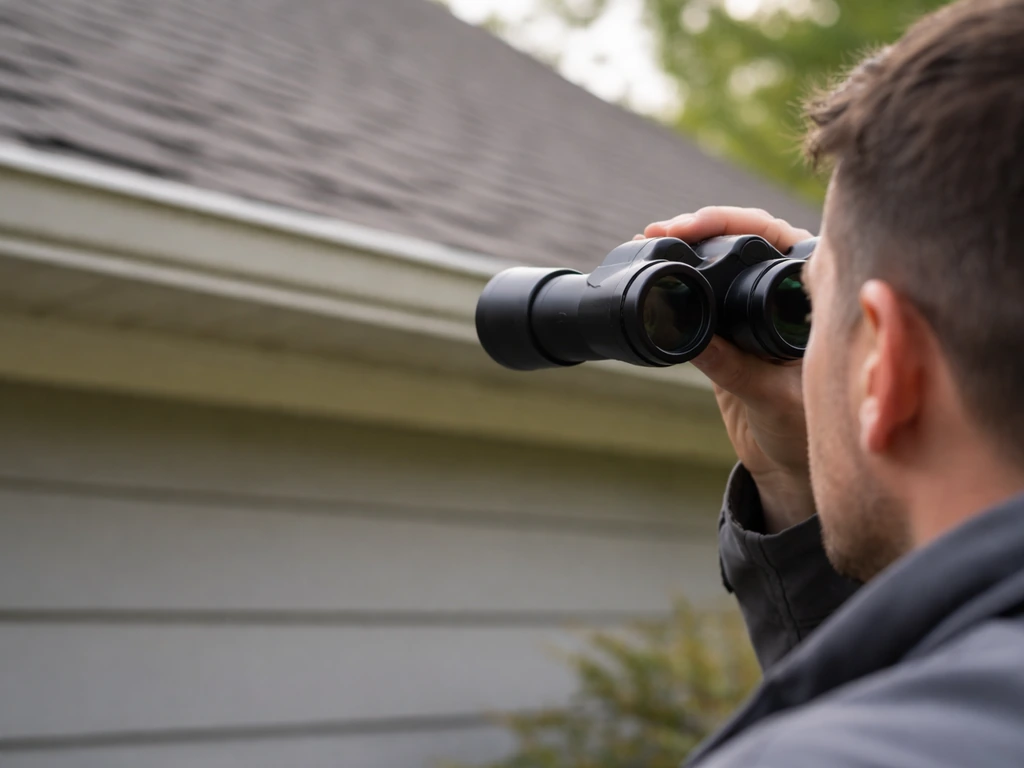
Walk the full perimeter of your building at ground level first, then use binoculars to check the roofline. Look for gaps wider than half an inch anywhere along the roofline. Pay special attention to where the fascia board meets the soffit, around any roof vents or gable vents, at the base of chimneys where flashing has lifted, around HVAC and dryer exhaust vents, and anywhere a pipe or conduit penetrates an exterior wall. Bird droppings, nesting material poking out, or visible feathers will tell you exactly where they're getting in.
What's attracting them
Birds show up because something nearby rewards them: food, water, shelter, or nesting sites. Uncovered trash bins, spilled birdseed, pet food left outside, open compost, standing water in gutters or low spots, and even certain exterior lights that attract insects at night all pull birds in. Once you know what's drawing them, you can cut off the supply while you work on physical exclusion.
Emergency Actions You Can Take Right Now
If you're watching birds fly in and out of a gap today, here's how to stop it fast. If you’re dealing with nesting in a specific reel or porch area, focus on exclusion first, then remove any attractants so they do not return how to stop reel from bird nesting. If you need help with specific birds and repeated visits, use the same-day exclusion steps for how to stop droll and lock bird how to stop it fast. If you are dealing with birds trying to nest in your roof, focus first on exclusion and blocking entry points, then remove what is attracting them. This is your same-day response while you gather materials for a permanent fix.
- Check for an active nest first. Before you do anything else, look inside the opening with a flashlight. If you see eggs or chicks, stop. You cannot legally seal that opening right now (more on this in the legal section below).
- If the cavity is empty: temporarily block the opening with a rag, foam backer rod, or a piece of hardware cloth secured with tape. This is not a permanent fix, but it buys you time.
- If birds are currently roosting but haven't nested: wait until dusk when they've left to roost elsewhere, then block the entry. This is important. Don't trap birds inside.
- Use a one-way door if you're unsure whether birds are still inside. A one-way exclusion funnel lets them exit but not return. Attach it over the opening, leave it in place for several days, then seal the hole permanently once you're sure the space is empty.
- Remove any visible nesting material from the opening (if no eggs or chicks are present) to reduce their motivation to return.
- Put up a temporary visual deterrent at the site: reflective tape, a hanging mylar balloon, or a predator decoy can slow activity while you complete the permanent fix.
Safety note: If the entry point is above single-story height, do not get on a ladder without a spotter and non-slip footwear. For anything above a second story, wait for a professional or use a lift. A fall is not worth a bird problem.
Permanent Exclusion: Sealing, Screening, and Guarding
Exclusion is the single most effective long-term method. Every other approach, spikes, repellents, sound devices, buys you time. Sealing the building is what actually solves the problem permanently.
Sealing gaps and crevices
For small gaps in wood or masonry (under about an inch), use a paintable, weather-resistant caulk or expanding foam sealant. For gaps larger than that, pack with hardware cloth first and then caulk or foam over it. Hardware cloth in quarter-inch or half-inch mesh is the standard material here. It's chew-resistant, durable, and available at any hardware store. Cut it with tin snips, shape it to fit, and secure it with roofing screws or staples before finishing with caulk. Focus especially on: soffit-to-fascia joints, where the roofline meets brick or siding, gaps around chimneys and pipe penetrations, and any damaged or missing fascia boards.
Vents and exhaust openings
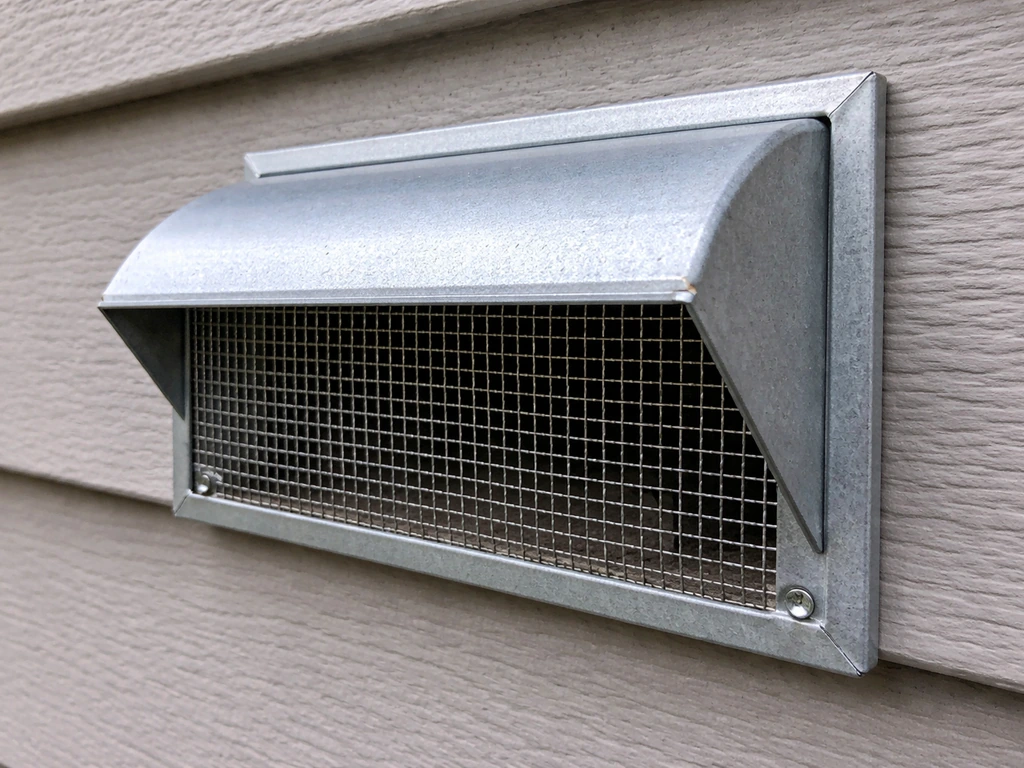
Vents are one of the most common entry points for sparrows and starlings. The best solution is a totally enclosed vent cover with a built-in mesh screen, which prevents birds and rodents from nesting inside while still allowing airflow. Replace old louvered vents that have bent or missing slats, and cover gable vents with hardware cloth cut to size and screwed into the frame. For dryer vents specifically, use a cover designed with a damper flap that closes when the dryer isn't running.
Chimneys
An uncapped chimney is an open invitation. Install a chimney cap or guard with a wire mesh cage around the flue. A quality chimney guard uses heavy-gauge galvannealed steel mesh sized to exclude birds without restricting draft. Slip-in designs work for standard flue tiles and don't require mortar. If you can see daylight through the top of the chimney from inside the firebox, that's your starting point.
Rafters, eaves, and open structures
For open barns, carports, and building undersides where birds roost under rafters, netting is the most practical solution. Attach it to the underside of rafters to physically block the roosting surface. Use polypropylene or nylon bird netting with a half-inch mesh for sparrows and starlings, one-inch mesh for larger birds like pigeons. The netting needs to be taut and fully sealed at the edges or birds will find their way behind it.
Ledges and flat surfaces (pigeons especially)
Post-and-wire systems, where stainless steel wires are strung between posts at a specific height above a ledge, are a structural and very effective exclusion method for pigeons and larger birds. The wire makes landing unstable without injuring the bird. This approach is commonly used on building ledges, window sills, and parapet walls.
Cut Off What's Attracting Birds
Exclusion is harder to maintain if the area is still loaded with attractants. To control bird population over time, keep working through exclusion and removal of food, water, and shelter triggers after you’ve found the entry points. Here's how to reduce them systematically.
- Food: Store all grain, seed, and animal feed in sealed metal or heavy-duty plastic containers. Use lidded trash bins. Clean up spilled birdseed under feeders daily, or consider relocating feeders away from the building entirely. Remove pet food bowls after feeding.
- Water: Fix any drainage issue that leaves standing water in gutters, on flat roofs, or in low spots. Birds drink and bathe in any reliable water source, so eliminating it reduces your property's appeal.
- Nesting materials: Keep the yard tidy. Loose straw, string, pet hair, dried grass clippings, and similar materials left in piles are building materials to nesting birds. Bag them or secure them.
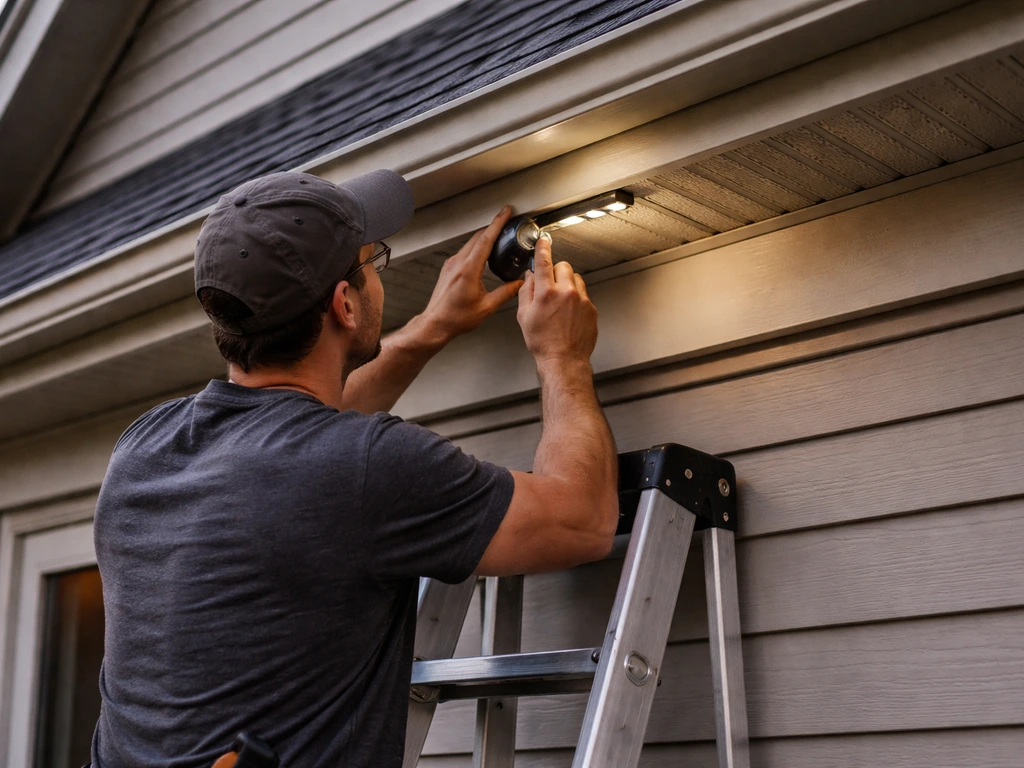
- Lighting: Lights that stay on all night attract moths and other insects, which in turn attract insect-eating birds. Switch to motion-activated lights or lower-wattage fixtures, especially near roof overhangs and eave lines where birds like to roost.
Short-Term Deterrents to Bridge the Gap
While you're completing exclusions, deterrents can reduce activity and buy you time. The key thing to know: birds habituate to most deterrents within days or weeks. Nothing in this section is a permanent solution by itself, but these tools are genuinely useful while you work on the real fix.
Physical deterrents
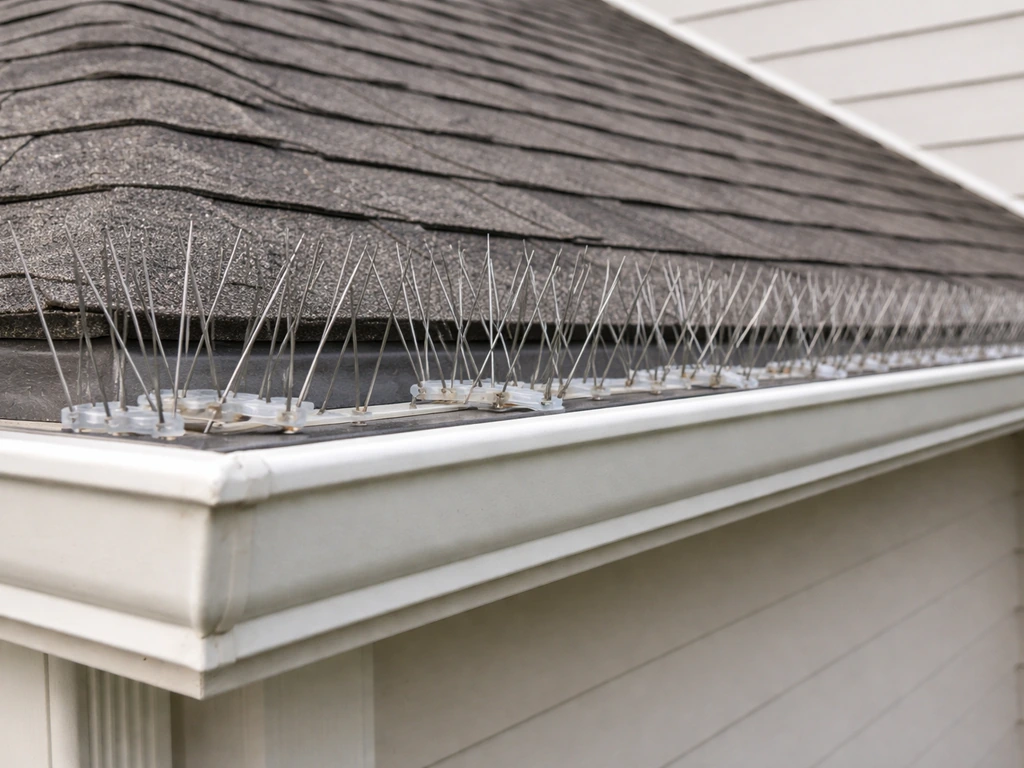
- Bird spikes: Install on ledges, gutters, and roofline edges where pigeons or large birds perch. They work well on predictable perch points. Use stainless steel spikes for durability. They don't harm birds, just make landing uncomfortable.
- Netting (as a deterrent): In areas where full exclusion isn't possible yet, draped netting can block access to a specific zone temporarily.
- Post-and-wire systems: As mentioned in the exclusion section, these double as deterrents in the short term.
Visual deterrents
- Reflective tape and Mylar ribbons: Hang them near active entry points or roosting areas. They flash unpredictably in light and wind, which startles birds. Move them every few days to delay habituation.
- Predator decoys: Owl or hawk decoys work briefly, especially if you move them regularly. Stationary decoys lose effectiveness fast.
- Reflective balloons and pinwheels: Same principle as tape, useful in garden and open areas near the building.
Sound deterrents
Ultrasonic devices have mixed results and are generally not recommended as a primary tool. Audible distress-call systems (recordings of bird alarm or distress calls) can be more effective in open areas like loading docks or warehouse entries, but they're less practical for residential use and neighbors may object. If you use them, rotate the calls and times to reduce habituation.
Repellents
Tactile repellents, gel or paste applied to ledges, make surfaces sticky and uncomfortable to land on. U.S. APHIS Wildlife Services also notes that reflective ribbons and non-Mylar tape, along with other tape or flag-type visual deterrents, are sometimes used as a deterrent approach tape/flags. They're best used on narrow ledges where birds perch. Avoid them on surfaces where birds walk extensively, as the gel can mat feathers. Re-application is needed every few months and more often in extreme heat. Taste-based repellents are available for some situations but have limited effectiveness for structural exclusion.
Seasonal Prevention Plan

Bird pressure isn't the same year-round. Timing your inspections and work around the seasons makes everything more effective and keeps you on the right side of the law.
| Season | What's Happening | What to Do |
|---|---|---|
| Late winter (Feb–Mar) | Scout birds begin investigating sites before nesting season | Ideal time for inspections and sealing gaps before any eggs are laid |
| Spring (Apr–Jun) | Active nesting, eggs, and chicks are present for many species | Do not disturb active nests; focus on areas that aren't yet occupied; install deterrents away from active nests |
| Summer (Jul–Aug) | Fledglings leave nests; roosting increases around cool structures | Once nests are confirmed empty, remove old nesting material and seal those entry points immediately |
| Fall (Sep–Nov) | Birds seek warm shelter as temperatures drop; starlings and sparrows especially active | Full building inspection and exclusion work; best window for major sealing projects |
| Winter (Dec–Jan) | Some birds shelter in voids during cold snaps | Check and maintain existing exclusions; repair any that have been damaged by weather or wildlife |
Annual maintenance checklist
- Inspect all soffit, fascia, and roof-edge gaps every February before nesting season
- Check all vent covers and replace any with damaged or missing mesh
- Clear gutters of nesting debris in late summer after nesting season ends
- Re-examine chimney caps and guards each fall before winter roosting begins
- Test all deterrent devices and replace reflective tape or gel repellents as needed
- Remove and properly dispose of any empty nests from sealed cavities before re-sealing
- Walk the full building perimeter after any major storm to catch new gaps caused by wind or debris damage
When to Stop and Call a Professional (Plus Legal Warnings)
This is the section most people skip, and it's the one that gets them into trouble or into a situation they can't handle safely.
The Migratory Bird Treaty Act and what it means for you
Most wild birds in the United States are protected under the Migratory Bird Treaty Act (MBTA). This is a federal law, and it covers not just the birds themselves but their nests and eggs. It is illegal to destroy, move, or tamper with an active nest, meaning one that contains eggs or chicks, without a federal permit. Permits for nest removal are issued only in very limited circumstances, typically when there's a direct human health or safety concern. If you find an active nest in a vent, under an eave, or in any other spot, you are legally required to leave it alone until the young have fledged and left on their own.
There is one important nuance: the MBTA does not prohibit removing an empty nest (one with no eggs, chicks, or dependent young). Once a nest is confirmed empty and abandoned, you can remove it and seal the site. The critical word is confirmed. If you're not certain, leave it.
Two species commonly found around buildings, house sparrows and European starlings, are not protected under the MBTA because they are non-native, invasive species. You have more legal flexibility with them, but humane methods are still the standard to follow. When in doubt about species identification, treat the nest as protected until you know for sure.
When to call a wildlife professional
- You find an active nest with eggs or chicks in a location that poses a health or safety risk (for example, inside an active HVAC duct)
- You cannot identify the species and need to know whether the nest is legally protected
- The entry point is in a high-roof area that requires commercial lift equipment
- You have a large-scale infestation with significant accumulated droppings (dried bird droppings can contain Histoplasma and other pathogens; cleanup requires PPE and may need professional handling)
- Birds have gotten inside the living space of the building and cannot find their way out
- You've applied exclusion methods and birds are still getting in, suggesting there are entry points you haven't located
What to tell the professional when you call
When you contact a wildlife removal company or your local animal control, tell them: the species if you know it, where specifically you believe they're entering, whether you've seen eggs or chicks, how long the problem has been going on, and what you've already tried. This saves time and helps them bring the right materials. For large commercial facilities, wildlife management contracts that include scheduled inspections twice a year are often more cost-effective than reactive emergency calls.
Prevention is almost always cheaper and easier than removal. The most effective time to act is late winter, before birds establish nesting territories. If you're reading this in spring or summer and already have an active nest, the honest answer is: wait it out, mark the location, and as soon as those birds have left, seal it permanently before next season. That's not the answer people want, but it's the legal one, and it's the one that actually works long-term. Related problems like stopping birds from nesting in specific spots on your roof, balcony, or inside reels and machinery each have their own nuances worth exploring separately once you've addressed the main building entry points.
FAQ
How do I figure out which bird is using my entry point when I only see droppings or feathers?
Start with where the signs are found. Rooftop droppings plus nesting material under eaves often indicates small cavity nesters, while mess near vents or chimney tops points to vent or flue access. If you can, also note the size of the openings you measured and whether birds are flying in during the morning, late afternoon, or all day, then match that pattern to the suspected entry sites before sealing anything.
Can I seal up gaps immediately if I see birds entering and exiting, but I have not confirmed a nest?
If there is any chance a nest is active inside the opening, do not seal it shut. Instead, use exclusion only in a way that prevents further entry but allows any adults to leave, or wait until you confirm the cavity is empty. When you are unsure whether eggs or chicks are present, leaving the structure alone and delaying permanent sealing is the safer and legal route.
What does “confirmed empty nest” mean in practice?
Confirmed empty typically means you have verified there are no eggs, no chicks, and no dependent young inside the site, usually by observing that adult birds stop returning and there is no ongoing begging behavior. If adults keep visiting regularly, treat it as active. When uncertain, assume it is protected and wait.
Is it okay to use repellent sprays or gel to stop birds while I plan the permanent exclusion work?
You can use deterrents as a short-term “buy time” measure, but they are not a substitute for sealing. Also consider surface type: sticky gels can mat feathers if birds are likely to walk on the treated surface, and many repellents wear off quickly outdoors. Reapply on the schedule the product requires and monitor for continued entry activity.
Do ultrasonic or sound devices work to prevent birds from returning?
Results are mixed and birds can habituate quickly, often within days to weeks. If you try them, rotate patterns and times and treat them as temporary. They are generally less practical for residential areas with neighbors because sound can spread, and their effectiveness can be reduced in open or windy locations.
What is the safest way to handle a bird entry point that is above a single-story roofline?
Do not climb without proper support. Arrange a spotter, wear non-slip footwear, and avoid working at height alone. For anything above a second story or where access requires specialized gear, use a lift or a professional, since a fall risk outweighs most bird control benefits.
How do I choose between caulk/foam versus hardware cloth for sealing?
Use your gap measurement. For relatively small openings (roughly under an inch), caulk or expanding foam can be effective if applied correctly and protected from weather. For larger gaps, pack hardware cloth first and then finish with caulk or foam. This prevents birds from chewing or tearing through soft sealants.
What thickness of hardware cloth should I use, and where does it matter most?
Quarter-inch or half-inch mesh is generally the standard choice for structural exclusion on buildings. The exact cut-and-fit matters most at joints, like where soffits meet fascia, around vent penetrations, and at any chimney or pipe interface, because those are the places birds probe and repeatedly return if even a small edge is left exposed.
How can I prevent birds from nesting in vents without blocking airflow?
Choose vent covers that fully enclose the opening with built-in mesh so birds cannot enter the vent channel. Replace damaged louvered vents where slats are missing or bent, and ensure gable vent screens are secured to the frame. For dryer vents, use a cover with a damper flap that closes when the dryer is not running, so birds are blocked but airflow is maintained during operation.
Will a chimney cap cause draft problems or soot issues?
A well-sized chimney cap uses mesh that excludes birds without significantly restricting draft. If you can see daylight through the chimney from inside the firebox, that indicates a gap that needs coverage. After installation, monitor venting for normal smoke movement and check periodically, since caps can require cleaning if soot buildup occurs.
When is netting a good option, and how do I stop birds from getting behind it?
Netting works best where birds roost under rafters or similar undersurface areas, and where you can attach it tightly. The key is taut installation and fully sealed edges, because birds will exploit loose borders and gaps behind the net. Use the appropriate mesh size for the bird type you are seeing, and secure netting so it does not sag over time.
Are post-and-wire systems safe for pigeons and larger birds?
They are designed to make landing unstable without causing harm by preventing birds from getting stable footing on ledges. They work best when installed at the correct height for the ledge and when the wires are tensioned consistently. Poor installation leaves gaps that still allow perching, so follow the spacing and coverage needed for your specific ledge geometry.
What should I do the day after I install an exclusion, and how do I know it worked?
After installation, watch the area for continued activity at the sealed spots. If birds still attempt entry, it usually means there is another opening nearby, or the seal edges were missed. Recheck the perimeter joints, vents, and any penetrations you identified earlier, and if adults remain active, pause permanent sealing until you verify the internal area is not still occupied.
Can I just trap birds and then seal later?
Generally, focus on exclusion and sealing rather than trapping as a primary fix. Trapping can separate adults from dependent young and may create additional welfare and legal issues if nests are active. The most reliable approach is to identify entry points, prevent access safely, remove or exclude attractants, then seal permanently once you know there are no active nests.
How do I reduce the attractants efficiently without making the problem worse?
Work from the sources you can control: remove unattended pet food, cover trash bins, clean up spilled birdseed, eliminate standing water in gutters or low spots, and adjust lighting that draws insects overnight. Do this while you are sealing, because leaving food, water, or shelter available can cause birds to keep trying alternate gaps even after you start exclusion.
When should I contact a professional or local animal control, and what info should I provide?
Call if the entry points are hard to access safely, the infestation is persistent across multiple openings, or you suspect active nesting inside vents or roof cavities you cannot inspect. Provide the species (if known), the exact locations you observed (for example vent type, soffit area, chimney area), whether you saw eggs or chicks, how long it has been happening, and what you have already tried to reduce or seal.
Is it too late to act if it’s currently spring or summer?
It is still worth acting, but the strategy changes. If nests are active, you typically need to wait until the young have fledged before permanent sealing. In the meantime, you can mark entry points and reduce attractants so birds are less likely to continue using the area, then complete permanent exclusion as soon as the nesting period ends.