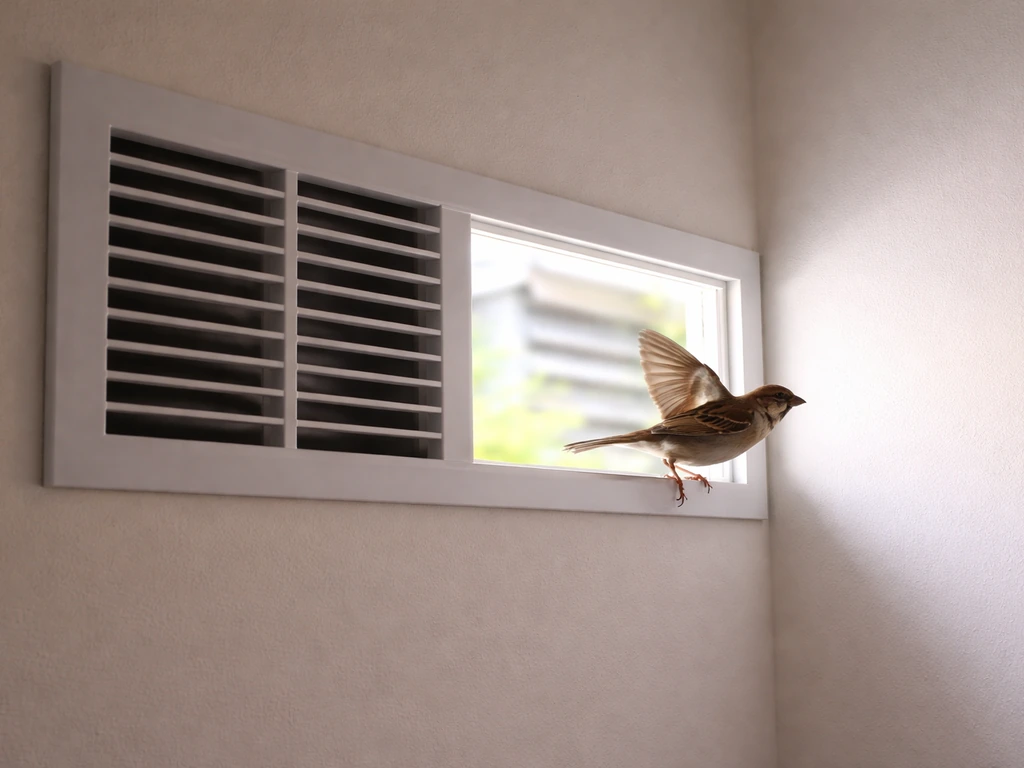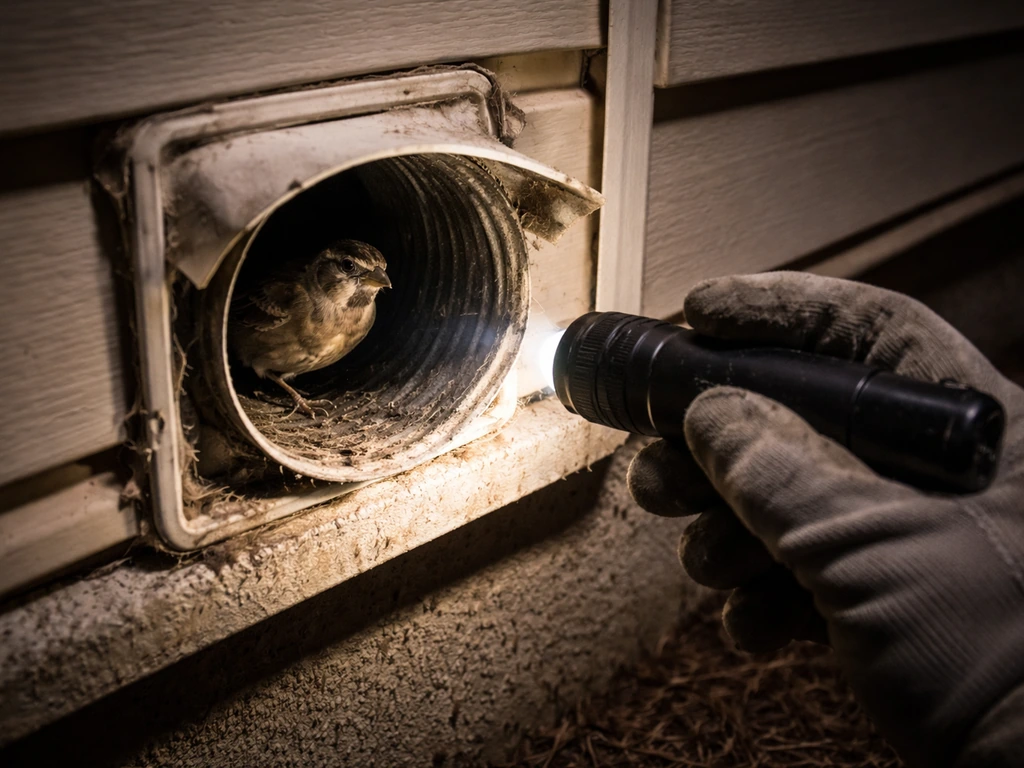
Stop what you are doing and do not run your dryer. If you hear scratching, fluttering, or chirping coming from your dryer vent, there is almost certainly a bird inside the duct or lodged at the exterior termination cap. Turn the dryer off at the wall, unplug it, and flip the circuit breaker for that circuit. From that point, you have a clear path: confirm exactly where the bird is, open the right access point, give it a humane way out, clean up afterward, and fix whatever let it in. This guide walks you through every step.
There Is a Bird in My Dryer Vent: Safe Removal Steps

Maya Carver
4 Jun 2026
Do these things right now
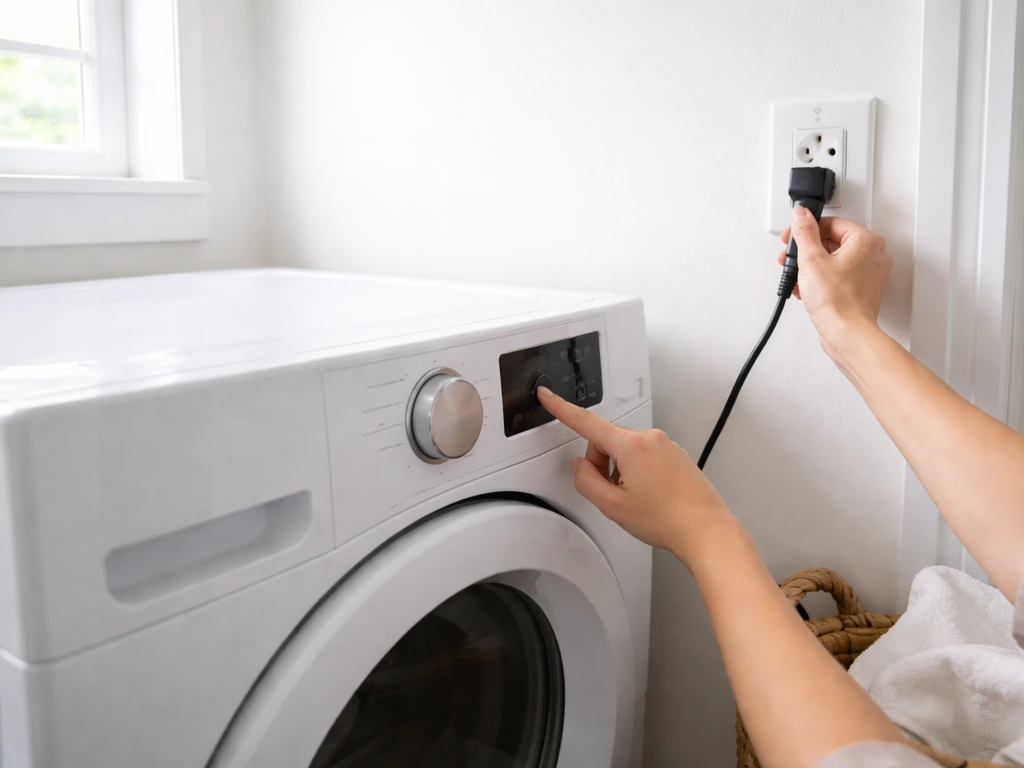
The first few minutes matter. Heat, airflow, and panic are the biggest dangers to a trapped bird, and a running dryer creates all three. Here is exactly what to do before anything else.
- Turn the dryer off immediately if it is running.
- Unplug the dryer from the wall outlet and switch off the circuit breaker for that circuit. This eliminates any chance of the drum spinning while you are working near the duct.
- Do not try to flush the bird out by running the dryer or by blowing air into the duct. This causes fatal stress or injury.
- Close interior doors near the laundry room so that if the bird enters the house, it stays in one contained space.
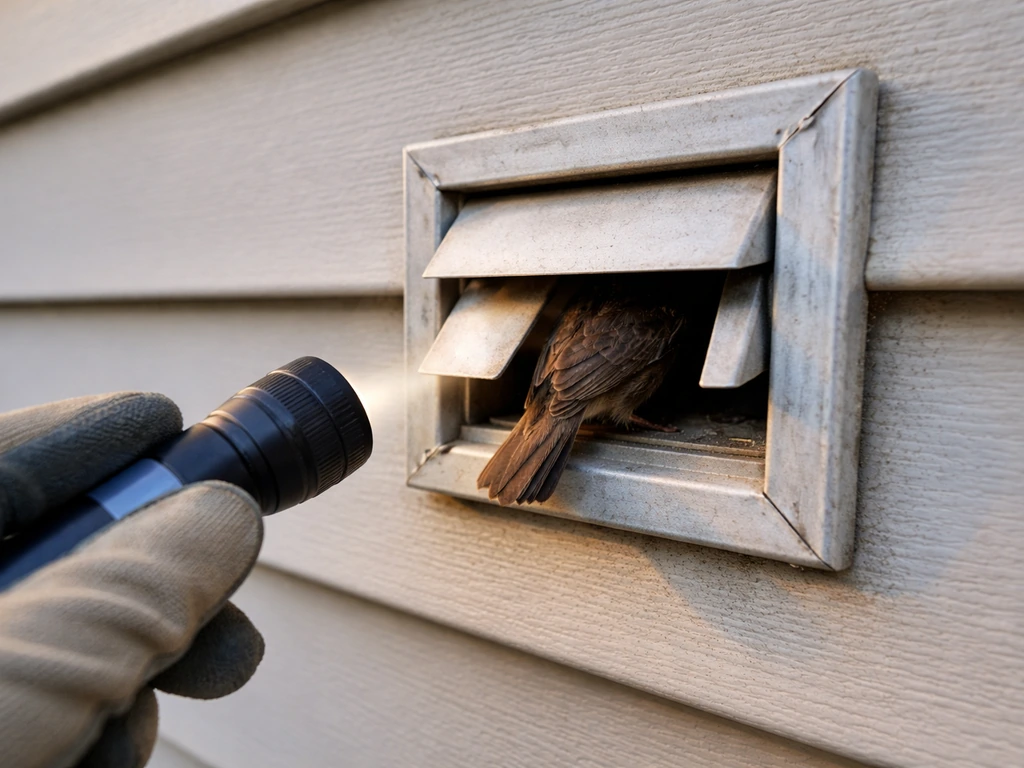
- Go outside and look at the dryer vent termination on the exterior wall. Note whether the louvers or cap flap are open, damaged, or missing. This tells you a lot about how the bird got in.
- Listen at the duct connection behind the dryer (after pulling the dryer slightly away from the wall) for movement sounds. This helps confirm position.
- Do not poke anything into the duct at this stage. You may push the bird deeper or injure it.
Once the dryer is safely powered down and you have done a quick look inside and outside, you are ready to figure out exactly where the bird is sitting.
Figuring out exactly where the bird is
Dryer vents run from the back of the machine through a flexible or rigid metal duct, sometimes through a wall or floor, and exit at an exterior termination cap. A bird could be at any point along that path, and knowing which section it is in changes your approach completely.
At the exterior termination cap
This is the most common location. The bird flew into the hood opening (usually because the backdraft damper is broken, missing, or stuck open) and is now wedged behind the louvers or sitting just inside the duct opening. You will see or hear it from outside. The fix is straightforward: remove the cap, let the bird exit, then replace or repair the cap.
In the rigid or flexible duct run inside the wall
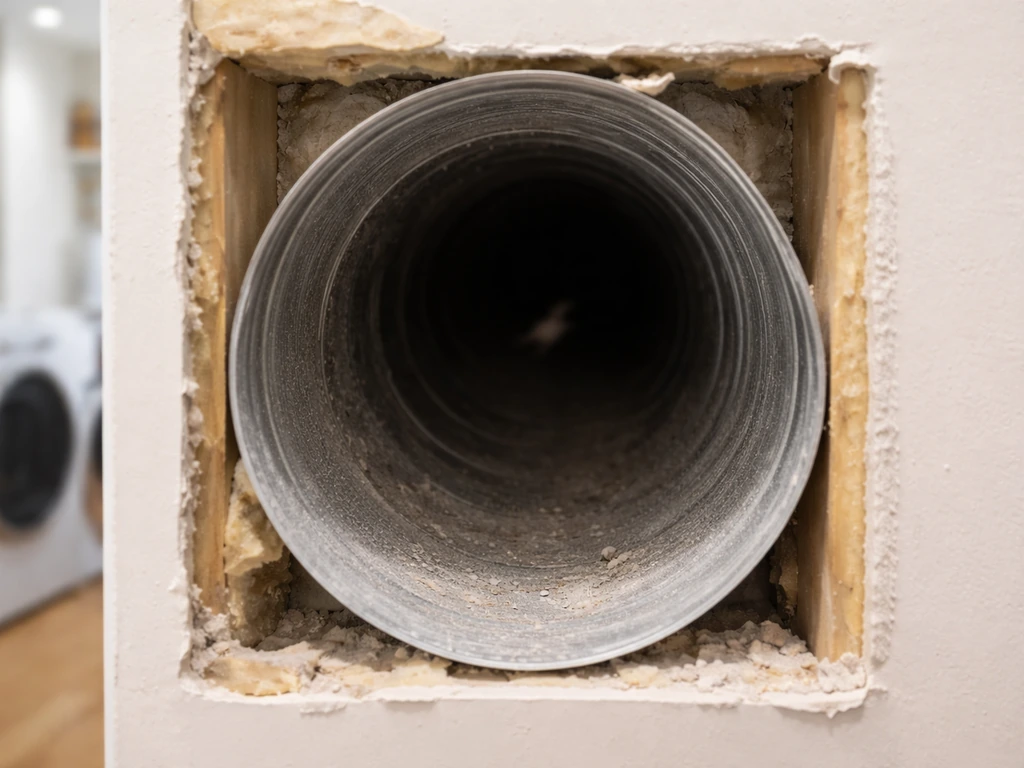
If you hear movement from inside the wall or the sound seems distant from both ends, the bird has traveled further into the duct. This often happens when the exterior cap gives easy entry and the bird walks or flutters inward. Sound the duct gently by tapping the wall section and listening for a response. A smartphone with a voice memo app can help you record and play back what you hear.
In the attic or a long concealed run
Some homes route dryer ducts through the ceiling or attic space before exiting. If you hear the bird clearly from the attic but not from the laundry room or exterior, it may have exited through a joint in the duct into the attic itself rather than being inside the duct. Check attic access carefully, and note that blank" rel="noopener noreferrer">dryer exhaust ducts should never terminate into an attic or concealed space under current building code. If yours does, that is a separate repair you will need to make.
Inside the wall cavity (not in the duct)
If the duct has gaps at joints or a loose connection, a bird can slip out of the duct and into the wall cavity. At that point it is no longer accessible from the duct ends and you will need a wildlife professional or contractor. A steady sound from mid-wall with no response from either duct end is a strong indicator.
| Where you hear/see it | Most likely location | Who can fix it |
|---|---|---|
| At or near exterior vent cap | Termination cap or just inside duct opening | DIY |
| From laundry room side of duct | First few feet of duct, near dryer connection | DIY |
| Muffled, mid-wall sound | Deep in duct run or escaped into wall cavity | Wildlife pro or contractor |
| Attic sounds, no duct sounds | Escaped through loose duct joint into attic | Wildlife pro or contractor |
| No sound but droppings/debris visible | Bird may have already exited | DIY cleanup and repair |
Humane removal methods you can do today
The goal in every case is to give the bird a clear exit route and let it find its own way out. Chasing, grabbing, or shocking it with noise almost always makes things worse. Here are the methods that work, in order of preference.
Open the exterior cap and stand back
For a bird at or near the termination, this is usually all you need to do. Remove the exterior vent cap screws, pull the cap away from the wall, and step back at least six feet. Give the bird 15 to 20 minutes of quiet to find the opening and fly out. Resist the urge to look in or tap the duct during this time. Most birds exit on their own once they see daylight and have space to move.
Coax it toward the exterior opening
If the bird is deeper in the duct and you can access the interior duct connection behind the dryer, disconnect the flexible duct from the back of the dryer carefully. Darken the laundry room (close blinds, turn off lights) so the only light source is the exterior opening. Birds instinctively move toward light. Do not shine a flashlight into the duct toward the bird, because that pushes it away from you. Shine it from outside in toward the laundry room if you need to illuminate the path.
One-way exit device
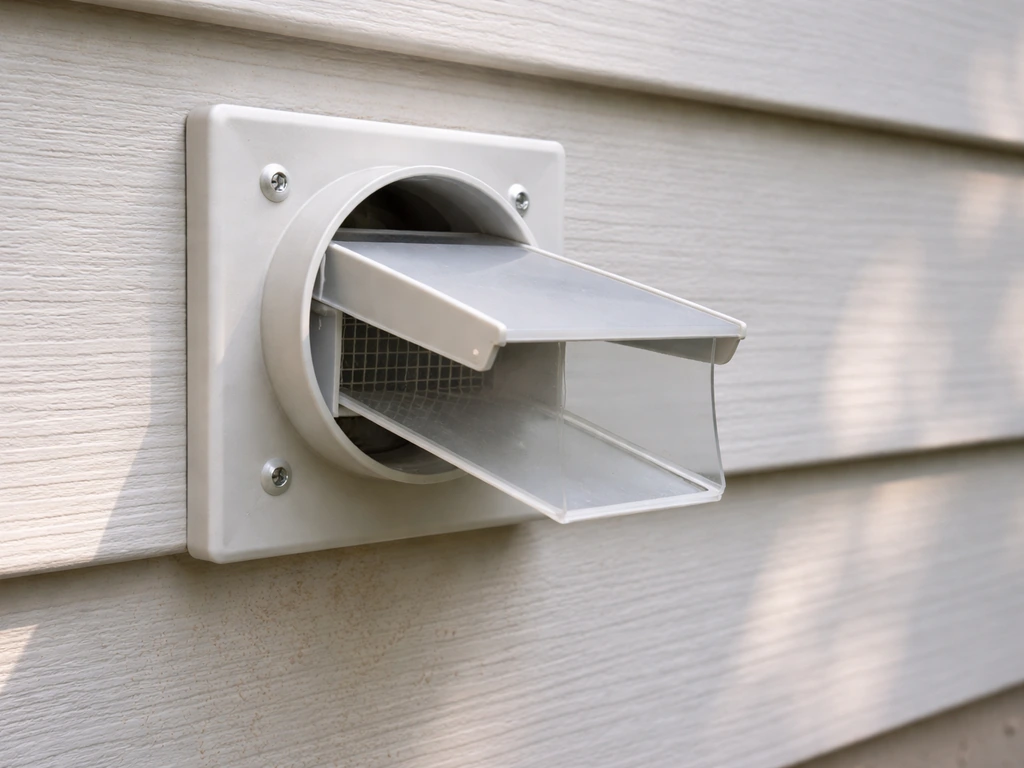
If the bird is nesting and coming and going, or if you cannot confirm it has left after the open-cap method, a one-way exclusion device is the most reliable humane approach. This is a cone or tube fitted over the exterior vent opening that allows the bird to push out but not re-enter. Leave it in place for five to seven days, or longer during cold or rainy weather when birds are less active. Once you are confident the bird has gone, remove the device and install a proper vent cap. This same method is used widely for bats and other wildlife in confined openings.
Manual capture as a last resort
If the bird is visible and clearly distressed or injured at the duct opening, you can gently cover it with a light towel or cloth, pick it up carefully, and carry it outside. Place it on a flat surface in a sheltered spot and let it recover and fly away on its own. Wear gloves. If it cannot fly after 30 minutes, contact a licensed wildlife rehabilitator. Do not attempt to keep it or treat it yourself.
Common complications and how to handle them
The bird is stuck and cannot get out
If you can hear the bird but it is not moving toward either exit after an hour of quiet and an open cap, it may be wedged, injured, or exhausted. At this point, do not continue waiting indefinitely. A trapped bird dies from stress, dehydration, and starvation within one to three days. Call a wildlife rehabilitator or pest wildlife removal professional who has experience with live bird capture. Give them the duct dimensions (typically 4 inches in diameter for dryer vents), the approximate location of the sound, and the type of termination you have.
There is an active nest with eggs or chicks
This changes everything. Most common backyard birds, including house sparrows, starlings, and many others, are protected under the Migratory Bird Treaty Act. Disturbing an active nest with eggs or live nestlings without federal authorization is a violation of federal law. Under 50 CFR section 21.
14, you can remove a migratory bird from inside a structure without a permit only in specific circumstances, such as when the bird poses a health or safety risk or is trapped and at risk of injury. A nest with active eggs or young does not automatically qualify. Contact your nearest U. S.
Fish and Wildlife Service office or a licensed wildlife control operator before doing anything with an active nest. They will advise you on the legal path forward.
Long duct runs and inaccessible sections
Dryer ducts can run 25 feet or more before reaching the exterior. If the bird is deep in a long run through a wall or floor cavity, you may not be able to reach it from either end. In this case, a flexible duct inspection camera (many are available for under 50 dollars) can help you confirm position. If the bird is confirmed to be unreachable, stop and call a professional. Do not try to cut into walls without knowing the bird's exact location, because you may injure it.
The bird keeps coming back
Repeated entry almost always means the backdraft damper on your exterior vent cap is broken, stuck open, or missing entirely. Birds, especially starlings and house sparrows, actively seek enclosed nesting cavities and will return to a good one repeatedly. Until the damper is replaced and the cap is properly sealed, the bird will be back. Jump to the prevention section below before calling the situation resolved.
Cleanup and health safety after the bird is out
Bird droppings are not just a mess. They can carry Histoplasma capsulatum, the fungus that causes histoplasmosis, a lung infection from breathing in disturbed spores. Wear NIOSH-approved respirators when cleaning or otherwise disrupting bird droppings to help protect against aerosolized particles, especially for higher-risk activities involving droppings. The risk is higher with large accumulations, but any nest debris and droppings in a confined duct space should be treated seriously. Do not dry-sweep or blow air through the duct until you have taken the steps below.
Gear up before you touch anything
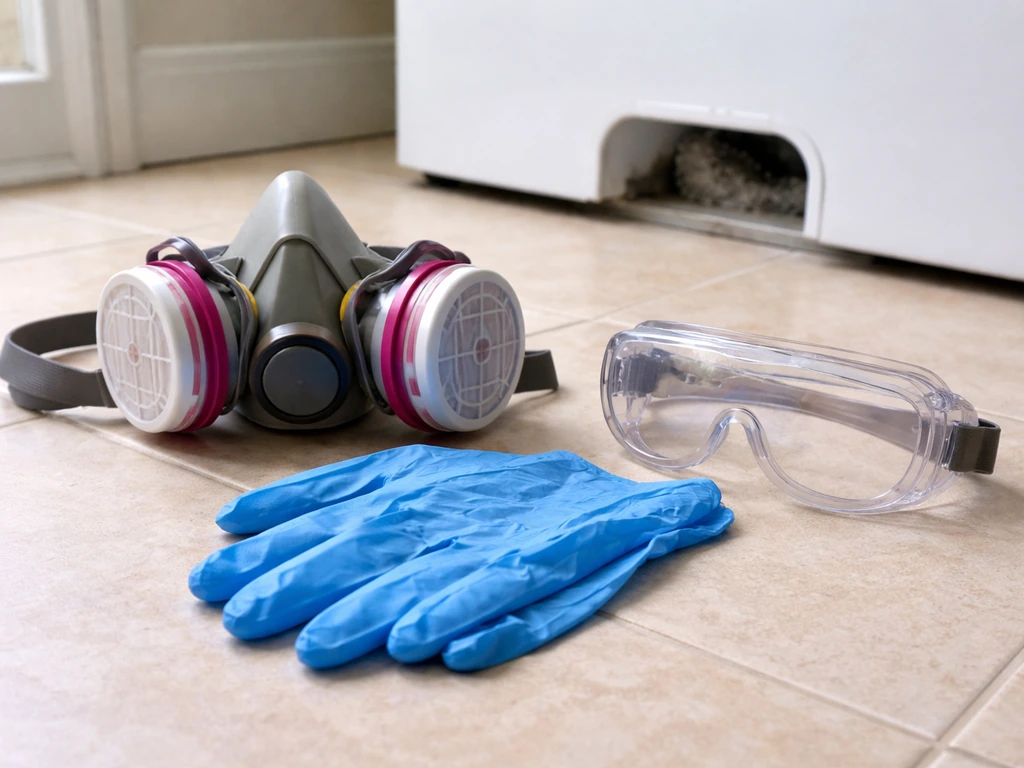
- NIOSH-approved N95 or P100 respirator (not a simple dust mask)
- Disposable nitrile or rubber gloves
- Safety goggles or glasses
- Old clothes or a disposable coverall that you can bag and wash immediately
Cleaning the duct
Before removing any debris, lightly mist the nest material and droppings with water using a spray bottle. This keeps spores and dust from becoming airborne during removal, which is a key control strategy recommended for any cleanup involving bird or bat droppings. Use a flexible dryer duct brush to dislodge material and pull it toward whichever end you can access. Bag all debris in heavy plastic bags, seal them, and dispose of in the trash. Do not compost nest material.
Wipe down accessible interior duct surfaces with an EPA-registered disinfectant diluted per the label instructions. Allow it to dwell for the recommended contact time before wiping. For the exterior termination cap, remove it completely, scrub it with disinfectant, rinse, and let it dry before reinstalling or replacing.
When to hire a professional cleaner
If the nest is large, the duct has a long run full of debris, or you can see significant droppings accumulation, consider hiring a professional duct cleaning service. The CDC notes that large accumulations of bird droppings should in some cases be handled by a professional hazardous waste specialist. A duct cleaning professional can also verify that the duct is completely clear of obstruction before you run the dryer again, which is a fire safety issue separate from the bird problem entirely.
Odor and lingering debris
After cleaning, run the dryer on air-only (no heat) for 10 to 15 minutes with the exterior cap reinstalled and the interior connection reattached. This helps clear any remaining loose debris and tells you immediately if airflow is restored. If you still smell must or decay, there may be debris deeper in the run or a dead bird you did not locate. In that case, professional duct cleaning is the right next step.
Fixing the vent so this does not happen again
A bird in your dryer vent is a symptom of a failed or missing termination. Every properly installed dryer vent termination must include a backdraft damper, as required by the 2018 International Residential Code. If yours did not stop a bird from entering, the damper is broken, missing, or the wrong type. Here is how to fix it correctly.
Choosing the right vent cap
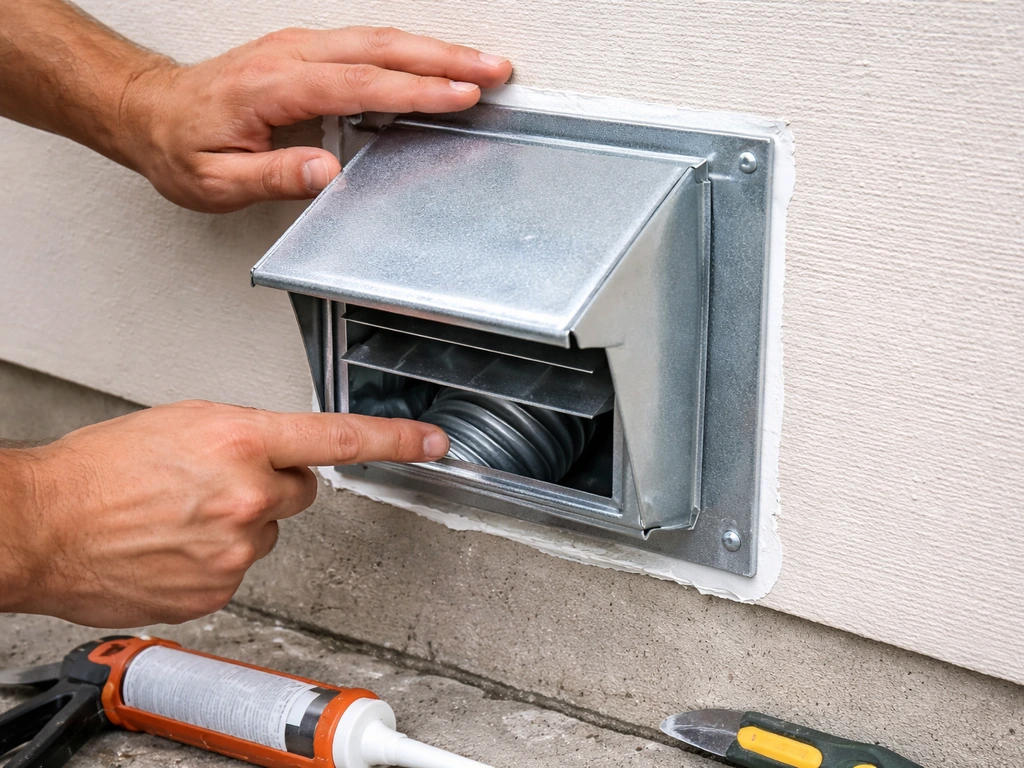
Replace the old cap with a quality metal dryer vent hood that has a built-in backdraft damper and pest-resistant louvers or flaps. Look for a cap specifically rated for dryer exhaust use. Avoid installing a fine mesh screen directly over the duct opening: dryer lint accumulates on mesh screens rapidly, which creates a fire risk and blocks proper airflow. A bird-proof vent guard that uses widely spaced metal bars or a proper louvered design maintains airflow while keeping birds out. Some purpose-built bird guard caps are available that satisfy both the backdraft and pest exclusion requirements.
Installing and sealing the new cap
When you reinstall or replace the cap, seal the gap between the cap flange and the exterior wall using an appropriate caulk rated for exterior use. Inside, make sure all duct joints are connected with metal clamps and sealed with UL-181 rated metal foil tape, not duct tape or plastic tape, which degrade over time. Rigid smooth-wall metal duct is the correct material for dryer exhaust runs. Flexible foil duct collects lint in its ridges and is only appropriate as a short connector section immediately behind the dryer.
Airflow check before you call it done
After reinstalling, run the dryer on a timed dry cycle and go outside. You should feel a strong, steady airflow from the vent cap. If the flap barely opens or airflow is weak, there is either remaining debris in the duct or a duct restriction elsewhere. A blocked dryer vent is one of the leading causes of residential dryer fires, so do not skip this check.
Seasonal maintenance schedule
Birds are most likely to investigate vent openings in early spring when they are actively seeking nesting sites, and again in late summer when juveniles are dispersing. Add these checks to your home maintenance calendar.
- Early spring (March to April): Inspect the exterior cap for damage, confirm the damper opens and closes freely, and check for any nest material at the opening.
- After any severe weather: Check that the cap has not been dislodged or damaged.
- Annually in fall: Clean the full duct run with a dryer vent brush to remove lint buildup, and confirm the cap seal is intact.
- Any time you notice longer drying times or a burning smell: Inspect the duct for blockage immediately.
When to call a wildlife professional or a contractor
There is no shame in calling for help. Some situations are genuinely beyond safe DIY reach, and some carry legal consequences if handled incorrectly. Here is when to make the call.
Call a licensed wildlife control operator if:
- You can hear the bird but cannot locate it from either end of the duct after an hour.
- The bird has been in the duct for more than 24 hours without exiting on its own.
- You found an active nest with eggs or live nestlings. Do not disturb it until you have confirmed the legal status of the species involved.
- The bird appears injured and cannot fly after being released outside.
- You suspect a protected or uncommon species (raptors, swallows, woodpeckers, or any bird you cannot immediately identify as a common house sparrow or starling).
- The bird is in the wall cavity rather than the duct itself.
Call a licensed contractor if:
- Your dryer duct terminates into the attic, a crawl space, or any other concealed space. This is a code violation and a fire risk that must be corrected.
- The duct run is longer than 25 feet, has multiple bends, or you cannot trace its path through the wall.
- You find significant duct damage, disconnected sections, or crushed flexible duct during your inspection.
- Airflow does not recover after cleaning, suggesting a deeper blockage or improper installation.
A note on legal protections
Most songbirds, waterfowl, raptors, and many other species commonly found around homes are protected under the Migratory Bird Treaty Act. Federal regulations under 50 CFR section 21. 14 do allow homeowners to remove a trapped migratory bird from inside a structure without a permit when the bird is trapped and at risk of harm, but this applies to live adult birds, not to active nests with eggs or young. Nest disturbance requires prior authorization in most cases.
If you are unsure about the species or situation, contacting USFWS or a permitted wildlife rehabilitator before acting is always the right call. A wildlife control operator who holds the appropriate federal or state permits can handle the full situation legally and humanely, which saves you from potential fines and ensures the bird is treated properly.
Once you have resolved the immediate situation and repaired the vent, you are in a much better position for the long term. A properly capped, damper-equipped dryer vent with sealed joints is unattractive to birds and safer for your home. If you want to go further with bird proofing for other vents around your home, the same principles apply, and the approach for microwave range hood vents and other exhaust openings follows a nearly identical process.
If you want more general ways to prevent birds from using exhaust openings, see how to keep bird out of dryer vent microwave range hood vents and other exhaust openings. Follow the same idea for a microwave range hood vent, because birds can enter and get trapped in the ductwork the same way microwave range hood vents.
FAQ
How long should I wait before I stop trying the open-cap method?
If the bird is not moving and you have already tried quiet time plus the exterior-cap removal, do not keep running through “wait longer” cycles. Treat the situation as potentially wedged or injured, and call a wildlife rehabilitator or pest wildlife removal pro who can do live capture rather than DIY extraction that can injure the bird or worsen stress.
What’s the best way to use light to guide the bird out without making it worse?
Use the exterior opening as the light source only. Turning on interior lights or shining a flashlight into the duct toward the bird can cause it to move deeper away from you. If you need illumination, position the light so it points from outside toward the laundry room area, keeping the bird-facing end as dim as possible.
What if I hear the bird from the attic or ceiling instead of the dryer vent?
Yes, it is possible that the bird is not in the dryer duct itself. If you hear it in the attic or ceiling but not from the laundry room or exterior, check for a joint or transition that routes into concealed space. If the duct terminates into an attic or enclosed area (even if it did so “for years”), you may need a contractor to correct the venting, not just remove the animal.
Is it safe to clean bird droppings with a dry brush or leaf blower?
Don’t assume it is harmless. After you remove the bird or if you find nest material, avoid dry sweeping and do not blow compressed air through the duct. Instead, mist with water first to control dust, then bag debris securely and clean accessible surfaces with an appropriate disinfectant, because droppings can aerosolize infectious spores.
How can I tell whether my dryer vent cap is still allowing birds to come back in?
If you have to reuse the existing exterior cap, make sure the backdraft damper moves freely and seals properly when closed. If the cap cannot be adjusted so the flap truly closes, replace the whole hood. A cap that looks intact but has a damper stuck open is a common reason birds keep re-entering.
Can I grab the bird out of the duct if it looks injured?
If the bird seems to be in trouble and you can access it right at the termination, a towel-handled pickup can work for a visible, distressed bird, but only for that immediate duct exit. If the bird is deeper in the run or you cannot confirm it is at the opening, do not reach inside or try to pull it out with tools, because you can injure it and drive it further.
What should I do if I still smell must or dead-animal odor after removal?
If you smell must or decay after you think the bird left, don’t just run more cycles and hope. It can indicate a deeper bird, stuck debris, or poor airflow. Run air-only briefly after cleaning steps, and if odor persists, plan for professional duct cleaning or an inspection camera to locate the source before further dryer use.
Why can’t I just cover the vent with a mesh screen to stop birds?
Do not install a fine mesh screen over the vent opening. Dryer lint accumulates quickly on mesh, which can restrict airflow and significantly increase fire risk. Use a dryer-rated bird-proof hood with built-in backdraft damper and louvered or bar design that maintains airflow.
What if I think there is an active nest in the vent, not just a single bird?
If you suspect a nest is active (eggs, hatchlings, or frequent parent arrivals) assume you cannot legally disturb it. Even when it is “just in a dryer vent,” nest disturbance is a legal issue, so contact USFWS or a permitted wildlife control operator before doing removal or exclusion. The goal is to confirm the situation and follow the correct authorization.
What are the most reliable long-term prevention steps after the bird is gone?
For prevention, focus on three things together: replace the termination hood with the correct backdraft damper, seal exterior and duct-joint gaps with the right materials (exterior rated caulk outside, metal clamps and UL-181 metal foil tape inside), and confirm strong airflow after reassembly. Birds can still get in through small gaps even if the opening looks “covered.”