Turn off interior lights, close doors to other rooms, open one large window or exterior door, and then leave the room. Most birds will find the bright exit on their own within a few minutes.
How to Get a Trapped Bird Out of Your House Safely
Maya Carver
7 Jun 2026
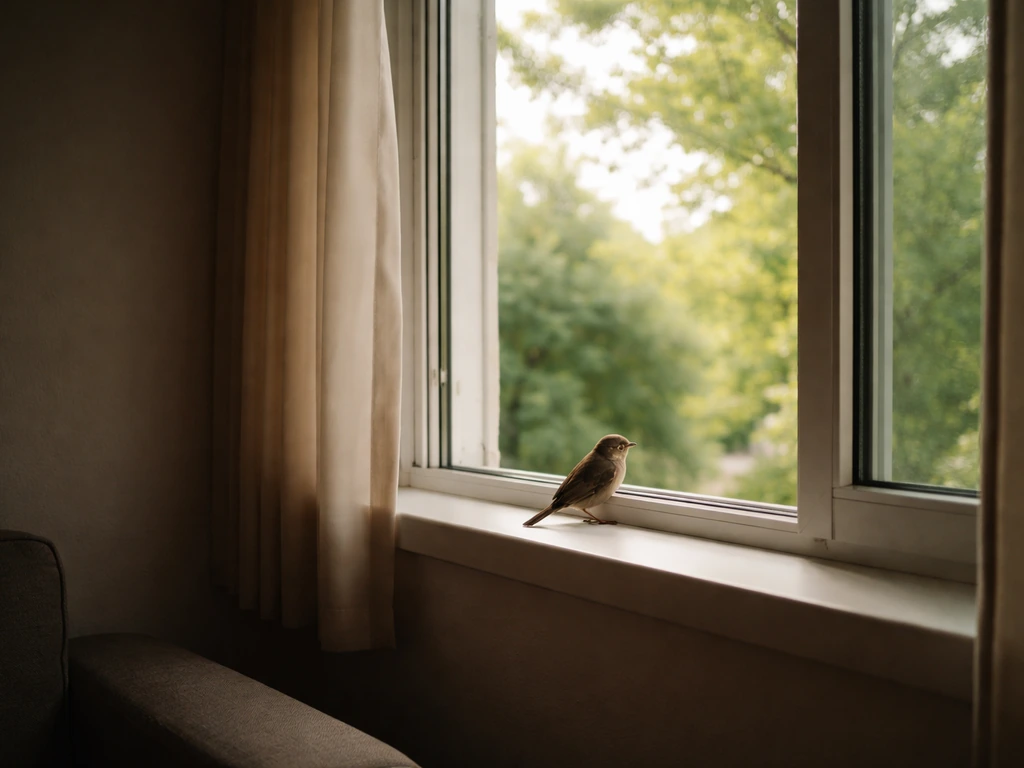
If the bird has been inside for a while, appears injured, or just won't leave no matter what you try, keep reading because there are a few more targeted techniques that work reliably, and a clear line where you should hand off to a wildlife professional instead of pushing the situation further. For a step-by-step guide on how to help a bird get out of house safely, keep going through the targeted techniques below.
If you are looking for crowd-sourced advice, Reddit threads can help, but use the safest steps first.
Quick emergency steps for a trapped bird
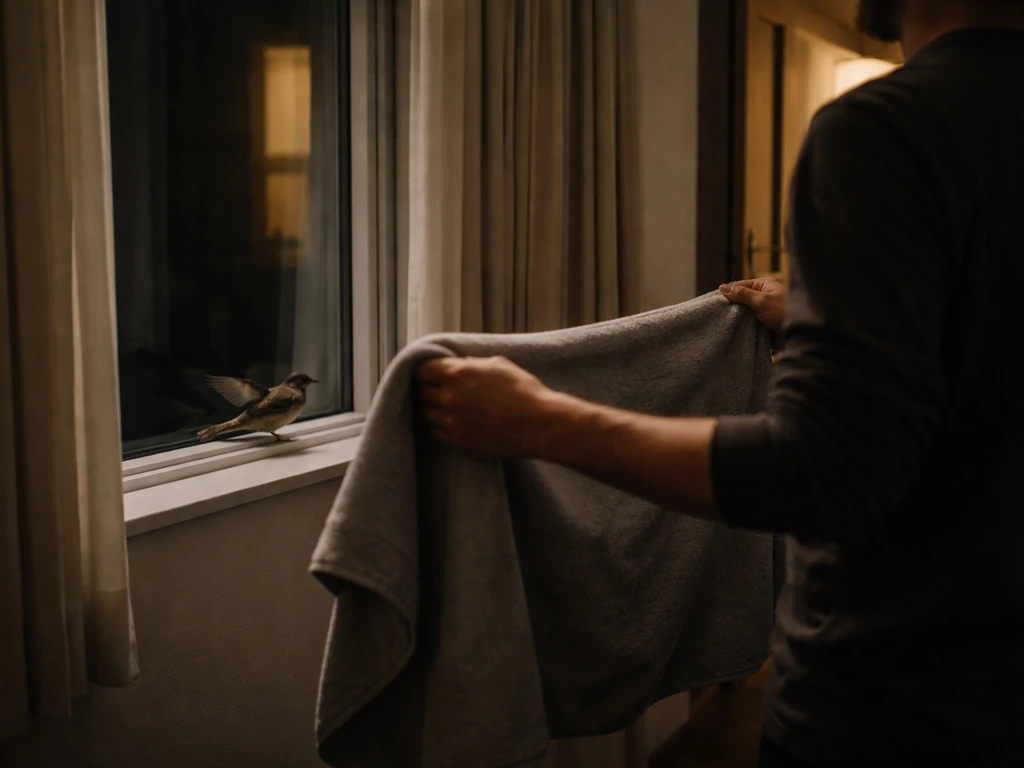
The first few minutes matter a lot. A panicked bird will exhaust itself flying into walls and windows, so your job right now is to slow everything down and reduce hazards before you do anything else.
- Stay calm and move slowly. Sudden movement or noise dramatically increases the bird's panic and injury risk. Tufts Wildlife Clinic specifically flags human noise, direct eye contact, and touch as major stressors for wild birds.
- Get people and pets out of the room. Children, dogs, and cats make the situation far more dangerous for the bird and harder to resolve.
- Close doors to hallways, other rooms, and staircases. You want to contain the bird to one manageable space, not let it get deeper into the building.
- Cover fireplaces or open vents if visible from the room. Birds will hide in dark openings and become nearly impossible to retrieve.
- Do not try to catch or chase the bird yet. Give it a moment to settle before moving to the next phase.
If the bird hit a window and is sitting stunned on the floor rather than flying around, treat it as potentially injured and skip ahead to the injured bird section below. A stunned bird that can still fly is different from one that genuinely cannot move.
Set up a safe escape route
Birds navigate toward light. This is the core principle behind every effective removal method. Your goal is to make the exit the brightest spot in the room so the bird naturally flies toward it.
- Choose one exit point: a large window that opens fully, a patio door, or an exterior door. Bigger is better. Screens must be fully removed, not just unlocked.
- Turn off all interior lights. Overhead lights, lamps, TV screens, and monitors all compete with natural light and confuse the bird.
- Close curtains or blinds on every window except your chosen exit. Closed windows with light coming through look like open sky to birds, which is exactly how they end up flying into glass repeatedly.
- If you're working at night or on an overcast day, place a lamp or flashlight just outside the open window or door, angled inward. This recreates the light-attraction effect when natural daylight is weak.
- Leave the room if at all possible and close the door behind you, leaving only a small gap if you need to watch. An empty room with one bright exit resolves most cases within 5 to 15 minutes.
- For garages and basements: turn off all garage or basement lights, open the garage door or as many basement windows as possible, and cover any windows that don't open so the animal isn't drawn to closed glass with light behind it.
For large commercial buildings, warehouses, or stores, the scale is bigger but the method is the same. Make the building as dark as possible by turning off lights and covering skylights, then open the nearest exterior access point. Columbus Audubon's guidance for these situations is straightforward: turn out the lights, open the windows, close the interior door, and leave it alone.
How to guide the bird out when it won't cooperate
If 15 to 20 minutes have passed and the bird is still inside, it's time to be a little more active. Work through these techniques in order before escalating to anything more stressful.
Gentle herding with a broom or sheet
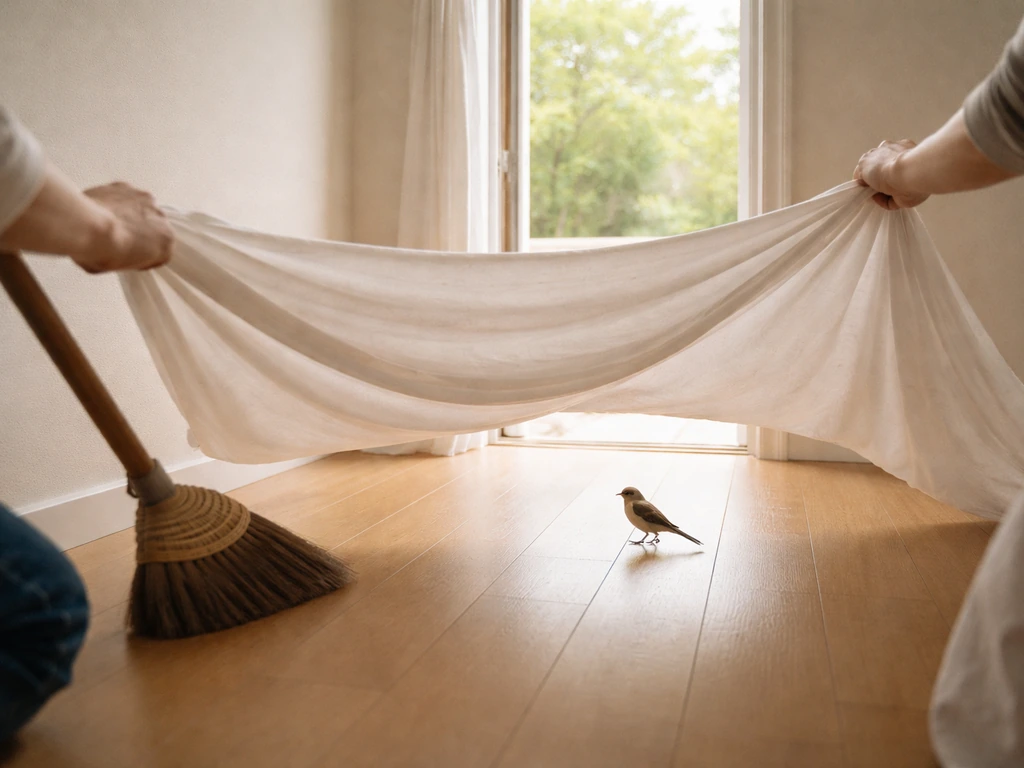
Re-enter the room slowly. Using a soft broom, a bedsheet held wide between two people, or a large piece of cardboard, position yourself on the opposite side of the bird from the exit. Move slowly and steadily toward the exit, giving the bird somewhere obvious to fly. Never swing at the bird or rush. You are just narrowing the space so the exit becomes the obvious choice.
The cardboard box method
If the bird has landed on the floor or a low surface and won't fly toward the exit, get a large cardboard box. Drape a towel over one end, leaving the other end fully open. Slowly place the open end of the box over the bird, then slide a piece of cardboard under the opening to close the bottom. The interior darkness calms most birds quickly. You can then carry the box outside and open it at ground level away from hazards. This is one of the most reliable methods for small songbirds.
Troubleshooting specific problems
| Problem | What to try |
|---|---|
| Bird is hiding behind furniture or in a corner | Don't drag furniture aggressively. Reduce light further, leave the room, and check back in 20 minutes. Birds often emerge and self-exit when no one is watching. |
| Bird keeps flying into the wrong window | Cover that window with a sheet or cardboard. It needs to not be an option at all. |
| Bird is in a dark basement or interior room | Turn off all lights, open every possible window, cover any window that won't open, and use a single exterior-facing light or open door as the only bright point. |
| Bird has been inside overnight | It may be exhausted. Early morning with good natural light and maximum darkness inside gives you the best window (literally) for a successful exit. |
| Bird is a hawk, owl, or large raptor | Do not attempt to herd or handle it yourself. Call animal control or a licensed wildlife rehabilitator. Minnesota Falconers Association and Columbus Audubon both explicitly advise this. |
| Multiple birds or a large flock | Work from the far end of the space toward the single open exit, systematically and slowly. It takes longer but the same principles apply. |
One important night-specific note: if the situation happens after dark, artificial light at night actively disorients birds, causing them to circle and exhaust themselves rather than exit. Audubon's research shows migrating birds are particularly vulnerable to this effect. At night, turning off interior lights is even more critical, and placing a single light source just outside the exit point is your best tool.
What to do for injured or sick birds, and when to call for help
If the bird is on the floor and not flying, moving in circles, holding a wing at an odd angle, or cold to the touch, it needs more than a clear exit. This advice also emphasizes minimizing people and pet contact to reduce stress and potential injury risk, and to contact a qualified helper if the bird is injured or cannot be safely guided out What to do if a bird enters your house?. Here's how to handle it humanely while you arrange proper help.
Temporary containment for an injured bird
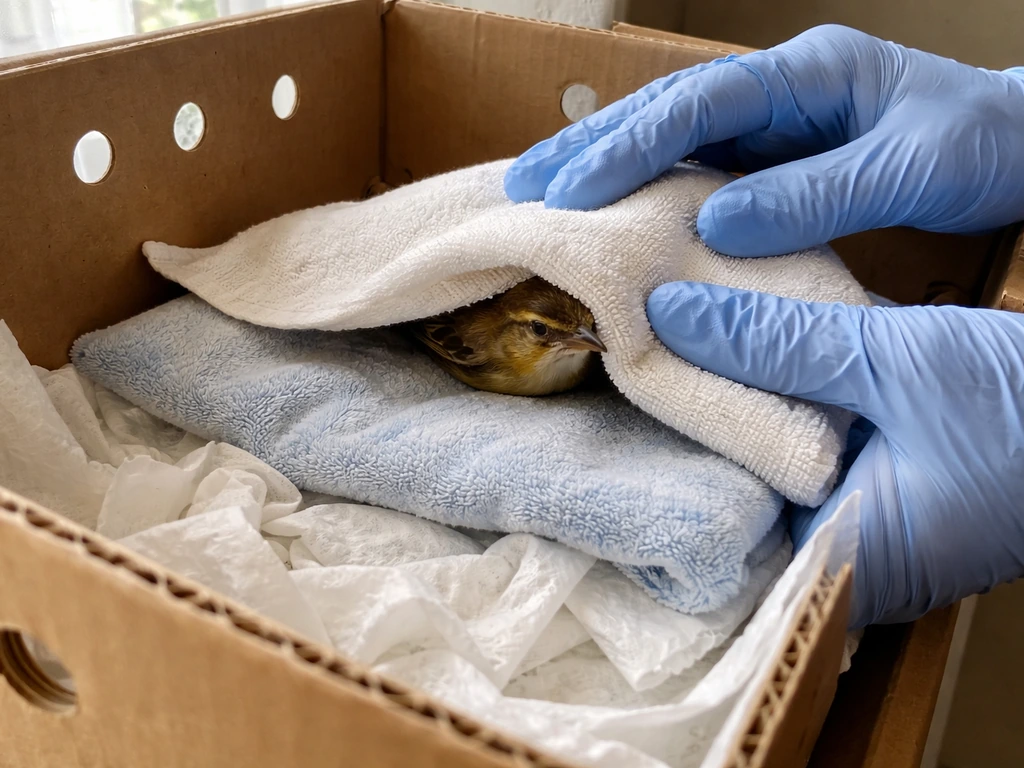
- Get a cardboard box with ventilation holes punched in the sides. Line the bottom with crumpled paper towels or a soft cloth to cushion and contain the bird.
- Gently cover the bird with a lightweight towel, tuck the wings close to the body, and place it carefully into the box. Minimize handling time. Avoid eye contact and noise.
- Close the box and keep it in a warm, dark, quiet place away from pets and children.
- If the bird is cold to the touch, place the box so one half sits on a heating pad set to low. The other half stays off the heating pad so the bird can move away from heat if it gets too warm.
- Do not offer food or water. Audubon, Golden Gate Bird Alliance, and Tufts all advise against this, as it can cause additional harm and delays professional care.
- Contact a licensed wildlife rehabilitator or your local animal control as quickly as possible.
A note on window strikes
After a window collision, check the bird for obvious injuries to the head and wings. A bird that is stunned but otherwise intact may recover in 15 to 30 minutes in a dark, quiet box outside (away from predators). If it doesn't fly off on its own after an hour, treat it as injured and call a rehabber. Even if there is no visible injury, a cat attack or similar trauma requires urgent professional attention because internal injuries and infection develop fast.
Legal note: protected species
The vast majority of wild birds in the United States are protected under the Migratory Bird Treaty Act (MBTA). This law prohibits capturing, killing, or possessing migratory birds without authorization, and the list of covered species is long. Guiding a healthy bird out of your home is not a legal issue. However, attempting to trap, hold, or handle a protected bird beyond what is necessary for immediate emergency care can put you in a gray area. Raptors (hawks, falcons, owls) carry additional protections, and handling them requires a federal license. When in doubt, call a licensed wildlife rehabilitator instead of attempting more hands-on intervention yourself.
Who to call
- Licensed wildlife rehabilitator: search your state wildlife agency's website or use the National Wildlife Rehabilitators Association directory
- Local animal control: for injured birds you cannot safely contain or for raptors and large birds
- Humane society wildlife line: many local humane societies (like San Diego Humane Society) have dedicated wildlife help or humane law enforcement you can call for urgent situations
- USDA Wildlife Services: relevant for facility managers or commercial building situations with recurring or large-scale problems
When you call, have the following ready: the species if you can identify it, where the bird is located in the building, whether it appears injured, how long it has been inside, and your address. If you need help, look for a licensed wildlife rehabilitator or animal control to figure out who to call to get the bird out of the house. This speeds up dispatch considerably.
Common mistakes to avoid during removal
Most failed removal attempts follow a predictable pattern. Avoiding these errors makes a 5-minute fix out of what could otherwise be a two-hour ordeal.
- Leaving interior lights on: this is the single biggest mistake. Competing light sources cancel out the exit point and leave the bird confused about where to go.
- Opening multiple windows: more openings feels like it should help but it actually gives the bird too many choices and makes it harder to guide the exit. Use one large, clearly lit opening.
- Chasing or rushing the bird: a bird in full panic mode will exhaust itself within minutes. Exhausted birds are more likely to be injured and harder to rescue.
- Leaving screens in place: a bird will not go through a screen. This sounds obvious but it's a surprisingly common reason removal fails.
- Trying to catch a raptor with bare hands: hawks and owls have sharp talons and strong grip. Even experienced handlers wear heavy gloves. If it's a large bird of prey, call a professional.
- Offering food or water to an injured bird: this delays proper care and can cause aspiration or other harm.
- Ignoring the CDC's hygiene guidance: wash your hands after any contact with wild birds or items they've touched. Avoid direct contact with sick or dead birds without gloves.
Preventing future bird entry into your home or building
Once the immediate crisis is over, it's worth spending an hour doing a quick audit of how the bird got in and what you can do to prevent a repeat. Most entry situations fall into a handful of categories.
Find and seal entry points
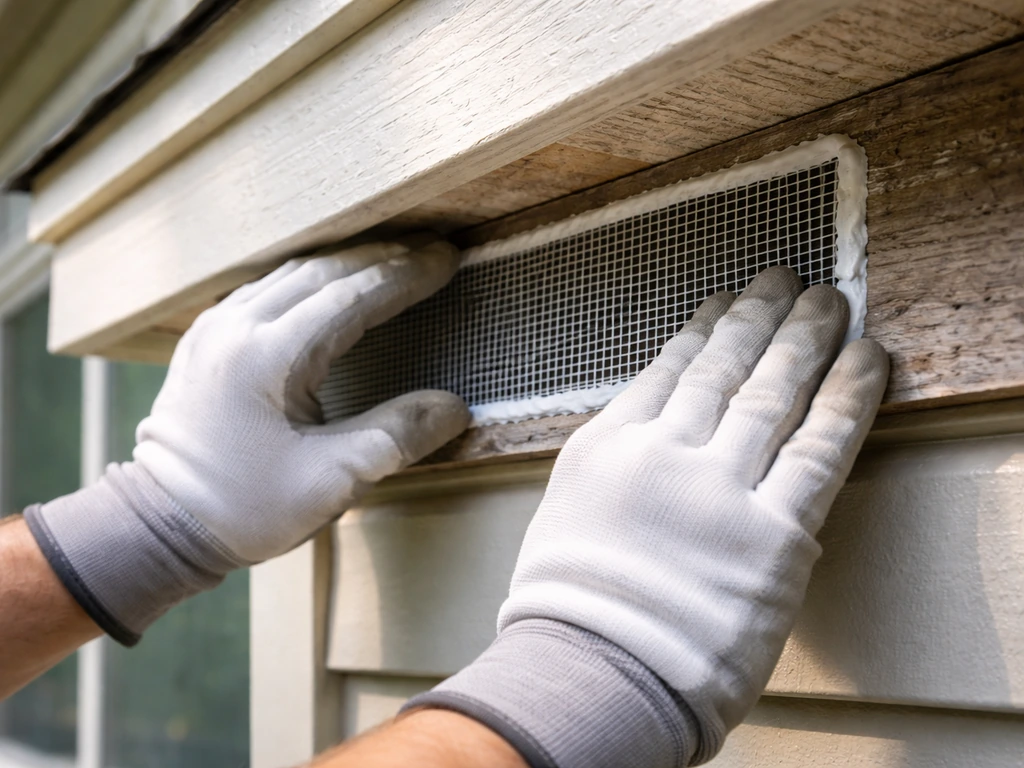
- Check where the bird came in: open garage doors, chimneys without caps, damaged soffit and fascia, open attic vents, and unscreened crawlspace openings are the most common culprits.
- Inspect roof vents, dryer vents, and bathroom exhaust vents. All should have tight-fitting metal mesh covers rated for wildlife exclusion, not flimsy plastic flaps that birds can push open.
- Chimney caps with fine mesh sides block starlings and other cavity-nesting birds reliably. This is one of the highest-return investments for repeated bird entry.
- Look for gaps in soffits and along rooflines, especially after winter when materials contract and shift. Seal gaps larger than half an inch.
- For commercial and warehouse buildings, check loading dock seals, rooftop HVAC penetrations, and any area where doors stay open for extended periods during business hours.
Prevent window collisions
Window strikes bring birds inside indirectly: a stunned bird sitting near an open door is often the result of a collision moments earlier. Audubon's collision prevention guidance recommends closing curtains or blinds, especially at night, and treating the outside of problem windows with bird-deterrent films or patterns that break up the reflective surface. The Bird Collision Prevention Alliance also recommends shielding or angling exterior lights away from windows so they don't attract migrating birds toward reflective glass.
Manage attractants
- Move bird feeders at least 10 feet away from windows and exterior doors. Birds foraging near feeders are more likely to enter through nearby openings.
- Keep garage and outbuilding doors closed when not in active use, especially during spring and fall migration when bird activity peaks.
- Turn off nonessential exterior lighting overnight during peak migration seasons (typically March through May and August through November). Audubon's Lights Out program and similar efforts by building managers show this significantly reduces bird disorientation and collision risk.
- Secure open compost bins and outdoor food scraps that attract opportunistic species like starlings and house sparrows.
Seasonal maintenance checklist
| Season | Priority tasks |
|---|---|
| Spring (March to May) | Inspect and cap chimneys before nesting season begins. Check vent covers for winter damage. Begin Lights Out practices as migration peaks. |
| Summer (June to August) | Check for active nests before sealing any opening (occupied nests of protected species cannot legally be removed mid-season). Inspect soffit and fascia damaged by heat expansion. |
| Fall (August to November) | Resume Lights Out practices for fall migration. Check that screens repaired in summer are still secure before windows close for winter. |
| Winter (December to February) | Inspect after freeze-thaw cycles for new gaps in rooflines and soffits. Best season to seal openings since most nesting is inactive. |
Quick-reference removal flowchart
- Is the bird flying around? Yes: go to step 2. No (on floor, injured): go to the injured bird section above.
- Close all interior doors and contain the bird to one room.
- Turn off all lights. Close all curtains except at your chosen exit window or door. Remove the screen fully.
- Leave the room. Wait 15 to 20 minutes.
- Bird still inside? Re-enter slowly. Use a broom, sheet, or cardboard box method to guide it toward the exit.
- Bird won't move or appears injured? Use the containment box method and call a wildlife rehabilitator or animal control.
- Is it a hawk, owl, or large raptor? Stop and call a licensed professional immediately.
Getting a trapped bird out of your house is genuinely one of those problems that gets worse the more aggressively you tackle it. The calmer and more methodical you are, the faster it resolves. Most healthy birds will be back outside in under 20 minutes if you follow the light and darkness principles above. When things are more complicated, whether it's a night rescue, a large building, a shy species, or an injured animal, there are professionals specifically trained for exactly these situations and calling them early is always the right move.
FAQ
Do I need to capture the bird to get it to leave faster?
No. Capture is usually the step that turns a quick exit into a bigger problem. Instead, focus on making the exit the brightest, most obvious route, and only escalate to a box or a wildlife professional if the bird cannot leave after the recommended time or shows injury signs.
What if the bird keeps flying in circles even after I turn off the lights?
At night, disorientation from artificial lights is common. Keep interior lights off, avoid shining flashlights directly at the bird, and place a single steady light outside near the exit so the bird can navigate toward one clear source.
Where should I place the window or door light if there are multiple exits?
Choose one primary exit and make it the brightest point. Open only that one large window or exterior door, keep other doors closed, and avoid leaving other openings equally bright, because competing light sources can pull the bird away from escape.
The bird won’t move, should I still try to herd it with a broom or sheet?
Only if it is alert and able to fly. If it is sitting stunned on the floor, appears cold, or holds a wing at an odd angle, skip direct herding and switch to the dark box method (or call for professional help) so you do not stress it further.
Is it safe to use a towel, gloves, or a pet carrier to move the bird?
Gloves and close handling increase risk, both for the bird and for you, and can raise legal and welfare concerns. The sheet or large cardboard technique is for guiding from a distance, while a box can be used to contain without grabbing. For injured or protected birds, use a licensed rehabilitator rather than attempting to restrain.
How long should I wait before calling someone?
If a healthy bird has not found the exit within about 15 to 20 minutes, escalate with more active guidance (dark box approach) and monitor closely. If it cannot be coaxed, appears injured, or you suspect trauma (especially after a cat attack or window collision), call a rehabilitator or animal control promptly.
What should I do if the bird is in an attic, basement, or other hard-to-reach area?
Do not start blocking off rooms or repeatedly chasing in tight spaces where it can hit rafters or insulation. Set up a single clear exit path if you can do it safely, reduce all interior lighting, and call a wildlife professional if the bird cannot access an exterior opening quickly.
Can I open doors to the rest of the house to help the bird find the exit?
Usually not. Keeping other room doors closed limits where the bird can go and reduces the chance it relocates to another difficult area. Make one exit the dominant bright option, then step back and give it space to self-correct.
Does it matter whether I use daytime or nighttime rescue steps?
Yes. During the day, daylight through an opened window or door often works quickly. At night, artificial lighting indoors can actively disorient birds, so the timing and a single light source outside the exit become more critical than in daylight rescues.
What prevention steps should I take after the bird leaves to stop it entering again?
Run a quick entry audit, then address the likely cause: close curtains or blinds near problem windows, reduce reflective surfaces, and shield or angle exterior lights so they do not attract migrating birds toward glass. Consider bird-deterrent films or patterns for windows that repeatedly cause strikes.
If I find a window-strike bird indoors, when should I treat it as injured?
If it is stunned and can still fly, it may recover in a short period in a dark, quiet box. Treat it as injured and escalate if it does not fly off after about an hour, shows visible injuries to head or wings, is moving abnormally, or was exposed to predators or rapid trauma.
Are all birds treated the same legally when I try to help?
A healthy bird guiding scenario is generally not a legal issue, but capturing or holding can create legal risk because many species are protected. Raptors have additional protections and often require licensing for handling, so when uncertain, contact a licensed wildlife rehabilitator.