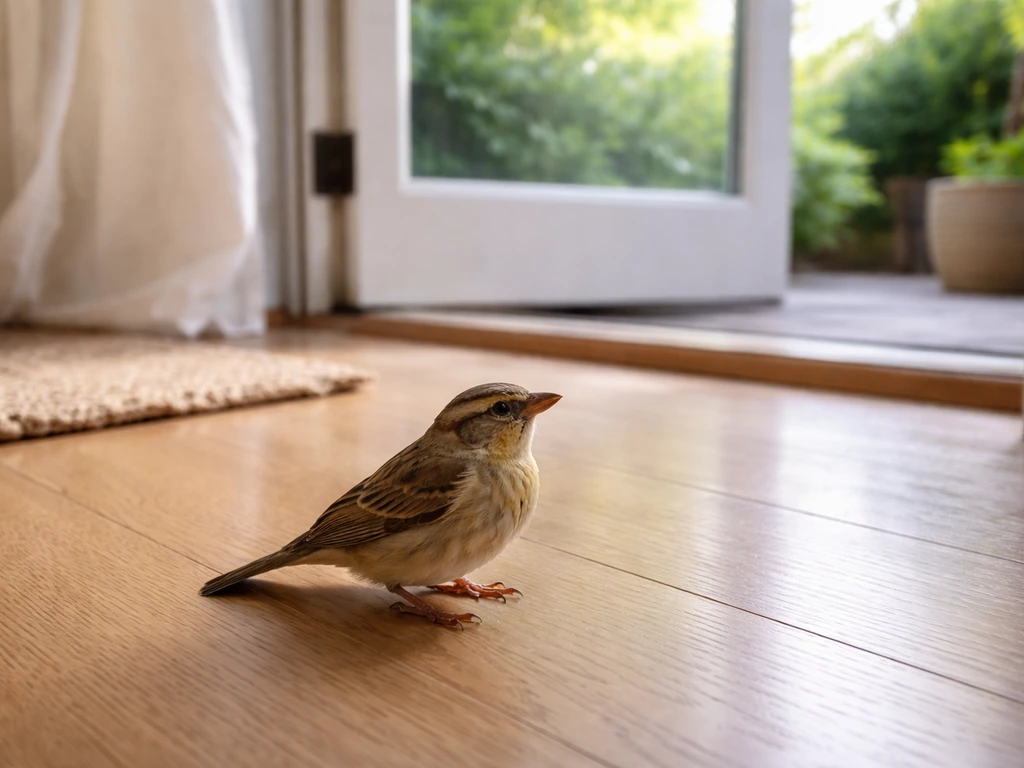
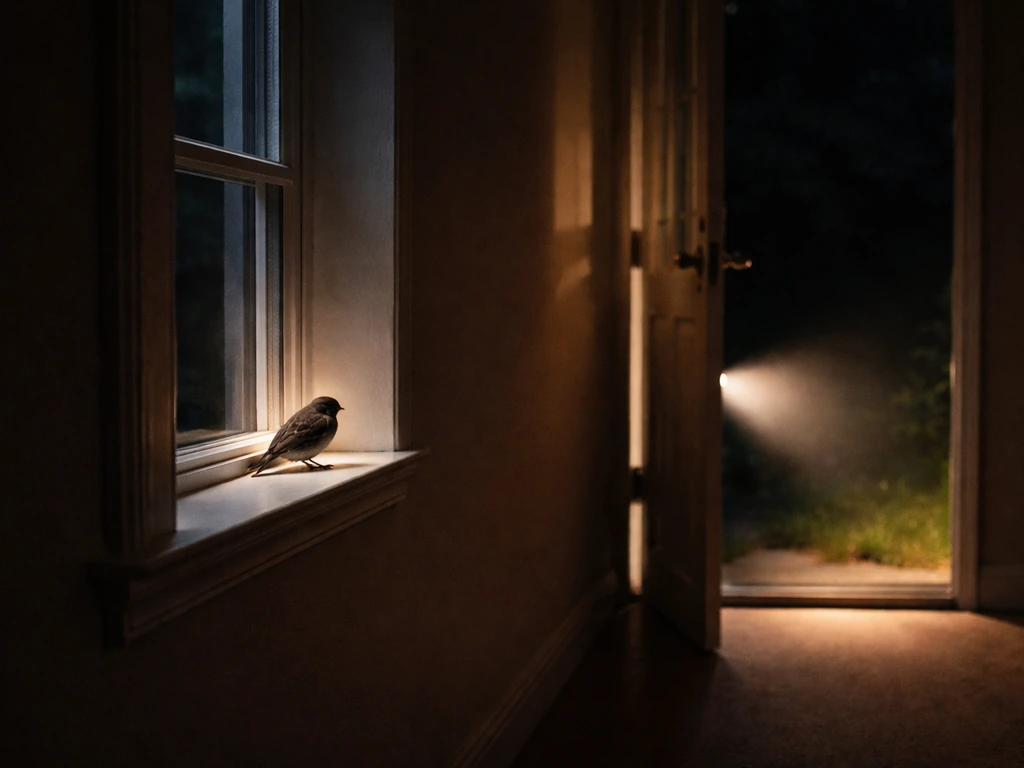
Turn off every light in the room, close all interior doors, and open one window or exterior door as wide as it will go. That single bright exit is your best tool. Most birds will find it within a few minutes once the rest of the room goes dark. Night removal is actually easier than daytime removal in one key way: birds navigate toward light, so you control where they go by controlling what's lit.
How to Get a Bird Out of a House at Night Safely
Maya Carver
23 May 2026
Quick emergency steps when you first notice the bird
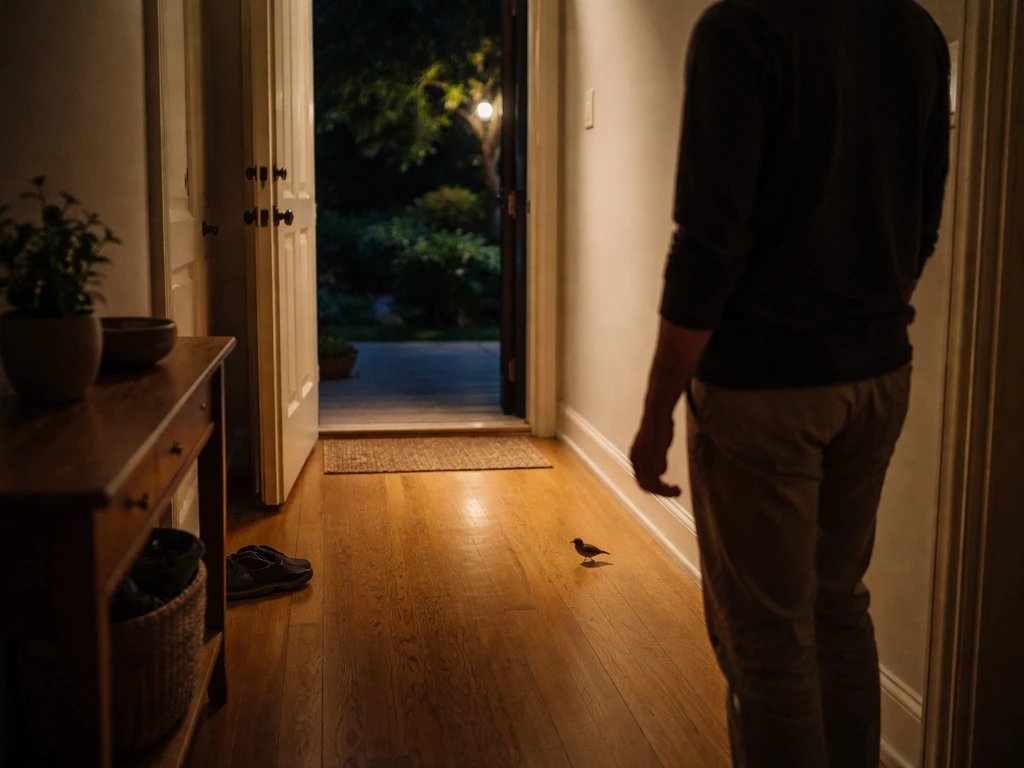
Stay calm and move slowly. A panicking person causes a panicking bird, and a panicking bird is harder to guide and more likely to injure itself flying into walls or windows. The first 60 seconds set the tone for the whole process.
- Stop moving and give the bird a moment to settle. Let it land somewhere and catch its breath.
- Close every interior door between the bird and the rest of the house. This is the single most important step. A bird that gets into a bedroom or attic space becomes a much harder problem.
- Turn off all lights in the room. All of them, including lamps, TVs, and overhead lights.
- Pick one exit: the window or door closest to where the bird is, ideally one that opens directly to the outside. Open it fully.
- Cover any other windows in the room with a towel, blanket, or curtain so the bird isn't attracted to light reflecting off glass it can't fly through.
- Back out of the room, leave the door cracked just enough to watch, and wait 5 to 10 minutes.
- If the bird doesn't exit on its own, re-enter slowly and use a broom, a large piece of cardboard, or a bed sheet to gently herd it toward the open exit. Never chase, swat, or grab.
If you have pets, get them out of the area first. A cat or dog will make the bird bolt unpredictably and can injure it quickly. Also put on a pair of gloves before you get anywhere near the bird in case you need to handle it. Bird bites and scratches are rare but possible, and some birds carry external parasites.
Humane one-way exit setup using light, windows, and doors
The "one bright exit" method works because birds instinctively fly toward the light. At night, you have full control over that. Here is how to set it up properly. If you need a step-by-step plan for a bird stuck inside, follow the humane one-way exit setup described in this article how to get trapped bird out of house.
Setting up the light gradient
- Turn off all lights inside the room where the bird is trapped.
- If other rooms in your home have lights on, pull curtains or close those doors so no light leaks under the door into the bird's room.
- Open one exit (a window or exterior door) to the outside. The ambient outdoor light, even at night, will be brighter than a completely darkened interior room.
- If the exit is a window, remove the screen. A bird that can see outside but cannot physically pass through will fly into the glass repeatedly and injure itself.
- For large spaces like open-plan rooms, cover any skylights or high windows with cardboard or dark fabric. Birds will fly upward toward any lit surface and get stuck near the ceiling.
Confining the bird close to the exit
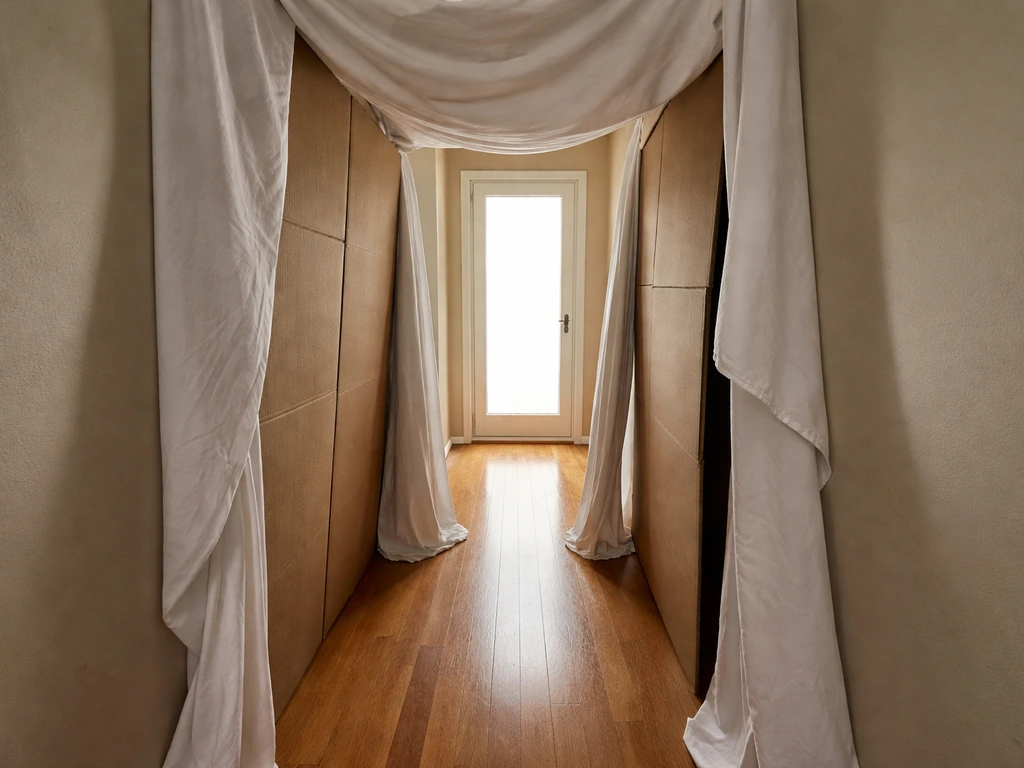
The smaller the area you confine the bird to, the faster it will find the exit. If the bird is in a large open room, use furniture, sheets hung over doorways, or cardboard panels to funnel it toward the open window or door. Think of it as building a hallway that leads only one place. San Diego Humane Society specifically recommends getting the bird into as small a controlled space as possible near the open exit, and this approach works consistently.
The one-way door concept for repeat entries
If a bird keeps returning through a specific gap or vent, a physical one-way exclusion flap is the long-term fix. These are flaps or cones installed over the entry point that allow the bird to push out but not push back in. You install them after the bird has left for the night, then seal the gap permanently once you confirm the bird is gone. More on that in the proofing section below.
If the bird won't leave: troubleshooting by room and hiding spot
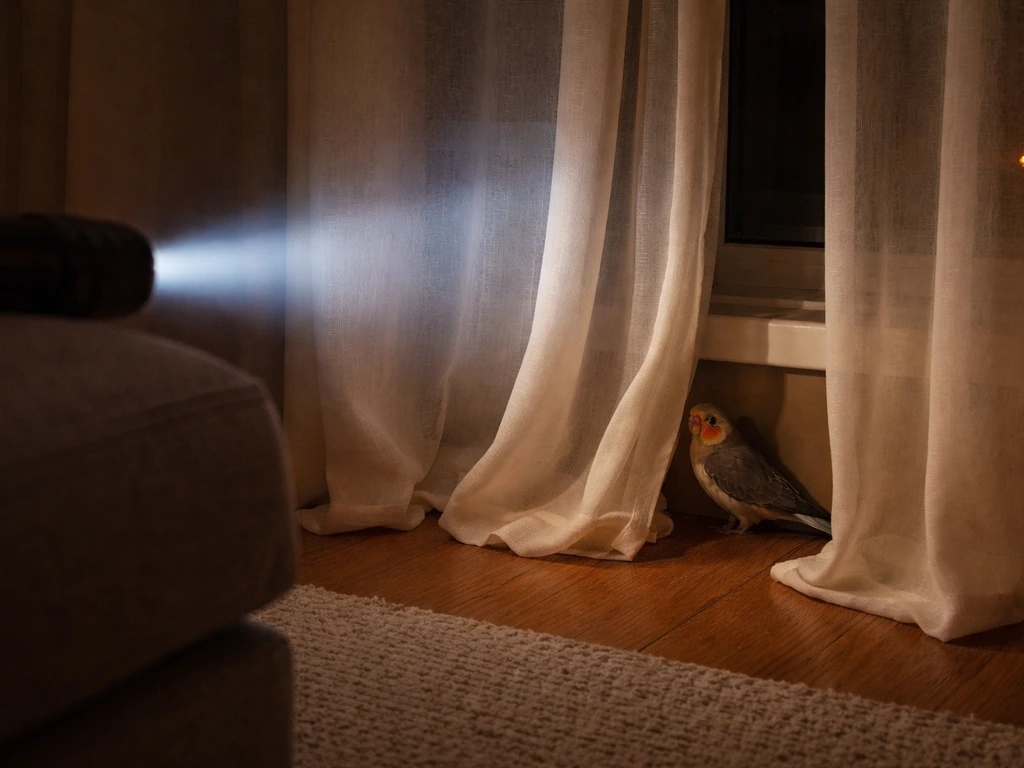
Sometimes the simple method does not work, and the bird hides instead of flying toward the exit. If the bird still won't get out using the bright exit approach, move on to the next troubleshooting steps for your specific room and hiding spot how to help a bird get out of house. Here is how to handle the most common room-specific situations.
| Where the bird is | Likely problem | What to do |
|---|---|---|
| Living room or open-plan area | Too many windows confusing the bird | Cover all windows except the open exit with blankets or curtains; darken the room completely |
| Bedroom | Bird hiding behind furniture or under the bed | Move furniture gently away from walls; use a broom handle (not to strike) to guide the bird out from hiding; open the nearest window and darken the room |
| Kitchen | Bird attracted to range hood light or refrigerator hum | Turn off all appliances with lights; close pantry doors; open the back door if available |
| Bathroom | Small space, bird panicking against mirror | Cover the mirror with a towel; open the window; leave the room and wait |
| Attic or ceiling void | Bird entered through a gap and cannot find its way back out | This is a professional-level situation if it lasts more than a few hours; see the escalation section below |
| Fireplace or chimney area | Bird came down the flue | Open the fireplace damper, confine the room, open a window; if the bird is stuck in the firebox, use a towel to gently cover and relocate it to outside |
| Garage | Large space, multiple windows, bird flying in circles | Open the main garage door fully; turn off all interior lights; wait outside for 10 to 20 minutes |
If the bird is clearly exhausted, sitting on the floor, or not flying, it may be injured. Do not keep attempting to herd an injured bird. Place a ventilated box or container over it gently, slide a piece of cardboard underneath to create a makeshift carrier, and contact a wildlife rehabilitator. Injured birds need professional care, not a guided exit. In cases where you are not dealing with a simple, single trapped bird, the general steps in how to get a bird out your house may not be enough and you should consider proofing or calling a wildlife professional.
Why birds enter houses at night and how to find the entry point
Understanding why the bird got in helps you prevent a repeat visit. Night entries are almost always one of three things: an accidental attraction to light, an existing gap the bird has used before, or a disoriented migrating bird. The CA government guide on vertebrates of public health notes that typical building access routes can include open doors or windows, unguarded chimneys, loose screens, and uncovered air vents an existing gap the bird has used before. Once a bird discovers an entry point, it will return to it repeatedly until you seal it permanently.
The most common entry points
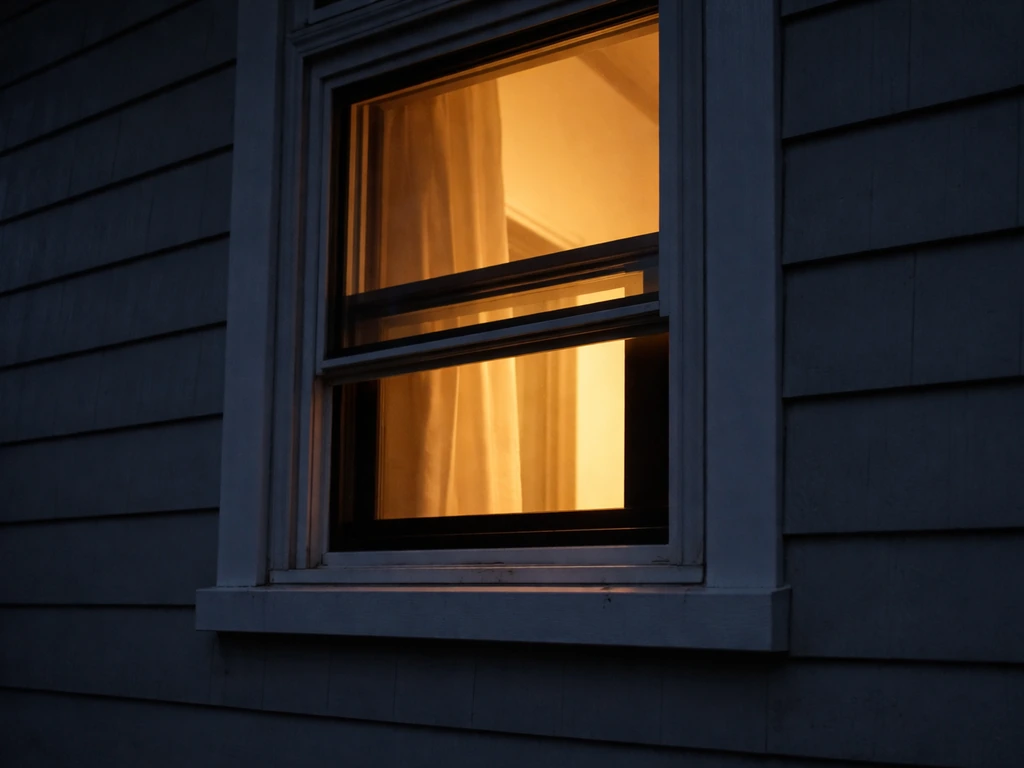
- Open or unscreened windows and doors left open in the evening
- Damaged or missing window and door screens
- Uncapped or unscreened chimneys
- Gaps around HVAC vents, exhaust fans, and dryer vents
- Gaps in rooflines, soffits, and fascia boards
- Open garage doors or loading dock doors in commercial buildings
- Porch lights and interior lighting visible through gaps that attract birds at night
How to locate the entry point after the bird is gone
- Go outside after dark with a flashlight and walk the perimeter of the building. Look for gaps larger than half an inch, damaged vent covers, or loose screens.
- Check the roofline from a ladder in daylight the next morning, paying attention to soffits, fascia gaps, and any areas where different building materials meet.
- Look for feathers, droppings, or nesting material near any opening. These are reliable signs of a regularly used entry point.
- Go inside and look for daylight coming through any gap in the attic or crawlspace. If you can see light, a bird can get through.
- Check vents on exterior walls, especially kitchen and bathroom exhaust vents, which often have flappers that fail over time.
Night lighting as an attractant
Porch lights, interior lights visible through windows, and lights near open doors all draw insects, which in turn draw birds. During spring and fall migration, disoriented birds are especially vulnerable to being pulled off course by building lights. Cornell Lab specifically calls out nonessential lighting as a key factor in bird-building collisions and encourages turning off lights during late-night hours in migration season. If you regularly leave lights on near entry points, you are increasing your odds of a repeat visit.
DIY proofing and exclusion checklist for long-term prevention
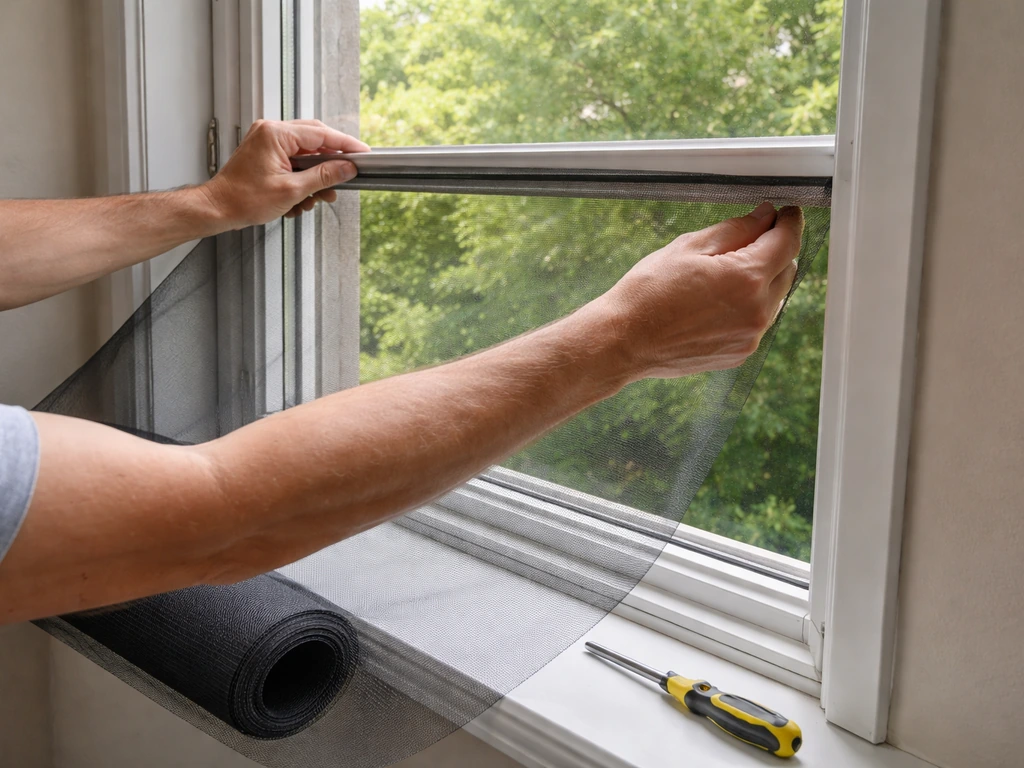
Once the bird is out, spend an hour the next day going through this checklist. The goal is to seal every gap before the bird returns or a different one finds the same opening. Once you’ve guided the bird to the outside, the main goal is to prevent it from getting back into the building by fixing the entry point. Under 50 CFR 21.14, if you have had migratory birds in your building, you are actually required to take feasible steps to prevent reentry, including patching holes and installing exclusion devices.
Immediate fixes (do these first)
- Replace or repair any damaged window and door screens. Use rust-proof mesh for durability.
- Install a chimney cap if you do not have one. This is the single highest-impact fix for chimney-entry birds.
- Check all dryer vents, kitchen exhaust vents, and bathroom exhaust vents for functional flapper covers. Replace any that are missing or stuck open.
- Seal any gap larger than half an inch in exterior walls, soffits, and rooflines using caulk, hardware cloth, or foam backer rod depending on the gap size.
- Inspect garage doors and replace damaged weatherstripping along the bottom seal.
Mesh and screening standards
For bird exclusion, Building America (PNNL) recommends rust-proof three-quarter-inch wire or plastic mesh over most openings. For smaller gaps where sparrows or starlings might squeeze through, drop to half-inch mesh. Hardware cloth in these sizes, cut and stapled or screwed over openings, is durable and nearly invisible from a distance. Avoid plastic bird netting for permanent gaps since UV degradation makes it unreliable within a season or two.
Lighting adjustments
- Switch outdoor lights near doors and windows to motion-activated fixtures so they are not on all night.
- Use amber or warm-spectrum bulbs for exterior lighting, which attract fewer insects and are less disorienting to migrating birds.
- Close blinds or curtains at night in rooms where lights are on and windows face outward.
- Turn off nonessential interior lighting after 11 PM during spring and fall migration windows (roughly March through May and August through November).
Vegetation and roosting site management
- Trim tree branches and shrubs that touch or overhang the roofline. These act as access ramps to gaps in the eaves.
- Remove dense ivy or climbing vines from exterior walls where birds commonly roost and find gaps to enter.
- If birds regularly roost on ledges or windowsills, install physical deterrents such as bird spikes or slope strips to discourage landing.
Facility manager inspection checklist
- Inspect all loading dock doors, overhead doors, and bay openings monthly
- Check HVAC intake and exhaust covers quarterly
- Audit rooftop equipment housings and pipe penetrations twice yearly
- Verify chimney caps and vent covers before each winter season
- Document any bird entry incidents with date, species if known, and identified entry point for compliance records
Seasonal planning and when to call a wildlife professional
How seasons change your risk
| Season | Elevated risk factors | Priority actions |
|---|---|---|
| Spring (March to May) | Migration brings disoriented birds; nesting birds seeking cavities | Audit all vents and gaps before nesting begins; reduce outdoor lighting during migration; check chimneys |
| Summer (June to August) | Fledglings exploring, open windows for ventilation | Keep screens in good repair; install or check door sweeps; watch for juvenile birds near entry points |
| Fall (September to November) | Return migration; birds seeking warm shelter as temperatures drop | Re-inspect all gaps sealed in spring; adjust exterior lighting; check attic vents |
| Winter (December to February) | Birds seeking warmth actively use building gaps; fewer exclusion restrictions on non-nesting species | Best time to do major proofing work; install permanent mesh and caps with no active nests to displace |
When DIY is not enough
There are situations where you should stop DIY attempts and make a phone call. Knowing when to escalate is just as important as knowing the removal steps. If you are looking for real-world tips like people share on how to get a bird out of your house on Reddit, these checklists will help you compare approaches safely how to get a bird out of your house reddit. If any of the following apply, contact a licensed wildlife rehabilitator, a bird removal professional, or your local animal control.
- The bird is visibly injured, unable to fly, or sitting motionless on the floor
- The bird has been in the building for more than 12 hours and is not responding to light and exit methods
- You suspect the bird is inside a wall cavity, ceiling void, or attic space and cannot access it
- There are multiple birds or signs of an active nest (which may be legally protected)
- You have identified the species as a raptor, owl, or other protected bird and are unsure of legal handling rules
- The building is a commercial or public facility with occupancy safety concerns
When you call, have this information ready: what species or description of the bird if you can see it, how long it has been in the building, where exactly it is located, and what entry point you suspect. This saves the professional significant time. San Diego Humane Society's humane law enforcement line is one example of a resource for urgent situations when you cannot safely help the bird yourself. Look up your county's equivalent before you need it. If you are not able to get the bird out safely, call a local wildlife professional or animal control for help your county's equivalent.
Legal notes on protected species
Nearly all wild bird species in the United States are protected under the Migratory Bird Treaty Act. This means you cannot trap, harm, relocate, or interfere with a bird (or its active nest) without authorization. The practical implication for nighttime removal situations is this: humane, passive guidance methods (lights, open exits, gentle herding) are always appropriate. Trapping, using sticky traps, or attempting to physically catch and relocate a healthy bird yourself falls into a legal gray area at best. If a bird has an active nest with eggs or chicks in your building, do not attempt removal yourself. Contact a wildlife professional who can advise on legal timing and methods.
Safety and humane do's and don'ts at night
Do these things
- Wear gloves any time you might come within arm's reach of the bird
- Move slowly and speak quietly to avoid stressing the bird further
- Use a towel or pillowcase to gently cover the bird if it is grounded and needs to be contained, then transfer it to a ventilated box
- Keep children and pets out of the area entirely
- Document the entry point and take a photo before sealing it
- Check on the bird periodically rather than hovering, and give it quiet time to find the exit on its own
Do not do these things
- Do not chase the bird or wave objects at it aggressively. This causes the bird to fly erratically, risking injury to itself and damage to your home.
- Do not use sticky traps, glue boards, or any form of capture device not specifically designed for humane bird handling
- Do not turn on bright lights to find the bird at night. This defeats the light-gradient strategy and disorients the bird further.
- Do not attempt to grab the bird bare-handed unless it is clearly injured and you have no other option
- Do not seal any gap until you are confident the bird has exited. Sealing a bird inside a wall or attic space is both inhumane and a much larger problem to fix.
- Do not ignore the entry point after the bird leaves. A bird that found a way in once will return, and so will others.
For situations involving multiple birds, suspected nests, or birds in attic or wall voids, the steps covered here for a single trapped bird are a starting point but not a complete solution. Those scenarios, along with guidance on who exactly to call when DIY reaches its limit, are worth exploring in more detail as separate problems with their own removal strategies.
FAQ
Should I keep the lights on to help the bird find the door, or turn them off first?
Turn off all lights in the room, then leave one bright exit available (one window or exterior door). If you illuminate multiple directions, the bird can choose the wrong path and stay inside longer.
What if the bird won’t fly out and keeps landing on shelves or staying low?
If it is not moving toward the bright exit, try making a smaller, darker holding area around its current location using sheets or cardboard, while keeping only the exit light visible. This reduces escape routes and helps it commit to leaving.
Is it safe to open every window in the house at night to give it options?
Usually no. Opening many openings creates multiple “choices” and can extend the problem, especially if interior lights remain visible through windows. Stick to one controlled exit and close interior doors to funnel movement.
Can I use a towel, net, or box to catch the bird if it is close to me?
Avoid physically capturing a healthy bird. Humane guidance is preferred, and grabbing increases injury and bite risk. If the bird is exhausted or injured, use a ventilated container and contact a wildlife rehabilitator instead of continuing to herd it.
What should I do if I can’t tell where the bird is coming from, or I find no obvious gap?
Check for likely entry points around vents, soffits, eaves, damaged screens, and areas where utility lines enter. If you see repeated return behavior through the same spot, that is your cue to install a one-way exclusion there and then seal after it is gone.
How long should I wait after setting up the one-way exit before calling for help?
Give it time to leave once the room is dark and the exit is open, typically a few minutes. If the bird is still hiding, repeatedly avoiding the exit, or you are not able to locate it in a confined space, escalate to a wildlife professional.
Will the bird come back after it leaves, and how can I prevent that immediately?
Yes, birds often return to the same discovered entry. After it exits for the night, spend time the next day sealing gaps and installing exclusion devices. Do the proofing after confirming the bird is gone, so you do not trap it inside.
What mesh size should I use if the bird is small, like a sparrow or starling?
For smaller gaps that could be entered by small species, use about half-inch mesh. For most other openings, three-quarter-inch wire or plastic mesh is commonly recommended. Use durable materials and secure them well so birds cannot pry them loose.
Do I need to cover vents or deal with attic or wall spaces during proofing?
If the bird used an attic, wall void, or vent pathway, you may need targeted exclusion over those specific entry points, not just door and window sealing. For birds in voids or multiple-bird situations, DIY proofing may be incomplete, so professional guidance is often safer.
Are all birds legally protected, and does that affect what I can do?
In the U.S., nearly all wild birds are protected under the Migratory Bird Treaty Act. That means you generally should not trap, harm, or relocate them, and you should avoid removal if there is an active nest. Stick to humane passive guidance unless a qualified professional instructs otherwise.
My pet keeps trying to chase the bird, what is the safest way to manage pets during removal?
Remove cats and dogs from the area first, before you start opening exits or moving near the bird. Even if you think the bird is “safe,” a sudden chase can cause rapid injury or force the bird into walls and windows.
When should I stop DIY and contact animal control or a wildlife rehabilitator?
Stop DIY if the bird appears injured and will not fly, if you cannot safely contain or locate it, if you suspect a nest with eggs or chicks, or if it is a multi-bird or hard-to-reach scenario like attic or wall voids. Have species/description, estimated time inside, exact location, and suspected entry points ready when you call.
Next Article
Who to Call to Get a Bird Out of Your House
Emergency steps and who to call for a bird in the house, plus humane removal, exclusion, and prevention.