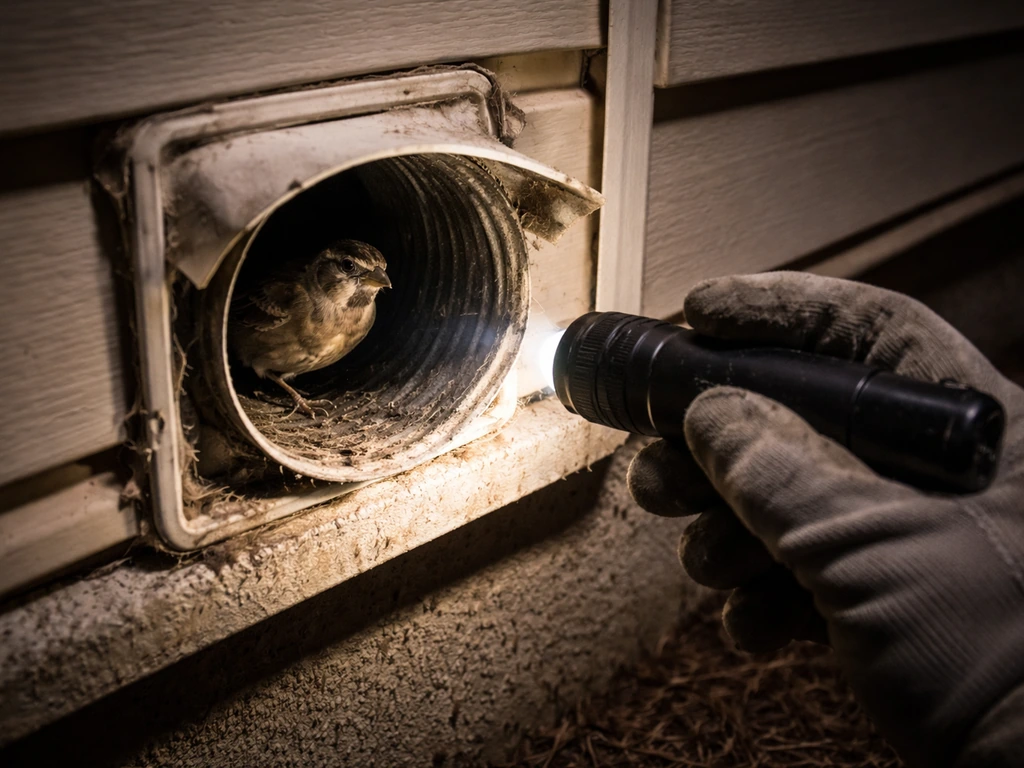
Turn off the exhaust fan immediately, stay calm, and give the bird a clear exit route. Most birds that wander into a kitchen exhaust vent or house vent will leave on their own within a few hours if you stop the airflow, reduce noise, and open the nearest exterior vent cover. If the bird is deeper in the ductwork or has been in there more than a few hours, you'll need a more deliberate approach, which is exactly what this guide covers, step by step.
How to Get a Bird Out of a Vent Safely and Humanely

Maya Carver
1 May 2026
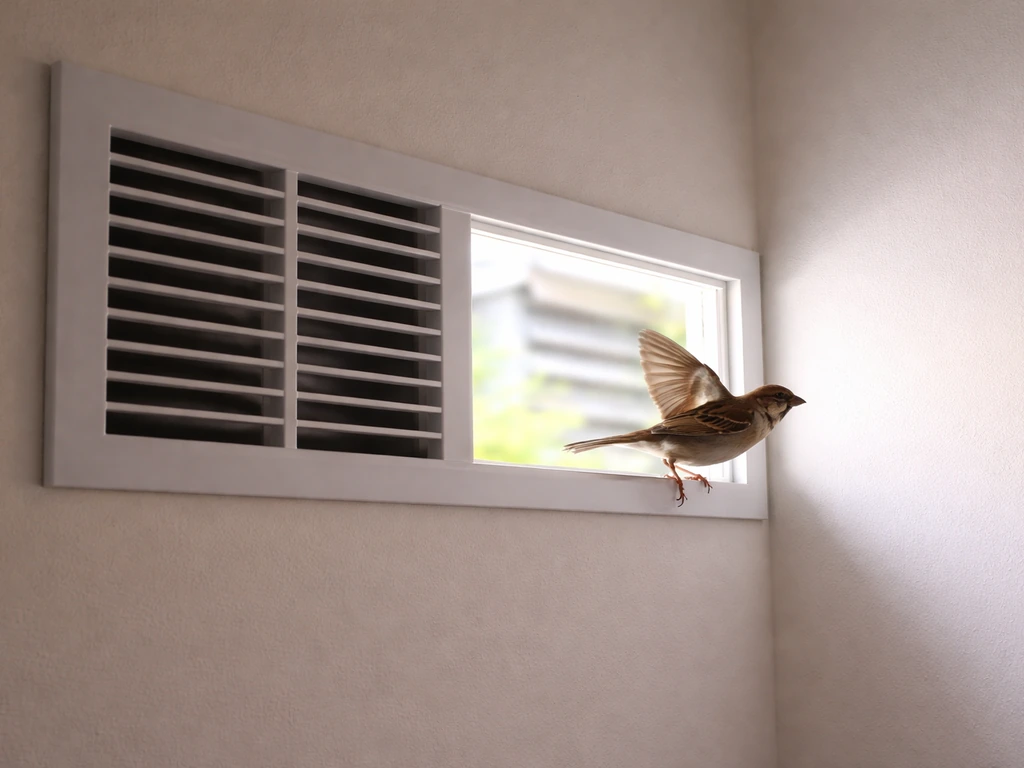
First: Figure Out Where the Bird Is and What Kind of Vent You're Dealing With
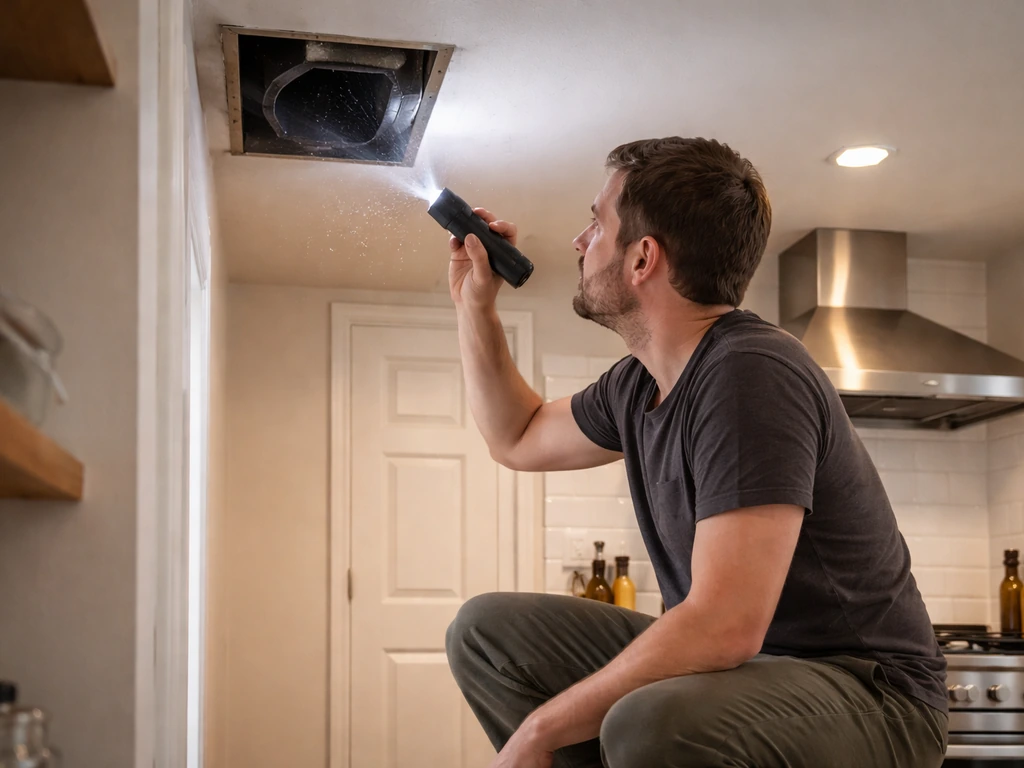
Before you do anything else, you need two pieces of information: where the bird is in the vent system, and what type of vent it entered. These two facts determine everything about how you proceed.
Kitchen exhaust vents typically run from the range hood up through the wall or ceiling and exit through an exterior wall cap. Bathroom and utility vents are usually shorter runs with a similar cap outside. The duct material matters too: solid aluminum duct is rigid and gives the bird fewer grip points, while flexible accordion-style plastic duct is softer and easier for a bird to work its way through but also easier to inadvertently compress during removal. Know what you have before you start.
Listen carefully and note where the sound is coming from. If you hear scratching near the exterior wall, the bird is likely close to the outside cap and can be guided out quickly. If the sound is inside the wall cavity or near the ceiling, the bird is deeper in and the process takes more patience. Also check whether you can see the bird at either end of the duct: from the interior hood/grille or from outside at the vent cap.
Safety check before anything else: turn off the range hood fan and any related appliances. Do not run a kitchen exhaust fan while a bird is in the duct. Beyond the obvious trauma to the bird, ASHRAE data shows grease fires in exhaust hoods can generate temperatures of 2,000°F or more, and any ignition risk is unacceptable with a live animal and potential debris in the duct. Leave the fan off until the bird is out and you've done a post-removal inspection.
Getting the Bird Out Fast: Steps for Kitchen Exhaust and House Vents
This section is for situations where the bird is near the exterior vent cap or visible from the interior grille. Act quickly but quietly. Loud noise and frantic movement will push the bird deeper into the duct, which is the last thing you want.
- Turn off the exhaust fan and any other air-handling equipment connected to that duct run. Do this first, every time.
- Go outside and locate the exterior vent cap. Most kitchen exhaust caps have a flap or louvered cover. Gently open or remove the cap to give the bird an unobstructed exit. If the cap has a latch or screw, use a screwdriver and work slowly to avoid startling the bird.
- Darken the interior side of the vent. Birds are attracted to light and move toward it. If the interior of your kitchen is bright and the outside is duller (common in early morning or evening), the bird may move toward your kitchen instead of out. Use a flashlight shining from outside into the duct to create a 'follow the light' path toward the exterior opening.
- Give the bird 15 to 30 minutes of quiet. Resist the urge to bang on ducts or use noise to drive it out. Panic causes birds to wedge themselves in corners or injure their wings trying to turn around in a tight space.
- If the bird is visible at the interior grille, remove the grille carefully. Place a cardboard box or large towel below the opening and allow the bird to drop into it naturally, or guide it gently with a second piece of cardboard. Never grab a bird forcefully. Hold it loosely cupped in both hands if you must pick it up, support its body, and take it directly outside to release it on a flat surface away from the building.
- If the bird exits on its own through the exterior cap, watch to confirm it clears the opening fully before you reinstall the cap.
One thing that works surprisingly well for kitchen vents specifically: turn off all interior lights in the kitchen and open a door or window on the opposite side of the room. The bird's instinct is to move toward open air and light. Combined with the exterior vent cap being open, this can create a natural exit gradient that resolves the situation without you having to touch the bird at all.
When the Bird Is Deep in the Duct or Inside the Wall
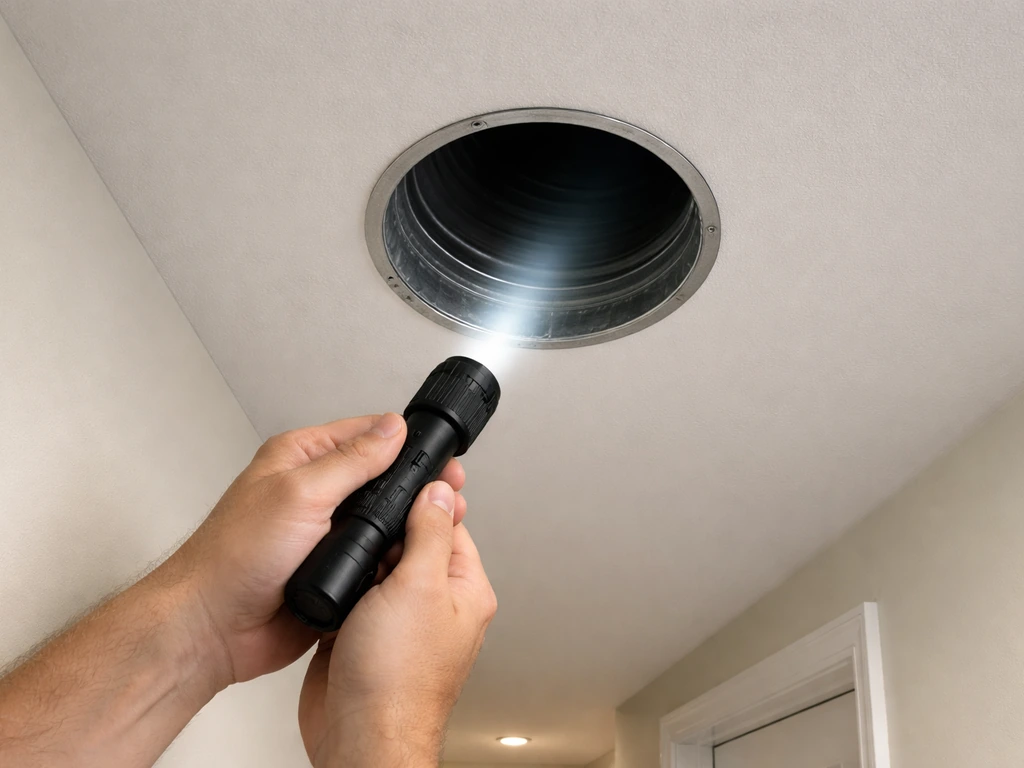
A bird that's been in the ductwork for more than a couple of hours, or one you can hear but can't locate at either end of the duct, requires a calmer and more methodical approach. Your goal is to reduce the bird's stress, eliminate dead ends, and create one clear escape path.
Reduce Panic First
Stop all vibration and noise near the duct. Turn off nearby appliances, ask household members to move quietly, and avoid tapping or banging the duct walls. A stressed bird will flatten itself against the duct wall and stop moving, making extraction much harder.
Create a One-Way Light Path
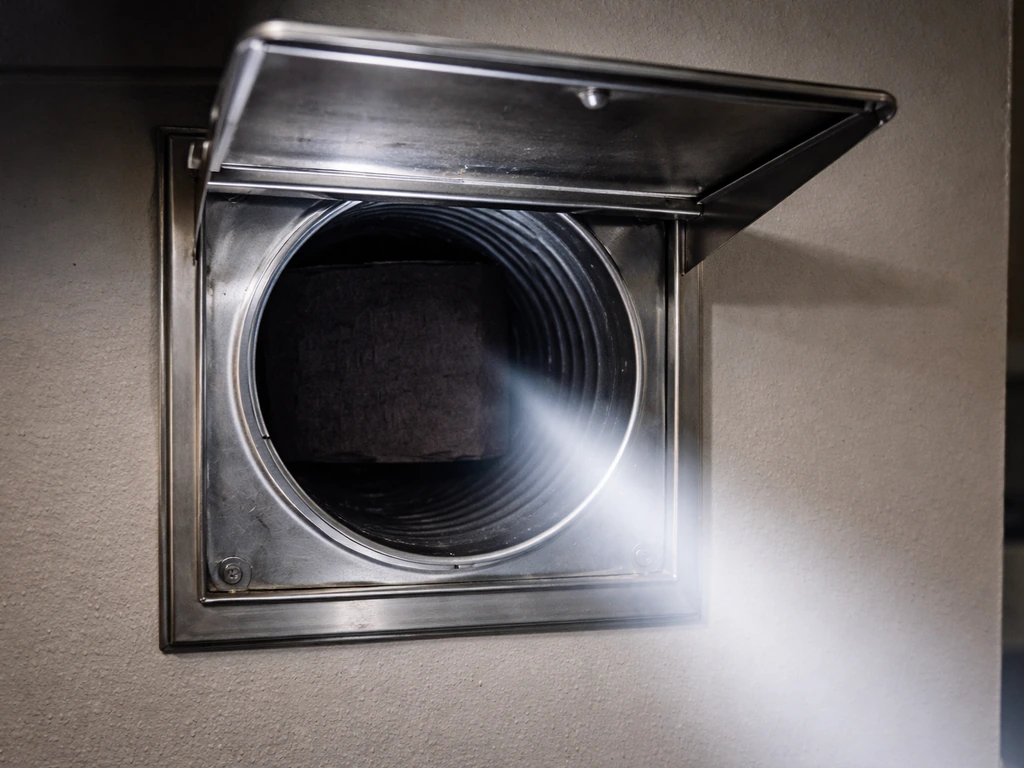
With the exterior cap open, use a bright flashlight shining into the duct from outside. Simultaneously, block the interior grille with a dark cloth or cardboard so there's no competing light source from the kitchen side. This gives the bird one obvious direction to move. Check the exterior opening every 20 to 30 minutes. Many birds will self-rescue with this setup within one to two hours.
Access Panel Check for Longer Duct Runs
If your kitchen exhaust has a longer commercial-style run (more common in facility manager scenarios), there may be access panels along the duct. NFPA 96 inspection practices require these panels for exactly this kind of situation. Check for any open joints or accessible panels along the route. Opening an intermediate panel can give the bird an additional escape point and lets you visually confirm its location. Close the panels again after the bird exits.
If the Bird Is Stuck or Injured
If you can hear the bird but it's stopped moving, or if you can see it and it's clearly not flying (limp, eyes closed, or sitting at the bottom of the duct), it may be injured or in shock. At this point, do not try to extract it yourself through a small opening, because you risk injuring it further. Move to the 'When to Call a Pro' section of this guide and contact a wildlife rehabilitator right away. Time matters for an injured bird.
DIY Controls: Lighting, Airflow, and One-Way Options
Beyond the basic light-path approach, there are a few other DIY tactics that can help, especially if the bird is taking longer than expected to move.
- Temporary airflow assistance: If the exterior cap is the only opening, use a battery-powered handheld fan (not the built-in exhaust fan) positioned at the interior grille end, blowing very gently toward the exterior. This creates a mild airflow gradient without the trauma of a powered fan. Do not use the built-in fan.
- One-way duct insert: For facility managers or anyone with flexible duct access, a simple cone of cardboard or mesh inserted at the interior end can act as a one-way funnel: the bird moves outward but can't come back in. Remove it once the bird exits.
- Temporary grille cover: If you're worried about the bird exiting into the kitchen instead of outside, tape a piece of breathable mesh or window screen loosely over the interior grille. It allows air and sound but prevents the bird from flying into your living space while you work the exterior side.
- Reduce competing light: Close blinds and turn off kitchen lights. The darker the interior, the more the exterior opening stands out as the destination.
- Sound cues: Playing bird distress or predator calls near the interior grille (at low volume) can prompt a bird to move. This is a last resort because it can increase panic. If you try it, do so briefly (30 seconds) and only from the interior side to push the bird outward.
If you're dealing specifically with a dryer vent situation, the approach has some important differences because of lint accumulation and different cap designs. If a bird is stuck in a dryer vent, the same calm, one-way light approach can work, but lint and vent design change the safest steps dryer vent situation. For help that is tailored specifically to dryer vents, use the dryer-vent section of this guide after you identify where the bird is in the duct run dryer vent situation. That's worth reading up on separately, since dryer vent removal has its own set of fire-risk considerations. A practical example comes from a Reddit maintenance thread where people discuss removing birds from dryer vents and then adding exterior protection or guards afterward to prevent repeat entry blank" rel="noopener noreferrer">adding exterior protection/guards afterward.
After the Bird Is Out: Cleanup and Inspection
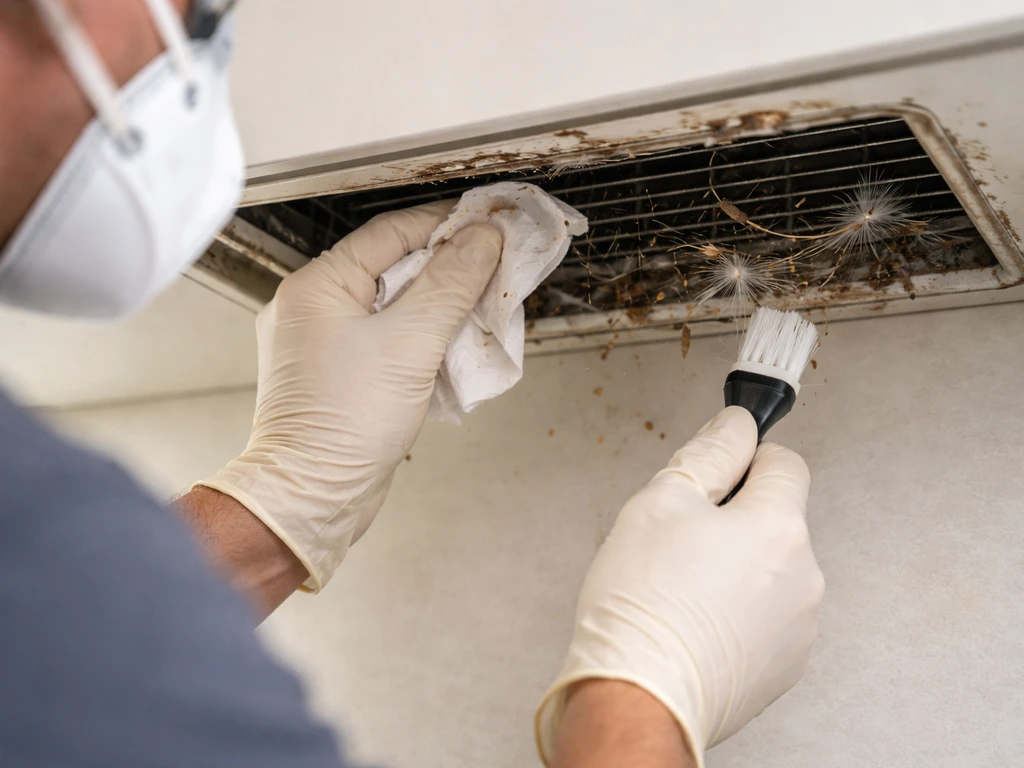
Once the bird is gone, do not skip this part. Droppings, feathers, and nest material inside a duct are a real hygiene and safety concern, and a kitchen exhaust duct that feeds back into your cooking space makes contamination especially relevant.
Gear Up Before You Start
Put on disposable gloves before touching anything inside or near the duct. If there's visible droppings accumulation, add an N95 respirator (or better) before you open the grille or reach into the duct. The CDC and NIOSH are both clear on this: bird droppings can carry Histoplasma fungus, and disturbing dry droppings aerosolizes particles you don't want to breathe. This isn't about overreacting, it's a ten-second step that matters.
Wet, Then Remove
Before scooping or wiping any droppings, lightly mist the area with water or a diluted disinfectant spray. EPA duct-cleaning guidance discourages relying on chemical treatments or biocides as a substitute for proper assessment and remediation, and it supports replacing porous or mold-contaminated duct materials rather than attempting a purely cosmetic cleanup. This suppresses dust and prevents aerosolization. Then use damp paper towels or disposable rags to collect the material and seal it in a plastic bag. Do not use a standard household vacuum on droppings, either inside the duct or on surfaces. Vacuums re-aerosolize particles through the exhaust, and they can't be reliably cleaned or disinfected internally afterward. If you need vacuuming for larger debris, use a HEPA-filtered vacuum that exhausts outside, or hire a duct cleaning service.
Inspect for Damage
While you have access to the duct, check for the following with a flashlight:
- Nest material or debris blocking airflow, especially near the exterior cap or any bends in the duct
- Scratches, dents, or gaps in solid aluminum duct sections where the bird may have worked its way through
- Tears or compression damage in flexible plastic/accordion ductwork, which can reduce exhaust efficiency and create future entry gaps
- Evidence of multiple entries (multiple nesting layers, older dried droppings mixed with fresh), which signals a recurring problem and means your prevention work is overdue
- Any moisture or mold growth, particularly on porous duct liner material inside commercial hoods. EPA guidance notes that porous duct liner contaminated with mold may not be adequately addressed by cleaning alone and could require section replacement
Wash your hands thoroughly with soap and water after cleanup, even if you wore gloves. The CDC is direct about this: handwashing after contact with birds, droppings, or contaminated materials is non-negotiable. Dispose of gloves and any disposable materials in a sealed bag in your outdoor trash.
Preventing the Next Incident: Long-Term Proofing for Your Vents
Every bird-in-vent situation is a symptom of the same underlying problem: the exterior vent cap isn't doing its job. Fixing that one thing prevents the vast majority of repeat incidents.
Choose the Right Vent Cap
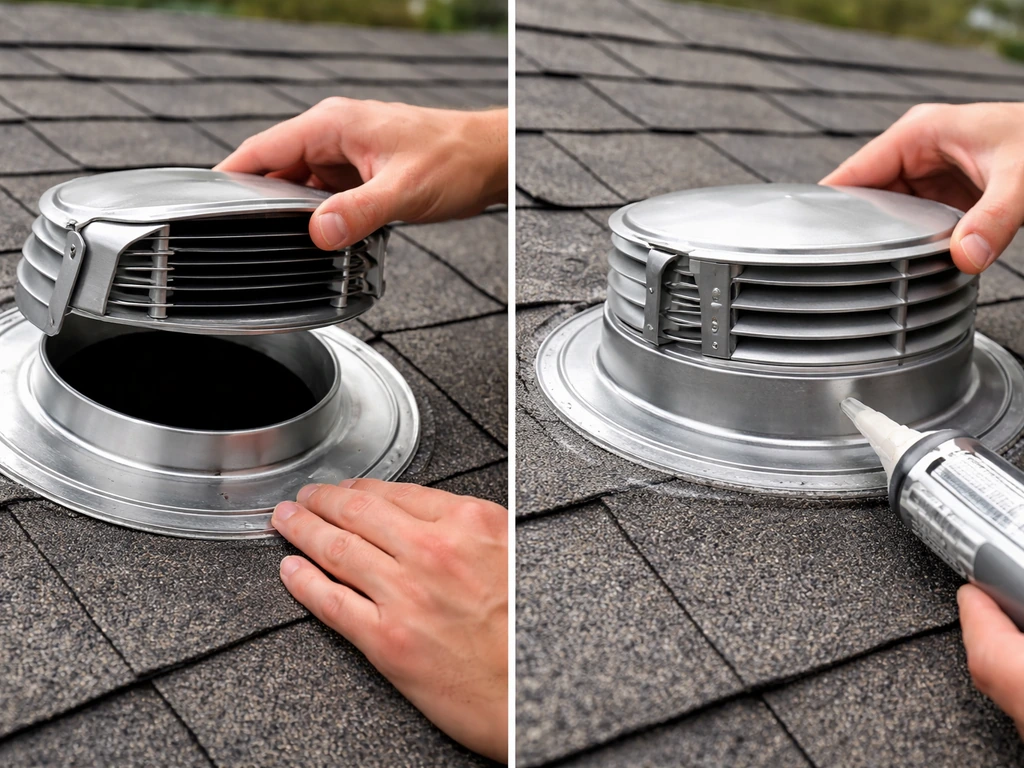
Standard louvered plastic caps are the cheapest option but wear out quickly and birds quickly learn to push the flaps open. Upgrade to a pest-resistant cap with a spring-loaded damper and a built-in mesh screen or wire guard over the opening. Make sure the mesh size is small enough to exclude sparrows and starlings (no larger than half-inch openings) but large enough not to trap lint or reduce airflow significantly. For kitchen exhaust vents, confirm the cap is rated for grease-laden air since standard caps can accumulate grease and fail faster.
Seal Around the Cap
Once the right cap is installed, seal around its perimeter with exterior-grade caulk or metal flashing tape. Even a small gap around the cap's edge is enough for a starling or sparrow to squeeze through or build a foundation for nesting. This is especially important where the duct passes through brick or stucco, where gaps are easy to miss.
Maintenance Schedule
Set a twice-yearly check of all exterior vent caps: once in early spring before nesting season kicks into gear (typically late March through May depending on your region), and once in fall before migratory birds start seeking winter shelter. During each check, do the following:
- Visually inspect the cap from ground level with binoculars or get on a ladder if it's accessible and safe to do so
- Check for nest material poking out of or packed around the cap opening
- Test the damper or flap to confirm it opens and closes freely and isn't stuck open or corroded
- Confirm the mesh or screen is intact with no holes or bent sections
- Check the sealant around the cap perimeter for cracks or shrinkage and re-caulk as needed
- Run the exhaust fan briefly and confirm airflow is unobstructed at the exterior
Facility Manager Notes
For commercial kitchens and multi-unit buildings, integrate vent cap inspection into your NFPA 96-aligned hood inspection schedule. If your maintenance contractor is already inspecting duct interiors and grease levels, adding an exterior cap check takes two minutes per vent and eliminates a common source of pest entry and liability. Document findings and repairs in your maintenance log.
When to Stop DIY and Call a Wildlife Pro or Maintenance Team
There are clear situations where DIY stops being the right call. Knowing when to escalate protects you, the bird, and your ductwork.
| Situation | Who to Call | Why It Matters |
|---|---|---|
| Bird is stuck deep in inaccessible ductwork and hasn't moved in several hours | Wildlife rehabilitator or pest/wildlife removal service | Extraction may require disassembling duct sections; professional tools and experience prevent bird injury and duct damage |
| You find eggs or active nest with chicks inside the vent | Wildlife professional and possibly USFWS | Removing an active nest (with eggs or birds present) may require a federal permit under the Migratory Bird Treaty Act; disturbing it without authorization can result in federal penalties |
| Bird species appears to be a protected migratory species (swifts, swallows, wrens, etc.) | U.S. Fish & Wildlife Service Migratory Bird Permit Office | USFWS administers permit requirements; contact them if you're unsure whether a permit is needed before any removal or nest disturbance |
| Large accumulation of droppings inside ductwork (more than a single incident) | Hazardous waste or duct cleaning specialist | CDC/NIOSH notes large droppings accumulations may require professional hazardous waste handling; standard cleaning isn't adequate |
| This is the second or third time a bird has entered the same vent | Pest-proofing or wildlife exclusion contractor | Repeated entries mean a structural gap that DIY cap replacement likely won't fully solve; a contractor can identify and seal the actual entry point |
| Bird appears injured, unable to fly, or in shock | Wildlife rehabilitator (search your state's wildlife rehab directory) | Injured birds need specialized care; attempting extraction without experience increases injury risk to the bird and to you |
The Migratory Bird Treaty Act is federal law and it covers a much longer list of species than most people realize. Sparrows (house sparrows, specifically, are not protected), European starlings, and rock pigeons are generally not covered. But chimney swifts, barn swallows, wrens, and many other common backyard and building-nesting birds are fully protected. If you're not certain what species you're dealing with, stop and check before taking any action that disturbs the bird or its nest. The USFWS website and your state wildlife agency are both good starting points, and contacting the Migratory Bird Permit Office directly is always an option if you have any doubt.
When you call a wildlife professional, have this information ready: the vent type and location, when you first noticed the bird, whether you've seen eggs or nest material, any species identification if you have it, and a description of the duct material and run length. The more specific you are, the faster they can help.
If your situation involves a dryer vent specifically, or a microwave vent, the removal and proofing steps have some meaningful differences worth reviewing on their own. Dryer vents in particular carry extra fire risk because of lint accumulation, and the cap and damper designs differ from kitchen exhaust systems.
FAQ
What should I do if I cannot find the bird in the vent from either end?
If the bird sound is coming from the duct but you cannot locate it at the interior grille or the exterior cap, treat it as deeper in the system. Keep the fan off, reduce noise, and wait longer with the one-way light setup only if the exterior cap is accessible. If you still cannot confirm its position within about 1 to 2 hours, switch to escalation, because forcing an opening or probing can injure the bird and scatter debris.
Can I use a vacuum hose or a shop-vac to pull the bird out faster?
No, do not attempt suction extraction. In addition to injury risk, it can destroy feathers or cause the bird to aspirate debris, and it can pull contaminated material into the airflow. Stick to guiding methods (one-way light, quiet exit route), and if extraction is necessary because the bird is injured or trapped, use a wildlife professional.
Is it safe to leave the exhaust fan off for hours while I wait?
Usually yes, as long as you are not relying on that fan for critical ventilation needs (for example, cooking smoke or bathroom moisture). The key is not to run the fan while the bird is inside, because airflow can drive it deeper and increase fire risk in greasy kitchen hoods. If you must cook, do it without turning the exhaust fan back on until the bird is fully out and the duct area is cleared.
Will turning off the kitchen lights really help if the vent is still noisy or dark?
It helps by removing competing illumination so the bird moves toward the brighter side leading to the open exterior cap, but it works best when you also minimize other light sources and vibrations. Close nearby doors, dim or turn off room lights that shine toward the vent, and keep people quiet. If the bird does not move within 1 to 2 hours, the light trick may not be enough for that duct run.
What if the bird is just sitting still and seems stunned, but I cannot see it clearly?
If it is motionless, making no attempts to reposition, or you suspect injury, do not try to reach it through a small opening. Reduce disturbance, keep the area quiet, and contact a wildlife rehabilitator. When there is uncertainty about its condition, minimizing handling is safer than attempting a DIY extraction that could worsen trauma.
How do I know whether the vent is a kitchen exhaust duct versus a dryer vent?
Look for telltale details: dryer vents often connect to a dedicated appliance and typically have an exterior hood and more visible lint risk around joints. Kitchen exhaust ducts connect to range hoods and can have grease-laden buildup. If you are unsure, pause and identify the run before attempting anything beyond waiting and light guidance, because dryer-vent removal and fire-risk precautions differ.
Can I open the exterior vent cap if it is stuck or covered with grease?
If it is stuck, do not force it aggressively, especially on louvered or older caps. Instead, use the safest options that do not require wrenching parts, such as keeping the fan off, reducing noise, and using interior controls like the blocking cloth approach when the exterior opening is at least partially accessible. If you cannot open the cap without tools or significant damage risk, it is often better to escalate to avoid breaking the cap or disturbing the duct lining.
Should I cover the bird with a towel or trap it when it reaches the grille?
Do not trap or bag it immediately. When it reaches the interior opening, keep the route clear and allow it to exit toward open exterior air. If you need to intervene, wait until it is actively moving out, and avoid sudden grabbing that can injure the bird or entangle it in flexible duct or grille parts.
What protections should I use for my lungs beyond gloves and an N95?
If droppings appear heavy, the bird was inside for a while, or you expect dust disturbance, use eye protection and an N95 or better and avoid any actions that create visible dust clouds. The goal is to prevent aerosolization when you open the grille or clean. If you cannot control dust, consider hiring a duct cleaning service equipped for contaminated ductwork.
Is it okay to wipe the duct interior surfaces with household disinfectant sprays?
You can lightly mist to suppress dust, but focus on wet cleanup rather than blasting disinfectant into the duct so residue does not add new contaminants or spread particles. Use damp paper towels or disposable rags, seal waste in a bag, and do not rely on a disinfectant to compensate for dry sweeping. Thorough handwashing after cleanup is still required.
How quickly should I inspect and replace the vent cap after the bird is gone?
Do it promptly, ideally the same day or within a few days, because the duct issue that allowed entry likely persists for future visits. Before sealing or replacing the cap, confirm the exterior opening size is appropriate for small birds, check for gaps around the perimeter, and ensure the cap is grease-rated if it is a kitchen exhaust duct.
What mistakes cause birds to get stuck deeper during cleanup?
The most common mistakes are running the exhaust fan while the bird is inside, making loud noise or tapping the duct, and repeatedly switching on bright interior lights that confuse the bird. Another frequent issue is leaving the exterior exit pathway unprepared, such as keeping the exterior cap closed or partially blocked. Prevent those, then reassess after 20 to 30 minute intervals.
When should I call for professional help even if the bird looks alive?
Call a pro if the bird is protected species, if you suspect it is injured (limp, abnormal posture, eyes closed), if you cannot locate it after an extended attempt, or if the duct run appears to require opening inaccessible panels. Also call if the duct is flexible accordion type and you cannot avoid compressing it during removal, since that can trap the bird or worsen contamination.
Next Article
Bird Stuck in Dryer Vent: Safe DIY Rescue Steps
Step-by-step, humane rescue for a bird stuck in a dryer vent or hose, plus prevention and when to call rehab