Stop using the dryer right now. A bird stuck in a dryer vent or duct creates a real fire hazard because heat and lint back up behind the blockage, and that situation gets worse every minute the dryer runs. Once the dryer is off, you have time to work through this calmly.
Bird Stuck in Dryer Vent: Safe DIY Rescue Steps

Maya Carver
25 Apr 2026
Most birds can be guided out through the exterior vent opening within 30 to 60 minutes using the steps below, without tools inserted into the duct and without harming the bird. If you are facing a similar situation with a bird stuck in a microwave vent, use the same calm approach and focus on a safe, indirect removal path rather than reaching inside how to get bird out of vent.
After you remove it, you can also follow these tips on how to keep birds from getting into the vent in the first place how to get bird out of vent.
First things first: emergency safety steps
Before you touch anything, run through this short checklist. It protects you, anyone in the home, and the bird.
- Turn the dryer off and unplug it (or switch off the breaker for a hardwired unit). Do not run it again until the vent is fully cleared.
- If you have a gas dryer, treat this as a ventilation hazard. Gas dryer exhaust that cannot exit the house is dangerous to breathe. Open windows in the laundry room and leave the door to that room open.
- Keep pets and children out of the laundry room and away from the exterior vent area.
- Listen at the vent opening outside and at the dryer connection point inside. Scratching, fluttering, or chirping tells you which section of the duct the bird is in.
- Do not poke, prod, or insert any object into the duct while the bird is still inside. Even a soft brush can injure a panicked bird.
- Note whether the bird sounds active and strong, or quiet and weak. That triage matters when you decide between DIY removal and calling a wildlife rehabilitator.
If the bird sounds completely silent and you cannot hear any movement after a few minutes of quiet listening, it may be exhausted, injured, or very young. Pause the DIY plan and skip ahead to the aftercare and escalation sections before proceeding.
How birds end up in dryer vents in the first place
Dryer vents are genuinely attractive to birds. If you see signs of a bird getting into your dryer vent, act quickly to prevent heat and lint buildup from turning it into a fire risk there is a bird in my dryer vent. The duct opening is a warm, dark cavity that looks exactly like a tree hollow or wall crevice from a bird's perspective. Add the fact that many vent flaps fail open over time or get propped open by lint buildup, and you have an invitation that is hard for a nesting bird to resist.
Here are the situations I see most often:
- Nesting attempt: A bird (commonly a European starling, house sparrow, or house finch) scouts the vent in late winter or early spring, brings in twigs and grass, and gets trapped when the flap closes behind it or when the duct narrows.
- Accidental entry: A bird chasing insects or fleeing a predator dives into the vent opening and then cannot turn around in the smooth, narrow duct.
- Juvenile bird: A fledgling that cannot yet fly well lands near the vent, hops in out of curiosity, and cannot get back out.
- Failed flap: The exterior vent flap is missing, stuck open, or rusted, leaving the duct permanently open. Birds explore freely and can get disoriented inside.
- Nest already inside: If a nest was built earlier in the season, hatchlings or eggs may be present, which changes the approach entirely (see the escalation section).
Seasonal timing matters. Spring (March through June) is peak nesting season in most of North America. If you are reading this between those months and you hear chirping rather than frantic fluttering, there is a reasonable chance you are dealing with a nest and chicks rather than a single trapped adult. That situation needs a wildlife rehabilitator, not a DIY extraction.
How to humanely remove a bird from a dryer vent
The guiding principle here is simple: you want to create a clear, dark-to-light path that the bird can find on its own. Birds move toward light when they are in a dark space. Your job is to remove obstacles from the exit, darken the interior, and let the bird do the rest.
Step 1: Inspect and clear the exterior vent opening
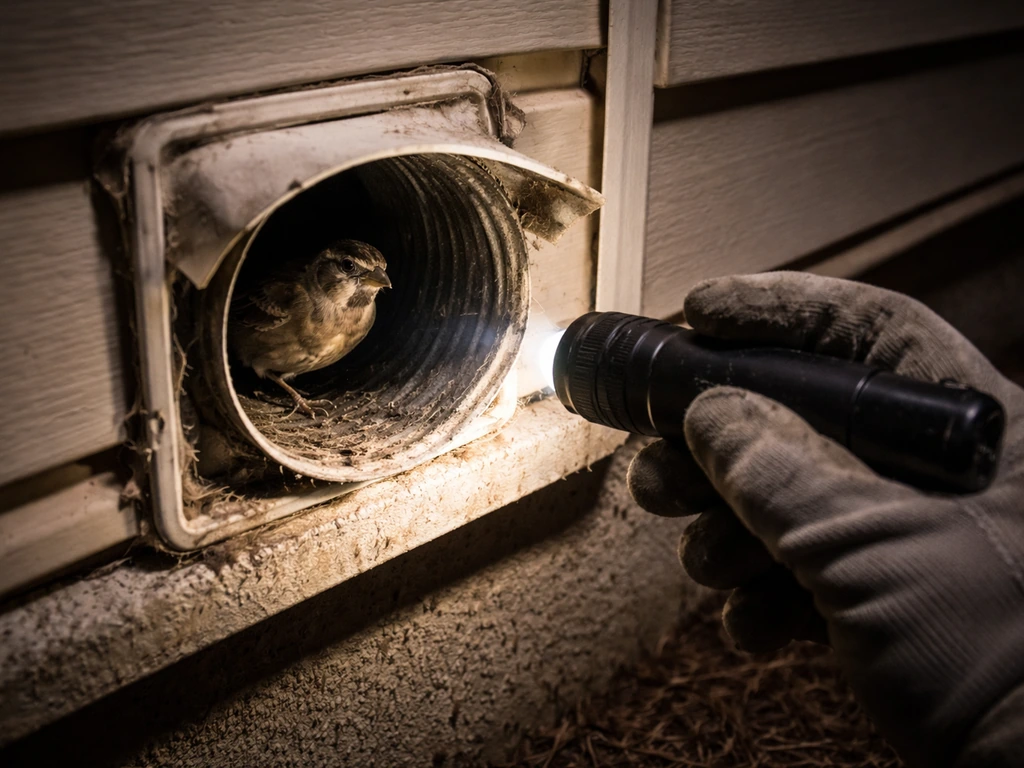
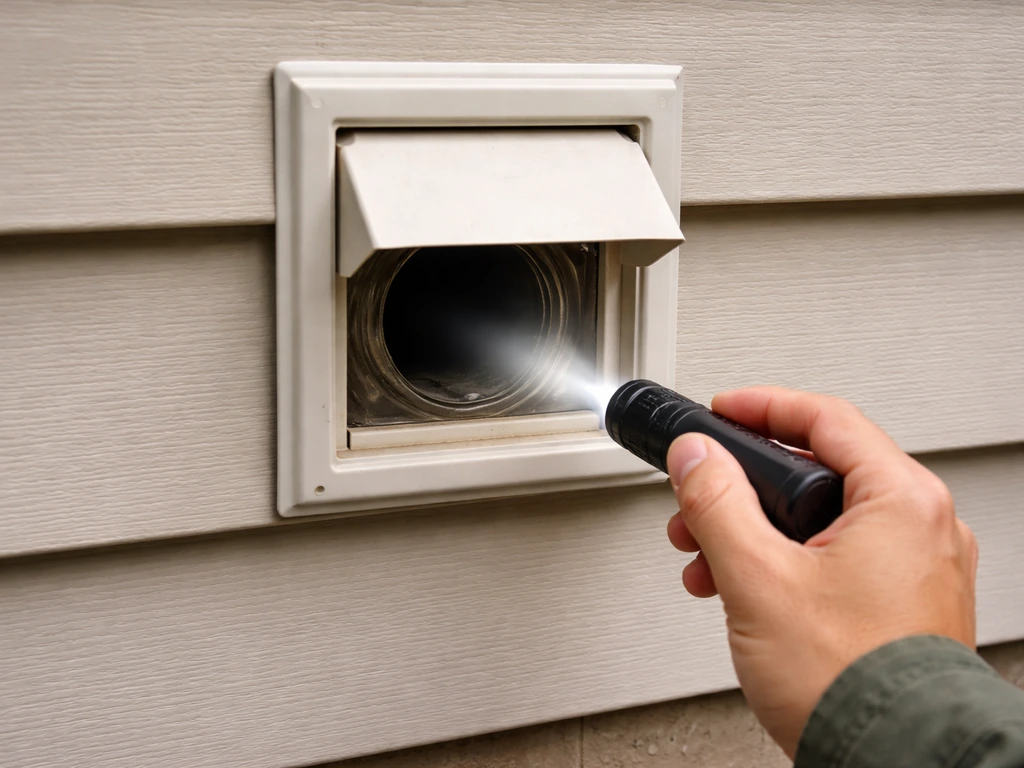
Go outside to the vent cap. Use a flashlight to look in without inserting anything. If you can see the bird, note how far back it is. Remove any nest material, lint, or debris that is blocking the opening using your gloved hands, a lint brush, or a vacuum hose held at the opening (not inserted inside). Clear the vent flap so it can swing fully open. This alone sometimes gives the bird enough room to turn around and exit on its own.
Step 2: Create a dark interior and a lit exit
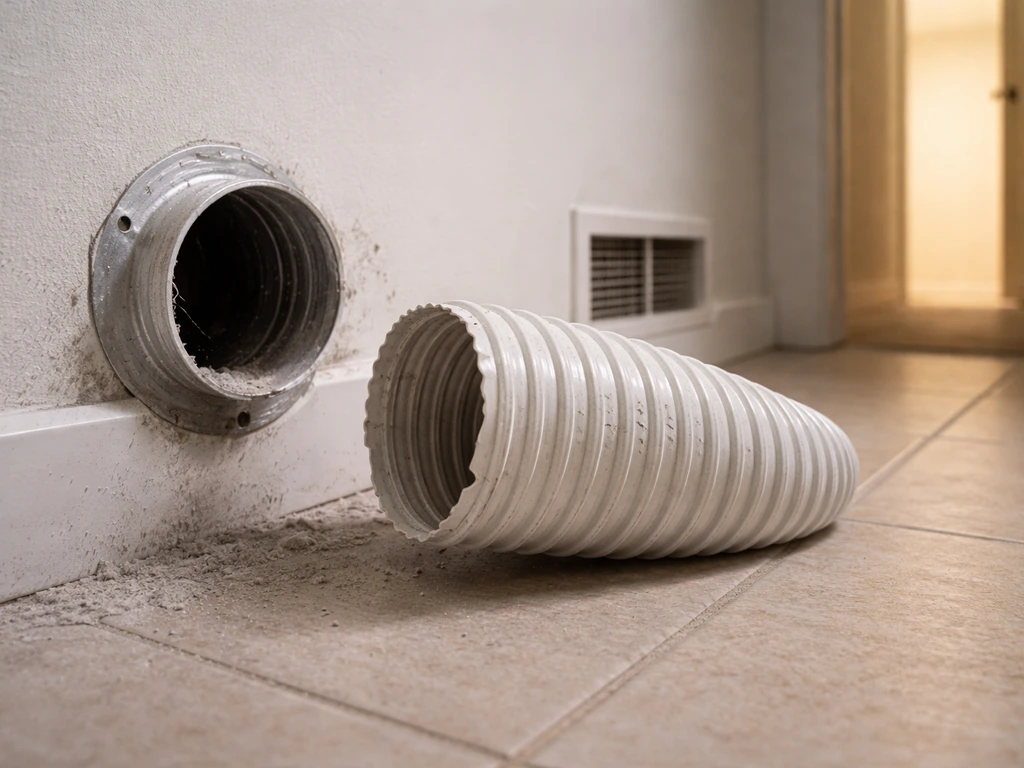
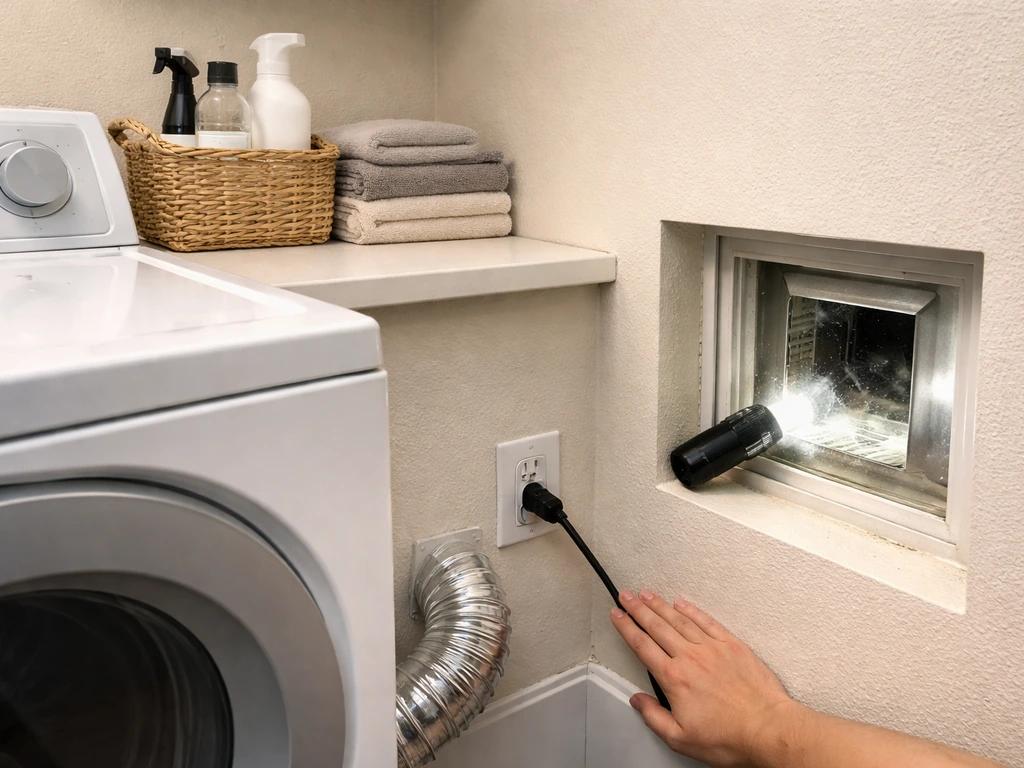
Go back inside and disconnect the flexible dryer hose from the wall duct collar. This opens the duct from the inside and creates a second escape route if the bird has moved toward the dryer end of the duct. Turn off all lights in the laundry room and close the door so it is as dark as possible. The bird should orient toward the bright exterior opening. Give it 15 to 20 minutes undisturbed.
Step 3: Encourage movement without forcing it
If the bird has not moved after 20 minutes of darkness and quiet, try gently tapping on the outside of the duct wall (not the vent opening itself) to startle it into moving toward the exit. You can also place a small lamp or flashlight shining directly into the exterior vent opening from outside to create a visual beacon. Do not use noise devices, sprays, or any object inserted into the duct.
Step 4: Handling the bird if it exits into the room
Sometimes the bird comes out through the interior duct collar end rather than the exterior. If it enters the laundry room, close all doors to keep it in one room, open a window or exterior door, and dim the lights except for natural light from the open window. The bird will usually find the exit within a few minutes. If it lands and stays still, you can pick it up gently using a light towel, cupping it loosely with both hands, and carry it outside. Place it on a shrub or elevated surface (not the ground) and step back. A healthy bird will fly off within a minute or two.
Step 5: If the duct is inaccessible from both ends
Some homes have long duct runs that go through walls or ceilings with no access panel. If you cannot get a clear line to the bird from either the exterior vent or the interior dryer connection, stop the DIY attempt and call a duct cleaning professional or a wildlife removal service. Forcing a removal through a wall panel without knowing where the bird is risks serious injury to the bird and damage to the duct.
Stopping it from happening again
Once the bird is out, the vent needs to be inspected, cleaned, and sealed before you run the dryer again. Tom’s Guide notes that clogged dryer vents can let lint build up and restricted airflow raises the risk of overheating and fire blank" rel="noopener noreferrer">clogged dryer vents can let lint build up and raises the risk of overheating and fire. Inspecting and maintaining dryer venting, and keeping the vent opening clear, helps prevent fire hazards blank" rel="noopener noreferrer">inspect the vent. A blockage that was building up while the bird was inside may still be partially in place, and nest material is a lint-level fire risk.
Install a bird-proof vent cap
The single most effective fix is replacing the exterior vent cap with a bird-proof or pest-proof model. Look for a cap that has a flap mechanism that closes completely when the dryer is off, or a louvered design with openings no larger than half an inch. Wire mesh hardware cloth can also be installed over an existing cap, but check it every few months because lint will clog it and restrict airflow. Never use hardware cloth with openings larger than half an inch, and never seal the vent so tightly that airflow is restricted, because that creates its own fire hazard.
Clean the duct after any bird event
Bird nests and feathers carry mites, bacteria, and histoplasma spores. After removal, vacuum out as much nest material and debris as you can from the exterior opening, then run a dryer vent brush kit through the full duct length from inside. If you are not comfortable doing this yourself, a dryer vent cleaning service can do it in under an hour and will confirm the duct is clear before leaving. Do not skip this step.
Check your dryer hose setup
Flexible vinyl or foil accordion hoses behind the dryer are more prone to sagging, disconnecting, and collecting lint than rigid metal duct. If yours is an accordion-style hose and it has any kinks, tears, or loose connections, replace it with rigid or semi-rigid metal duct. A shorter, straighter duct run also reduces the chance of a bird getting deeply stuck.
Seasonal maintenance schedule
| Time of Year | Task |
|---|---|
| Late winter (February) | Inspect exterior vent cap before nesting season starts. Replace any damaged or stuck-open flaps. |
| Spring (March to June) | Check weekly for signs of nesting activity (twigs, grass, bird activity near the vent). Do not let a nest establish. |
| Late summer (August) | Full duct cleaning to remove lint and any remnants of the nesting season. |
| Fall (October) | Re-inspect the cap and flap. Cold weather drives birds and rodents to seek warm entry points. |
After the bird is out: checking for injury and next steps
A bird that has been trapped for more than a few hours is likely stressed, dehydrated, and possibly injured. Once it is out, watch its behavior for a minute or two before assuming it is fine.
- If the bird flies off strongly within a minute of being placed outside, it is almost certainly okay.
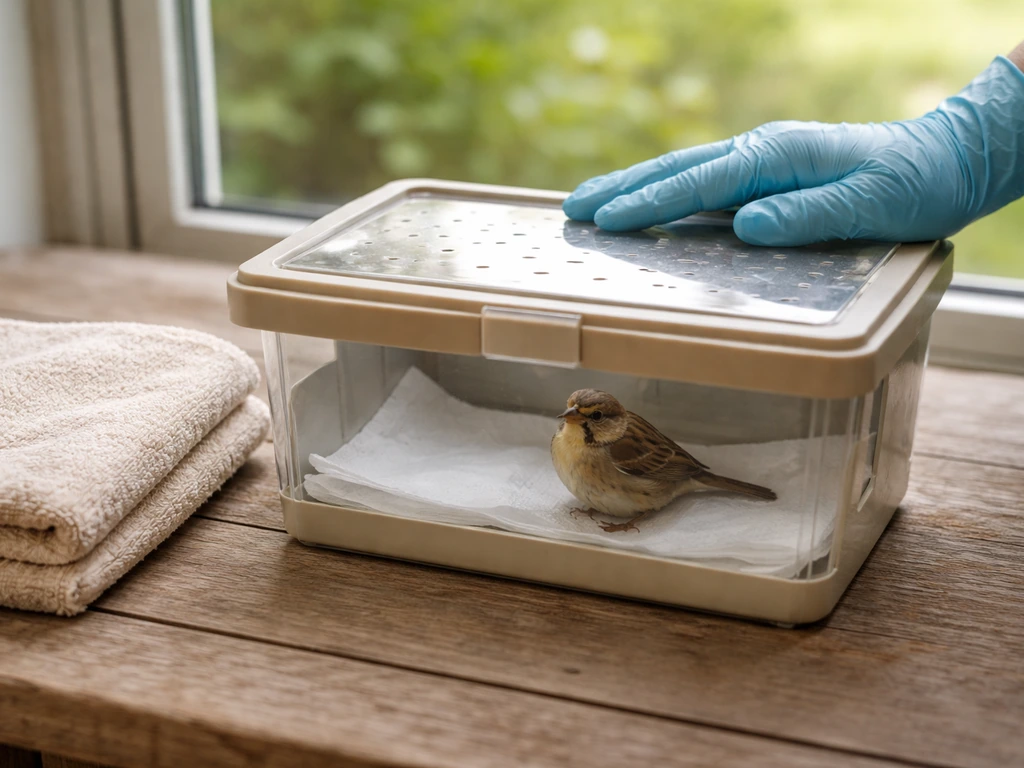
- If it sits on the ground or on a low surface and does not move after two to three minutes, pick it up gently, place it in a dark, ventilated cardboard box with no food or water (water is a drowning risk for an injured bird), and contact a licensed wildlife rehabilitator.
- If the bird has a drooping wing, cannot hold its head upright, or has visible bleeding, treat it as injured and call a rehabilitator immediately.
- If you find a nest with eggs or hatchlings inside the duct, do not remove it yourself. Contact a wildlife rehabilitator or your local animal control for guidance on next steps.
To find a licensed rehabilitator near you, search the National Wildlife Rehabilitators Association directory or call your state's fish and wildlife agency. Give them your location, the species if you can identify it, and a description of the bird's condition. They will tell you exactly where to bring it.
When to call a professional and what the law says
Call a wildlife professional if:
- The bird is injured, very young, or unresponsive and you cannot safely transport it yourself.
- There is an active nest with eggs or chicks inside the duct.
- You have tried the DIY removal steps for 45 minutes with no result.
- The duct run is long, inaccessible, or goes through the ceiling or walls.
- Birds have entered the vent more than once in a single season, which suggests a structural issue with the vent cap.
Call a duct or HVAC professional if:
- You cannot access the duct from either end.
- The dryer is taking longer than usual to dry clothes after the bird is removed (a sign of residual blockage).
- You smell burning or notice the exterior of the dryer is hot to the touch.
- The duct needs to be re-routed to reduce the risk of future entry.
Know the legal basics
Most of the birds that end up in dryer vents in the United States are protected under the Migratory Bird Treaty Act. That includes common species like starlings and house sparrows in some interpretations, but also robins, swallows, wrens, and many others. Under federal regulations (50 CFR 21. 76), you need a permit to rehabilitate a migratory bird.
However, there is a Good Samaritan exception: you can legally pick up an injured or trapped migratory bird and transport it directly to a permitted rehabilitator without a permit yourself. What you cannot do is keep the bird at home, attempt to treat it yourself beyond basic containment, or release it if it is not healthy enough to survive. Keeping a wild bird as a pet is illegal under federal law.
When in doubt, your job is containment and transport, not treatment.
For birds that are not injured but simply trapped (alert, strong, flying off once released), the legal situation is straightforward: you are not taking possession for rehabilitation, you are facilitating escape from a hazard. That is fine. The legal questions get more complex only if the bird is injured or if a nest with eggs or chicks is involved, which is why contacting your state wildlife agency or a rehabilitator early is always the safer call.
The short version if you need it right now
- Unplug the dryer. Open windows if it is a gas dryer.
- Listen to locate the bird in the duct.
- Clear debris from the exterior vent opening without inserting anything inside.
- Disconnect the dryer hose from the wall collar inside and darken the room.
- Wait 15 to 20 minutes. Tap the duct gently if needed.
- If the bird exits into the room, open a window and let it find its way out, or gently towel it outside.
- If the bird is injured, quiet, or you cannot get it out, call a wildlife rehabilitator.
- After removal, clean the duct and install a bird-proof vent cap before running the dryer.
The situation is stressful but manageable. A bird that is actively moving and making noise is a good sign. Work calmly, avoid forcing anything, and you will usually have this resolved in under an hour. If you are dealing with a recurring problem or want to make sure it never happens again, the prevention steps above (especially the vent cap upgrade and seasonal inspections) are the part worth investing time in once the immediate crisis is done. To prevent the same problem, focus on how to keep bird out of dryer vent setups using a bird-proof vent cap and regular inspections.
FAQ
Should I call emergency services if I cannot free the bird quickly?
If you cannot see the bird’s position or there is any sign of active electrical or fire risk (burning smell, smoke, overheated laundry area), treat it as an emergency. Otherwise, call a wildlife removal service or the state wildlife agency when you lack access to the duct run or the bird seems to be in a nest or deep inside the system.
What if I hear a lot of chirping and it sounds like a nest instead of a single trapped bird?
If it sounds like multiple birds, constant chirps, or you suspect eggs or chicks, stop DIY extraction. Contact a wildlife rehabilitator during nesting season, and keep the dryer off because continued warmth can worsen the situation for nestlings.
Is it safe to use a vacuum to pull a bird out of the dryer vent?
Avoid inserting a vacuum head into the duct. The safer approach is to clear blockage at the exterior opening with the hose held at the opening, or after the bird is out. Inserting tools can injure the bird and push nest material deeper.
Can I spray water, use chemicals, or use repellent to make the bird leave?
No. Avoid sprays, deterrents, or chemicals inside the duct, and do not use noise devices. These can harm birds, increase stress, and contaminate lint and duct surfaces.
What should I do if the bird is silent and I suspect it might be injured or very young?
If there is no movement after a few minutes of quiet listening, skip the extraction attempts and move straight to containment and escalation. Have a ventilated container ready, limit handling, and contact a permitted rehabilitator or your state wildlife agency for instructions.
How long should I wait before trying the next step?
After creating darkness inside and opening the exterior vent path, wait about 15 to 20 minutes without disturbing the bird. If it has not moved after that, you can use gentle outside tapping on the duct wall (not the vent opening) and a visual beacon from outside, then reassess.
The bird flew out but seems disoriented. Should I keep watching, or pick it up?
Watch it for a minute or two first. If it can fly normally, leave it alone and just note the location. If it cannot fly, is unusually lethargic, or stays grounded, pick it up gently with a towel and transport it outside to an elevated shrub, then contact a rehabilitator for guidance.
Do I need to wear gloves or a mask while cleaning the vent after removal?
Yes, use gloves and consider a mask when vacuuming nest material or running a brush kit. Birds’ nests can harbor mites and bacteria, and lint dust can irritate lungs, especially if you are cleaning a clogged duct.
If I install a bird-proof vent cap, do I need to check airflow so the dryer still vents properly?
Definitely. The vent must still allow sufficient airflow, a cap that restricts exhaust can raise dryer temperatures and create a fire hazard. After installation, confirm the dryer exhaust feels unobstructed at the vent exterior and keep the cap free of lint buildup.
How often should I inspect or clean the new vent cap or mesh hardware cloth?
If you use mesh that can clog, check it every few months, more often if you notice reduced airflow or lint accumulation. Any restriction can trap birds or increase heat behind the blockage.
What if the bird is coming out somewhere else, like through gaps around the dryer?
If the bird escapes into the room instead of the vent opening, close off other rooms and dim lights to guide it toward the brightest exterior door or window. Keep the area contained so it does not run into walls or furniture where it may injure itself.
Should I run the dryer once the bird is out but before I clean the vent?
No. Even if the bird is gone, nest material and lint that built up during the blockage can remain. Inspect and clean the duct, then run the dryer only after you confirm the duct is clear and the exterior vent is reassembled and sealed appropriately.
Next Article
How to Get a Trapped Bird Out of Your House Safely
Humane, step-by-step guide to get a trapped bird out safely, handle injuries, and prevent future entry.