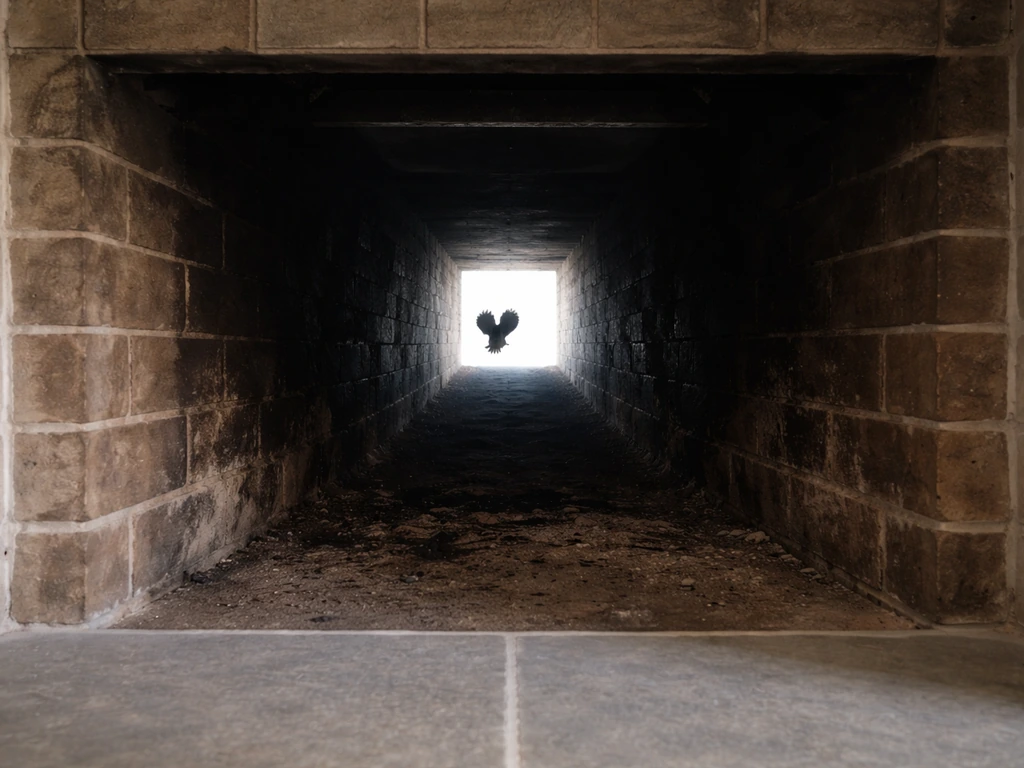
Stop what you're doing: make sure the stove is completely cold and the damper is closed, then get people and pets out of the room. A bird in a wood stove is a genuine emergency for the bird, and the next 10 to 15 minutes are the most important. If a bird falls down your chimney, follow the same immediate safety and gentle removal steps to get it out alive and avoid escalating the stress A bird in a wood stove. If a bird is trapped in your chimney area, the same safety first approach and quick release steps apply bird in chimney what to do. If you follow the steps below in order, you can usually get the bird out alive, unhurt, and back outside within half an hour without a professional.
How to Get a Bird Out of a Wood Stove Safely
Maya Carver
21 May 2026
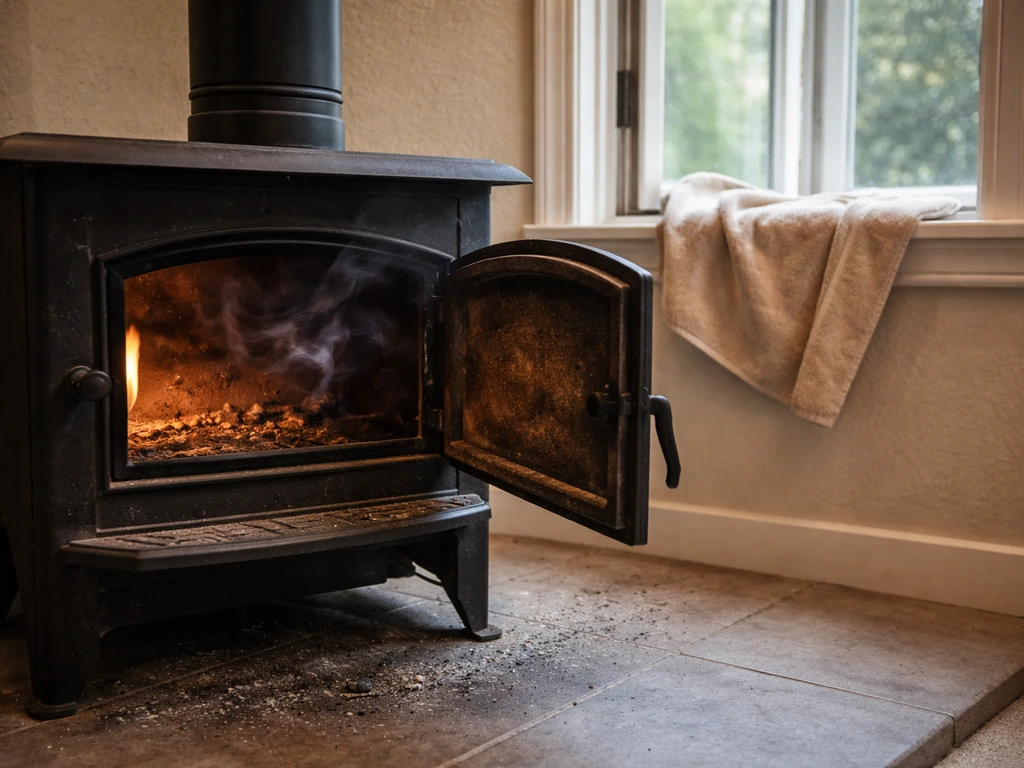
Immediate safety steps when a bird lands in your wood stove
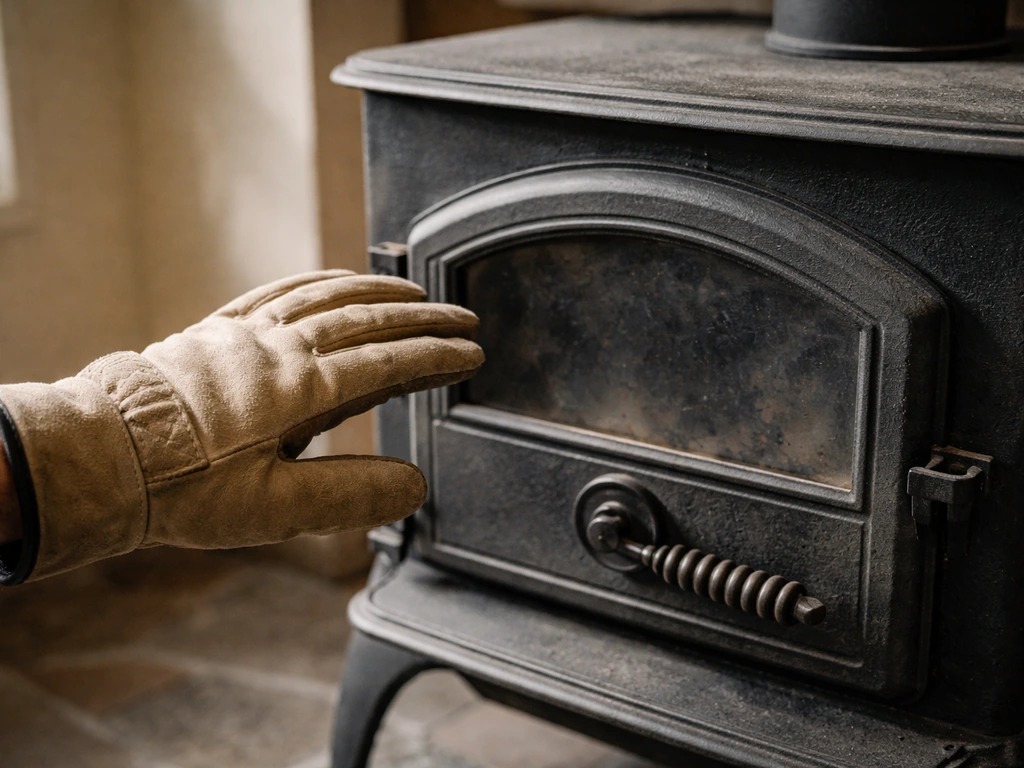
The first priority is making sure neither you nor the bird gets hurt by the stove itself. Wood stoves retain heat for hours after a fire. Touch the exterior carefully before you do anything else. If it is hot to the touch, wait until it has cooled completely before opening any door or ash panel. Opening a warm stove can also create a sudden draft that panics the bird and drives it deeper in.
- Confirm the stove is cold. If there was a fire in the last 8 hours, wait it out. Do not rush this step.
- Close the damper (if it is not already closed). This seals the chimney flue and stops more birds or debris from falling in while you work.
- Turn off the TV, radio, and any loud appliances in the room. Noise and vibration add stress to an already panicked bird.
- Remove or confine pets from the room and close the door behind them.
- Close all interior doors leading to the rest of the house. If the bird escapes into a large open home, recovery becomes much harder.
- Close drapes and blinds on all windows except the one you plan to use as the exit. Birds fly toward light, so you want exactly one obvious way out.
- Open that single exit window fully, or open an exterior door to the outdoors.
- Turn off all room lights so the open window or door is the brightest point in the room.
This lighting and exit setup is the same approach recommended by the Wisconsin Humane Society and the RSPCA for birds trapped in fireplace situations. It works because birds instinctively move toward light. You are not chasing the bird out, you are creating the conditions for it to find its own way. If the bird is trapped in a fireplace instead of a wood stove, the same principles can help you figure out how to get a bird out of the fireplace safely.
How to get the bird out: step-by-step removal
Once the room is set up correctly, open the stove door slowly and stand back. Give the bird a full 5 minutes of silence. Many birds will fly straight to the light on their own once they see the open window. If the bird does not move after several minutes, work through the steps below.
- Put on disposable gloves before any contact. Soot, droppings, and feather dust can carry contaminants you do not want on your hands.
- Open the stove door fully and step to the side, not directly in front of it. Let the bird adjust to the new opening for another minute or two.
- If the bird still is not moving, drape a lightweight, breathable cloth (a thin cotton pillowcase or a light towel) over your hands. This protects both of you if contact is needed.
- Gently and slowly guide the bird toward the open stove door using the cloth, moving your hands in from the sides rather than reaching straight at the bird. Never grab at it.
- Once the bird exits the stove into the room, step back entirely and let it find the open window or door on its own. Do not follow it around the room.
- If the bird lands somewhere in the room but does not fly out, wait quietly for several minutes. It may be resting. Keep the exit open and the room dark.
- If it is still in the room after 10 to 15 minutes, you can gently place the cloth over it, pick it up with both hands cupped firmly but without squeezing, walk directly to the open exit, and release it outside.
When you release the bird outdoors, set it on a flat surface at ground level or a low shrub rather than tossing it into the air. Give it a moment to reorient. A bird covered in soot needs a few seconds to recover before it can fly normally.
What to do if the bird won't come out or seems injured
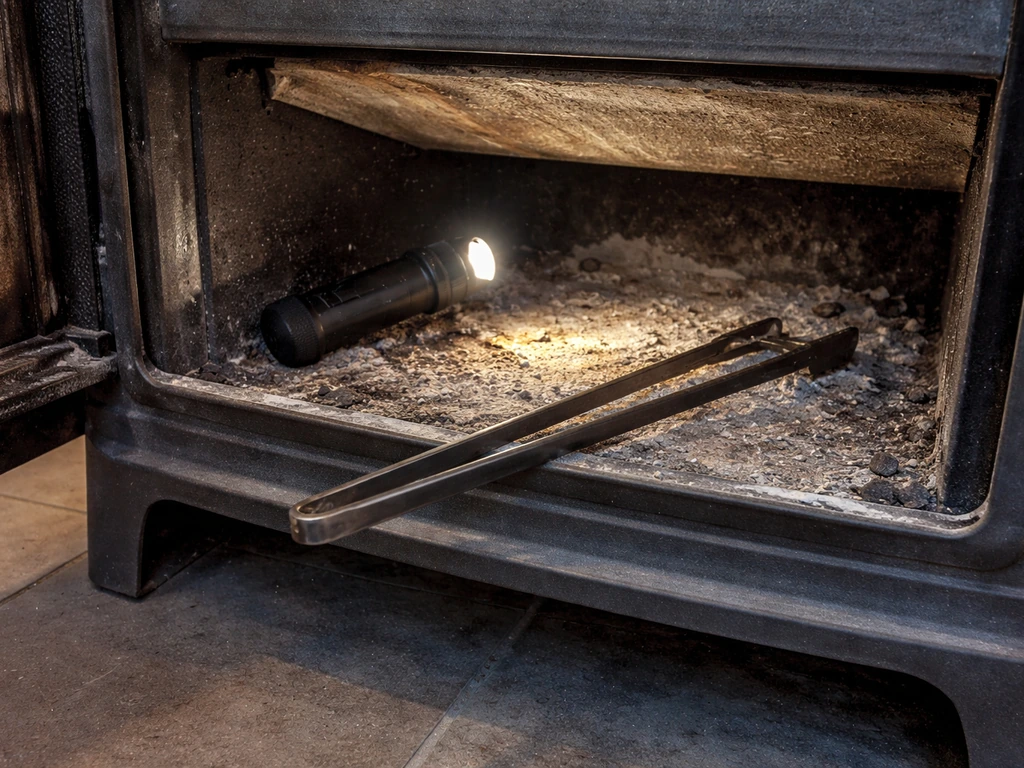
Some birds become lodged in the ash pan, stuck behind a baffle, or too exhausted or injured to move on their own. If you have opened the stove and cannot see a bird but can hear scratching or wing-flapping, check the ash drawer and the area directly below the firebox. A bird can slip through small gaps and become trapped in tight spaces.
Signs that the bird is injured or in serious distress include: holding one wing lower than the other, lying on its side, not moving at all when you approach, labored breathing, or visible bleeding. A bird covered in heavy soot that cannot open its eyes is also in trouble. In any of these cases, the Wisconsin Humane Society's advice is clear: stop DIY attempts and call a licensed wildlife rehabilitator immediately. Continuing to handle an injured bird without training can make things worse.
If the bird is alive but stuck and you cannot reach it safely without disassembling stove components, do not force it. Place a box with small ventilation holes and a piece of cloth inside near the stove opening as a temporary dark resting place, then call for professional help. If the bird is trapped in a church rather than a stove, the same calm, safe approach can help guide it toward an exit how to get a bird out of a church. Keeping the stove closed (but not latched so it cannot be opened if needed) and the room calm is the best thing you can do while you wait. The situation with a bird stuck in a wood stove is closely related to getting a bird out of a chimney or fireplace, and the same escalation logic applies: if DIY is not working within a reasonable time, escalate.
Aftercare: handling the bird and cleaning up safely
Handling the bird after removal
Federal regulation 50 CFR § 21.14 requires that any removed migratory bird be released humanely and in a healthy condition. If the bird is exhausted but otherwise intact, set it in a sheltered outdoor spot away from traffic, cats, and direct sun and give it 15 to 30 minutes to recover. Do not give it food or water. Do not keep it indoors longer than necessary. If it has not flown away on its own after 30 minutes outside, contact a federally permitted migratory bird rehabilitator for guidance.
Cleaning soot and droppings without spreading contamination
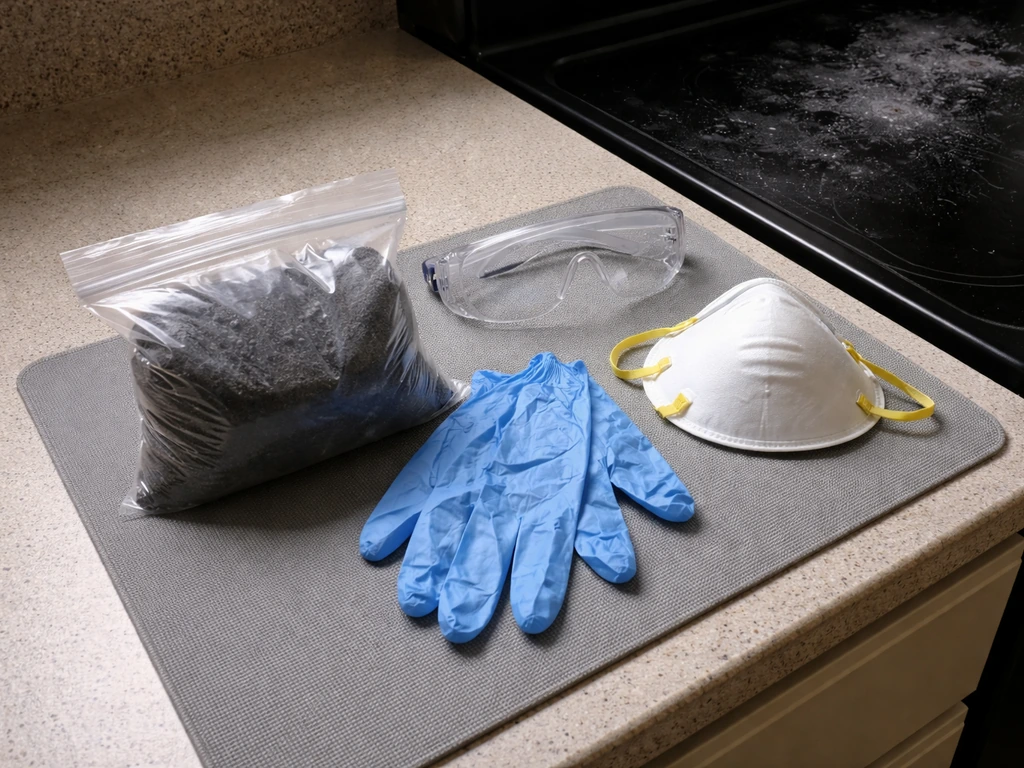
This part matters more than most people realize. Bird droppings combined with soot can contain Histoplasma spores and other pathogens. Sweeping or dry-dusting an area covered in droppings and soot launches particles into the air where you can breathe them in. The CDC specifically advises against disturbing bird waste in ways that aerosolize it.
- Wear disposable gloves, eye protection, and an N95 respirator (or a well-fitted mask if that's all you have) before touching anything inside the stove.
- Lightly mist the interior of the stove with water before cleaning to dampen soot and droppings so they don't become airborne.
- Use damp paper towels or disposable cloths to wipe surfaces, placing soiled material directly into a sealed plastic bag.
- Do not use a dry brush, dry vacuum, or leaf blower inside the stove or the room.
- Bag and dispose of all materials, gloves, and cloths in an outdoor bin.
- Wash hands thoroughly with soap and water even after removing gloves.
- Wipe down any surfaces in the room the bird contacted using a household disinfectant.
Once the stove interior is clean, inspect the gaskets, door seals, and baffle plate before the next fire. Birds sometimes dislodge these components when they thrash around. Do not use the stove until you are sure everything is intact and the chimney flue is clear of feathers or debris that could restrict airflow or ignite.
How to stop birds from getting into your wood stove again
A bird gets into a wood stove almost always through the chimney. Capping and screening the chimney is the single most effective long-term fix. The U.S. Fish and Wildlife Service specifies that chimney caps should have 3/4-inch or smaller steel mesh under the cap to prevent birds from entering. Stainless steel caps and mesh hold up far better than galvanized options in outdoor conditions.
| Prevention measure | What it blocks | Notes |
|---|---|---|
| Stainless steel chimney cap with 3/4-inch mesh screen | Birds entering from the top of the flue | USFWS-recommended spec; most effective single fix; professional installation recommended |
| Fresh-air intake screen (1/2-inch metal mesh) | Birds entering through exterior combustion air inlets | Check that existing screens are intact each autumn before first fire of the season |
| Damper inspection and replacement | Birds already in the flue getting past a worn or stuck damper | A properly sealing damper is your last line of defense inside the home |
| Annual chimney sweep and inspection | Nests, feathers, and debris buildup that attracts or traps birds | Schedule in late summer or early fall before heating season begins |
One important species exception: if you have chimney swifts, the USFWS advises that chimney tops must remain open and unobstructed to allow swift access. Chimney swifts are a protected migratory species, and capping a chimney where they are actively nesting is illegal without a federal permit. If swifts are present, wait until they have migrated in autumn (typically by October) before installing a cap. This is the same seasonal planning principle that applies to chimney swift situations covered in related chimney bird guidance.
Beyond the chimney cap, check every external opening connected to the stove or its flue system. Combustion air inlets on newer wood stoves often have factory screens, but these can rust out, get knocked loose, or be removed during service. Inspect them each autumn. Building America guidance from PNNL recommends durable metal screens over all vent and duct openings as a baseline pest prevention measure.
Seasonal maintenance checklist
- Late summer (August to September): Schedule a chimney sweep and cap inspection before heating season.
- Early October: Confirm chimney swifts and other nesting birds have departed before installing or checking caps and mesh.
- First week of November: Inspect combustion air intake screens for damage or gaps; replace if needed.
- Spring (April to May): Check the chimney cap after winter for storm damage, rust, or displaced mesh.
- Anytime after a storm: Visually inspect the cap from the ground for debris lodged in the mesh that could trap birds or restrict draw.
When to call wildlife control and what the law requires
Call a licensed wildlife rehabilitator or nuisance wildlife control professional in any of these situations: the bird is visibly injured, you cannot reach the bird safely, the bird has been in the stove for more than an hour with no movement, or you are unsure of the species. The Cornell Lab of Ornithology and Wisconsin Humane Society both recommend this escalation path when DIY efforts are not working quickly.
The legal piece is real and worth understanding before you act. The Migratory Bird Treaty Act (MBTA) protects most wild native bird species in the United States. It makes it illegal to harm, kill, or improperly handle protected birds. It also protects their nests and eggs. Handling a distressed bird to rescue it is generally considered permissible, but keeping a bird, attempting to treat it yourself, or disturbing an active nest without a federal permit is not. The U.S. Fish & Wildlife Service notes that the Migratory Bird Treaty Act also protects nests, and it is illegal to collect or keep protected nests and eggs without the proper authorization also protects their nests and eggs. If the bird you're dealing with may be a protected species (which includes most songbirds, woodpeckers, swallows, and swifts), your legal obligation under 50 CFR § 21.14 is to release it immediately if healthy or contact a federally permitted rehabilitator if it is injured or ill.
Three species are notably not protected under the MBTA in the U.S.: European starlings, house sparrows, and rock doves (feral pigeons). If you are confident the bird in your stove is one of these, standard removal and deterrence measures apply without the same legal constraints. If you are not sure of the species, treat it as protected and act accordingly.
When you call for help, have this information ready: a description of the bird (size, color, markings), how long it has been in the stove, whether it is moving or appears injured, and your location. A wildlife professional can often advise you over the phone before making a visit, which can save time for both of you.
FAQ
What should I do if the stove still feels warm or hot when I arrive?
Don’t open the stove door to “check” if it feels warm. If the exterior is hot, wait until the stove has cooled fully, then open the door slowly to avoid a draft that can push the bird deeper.
How long should I wait after opening the stove door before I do anything else?
Quiet the room and keep people and pets out, then give the bird uninterrupted time to move toward light for about 5 minutes. If there’s no movement, continue with the next steps instead of repeatedly reopening the door.
What’s the safest way to handle the bird if it won’t leave the doorway on its own?
If the bird doesn’t fly out on its own, place it gently outdoors on a flat, low surface so it can reorient, especially if it’s covered in soot. Avoid tossing it or holding it for long periods.
What if I can hear the bird but I can’t see it, or it seems stuck behind parts of the stove?
If the bird is wedged in an ash pan, behind a baffle, or you hear distress but can’t reach it safely, don’t force disassembly. Put a ventilated, partially dark box near the opening as a temporary resting place and call a wildlife rehabilitator.
How can I tell if the bird is injured enough that I should stop DIY rescue?
If you notice signs like wing droop, lying on its side, labored breathing, bleeding, or complete lack of movement, stop DIY handling immediately and contact a licensed wildlife rehabilitator right away.
If the bird seems exhausted but uninjured, what should I do after I get it outside?
Keep the bird in an undisturbed sheltered outdoor spot away from traffic, cats, and direct sun for 15 to 30 minutes, but don’t offer food or water. If it hasn’t flown away after 30 minutes, contact a federally permitted migratory bird rehabilitator for guidance.
What if I can’t identify the bird species confidently?
If you’re unsure whether the bird is protected (most songbirds and swallows, including many likely species), treat it as protected: release it if healthy, and contact a federally permitted rehabilitator if injured or ill.
Is it okay to sweep or vacuum up soot and droppings right away after the rescue?
Yes, but avoid making the air unsafe. Sweeping, dry-dusting, or using a shop-vac on soot and droppings can aerosolize pathogens, so wait until the stove is fully dealt with and handle cleanup carefully, using methods that don’t kick up dust.
When is it safe to use the wood stove again after a bird incident?
Do not use the stove again until you confirm the gaskets and door seals are intact and that the baffle plate and chimney flue are clear of feathers or debris that could restrict airflow or ignite.
What’s the best long-term way to prevent birds from entering my wood stove chimney?
For most birds, the most effective prevention is a properly fitted chimney cap with small steel mesh under it. Measure your chimney top and choose a cap that prevents entry without creating excessive restriction to airflow.
What if I suspect chimney swifts are nesting, can I still install a chimney cap?
If chimney swifts may be nesting, you generally should not cap or obstruct the chimney while they are actively nesting, unless you have the required federal permit. Wait until they have migrated (often by October) before installing a cap.
When should I stop trying to handle it myself and call a wildlife professional?
Call for professional help sooner if the bird has been in the stove for more than an hour with no meaningful movement, if you can’t reach it safely without major disassembly, or if you’re unsure of the species.
Next Article
Bird in Chimney: What to Do Today for Safe Removal
Quick steps for a bird in the chimney, safe DIY removal, cleanup, prevention, and when to call pros