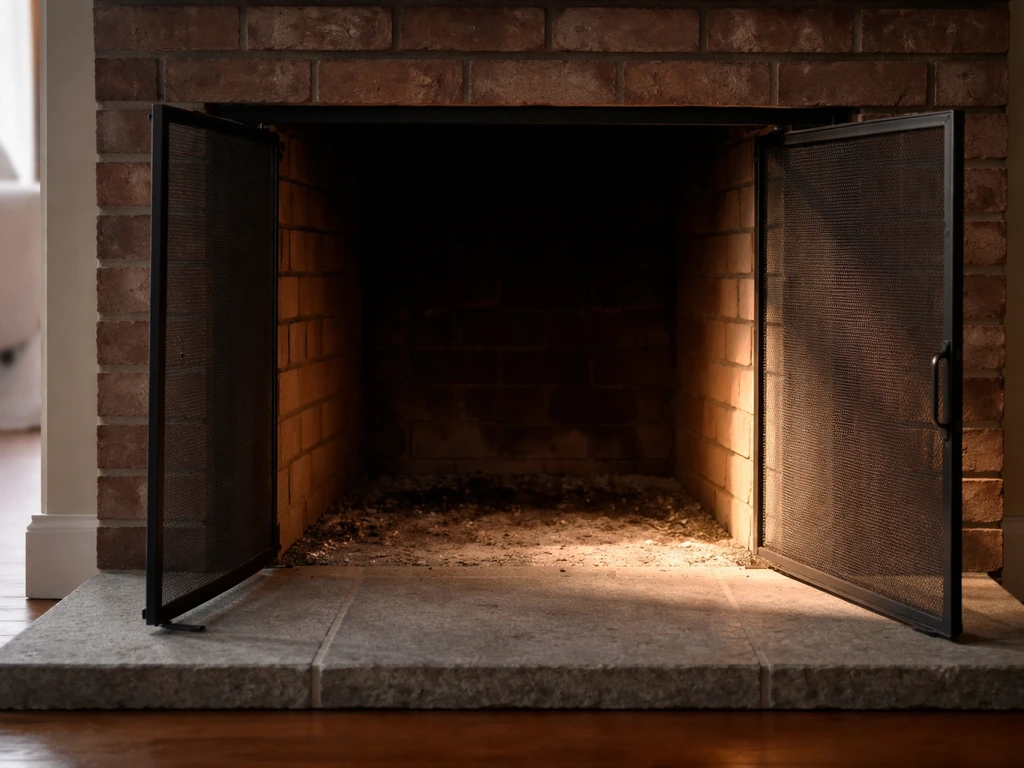
If you can hear a bird in your chimney right now, do these three things immediately: close your damper if it's open, keep your fireplace doors or curtain shut, and do not light a fire. That single sequence buys you time, keeps the bird from panicking into your living room, and eliminates the most serious hazard in the room. From there, you have a clear path to getting the bird out safely, cleaning up, and making sure it never happens again. After you’ve stabilized the situation and identified the bird, follow the steps in this guide to get a bird out of a chimney safely.
Bird in Chimney: What to Do Today for Safe Removal
Maya Carver
5 May 2026
Your immediate safe response (first 10 minutes)
Before you do anything else, move people and pets out of the room. A panicked bird that gets into your living space is harder to deal with and risks injury to itself. Once the room is clear, turn off the TV, radio, or any other noise source so the bird calms down. Then follow this sequence:
- Close the fireplace damper if it is currently open (this keeps the bird in the flue, not in your home).
- Make sure the glass doors or mesh curtain on the fireplace are fully closed and latched.
- Do not light any fire, run the furnace, or do anything that sends heat or smoke up the flue.
- If you suspect the bird has already fallen to the bottom of the flue and is trapped, note that it cannot fly back up on its own and will need your help through a controlled rescue.
At this point you are not in an emergency, but you are on a clock. A bird trapped at the base of a chimney that cannot escape will die within a day or two. Take a breath, then move to identifying what you are dealing with before deciding on a removal method.
Identify the bird and assess what you are actually dealing with
Listen and look carefully before acting. The species, its behavior, and the season all change your approach significantly. Here is what to assess:
Is it a chimney swift or another bird?
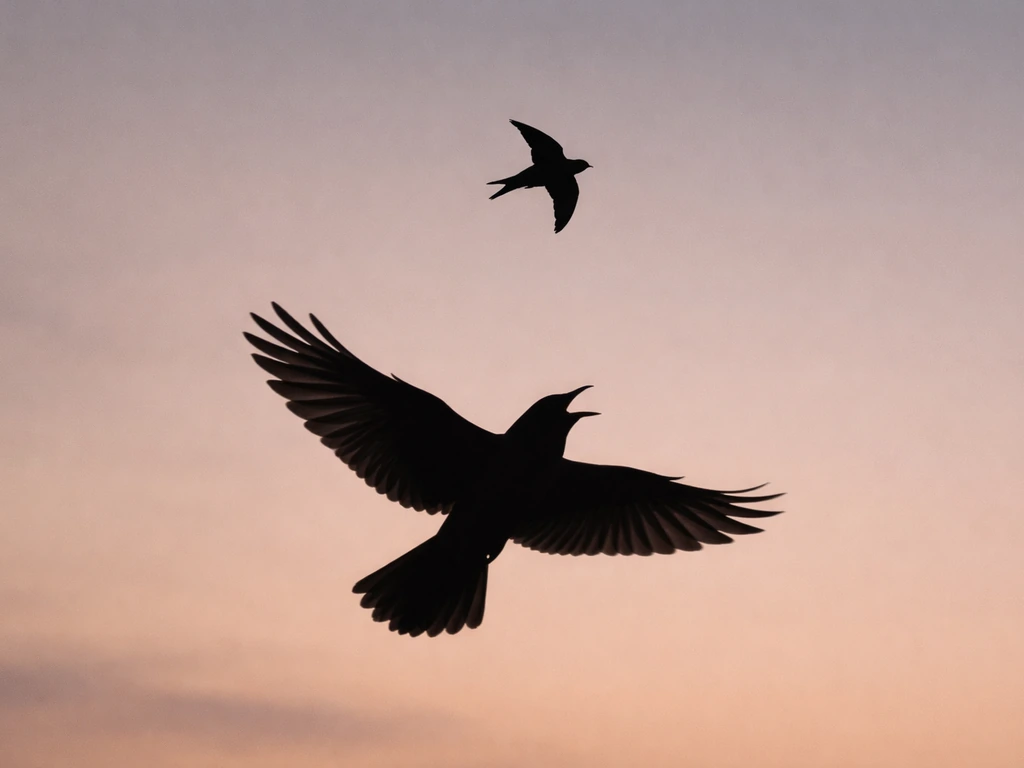
Chimney swifts are a federally protected migratory species. They are small, dark, and make a distinctive chattering trill. If you hear lots of chattering and it is late spring through early fall, you are almost certainly dealing with swifts, and the legal and practical approach is different from other birds. Under the Migratory Bird Treaty Act, you cannot disturb active chimney swift nests or roosts.
The CFR lists chimney swifts among the birds protected under the Migratory Bird Treaty Act, so you should not disturb active [chimney swift nests or roosts](https://www. law. cornell. edu/cfr/text/50/10.
13). If swifts are nesting in your chimney, the right move is to leave them alone and wait out the season, which typically runs from May through October. You can clean the chimney and install a cap after they leave.
If the bird sounds larger and is making distress calls or random thumping noises, it is more likely a starling, house sparrow, pigeon, or a songbird that accidentally fell in. These birds are not protected in the same way and can be handled with standard humane exclusion or rescue. If you are dealing with a bird in a church, follow the same safe removal steps and consider calling a wildlife professional when nests or protected species might be involved how to get a bird out of a church.
Where exactly is the bird?
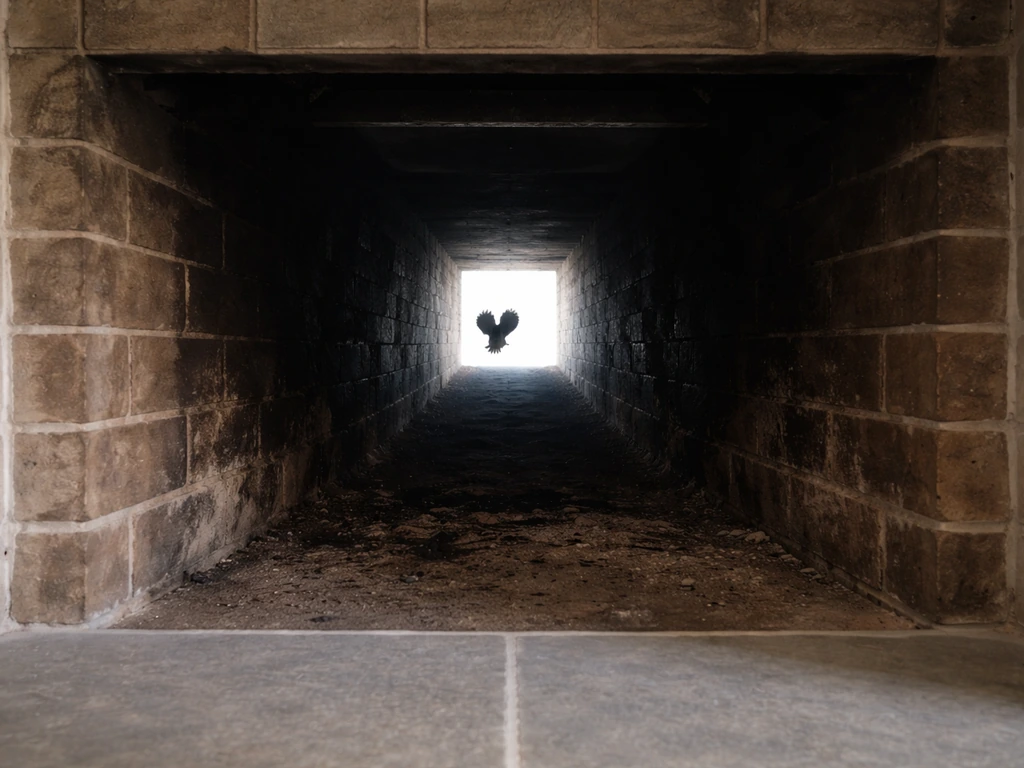
This matters a lot. There are two very different situations: the bird is somewhere in the upper flue and may still be able to fly back out on its own, or the bird has dropped all the way to the bottom (smoke shelf, damper area, or firebox) and is stuck. Scratch and flutter sounds near the top of the chimney suggest the bird is still in the upper flue. Heavy thudding and sounds right behind the damper plate mean the bird is at the bottom and needs your direct help.
Other risks to check
- Nesting debris: a nest in the flue is a fire hazard. If you can see or smell a large amount of dry material, factor this into your timeline.
- Heavy droppings: significant droppings or a carcass in the firebox means decontamination work after removal.
- Injury: if the bird makes it into the room and cannot fly, it may be injured. Do not try to grab it bare-handed.
- Smoke backdraft risk: if you have recently used the fireplace and the flue is still warm, wait before opening the damper.
Step-by-step DIY removal
There are two main scenarios, and the approach is slightly different for each. Pick the one that matches your situation.
Scenario 1: Bird is in the upper flue and can potentially fly out
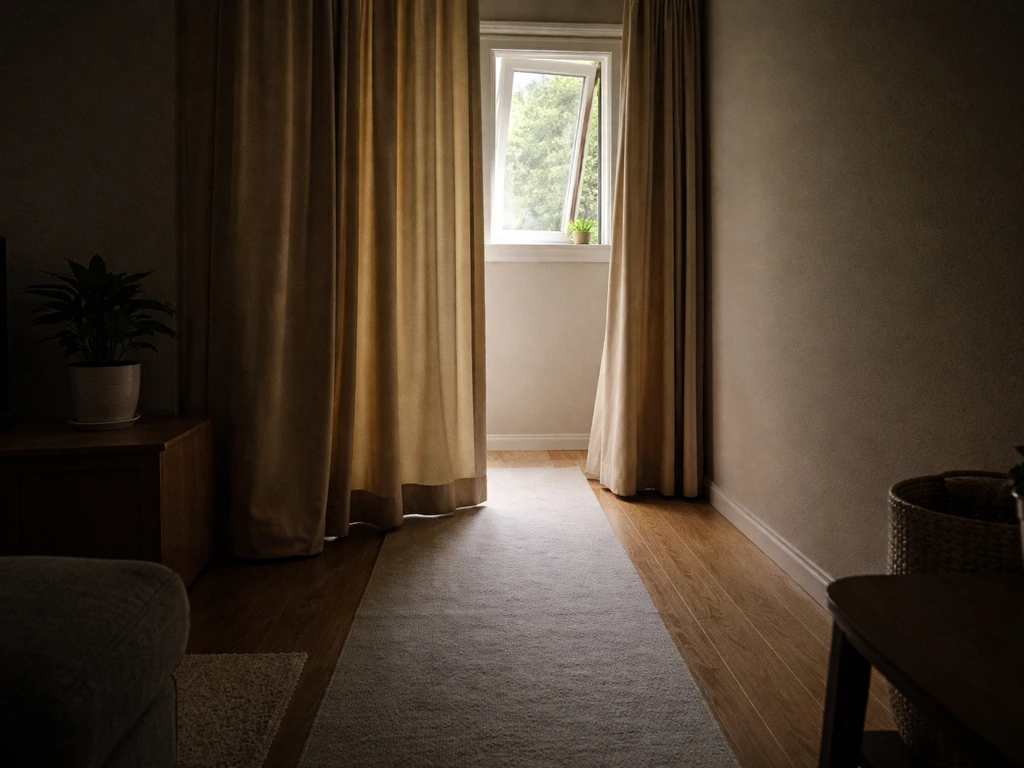
This works best during daylight hours because the bird will fly toward light. The Wisconsin Humane Society and All About Birds both recommend the same basic technique: darken the room and give the bird one lit exit point. Here is how to do it properly:
- Make sure all people and pets are out of the room.
- Close all interior doors so the bird cannot get into other parts of the house.
- Close all curtains and blinds and turn off every light in the room.
- Open one exterior door or window fully, then step back or leave the room.
- Open the fireplace doors or curtain carefully and slowly.
- Open the damper fully.
- Wait quietly for 20 to 30 minutes. The bird should see the single light source (the open door or window) and fly toward it.
Once you believe the bird has exited, close the damper again, check outside for the bird, and close your exterior door or window. Do not assume it worked just because you stop hearing sounds. Check the firebox visually before re-closing everything. If you are dealing with a wood stove rather than a fireplace chimney, use the same safe staging steps, then follow the wood-stove specific guidance to get a bird out of a wood stove.
Scenario 2: Bird has fallen to the bottom and is trapped
A bird that has landed on the smoke shelf or in the firebox cannot generate enough lift in a confined space to fly straight up. It needs you to open a horizontal escape route. Follow the same darkened-room setup above, but know that this bird will likely fly into the room itself before finding the door or window. Be patient.
Once it is in the room, resist the urge to chase it. Let it settle, then gently herd it toward the open exit. If it lands somewhere accessible and seems too weak or injured to fly, you can place a light towel gently over it, cup it in your hands, and carry it outside. Wear gloves and wash your hands afterward.
What if there's a nest with eggs or chicks?
If you open the damper and find an active nest with eggs or young birds, stop. Do not disturb it. Many common nesting birds (beyond swifts) are also protected under the Migratory Bird Treaty Act during active nesting. If you are unsure of the species, call a wildlife rehabilitator before doing anything else.
What NOT to do
A few common instincts will make this situation much worse. If you want a more detailed walkthrough for removal, see our guide on how to get a bird out of the fireplace. Avoid all of these:
- Do not light a fire or burn anything to 'smoke the bird out.' This is how birds die in chimneys and how chimney fires start, especially if there is nesting debris in the flue.
- Do not bang on the chimney or use loud noises to scare the bird. Stress causes the bird to thrash, which can injure it and push it deeper into the flue.
- Do not spray water up the chimney. This does not work and can create a muddy mess that damages your flue liner.
- Do not use glue traps, snap traps, or any lethal removal method. Most wild birds are federally protected and lethal methods are illegal.
- Do not open the damper without darkening the room and closing interior doors first. A bird that gets loose in a fully lit house with multiple rooms can take hours to retrieve and risks exhaustion or injury.
- Do not reach up into the flue without a full inspection. You have no idea what is up there, and disturbing a nest or grabbing a frightened bird bare-handed is a bite or scratch risk.
- Do not assume the problem is solved after one quiet night. Birds can sit still and silent for hours when frightened.
Clean-up and decontamination after the bird is gone
Once the bird is out and you have confirmed the damper is closed, resist the urge to skip cleanup. Bird droppings and nest material can carry pathogens including Histoplasma capsulatum (a fungal spore found in bird droppings that can cause lung disease) and Salmonella. The Pa. DGS/Police histoplasmosis policy also emphasizes PPE awareness and precautions when cleaning accumulated bird or bat droppings Pa. DGS/Police Policy. Treat this work seriously.
Personal protective equipment
- N95 respirator or higher (not a dust mask)
- Disposable gloves, at least nitrile
- Safety glasses or goggles
- Old clothes or disposable coveralls that you can wash or dispose of afterward
Cleaning the firebox and smoke shelf
- Ventilate the room before starting. Open windows and run a fan pointing outward.
- Lightly mist droppings and nest material with water mixed with a small amount of disinfectant before disturbing them. This keeps spores from becoming airborne.
- Scoop solid debris into heavy-duty trash bags and seal them before removing from the room.
- Wipe down the firebox interior with a diluted bleach solution (1 part bleach to 9 parts water) or a commercial enzymatic cleaner.
- Dispose of all cleaning materials, gloves, and bags in an outdoor trash receptacle.
- Wash hands thoroughly with soap and water even if you wore gloves.
Odor elimination
If there is a persistent smell after cleaning, it is usually decomposing organic material (droppings, feathers, or a carcass) further up the flue that you cannot reach from the firebox. An enzymatic odor eliminator sprayed into the firebox with the damper cracked can help, but the most effective solution is a professional chimney sweep who can clean the full flue with a rotary brush system. This is also the right time to have the flue inspected for damage.
Pets and children
Keep children and pets out of the room during cleanup and for at least a few hours after, especially if you used any chemical disinfectants. If a pet has been in contact with droppings or a live bird, wipe their paws and contact your vet if they show any signs of illness in the following days.
Long-term prevention and chimney proofing
The reason birds get into chimneys is almost always the same: an uncapped or damaged flue with an opening large enough for a bird to enter. The fix is straightforward, but the timing and type of solution matter.
Install the right chimney cap
A properly sized stainless steel or galvanized chimney cap with wire mesh sides is the single most effective prevention tool. The mesh openings should be between 3/4 inch and 1 inch, which blocks birds and most other wildlife while still allowing airflow and smoke to escape. Smaller mesh can reduce draft; larger mesh lets small birds like sparrows through. Have it professionally measured and installed if you are not comfortable working on your roof.
If you have chimney swifts and want to keep them (they are excellent insect control), note that a cap will exclude them permanently. Some homeowners choose to leave one chimney open specifically as swift habitat. This is a personal choice, but if you go that route, keep the damper tightly closed during swift season so they stay in the flue and do not enter the house.
One-way exclusion devices
If birds are currently nesting in your chimney but you cannot legally disturb the nest yet, a wildlife professional can install a one-way exclusion device over the top of the chimney after nesting season ends. This allows birds to fly out but not return, after which the device is removed and a permanent cap is installed.
Seasonal maintenance schedule
| Season | Task |
|---|---|
| Early spring (before May) | Inspect and clean the flue before nesting season; confirm cap is secure and undamaged |
| Late spring through summer (May to October) | Do not disturb chimney if swifts are present; keep damper closed when fireplace is unused |
| Fall (after October) | Clean flue after swifts depart; install or replace cap before winter |
| Winter | Keep damper closed when fireplace is not in use; check cap for ice damage after heavy freezes |
Habitat and attractant control
Trim overhanging branches near the chimney to make landing on the cap harder for larger birds like pigeons and starlings. If you have bird feeders close to the house, move them at least 30 feet away. Roosting birds near the chimney are more likely to investigate the opening, especially in cold weather when the warmth from a flue is attractive.
When to call a professional
DIY removal works well in straightforward situations. But there are several scenarios where you should pick up the phone instead of trying to handle it yourself. Here is a clear checklist:
- You believe the bird is a chimney swift or any other protected migratory species. Do not attempt removal. Call a licensed wildlife rehabilitator or your state wildlife agency.
- The bird appears injured (cannot fly, limping, bleeding) after it enters the room. A wildlife rehabilitator is the right contact, not a pest control company.
- You can hear multiple birds or see signs of a large colony. Exclusion of a roost is a professional job.
- There is a large amount of nesting material or accumulated debris in the flue and you have not had the chimney professionally cleaned in more than a year. This is a fire hazard that needs a certified chimney sweep before you use the fireplace again.
- You cannot safely access the roof to inspect or cap the chimney. Fall risk is real, and chimney work on a roof is not a DIY project without proper equipment.
- You smell smoke inside the house when the damper is closed, or you see signs of structural damage to the flue (cracked tiles visible from inside). Stop using the fireplace entirely and call a chimney professional.
- Your removal attempts have not worked after two tries. A stressed, exhausted bird that remains in the flue needs professional help before its condition worsens.
When you call, have this information ready: the type of chimney you have (masonry, metal prefab, wood stove flue), the approximate size of the chimney opening, whether the fireplace has glass doors or a metal curtain, any sounds or behaviors you have observed, and whether you have seen the bird itself or only heard it. This helps the professional arrive with the right equipment and saves time.
For wildlife calls, contact your state wildlife agency or the National Wildlife Rehabilitators Association to find a licensed rehabilitator near you. For chimney structural or fire concerns, look for a Chimney Safety Institute of America (CSIA) certified sweep. These are separate specialties, so if you have both a wildlife issue and a structural concern, you may need two calls.
FAQ
How long can I wait before calling a professional if the bird is still in the chimney?
Use the clock the article mentions: if you still hear movement after dark or it has been more than a day, call for help. In particular, a bird at the bottom area can die quickly, and repeated attempts the next morning can also increase stress. If you suspect a protected species like chimney swifts, do not keep trying DIY removal during nesting season.
What if I only hear scratching or chirping but never see the bird?
Treat it as still trapped. Do the safe staging steps (move people and pets out, quiet the room, keep openings controlled, and avoid lighting). Since you cannot confirm location (upper flue versus smoke shelf or firebox), rely on the day-and-light exit method cautiously and then visually check the firebox before assuming it escaped.
Can I use a vacuum, broom, or net to pull the bird out if it is near the damper?
Avoid contact tools. The bird can panic and injure itself (and you), and you can damage components like the damper plate. The safer approach is the controlled-room exit method, and if the bird is at the bottom and not responding, switch to calling a wildlife professional rather than trying to grab it.
If the bird flies out, should I open the damper again to see if another one is inside?
No. After you stop hearing sounds, close the damper and confirm visually in the firebox before reopening anything. Opening again can reintroduce risk if a second bird entered or if the first bird is still recovering somewhere in the flue.
What if the bird gets into the house even though I followed the steps?
Keep doors between rooms closed and shut off noise sources. Guide it toward the same type of single open exit (a lit door or window), rather than chasing. Once it is outside, follow through by checking the chimney opening and firebox again, because another bird may still be in the flue.
Is it safe to use disinfectant sprays or bleach on bird droppings in the firebox?
Use caution and ventilation. The article recommends keeping pets and children out during and after cleanup, and disinfectants can make odors and respiratory irritation worse if misused. If you do disinfect, let the area fully ventilate, avoid aerosolizing droppings, and wear gloves and protection during cleanup.
What should I do if the bird appears injured or too weak to fly when I find it inside?
Do not force it to move. Place a light towel gently over it, cup it in your hands, and carry it outside as described. Then consider contacting a wildlife rehabilitator if it cannot fly normally, looks bleeding, or seems to have trouble breathing.
If I see signs of nesting in my chimney, can I still remove the bird quickly to prevent damage?
Stop if there are eggs or young birds or if you find an active nest. The article notes many birds are protected during active nesting, so removal efforts can be illegal and harmful. Your best next step is to contact a wildlife professional to handle exclusion after nesting season ends.
Do I need to replace the chimney cap if it already exists but a bird still got in?
Yes, check for gaps and fit. Even a properly sized cap can fail if it is loose, bent, rusted through, or if the mesh openings do not match the required range. Measure the mesh and fastening points, then have a cap professionally re-measured if you cannot confirm the fit from the ground.
What if the smell persists for days, even after I clean the visible droppings?
Persistent odor usually means material further up the flue that you cannot reach from the firebox. The article recommends an enzymatic odor eliminator can help if used carefully with the damper cracked, but the most effective fix is a professional chimney sweep cleaning the full flue and inspecting for damage. If you have any soot buildup or draft changes, prioritize the inspection.
When should I suspect a bird is not in a chimney but in a flue space or wall?
If the sounds are intermittent, come from locations away from the fireplace opening, or you cannot find any sign of a bird when checking the firebox visually, stop and call a professional. Birds can also get into connected structures, and repeated DIY attempts can waste time during the crucial first 24 to 48 hours.
Is there anything I should do with the fireplace before my first fire after the incident?
Make sure the damper is fully closed when not in use, and ensure cleanup is complete before lighting. If you suspect a blockage, odor source further up, or any flue damage, wait for a chimney inspection or professional cleaning before using the fireplace again.
Next Article
How to Get a Bird Out of the Fireplace Safely
Step-by-step, humane methods to get a bird out of open fireplaces or inserts, plus cleanup, prevention, and when to call