The fastest way to stop bird noises is to figure out exactly where the birds are and why they are there, then cut off access to that spot. If a bird is inside a vent, attic, or wall cavity, you need to locate the entry point and seal it after the birds leave. If birds are roosting on ledges or eaves outside, physical deterrents like spikes or netting installed on those specific surfaces will break the habit quickly. USDA/APHIS Wildlife Services’ Wildlife Damage Management Technical Series includes “Bird Dispersal Techniques,” showing this as a government-reviewed category of dispersal and exclusion methods blank" rel="noopener noreferrer">physical deterrents like spikes or netting. The tricky part is timing: if there is an active nest with eggs or chicks, federal law protects it, and you cannot disturb it until the birds have left on their own. This guide walks you through every step, from identifying what you are hearing right now to a season-by-season plan that keeps birds from coming back.
How to Get Rid of Bird Noises: Safe Step-by-Step Guide

Identify the bird and where the noise is coming from
Before you buy a single product or climb a ladder, spend ten minutes listening and observing. The type of sound and the time of day it happens will tell you most of what you need to know. Here is a quick breakdown of the most common noise patterns and what they usually mean.
| Sound type | Time of day | Likely source | Likely location |
|---|---|---|---|
| Flapping or rustling | Dawn or dusk | Roosting or entering/exiting birds | Attic, eave, vent, soffit |
| Scratching or scurrying | Daytime | Nesting bird (or rodent) | Wall cavity, attic floor, chimney |
| Rapid rhythmic tapping/drumming | Morning, daytime | Woodpecker (territorial drumming) | Fascia, siding, metal gutters |
| Chirping or calling inside walls | Daytime | Nestlings calling for food | Wall cavity, vent duct, chimney |
| Cooing or gurgling | Morning | Roosting pigeons or doves | Roof edge, HVAC equipment, balcony |
| Loud repetitive calls near eaves | Dawn chorus (spring/summer) | Swallows or sparrows building nests | Eave underside, porch ceiling |
Timing is a reliable clue. Bird activity is almost always concentrated during daylight hours, with peak noise at dawn and again in late afternoon when birds return to roost. If noises only happen at night, you are more likely dealing with a bat, mouse, or rat than a bird. Scratching sounds combined with daytime chirping inside a wall or vent strongly suggest an active nest. Loud rhythmic tapping on your siding or chimney cap in the morning is almost always woodpecker drumming, which is a territorial or communication signal rather than the bird searching for insects or excavating a hole.
To narrow down the species, look at where the birds enter and exit. Pigeons and starlings favor large vents, flat rooftops, and ledges. House sparrows squeeze into tiny gaps at eaves and soffits and are comfortable right next to people. Cliff swallows and barn swallows plaster mud nests under eave overhangs and bridge soffits. Woodpeckers show up on wood siding, cedar shakes, or metal surfaces. Chimney swifts dive into uncapped masonry chimneys. Knowing the species matters because it tells you the right deterrent approach and, critically, whether the bird is covered by the Migratory Bird Treaty Act.
Quick emergency steps to stop noises safely today
If you need results today, focus on disruption and temporary exclusion at the specific spot where the noise is originating. If you still want to address the audio directly while you handle exclusion and prevention, you can also review how to remove bird sounds from audio as a temporary workaround quick emergency steps. These steps are safe, humane, and do not require permits as long as there is no active nest with eggs or chicks present.
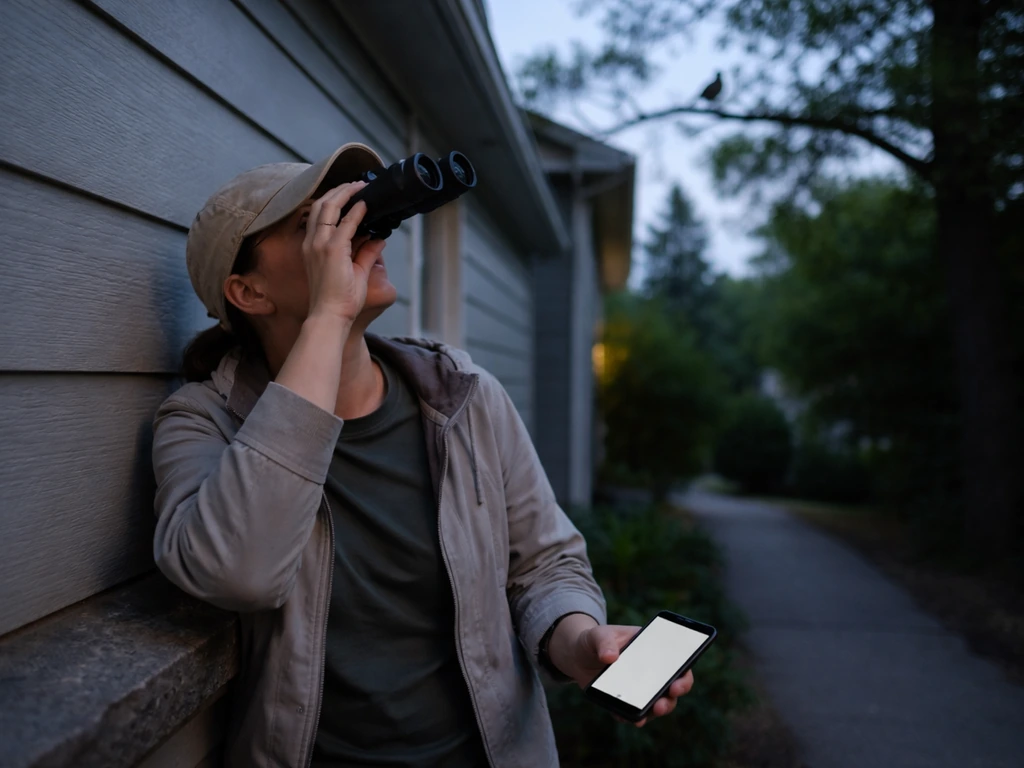
- Locate the exact entry or roosting point from the ground first. Use binoculars if needed. Do not climb a ladder until you have a clear plan.
- Check for an active nest before doing anything else. If you see eggs, chicks, or a bird sitting tight on a nest, stop and read the active nest section below before proceeding.
- For exterior roosting on ledges, balcony railings, or HVAC units: place a visual deterrent immediately. Reflective tape, predator decoys (owls or hawks), or even a mylar balloon moved every day or two can disrupt the habit while you arrange a permanent fix. These are not long-term solutions but they buy you time.
- For birds on or near vents and eave openings: drape a piece of hardware cloth or temporarily zip-tie a piece of stiff mesh over the opening to discourage landing. Do not permanently seal it yet if you have not confirmed no bird is inside.
- For woodpecker drumming on siding or trim: hang visual deterrents (reflective strips or predator silhouettes) directly over the drumming spot. Foam backer rod or weatherstripping pressed into the surface can also reduce the resonance that attracts woodpeckers in the first place.
- For noise inside a vent or chimney with no confirmed nest: play a radio near the opening at moderate volume for several hours. Birds dislike sustained noise and will often leave voluntarily.
- Wear gloves and a dust mask if you are inspecting areas with bird droppings. Dried droppings can carry fungal spores (histoplasmosis risk), so do not sweep or blow them dry.
These steps will reduce the immediate noise significantly in most cases. The permanent fix comes from sealing entry points and removing what is attracting birds to that exact spot, which the next sections cover in detail.
Find and remove what's attracting birds to your building
Birds are not picking your building randomly. Something there is offering food, water, shelter from weather or predators, or a safe nesting ledge. Removing those attractants is the single most cost-effective thing you can do because no deterrent stays effective forever if the underlying reward is still there.
Food and water sources
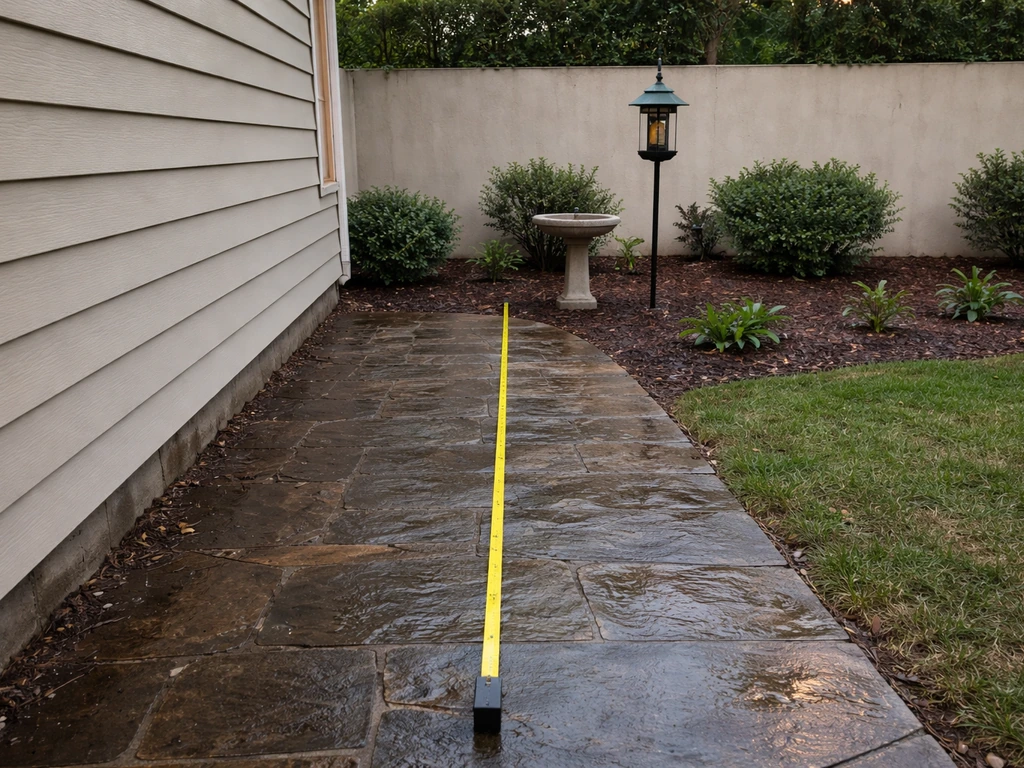
- Bird feeders within 20 to 30 feet of the building are the most common culprit. Move feeders farther from the structure or remove them entirely if birds are nesting or roosting in the building.
- Open dumpsters, uncovered compost bins, and pet food left outside are major draws for pigeons, crows, and starlings. Use locking lids and bring pet food inside after meals.
- Flat rooftops and gutters that collect standing water become drinking and bathing spots. Clear gutters regularly and check for low spots on flat roofs that pool after rain.
- Fruit-bearing trees or berry shrubs directly against the building wall create a feeding station right next to potential nesting sites. Trim them back or harvest fruit promptly.
- Insect infestations in siding or eaves attract woodpeckers. If a woodpecker is drumming and drilling (not just tapping), there may be carpenter ants or wood-boring beetles inside the wood, and treating the insect problem will stop the bird.
Shelter and nesting materials
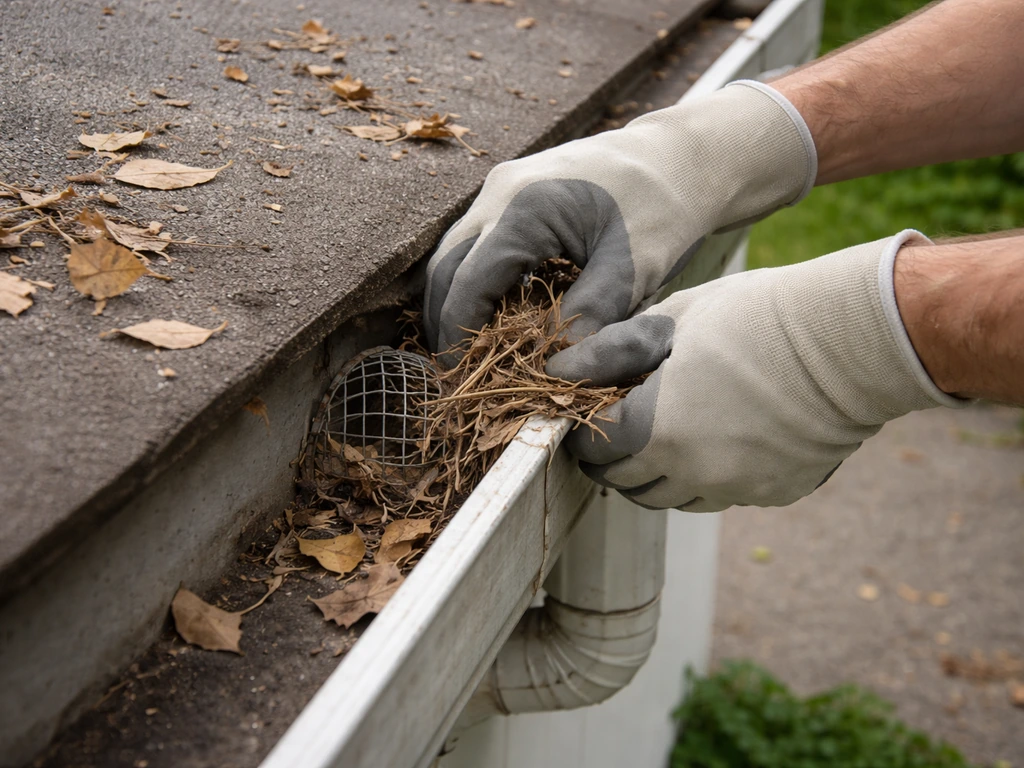
- Loose debris on flat roofs and in gutters (leaves, straw, twigs) provides ready-made nesting material. Clean gutters and rooftop drains at least twice a year.
- Overgrown ivy or climbing vines on building walls are ideal hidden nesting habitat. Cut vines back from the wall surface, especially around eaves.
- Open equipment rooms, loading docks, or covered walkways offer sheltered ledges. Check these spaces regularly during spring and early summer.
- Rough or textured ledge surfaces give birds better grip and encourage roosting. Anti-perch products work better on smooth surfaces, so consider texture when selecting deterrents.
Seal and proof entry points: DIY exclusion checklist
Exclusion means physically blocking birds from entering a space. Done correctly, it is the most permanent solution available and does not rely on birds being scared off by a deterrent they will eventually ignore. The key rule: confirm no bird is trapped inside before you seal anything. Leave the opening slightly cracked for 24 to 48 hours and watch for activity before making a final seal.
Mesh and screening specifications
Mesh size matters a lot. For most songbirds and starlings, use hardware cloth with openings no larger than half an inch. For sparrows and swallows working under eaves, three-quarter-inch mesh is the recommended maximum opening size, and the netting or wire should extend from the outer edge of the eave all the way down to the siding so birds cannot slip under the overhang from the side. Always install screening on the exterior face of a vent, not inside the duct, so it cannot be pushed inward by pressure or weather. Use 19-gauge or heavier wire for lasting durability. Lighter plastic mesh degrades in UV and can sag, creating gaps.
One important warning from USFWS guidance: some bird netting can entrap and kill birds if it is not the right type or is installed loosely. Netting hung over a flat rooftop with slack in it can actually function like a hammock, and birds will nest on top of it rather than being deterred. Net must be kept taut and anchored at all edges to work correctly.
Exclusion checklist by location
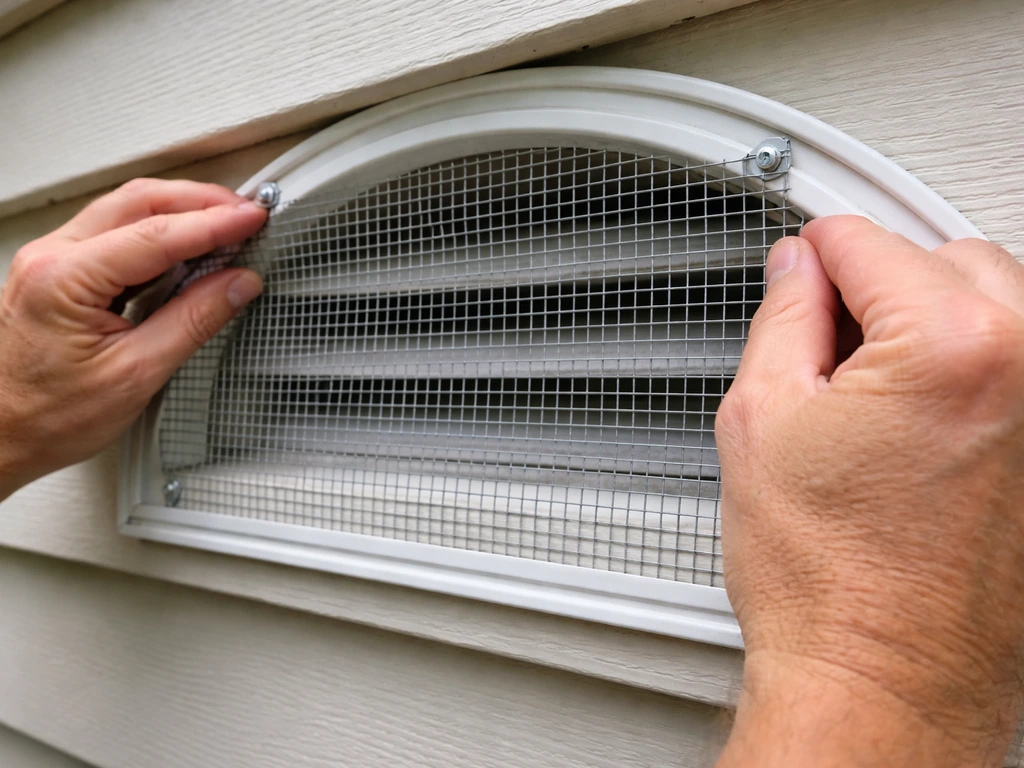
- Attic vents: Replace or cover with 19-gauge half-inch hardware cloth on the exterior face. Check that existing screens are not bent, rusted through, or pulled away at corners.
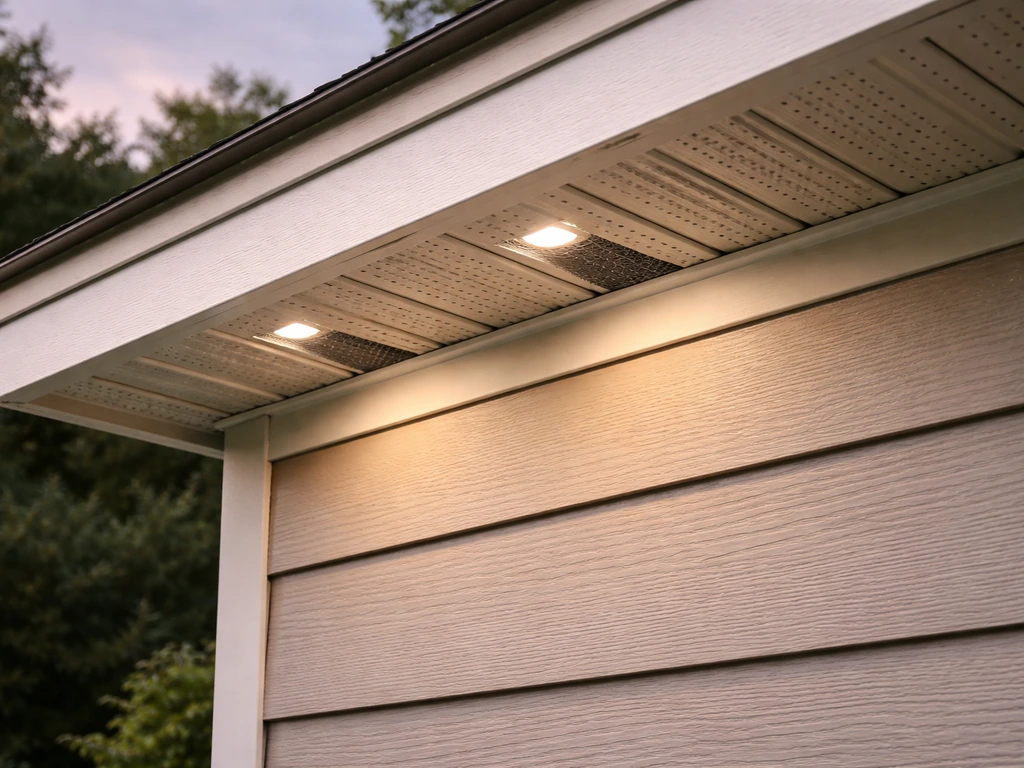
- Soffit gaps: Inspect the underside of all eaves for gaps larger than half an inch. Fill wood-frame gaps with wood filler or hardware cloth stapled in place. Seal aluminum soffit panels that have pulled loose with metal screws and caulk.
- Chimney: Install a chimney cap with three-quarter-inch or smaller steel mesh under the cap. This is the standard recommended by USFWS specifically to prevent bird entry. Check the cap annually for rust or damage.
- Dryer vents and bathroom exhaust vents: Replace plastic louvered covers with stainless steel covers that have a built-in baffle. Confirm louvers snap shut when not in use and are not held open by lint buildup.
- Roof-to-wall junctions and fascia gaps: Inspect where the roof deck meets the fascia board. Gaps here are a common sparrow and starling entry point. Close with foam backer rod plus exterior caulk or a metal flashing strip.
- HVAC condenser units on rooftops or balconies: Install stainless steel spike strips or coil deterrents on the top horizontal surfaces. These are glued or screwed to the surface using a polycarbonate base so they do not damage the unit.
- Balcony railings and ledges: Install spike strips along the full length of ledge surfaces. For wider ledges (more than 6 inches), use two parallel rows. For open balcony ceilings, install taut bird netting anchored at all four perimeter edges.
- Gaps under rooftop equipment curbs: Check that all conduit, pipe, and cable penetrations through the roof are sealed with sheet metal flashing and caulk, not just foam or rope caulk alone.
Dealing with active nests and eggs: what the law says and what you can do
This is the part where most people get into trouble, so read it carefully. Under the Migratory Bird Treaty Act, it is illegal to destroy, move, or disturb an active nest that contains eggs or chicks for roughly 1,100 native North American bird species. This includes the most common pest species you are likely to encounter: house sparrows, European starlings, pigeons, swallows, woodpeckers, and chimney swifts. Penalties are real. USFWS notes that permits for nest removal are rarely issued and are typically limited to situations involving a direct human health or safety hazard.
The practical takeaway: if a nest is active, your job right now is to leave it alone and focus your energy on sealing every other potential entry point on the building that does not have a nest in it. Once the chicks have fledged and the nest is empty and cold (typically 2 to 6 weeks depending on species), you can then remove the nest and seal the entry point permanently. Mass Audubon specifically recommends waiting until fall or winter to do exclusion work and nest removal, and that advice is sound. Nesting season in most of North America runs roughly from March through August, with a second peak possible in warmer regions.
What you can and cannot do right now
| Situation | Legal / allowed | Not allowed without permit |
|---|---|---|
| Empty nest, nesting season over | Remove nest, seal entry point | N/A |
| Empty nest, nesting season active (no eggs yet) | Remove nest immediately and seal entry point before eggs are laid | N/A |
| Active nest with eggs or chicks | Wait, monitor, seal other entry points nearby | Moving, removing, or covering the nest |
| Bird trapped inside building with no nest | Guide bird out using open doors/windows, or call a wildlife rehabilitator | Using glue traps or nets that can injure the bird |
| Nest in a dangerous location (chimney fire risk, etc.) | Contact a licensed wildlife control professional; they can apply for a permit | DIY removal without a permit |
Two species worth knowing as exceptions: house sparrows and European starlings are non-native, invasive species and are not protected under the MBTA. Their nests can be legally removed at any stage. If you are certain of the species, that changes your options considerably. When in doubt, treat the nest as protected and wait. Misidentifying a protected species is not a valid defense.
A long-term prevention plan by season and building type
Bird problems are seasonal and predictable. If you address the building at the right time of year, you can prevent the problem from starting rather than chasing it after the fact. Here is a practical schedule.
Season-by-season schedule
| Season | What birds are doing | Priority actions |
|---|---|---|
| Late winter (Feb–Mar) | Scouting nest sites, early arrivals returning | Inspect and seal all gaps before nesting begins; install spike strips and chimney caps now |
| Spring (Apr–Jun) | Active nesting, peak calling and drumming noise | Monitor for active nests; treat woodpecker drum spots; do not disturb protected nests; redirect birds from unsealed new spots quickly |
| Summer (Jul–Aug) | Second broods possible, fledglings learning to fly | Continue monitoring; note which spots were used so you can seal them in fall |
| Fall (Sep–Nov) | Nesting done, birds dispersing or migrating south | Best window for exclusion work: remove old nests, seal all identified entry points, clean gutters and flat roofs, install deterrents |
| Winter (Dec–Jan) | Resident birds (pigeons, starlings, sparrows) roosting for warmth | Inspect for new roosting spots; repair any exclusion hardware damaged by frost or wind; reapply spike adhesive if needed |
Residential homes
For a single-family home, the highest-value annual tasks are: inspecting and repairing soffit and fascia in late winter before birds scout nesting sites, capping the chimney, and covering all roof vents with proper hardware cloth. Budget about two to four hours per year for this inspection if the building has been properly sealed before. The most common failure points are gutters that have pulled away from the fascia, creating a gap, and soffit panels that have come loose at the corners.
Commercial and multi-unit buildings
Flat rooftops, loading dock canopies, mechanical penthouses, and open parking structures are the biggest problem areas for commercial buildings. Pigeons and starlings will colonize rooftop HVAC curbs and parapet ledges quickly if there is any flat horizontal surface available. A professional-grade solution for these buildings typically combines spike strips along all parapet ledges, taut netting over any recessed rooftop area, and sealed conduit penetrations. Assign a facilities team member to do a rooftop walk-through in February and again in September each year.
If the noises keep coming back: troubleshooting and when to call a pro
You sealed the entry point, installed deterrents, and the noise is back within a week or two. This happens, and it usually means one of a few specific things.
Common reasons exclusion fails
- You sealed the primary entry but missed a secondary gap nearby. Birds are persistent and will find the next available opening. Do a full perimeter inspection at eye level plus roof level, not just the spot you already fixed.
- The mesh or caulk failed. Pigeons and starlings can push through loosely stapled mesh or peck through foam filler. Use 19-gauge hardware cloth and mechanical fasteners, not staples alone.
- Deterrents lost novelty. Visual scare devices (owl decoys, reflective tape) stop working within days to weeks if they do not move. Rotate or replace them frequently, or switch to a physical deterrent that cannot be habituated to.
- A new attractant appeared. Check whether something changed nearby: a new dumpster, a neighbor started feeding birds, standing water in a new location.
- The netting is too loose. Loose bird netting installed over flat rooftops or balcony ceilings can actually become a nesting surface. Re-anchor it taut at all edges.
- A different species is now using the same spot. Identify the new bird before assuming the same fix will work again.
When to stop DIY and call a wildlife professional
There are clear situations where a licensed wildlife control professional or a USFWS-permitted wildlife biologist is the right call, not just a convenience but a legal and safety necessity.
- You have confirmed or suspect a protected species in an active nest inside the building structure and cannot safely wait for it to leave on its own (for example, the nest is inside an HVAC duct or poses a fire or health hazard).
- You can hear birds but cannot locate the entry point, and the building has inaccessible roof or wall cavities that would require opening up the structure.
- The infestation involves large numbers of birds (dozens or more pigeons or starlings roosting inside) with significant accumulations of droppings. This is a biohazard remediation situation, not just a bird noise problem.
- You have tried sealing and deterrents at least twice and birds return within two weeks. A professional can do a full thermal or scope inspection to find gaps you missed.
- Chimney swifts are using your chimney. They are a federally protected species that nests colonially inside chimneys, and their active nest period runs from approximately May through August. A professional can advise on a chimney cap installation timed for after the birds leave.
- You are at a commercial or multi-unit building with liability concerns. A licensed wildlife damage management company can document the work and provide compliance records.
When you call a wildlife professional, be ready to tell them: the species if you know it, where specifically the noise is coming from, how long the problem has been happening, and what you have already tried. That information cuts the site visit time in half and gets you to a solution faster.
If your goal is specifically to reduce noise that is coming through walls or windows rather than to remove the birds themselves, that is a different problem with different solutions, and acoustic approaches like window inserts and sound-dampening materials become relevant alongside the exclusion work described here. If you are trying to block out bird noise through the building, you can also reduce what penetrates from walls and windows using noise-dampening materials and window inserts. Similarly, if you are dealing with a single particularly noisy bird perching near a window, the behavioral and deterrent strategies are slightly different from a full building-nesting scenario.
FAQ
Can I use bird spray, glue, or poisons to stop bird noises fast?
Avoid sprays and any products that can injure or contaminate birds. The most reliable, lasting approach is exclusion (blocking entry) plus removing the attractant at that exact spot. If you are trying to do this quickly, focus on temporary barriers while you confirm there is no active nest.
What if I cannot tell whether a nest is active inside a wall or vent?
Treat it as active until you can verify otherwise. Use the “slightly cracked” monitoring approach for 24 to 48 hours at the opening you found, then reassess activity before sealing or removing anything. If you cannot access the suspected area safely, hire a wildlife professional.
How do I tell if the noises are really from birds and not something else?
Night-only activity is a strong sign it is not birds. Also note patterns: birds usually call or flutter during dawn and late afternoon, while scratching plus consistent tunneling sounds at night often points to rodents. If you hear loud rhythmic drumming on wood or siding in the morning, that is more consistent with a woodpecker.
If I seal an opening and the noise stops, is that always a good sign?
Not necessarily. If birds are trapped inside, they may continue vocalizing for a while and then die, which creates odor and cleanup issues. That is why you should confirm nothing is inside by leaving the opening cracked for 24 to 48 hours and checking for exit or movement.
Where exactly should I install mesh, netting, or spikes to avoid birds slipping in anyway?
Install on the exterior surface of the entry area, not inside vents or ducts. Ensure the barrier fully covers the path birds use, including the outer edges, down to the siding where relevant (for eaves and underhangs). Gaps at corners, seams, or the underside of protrusions are the most common reason noise comes back.
What do I do if the birds keep landing even after I put up deterrents?
First, re-check coverage continuity. Birds often bypass deterrents when there is slack netting, loose anchoring, or a nearby alternate landing ledge that still provides shelter. If the deterring part is solid, then the underlying attractant (food, water, or safe ledge) near the same spot may still be present.
Is it safe to install bird netting over a flat rooftop by myself?
Only if you can keep it taut and fully anchored at every edge. Loose netting can create a nesting surface that worsens the problem. If you cannot stretch and secure it properly along edges, use a different method or hire a pro for that roof section.
Can I remove an empty-looking nest right away?
Wait until it is clearly empty and cold, typically after chicks have fledged and the structure has been inactive long enough. A practical rule is to plan nest removal after the nesting window for the species, and when in doubt between two dates, choose the later option to avoid disturbing an active nest.
Are house sparrows and European starlings the only ones I can remove without worry?
In the US, house sparrows and European starlings are the key commonly encountered non-native species that are not protected under the Migratory Bird Treaty Act. However, misidentification happens, so if you are not confident on species, treat the nest as protected and delay until you can confirm.
How long should I expect before the bird noises return after I seal something?
If the only issue was a specific access point, it often stops within a week or two. If it returns quickly, it usually means there is another entry gap, the deterrent coverage is incomplete, or birds are exploiting a new nearby landing site. Reinspect the exact surfaces around where they were entering or perching.
When should I call a licensed wildlife professional instead of DIY?
Call if you cannot confirm whether birds are trapped, if the entry point is inaccessible without risky ladder work, if you suspect chimney or vent nesting inside confined spaces, or if repeated attempts have not resolved the issue. Professionals can also verify species and advise on legally compliant exclusion for your specific structure.
If I want only to reduce the sound coming through windows, what should I do first?
Start by fixing the source using exclusion, because acoustic treatment alone will not stop repeated roosting. Once the birds are blocked from accessing the exterior spot, then consider window inserts or sound-dampening materials to reduce remaining transmission, especially if the bird is only near a particular window or façade.
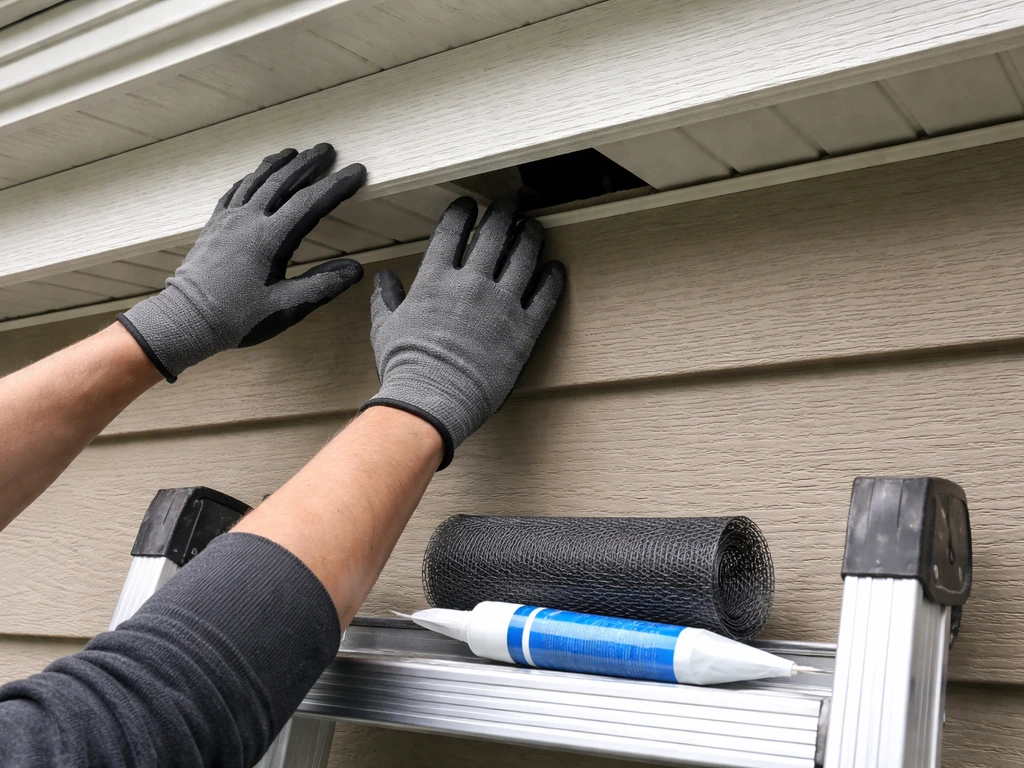
Humane, safe steps to reduce bird noise: spot the source, use exclusion proofing, and plan DIY prevention.
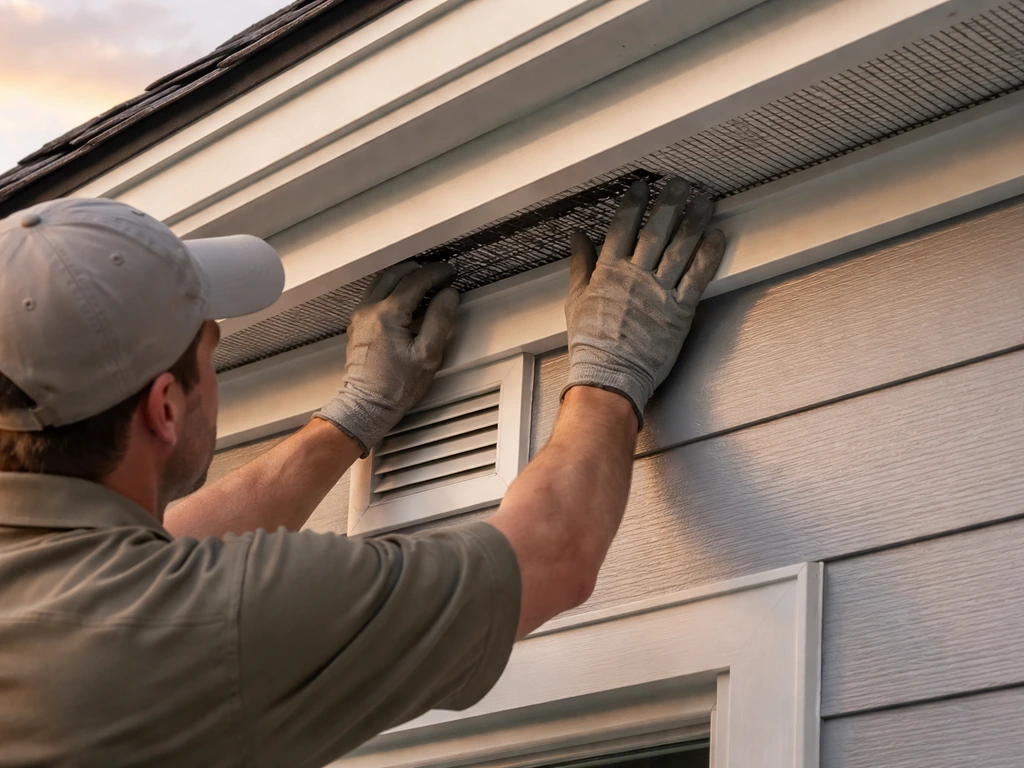
Humane, step-by-step plan to stop chirping by finding entry roosts, sealing gaps, removing attractants, and reducing ind
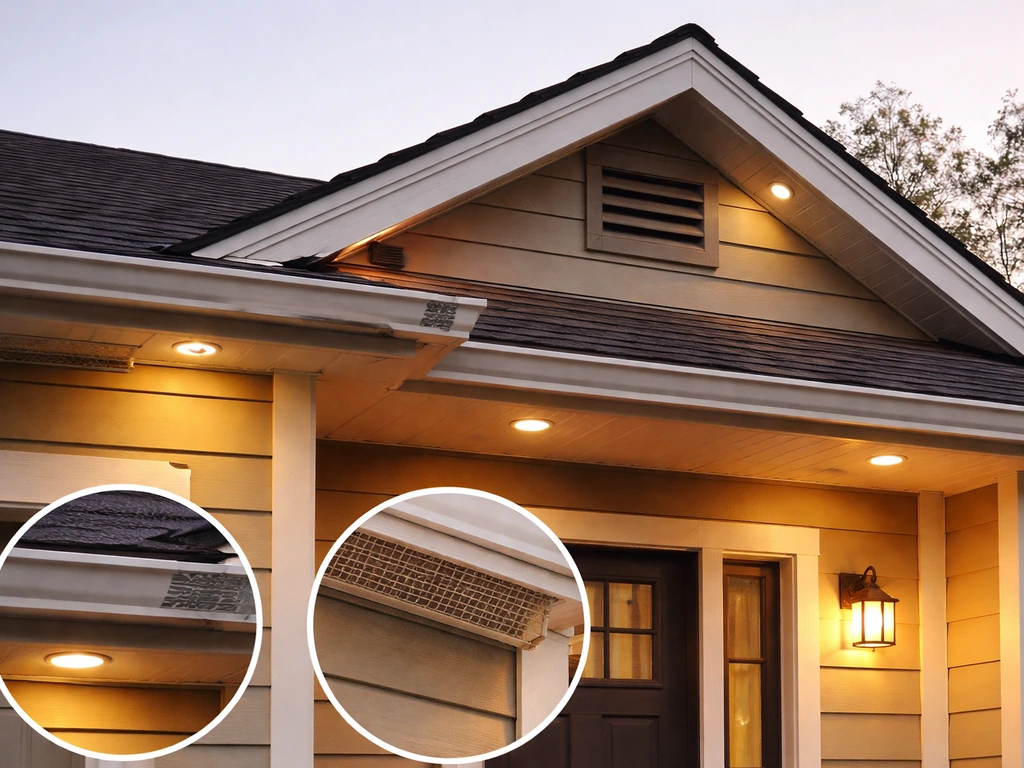
Safe steps to stop a noisy bird today, reduce attractants, secure entry points, and prevent nesting long term.