When people search for how to get rid of bird legs, they almost always mean one thing: how to stop birds from landing, roosting, nesting, or leaving droppings and footprints all over a building. The fix involves humanely removing the birds, blocking their access points, cleaning up safely, and setting things up so they don't come back. This guide walks you through every step, from an emergency bird-inside-the-building situation all the way to long-term seasonal proofing.
How to Get Rid of Bird Legs: Humane Removal and Prevention
Maya Carver
6 Jun 2026
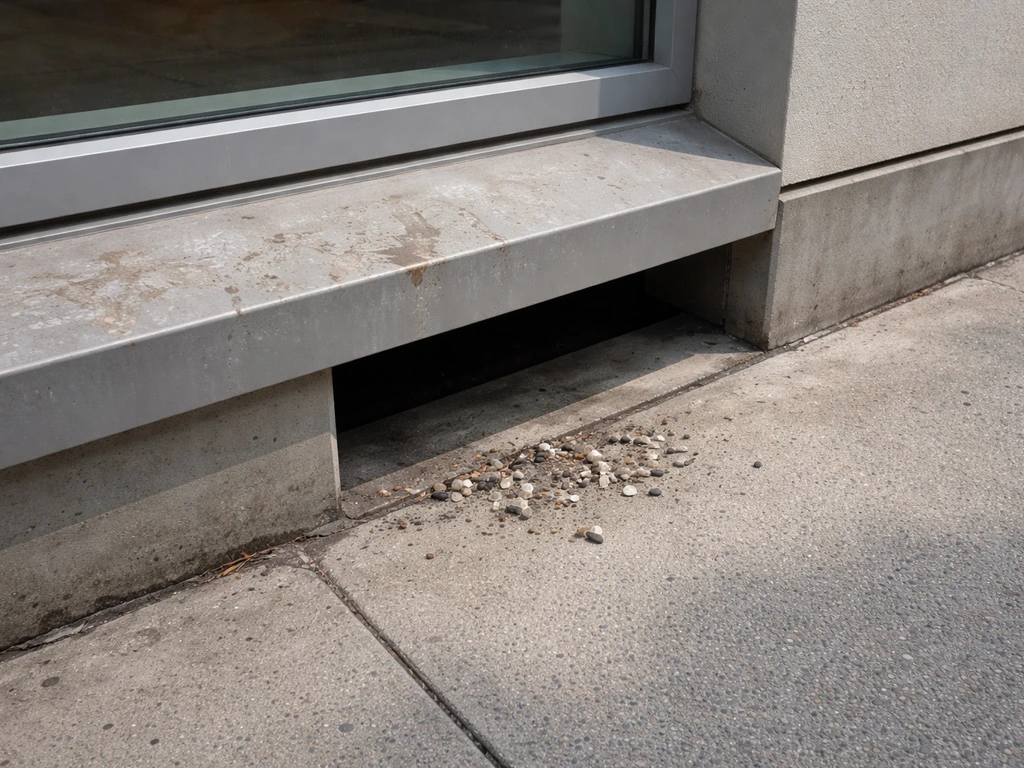
What 'bird legs' usually means on a building
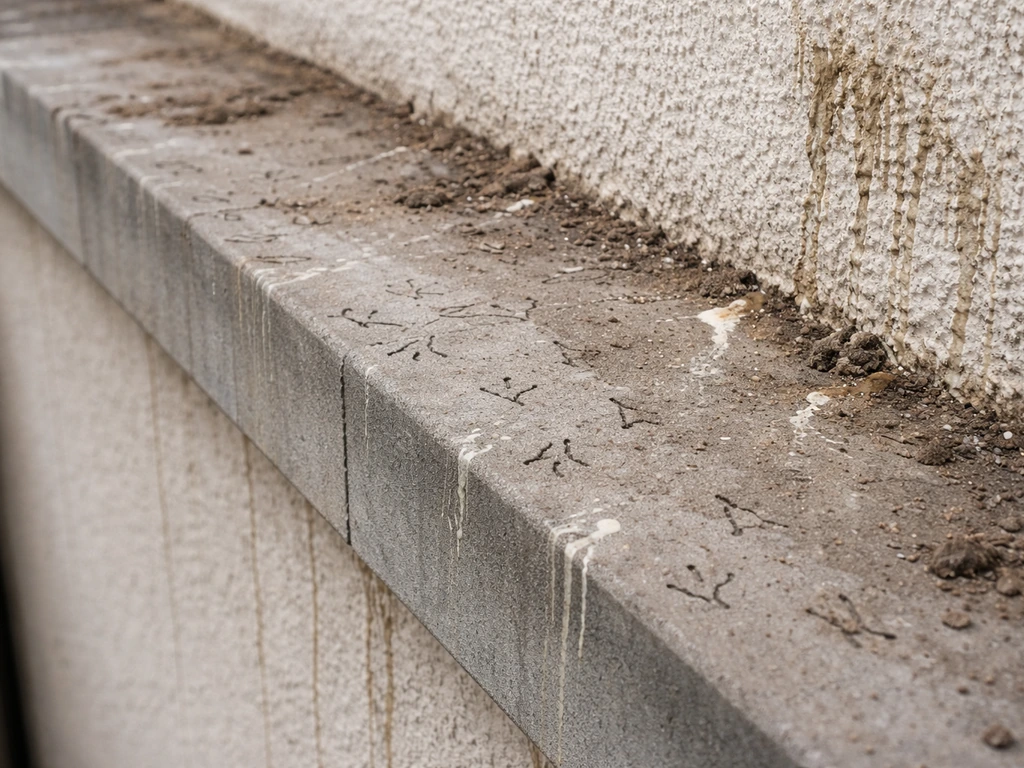
The phrase is shorthand for the visible evidence that birds have made themselves at home: scratch marks and footprints on ledges, droppings streaked down walls, feathers jammed into vents, or muddy tracks across a roof membrane. When you see those signs, what you're really dealing with is a roosting or nesting problem. Birds land on your building repeatedly because something about it works for them, whether that's a sheltered ledge, a warm vent opening, access to food nearby, or simply an unobstructed flat surface at the right height. Solving the 'bird legs' problem means making that spot stop working for them.
If birds are inside right now: immediate safety steps
A bird trapped inside a building is stressed and can injure itself quickly. Your first priority is getting it out without harming it or yourself. Work calmly and keep these steps in order.
- Clear the room of people and pets so the bird isn't cornered and panicked.
- Open the largest window or door that leads directly outside. Close off interior doors to limit the bird to one room.
- Dim or turn off interior lights and, if possible, let natural light come only from the exit. Birds instinctively move toward light.
- Wait quietly for 10 to 15 minutes. Most birds find the opening on their own.
- If the bird is grounded or exhausted, put on gloves, drape a light towel gently over the bird, carry it cupped in your hands to the open doorway, and release it outside.
- Do not use glue traps, sticky boards, or any adhesive device. Under 50 CFR §21.14, these methods are prohibited for migratory birds because they are likely to cause harm.
- Once the bird is out, immediately identify and block the entry point before moving on to cleanup.
If you find an active nest with eggs or chicks inside the building, stop. Do not remove it. Under the Migratory Bird Treaty Act, destroying or disturbing a nest that contains eggs or dependent young is a federal offense unless you hold a valid permit. Mark the area, keep people away, and skip ahead to the escalation section at the bottom of this guide.
Find what's attracting birds and where they're getting in
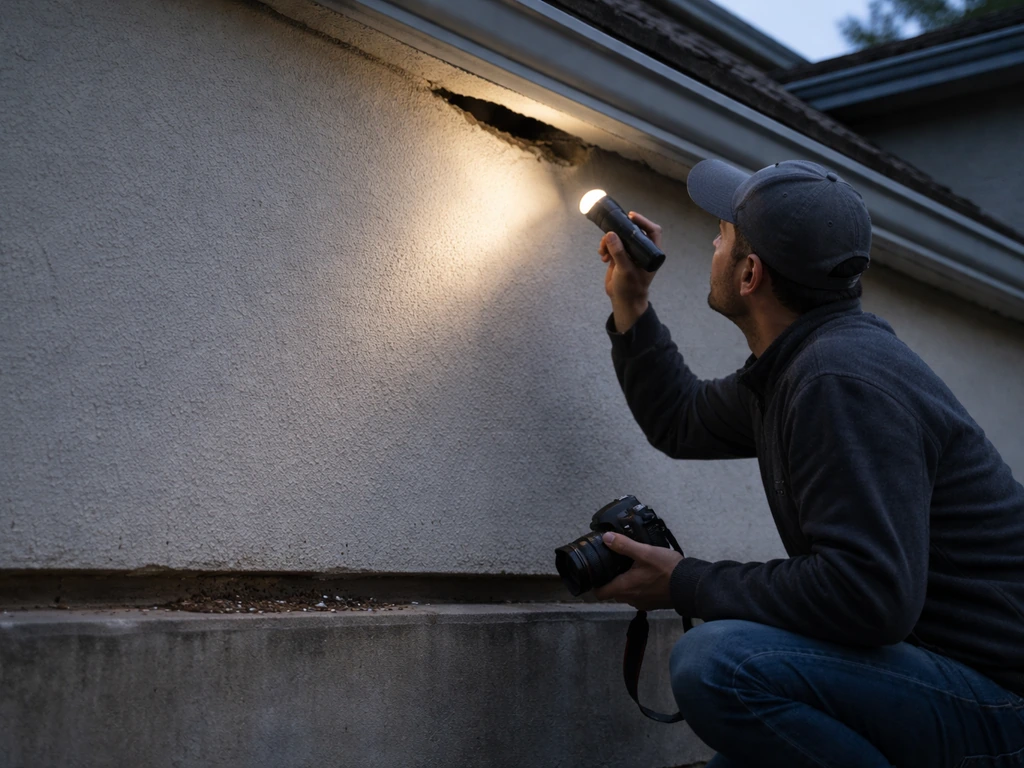
Before you install a single deterrent, spend 20 minutes doing a proper inspection. Walk the full perimeter of the building at ground level, then get on the roof if it's safe to do so. You're looking for three things: what's drawing birds in, where they're actually landing or entering, and what type of bird you're dealing with (this matters for legal reasons and for choosing the right deterrent).
Common attractors
- Flat ledges, parapets, HVAC equipment, and skylights that offer a sheltered perch
- Open or poorly screened vents, soffits, and eave gaps wider than half an inch
- Nearby food sources: dumpsters without lids, outdoor dining areas, uncovered compost, open pet food
- Standing water on flat roofs or in gutters
- Dense ornamental shrubs or ivy on the building exterior that provide nesting cover
Common entry and landing points
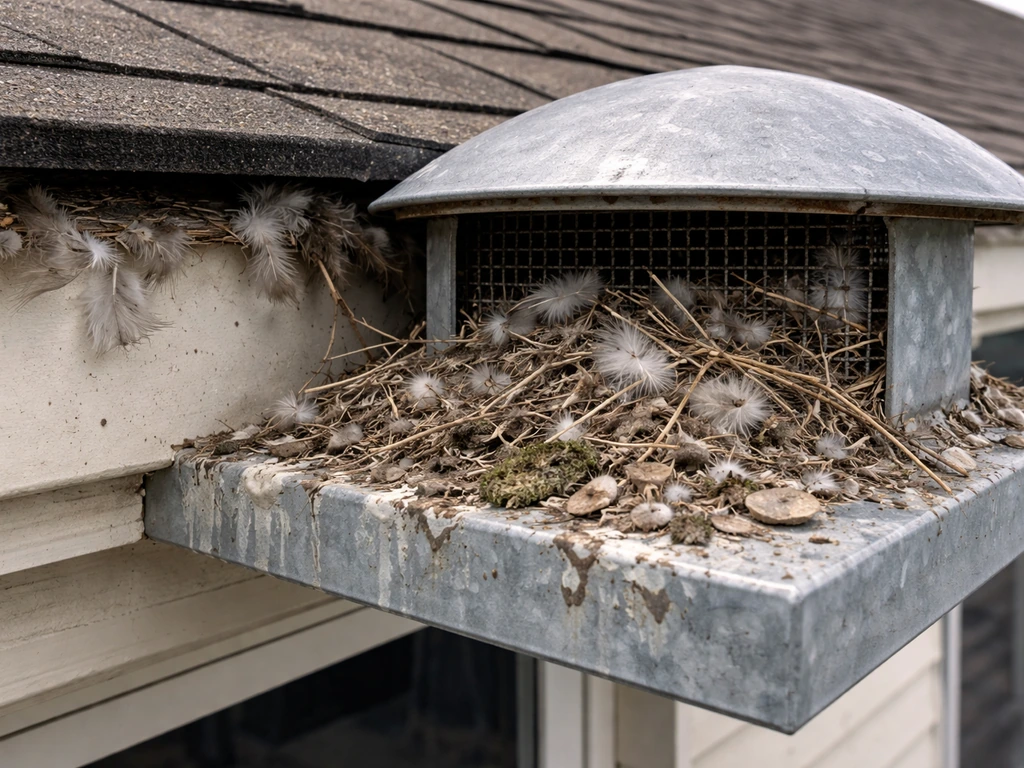
| Location | What to look for | Urgency |
|---|---|---|
| Roof vents and turbines | Feathers, droppings, or nesting material around the cap or screen | High: birds can nest inside ductwork |
| Soffits and fascia gaps | Gaps wider than 0.5 in, paint peeling from droppings below | High: common nesting cavity |
| Ledges and parapets | Concentrated droppings, feathers, scratch marks | Medium: roosting, not enclosed nesting |
| Loading dock overhangs | Large droppings, multiple bird species, uneaten food debris | Medium to high depending on volume |
| HVAC units and ductwork | Nesting material inside ducts, gurgling or blocked airflow | High: fire and health risk |
| Window AC units | Nesting under or behind the unit, droppings on wall below | Medium |
Humane DIY removal and exclusion you can do today
Once you know where birds are landing and entering, you can match the right fix to each spot. If the birds are currently in the building, follow the immediate safety steps first, then use the removal and exclusion approach for where they entered how to remove card from bird. Work from the most vulnerable openings first, then move on to deterrents for open perching areas. The goal is exclusion first, deterrence second. If you are dealing with a swallow bird specifically, focus on removing the attractant, blocking nesting access, and using appropriate exclusion and deterrents before the next breeding season swallow bird how to get rid of.
Seal gaps and close entry points
- Seal any opening wider than 0.5 inches on soffits, fascias, and roof edges using hardware cloth (19-gauge or heavier) or galvanized metal flashing. Avoid lightweight plastic mesh; birds push through it.
- Cap or replace damaged vent covers with models that have integrated screens rated for bird exclusion.
- Stuff chimney flues with a properly fitted chimney cap (not steel wool, which corrodes).
- Apply foam backer rod plus exterior-grade caulk or mortar for small masonry gaps before covering with mesh.
- Check the work from the outside after installation. If you can see daylight through it, a bird can find it.
Install physical deterrents on ledges and flat surfaces
- Bird spikes: stainless steel is the most durable choice. Install on ledges, parapet caps, and sign tops. Space the rows so there is no flat gap between strips wider than 2 inches.
- Slope panels or angled boards at 45 degrees or greater on flat ledges. Birds cannot grip a steep angled surface.
- Bird netting: use UV-stabilized polypropylene netting with a mesh size matched to the target species (19 mm for sparrows, 50 mm for pigeons, 75 mm for larger gulls). Net large open bays, loading docks, or courtyards by anchoring to a perimeter wire system.
- Parallel wires or post-and-wire systems: run stainless wire 2 to 3 inches above the landing surface and spaced 4 inches apart. Effective on wide ledges where spikes are impractical.
- Visual deterrents (reflective tape, predator decoys): use as a supplement, not a primary fix. Birds habituate to static visual deterrents within days unless you move them regularly.
Troubleshooting: matching the fix to the situation
| Situation | Best first action | Backup if birds return |
|---|---|---|
| Bird on an open ledge or parapet | Install stainless steel spikes or slope panel | Add parallel wire system above spikes |
| Birds entering through vent or soffit gap | Install hardware cloth screen or capped vent cover | Seal surrounding fascia gaps |
| Birds roosting under a large overhang or dock | Install exclusion netting anchored to perimeter wire | Add auditory deterrent (distress call device) |
| Birds nesting in ductwork or attic | Stop. Call a wildlife professional. May require a permit. | Do not disturb if eggs or chicks are present |
| Single bird trapped inside building | Open exits, dim lights, allow bird to self-exit | Towel-capture and release if grounded |
Cleaning up droppings safely
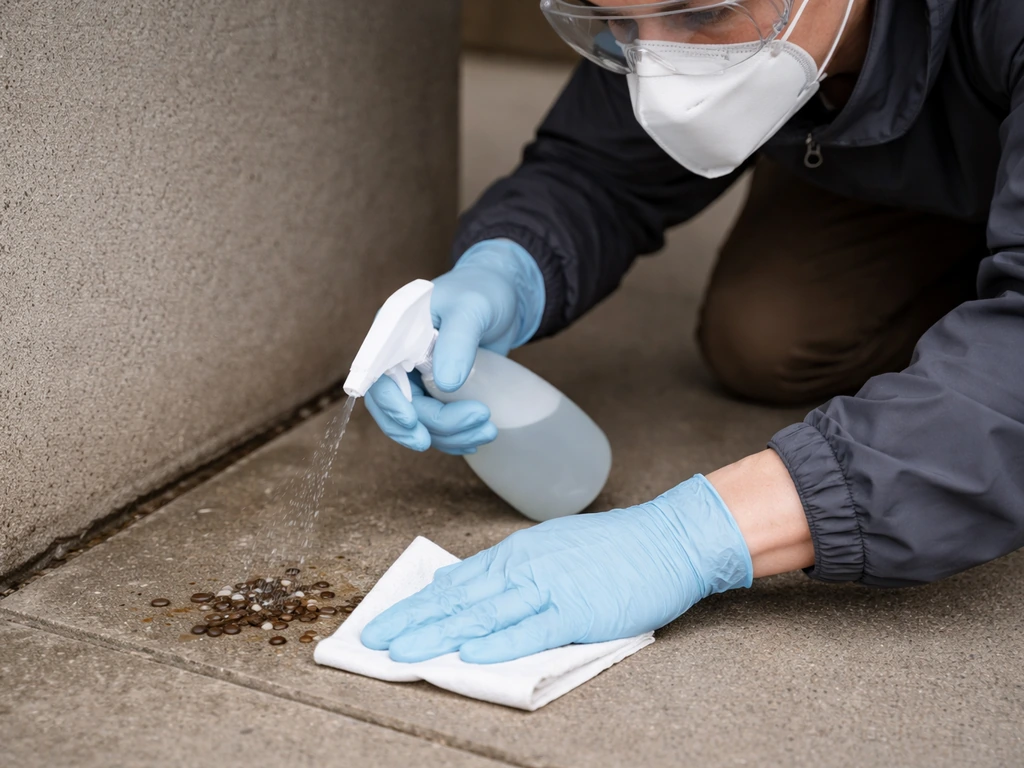
Bird droppings are a real health hazard, not just a cosmetic problem. Dried droppings can carry Histoplasma capsulatum fungal spores (which cause histoplasmosis) and Chlamydia psittaci bacteria (which cause psittacosis). Both infections are acquired by blank" rel="noopener noreferrer">inhaling disturbed dust from dried droppings. The CDC is direct on this: do not dry sweep, do not vacuum without a HEPA filter, and do not work in an area with droppings without respiratory protection.
PPE before you start
- N95 respirator (NIOSH-certified) at minimum. If the accumulation is large or you're in an enclosed space, step up to a half-face respirator with P100 cartridges.
- Safety glasses or goggles, especially in any ventilated or windy area where dust can reach your eyes.
- Disposable nitrile or latex gloves. Double-glove for large cleanups.
- Disposable coveralls or dedicated clothing you can bag and wash immediately.
- Rubber boots or shoe covers that can be cleaned on-site.
Step-by-step cleanup
- Wet the area thoroughly with water mixed with a disinfectant (a 10% bleach solution works for hard surfaces). Let it soak for 5 to 10 minutes to suppress dust and begin killing pathogens.
- Scoop or scrape the wetted material into heavy-duty plastic bags. Seal each bag as you fill it.
- Wipe down hard surfaces with the disinfectant solution and allow to air dry.
- For large accumulations (more than a few square feet), use an industrial vacuum with a HEPA filter instead of scraping, per CDC histoplasmosis guidance.
- Double-bag all waste and dispose of it as general solid waste unless local regulations require otherwise.
- Remove and bag your coveralls before leaving the work area. Wash hands and face thoroughly.
- Never dry sweep, never use a leaf blower, and never use a standard household vacuum without a HEPA filter. All of these aerosolize the dust that makes you sick.
Prevention: a seasonal proofing plan that actually sticks
Most bird problems come back because the underlying attractors were never removed. A simple twice-yearly inspection schedule, timed around bird nesting seasons, will catch new entry points before they become full roosting sites.
Seasonal timing
- Late winter (February to March): inspect before nesting season begins. This is your best window to seal gaps, install spikes, and clear old nesting material from ledges and vents without risking an active nest.
- Late summer (August to September): post-nesting inspection. Young birds have fledged, nests are empty, and it's legal to remove old nest material. Repair any damage from the season and reinforce weak spots.
- After major storms: check that exclusion netting, screens, and spike strips are still anchored. Wind and debris dislodge them.
Proofing checklist (run twice a year)
- Inspect all roof vents, turbines, and exhaust caps for damage or missing screens
- Check soffit and fascia boards for gaps and rotted sections
- Walk every ledge and parapet: confirm spike strips are intact and fully covering the surface
- Test netting anchors and perimeter wire tension
- Clear gutters and flat roof drains of debris and standing water
- Remove any food sources near the building: lid all dumpsters, clean grease traps on restaurant exhausts, remove pet food and bird feeders within 25 feet of the building
- Trim ivy, dense shrubs, and overhanging branches within 3 feet of the roofline
- Document any new bird activity with photos and note the species
When to call a wildlife professional (and what the law requires)
There are situations where DIY is not the right call, either because it won't work, it's physically dangerous, or it's illegal. Knowing when to stop and make a phone call is as important as any of the steps above.
Call a professional if any of these apply
- You've found an active nest with eggs or chicks. The Migratory Bird Treaty Act prohibits destroying or disturbing active nests of protected species without a federal permit. A licensed nuisance wildlife control operator can advise on legal options and timing.
- Birds are roosting inside walls, attics, or ductwork and you cannot safely access the space. Improper exclusion can trap birds inside and create a larger cleanup and odor problem.
- You're dealing with a large colony (dozens or hundreds of birds). Colonies of starlings, pigeons, or grackles require population management strategies beyond what individual exclusion can achieve.
- The species may be protected beyond the MBTA. Swallows (cliff swallows and barn swallows), for example, are migratory and protected; active swallow nests cannot be removed during nesting season. The same applies to certain woodpeckers and raptors.
- You're a facility manager dealing with a public health complaint or a regulated facility (food processing, healthcare). Professional documentation of the remediation may be legally required.
- Droppings accumulation is larger than roughly 1 cubic yard. At that scale, professional biohazard remediation crews with full containment equipment are safer and more thorough.
What to tell the professional when you call
- The species of bird, if you know it (a photo helps).
- Whether there is an active nest with eggs or chicks.
- Where the birds are located (inside, on a ledge, in ductwork, in an attic).
- How long the problem has been occurring and approximately how many birds are involved.
- Any exclusion or deterrent steps you've already tried.
The U.S. Fish & Wildlife Service maintains formal standards for the humane capture, handling, and disposition of migratory birds. Any professional you hire should be working within those standards. Ask for their nuisance wildlife control permit or state wildlife agency license before agreeing to any work.
Under 50 CFR §21.14, even when a permit allows removal of a migratory bird from inside a building, the regulation also requires that entry points be patched or exclusion devices installed to prevent the birds from re-entering. In other words, the law itself mandates the exclusion steps described in this guide. If you are dealing with cardinals specifically, use the same exclusion-first approach, but choose deterrents that match where cardinals are landing and feeding exclusion steps. Removal alone, without sealing the building, is both ineffective and potentially non-compliant.
The short version: your next steps right now
- If a bird is inside, clear the room, open an exit, wait. Do not use glue traps.
- If you see an active nest with eggs or chicks, do not touch it. Call a licensed wildlife professional.
- Inspect the building for entry points and landing sites before buying any product.
- Seal gaps with hardware cloth or capped vents. Add spikes or slope panels on ledges.
- Before cleaning droppings, put on an N95, gloves, and goggles. Wet the area before you touch it. Never dry sweep.
- Schedule a late-winter and late-summer inspection every year to stay ahead of nesting season.
- When in doubt or dealing with a large roost, active nest, or protected species, call a licensed nuisance wildlife control professional.
FAQ
Can I remove the birds myself if I see them on my building?
It depends on whether you are allowed to remove them. If the birds are actively nesting with eggs or chicks, do not touch the nest. If they are not nesting, removal may be possible, but you still must exclude the entry points afterward to stay compliant and prevent immediate return.
What is the safest way to clean droppings when I want to get rid of bird legs evidence?
Avoid any cleanup method that disturbs dried droppings. Do not dry sweep or use a regular vacuum, because it can aerosolize contaminated dust. If you must clean yourself, use HEPA filtration on any vacuum, keep people and pets away, and use proper respiratory protection before you disturb droppings.
When is the best time of year to do prevention after birds start leaving droppings?
Timing matters because exclusion is most effective after the birds leave but before they re-nest. Plan inspections and exclusion work around local nesting windows, then re-check within a few weeks to confirm the birds have not found new entry gaps or alternative ledges.
How do I tell if the problem is a landing spot or a hidden entry point?
The key is verifying the entry route. Birds may appear to be roosting on a ledge but actually be entering through a vent, eave gap, or roof penetration. A useful next step is to add temporary visual checks after any bird-inside events to see where they exit, then target the seal or exclusion to that specific location.
Why do birds come back even after I put spikes or a few deterrents up?
Do not rely on deterrents alone when there is an entry opening. If the birds can get back into the building, they will return even if the perching area feels uncomfortable. The practical rule is exclusion and sealing first, then deterrence for any remaining outdoor perching areas.
What should I do immediately when a bird is trapped indoors?
If a bird is trapped inside, keep doors and windows closed to control the path, then open one clear exit route toward the outside while turning off interior lights that confuse orientation (use daylight if possible). Avoid chasing, grabbing, or blocking multiple exits because stress increases injury risk.
What are the most common attractants that keep causing bird-leg evidence to return?
You can reduce the risk of new attraction by removing reachable food sources, securing trash containers, and correcting any water access like open bird baths or leaking exterior fixtures. After that, schedule exclusion so birds cannot use the same ledges or openings once attractants are gone.
When should I stop DIY and hire a nuisance wildlife professional?
If you see evidence inside vents, behind soffits, or inside enclosed architectural features, you may have an inaccessible roosting or nesting area. If it is unsafe to reach or the birds might be nesting, call a licensed nuisance wildlife professional instead of trying DIY removal.
What should I ask a wildlife contractor before they start work?
Ask for the nuisance wildlife control permit or state wildlife agency license before work begins, and request a clear plan for removal and, separately, exclusion of entry points. Professionals should also use humane capture and disposition standards consistent with federal guidance for migratory birds.
What if I am not sure what kind of bird is causing the problem?
Some birds are protected and handling rules vary, especially around nests. If you are unsure of the species, take photos of the visible bird and the exact location of the droppings or entry point, then pause on removal until you can confirm legal status and the correct deterrent strategy.
If removal is allowed, do I still need to patch or exclude entry points?
Even if removal inside is permitted, entry points must be sealed or excluded, because regulations require preventing re-entry. If you only remove birds and skip patching gaps, you typically get repeated entry and the situation becomes harder and more costly.