If a cardinal is inside your home, in your garage, or repeatedly striking your windows, the fastest solution is to reduce confusion: darken the room, open one clear exit, and guide the bird out calmly without chasing it. For cardinals loitering outside near windows or doors, the fix is usually removing the reflection or food source drawing them in. Because Northern Cardinals are protected under the Migratory Bird Treaty Act, you cannot trap, harm, or disturb an active nest without a federal permit. Everything in this guide works within those legal limits and keeps both you and the bird safe.
How to Get Rid of a Cardinal Bird Safely and Humanely

Maya Carver
5 May 2026
First: Figure Out What's Actually Happening
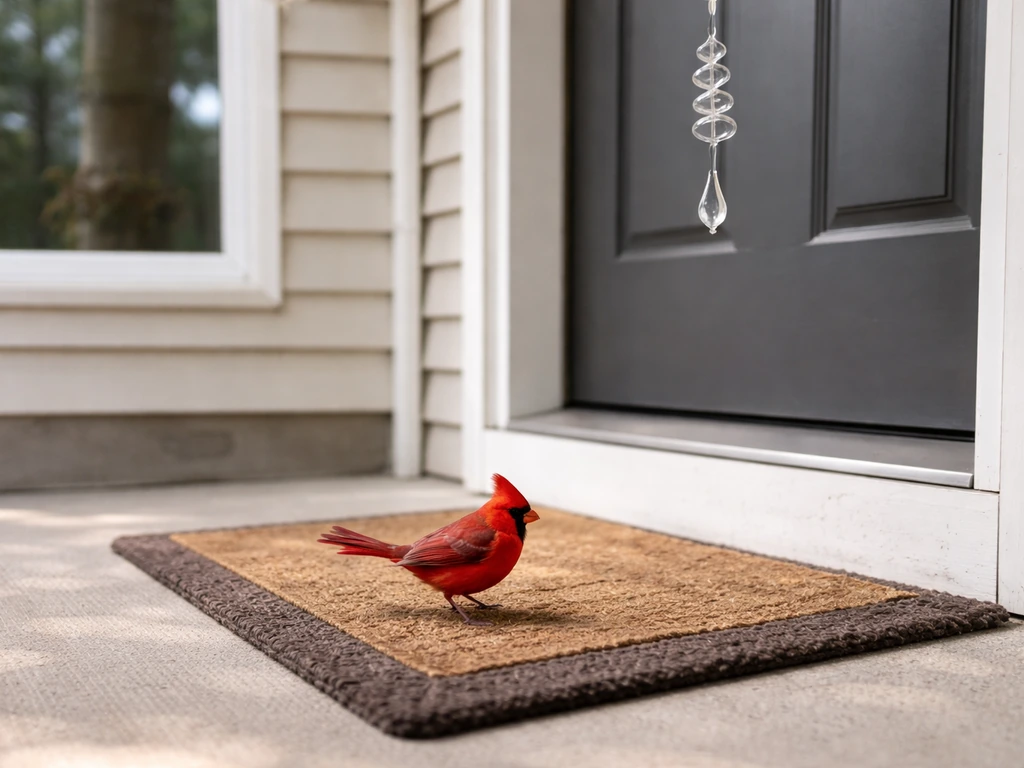
Before you do anything, nail down which situation you're dealing with. The fix for a cardinal trapped inside a living room is completely different from one pecking at a window or one nesting in a shrub by your front door. Running through this quick decision tree takes about 30 seconds and saves a lot of wasted effort.
| Situation | Key Sign | Where to Start |
|---|---|---|
| Cardinal inside the building | Bird flying around indoors, hitting walls or interior windows | Quick emergency exit steps below |
| Cardinal attacking/striking a window | Repeated tapping or hitting the same window, often in spring | Window strike prevention section |
| Cardinal loitering on porch or balcony | Bird perching repeatedly near doors, feeders, or ledges | Remove attractants section |
| Cardinal nesting in or near the building | Nest with eggs or chicks visible in a bush, vent, or ledge | Nesting and legal escalation section |
| Cardinal found dazed or injured outside | Bird sitting still on the ground, not flying away | Injured bird escalation section |
Get the Cardinal Out Right Now (Indoor Emergency Steps)
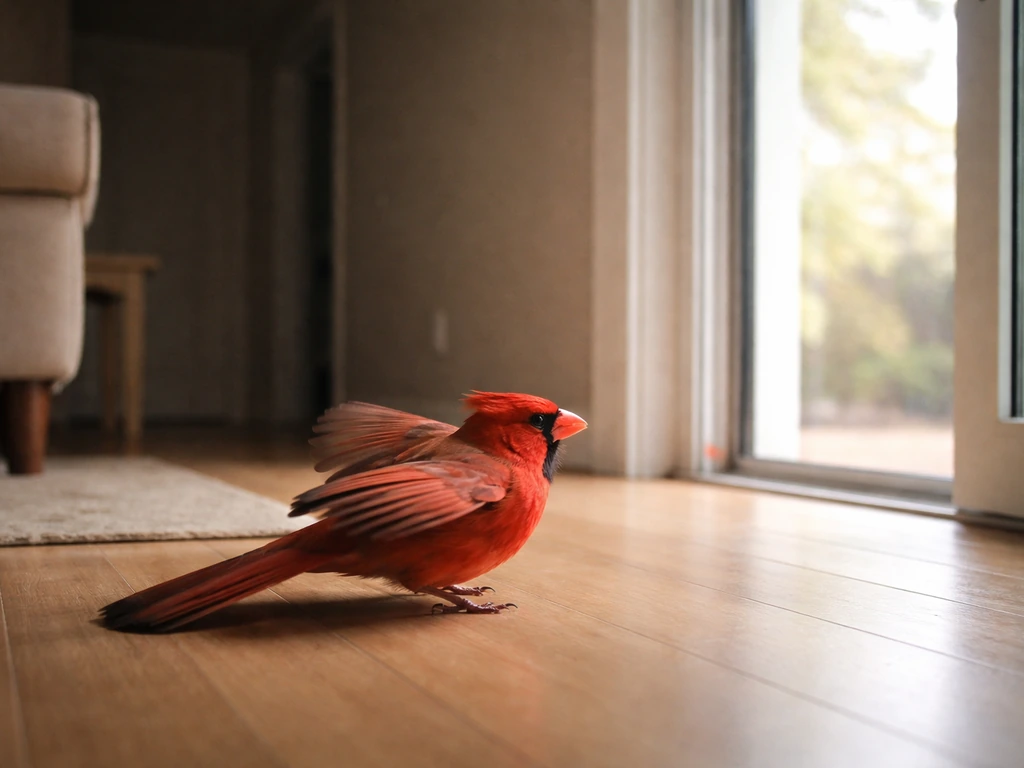
A cardinal inside your home is stressed and disoriented. It will naturally fly toward light, so you can use that to your advantage. Move quickly but quietly. Chasing the bird or waving your arms wildly will send it into a panicked spiral and increase the risk of injury to both of you.
- Close every interior door to confine the bird to one room. Fewer walls to hit means a safer, faster exit.
- Identify the best exit point: one exterior door or one window with the screen completely removed. This is the only open exit in the room.
- Turn off all lights in the room so it's as dark as possible. Birds instinctively move toward daylight.
- Cover every other window in the room with drapes, blinds, or a blanket. You don't want the bird flying toward closed glass thinking it's the way out.
- Stand quietly off to one side. Give the cardinal 10 to 15 minutes to find the open exit on its own. Most will fly out once the room is dark and the exit is obvious.
- If the bird is stalling, hold a large bedsheet or towel high (above your head, spread wide) and slowly walk toward the bird from the far side of the room to gently herd it toward the open door or window. Do not swing or throw the sheet.
- If you use a broom to guide the bird, never make contact with it. The broom is just a visual barrier to steer the bird's path, not a tool for physically moving it.
- Once the bird exits, replace the screen and close the door before celebrating.
If the bird is in a basement with no windows, or in a room with no exterior access, humane capture may be necessary. Drape a lightweight towel gently over the bird when it lands, then carry it cupped in both hands to the outside and release it at ground level in a sheltered spot. Wear light gloves if you're concerned about scratching, but don't crush the bird. Cardinals are small and fragile.
Remove What's Drawing the Cardinal In
Cardinals are not random. If one keeps showing up at your door, porch, or window, something nearby is attracting it. Remove the attractant and the bird moves on. This step also prevents future problems after you've solved the immediate one.
Food and Water Sources

- Move bird feeders at least 30 feet from your house, or remove them entirely if the cardinal problem is serious. Cardinals love sunflower seeds, safflower, and cracked corn.
- Take down bird baths or move them well away from entry points. Standing water is a major draw.
- Sweep up spilled seed under any feeders you keep. Ground feeding cardinals will camp out on your porch if the seed is right there.
- If you have berry-producing shrubs right against your foundation (dogwood, holly, serviceberry), consider pruning them back or relocating them over time.
Reflections and Visual Triggers
Male cardinals are famously territorial during breeding season (roughly February through August). When a male sees his own reflection in a window, a car mirror, or even a shiny metal surface, he reads it as a rival male and attacks. This is one of the most common reasons cardinals keep returning to the same window or door. Eliminating the reflection is the fastest way to stop this behavior. Cover the outside of the window with painter's tape, removable film, or even a garbage bag temporarily. Move your car if the side mirrors are the target. The bird usually gives up within a few days once the reflection disappears.
Shelter and Dense Vegetation Near Entrances
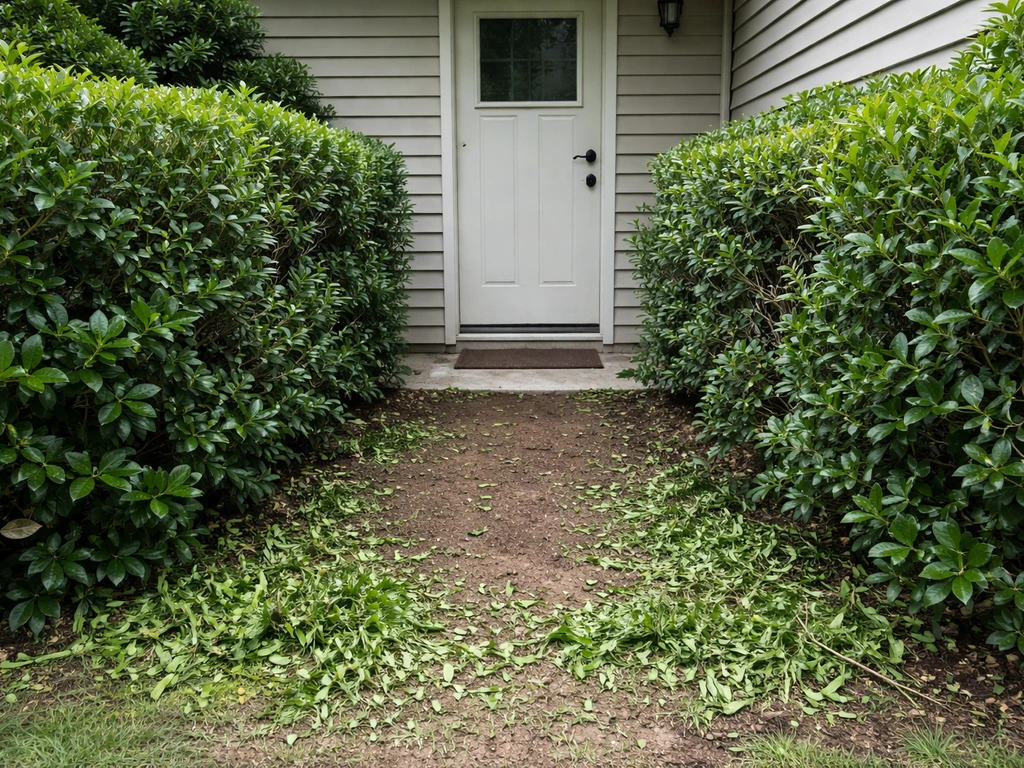
- Trim dense shrubs within 3 feet of doorways and windows. Cardinals nest low (usually 3 to 10 feet off the ground) and love thick, sheltered vegetation.
- Remove any debris piles, brush, or tangled vines near your foundation that could serve as nesting cover.
- If you have ivy or other climbing plants on the exterior wall near a vent or gap, keep it trimmed so it doesn't create an accidental nesting site.
Seal Up Your Building So Cardinals Can't Get Back In
If a cardinal got inside, something let it in. This is the section most people skip, and then they're back dealing with the same problem three weeks later. A quick inspection of your exterior takes less than an hour and is worth every minute.
Check These Entry Points First
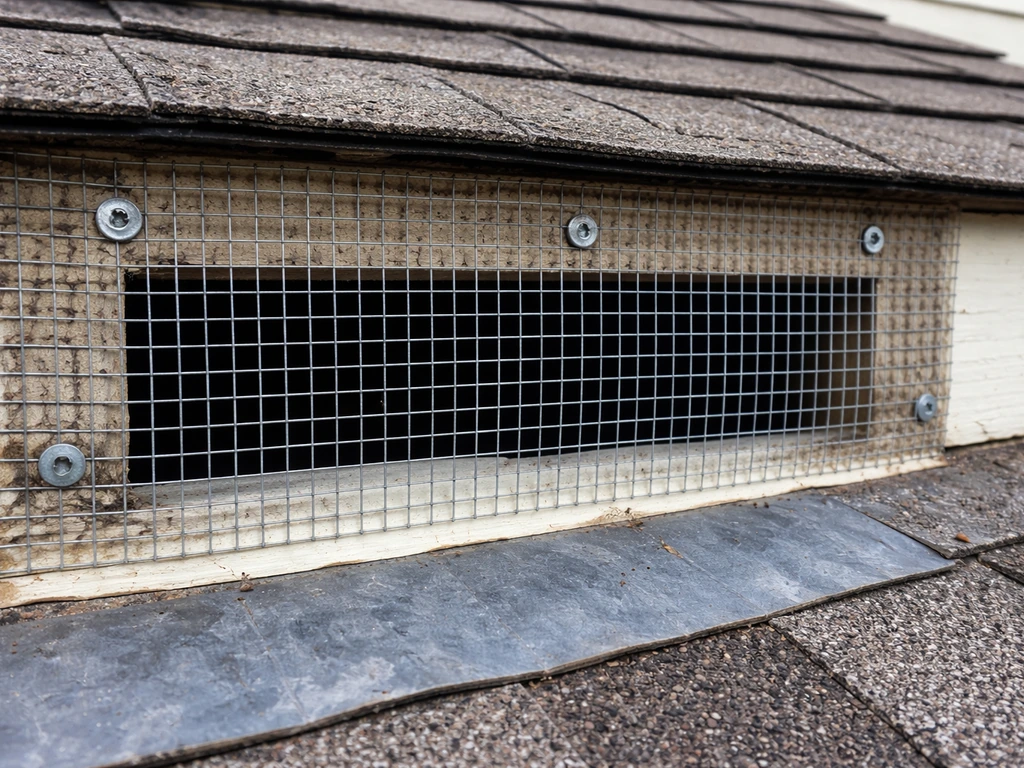
- Roof vents and attic vents: These are the most common bird entry points. Check that all vents have intact hardware cloth (1/4-inch mesh or smaller) secured firmly to the frame.
- Gaps around eaves and soffits: Walk the roofline and look for any opening wider than 1/2 inch. Fill with caulk, foam backer rod, or metal flashing depending on the gap size.
- Dryer vents and bathroom exhaust vents: These should have flapper-style dampers that close when not in use. Replace any that are stuck open or missing covers.
- Garage doors: If the door seal along the bottom or sides is worn or missing, a bird can slip through. Replace rubber seals and make sure the door closes flush.
- Screen doors: Check for tears, bent frames, or gaps at the corners. A gap as small as an inch is enough for a cardinal.
- Chimney: Cap it. An uncapped chimney is an open invitation. Install a commercial chimney cap with mesh sides.
What to Use for Exclusion
| Gap Type | Best Fix | Notes |
|---|---|---|
| Vent openings | 1/4-inch hardware cloth secured with screws | Don't use window screen — it clogs and fails quickly |
| Small cracks around frames | Exterior-grade caulk or foam sealant | Check annually; UV breaks down foam over time |
| Large structural gaps | Metal flashing or bird-proof netting | Netting should be taut with no sag |
| Door bottom gaps | Door sweep with brush or rubber seal | Check that it contacts the threshold fully |
| Open eave ends | Bird exclusion netting or fascia board repair | Address the root cause, not just the symptom |
External insect screens on windows do double duty: they physically block entry and reduce the reflective appearance of glass, which helps with territorial window-striking behavior too.
Stop Cardinals from Hitting Your Windows
Cardinals hit windows for two reasons: they don't see the glass as a barrier (a transparency problem), or they see their own reflection and fly at it aggressively (a territorial problem). Both are solvable, but the fix has to be on the outside of the window to work. Films or stickers applied only to the inside surface are largely ineffective because birds approach from the outside and need to perceive the barrier before impact.
What Actually Works
- Apply dot or stripe patterns to the outside surface of the glass. The USGS specifies these patterns should follow a 2-inch by 2-inch grid spacing. Wider spacing leaves enough clear glass for a bird to think it can fly through.
- Use window films designed for bird safety and apply them to the exterior face of the glass. Studies by the American Bird Conservancy confirm exterior application significantly outperforms interior-only film.
- Install fine-mesh insect screening on the outside of windows. The screen breaks up the reflection and gives birds a soft surface to bounce off instead of hard glass. This is one of the most effective and affordable options.
- Hang paracord, bamboo strips, or commercial bird tape (iridescent or UV-patterned tape) on the outside of the window in vertical rows spaced no more than 4 inches apart.
- For a quick temporary fix on a window where a cardinal is actively attacking his reflection, tape newspaper or a paper bag to the outside. It looks terrible but it works immediately.
Lighting Adjustments
Interior lighting makes windows more reflective from the outside, which worsens both the transparency problem and the territorial reflection issue. Turn off lights in rooms you're not using during peak strike times (early morning and late afternoon). The USFWS recommends using timers or motion sensors to reduce unnecessary lighting, and the Smithsonian advises closing blinds at night to minimize light spillage outdoors. These changes cost nothing and make a measurable difference.
When Nothing Seems to Work
The most common reason window treatments fail is improper spacing or interior-only placement. If you put a single sticker in the center of a large window and the bird keeps hitting the corners, you haven't addressed the problem, you've just decorated the glass. Cover the full window surface [with patterns at the 2-inch by 2-inch grid spec, on the outside](https://www. usgs.
gov/faqs/how-can-i-stop-birds-repeatedly-hitting-my-windows). If territorial behavior is the driver and the bird is relentless, the reflection must be fully broken. A sheet of construction paper or cardboard taped to the outside of the target window for 2 to 4 weeks will usually break the habit because the bird's territorial instinct fades once breeding season peaks. Bird-friendly treatments can prevent collisions by up to 95% when applied correctly, according to National Park Service guidance.
If There's a Nest, or the Bird Is Injured
The Legal Reality First
Northern Cardinals are protected under the federal Migratory Bird Treaty Act of 1918. It is illegal to destroy, move, or disturb an active cardinal nest (one containing eggs or live nestlings) without a federal permit. This applies to everyone, homeowners and facility managers included. If you find a nest with eggs or chicks in an inconvenient spot, your options during that active nesting cycle are limited to waiting it out.
What You Can and Can't Do
| Scenario | Legal? | What to Do |
|---|---|---|
| Empty nest from a previous season | Yes, you can remove it | Remove after breeding season ends (typically October onward) |
| Active nest with eggs or chicks | No removal without a permit | Leave it alone; cardinals fledge in about 9-11 days after hatching |
| Nest being built (no eggs yet) | Gray area; best to deter before it's established | Block the site immediately before eggs are laid; redirect nesting with dense shrubs farther away |
| Fledgling on the ground (hopping, feathered) | Do not remove | It's normal; parents are nearby feeding it for 3-8 weeks after fledging |
| Nestling on the ground (naked or barely feathered) | Contact a rehabber | If you can see the nest, gently place it back; the parents won't reject it |
Injured Bird After a Window Strike
A cardinal that has just hit a window may sit stunned on the ground for several minutes. That doesn't mean it's dying. Give it 15 to 20 minutes in a quiet spot to recover on its own. If you are asking how to get rid of bird chest after a strike or ongoing window aggression, focus on removing the reflection and other attractants first.
Keep pets away and don't hover over it. If it's still unable to fly after 20 minutes, place it gently in a cardboard box (a shoebox works well) with a few small air holes punched in the lid, and keep it in a quiet, dark, room-temperature space. Do not give it food or water. Birds that appear fine immediately after a strike can have internal injuries and die hours later, so even a bird that seems recovered should be monitored.
If it's not flying well within 1 to 2 hours, call a licensed wildlife rehabilitator.
When to Call a Wildlife Professional
- The bird has obvious injuries: a drooping wing, bleeding, inability to hold its head up, or it's lying on its side.
- A nestling (naked or barely feathered chick) has fallen and you cannot locate or reach the nest.
- The cardinal has been stunned for more than 20 minutes and is not improving.
- You have an active nest inside your structure (in a vent or wall cavity) creating a health or safety hazard and you need professional guidance on legal options.
- You're not confident handling the bird safely.
To find a licensed wildlife rehabilitator near you, search the USFWS or your state wildlife agency's website. If you want to make sure your solution is correct for your specific bird and setup, also review guidance on how to get rid of bird legs. When you call, note the species (Northern Cardinal), the approximate age if it's a chick, where you found it, and what happened. That information helps the rehabber prepare before you arrive.
Seasonal Plan: When to Do What
Northern Cardinals don't migrate. They're year-round residents across most of their range, which means you can see them at your windows and doors in any month. That said, their behavior changes dramatically by season, and matching your prevention work to those patterns makes everything easier.
Spring and Summer (February through August): Peak Problem Season
This is when territorial window-striking and nesting problems peak. Male cardinals begin defending territory as early as February, and nesting runs through late summer with multiple broods. This is the worst time to try to remove a nest or relocate vegetation near nest sites. Focus on preventing new nesting in problem areas before eggs are laid, and apply window treatments now if you haven't already.
- Apply exterior window films or screening before February if possible
- Block potential nesting sites in vents or structural gaps before the season starts
- Remove or relocate feeders if a cardinal is causing issues at windows or doors
- Cover problem windows with exterior treatments if territorial striking begins
- Do not disturb any nest once eggs or chicks are present
Fall and Winter (September through January): Your Maintenance Window
This is the ideal time for structural work. Nesting activity is minimal, so you can legally remove old nests, seal gaps, replace vent covers, repair screens, and trim vegetation without risking legal issues or disrupting active breeding. Cardinals flock in winter, so you may see more of them at once, but they're not in territorial mode and window strikes are less common.
- Inspect and repair all vents, eave gaps, and screen doors
- Remove empty nests from problem locations (vents, ledges, shrubs near the building)
- Apply or refresh exterior window treatments before next spring
- Trim dense shrubs and vegetation within 3 feet of the building
- Relocate or remove feeders that are too close to the house
- Install chimney caps and vent covers while weather is still workable
Annual Prevention Checklist
| Task | When to Do It | Priority |
|---|---|---|
| Inspect and seal all vents and eave gaps | September to January | High |
| Apply exterior window film or screening | January (before February territory season) | High |
| Remove previous-season nests from problem spots | October onward | Medium |
| Relocate feeders 30+ feet from the building | Before spring or when problem starts | High |
| Trim dense shrubs near entry points | Fall or early winter | Medium |
| Check door sweeps and screen door seals | Fall inspection | Medium |
| Review interior lighting and set up timers/motion sensors | Anytime | Low to Medium |
| Confirm chimney cap is in place and intact | Fall inspection | High |
If you're also dealing with other bird species around your building, the approach is often similar in structure but different in the details. Swallows, for example, present a different nesting timeline and construction challenge. The seasonal planning framework here applies broadly, but always check species-specific behavior before assuming the same tactics will transfer.
FAQ
What should I check if the cardinal keeps getting inside my home or garage?
If you can safely do so, treat it as an exclusion problem, not a “how to scare it away” problem. Look for gaps around doors, vents, eaves, and garage seams, then repair or add weatherstripping, door sweeps, and intact screens. A one-time cleanup won’t stop repeat visits if the entry route remains open.
Are there any traps or DIY capture methods that are considered safe for cardinals?
Don’t use sticky boards, glue traps, or netting to “capture” a cardinal. Even if you release it later, these methods can injure the bird and can also increase stress during peak window aggression. The safer approach is guiding out (for open-exit situations) or using gentle, temporary draping for limited access.
How long should I wait after a cardinal hits a window before helping it?
Wait it out if the bird seems alert but landed near a window. Give 15 to 20 minutes in a quiet spot, keep pets indoors, and avoid hovering. If it cannot fly within 1 to 2 hours, or if it shows obvious disorientation, wing drooping, bleeding, or repeated collapse, contact a licensed wildlife rehabilitator.
What can I do if there’s an active cardinal nest near where the bird is causing problems?
If you find an active nest (eggs or live nestlings), you should not attempt relocation or removal during that nesting cycle without a federal permit. The practical next step is to prevent new issues around the nest by using avoidance, waiting for the nesting cycle to end, then addressing the attractant or structural gaps when it is legal.
Why do some window stickers work for weeks and then fail again?
Use the outside of the window for barrier and anti-reflection solutions. Interior-only stickers, films, or blinds that do not block the bird’s view from the outside are often ineffective because the bird approaches and evaluates what it sees beyond the glass.
How much of the window needs treatment to prevent repeated strikes?
Covering the target window fully matters. If you only apply small markings to the center, cardinals may still strike the corners or edges. Apply a pattern that spans the full window surface, and keep the outside application consistent so the reflection is truly broken.
What if the cardinal is targeting a front door or sidelights, not just a window?
For a bird repeatedly pecking the same door or sidelights, treat it like a window problem: break its view of reflective surfaces and reduce interior light spillage at peak strike times. If your entry has sidelights, cover those surfaces too and consider removing or relocating nearby reflective items like mirrors or shiny décor.
How do I know whether my prevention steps are working, or if I’m dealing with a different attractant?
It can be normal to see cardinals return after an immediate incident if something still draws them, especially during breeding season. Focus on removing reflection and attractants, then reassess in a few days. If behavior persists past a couple of weeks after you fix the outside reflection and entry sources, inspect again for another problem window or food source.
What are common mistakes people make that increase the bird’s injury risk or repeat visits?
Yes, you can make “quiet help” mistakes. Avoid chasing, throwing objects, or trying to corner the bird, since panic increases injury risk. Also avoid feeding it to “soothe” it, since food can reinforce repeat visits and can create a separate wildlife management issue.
Should I handle window treatment and exterior repairs differently by season?
Cardinals are year-round in most areas, but their timing changes what you should do. If it’s breeding season, prioritize reflection control and preventing new nesting sites, rather than waiting to “fix it later.” If it’s winter, structural repairs and exterior sealing are often easier and lower risk for active nesting conflicts.
Next Articles
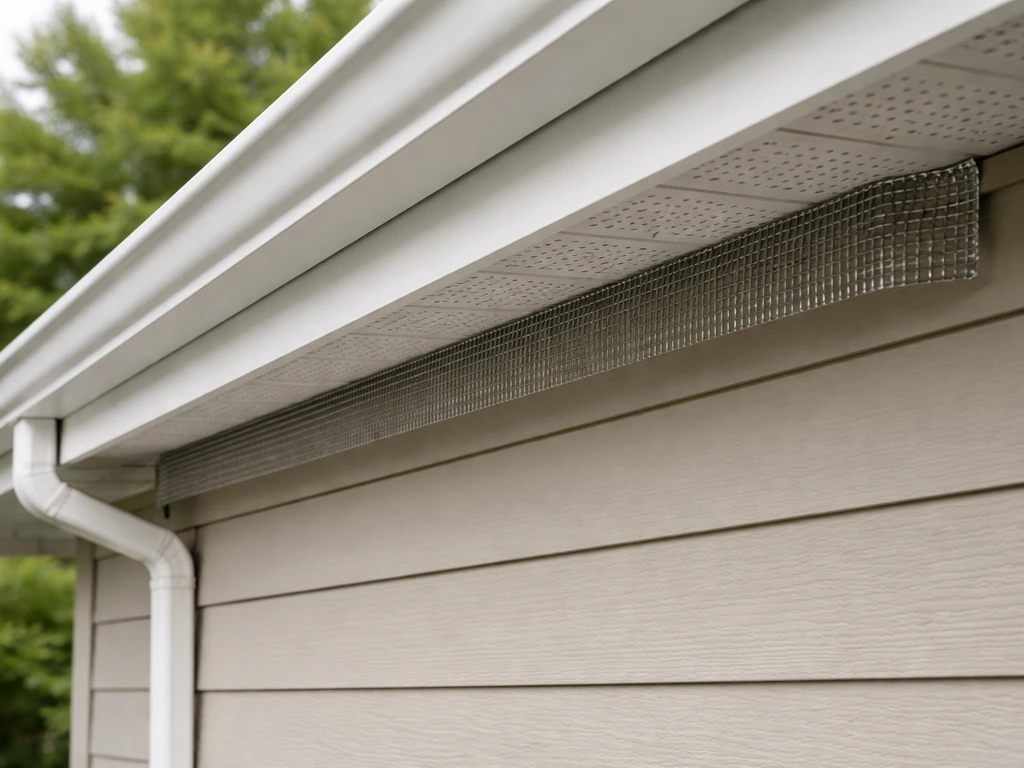
How to Get Rid of Bird Roosting Around Your Building
Humane bird roost removal guide: secure entry points, safe cleanup, deterrents, and prevention plan with when to hire pr
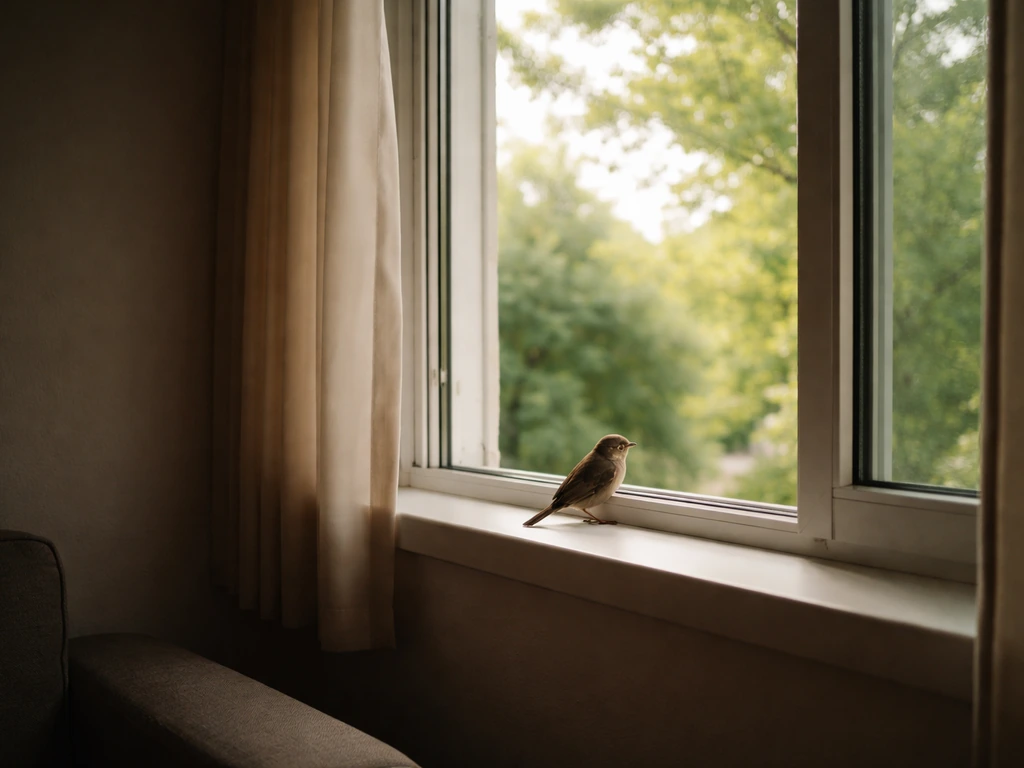
How to Get a Trapped Bird Out of Your House Safely
Humane, step-by-step guide to get a trapped bird out safely, handle injuries, and prevent future entry.
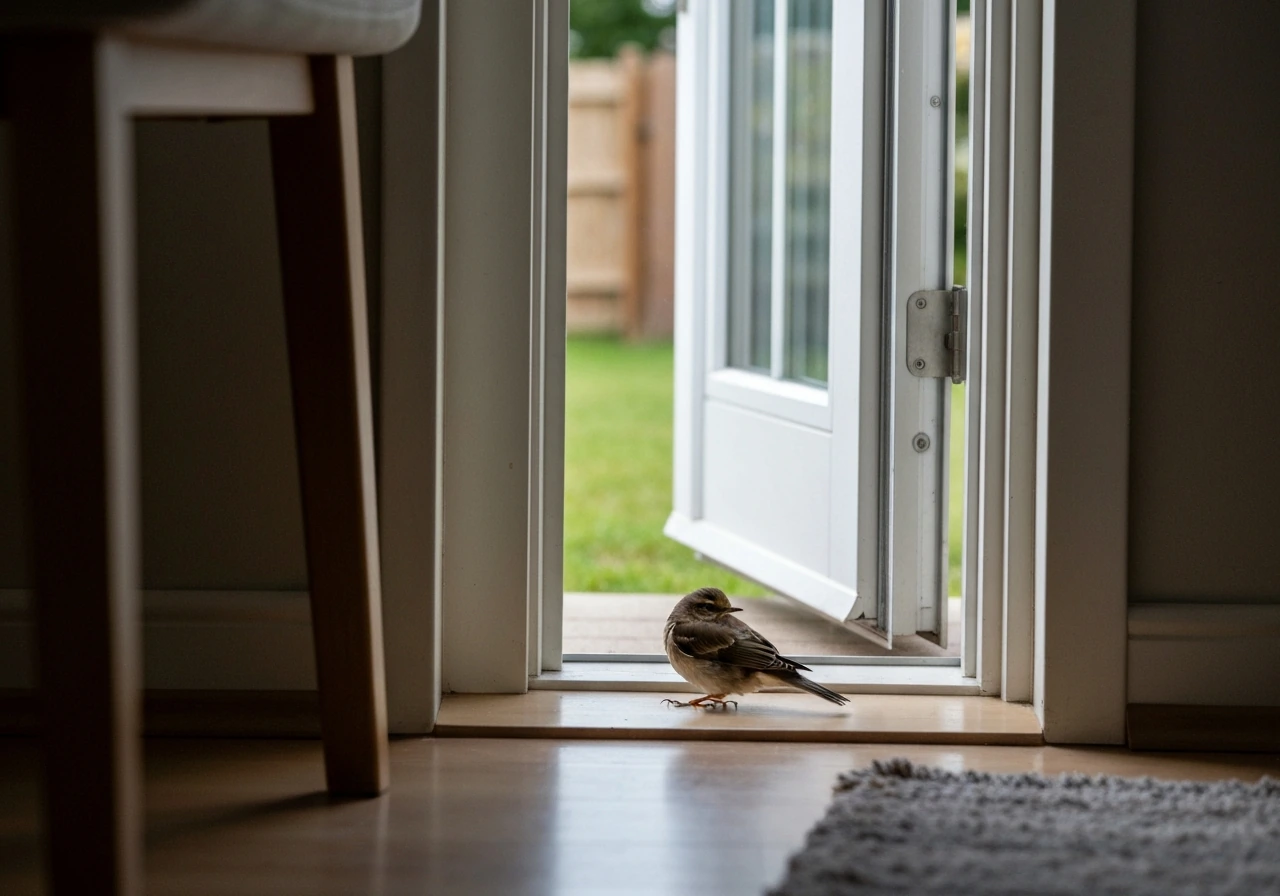
How to Get a Bird Out of Your House Reddit Guide
Step-by-step humane bird escape, DIY fixes, prevention tips, and when to call wildlife experts for indoor bird incidents