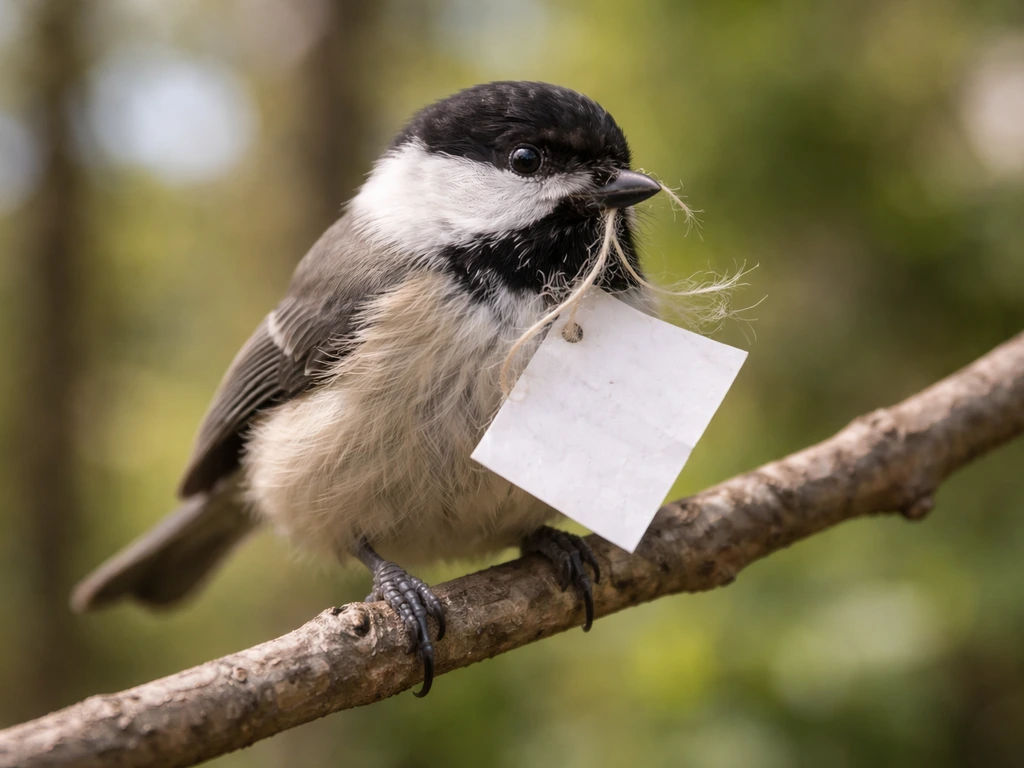
If a piece of paper, cardboard, a label, or a tag is stuck on or around a bird, stop and take a breath before you do anything. The safest immediate move is to contain the bird in a quiet, covered box, assess where the material is and how tightly it is attached, and then decide whether this is a DIY job or a call-a-professional job. Many cases can be resolved gently at home in a few minutes. Others, especially anything involving tight wrapping around legs, embedded material, bleeding, or a bird that cannot stand or flutter, need a licensed wildlife rehabilitator fast.
How to Remove a Card From a Bird Safely
Maya Carver
20 May 2026
What does 'card' actually mean here? Figure this out first
The word 'card' covers a surprisingly wide range of situations, and the right response depends entirely on which one you are dealing with. Before you touch the bird, try to identify what is actually on it.
| What you see | Most likely explanation | What to do first |
|---|---|---|
| Loose paper flyer or cardboard scrap caught on feathers or beak | Litter or wind-blown debris stuck by moisture or static | Gentle DIY removal often fine — see steps below |
| Stiff label or sticky tag on feathers/skin | Adhesive tag, price sticker, or sticky trap fragment | Do NOT pull; cover exposed sticky area with paper towel first, then call rehab |
| Thin plastic or metal band around the leg | Official USGS bird band from a federal banding study | Do NOT remove if bird is alive; report to USGS Bird Banding Laboratory |
| Colored plastic flag, neck collar, or radio tag | Auxiliary research marker from a field study | Do NOT remove; record details and report to USGS |
| String, thread, or ribbon looped around leg/toes | Stringfoot entanglement, often from nesting litter or kite string | High urgency; secure the bird calmly and get to a rehabilitator same day |
| Card or paper wrapped tightly around leg, wing, or beak | Accidental entanglement in litter, flyer, or packaging | Assess tightness before cutting; see DIY section below |
The most critical distinction is whether what you see is research equipment or random debris. A small metal or colored plastic band on the leg is almost certainly from a licensed banding study, and removing it from a living bird is both counterproductive and potentially illegal under the Migratory Bird Treaty Act. If you are not sure, photograph the bird and the marker before doing anything else.
What to do in the next 5 minutes
Your first job is to reduce stress on the bird, not to immediately start picking at the material. A frightened bird thrashes, and thrashing tightens entanglements, causes impact injuries, and can push adhesive deeper into feathers. Here is the immediate sequence:
- Put on thin gloves if you have them. Wild birds can carry diseases and parasites, and protecting yourself means you stay calm and capable.
- Approach slowly and quietly. Crouch down rather than looming over the bird. No sudden movements, no talking loudly.
- Drape a lightweight cloth (a tea towel, a clean T-shirt, or several layers of paper towel) gently over the bird. Darkness calms birds almost immediately.
- Scoop the wrapped bird up with both hands supporting the body and wings together. Do not grab by wings or legs alone.
- Place the bird in a ventilated shoebox or cardboard box lined with a plain paper towel or thin cloth. Avoid terry cloth because the loops snag on beaks and toes.
- Put the lid on. Keep the box in a quiet, warm room away from pets, children, and noise.
- Do not offer food or water. Unless a wildlife rehabilitator specifically tells you to, food and water given at this stage can cause aspiration and add stress.
- Now look at the bird through the box vent or crack open the lid briefly to assess the situation before attempting removal.
Call a wildlife rehabilitator right now, before attempting any removal, if you see any of these signs: the bird is bleeding, a wing is drooping unevenly, the bird cannot stand or bear weight on its legs, it is shivering or unresponsive, it was attacked by a cat or dog, or you cannot tell whether the entanglement material is embedded in skin or tissue. A wildlife first aid guide from Red Creek Wildlife Center also advises calling a licensed wildlife rehabilitator right away before attempting any removal when you see warning signs. These are escalation thresholds, not optional checks.
DIY removal by location
Once the bird is calm and contained, and assuming no immediate red flags, you can attempt removal. The approach varies by where the material is.
Paper or cardboard stuck around or over the beak
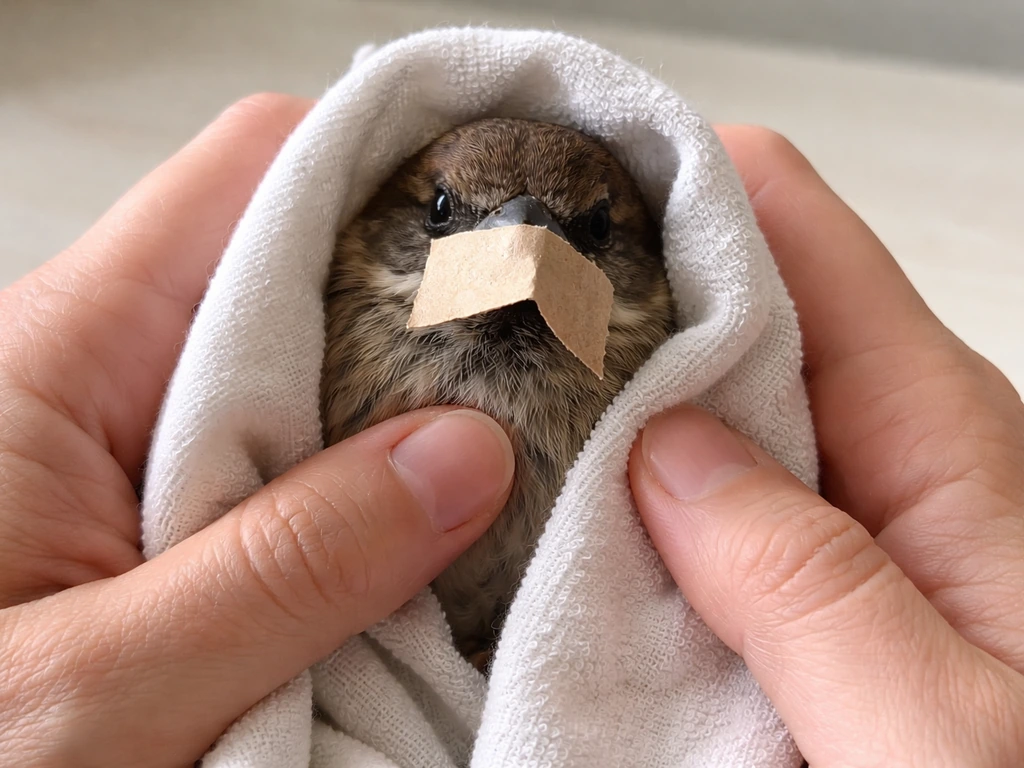
Loose paper stuck over or around the beak is usually the simplest situation. Have one person hold the bird securely in a cloth, keeping wings against the body and supporting the keel (the breastbone). The second person works on the material. If the paper is dry and loose, peel it back gently in the direction it came from. If it is damp or has stiffened against the beak, dampen it further with a small amount of warm water on a cotton swab or soft cloth, wait 20 to 30 seconds for it to soften, then peel slowly. Never yank or pull sharply. If any part of the paper seems bonded to skin around the bill, stop and call a rehabilitator.
Label, sticker, or adhesive card stuck to feathers or skin
Do not attempt to peel adhesive material directly from feathers or skin. Pulling adhesive off feathers strips the feather structure and can tear skin. The immediate priority is to cover any exposed sticky surface with a plain paper towel or a light dusting of cornmeal or flour so the bird does not become more stuck while you arrange care. Then contact your nearest wildlife rehabilitator. Professionals use specific oils and solvents in controlled amounts to release adhesive from feathers, and attempting this yourself risks introducing substances that damage waterproofing and insulation.
Paper, card, or ribbon wrapped around feet or legs
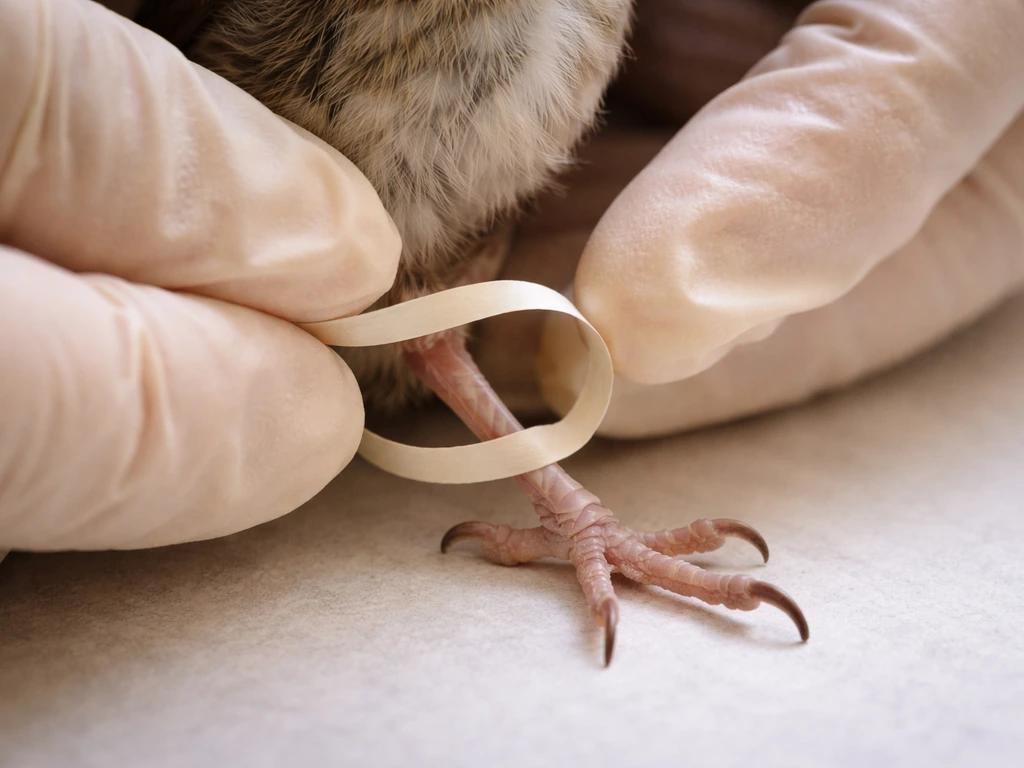
This is where you need to be most careful. Anything looped around a bird's leg or toes can tighten as the bird moves, cutting off circulation. Swelling, discoloration, or a cold toe compared to the others means circulation may already be compromised. If you see any of those signs, do not attempt removal at home; get the bird to a rehabilitator the same day.
If the material looks loose and non-adhesive, here is how to proceed: have one person hold the bird wrapped in a cloth, with the leg you are working on gently extended. Use blunt-tipped scissors or seam-ripper scissors and carefully slide one blade under the material, keeping the flat of the blade against the leg, not the point. Cut slowly away from the body. Remove all fragments and check that nothing remains under the toes or between the digits. Even after a clean visual removal, watch the bird for several minutes to confirm the toes are warm and the bird can bear weight.
If the material is wet paper that has dried tightly against the leg, soften it with warm water first. If it does not release easily, stop. Embedded material requires professional removal. The research on stringfoot in pigeons makes this very clear: strands that have had time to tighten can embed into tissue and cause gangrene, digit loss, and death if not fully removed under proper conditions.
Card or paper entangled in wing feathers
A loose sheet of paper caught in wing feathers without adhesive can often be worked free by gently opening the wing and sliding the material out in the direction of the feather barbs (tip to base). Move slowly and support the wing fully so you are not torquing the joint. If the material is tangled around multiple feathers, do not try to unwind it all at once. Work one feather at a time. If anything seems bonded, looped, or causing the feathers to bunch, stop and transport the bird rather than risk a wing injury. A wing that cannot open fully after material is removed still needs professional evaluation.
Tools that help without causing harm
- Blunt-tipped embroidery or seam-ripper scissors: the safest cutting option for material near legs and feet
- Warm water on a cotton swab or soft cloth: softens dried paper or cardboard before removal
- Plain paper towels: use for wrapping the bird, lining the box, and covering exposed adhesive surfaces
- A lightweight tea towel or clean thin T-shirt: ideal for initial capture and holding; avoid terry cloth
- A headlamp or small flashlight: keeps your hands free while you work on a small area
- A shoebox with ventilation holes punched in the lid: the standard temporary containment solution
- A warmed water bottle wrapped in a towel: placed beside (not under) the bird if it seems cold or shocky
- Thin disposable or nitrile gloves: protect you and reduce the transfer of human scent and oils onto the bird
Things to avoid: tweezers or pliers near delicate tissues, household adhesive removers or solvents (acetone, rubbing alcohol, WD-40) unless directed by a rehabilitator, tape of any kind to 'hold things in place,' and any restraint that puts pressure on the bird's keel or chest, because birds breathe using chest expansion and pressure there can suffocate them very quickly. If you are dealing with a “bird chest” situation, stop and get the bird evaluated, because chest pressure can quickly become life-threatening.
After you remove the material: checking the bird and next steps
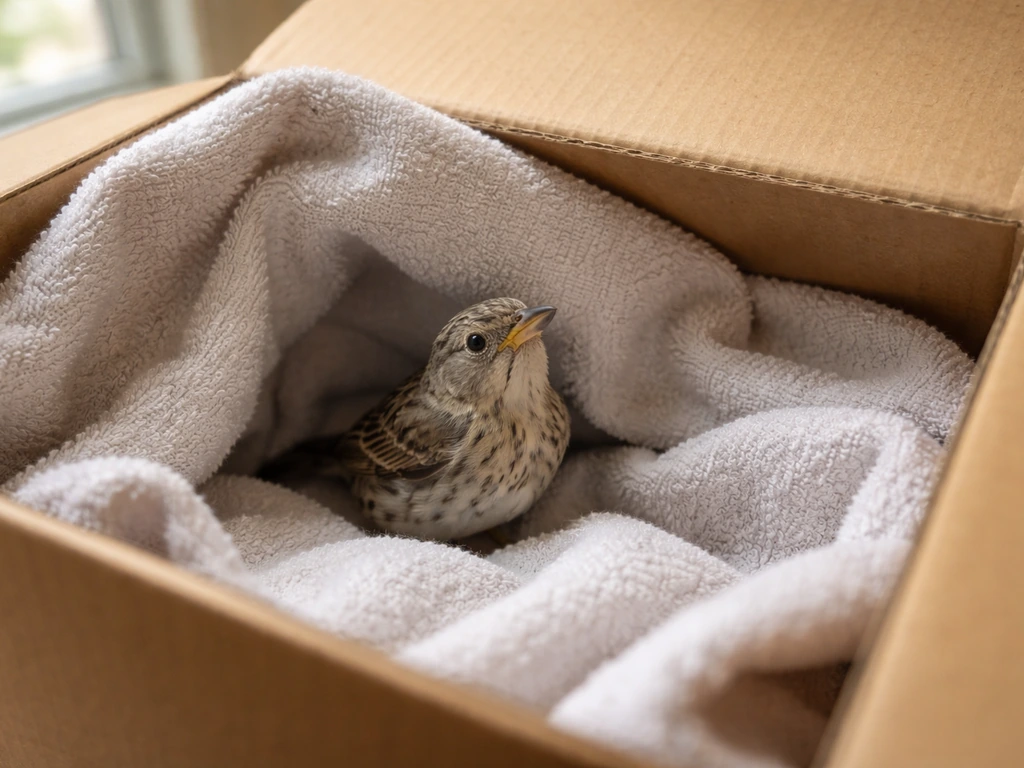
Successful removal does not mean you are done. Return the bird to the quiet, covered box for at least 15 to 20 minutes before deciding whether to release it. Watch for the following before release:
- The bird is alert, holding its head upright, and reacting to sounds
- Both wings fold symmetrically against the body
- All toes are warm and the bird shifts weight on its feet normally
- Breathing looks regular (no open-mouth breathing or tail-bobbing with each breath)
- No visible bleeding, swelling, or asymmetry in the affected area
If the bird passes those checks, take it outside to a sheltered spot with cover nearby (a shrub or low branch) and open the box at ground level. Let it leave on its own. Do not throw it into the air.
Contact a licensed wildlife rehabilitator if: the bird fails any of the checks above, you were not able to remove all the material cleanly, the material involved adhesive or was embedded, the legs or feet looked discolored during or after removal, the bird seems lethargic 20 minutes after containment, or you have any doubt at all about whether it is okay. The standard to apply is simple: if you are not confident, make the call.
Rehabilitators would rather hear about a bird that turned out to be fine than miss one that needed care. Larger birds such as geese, swans, herons, or raptors should not be handled by untrained people at all. Call local animal control or a licensed rehabilitator for those species.
For transport to a clinic, keep the bird in the ventilated box, place it on the seat rather than the trunk, keep the car quiet and the temperature moderate, and do not check on the bird repeatedly during the drive. Stress during transport is a real cause of death in already-compromised birds.
How to stop this happening again: a seasonal building plan
Most entanglement incidents around buildings trace back to a small number of recurring problems: loose litter that birds pick up for nesting, improperly secured waste, and debris accumulating in areas where birds forage or roost. A straightforward seasonal routine addresses most of them.
Spring (nesting season, March to May)
Birds are actively collecting nesting material. Paper scraps, string, ribbon, and labels from outdoor bins and loading docks are prime targets. Audit your building perimeter for loose paper and packaging waste at least weekly. Secure recycling bins with lids. Remove any flyers, posters, or labels that are peeling loose from exterior surfaces. If you manage a site that uses sticky pest traps outdoors, switch to enclosed or cage-style traps during nesting season, since open glue boards are a documented source of entanglement and adhesive injuries.
Summer (fledgling season, June to August)
Young birds are on the ground and at low perches more frequently, making them more likely to encounter ground-level litter. Walk the property weekly and pick up any paper, plastic wrap, or twine. Check rooftop drainage and gutters for accumulated debris that birds might investigate. If birds are roosting on ledges or signage, installing physical deterrents like sloped surfaces or bird wire is appropriate; coiled spike strips can also entangle birds if installed incorrectly, so follow manufacturer guidance and use only properly spaced systems.
Fall (migration, September to November)
Window and glass strikes increase during migration as birds move at night and collide with lit buildings. A struck bird that is disoriented on the ground is more likely to come into contact with ground-level debris. Reduce exterior lighting during peak migration nights (typically late September through October), apply window collision deterrent film or tape patterns on high-risk glazing, and keep ground-level areas around building bases clear of litter.
Winter (roosting season, December to February)
Birds concentrate around heat vents, signage, and protected ledges. Check those areas monthly for accumulated debris. Outdoor events and markets generate significant paper and card litter; make sure waste collection is immediate rather than end-of-day, since birds forage actively around foot-traffic areas.
Year-round building adjustments
- Use enclosed recycling and waste containers with fitted lids, especially for paper and cardboard
- Ensure dumpster areas are managed and lids kept closed
- Remove peeling exterior signage, labels, and torn banners promptly
- Replace open adhesive pest traps with enclosed alternatives near areas where birds forage
- Install bird-safe netting or wire at known entry points to enclosed spaces where birds get trapped
- After outdoor events, sweep and collect all paper, ribbon, and packaging material immediately
- If birds regularly roost on ledges near signage or lighting, consult a pest management professional about humane physical deterrents before breeding season begins
Legal considerations and when to escalate
In the United States, most wild birds including songbirds, waterfowl, shorebirds, and raptors are protected under the Migratory Bird Treaty Act. This means that capturing, holding, or handling them without authorization is technically a federal matter, even when your intent is to help. The practical reality is that brief handling to assist an injured bird is generally tolerated when done humanely and when the bird is promptly transferred to a licensed rehabilitator or released once able. However, there are clear lines you should not cross.
- Do not remove a leg band, neck collar, flag, or any research marker from a living bird. These belong to banding studies coordinated through the USGS Bird Banding Laboratory, and removing them destroys valuable data. If you find a dead banded bird, you can remove and report the band to USGS after documenting it.
- Do not keep a wild bird longer than necessary to stabilize and transport it. Holding a protected species without a state or federal rehabilitation permit is illegal.
- Do not attempt to remove material from raptors (hawks, owls, eagles), herons, pelicans, swans, geese, or any large bird yourself. These birds can cause serious injury, and their size and stress response make amateur handling genuinely dangerous. Call a licensed wildlife rehabilitator or your local animal control agency.
- If you are outside the United States, check your national and local regulations, as rules on handling protected species vary significantly by country and region.
- When you call a rehabilitator, have ready: the species if you can identify it, where you found it, what material was on it, what you have already done, and any signs of injury or distress you observed.
The core principle from wildlife agencies is consistent: minimize handling, minimize stress, and escalate to professionals when in doubt. Your role in an entanglement situation is to safely contain the bird, assess whether simple removal is appropriate, attempt it only if conditions are clearly safe, and then either release or transfer the bird promptly. That is genuinely the most helpful thing you can do.
If your situation involves a bird stuck on a glue trap or pest control product rather than loose paper, the guidance shifts toward professional handling almost entirely. Adhesive removal from feathers and skin requires controlled technique, and the material can compromise a bird's waterproofing and insulation even after it appears clean. Contact a wildlife rehabilitator first and keep the bird contained and warm while you wait for guidance.
The same applies if you are dealing with a bird entangled in netting, mesh, or string rather than a flat card or paper, since those materials tighten with movement in ways that can cause circulatory damage quickly, as covered in how to get rid of bird legs and related entanglement scenarios.
If you also need help with swallowing bird how to get rid of issues, the fastest and safest option is to contact a wildlife rehabilitator since embedded or adhesive-like materials often need professional removal how to get rid of bird legs. If the material is wrapped around a bird’s legs, the safest next step is usually to contact a licensed wildlife rehabilitator right away how to get rid of bird legs.
If you are dealing with a cardinal specifically, follow the same safety steps and contact a licensed rehabilitator promptly if the bird cannot perch, is bleeding, or looks tangled in a way that might be embedded how to get rid of bird legs and related entanglement scenarios. If you are looking for specific tips, the process for how to get rid of a cardinal bird follows the same safety steps and escalation thresholds described for other entangled songbirds.
FAQ
What should I do if I cannot tell whether the “card” is sticky adhesive or just paper/cardboard?
Before touching the bird, look for shine and residue on feathers (glossy spots, clumps, or a gummy feel). If you suspect adhesive or cannot confidently identify the material, treat it like adhesive, keep the bird contained and call a licensed wildlife rehabilitator rather than trying to peel it off.
Is it ever safe to use a hairdryer, warm air, or extra heat to loosen stuck paper or card?
No. Avoid direct heat sources because birds can overheat quickly and heat can worsen stress. Use only small amounts of warm water applied with a cotton swab or soft cloth to soften paper when the bird is contained and calm.
Can I cut the material off instead of peeling it?
Only consider cutting when the material is clearly loose, dry, and not wrapped tightly around legs or toes, and only if you can keep the bird stable with wings supported. Never cut if there is bleeding, embedded material suspected, toes discoloring or cold, or if the material seems looped and tightening, in those cases transport to a rehabilitator.
What if the card is stuck to the bird’s wing feathers and the wing will not open fully after removal?
If the wing cannot extend or the bird shows persistent abnormal posture after you remove what you can, do not attempt further manipulation. Place the bird back in a covered, quiet box and contact a wildlife rehabilitator for evaluation the same day.
Should I try to wipe off adhesive with baby oil, coconut oil, or cooking oil at home?
Do not apply household oils or other substances unless a rehabilitator tells you exactly what to use. Oils can foul feathers and affect waterproofing and insulation, making the bird colder and more vulnerable even if the entanglement looks better temporarily.
What’s the safest way to hold the bird while removing a paper piece near the beak?
Use a cloth wrap that keeps wings pressed against the body and supports the breastbone (keel). Avoid squeezing the chest, since birds rely on chest expansion to breathe. Work slowly with one person stabilizing and a second person removing only what peels easily.
What signs mean circulation might already be compromised from a looped card or material around a leg?
Swelling, darkening or bluish discoloration, a toe that feels colder than the others, and visible tight lines in the skin are red flags. If you notice any of these, stop trying to remove it and arrange professional help immediately (same-day if possible).
If the material comes off cleanly, how long should I wait before deciding to release the bird?
Wait at least 15 to 20 minutes after containment, keeping it quiet and covered. During that time, reassess footing and breathing (calm posture, normal responsiveness) and only proceed to release if it passes those checks.
Where and how should I release the bird if it looks okay after waiting?
Release at ground level in a sheltered spot nearby (for example, under a shrub or near a low branch). Open the box so it can leave on its own, do not throw or drop it, and avoid crowded areas where it can quickly panic or re-encounter hazards.
What if I removed some of the material but I cannot be sure there are no fragments under toes or between digits?
If you are not confident you removed every fragment, contact a licensed wildlife rehabilitator. Small leftover pieces can keep tightening, cause swelling, or lead to tissue damage even if the bird initially looks alert.
How should I transport the bird, and where should the box be placed in the car?
Use a ventilated, covered box placed on the passenger seat rather than the trunk. Keep driving smooth, the car quiet, and the temperature moderate. Avoid repeatedly checking on the bird during the trip, since additional disturbances increase stress-related risk.
What should I do immediately after an incident to prevent other birds from getting stuck nearby?
Do a quick cleanup of loose paper, twine, ribbon, labels, and any adhesive-related hazards around the exact location. Audit frequently in the same week, because nesting and foraging activity means the area can quickly collect more material again.
Do I need to report it or worry about legal permission if it is a protected wild bird?
In many places, wild birds are protected, and unauthorized handling can create legal risk. Practically, brief humane assistance is generally tolerated when you quickly transfer care to a licensed rehabilitator, but you should avoid keeping or transporting birds longer than necessary and escalate early.
Next Articles
How to Get Rid of a Cardinal Bird Safely and Humanely
Humane, step-by-step ways to safely encourage a cardinal to leave, stop window strikes, and prevent nesting.
How to Get Rid of Bird Roosting Around Your Building
Humane bird roost removal guide: secure entry points, safe cleanup, deterrents, and prevention plan with when to hire pr
How to Get a Trapped Bird Out of Your House Safely
Humane, step-by-step guide to get a trapped bird out safely, handle injuries, and prevent future entry.