The fastest way to reduce ants in a bird aviary is to remove what's drawing them in: clean up spilled seed and food waste immediately, pull feeders and water dishes out of reach, and physically block the entry routes you can spot today. You can do most of this without touching a single pesticide, which is exactly how it should be when birds are involved. Once the immediate pressure is down, you can work through a proper inspection, seal the gaps, and put longer-term deterrents in place so they don't come back next week.
How to Get Rid of Ants in a Bird Aviary Safely
Maya Carver
10 Jun 2026
Why ants show up in a bird aviary
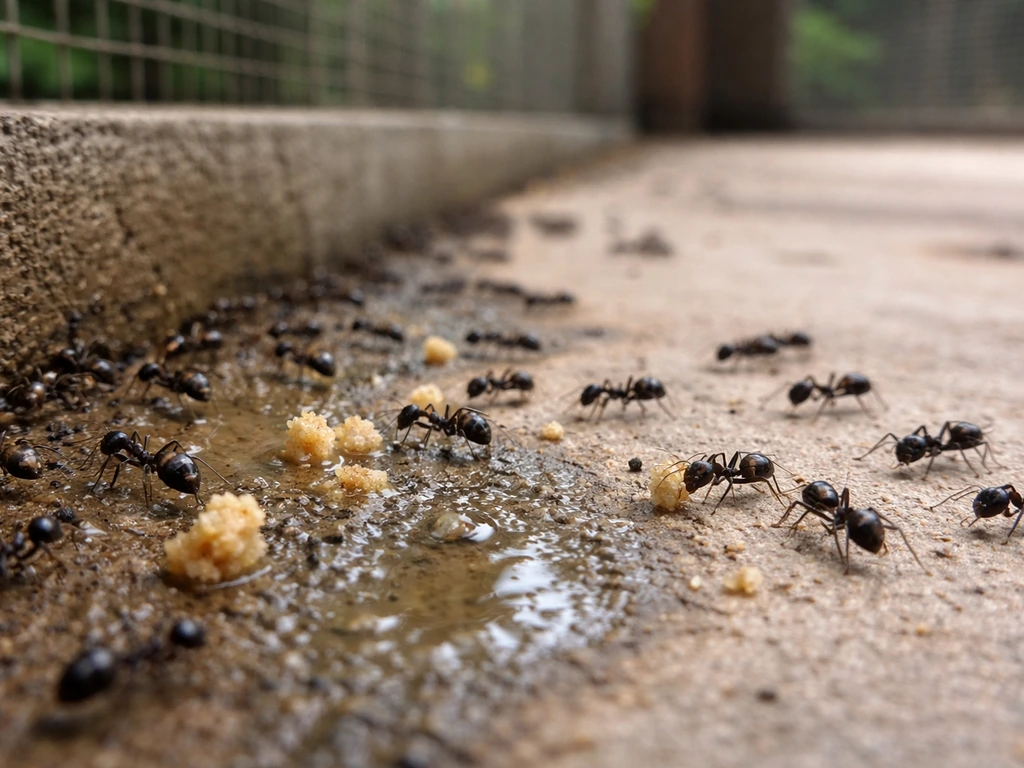
Ants are opportunists. They follow chemical trails to food and water, and a bird aviary is essentially a buffet sign written in pheromones. The most common attractants are spillage from seed feeders, wet or fermented fruit, softfood mixes, pellets sitting in damp substrate, and standing water in shallow dishes. Protein-seeking ants (like fire ants and pavement ants) will also target mealworms, egg food, and even small invertebrates living in the aviary substrate.
One attractant people often overlook is blank" rel="noopener noreferrer">honeydew from sap-sucking insects. blank" rel="noopener noreferrer">Aphids, scale insects, and mealybugs feeding on plants near or inside the aviary excrete a sticky, sugar-rich fluid that ants actively farm. Carpenter ants, fire ants, and many other species will forage specifically to collect it. If you have potted plants, aviaries with living walls, or shrubs close to the structure, check them carefully for an active aphid or scale infestation before you do anything else.
- Spilled or stale seed on the aviary floor or shelf surfaces
- Softfood, fruit, egg food, or nectar left out overnight
- Mealworms or other live/dried insects in feeding dishes
- Damp or decomposing substrate, wood chips, or bark
- Standing water in shallow dishes or puddles near the base
- Honeydew from aphids, scale, or mealybugs on nearby plants
- Sweet droppings or berry-stained perches inside the aviary
- Gaps or cracks giving access to structural voids where ants nest
Quick emergency actions to reduce ant traffic today
Before you plan anything long-term, knock down the immediate problem. These steps are safe to do right now, even with birds still in the aviary.
- Remove all food dishes, seed trays, and water bowls. Wash them with hot soapy water, rinse thoroughly, and dry before returning them.
- Sweep or vacuum every visible seed, food crumb, and debris from the aviary floor, shelves, and perch surfaces.
- Mop or wipe down hard surfaces with a dilute white vinegar solution (1 part vinegar to 3 parts water). This disrupts existing scent trails without harming birds once dry.
- Temporarily suspend feeders on thin wire hangers with a water moat or petroleum jelly-coated pole so ants cannot reach them. Never apply petroleum jelly directly to wire mesh birds contact.
- Check any potted plants inside or immediately outside the aviary for aphids, scale, or mealybugs and remove affected plants immediately.
- Lay a temporary physical barrier at doorways: a thin line of food-grade diatomaceous earth (DE) across thresholds that birds cannot reach or walk through.
- If you see a live ant trail, follow it back to the entry point and block it temporarily with tape or caulk while you plan a permanent fix.
Do not spray any aerosol insecticide, residual contact spray, or essential oil concentrate inside or immediately outside the aviary at this stage. Birds have extremely sensitive respiratory systems and many commonly available ant sprays contain pyrethroids, organophosphates, or carrier solvents that are acutely toxic to birds even at small doses. Stick to physical removal and trail disruption until you have moved the birds to a safe area if chemical intervention becomes necessary.
Find where they're coming in and nesting
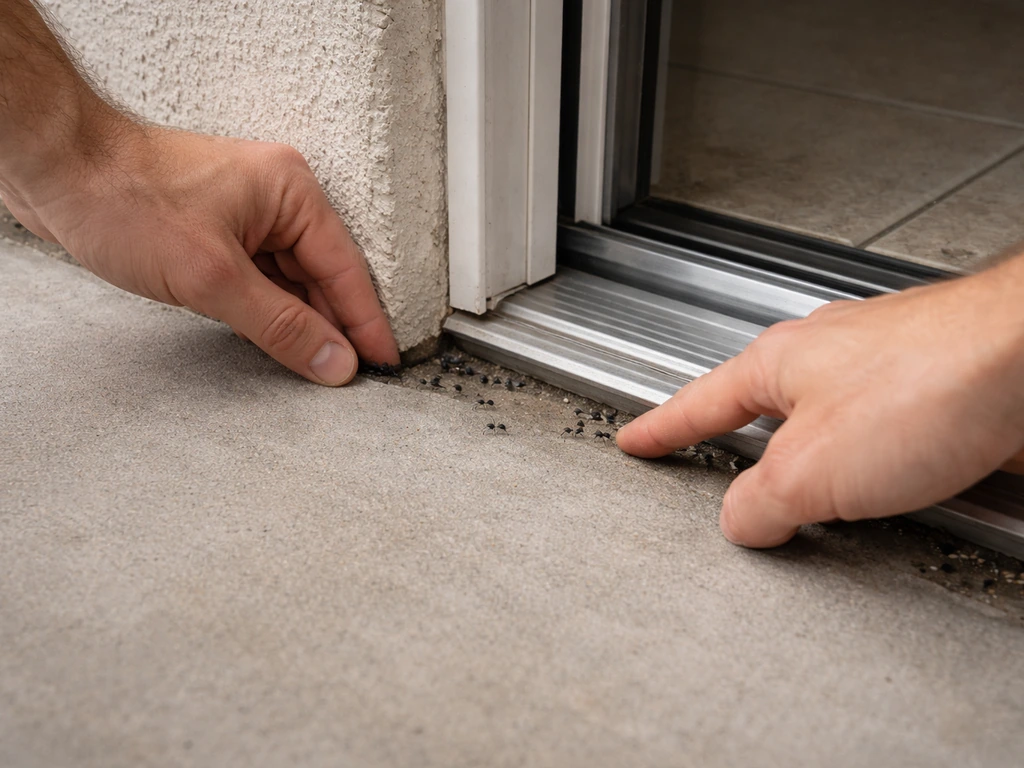
A proper inspection only takes 20 to 30 minutes and tells you whether you're dealing with foraging ants coming in from outside or a colony that has actually nested in or under the structure. The answer changes your whole control strategy.
Inspection checklist
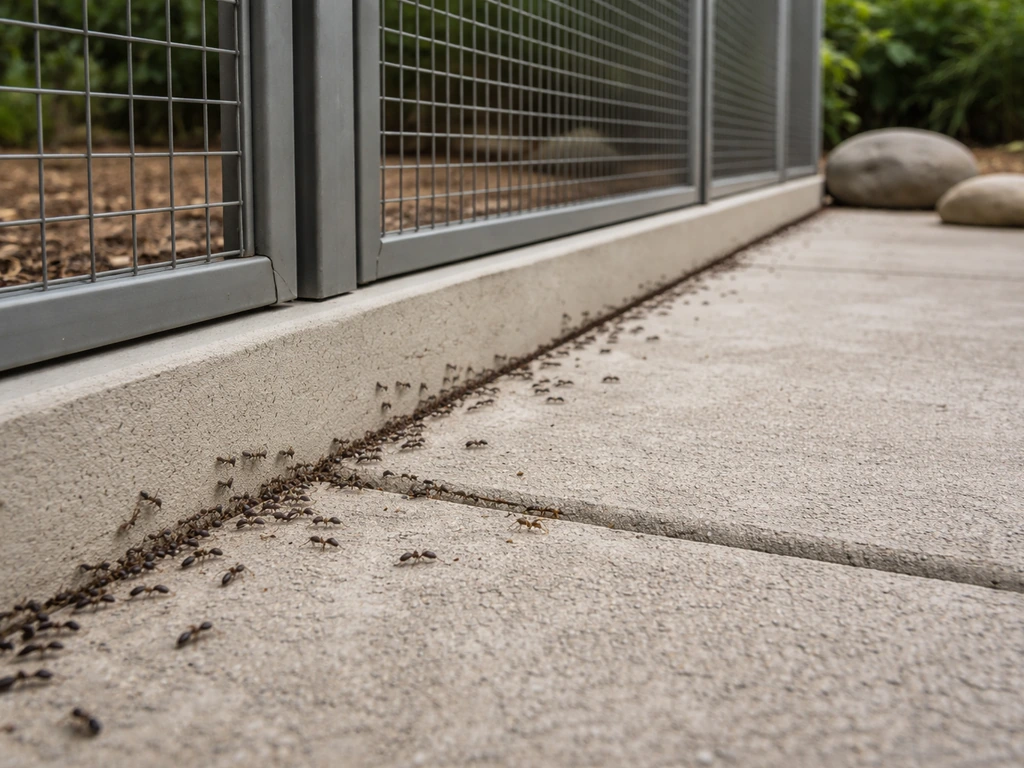
- Walk the outside perimeter at ground level. Look for ant trails along the base of walls, under door thresholds, or up posts and legs.
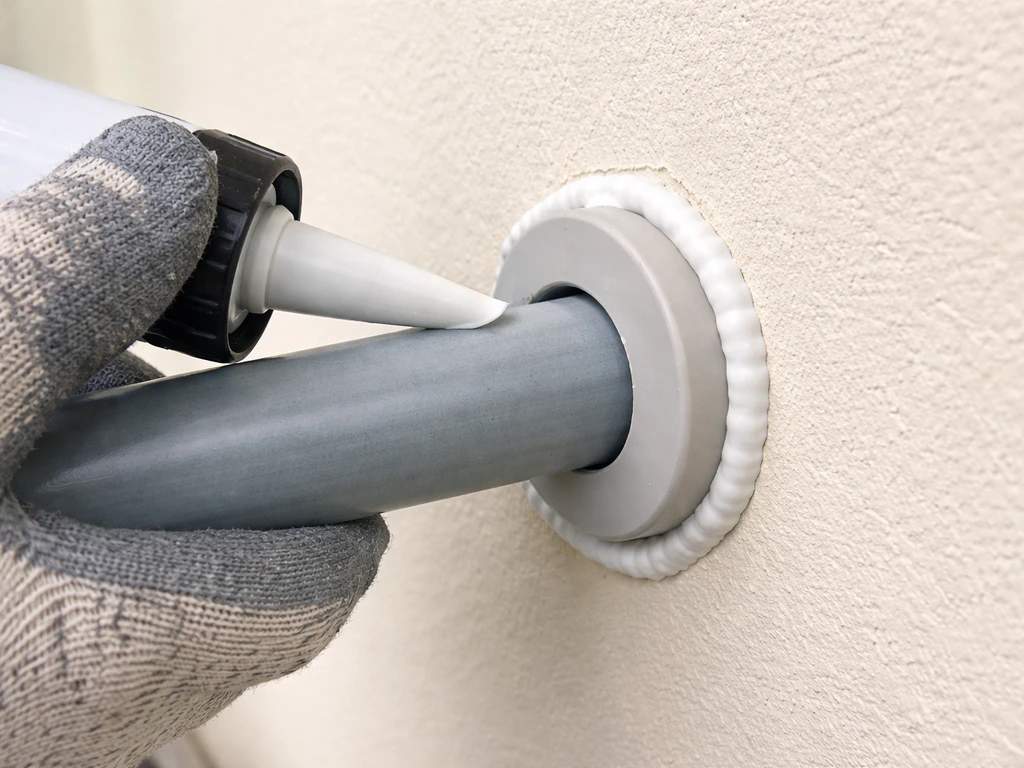
- Check every utility penetration: conduit, water pipes, electrical cable entries, and drain holes. Ants use these regularly.
- Inspect the bottom edges of door frames and window frames for gaps wider than 1mm.
- Look at every joint where different materials meet: wood-to-concrete, metal post-to-concrete pad, wire mesh-to-timber frame.
- Check beneath the aviary if it sits on a concrete slab or timber platform. Tap hollow-sounding timber, as carpenter ants and moisture ants nest in damp or rotting wood.
- Inside the aviary, look under substrate, inside hollow perches or nest boxes, and behind any fixed equipment.
- At night, use a flashlight to follow ant trails. Ants active at night in and around the aviary may indicate a nocturnal species like carpenter ants.
- Check nearby soil, mulch beds, and plant pots for visible nest mounds or entry holes within 3 meters of the aviary.
Troubleshooting flowchart: where is the colony?
- Are you seeing ant trails coming from outside the aviary and entering through a gap? → Seal entry points and use exterior bait stations. No nest inside.
- Are you seeing ants emerging from the floor, substrate, or structural timber inside the aviary? → The colony may be nesting inside or directly beneath the structure. Remove birds and address the nest directly.
- Are you seeing winged ants (swarmers) inside the aviary? → This strongly suggests an established nest nearby or inside the structure. Treat it as a nesting situation, not just foraging.
- Are ants concentrated around one food source but disappearing after cleanup? → Foraging only. Sanitation and entry sealing should resolve it.
- Are ants present even after thorough cleaning and entry sealing? → Reassess for hidden food sources (e.g., insects in substrate, honeydew from plants) or an internal nest.
Humane, bird-safe control methods
Cleaning protocols that actually work
The single most effective long-term ant control tool in an aviary is a consistent cleaning schedule. Feed only what birds will consume within 30 minutes for wet foods, fruit, and live insects. Remove uneaten food before it sits overnight. Sweep dry seed daily and do a full mop-down of hard surfaces with dilute white vinegar or a bird-safe aviary disinfectant at least twice a week. Replace substrate regularly because seed hulls, droppings, and decomposing material deep in the bedding become a permanent food source for both foraging ants and the insects they farm.
Physical barriers
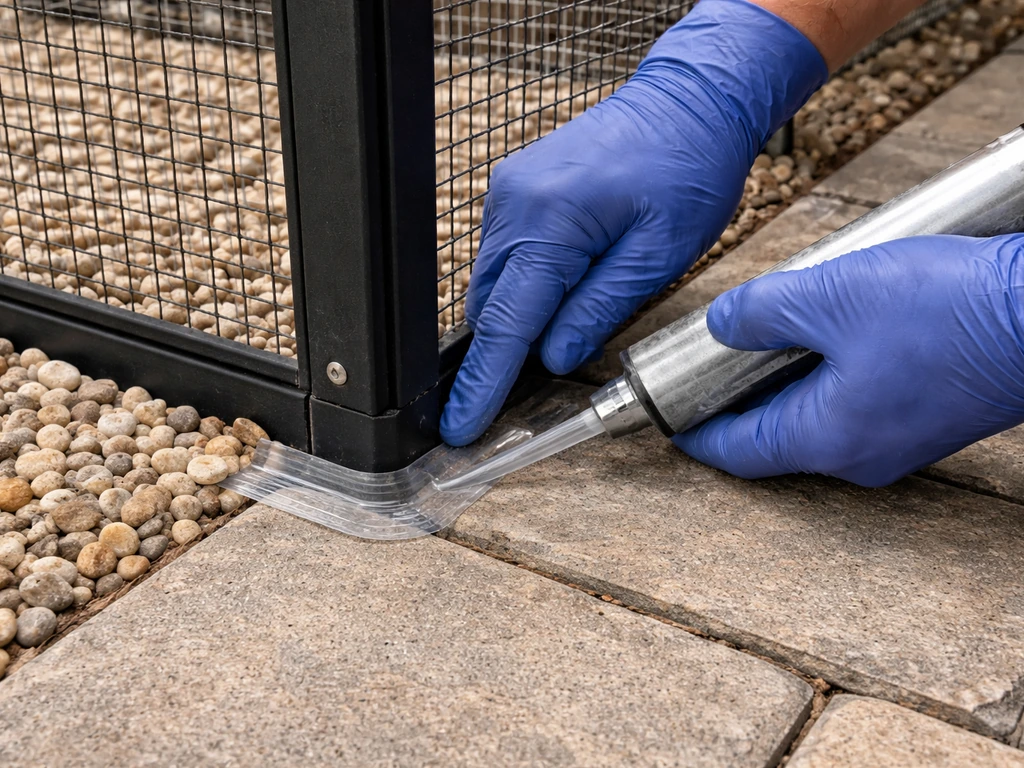
Physical barriers are completely bird-safe and highly effective when applied correctly. If you want a broader prevention angle, see our guide on how to mouse proof a bird aviary for more enclosure-focused barrier ideas bird-safe control methods. The best approach for an aviary on legs or a stand is a water moat: place each leg inside a container filled with water and a drop of dish soap. Ants cannot cross it.
Petroleum jelly applied to the outside of metal or plastic legs (not surfaces birds walk on) also blocks ant access. For aviaries sitting directly on the ground, a ring of food-grade diatomaceous earth around the outside perimeter damages ant exoskeletons on contact and degrades harmlessly. Reapply after rain. Caulk or weatherstrip every gap you found during inspection using a silicone or polyurethane caulk rated for outdoor use.
Ant bait: the right way to use it near birds
Slow-acting ant baits that contain boric acid or insect growth regulators are far safer around birds than contact sprays, but they still require careful placement. The goal is to position bait stations where foraging ants can find them but birds absolutely cannot. This means placing stations outside the aviary on active ant trails, never inside the bird area, and using enclosed bait station housings that prevent birds from accessing the gel or granule inside. Check that the bait product label explicitly permits use in areas with birds or livestock nearby, and follow all label instructions exactly. Off-label use of any pesticide is both illegal and dangerous.
Give bait stations 5 to 14 days to work. Avoid disturbing the trail between the bait and the nest during this period. Killing foragers prematurely with sprays will interrupt bait uptake. Once worker ants carry the bait back to the colony and feed it to larvae and the queen, the population collapses from within.
Managing plants and insects near the aviary
If aphids, scale, or mealybugs are present on plants near the aviary, controlling those insects removes the honeydew food source that draws ants in. Blast aphids off plants with a strong jet of water or treat with insecticidal soap applied well away from the aviary. Do not use neonicotinoid-based systemic pesticides on plants within foraging range of the aviary. Those compounds can persist in pollen and plant tissue and represent a real risk to birds. Trim any branches, vines, or vegetation touching the aviary structure to remove ant bridges from nearby plants.
If ants keep coming back: troubleshooting and ant type
If you've cleaned thoroughly, sealed entry points, and used bait stations but ants are still appearing within a week or two, the problem is usually one of three things: a nest you haven't found yet, a food source you haven't eliminated, or an ant species that behaves differently from the typical foraging ant. Ant type matters more than most people realize.
| Ant type | Key behavior | What this means for your aviary | Best control approach |
|---|---|---|---|
| Argentine ants | Supercolonies, multiple queens, rapid spread | Extremely persistent foragers; bait works but needs patience and large coverage | Exterior bait stations on all trails; seal every gap |
| Carpenter ants | Nest in moist/rotting wood; forage at night; eat honeydew and protein | May be nesting inside aviary timber; structural damage risk | Find and remove moist wood; professional treatment if inside walls |
| Fire ants | Aggressive; mound nests; eat honeydew and protein; sting birds | Direct risk to birds, especially chicks and ground-dwelling species | Treat mounds with bait products labeled for fire ants; keep birds away during treatment |
| Pavement ants | Nest under slabs and concrete; short foraging trails | Common in aviaries on concrete; trails often appear along slab edges | Bait stations at slab edges; caulk expansion joints |
| Odorous house ants | Multiple queens; trail along wires and pipes; sweet-feeders | Follow water pipes and electrical conduit into aviaries | Bait stations on active trails; seal utility penetrations |
If ants are bypassing bait stations, check whether you accidentally contaminated the bait with cleaning products, whether the bait has dried out (replace every 2 to 3 weeks), or whether foragers have found a competing food source that's more attractive. Clear away all food residue and leave only the bait accessible on the trail. If the aviary has multiple access points, you may need bait stations at all of them simultaneously.
Long-term prevention and seasonal proofing plan
Ants are most active from late spring through early fall in most climates, with peak pressure typically in May through September. Building a simple seasonal maintenance schedule means you're ahead of the problem before it starts, not reacting after an infestation is established.
Ongoing maintenance habits
- Daily: Remove uneaten wet food, fruit, and live insects within 30 minutes of feeding; sweep dry seed from floors and shelves.
- Twice weekly: Mop hard surfaces with dilute vinegar or bird-safe disinfectant; check and empty shallow water dishes that aren't actively in use.
- Monthly: Inspect all caulked joints, weatherstripping, and utility penetrations for new gaps; top up or reapply diatomaceous earth barrier after wet weather.
- Every 2 to 3 weeks during ant season: Replace bait station contents and check for ant activity around the perimeter.
- Every 3 months: Full substrate replacement; inspection of all timber for moisture damage or soft spots that could attract carpenter ants.
Seasonal proofing
- Early spring (March to April): Inspect and re-caulk the entire perimeter before ant colonies become active. Check for winter frost damage to sealant. Treat any overwintering aphid eggs on nearby plants.
- Late spring to summer (May to August): Peak foraging season. Put bait stations in place proactively. Increase cleaning frequency. Check under substrate weekly for signs of activity.
- Fall (September to October): Ants look for shelter and food before winter. Inspect structural timber and check for ants moving into wall voids. Remove any leaf litter or mulch piled against the aviary base.
- Winter: Inspect for moisture damage in timber. Repair any damaged caulk. Note any late-season ant activity as it often indicates a colony nested inside the structure.
If you're also dealing with mice in or around the aviary, many of the same sanitation and sealing principles apply, and the two problems often appear together during colder months when pests seek warmth and food simultaneously.
Safety and legal notes, and when to call a professional
Pesticide safety rules for bird facilities
- Always read the pesticide label completely before use. The label is a legal document. Using any pesticide off-label (in ways not described on the label) is illegal and voids any safety guarantees.
- Never apply any spray insecticide, fogger, or aerosol inside an enclosed aviary space with birds present. Even 'natural' or 'organic' products like pyrethrins derived from chrysanthemum are acutely toxic to birds.
- If you must treat inside the aviary structure (e.g., treating a void in a wall), remove all birds to a separate, well-ventilated area. Allow full ventilation and at minimum the full re-entry interval stated on the product label before returning birds.
- Wear gloves and wash hands thoroughly before handling birds or bird equipment after using any pest control product.
- Store all pest control products locked away from bird areas. Bait gels and granules can be attractive to birds if they escape the station housing.
- Do not use organophosphate or carbamate insecticides anywhere near a bird facility. Both classes are highly toxic to birds.
- Neonicotinoid pesticides used on plants within foraging range of the aviary represent a risk to birds through secondary exposure. Avoid them.
When to call a pest control or avian professional
Most ant problems in aviaries are solvable with the steps above, but there are situations where professional help is the right call. Call a licensed pest control operator if you find evidence of a carpenter ant colony nesting inside the structural timber of the aviary (soft or hollow-sounding wood, sawdust-like frass, or winged ants emerging from walls), if fire ants have established mounds within the aviary footprint and birds are at direct risk of stinging, or if you have a large facility with multiple infestation points that you cannot safely manage while keeping birds isolated.
When you call a pest control company, make it clear upfront that the structure houses live birds and that any treatment plan must be specifically reviewed for avian safety. Ask them to show you the product labels they plan to use and confirm the re-entry intervals. A reputable operator will accommodate this without hesitation. If you're in a facility that houses protected or native bird species under a permit, check with your wildlife authority before allowing any chemical treatment, as permit conditions may restrict which products are permitted on the premises.
If ant activity is causing visible stress to birds (especially ground-nesting species, chicks, or any bird that cannot escape the aviary floor), treat it as an emergency. Move birds first, then address the problem. Bird welfare comes before any pest control schedule.
FAQ
Is it ever okay to use ant sprays if my birds are in the aviary?
Yes, but only if you first remove birds to a separate safe area and keep all chemicals off shared surfaces. If you are using baits, place them outside the aviary on the ant trail and in enclosed housings so birds cannot reach the gel or granules, then keep bait stations undisturbed so workers can carry it back to the nest.
How can I tell if the ants are just foraging or if there is a nest in the aviary?
Do not assume a trail means there is a nest inside. Ants may be bringing food from an external colony, a nearby structure, or a potted plant. Use your inspection to identify whether ants are repeatedly entering through a specific gap (suggesting nesting nearby) versus streaming through multiple points (often foraging from outside). Then choose sealing and cleaning for foraging traffic, or professional help if you detect structural nesting.
Why do my bait stations stop working after I clean the aviary?
Cleaners can interfere with bait uptake. If you recently used detergents, disinfectants, or vinegar heavily right where ants travel, residue may repel workers or contaminate the bait. After you mop, let surfaces dry fully, avoid spraying the trail line, and keep bait stations on a clean, intact portion of the path where ants naturally walk.
What should I do if the bait seems to dry out or wash away?
If bait dries out, ants may ignore it or fail to pick up enough to share with the colony. Replace bait on the schedule recommended by the product (the article notes replacing every 2 to 3 weeks) and keep stations protected from weather and direct sun. In rainy climates, consider sheltered housings to prevent dilution.
Do I need multiple bait stations if my aviary has several ant entry points?
Yes, if ants can bypass the station. Place bait stations at every active entry route, then remove other accessible foods so the bait is the most attractive option. Also check that birds cannot access stations, since open placement often leads to accidental contamination and immediate failure.
If ants are coming from nearby plants, will trimming alone fix the problem?
No. Trimming vegetation only helps if you also eliminate the ant pathways it creates. Cut back branches or vines that touch the structure, then seal the gaps those plants previously protected. If you leave a gap open, ants can use the same route even after nearby plants are removed.
What is the most common hidden attractant besides spilled seed?
Inspect around water sources and any damp substrate or nest-like materials, because moisture supports both ant foraging and insect prey. Check for fermented fruit, wet soft food, and standing water daily, then correct the problem at the source rather than relying only on barriers or baits.
How do I maintain the water moat or petroleum jelly barriers so ants cannot cross?
Water moat legs and petroleum jelly barriers can collect debris, which gives ants tiny footholds or bridges. Clean the moats or barrier areas periodically so they stay continuous, and reapply after weather events. Also ensure the barrier is on structural legs only, not on surfaces birds walk on or perch.
What should I do if ants keep appearing after 2 weeks of baiting?
If you see ants entering but bait uptake is delayed, first verify the ant type and whether the product matches its behavior. Some species forage differently or prefer protein sources. If activity continues past the expected working window, re-check for an untreated competing food source, confirm bait placement is on active trails, and consider professional help if you suspect a non-typical ant species or an undiscovered nest.
When should I start my ant prevention schedule for the year?
Not exactly, but timing matters. Ant activity is highest late spring through early fall, so a seasonal plan should include inspections, cleaning cadence, sealing checks, and bait station readiness before peak months. In colder months, maintain the sanitation baseline to prevent ants from moving indoors when conditions change.
What should I do if I suspect carpenter ants nesting inside the aviary structure?
If you find carpenter ant signs such as hollow or soft timber, sawdust-like frass, or winged ants emerging, treat it as a nesting-in-structure scenario. Move birds first if ants are stressing them, then contact a licensed pest control operator, and require an avian-safe plan with label review and re-entry interval confirmation before any treatment.
When does ant activity become an emergency for bird safety?
If you have chicks, ground-nesting birds, or any bird that cannot easily leave the floor, ant stings and stress can become urgent. Prioritize moving birds out immediately, then address entry points and food sources. Do not wait for a 5 to 14 day bait timeline when bird welfare is at risk.
Do permits or protected bird species change what pest control methods I can use?
Yes, especially in facilities where protected species are present. Before any chemical plan, ask your wildlife or permit authority whether specific treatments are allowed on the premises and whether there are restrictions on application timing, product types, or required monitoring beyond label instructions.
Next Article
How to Make a Room Bird Safe: Steps for Escape and Prevention
Step-by-step guide to make a room bird safe, with escape tips, prevention fixes, and when to call wildlife experts.