If there's a hummingbird stuck in your garage right now, here's the short answer: turn off every interior light, open the largest door or window facing outside, and back away. That one move solves the problem most of the time. The rest of this guide covers what to do when it doesn't, how to handle an injured or exhausted bird, and how to make sure this doesn't keep happening. If the bird has not left after setting up the dark-inside and bright-outside approach, follow the next steps for troubleshooting and how to guide it safely overnight <a data-article-id="A07CC830-B79C-4B79-9D1C-789CD6C2ED80">how to get a bird out of your garage overnight</a>. If the bird has not left after setting up the dark-inside and bright-outside approach, follow the next steps for troubleshooting and how to guide it safely overnight how to get a bird out of your garage overnight.
Hummingbird Stuck in Garage: Safe Escape, Help, and Prevention

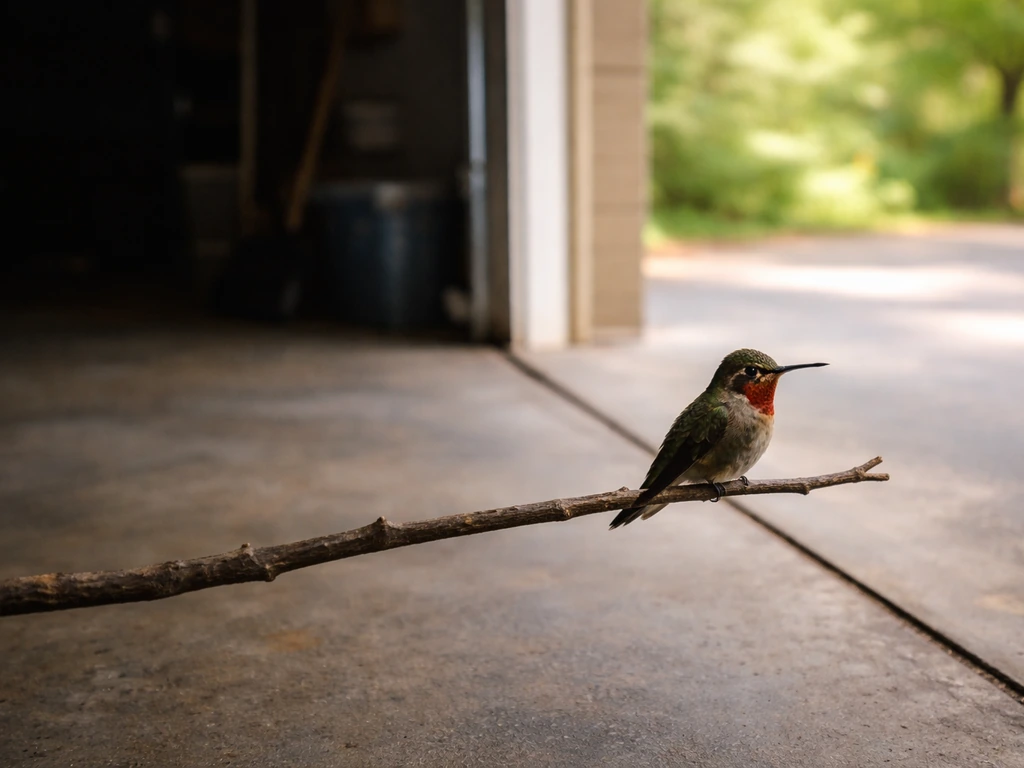
First 5 minutes: triage and what not to do
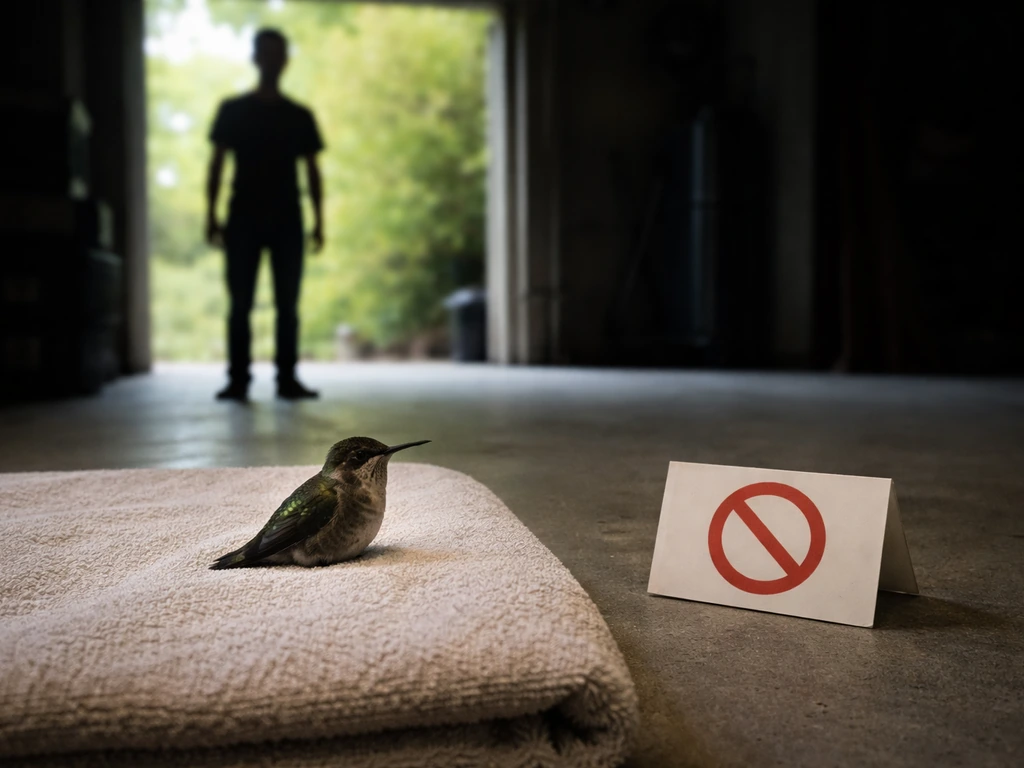
Before you do anything else, take a breath and slow down. Hummingbirds are tiny, fragile, and burn through energy at an extraordinary rate. Any unnecessary stress, chasing, waving, or yelling makes the situation worse and can actually exhaust the bird to the point of collapse. Your first job is to create the right conditions for the bird to find its own way out, not to catch it.
Here's what to do immediately, in order:
- Stop all movement and lower your voice. Tell anyone else in the garage to freeze or leave quietly.
- Turn off all interior lights, including fluorescent shop lights, overhead bulbs, and any LED strips.
- Cover or turn off any reflective surfaces you can quickly reach, especially mirrors or highly polished metal. Birds mistake reflections for open sky and will fly into them repeatedly.
- Open the largest exterior door or window fully. If your garage has a roll-up door, open it all the way.
- Step outside and wait at least 10 to 15 minutes without re-entering.
What not to do is just as important. Do not chase the bird, swing towels at it, or try to grab it out of the air while it's still flying actively. Do not use any sprays, pesticides, or chemical deterrents near a live bird. These can be fatal. Do not leave the garage door cracked partway, as hummingbirds are drawn toward the brightest point in a space, and a narrow gap may not register as an exit. Keep pets and children out of the garage until the bird is gone.
How to get the hummingbird out fast
The core technique is simple: make the inside dark and the outside bright. Hummingbirds, like most birds, instinctively move toward light. When the garage interior is dark and one large opening leads to natural daylight, the bird will usually find that exit on its own within a few minutes.
Setting up the right light and exit path
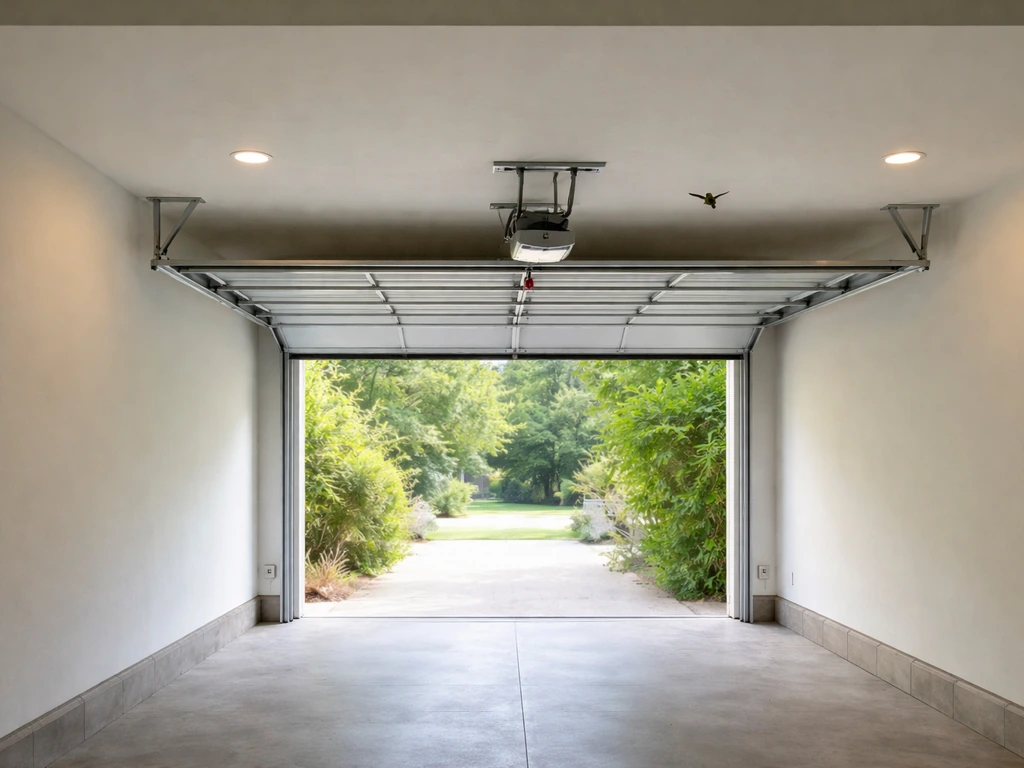
- Open the main garage door fully, not halfway. Full height matters because hummingbirds often fly high and hug the ceiling when panicked.
- If your garage has a side door or window, open that too, but make sure the largest opening is the most obvious. Too many exits can confuse the bird.
- Draw or close any blinds on interior windows that face walls or unlit spaces. You want light coming in only from the real exit.
- If it's nighttime or the garage is unusually dim inside, consider shining a flashlight outward through the open door from outside, aimed away from the bird. This creates a light gradient the bird can follow.
- Turn off the garage door opener's interior light if it's on. Every interior light source competes with the exit.
Once the setup is done, leave. Standing in the doorway blocks the exit and keeps the bird stressed. Position yourself outside where you can see the opening without being in it. Most hummingbirds will exit within 5 to 20 minutes using this method. If yours doesn't, move to the troubleshooting section below.
Guiding a bird that's stuck high up
Hummingbirds frequently get trapped near the ceiling or in high corners, especially in garages with skylights or high windows. If the bird keeps hovering near the peak of the garage and won't descend toward the open door, try temporarily blocking or covering any high windows or skylights with a sheet, tarp, or cardboard. This removes the false "exit" overhead and redirects the bird's attention downward toward the actual opening. Move slowly and avoid startling the bird while you do this.
If it still won't leave: troubleshooting and when to switch tactics
If 20 to 30 minutes have passed and the bird is still inside, reassess before trying anything more invasive. First, locate the bird. Is it still flying actively? Is it perched and resting? Is it on the ground? The answer changes what you do next.
Common reasons birds don't self-exit
- A competing light source inside is brighter than the exit. Check for any lights you missed, including pilot lights, indicator lights on tools or chargers, and light coming in through interior-facing windows.
- The exit is partially blocked, even slightly. Make sure the garage door or window is fully open with no obstructions in the flight path.
- The bird is exhausted and has landed to rest. This is normal but means it may need more time, or may need gentle intervention if it doesn't recover.
- There's a reflective surface confusing the bird. Shiny car hoods, metal shelving, and mirrors can all create false horizons. Cover what you can.
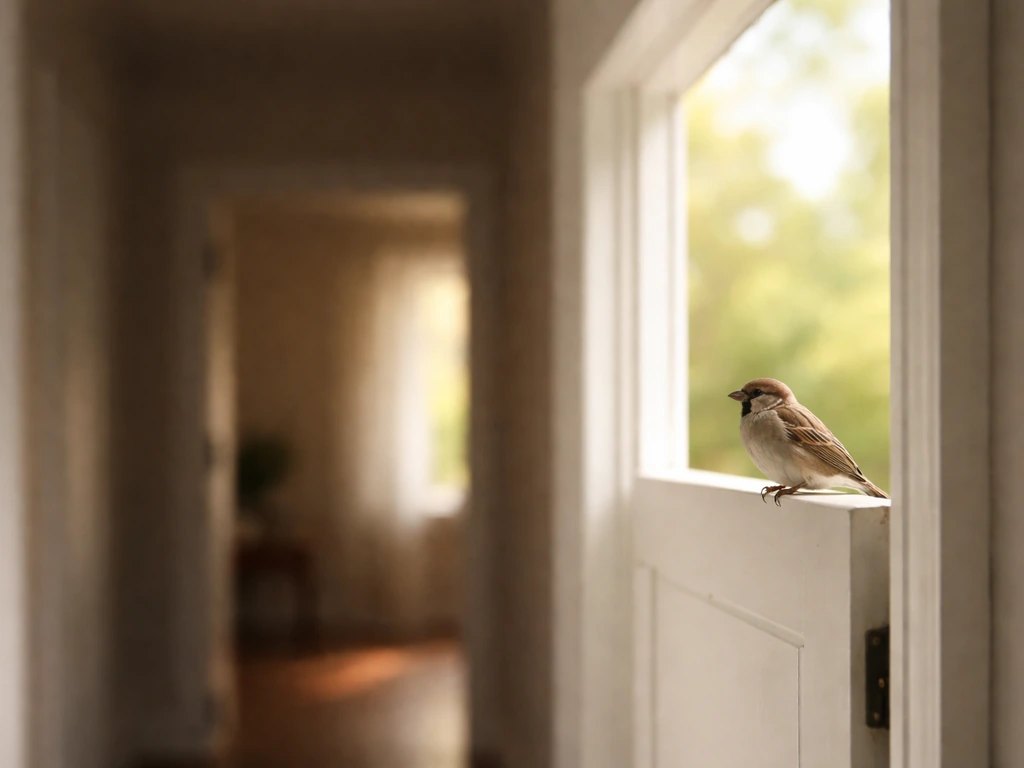
- The garage connects to an interior door that's open, giving the bird access to the rest of the house. Close all interior doors before opening the exterior exit.
If you've corrected these issues and the bird still isn't moving after 30 to 45 minutes total, it's time to consider whether the bird is healthy enough to fly out on its own. A hummingbird that's actively hovering and moving but just can't find the door is a navigation problem. One that's sitting still on the floor, barely moving, or breathing with its beak open is a health emergency. Those two situations need very different responses.
For a bird that's flying but confused, you can try a gentle physical guide as a last DIY resort. Use a broom or long stick held horizontally (not swung) to very slowly herd the bird toward the open door, never touching it. Move in small, slow increments. Think of it as redirecting airflow, not chasing. This should only be tried by one calm person, not two or three people rushing the bird from multiple directions.
Humane help if the bird is injured or exhausted
Hummingbirds have extremely high metabolisms. A bird that's been flying in a panic for more than 30 minutes, or that entered the garage already weakened, can become critically exhausted fast. If the bird is on the ground, on its side, barely responsive, or sitting with feathers puffed out and eyes half-closed, it needs help beyond what a dark garage and an open door can provide.
Minimal-stress capture basics
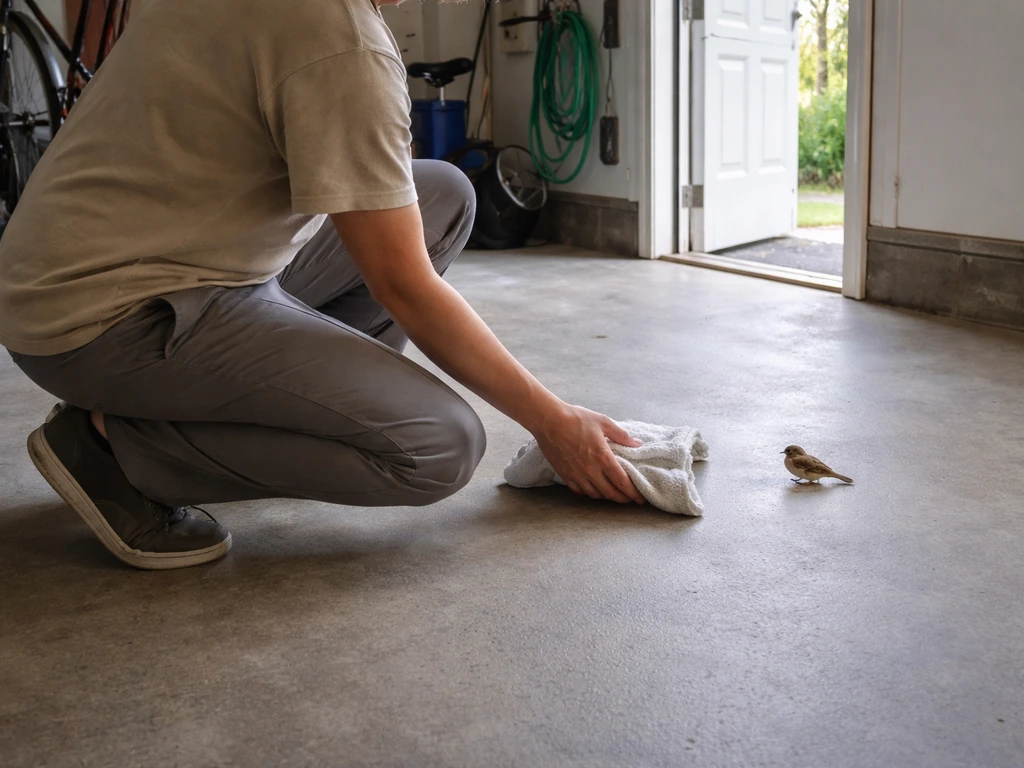
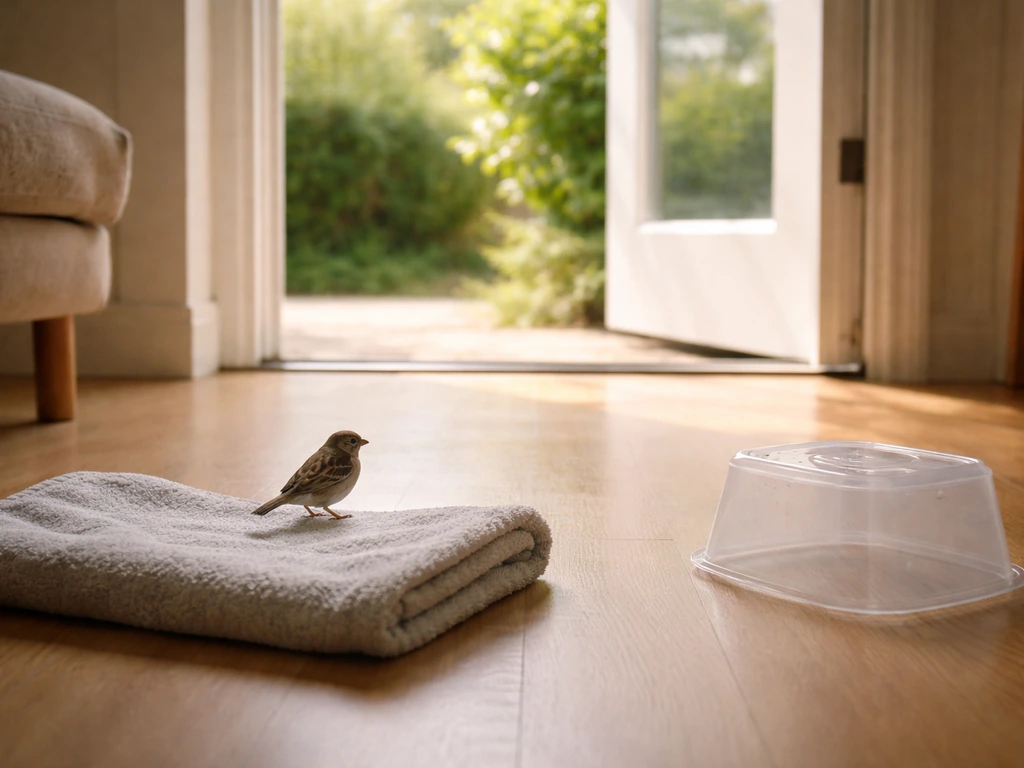
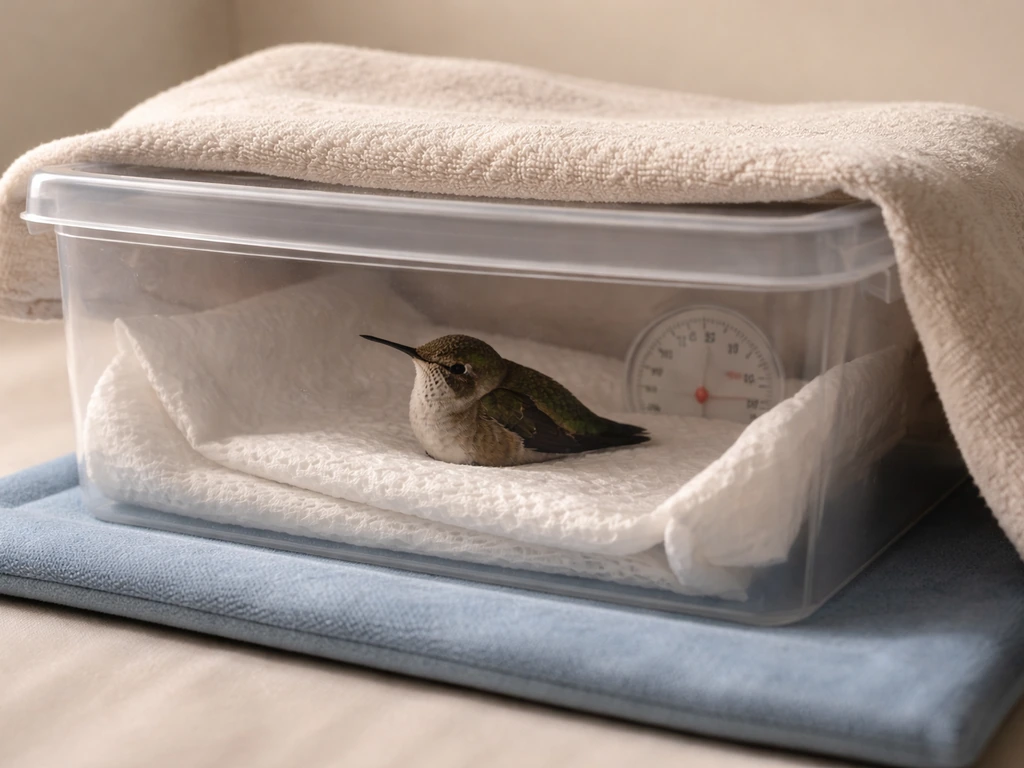
If the bird is grounded and not flying, you can pick it up gently using this approach: place a soft cloth or lightweight towel loosely over the bird, then cup it carefully in both hands without squeezing. The goal is to contain, not restrain. The bird should be upright, not on its back. Place it in a small ventilated box or container (a shoebox with small holes works) in a dark, quiet, warm space. Do not put it in a plastic bag or sealed container.
Warmth matters. A hummingbird that's cold or in shock needs a temperature around 85 to 90 degrees Fahrenheit. You can place the box on top of a heating pad set to low, but never directly on a heat source. Check on the bird every 10 to 15 minutes.
What to feed (and what not to)
If the bird is conscious and alert, you can offer plain nectar (a 1:4 ratio of white sugar to water, no dye, no honey, no artificial sweeteners) in a shallow bottle cap or small feeder. Hold it near the bird's beak and let it feed on its own. Do not try to open its beak or dropper-feed liquid into its mouth. Getting sugar water on the bird's feathers can affect its ability to thermoregulate and fly. The Hummingbird Society is direct on this: do not feed sugar water, honey, or water by mouth, and do not attempt ongoing DIY care. Nectar from a feeder is strictly temporary support until you can get the bird to a licensed rehabilitator. The upper limit recommended by wildlife experts is no more than 24 hours of at-home feeding.
The key warning sign that tells you to escalate immediately: if the bird is still on the ground and not improving after one hour, or if it shows obvious injury (visible wounds, a drooping wing, inability to grip), it needs emergency wildlife care. Hummingbird Market of Tucson puts it plainly: delay can be fatal for a bird this fragile. Call a licensed wildlife rehabilitator right away.
Preventing future garage entry
A hummingbird that got into your garage once is likely to try again, especially during spring and fall migration. In many parts of the country, peak hummingbird movement falls between late April and mid-May and again from August into October. If you're reading this in late April or early May, you're right in the middle of prime season. Here's how to close the loop so this doesn't repeat.
Physical proofing
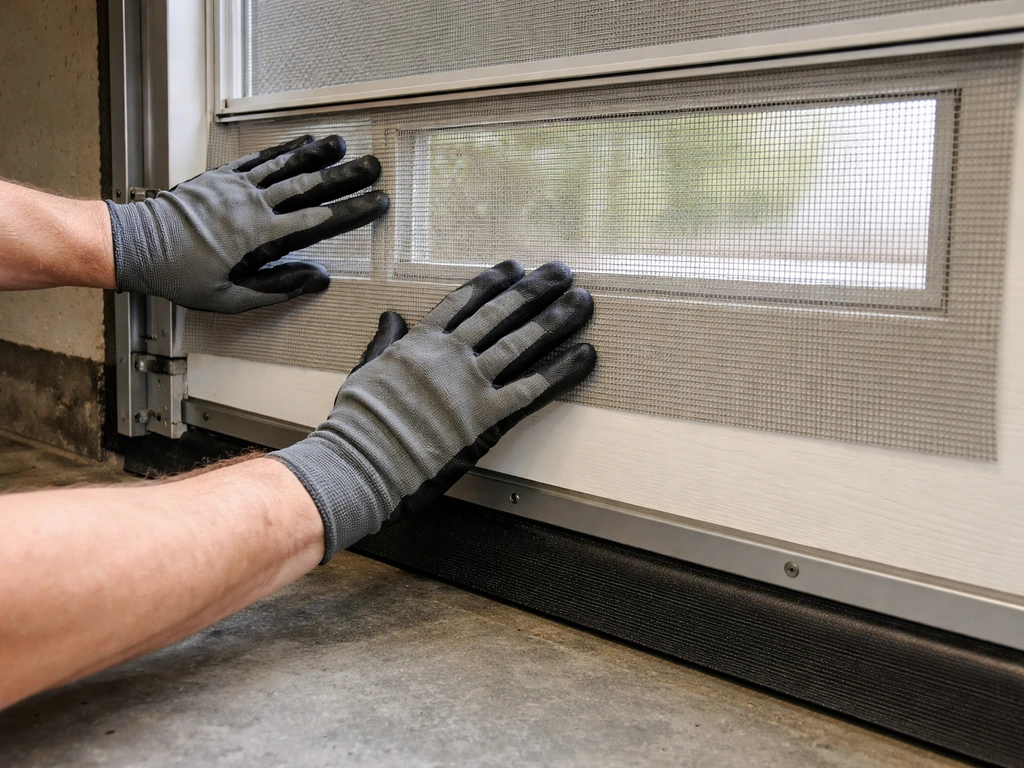
- Install fine mesh screens (1/4 inch or finer) over any windows or vents that stay open regularly.
- Check the garage door seal along the top and sides. Gaps wider than about 1/2 inch are large enough for a hummingbird to enter.
- If you keep the garage door open for ventilation during warm months, consider a lightweight screen door insert or a curtain of clear vinyl strips for the opening.
- Seal cracks and gaps in soffits, fascia, and roof edges where hummingbirds or other small birds might explore.
Feeder and plant placement
One of the most overlooked causes of hummingbirds entering garages is feeder placement. If your hummingbird feeder is mounted near the garage, on the garage wall, or visible from inside through an open door, birds associate that whole area with food and will follow the scent or sight line inside. Move feeders at least 10 to 15 feet away from any garage opening. Similarly, flowering plants like salvia, trumpet vine, and bee balm placed right next to or in front of garage doors will attract hummingbirds directly into the flight path of the opening. Shift those plantings to another part of the yard.
Lighting adjustments during migration season
Artificial light at night is a documented disorientation hazard for migratory birds. USFWS guidelines specifically call out April through May and August through October as the periods when outdoor and interior lighting near open structures should be minimized. During migration season, turn off unnecessary garage lights at night, especially if you habitually leave the door cracked open. Motion-activated lights are a better option than always-on fixtures. Connecticut Audubon's general guidance is to reduce building-emitted light from April 15 through May and from August 15 through November 15, both of which align closely with the heaviest hummingbird migration windows.
Quick seasonal prevention checklist
| Season / Month Range | Action |
|---|---|
| April 15 – May 31 | Minimize nighttime garage lighting, keep doors closed at dusk, check screens |
| June – July | Maintain screens, move feeders away from garage openings |
| August 15 – November 15 | Resume nighttime light reduction, inspect door seals before fall migration peaks |
| December – March | Check and repair screens, seal gaps before spring migration returns |
When to call wildlife professionals
Most hummingbird-in-garage situations resolve within 30 to 45 minutes using the light-and-exit method. But there are clear thresholds where you should stop DIY attempts and get professional help involved.
Signs that mean call now
- The bird has been on the ground for more than one hour and is not recovering.
- You can see a visible wound, blood, a drooping wing, or the bird cannot grip a surface.
- The bird is unresponsive or limp when you gently cup it.
- The bird is breathing with its beak open and appears to be in distress.
- You've been attempting to guide the bird out for over an hour with no progress.
To find a licensed rehabilitator, search your state's wildlife agency website or use the USFWS wildlife rehabilitator directory. When you call, tell them the bird's size and species if you know it, how long it's been inside or on the ground, whether it's moving or grounded, and any visible injuries. The more detail you give, the faster they can advise you.
The legal side: hummingbirds are federally protected
Hummingbirds are protected under the Migratory Bird Treaty Act (MBTA). This makes it unlawful to take, capture, possess, or harm them without proper federal authorization. In practice, this means you cannot keep a hummingbird as a pet, hold onto one "temporarily" without taking steps to contact a rehabilitator, or attempt extended DIY care as a substitute for getting it to a licensed professional. Legal guidance from wildlife organizations notes that possessing a hummingbird for more than 48 hours without actively working to transfer it to a licensed rehabilitator can put you in violation of federal law. This isn't meant to alarm you. It's a practical reminder that your role is to stabilize and transfer, not to treat and keep.
One more legal and safety note: never use pesticides, rodent baits, or chemical deterrents anywhere near a live bird, inside or outside. These substances can kill a hummingbird directly or through secondary exposure, and using them near a protected migratory species creates potential legal liability on top of the obvious harm.
If you're dealing with hummingbirds entering your garage repeatedly, or if the issue extends to other bird species, the broader questions of luring birds out, keeping birds out long-term, or handling overnight situations are all worth exploring separately. If you’re dealing with hummingbirds entering your garage repeatedly, or you want to prevent the next incident, see how to keep bird out of garage as a related option. Each scenario has its own set of techniques and considerations that build on the core steps covered here.
FAQ
If I open the main garage door partway, will the hummingbird leave on its own?
No. Turn off interior lights and open one large exit to natural daylight, then step back. If you keep blocking the opening, the bird may keep circling or exhaust itself faster.
Can I use a deterrent spray or insecticide to make the hummingbird leave the garage?
Avoid. Even “natural” sprays, repellents, or pheromone deterrents can irritate the bird’s respiratory system and can be fatal. If you must change the environment, do it with lighting and openings, not chemicals.
What should I do if there is no door or window that directly leads outside from the garage?
If there is no obvious door or window to the outside, create an alternate exit using the largest clear opening you can safely secure. The method relies on one strong path to daylight, not multiple small gaps.
If the hummingbird looks overheated, should I cool it with water or misting?
Do not place the bird in water or mist it. For a grounded bird, focus on containment, warmth (about 85 to 90°F), and a dark quiet box, then contact a licensed rehabilitator.
Is it safe to give the hummingbird sugar water until it wakes up and can fly?
Feeding is only a short bridge. Use only a temporary feeder approach with plain sugar water (1:4) if the bird is alert, and stop at 24 hours at most. If it is weak, injured, or on the ground, prioritize warming and immediate rehab contact.
At what point does a “not leaving” hummingbird become an emergency?
If it is on the floor and not improving after about an hour, treat that as escalation time, especially if it is not gripping, is breathing with its beak open, or has visible injuries. Call a licensed rehabilitator promptly.
Will leaving other lights on, like a hallway light, affect the escape method?
Yes, but only if the garage truly has a path to outside daylight. Do not rely on a closed door with a small crack, and do not leave other bright sources inside that compete with the exit.
Do pets or kids change what I should do besides keeping them out of the garage?
Pet and child safety matters, but also avoid noise and movement that can keep the bird flying. Keep them out of the garage, and have one calm person monitor from outside without hovering in the doorway.
When should I cover skylights or high windows, and what if the bird still won’t descend?
Try to create an exit line to daylight first, then cover skylights or high windows only if the bird is repeatedly hovering near the ceiling and ignoring the opening. Remove covers once the bird redirects downward.
Should I keep the bird in a box overnight even if it’s not fully alert?
If the bird is grounded, barely responsive, or injured, it should be handled as a transfer case. After containment and warmth, contact a rehabilitator rather than attempting repeated DIY feeding or extended observation.
If I’m unsure whether the bird is injured, what is the safest decision?
Not as a primary step. The guide is for safe DIY transfer conditions, but the moment you suspect injury, prolonged exhaustion, or lack of improvement, a licensed rehabilitator is the safest next move.
What type of container and airflow is safest for a chilled, grounded hummingbird?
Cover the box loosely enough for airflow, keep it dark and quiet, and place it in a warm area. Do not use a sealed plastic container because it reduces ventilation and can worsen stress.