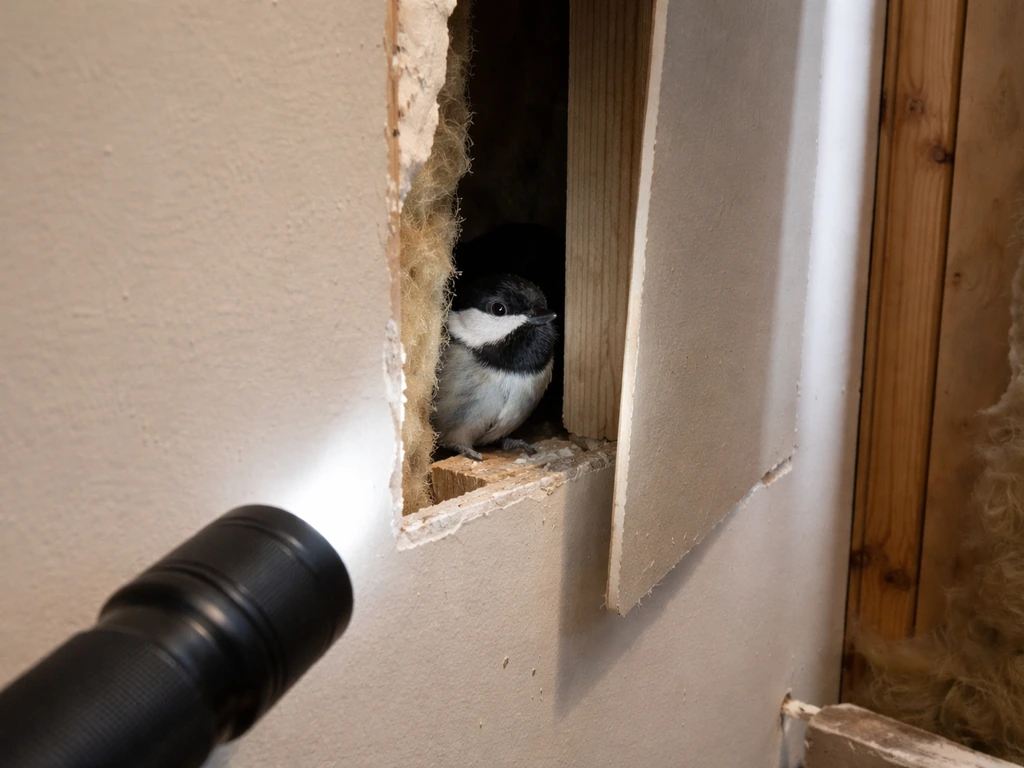
A bird got into your basement through a gap, crack, open vent, or window well it couldn't find its way back out of. The good news: you can get it out today without harming it, using nothing more than open doors, darkened rooms, and a little patience. Once it's gone, a targeted inspection and a few hardware fixes will make sure it doesn't happen again.
How Did a Bird Get in My Basement? Quick Fix Guide
Maya Carver
2 May 2026
What to Do Right Now (Emergency Steps)
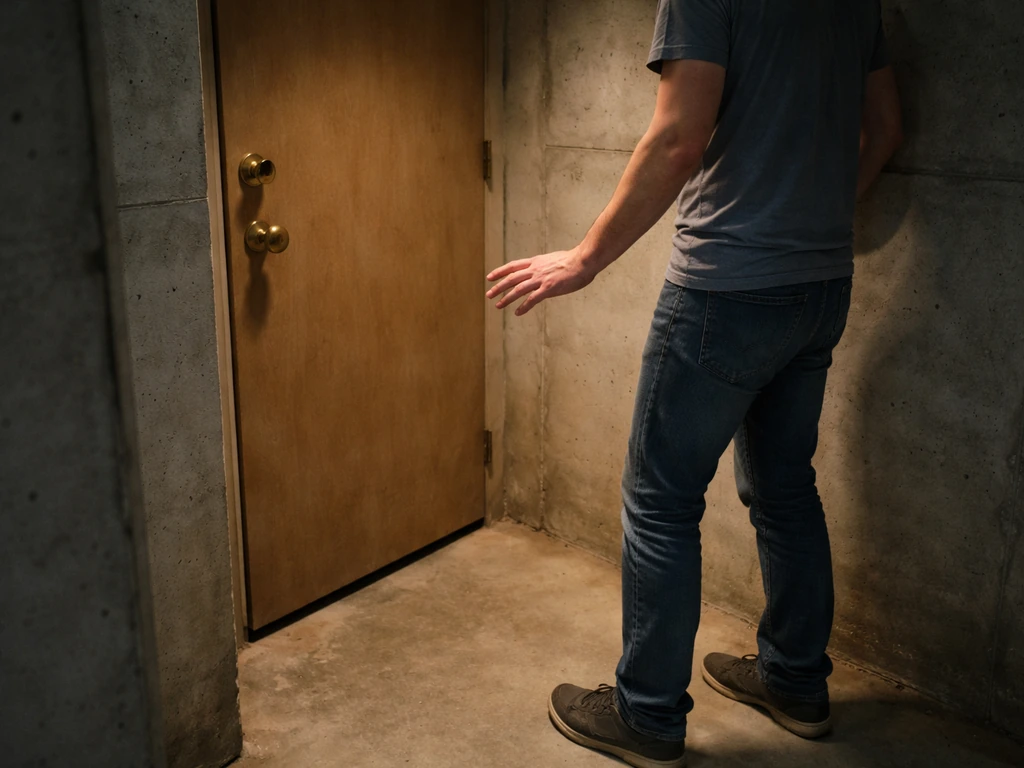
The moment you spot the bird, slow down. A panicked bird flying into walls or windows can injure itself, and chasing it around the basement only makes things worse. Your first job is to create the calmest possible conditions for it to leave on its own. If you need quick help, use a clear, safe light-and-exit setup to figure out how to get bird out of wall without harming it create the calmest possible conditions.
- Keep kids and pets out of the basement immediately and close the door behind you as you exit.
- Turn off or dim any bright overhead lights that could disorient the bird.
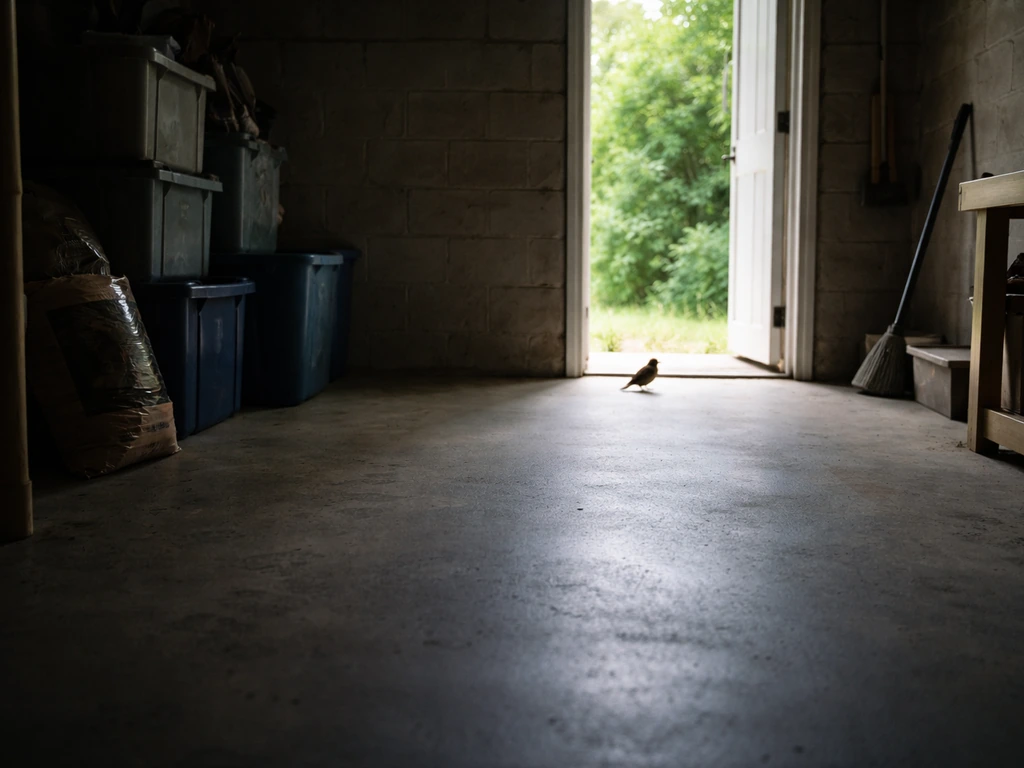
- Open the largest exit you have: a basement door to the outside, a ground-level window, or a window well cover you can prop open.
- Block off interior doors so the bird can't fly further into the house.
- If there's a window, remove the screen and open it fully, then darken the rest of the room so the light from the window becomes the obvious escape route.
- Step back, stay quiet, and give the bird at least 20 to 30 minutes to find the exit on its own.
- Do not wave towels, use brooms, or attempt to grab the bird — direct contact stresses the animal and can injure both of you.
The U.S. Fish and Wildlife Service recommends observing wildlife from a distance rather than trying to handle or restrain them. That's genuinely the fastest approach here too. Most birds will orient toward daylight and leave within an hour if you give them a clear path and stop the commotion.
Figure Out What You're Dealing With
The type of bird tells you a lot about why it's there and how urgent the situation is. Take a moment to look at it from a safe distance. Is it a small songbird like a sparrow, wren, or finch? A larger bird like a starling, pigeon, or mourning dove? Or something more unusual like a chimney swift, owl, or woodpecker?
| Bird Type | Likely Reason It's There | Urgency |
|---|---|---|
| Sparrow, finch, wren | Flew in through an open window well or vent, disoriented by light | Low — will leave quickly if given an exit |
| Starling or pigeon | Roosting, nesting, or following others in through a known gap | Moderate — may have been using the space regularly |
| Chimney swift | Descended the chimney, can't take off from flat ground | High — needs hands-on help or wildlife pro |
| Owl | Hunting rodents inside or entered through a large gap at night | Moderate — nocturnal, needs darkened room with one exit |
| Woodpecker | Entered through a hole it created in siding or a soffit | Moderate — structural damage likely present |
Why do birds end up in basements at all? The most common reasons are seeking shelter from cold or storms, being attracted to insects or rodents in the space, following light through a gap, looking for nesting material, or simply getting disoriented and falling through an opening they can't navigate back out of. Knowing the reason helps you target the right fix.
How It Got In: Common Entry Points to Investigate
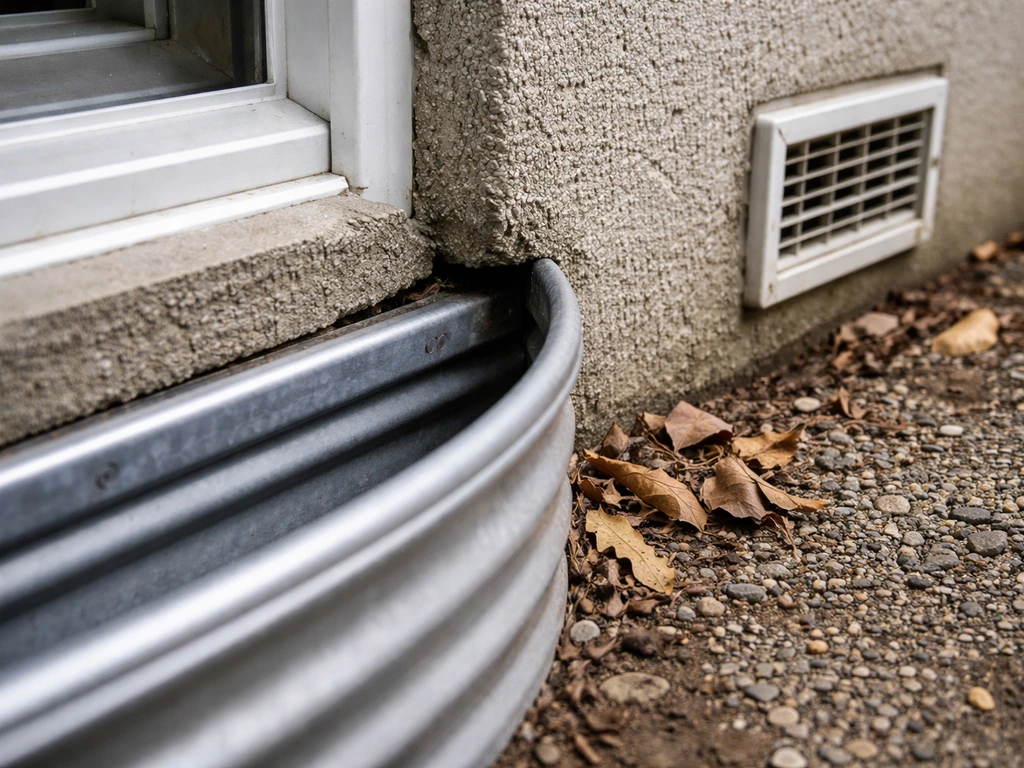
Birds don't need much space. A gap of half an inch is enough for a small sparrow, and an inch and a half will let a starling through. Basements tend to have more entry vulnerabilities than any other part of a house because they sit at or below grade, have utility penetrations on multiple sides, and are often the most neglected zone for maintenance inspections.
Work through this checklist after the bird is out to find your likely entry point:
- Foundation vents: Check that all vents have intact screens. Rust, warping, and missing mesh are extremely common.
- Window wells: Look for gaps around the frame where the well meets the foundation wall, and check whether covers are cracked or missing.
- Dryer and bath exhaust vents: The flapper damper on these vents often fails or gets held open by lint buildup, leaving a direct tunnel inside.
- Utility penetrations: Anywhere a pipe, wire, or conduit enters the foundation is a potential gap. Look for caulk that has cracked or pulled away.
- Soffit and eave vents (if they connect to basement air space): Some older homes have connected attic-to-basement venting pathways.
- Chimney opening into basement: If you have a fireplace or old furnace flue, the damper may be open or broken.
- Damaged door sweeps or threshold gaps: A basement exterior door with a worn sweep has a visible gap that birds can squeeze through.
- Open bulkhead or bilco doors: Often propped open during warm months and forgotten.
A simple troubleshooting approach: on a bright day, go into the unlit basement and look for any pinhole or streak of daylight coming through the walls, ceiling penetrations, or vent frames. Light comes in wherever a bird can come in. Mark each spot with masking tape so you can address them after the bird situation is resolved.
How to Get the Bird Out Humanely
The Light-and-Exit Method (Best First Try)
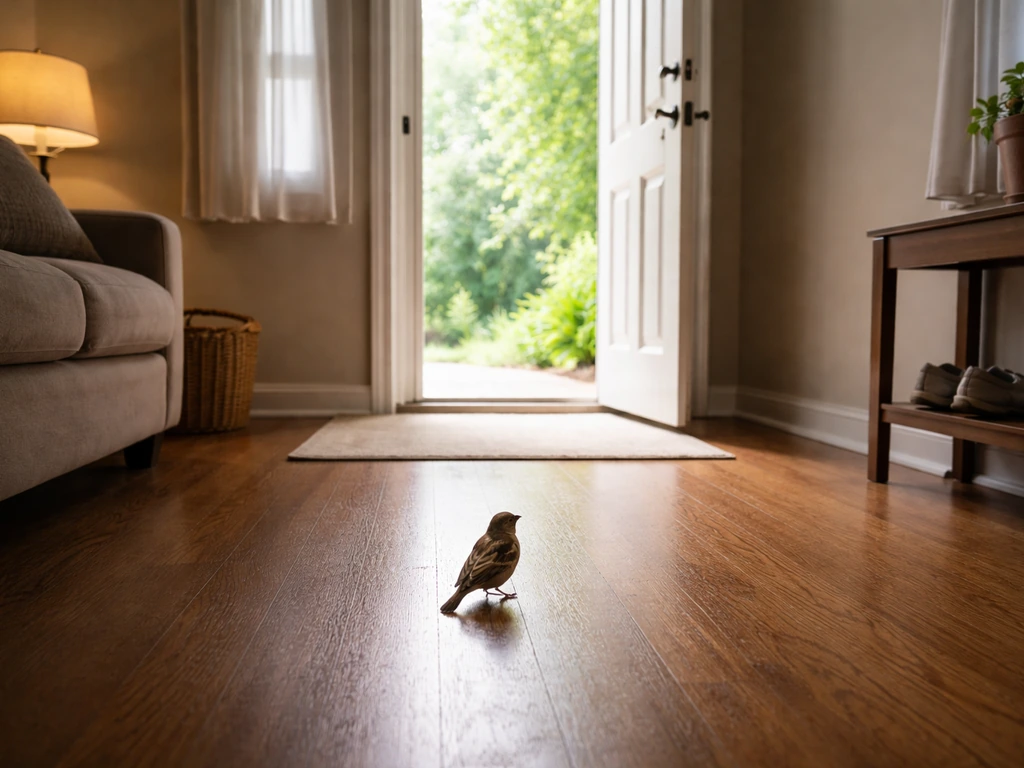
This works for most small to medium birds that are healthy and mobile. Open one clear exterior exit, cover or block every interior opening, and darken every light source except the exit. Birds instinctively move toward the brightest point. Give it 30 to 60 minutes. Check back quietly, in most cases, the bird is already gone. If you need more detailed options for removing a bird from the rafters, follow the same calm, light-and-exit approach.
The Improvised Funnel or One-Way Setup
If the bird isn't leaving on its own, you can build a simple funnel guide using cardboard, plywood scraps, or even folding tables to channel it toward the open exit. Create a narrowing corridor that makes the exit the only obvious route forward. This works especially well in basement rooms where you can close off sections progressively. Commercial one-way bird exclusion funnels (available at most farm or pest supply stores) can be fitted over the entry hole itself, allowing a bird to push out but not re-enter.
Timing Matters: Day vs. Night
For daytime birds like sparrows, starlings, and pigeons, work during daylight hours when they are naturally active and oriented toward light. For owls and other nocturnal birds, dim all lights and open an exit after dark, they will move toward the dark opening rather than light. Chimney swifts are a special case: they cannot take off from flat ground, so if one is grounded in your basement, you will need to either provide a raised perch at the exit height or contact a wildlife rehabilitator.
If You Must Handle the Bird
Handling should be a last resort, used only if the bird is injured and unable to move toward an exit. USFWS guidance also notes that permits and proper procedures are required for most activities involving capturing, handling, or disposing of migratory birds blank" rel="noopener noreferrer">Handling should be a last resort. Put on thick gloves, gently drape a light towel over the bird to cover its eyes and reduce stress, scoop it up with both hands, and carry it outside. Place it on a flat surface in a sheltered spot and step away. Do not squeeze, hold it on its back, or restrain its wings forcefully. If it doesn't fly within a few minutes, it likely needs a wildlife rehabilitator.
Cleanup After the Bird Leaves
Once the bird is out, deal with any droppings before you do anything else in the space. Bird droppings can carry Histoplasma fungus spores and other pathogens, and the risk goes up when dried material becomes airborne. The CDC recommends avoiding dry, dusty cleanup methods that stir up contaminated material. Instead: dampen droppings with a spray of water mixed with a small amount of disinfectant before wiping, wear an N95 mask and disposable gloves, bag and seal all waste, and wash hands thoroughly afterward. Ventilate the basement well during and after cleanup.
Seal and Proof the Basement So It Doesn't Happen Again
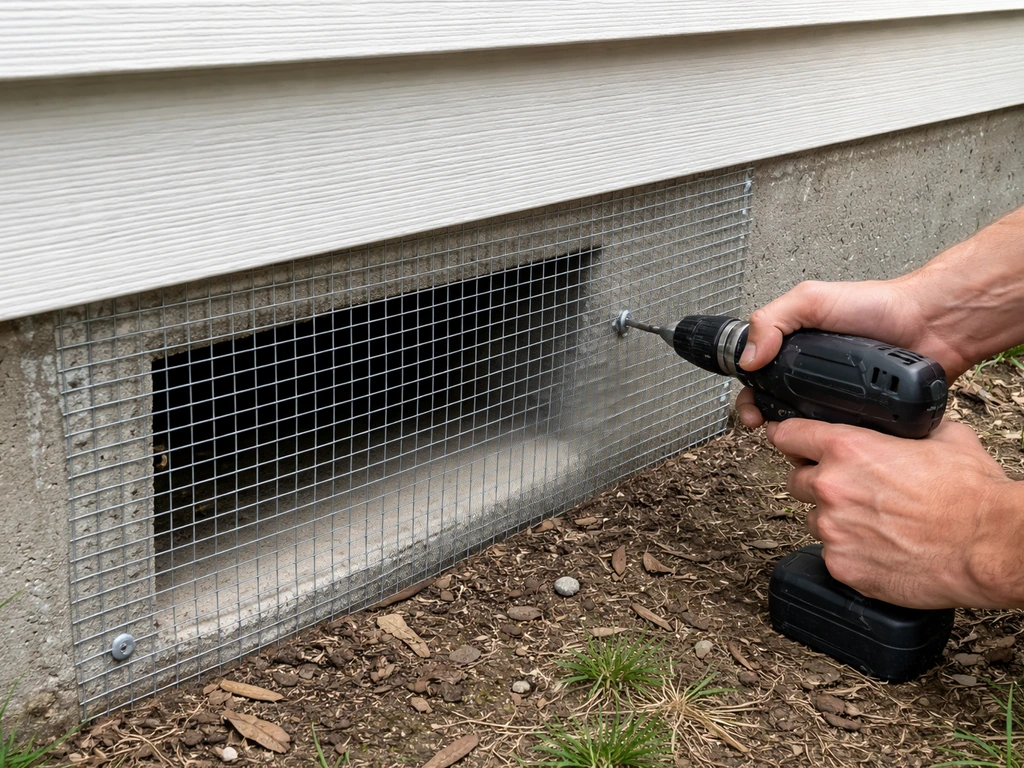
This is the most important long-term step, and it's one most homeowners skip because the immediate crisis is over. Don't skip it.
Materials That Actually Work
- Hardware cloth (galvanized steel mesh, 1/4-inch or 1/2-inch openings): The right material for covering foundation vents, window wells, and eave openings. Chicken wire is not a substitute — it rusts quickly and the openings are too large.
- Copper mesh or steel wool: For stuffing into irregular gaps around pipes and conduits before sealing with caulk. Birds and rodents cannot chew through it.
- Polyurethane foam sealant: Good for gaps in concrete and masonry when covered with mesh or mortar afterward. Foam alone won't hold against persistent birds.
- Mortar or hydraulic cement: For larger cracks in foundation walls.
- Replacement vent covers with intact screens: Sold at hardware stores and easy to swap out in under 20 minutes.
- Door sweeps with metal reinforcement: For basement exterior doors with visible threshold gaps.
Where to Focus Your Sealing Effort
- Replace or repair all foundation vent screens with 1/4-inch hardware cloth secured with rust-resistant staples or screws.
- Fit window wells with polycarbonate covers that lock or clip down — these also keep out leaves, rain, and animals.
- Install or replace the flapper damper on all exhaust vents. Bird-proof vent caps with internal baffles are available for dryer vents specifically.
- Seal all utility penetrations with copper mesh packed tightly into the gap, then caulked over with a masonry-grade or paintable polyurethane sealant.
- Replace worn door sweeps on any exterior basement door. If the gap is larger than 1/4 inch, add a threshold seal as well.
- If you have a chimney that connects to a basement space, have the flue cap and damper inspected — a chimney cap with a wire mesh surround will block birds from entering.
After storms and at the start of each spring and fall, do a 15-minute walkthrough of the basement perimeter inside and out. Look for displaced vent covers, new cracks in the foundation, and any mesh that has pulled away from its fasteners. Some pest-control discussions on Reddit also describe how 1/4-inch hardware cloth is used around openings to block rodents and how people debate whether that mesh size is effective for small pests any mesh that has pulled away from its fasteners. Catching these things early costs almost nothing. Waiting until a bird (or a family of them) has moved in costs significantly more.
Remove What's Attracting Birds to Your Basement in the First Place
Even with every gap sealed, it's worth reducing the things that made your basement appealing to begin with. Birds follow food, shelter, warmth, and light, and basements can offer all four.
- Light: If your basement has windows or vents that glow at night, they act as a beacon for nocturnal and disoriented birds. Use blackout covers on windows or reduce interior lighting near vent locations.
- Standing water and moisture: Basements with water seepage attract insects, which attract birds. Address any chronic dampness with a sump pump, vapor barrier, or waterproofing treatment.
- Insects and rodents: If you have a pest problem indoors, birds are more likely to try to follow their food source inside. Eliminate the insect or rodent issue and you reduce the bird pressure on your building.
- Bird feeders near basement windows or wells: Move any feeders at least 10 feet away from the building, and ideally away from ground-level openings entirely.
- Clutter and stored materials: Piles of cardboard, wood scraps, and stored fabric give birds nesting material incentive. Reduce clutter and store soft materials in sealed bins.
- Pet food or birdseed stored in open containers: Keep all food in sealed plastic or metal bins.
When to Call a Wildlife Professional (and What the Law Says)
Most bird-in-basement situations can be handled by a prepared homeowner in a single afternoon. But there are cases where calling a licensed wildlife control operator or rehabilitator is the right move, and a few where it's legally required.
Call a Pro If:
- The bird is injured, grounded, or has been trapped for more than 24 hours and is showing signs of stress (labored breathing, inability to stand).
- You're dealing with a chimney swift, which is federally protected under the Migratory Bird Treaty Act and cannot be handled, relocated, or have its active nest disturbed without a permit.
- You find an active nest with eggs or young birds inside your basement. Removing or disturbing it during active nesting is illegal for most native species under federal law.
- The bird is a species of concern — raptors like owls and hawks, swallows, or any bird you don't recognize — and you're unsure of its legal status.
- There is a large colony or repeated entry of the same species, suggesting an established roosting or nesting site that needs a professional exclusion plan.
- You're unable to identify or access the entry point safely, especially in older buildings with complicated structural layouts.
In the United States, most wild birds are protected under the Migratory Bird Treaty Act. This means it is illegal to kill, capture, possess, or disturb the nests or eggs of protected species without a federal permit. The Migratory Bird Treaty framework in 16 U.S.C. Chapter 7, Subchapter II restricts taking, capturing, or possessing migratory birds, their nests, or eggs except as permitted by regulation illegal to kill, capture, possess, or disturb the nests or eggs. The practical implication for homeowners: you can exclude birds from your building and seal entry points, but you cannot do exclusion work when an active nest with eggs or dependent young is present. Wait until nesting is complete and young have fledged, then seal the opening.
When you call a wildlife professional, have this information ready: the species if you can identify it, how long it has been in the building, whether there are signs of nesting, and the approximate location of the entry point. This helps them come prepared and give you an accurate assessment on the first visit.
Seasonal Prevention Checklist
The easiest way to prevent future problems is a short seasonal inspection built into your regular home maintenance routine. This takes under 30 minutes per season and eliminates most of the risk.
| Season | What to Inspect and Do |
|---|---|
| Spring (March–May) | Check all vent screens after winter frost damage. Look for new cracks in the foundation. Inspect window well covers before nesting season begins. Confirm chimney cap is intact. Remove any winter debris from window wells. |
| Summer (June–August) | Check that exhaust vent flappers are working correctly (open when running, closed when not). Look for insect activity near vents that may attract birds. Confirm basement door sweeps are intact. |
| Fall (September–November) | Inspect all screens and mesh before birds begin seeking winter shelter. Seal any new utility penetrations. Check for gaps behind or beneath basement stairs and bulkhead doors. Move outdoor birdseed storage away from the building. |
| Winter (December–February) | After major storms, walk the exterior perimeter and look for displaced vent covers or frost-heaved cracks. Check that chimney flue dampers are functional. Note any areas where ice dams or water entry has displaced caulk or mortar. |
If you've been through the process of getting a bird out of your basement, you already know where the weak points are. Treating those specific spots as a priority during each seasonal check is the most efficient prevention strategy you can have. For related situations, like a bird that's found its way into an upper floor, a wall cavity, or the rafters, the entry point logic is very similar, but the exit and exclusion methods differ enough to be worth reading about separately. If your bird got into the attic, use the same light-and-exit thinking, but focus on sealing the attic entry points after it leaves upper floor, a wall cavity, or the rafters.
FAQ
Should I leave doors open or shut while trying to get the bird out of my basement?
Open only one clear exit route to the outside (or to a door that leads directly outdoors). Keep interior doors and other openings closed so the bird does not spread into other rooms or find alternate gaps to hide in.
What if the bird is already on the ground or hiding under shelves, it still won’t leave?
First remove clutter that blocks movement near your open exit, then darken the rest of the basement except the exit and wait quietly 30 to 60 minutes. If it is not mobile or shows obvious injury, switch to the injured-bird last-resort approach or contact a wildlife rehabilitator.
How long should I wait before deciding I need a wildlife professional?
If a daylight-oriented bird has had a calm light-and-exit setup for about an hour, and it still does not leave, it is reasonable to use a cardboard funnel guide or a one-way exclusion funnel. If you see nesting activity, hear repeated contact calls from walls, or you cannot identify the entry point, professional help is the faster path.
Do I need to keep lights off in the basement, or just make sure the outside is bright?
The key is contrast, darken everything you can inside. If you leave other bright fixtures on, the bird may choose those sources instead of the exit. Aim for one obvious brightness direction only.
Can I use bird feed or decoys to lure it out safely?
Avoid adding feed or bait. It can pull the bird deeper into the basement or attract rodents and other birds, which increases future entry risks. Use daylight and a clear exit path instead.
What if the bird gets stuck in a wall cavity or behind drywall near the basement ceiling?
Do not try to access the cavity immediately. Use the same calm light-and-exit approach to create an outward incentive, then locate and seal the likely entry gaps around vents or penetrations when the bird is gone. If you repeatedly hear movement from the same spot, a professional can assess without unnecessary demolition.
Is it safe to clean droppings right away if the bird leaves but there’s fresh mess?
You can clean promptly, but do it wet, not dry. Dampen droppings with disinfectant water before wiping, wear an N95 mask and gloves, ventilate the area, and bag waste sealed. If the mess is extensive or you see a lot of dried material, consider professional sanitation.
What should I do with an injured bird that won’t move toward an exit?
Handle only if injured and unable to orient to the exit. Use thick gloves, cover the bird’s eyes with a light towel to reduce stress, scoop with both hands, and place it outdoors on a sheltered flat surface. If it does not improve and fly within a few minutes, contact a wildlife rehabilitator.
How do I tell if it is nesting, and what changes if I suspect active nest activity?
Clues include repeated presence from the same entry area, scratching or peeping from inside walls, and the presence of eggshell pieces or nest materials near openings. If nesting seems active, exclude-and-seal work should wait until the young have fledged to avoid disturbing protected nests.
Can I seal the entry point immediately after removing the bird?
Seal as soon as you confirm there is no active nest. If you are uncertain, wait and re-check the entry area for signs of continued activity before fully blocking the opening, since sealing during nesting can trap dependent young.
How big are the gaps birds can use, and where should I look first?
Even small openings matter, for example about half an inch can be enough for smaller songbirds, and larger openings can admit bigger species. Prioritize vent frames, utility penetrations, and any daylight streaks you find during a bright-day perimeter walkthrough.
What seasonal timing helps prevent birds from coming into the basement again?
Do a quick perimeter check at the start of spring and fall, and after storms. Those periods align with increased bird movement and damaged or loosened exterior sealing, which is when new entry points often appear.
Next Article
How to Get a Bird Out of a Wall: Safe Steps Today
Step-by-step guide to safely remove a bird trapped in a wall, stop re-entry, and prevent repeats with humane steps.