If you find a bird stuck to a sticky trap right now, do not pull it free. If you are dealing with a bird stuck on a glue trap, the key is to avoid pulling the bird free yourself and instead focus on safe containment and professional help. Your first move is to cover the exposed adhesive so the bird can't get more stuck, contain it in a ventilated box, and call a licensed wildlife rehabilitator or vet. That single sequence, done calmly and quickly, gives the bird the best chance of survival and keeps you from accidentally tearing its feathers, skin, or dislocating a wing.
How to Get Bird Off Sticky Trap: Safe Rescue Steps
Maya Carver
7 May 2026
Immediate Safe Removal Steps
Speed matters, but so does doing this right. If you need guidance beyond removal, focus on safer methods for bird control inside a building to avoid trapping in the first place how to trap a bird in a building. Birds panic when they're trapped and will thrash, driving more feathers and skin into the adhesive with every struggle. Your goal in the first few minutes is to stop that cycle, not to peel the bird free. If you are dealing with a bird in your attic, the same first-minute approach helps prevent panic and makes professional help work faster stop that cycle.
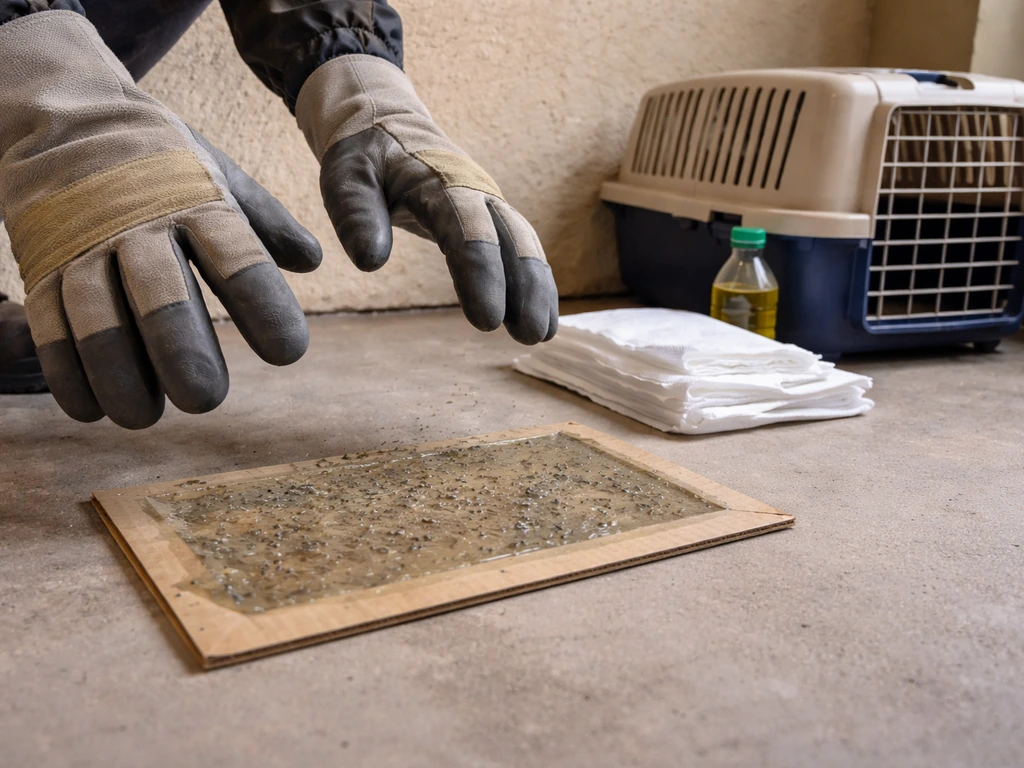
- Put on a pair of thick gloves before touching anything. Adhesive, bird droppings, and feather dander are all hazards, and gloves also protect the bird from your body heat and skin oils.
- Stay calm and move slowly. Loud noises and fast movements make the bird thrash harder.
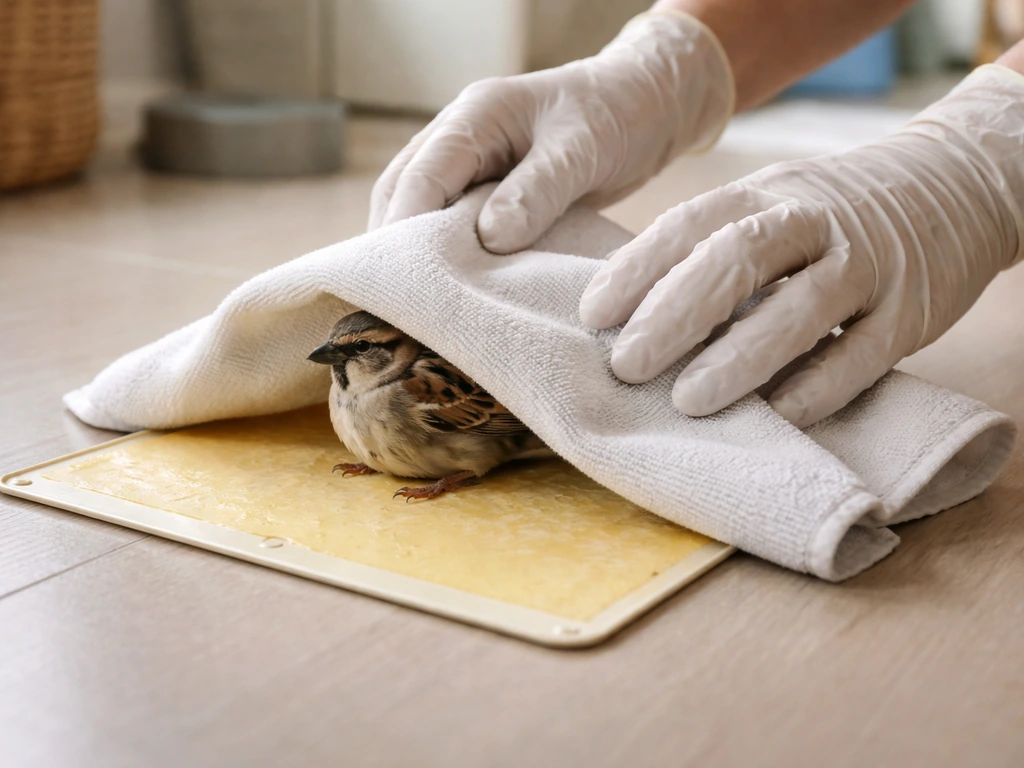
- Cover the sticky portions of the trap that are still exposed. A folded piece of cardboard, a cloth, or even a sheet of paper placed gently over the adhesive stops the bird from pressing more of itself into the glue.
- Do not pull the bird off the trap. Pulling can tear feathers from follicles, strip skin, or dislocate joints. Leave the bird attached to the trap for now.
- Place the bird, still on the trap, into a cardboard box with small ventilation holes punched in the sides. The box should be just big enough to limit movement without crushing the bird.
- Close the box and put it somewhere warm, dark, and quiet, away from pets, children, and traffic noise. Darkness reduces panic.
- Do not offer food or water unless a wildlife rehabilitator specifically tells you to. A stressed or injured bird can aspirate liquid easily.
- Call a licensed wildlife rehabilitator or a vet who treats wild birds. Many rehabilitation centers operate seven days a week during daytime hours, so call as soon as the bird is contained.
If you cannot reach a rehabber immediately, keep the box in that warm, dark, quiet spot and keep trying. Do not attempt extended DIY removal on your own while waiting; the risk of additional injury is real.
Alive and Struggling vs. Already Injured or Deceased
If the bird is alive and moving
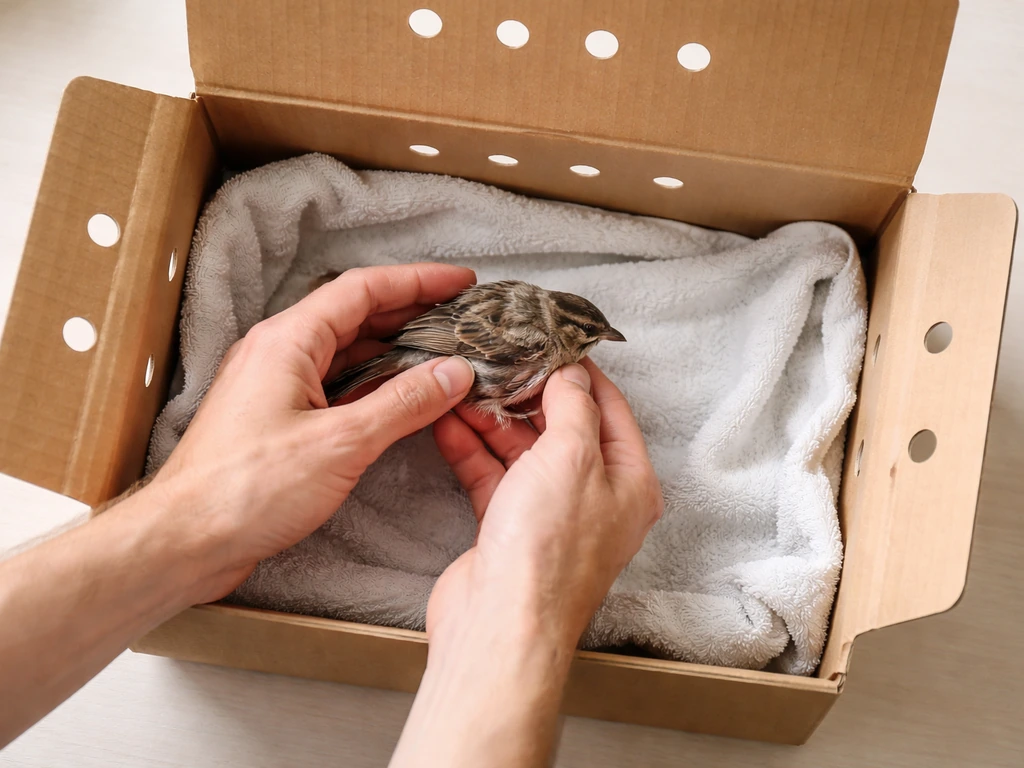
Follow the containment steps above exactly. A bird that is still moving has the best prognosis if it gets professional care quickly. Do not attempt to remove adhesive from a conscious, struggling bird yourself. The stress alone can cause cardiac arrest in small songbirds, and pulling at stuck feathers causes real physical injury. Get it boxed, keep it calm, and transport it to a rehabber or vet as fast as you can.
If the bird appears severely injured or unconscious
A bird that is limp, barely breathing, or unresponsive still needs professional care. Place it gently in the ventilated box on a soft cloth (not terrycloth, which snags feathers) and keep it warm. Do not assume it is dead because it is not moving. Birds in shock can appear lifeless and still recover with proper treatment. Transport it to a wildlife center or vet within the hour.
If the bird has already died
If the bird is clearly deceased, your priorities shift to safe handling and proper disposal. Keep your gloves on, place the bird and trap in a doubled plastic bag, seal it, and dispose of it according to your local municipal guidelines. Then move on to cleaning the area as described below.
How to Handle the Adhesive and Residue
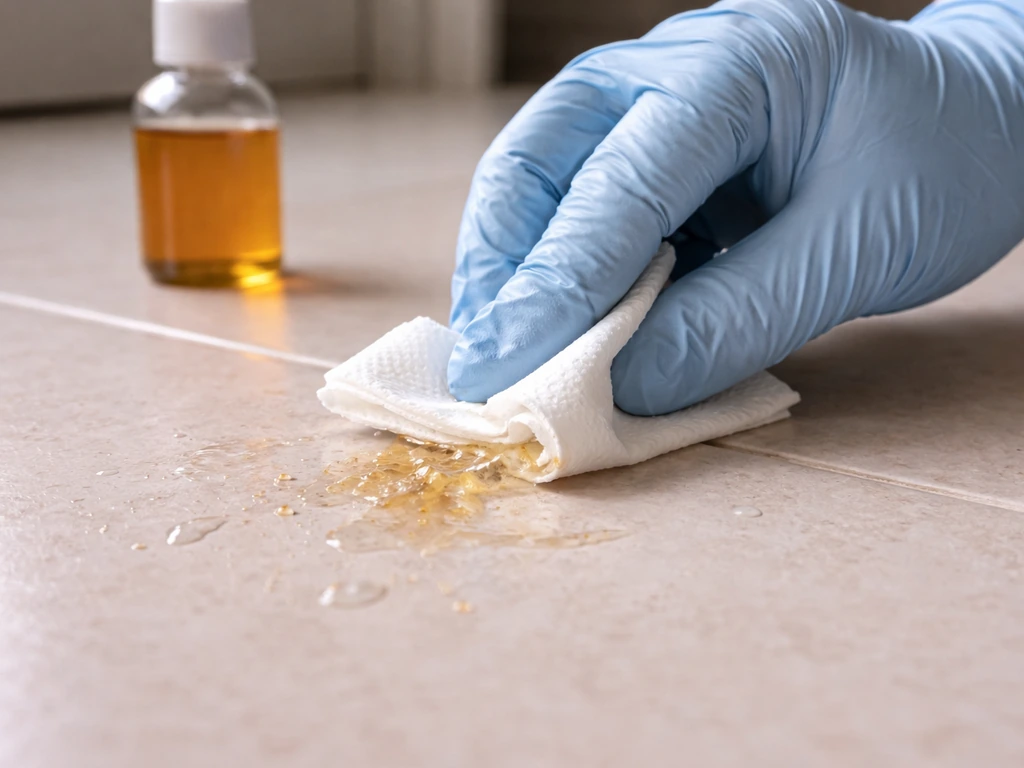
Whether you are assisting a rehabber at the scene or dealing with a bird that did not survive, you will need to manage the sticky residue on the trap and on surfaces nearby. Wildlife rehabilitators who work with glue-trap cases use vegetable oil or mineral oil to loosen adhesive from feathers and skin without causing further damage. Vegetable oil is the most common choice for field situations. Mineral oil works well when feathers or fur are deeply embedded. After the oil breaks down the glue, Dawn dish soap is used to wash the oil away. This is the same sequence professional rehabbers use, and it is the gentlest one available.
For surface residue on floors, walls, or other hard surfaces, a citrus-based adhesive cleaner or a commercial adhesive remover works well. Spray or apply an even coat over the residue, allow it to penetrate for two to three minutes, and then wipe with a clean cloth. For carpet or upholstery, test the cleaner in a hidden spot first. Never use harsh solvents near an animal.
Aftercare: Cleaning the Bird Area and Preventing Re-Trapping
Once the bird and trap are gone, the spot where the trap was placed still needs attention. Adhesive residue left on floors or surfaces can catch other animals, insects, and debris. Clean it up the same day.
- Apply a citrus-based adhesive remover or mineral spirits to any residue on hard surfaces. Allow two to three minutes of dwell time, then wipe clean.
- Spray the cleaned area with a diluted bleach solution (one part bleach to nine parts water) or an EPA-registered disinfectant, letting it sit wet for at least one minute before wiping.
- Dispose of all cleaning cloths, gloves, and materials in a sealed plastic bag.
- Check the surrounding area for additional adhesive spread, feathers, or droppings and clean those as well.
- Remove any remaining sticky traps from that area immediately. If the location is one where birds or other non-target animals are regularly entering, replacing glue traps with targeted, humane alternatives is essential before setting any new traps.
Humane Cleanup and Trap Disposal
Used glue traps that have captured a bird (or any animal) are a biohazard and need to be handled carefully. Here is how to dispose of them safely:
- Keep your gloves on throughout the entire disposal process.
- Place the used trap inside one plastic bag, seal it, then place that bag inside a second plastic bag and seal that one too. Double-bagging prevents leaks and exposure.
- If droppings or nesting material are nearby, spray them with diluted bleach or an EPA-registered disinfectant until thoroughly wet before picking them up.
- Dispose of the double-bagged trap in your regular trash, following any local regulations for animal waste.
- Wash your gloved hands before removing the gloves, then wash your bare hands thoroughly with soap and water.
- Disinfect any hard surfaces the trap or bird touched using bleach solution or an EPA-registered disinfectant.
Prevention: Keeping Birds Away from Sticky Traps and Your Building
The best way to prevent this from happening again is a two-part approach: stop using glue traps in areas where birds or other non-target wildlife can access them, and address the reason birds are getting into your building in the first place. Glue traps are indiscriminate by design. They catch whatever touches them, and in any space where birds can enter, that means birds will eventually find them.
Find out why birds are getting in
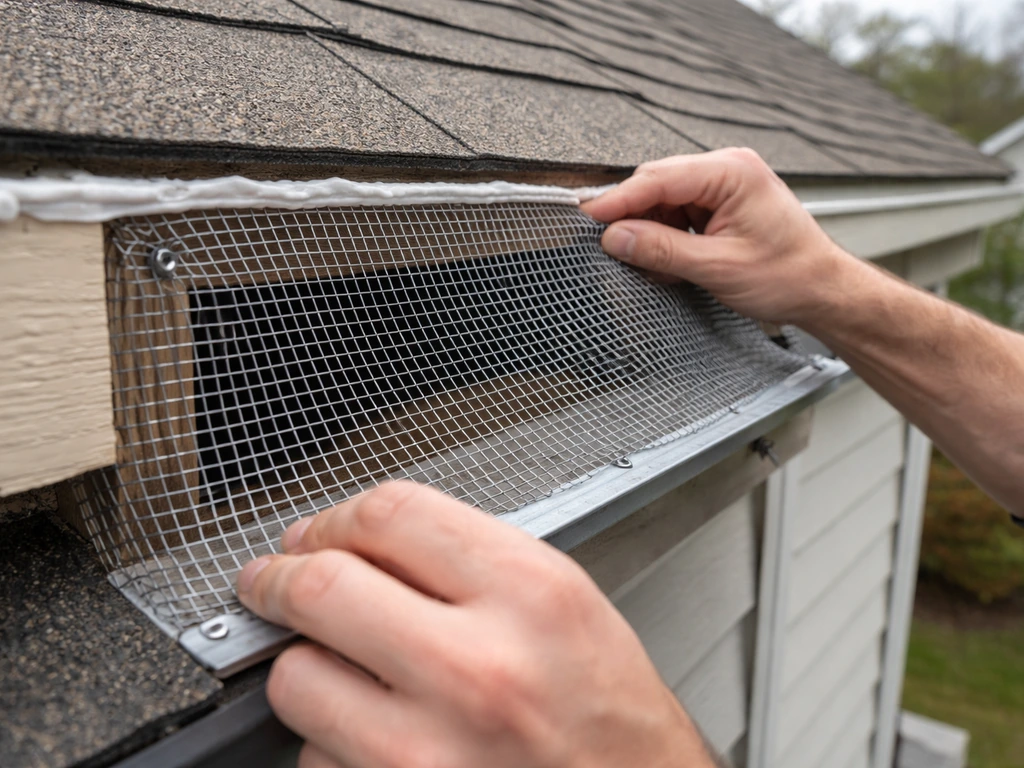
- Open or unscreened vents (roof vents, soffit vents, bathroom exhaust vents)
- Gaps at rooflines, eaves, or where siding meets the roof
- Uncapped chimneys or flues
- Broken or missing window or door screens
- Propped-open loading dock doors or warehouse entries
- Interior ledges near skylights or bright windows that attract bird landings
- Food sources indoors (grain storage, seed bags, open compost)
Exclusion and proofing measures
Physical exclusion is the most effective long-term solution. Install bird netting with an appropriate mesh size over eaves, dock openings, and large interior spaces where birds enter. Make sure netting is properly tensioned and maintained, because sagging or improperly installed netting can itself trap birds. For ledges and rooflines, ledge exclusion systems (angled ledge strips or bird spikes) remove the flat footing birds use to land and roost, redirecting them elsewhere. Seal all gaps larger than half an inch around vents, pipes, and roofline intersections with hardware cloth, foam backer rod, or caulk rated for exterior use.
Deterrents that work alongside exclusion
- Visual deterrents (reflective tape, predator decoys, flash tape) work best when moved or rotated regularly so birds don't habituate
- Bird wire systems strung at roost points create an unstable landing surface
- Ultrasonic deterrent units in enclosed spaces like warehouses and attics
- Eliminating food and water attractants indoors and in adjacent areas
Seasonal planning
Bird intrusion peaks during spring nesting season (roughly March through June in most of North America) and again in late fall when birds seek warm shelter. Inspect your building's exterior for new gaps and damaged exclusion hardware every February before nesting begins and again every October before cold weather drives birds inside. Schedule these inspections on your maintenance calendar now so they don't get skipped.
When to Call Wildlife Control: Legal and Safety Cautions
Call a licensed wildlife rehabilitator or vet immediately in any of these situations: If you want to avoid harm and handle the situation correctly, it also helps to know how to trap a bird outside using safe, legal methods.
- The bird is alive, regardless of how badly it appears to be stuck
- You cannot identify the species and it may be a protected migratory bird
- The bird has been stuck for more than a short time and appears dehydrated or in shock
- The bird has had any contact with a cat or other predator (internal injuries may not be visible)
- You do not have the supplies or confidence to contain the bird without causing more harm
On the legal side: nearly all wild birds in the United States are protected under the Migratory Bird Treaty Act, which means handling, possessing, or attempting to treat them yourself without a permit is potentially illegal, even with the best intentions. The right move is always to stabilize, contain, and hand the bird off to someone permitted to treat it.
Federal regulations in 50 CFR Part 21 explain the permit-based authorization framework for activities involving migratory birds and related parts, nests, and eggs [Migratory Bird Treaty Act permit requirements in 50 CFR Part 21](https://www. law. cornell. edu/cfr/text/50/21.
4). In Virginia, for example, it is also illegal to trap and relocate wildlife off your property without a permit. Wildlife rehabilitators and animal control officers are the correct people for anything beyond containment.
To find a licensed rehabilitator near you, contact your state's wildlife agency or search the National Wildlife Rehabilitators Association directory. Many rehabilitation centers take calls seven days a week during daytime hours. When you call, be ready to describe the species if you can, how long the bird has been stuck, what the trap type is, and what condition the bird appears to be in. That information helps the rehabber prepare before you arrive.
If you are a facility manager dealing with repeated bird intrusions that lead to trapping incidents, working with a licensed pest management professional who specializes in bird exclusion is worth the investment. Sticky traps are not a sustainable or humane solution for bird control in any building setting, and replacing them with a proper exclusion plan protects both the birds and your liability.
Quick Reference: What to Do Right Now
| Situation | Immediate Action | Next Step |
|---|---|---|
| Bird alive and stuck | Cover adhesive, contain in ventilated box, keep dark and quiet | Call wildlife rehabilitator or vet immediately and transport |
| Bird unconscious or in shock | Contain gently in box on soft cloth, keep warm | Transport to wildlife center within the hour |
| Bird deceased | Double-bag with trap, dispose in trash | Disinfect area, remove all remaining sticky traps |
| Adhesive residue on surfaces | Apply citrus cleaner, dwell 2-3 min, wipe clean | Disinfect with bleach solution or EPA-registered product |
| Unknown species (possibly protected) | Do not handle beyond containment | Call wildlife agency or rehabilitator before doing anything else |
FAQ
If I can’t reach a wildlife rehabber right away, what should I do in the first 5 minutes?
Put the exposed adhesive side down or cover it immediately with a way that doesn’t glue to the bird (for example, a rigid lid or cardboard you can slide into place). Avoid any method that lets the bird keep struggling against the adhesive, since more contact increases feather and skin damage.
Can I use rubbing alcohol or other household chemicals to remove the bird from the trap?
Do not use heat, alcohol, gasoline, or other harsh solvents on a stuck bird. Even when a cleaner works on glue residue, fumes and chemical burns can injure the bird, and alcohol-based products also increase risk of skin irritation.
What if the bird is alive but still moving, do I remove adhesive right away?
If the bird is upright and breathing but clearly panicked, treat it as urgent. The article’s containment steps still apply, and you should prioritize reducing movement (boxed, quiet, warm) rather than starting any adhesive removal while it is conscious.
If the bird looks like it might be dead, should I still call a vet?
If the bird appears limp or unresponsive, still place it in the ventilated box on soft cloth, keep it warm, and transport for veterinary or rehab care within about an hour. Birds can look lifeless in shock and may recover with supportive treatment.
Should I remove the trap from the floor or wall before calling for help?
If the bird is safely contained but you need to stop it from worsening, remove the trap only after the bird is fully boxed and secured. If the trap is embedded in a surface or you feel resistance, stop and wait for the professional, because pulling can tear skin and feathers.
What type of bedding should I use in the box?
Do not lay the bird on terrycloth, and avoid blankets with loops that can snag feathers. A clean soft cloth or paper towel under it, placed inside a ventilated box, reduces additional injury while you wait for care.
How do I clean up sticky residue if the bird is still being handled?
If you must clean while waiting, do it after the bird and trap are gone. For residue on hard surfaces, a citrus-based adhesive cleaner works when you apply an even coat, let it penetrate for a couple minutes, then wipe. For carpets and upholstery, test in a hidden spot first to avoid discoloration.
What’s the safest way to dispose of the used glue trap and any stuck debris?
Do a quick check of other nearby areas before disposing, because glue traps can capture multiple animals. Use gloves, bag the trap and any contaminated cloth, seal it, then dispose according to local municipal instructions.
Is it better to keep using glue traps but move them farther away?
Yes, but do it only as part of prevention. For disposal, you should assume the trap is a biohazard and bag it. For prevention, focus on exclusion, because glue traps catch indiscriminately and create repeat incidents in spaces where birds can access them.
When is a ‘contained’ situation still an emergency for a rehab or vet call?
When symptoms are present beyond being stuck, such as bleeding, obvious wing injury, difficulty breathing, or ongoing severe struggling after containment, call rehab or a vet immediately rather than waiting. Also seek urgent care if the bird has any exposed skin from feather tearing.
What should I do if I have cats or dogs in the house?
If you share the space with pets, close the room or keep pets supervised until the bird is boxed and the trap is removed. Pets can lick or bite adhesive residue, causing oral injury or poisoning risk depending on what you use for cleanup.
What details should I share when I call the rehabber if I’m not sure of the species?
The safest approach is to describe the species and condition, not guess. If you do not know the exact type, give distinguishing features you can observe (size, color patterns, beak shape) plus how long it has been stuck and the trap type.