Pest control companies can remove an inactive bird nest (no eggs, no live chicks) in most cases, but they legally cannot touch an active nest without the right permits. Wildlife removal specialists are generally better equipped for bird work than standard pest control, and in many situations the correct sequence is: exclude the birds first, wait for the nest to go inactive, then remove the material. If you hire the wrong service or move too fast, you risk breaking federal law and making the problem worse.
Can Pest Control Remove Bird Nest? Steps, Safety, and Options

Maya Carver
13 May 2026
What pest control can and can't actually do
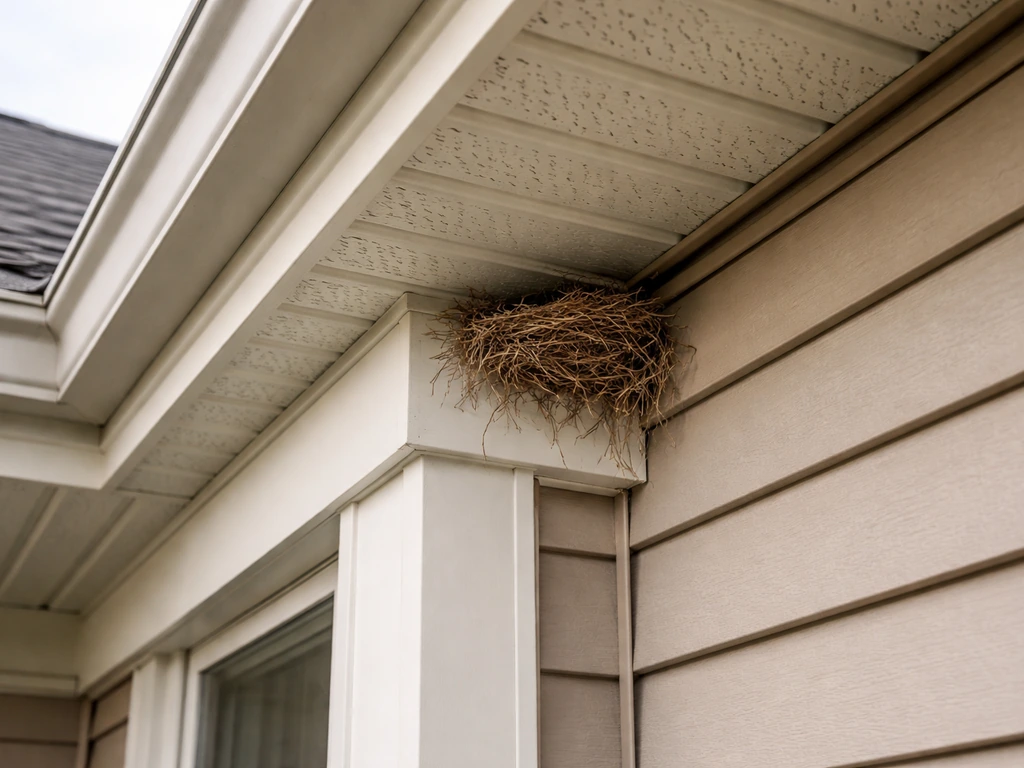
Most pest control companies handle insects and rodents as their core business. Some also offer wildlife or bird services, but not all. When you call a general pest control company about a bird nest, the honest answer from a good one will be: it depends on whether the nest is active, what species is involved, and what state you're in.
Here's the practical breakdown of what different service types can typically offer:
| Service Type | Can Remove Inactive Nest? | Can Remove Active Nest? | Can Install Exclusion? | Notes |
|---|---|---|---|---|
| General pest control | Usually yes | No (without permit) | Sometimes | Check that they have bird-specific experience |
| Wildlife removal specialist | Yes | Only with permit/legal basis | Yes | Better choice for bird work overall |
| Roofing/building contractor | Yes (as part of repairs) | No | Yes (sealing gaps) | Good for structural fixes after nest removal |
| DIY homeowner | Yes (inactive only) | No | Yes (many products available) | Must follow all federal and state rules |
The Migratory Bird Treaty Act (MBTA) covers most wild bird species found in the U.S. Under that law, it is illegal to destroy, move, or possess a nest that contains eggs or dependent young birds. The U.S. Fish and Wildlife Service only issues permits to remove active nests in narrow circumstances, typically when there is a genuine human health or safety concern. This is not a technicality that pest control companies can work around. It is a federal law with real enforcement.
The good news: the USFWS does clarify that destroying an empty nest (no eggs, no birds) is not prohibited under the MBTA, provided you don't possess or transfer the nest material. So once a nest goes inactive, removal is generally legal at the federal level, though some states add their own layers (more on that below).
Step 1: figure out if the nest is active before you do anything
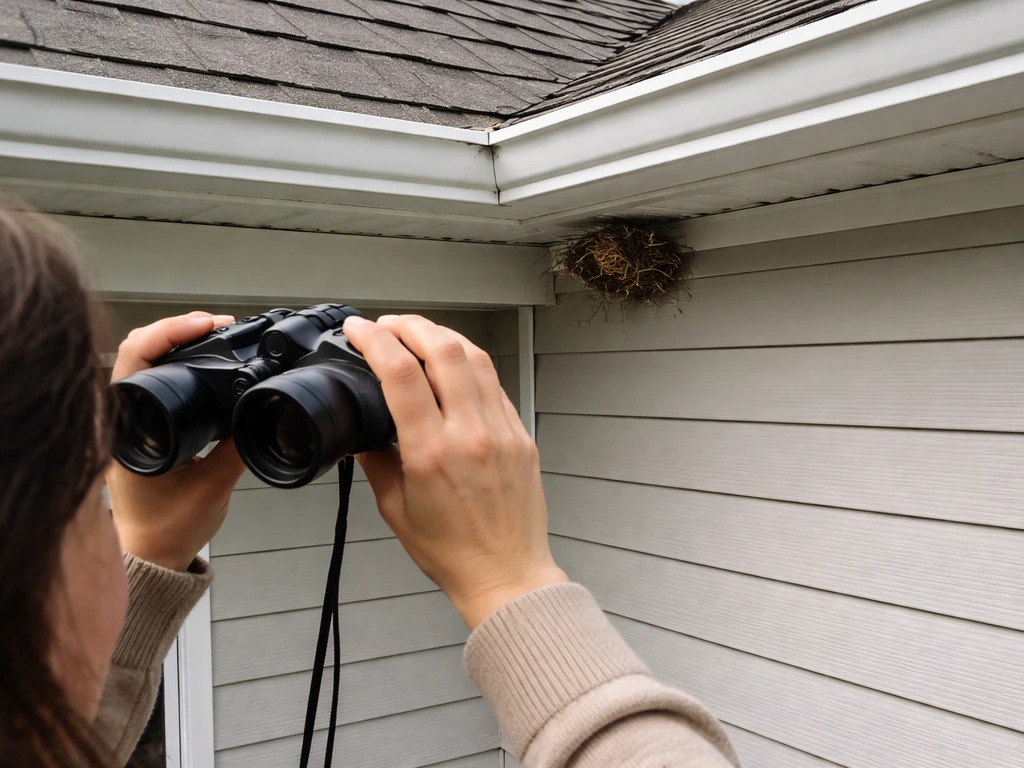
This is the most important thing you can do right now. Whether you're planning to call a pro or handle it yourself, the active-vs-inactive question changes everything about your next move.
Signs a nest is active
- You can see eggs or chicks inside the nest
- Adult birds are visiting the nest regularly (every few minutes to hours)
- You hear chirping or peeping coming from the nest location
- An adult bird flushes aggressively when you approach
- Fresh droppings directly below the nest that weren't there yesterday
Signs a nest is inactive
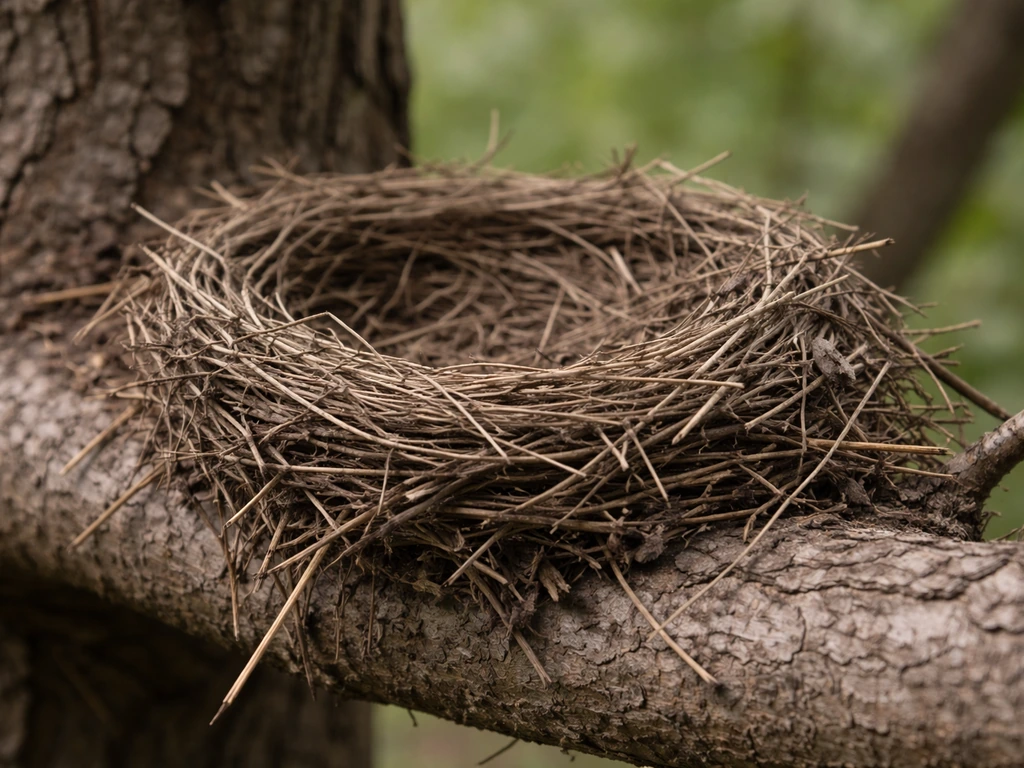
- No adult birds have visited in 2 or more weeks (observe from a distance)
- No eggs or chicks visible
- Nest material looks weathered, flattened, or deteriorated
- No fresh droppings accumulating below the nest
- Birds have clearly fledged and left
Do your observation from a distance, ideally with binoculars, and don't disturb the area while you're watching. The USFWS specifically notes that even visiting a nest site in a way that causes young birds to prematurely leave counts as 'take' under the MBTA. Give yourself at least a few days of quiet observation before drawing conclusions, especially during spring and early summer nesting season (roughly March through August for most species).
If you're not sure, treat it as active and don't touch it. You won't regret waiting. You might regret not waiting.
The right removal sequence: exclude first, then remove
This is the approach professionals use, and it's the one that actually works long-term. Removing the nest without addressing why birds chose that spot virtually guarantees they'll be back. Here's the sequence in order: If you need to know how to remove bird nest from house safely, follow this exclude-first approach so you are not forcing birds to return or creating a legal and safety risk.
- Identify the species. Some birds (like European starlings and house sparrows) are not protected under the MBTA and can be managed more aggressively. Most native songbirds, raptors, and waterbirds are fully protected. If you're not sure, assume protected.
- Confirm whether the nest is active. Use the checklist above. Do not skip this step.
- If active: do not disturb. Install exclusion around the perimeter if possible (without blocking parents' access), and wait. Nesting cycles typically run 2 to 6 weeks from egg-laying to fledging.
- If inactive: remove nest material. Wear gloves and a dust mask. Place material directly into a sealed bag. Do not touch eggs or dead chicks (contact your local wildlife rehabilitator if you find live but abandoned chicks).
- Clean and disinfect the area thoroughly. Dried droppings carry pathogens and need proper treatment before you seal anything up.
- Install exclusion devices immediately after cleaning, while the area is clear. This is the most important step for preventing a repeat.
The sequence matters. Homeowners who skip straight to removal and then wonder why birds are back the next season usually skipped the exclusion step, or did it after the birds had already returned. If you're dealing with a nest in a specific location like a roof, vent, or under a deck, the exclusion method will look different for each spot. For a bird nest under a deck, use the same exclude-first approach, then choose deck-appropriate one-way devices or netting so they cannot get back in bird nest under deck. More on that below.
What you can safely do today
Even if the nest is active and you can't touch it yet, there are practical things you can do right now to reduce risk, contain the problem, and prepare for removal.
If birds or droppings are near your HVAC or air intake
This is an emergency situation. Dried bird droppings can carry pathogens including Histoplasma and Cryptococcus, and if droppings or feathers are getting pulled into your air system, you need to act on the ventilation side immediately, even if you can't legally touch the nest yet. Turn off or redirect the affected air handler if possible, cover exposed intakes with fine mesh (without sealing nesting birds inside), and call an HVAC professional and a wildlife specialist at the same time. Do not try to clean a heavily contaminated HVAC system yourself without respiratory protection.
General safety steps you can start now
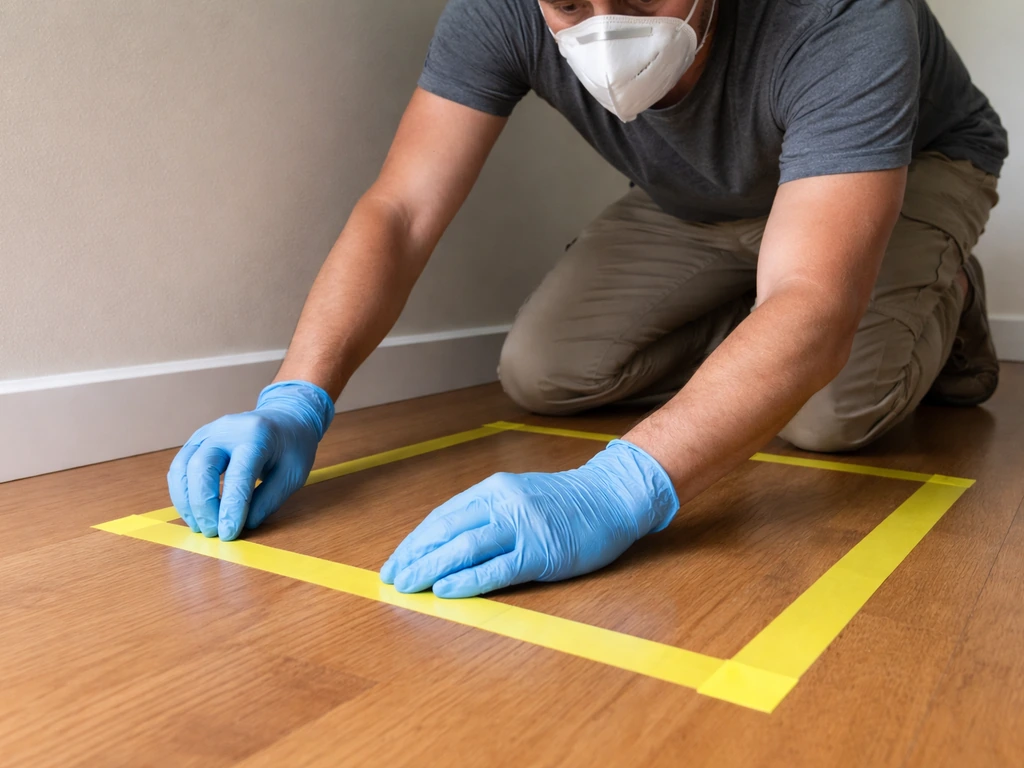
- Mark off the nest area with tape or a barrier so household members and pets stay clear
- Put on gloves and an N95 or better respirator before any close inspection of droppings or feathers
- Wet down any accumulation of droppings before disturbing them to reduce airborne dust (the CDC recommends avoiding dry disturbance of bird waste)
- Document the nest with photos and note the date: this helps you track the nesting cycle and gives a wildlife pro useful information
- Check for any structural damage (damaged soffits, open vents, gaps in rooflines) that made nesting possible and photograph those too
- If birds have entered living space, open windows and doors to the outside and close interior doors to contain them to one room, then let them find their own way out before any handling
Exclusion and prevention by location
The exclusion device or method that works best depends heavily on where the nest is. Here's a practical breakdown by the most common problem locations.
Roof edges, soffits, and eaves
After nest removal and cleaning, seal any gaps wider than about half an inch using hardware cloth, foam backer rod with caulk, or purpose-made vent covers. Pigeons and starlings can squeeze through surprisingly small openings. For open eave areas or decorative architectural features birds like to nest in, bird netting (plastic or nylon, minimum 3/4-inch mesh for larger birds) physically blocks access without harming birds. Install it taut and check for gaps at the edges.
Roof work at height always carries fall risk, so use proper ladder safety or hire the work out. Removing a bird nest in a roof or soffit area often pairs well with a broader roof inspection while you're up there. If you need specific steps for dealing with a nest in that kind of roof opening, follow the roof-focused guidance in this guide Removing a bird nest in a roof or soffit area.
Gutters
Gutters are a common nesting site because they're sheltered and level. Gutter guards (mesh or solid covers) are the most effective long-term fix and also keep out leaves. After removing an inactive nest, install guards across the full run, not just the section where the nest was. Birds are persistent and will find the next open section.
Vents (dryer, bathroom, kitchen exhaust)
This is one of the higher-risk nest locations because blocked vents are a fire and carbon monoxide hazard. Never seal a vent without first confirming it is completely empty. After removal, replace standard vent covers with purpose-made bird-proof covers that have fine mesh or a one-way flap that allows airflow but not bird entry. Standard louvered covers are not adequate for determined birds, especially starlings.
Check and clean vent covers at least once a year. Dealing with birds in vents or wall cavities can get complicated fast, especially if nesting material has fallen deep into the duct. For a fuller walkthrough on how to get rid of bird nest in wall, make sure you confirm whether the nest is active first and then use the right exclusion method for that exact cavity.
Window ledges, porch beams, and flat surfaces
Bird spikes are highly effective on flat and curved surfaces where birds land before nesting. Bird spikes on window ledges are a common part of how to get rid of bird nest in window problems, because they prevent landing so nests cannot form there again. They're not cruel: birds just can't land comfortably. Install them on the full ledge width, not just one section.
For porches and deck beams, a combination of spikes on horizontal surfaces and netting across open beam areas is the most thorough approach. If you need help removing a nest on a porch beam safely, follow the exclusion-first approach and confirm whether the nest is active before doing anything remove a nest on a porch beam safely.
Birds tend to scope out a location before building, so early-season installation (late February or early March, before nesting begins) makes a big difference.
Behind shutters and in tight gaps
Small cavity-nesting birds like house sparrows and wrens will use the gap behind decorative shutters. Physical spacers or shutter locks that eliminate the gap entirely are the most reliable fix. Preventing birds from getting behind shutters in the first place is much easier than removing a nest once it's built in that tight space. After nest removal, use preventive steps for the shutter area so birds cannot slip into the same gap again preventing birds from getting behind shutters.
Legal rules and when the law requires a wildlife professional
The Migratory Bird Treaty Act is federal law and it applies to the vast majority of wild bird species in the U. S. The core rule: you cannot destroy, move, or possess an active nest (one with eggs or dependent chicks) without a federal permit.
If active nests are present and work can occur around them, the Oregon DOT guidance directs you to make reasonable attempts to protect the active nests so parents can keep tending nests and so eggs, young, and nestlings are not negatively impacted protect active nests so parents can keep tending nests and so eggs, young, and nestlings are not negatively impacted.
The USFWS issues these permits, but they're reserved for genuine human health or safety situations, not convenience or cosmetic concerns.
State law can be stricter than federal law. Minnesota, for example, requires a permit for any nest removal, active or not, for certain species. blank" rel="noopener noreferrer">Pennsylvania law makes it unlawful to possess or interfere with the active nest or any egg of a protected bird. South Dakota protects any nest occupied by an egg or nestling from destruction. Your state wildlife agency is the right place to check before you do anything you're uncertain about.
Two species groups get extra layers of protection. Bald and golden eagles are covered by both the MBTA and the Bald and Golden Eagle Protection Act, which is stricter and applies even to inactive nests in some cases. Federally threatened or endangered species are covered under the Endangered Species Act on top of the MBTA. If you're dealing with an osprey, bald eagle, or any raptor nest, stop and call your regional USFWS office before doing anything.
Seasonal timing matters for every species. The core nesting season in most of the U.S. runs from roughly March 1 through August 31, though it varies by region and species. Any nest removal or exclusion work planned for a building should ideally happen between September and February when active nesting is far less likely.
Two species are not protected under the MBTA: European starlings and house sparrows (both non-native, introduced species). Their nests and eggs can be removed at any time without a federal permit, though check your state rules since some states may have additional provisions. Rock pigeons (common city pigeons) are also not protected under the MBTA. This gives you more flexibility if you can confirm the species.
When to call a professional: the risk and complexity checklist
DIY removal of an inactive nest in an accessible location is reasonable for most homeowners. But there are situations where calling a wildlife removal specialist or pest control professional with bird experience is the right move. Run through this checklist:
- The nest is in a hard-to-reach area: roof peak, high eave, chimney interior, or deep inside a wall cavity
- You can see eggs or live chicks and the situation is urgent (health or safety emergency)
- The nest is blocking a vent, HVAC intake, or dryer duct and is a fire or air quality hazard
- There is a large accumulation of droppings (more than a few square feet) that requires professional biohazard cleanup
- You suspect the species may be a raptor, waterfowl, or any protected bird you can't confidently identify
- Birds have entered living spaces (inside attic, walls, or occupied rooms)
- You've removed nests before and birds keep returning to the exact same spot, suggesting an exclusion problem you haven't solved
- The work requires access to the roof, requires a ladder above one story, or involves removing structural material to access the nest
- You're managing a commercial building, rental property, or school where liability and documentation matter
When you call, tell the company: the species if you know it, whether the nest appears active or inactive, the exact location, how long birds have been present, and whether there are any associated problems like droppings in vents or damage to the structure. A good wildlife professional will tell you upfront what they can legally do, what the timeline looks like, and what exclusion they recommend after removal. If they immediately offer to remove an active nest without asking about species or permitting, that's a red flag.
Seasonal planning so this doesn't repeat next year
The best time to deal with bird nesting problems is before nesting season starts. A simple annual schedule prevents most repeat issues:
- January to February: inspect the building exterior for any gaps, damaged soffits, open vents, or missing vent covers. Make a repair list.
- February (before March 1): complete all exclusion installations (netting, spikes, vent covers, gutter guards) and seal any gaps. This is your window to work freely before the nesting season begins.
- March to August: monitor only. Do not disturb any nests that appear. Document any new nesting activity for post-season removal.
- September to October: once nesting season ends, remove any inactive nests and clean and disinfect the areas. Inspect exclusion devices for damage and repair as needed.
- November to December: re-check all exclusion hardware before winter. Birds sometimes attempt late or off-season nesting in warm microclimates near buildings, especially in milder climates.
Persistent birds returning to the same spot year after year are telling you the exclusion isn't complete. Either the device you installed has a gap, or the birds found an adjacent spot that you didn't treat. A full perimeter inspection after each nesting season, combined with exclusion improvements in the fall, is the cycle that actually breaks the pattern.
FAQ
How can I tell if a bird nest is active without getting too close?
Use binoculars from a distance to look for adults coming and going, fresh nesting material being added, or visible eggs or nestlings. If you see any adults incubating, feeding, or actively guarding, treat it as active and wait. Avoid repeated “checking” visits, since even causing young birds to leave can count as a prohibited disturbance.
Can I remove just the nest material if I’m not touching eggs or birds?
No, not if the nest is active. Under federal rules, possessing or moving nest contents that include eggs or dependent young is typically treated as a violation without the proper permit. If it is truly empty, removal of the nest material is generally allowed at the federal level, but you still need to avoid handling it in a way that transfers or spreads material.
What should I ask a pest control company before hiring them for a bird nest?
Ask whether they handle wildlife or birds specifically, whether they have experience with nest exclusion timing, and how they confirm active versus inactive status. Also ask what they will do if the nest appears active (for example, whether they will apply exclusion only, or stop and refer you). If they plan to remove immediately without discussing species or permitting, that is a warning sign.
Can I run exclusion while the birds are still nesting if I do it gently?
Usually no. Exclusion needs the birds to be out and the nest to be inactive, otherwise it can trigger a legal “take” through disturbance or premature departure. The safer approach is exclude after you confirm inactivity, then install the preventive barrier so birds cannot reenter the same opening.
How long should I wait after the last birds leave before assuming the nest is inactive?
Give it several days of quiet observation before deciding it is inactive, especially during March through August when many species are actively nesting. If adults return or you see ongoing incubation or feeding behavior at any time, extend the waiting period and do not start removal.
Can I remove the nest after dark or on a weekend to avoid birds being around?
Do not rely on timing like nights or weekends to bypass legal or safety issues. If the nest is active, changing when you work does not change the permit requirement. Also, working at night increases fall risk and makes it harder to ensure the area is truly empty and safe for vent and HVAC actions.
What if I don’t know the bird species in my area?
Treat it as protected until you can identify it, because permitting requirements can depend on species and local protections. When you call a wildlife specialist, share any observations you can (size, color, nest type, location) and describe whether droppings or structural damage are present so they can advise next steps conservatively.
Are all birds covered the same way under the Migratory Bird Treaty Act?
No. The general rule covers most wild birds, but some non-native species like European starlings and house sparrows are not covered under MBTA. Rock pigeons also have different treatment. Even then, state rules may still impose extra restrictions, so confirm with your state wildlife agency if you are unsure.
Do states always follow the same rules as federal law?
Not always. Some states impose stricter requirements, including permits for removal even when nests are inactive, or additional limits on possession or interference. If you are in a state like Minnesota, Pennsylvania, or South Dakota, confirm the exact requirements with your state wildlife agency before removing anything.
What are the biggest safety risks if droppings are near vents or ductwork?
The main risk is disease exposure from dried droppings and the spread of contaminants into your air system. If you suspect contaminated material is being pulled into HVAC, stop or redirect airflow if possible, cover intakes with fine mesh without sealing birds inside, and coordinate an HVAC professional plus a wildlife specialist. Avoid DIY deep cleaning of contaminated ducts without appropriate respiratory protection.
After I remove an inactive nest, can I seal gaps immediately?
Only after removal is complete and the area is confirmed empty. Do not seal vents or cavity openings before you are sure there are no eggs or dependent young present. Once confirmed, seal gaps larger than about half an inch and use the right materials (like hardware cloth or vent-specific bird-proof covers) to prevent squeeze-in entry.
Why do birds come back even after I removed the nest?
Most repeat visits happen when the original entry path was not fully blocked, or birds switch to an adjacent gap you did not seal. Another reason is that the spot still offers the same shelter and access that attracted them initially. After removal, do a full perimeter check and install exclusion across the entire vulnerable area, not just where the nest was.
If I hire a wildlife removal specialist, should they handle HVAC, cleaning, and exclusion too?
Not necessarily. A good specialist can handle the bird side (exclusion, confirming inactivity, and appropriate removal), but HVAC duct contamination may require an HVAC contractor. The right workflow is often coordinated: bird exclusion and nest removal when permitted or after inactivity, then ventilation assessment and proper cleaning by the right professional.
When is the best time of year to do nest removal and exclusion for prevention?
Plan work for the non-nesting period when possible, often between September and February depending on your region and species. This timing reduces the chance nests are active, and it helps you install exclusion before birds begin scouting for the next season.