If you have a kite bird causing problems around your home or building, the most important things to know upfront are: kites (especially the Mississippi kite, the species most often called a 'kite bird' by U.S. homeowners) are protected under the Migratory Bird Treaty Act, which means you cannot legally remove an active nest, disturb eggs, or harm the bird. What you can do is use humane deterrents, close off access points outside of nesting season, and make your property less attractive so they move on. This guide walks you through everything, starting with making sure you've got the right bird, then moving into safe removal, exclusion, and long-term prevention. If you are also dealing with a different nuisance bird like a koel bird, the same general approach of humane exclusion and prevention applies, but you should research the right species-specific steps for how to get rid of koel bird.
How to Get Rid of Kite Bird: Safe Removal and Prevention

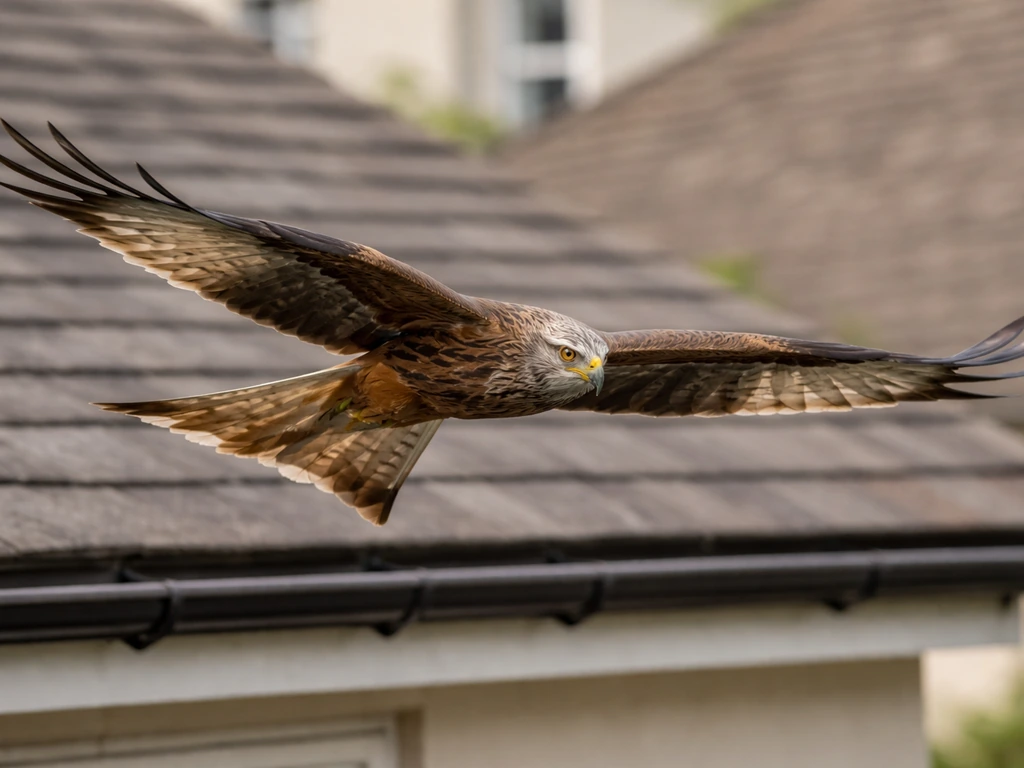
Make Sure You're Dealing With a Kite Bird
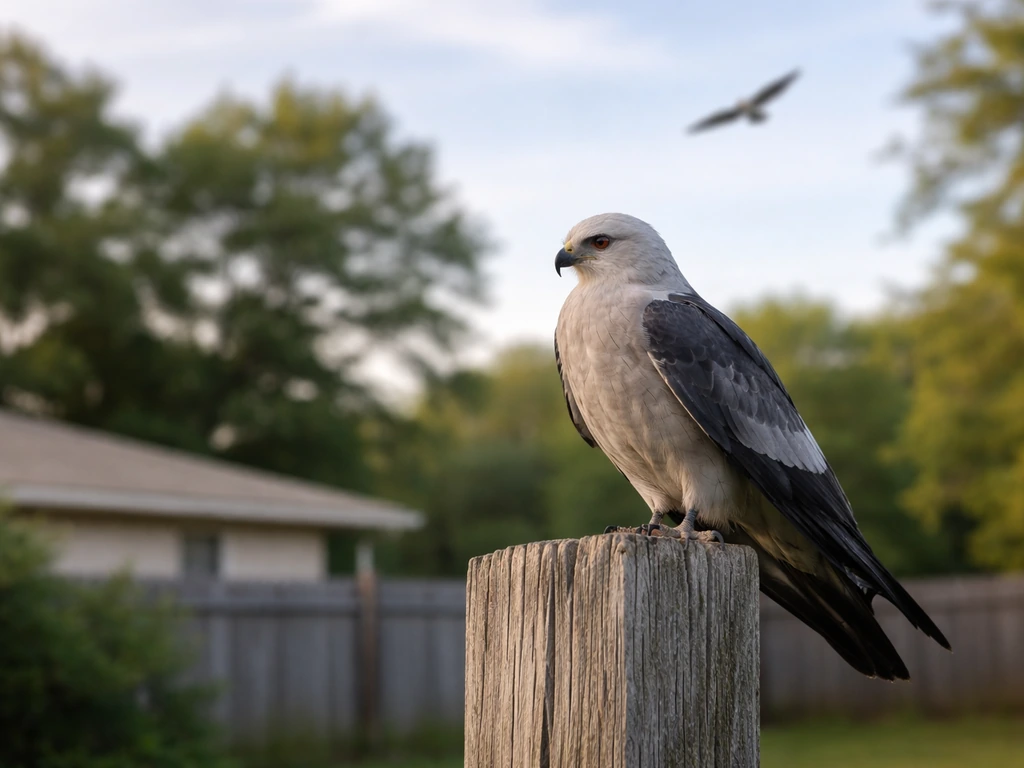
Before you do anything, confirm what you're actually looking at. Misidentifying the bird can lead to wasted effort, or worse, accidentally breaking the law. The Mississippi kite is the species most commonly associated with the 'kite bird' label in residential nuisance complaints across the U.S. It's a medium-sized raptor with a distinctive gray body, a narrow tail, and long, pointed wings that give it an elegant, almost falcon-like silhouette. You'll often see it soaring in wide circles or hovering before diving, especially in suburban areas near large shade trees.
The most common complaints involve swooping behavior during nesting season (typically late spring through midsummer), droppings accumulating on patios, vehicles, or walkways, and noise from chicks. If you're seeing a larger bird with a deeply forked tail, that's likely a Swallow-tailed kite. If it's brown with a white head, you may be dealing with something else entirely, such as an osprey or juvenile eagle. Take a photo before doing anything else. This is the most useful thing you can do at the start: document what you're seeing, where the bird is, and whether there's an active nest visible.
- Mississippi kite: gray body, pointed wings, pale head, small hooked bill, often seen soaring in groups
- Swallow-tailed kite: black and white, deeply forked tail, larger wingspan
- White-tailed kite: white below, gray above, bright red eyes, hovers frequently over open fields
- All three are protected under the Migratory Bird Treaty Act
If you're unsure what you're dealing with, the Cornell Lab's Merlin Bird ID app is genuinely useful here. Upload your photo or answer a few questions and it'll narrow it down fast. Once you know your species, you can figure out the right response.
Immediate Steps for Urgent Situations
If the situation is urgent, such as a kite bird inside a building, swooping aggressively at people, or causing an immediate safety hazard, here's what to do right now.
If the Bird Is Inside a Building
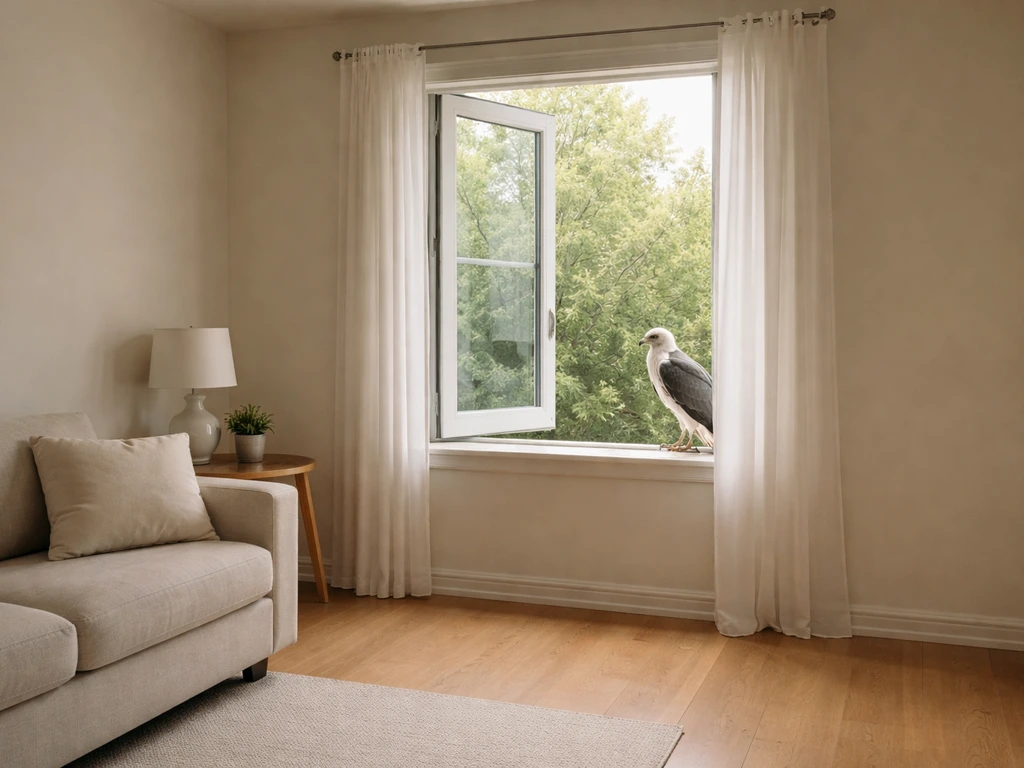
- Clear the room of people and pets to reduce stress on the bird and lower the risk of it panicking and injuring itself.
- Open the largest window or exterior door and darken the rest of the room by closing blinds. Birds move toward light, so this steers them out.
- Do not try to grab or net the bird yourself. Raptors have sharp talons and strong grip. This is a wildlife professional call if the bird won't leave on its own.
- Once the bird exits, document and close the entry point immediately so it can't re-enter.
- If the bird appears injured and won't fly, contact a licensed wildlife rehabilitator. Do not handle it bare-handed.
If the Bird Is Swooping at People
Mississippi kites do swoop during nesting season, especially if their nest is nearby and they feel threatened. This is temporary, lasting only as long as chicks are in the nest. In the meantime, carry an open umbrella when walking through the area, wear a hat, and try to avoid standing directly under or near the nest tree. Post a simple sign warning others in the area. Do not throw objects at or near the bird. Aside from being illegal, it only escalates the defensive behavior.
Droppings Creating a Health Hazard
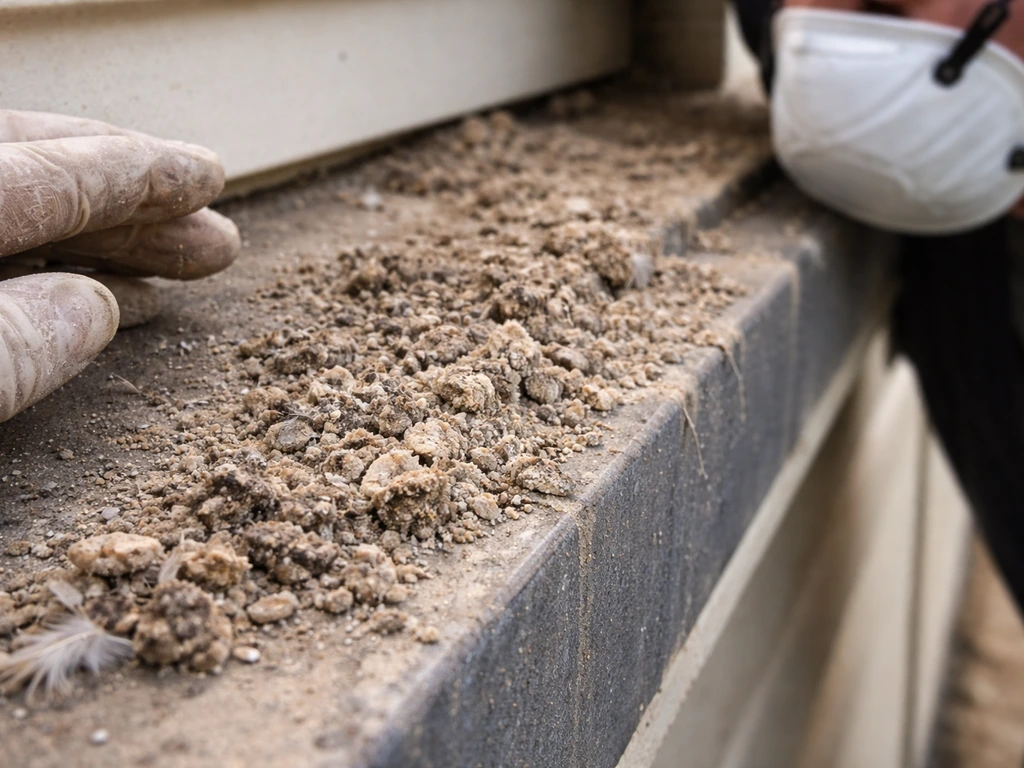
Bird droppings can carry Histoplasma, a fungal pathogen that becomes a respiratory risk when dry droppings are disturbed and particles become airborne. If there's significant accumulation, don't dry-sweep or use a leaf blower. Wet the area down first, wear an N95 mask and gloves, and bag the waste for disposal. Preventing accumulation in the first place is the real solution, which is covered in the deterrent section below. CDC notes that preventing droppings accumulation is the best way to prevent Histoplasma exposure, making sanitation an effective engineering-control objective Preventing accumulation in the first place is the real solution.
Closing Off Access Points and Excluding Birds From Buildings
Exclusion is the most reliable long-term fix. The goal is to physically prevent kite birds from roosting or nesting in or on your building. The key rule is timing: you must do this outside of active nesting season. If there's an active nest with eggs or chicks, you are legally required to leave it alone until the young have fledged and left on their own.
How to Inspect and Document Entry Points
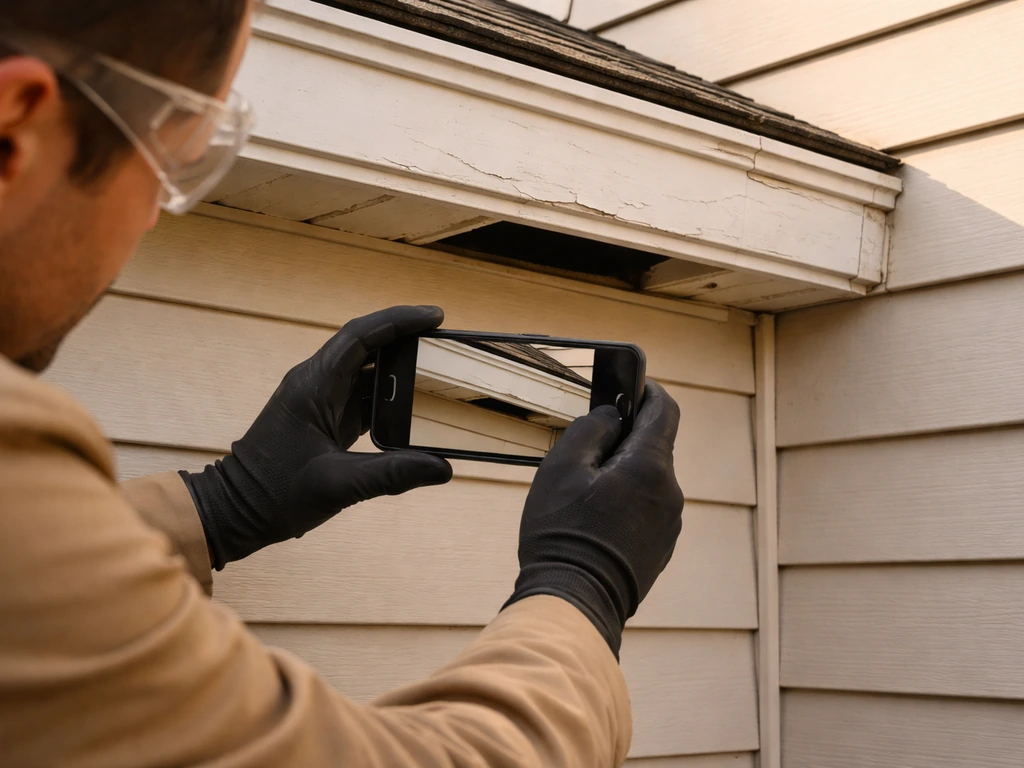
Walk the entire exterior of your building and photograph every gap, vent, broken eave, or ledge where a bird could land or enter. Pay attention to the smallest openings: raptors can squeeze through gaps that seem too small to matter. A useful low-tech monitoring trick from wildlife control professionals is to place a few dry sticks loosely across a suspected entry point. If they're knocked aside the next day, that opening is being used. This saves you from sealing an entry point that's not actually in use, or missing one that is.
One-Way Doors and Active Entries
If birds are roosting inside a structure (an attic, a barn, a warehouse), a one-way door fitted over the active entry lets birds exit but not return. This method works well, but comes with a serious caveat: you must be certain there are no young birds inside that can't yet fly. A trapped juvenile will die, and a stressed adult will try to re-enter aggressively. Survey the entry point frequently before installing the device, and monitor it daily after installation. Once all birds have exited, remove the one-way door and permanently seal the opening.
Sealing and Proofing Steps
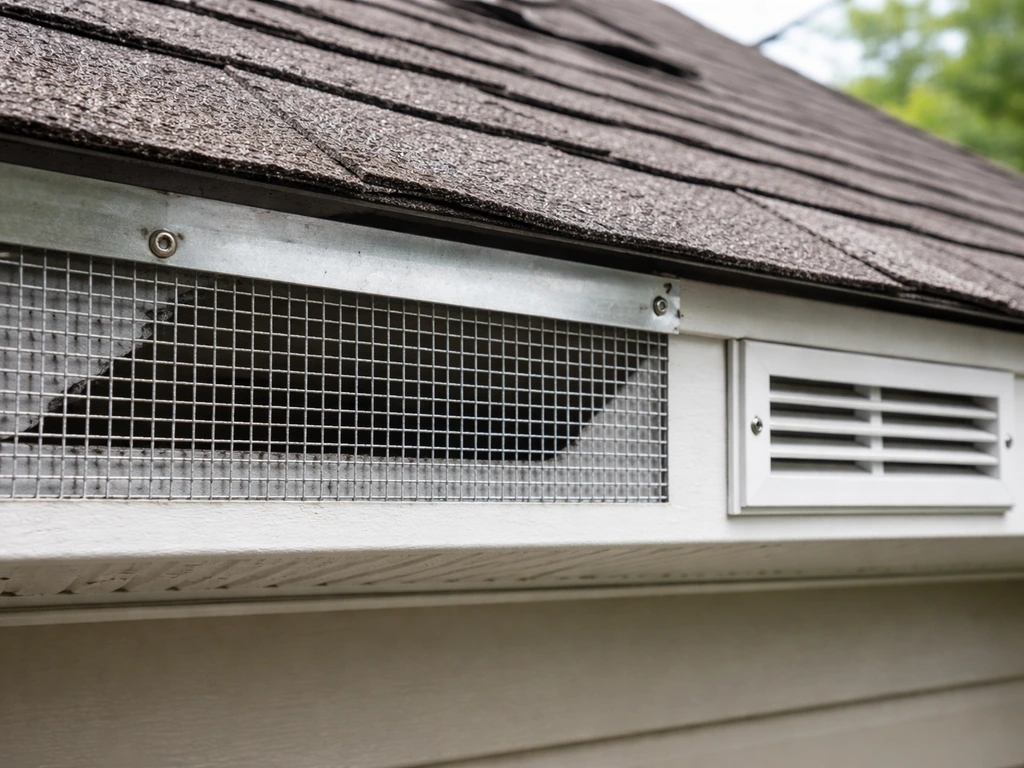
- Seal all gaps larger than 1 inch in eaves, soffits, roof edges, and vents using hardware cloth, metal flashing, or commercial sealant rated for exterior use.
- Install vent covers with fine mesh screens over attic and crawl space vents.
- Remove or secure loose roofing materials, broken fascia boards, and open pipe chases.
- Install bird-proof netting over any ledges, beams, or rafters that birds have been using as roost spots.
- Check and repeat the inspection after the first major storm of the season, since weather loosens flashing and opens new gaps.
Make Your Property Less Attractive to Kite Birds
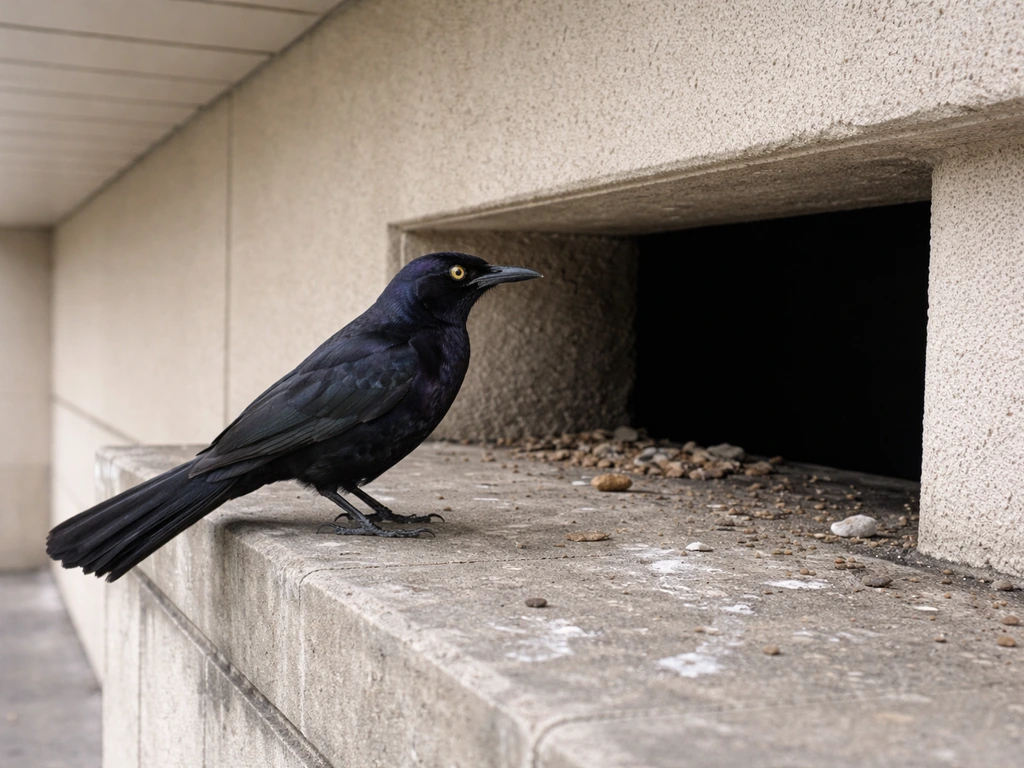
Even after exclusion, if your yard or building still looks like a great habitat, birds will keep trying. Grackles are nuisance birds too, and the best approach depends on whether they are nesting nearby or just roosting for food and shelter how to get rid of grackle bird. The goal here is to reduce everything that makes the site appealing: food, water, sheltered perches, and nesting substrate.
Habitat and Sanitation Changes
- Kites feed primarily on large insects, especially dragonflies and cicadas. Reducing insect populations by eliminating standing water (mosquito habitat) and managing lawn thatch can make your yard less of a hunting ground.
- Remove debris piles, loose straw, and accumulated leaf litter near the building, since these serve as nesting material.
- Trim large shade trees that overhang the roofline or that kites have been using as perch and nest sites. This is especially effective if done before nesting season starts in spring.
- Clean up spilled birdseed or pet food that attracts the small animals and insects kites prey on.
Deterrents That Actually Work (and the Trap to Avoid)
Visual deterrents like reflective tape, predator decoys (owl or hawk silhouettes), and flash tape can be effective, but only if you rotate and move them regularly. Birds are smart. They habituate to static objects quickly. A fake owl that sits in the same spot for two weeks stops working. The same goes for audio deterrents: distress call devices and predator call speakers lose their effect when they run on the same schedule in the same location. If you're going to use these tools, actively manage them. Change positions every few days, vary the timing, and combine multiple types rather than relying on one.
For roost trees, one of the most effective approaches is installing exclusion netting directly over the canopy or over specific branches being used for roosting. This is more involved than hanging reflective tape, but the results are far more durable. If you have a facility manager's budget for this, it's worth the investment.
| Deterrent Type | Effectiveness | Habituation Risk | Best Use Case |
|---|---|---|---|
| Reflective tape / flash tape | Moderate | High if static | Open areas, ledges, eaves |
| Predator decoys (owls, hawks) | Low to moderate | High if unmoved | Rooftops, open yards |
| Audio distress calls | Moderate | High on fixed schedule | Large open areas with active management |
| Bird spikes / anti-perch strips | High for ledges | None (physical barrier) | Ledges, beams, flat rails |
| Exclusion netting | Very high | None (physical barrier) | Roost trees, open rafters, eaves |
| Habitat reduction (trim trees, remove food) | Very high | None | All situations, best first step |
Long-Term Prevention: Proofing, Inspections, and a Seasonal Schedule
One-time fixes rarely hold. Kite birds, like most wildlife, are persistent and will return to a site that worked for them before. Building a maintenance routine into your calendar is the only thing that reliably keeps them away year after year.
Seasonal Planning Calendar
| Season | Key Actions |
|---|---|
| Late Winter (Feb-Mar) | Inspect all exterior gaps and seals before birds return. Repair any damage from winter weather. This is your window for exclusion work before nesting begins. |
| Spring (Apr-May) | Monitor for early nesting activity. If birds are scouting your property, deploy and rotate deterrents now. Do NOT seal active nests or disturb eggs. |
| Summer (Jun-Jul) | Leave active nests alone. Manage droppings with PPE. Post signage in swoop zones. Plan your fall exclusion work. |
| Fall (Aug-Oct) | After fledglings depart, complete all exclusion and sealing work. Install netting, repair gaps, treat roost areas. Best time for structural proofing. |
| Winter (Nov-Jan) | Schedule a professional inspection if problems recurred this year. Review what worked and what didn't. Order materials for spring prep. |
Annual Maintenance Checklist
- Inspect roof edges, soffits, vents, and eaves every spring and fall
- Check all exclusion netting and hardware cloth for tears, gaps, or corrosion
- Replace any bird spikes or anti-perch strips that have shifted or been dislodged
- Rotate and reposition any visual or audio deterrents
- Trim overhanging tree branches before April each year
- Clear droppings from ledges and flat surfaces before buildup becomes significant
- Check that vent screens remain intact after winter storms
- Document any new bird activity with photos and dates for your records
If you manage a larger facility, assign this inspection to a named staff member with a specific date on the calendar. Preventive maintenance that lives on nobody's to-do list never happens.
When to Stop DIY and Call a Wildlife Professional
There are specific situations where you should stop what you're doing and bring in a licensed wildlife control professional or contact your state wildlife agency. This isn't about being overly cautious. It's about staying legal and solving the problem correctly.
Stop and Call If:
- You've found an active nest with eggs or chicks. Under the Migratory Bird Treaty Act, you cannot move it, destroy it, or block access to it until the young have fully fledged and departed on their own.
- You're not sure whether the nest is active. Treat it as active until confirmed otherwise by a professional.
- The bird is inside a building and won't leave on its own, especially if it appears injured.
- You need to remove a nest after the season and want to do so legally (a professional can advise on timing and documentation).
- Your deterrents and exclusion have failed repeatedly and the problem is recurring season after season.
- You're managing a commercial or multi-unit property with significant liability concerns around bird droppings or structural damage.
Legal Notes on Protected Species
Mississippi kites and most other kite species in North America are protected under the Migratory Bird Treaty Act. This law makes it illegal to kill, capture, possess, or disturb these birds or their active nests without a federal permit. For practical, humane ways to get rid of a crane bird without breaking the law, follow the guide’s steps for identification, deterrents, and exclusion how to get rid of a crane bird. Violations can carry significant fines. If your situation requires anything beyond passive deterrents and physical exclusion on your own structure, contact the U.S. Fish and Wildlife Service or your state wildlife agency first. They can advise on whether a depredation permit or other authorization applies to your situation, and they often have free guidance available by phone.
When you call a wildlife professional, be ready to describe: the species (or your best identification), how long the problem has been occurring, whether there's an active nest, where the birds are accessing the building, and what you've already tried. The more specific you are, the faster they can help.
Troubleshooting: When Things Aren't Working
If you've taken action and birds are still coming back, here are the most common reasons why, and how to fix them.
The Birds Keep Coming Back After Deterrents
This is almost always a habituation problem. Static deterrents stop working within days to weeks. If you placed an owl decoy or ran an audio device on a fixed schedule, the birds figured it out. Rotate positions, change the schedule, and combine deterrent types. Better yet, pair deterrents with actual habitat changes, since a site that has no food, no shelter, and no perches is genuinely unattractive regardless of what's hanging from the eaves.
Exclusion Isn't Holding
If birds are getting back in after you've sealed entry points, you missed one. Birds will find the smallest available gap, so the inspection needs to be exhaustive. Use the dry-stick method to check all potential openings, not just the obvious ones. Check after rain and wind too, since weather can shift or loosen materials. Also confirm you used the right materials: lightweight foam sealant alone won't hold against a determined bird. Use hardware cloth or metal flashing for any gap a bird can reach.
You Did Exclusion at the Wrong Time
This is one of the most common DIY mistakes. If you sealed an entry during nesting season, you may have trapped birds or chicks inside. If you're hearing distress calls from inside the structure after exclusion, stop immediately and consult a wildlife professional. The one-way door method only works safely when you are certain no young are inside and only birds capable of flight are using the space. For “timing rules” that prevent trapping young, Penn State Extension advises avoiding bat-proofing between May and July because flightless pups are at risk, and using one-way doors only after pups can fly one-way door method only works safely when you are certain no young are inside and only birds capable of flight are using the space. When in doubt about timing, wait. The cost of waiting a few weeks is always lower than the legal and logistical cost of trapping a protected species.
The Problem Comes Back Every Year
Kites, like many raptors, return to successful nesting sites and may reuse them across multiple seasons. If the same location is being targeted year after year, the solution is structural, not just deterrent-based. That means permanent exclusion of all building entry points, removal of nesting substrate, and trimming or removing the specific trees being used as nest sites (check local ordinances before removing mature trees). Similar recurring site fidelity problems show up with other persistent nuisance birds too, so a robust exclusion and habitat-modification approach is the common thread across species.
FAQ
Is it ever legal to remove a kite bird nest or eggs if it’s on my building?
Don’t remove nests, eggs, or birds yourself if they are active. Instead, act with timing-based deterrence (umbrella use, signage, avoiding the nest tree) right away, then plan permanent exclusion after chicks have fledged. If you find evidence of a nest you didn’t expect, pause sealing and consult a wildlife professional or your state agency to stay compliant.
What should I do the moment the kite bird starts swooping at people or pets?
If birds are swooping, the safest immediate option is to reduce your exposure, not to intervene with tools or objects. Walk with an umbrella, wear a hat, and avoid standing under the exact nest area. Also keep pets inside during peak swoop times, since sudden movement and chasing can increase defensive behavior.
How do I know I sealed the correct entry point and not just the obvious gaps?
Kites and similar raptors can use very small entry points. Use the dry-stick check on every vent, broken eave, loose trim, cable hole, and plumbing penetration, then recheck after storms, strong winds, or freeze-thaw cycles. If sticks keep getting displaced at a location you already “sealed,” you missed the active access route or the seal failed.
Can I use a one-way door if I’m not 100% sure there are no chicks inside?
A one-way door only works safely if you confirm there are no young birds trapped inside. Before installing, inspect the entry point area (and the likely access route) carefully and monitor frequently. If you see or hear chicks that cannot fly, stop and get professional help, because releasing trapped juveniles is higher risk and timing-sensitive.
What’s the safest way to clean kite bird droppings without spreading disease?
If you have heavy droppings, don’t dry-sweep or blow them. Wet the area first, wear an N95 mask and gloves, and bag the cleanup material. After cleanup, focus on prevention (reduce perching, remove nearby attractants, and seal access points) so droppings don’t build up again.
Why did the reflective tape or decoy stop working, even though it seemed effective at first?
Static deterrents often stop working after habituation. Rotate visual deterrents (for example reflective tape positions) every few days, vary the timing, and combine multiple types rather than relying on one item. If you’re using decoys or audio devices, keep moving them and don’t run the exact same pattern indefinitely.
What if they keep coming back to the same nesting area every year?
Yes, if the birds are returning to the same nest trees year after year, exclusion alone may not fully solve it. In those cases, address the overall site attractiveness: permanently block all building entry points, remove nesting substrate where appropriate, and consider reducing or removing specific roost or nest trees only if allowed by local rules (and with proper permissions).
What should I do if kite birds return after I already sealed the exterior?
If you’re getting continued activity after you sealed gaps, the most common causes are a missed opening, seal material that can be bypassed, or weather-related loosening. Reinspect using the dry-stick method, check after rain and wind, and upgrade weak materials to durable barriers such as metal flashing or hardware cloth where birds can reach.
How should the approach change if they are roosting nearby instead of nesting?
Your plan should depend on whether they’re nesting, roosting, or using the area only for food and shelter. For roosting, use durable exclusion like netting over canopy or specific branches. For nesting pressure around buildings, prioritize timing-based exclusion and habitat reduction (perches, shelter, nesting substrate).
When is it best to stop DIY removal and contact a professional?
If the bird is inside the structure, or you hear distress or signs of young birds you didn’t account for, stop DIY actions and call a licensed wildlife control professional or your state wildlife agency. This helps you avoid trapping juveniles and avoids legal violations tied to protected birds and active nests.