Grackles are smart, adaptable, and persistent. If they have found your building, parking lot, or outdoor space, they will keep coming back unless you remove the specific things drawing them there and physically block the spots they use. The good news is that with the right combination of deterrents, exclusion work, and attractant removal, you can push them out and keep them out. Here is exactly how to do that, starting with the fastest actions you can take today.
How to Get Rid of Grackle Birds Around Your Building

Maya Carver
19 Apr 2026
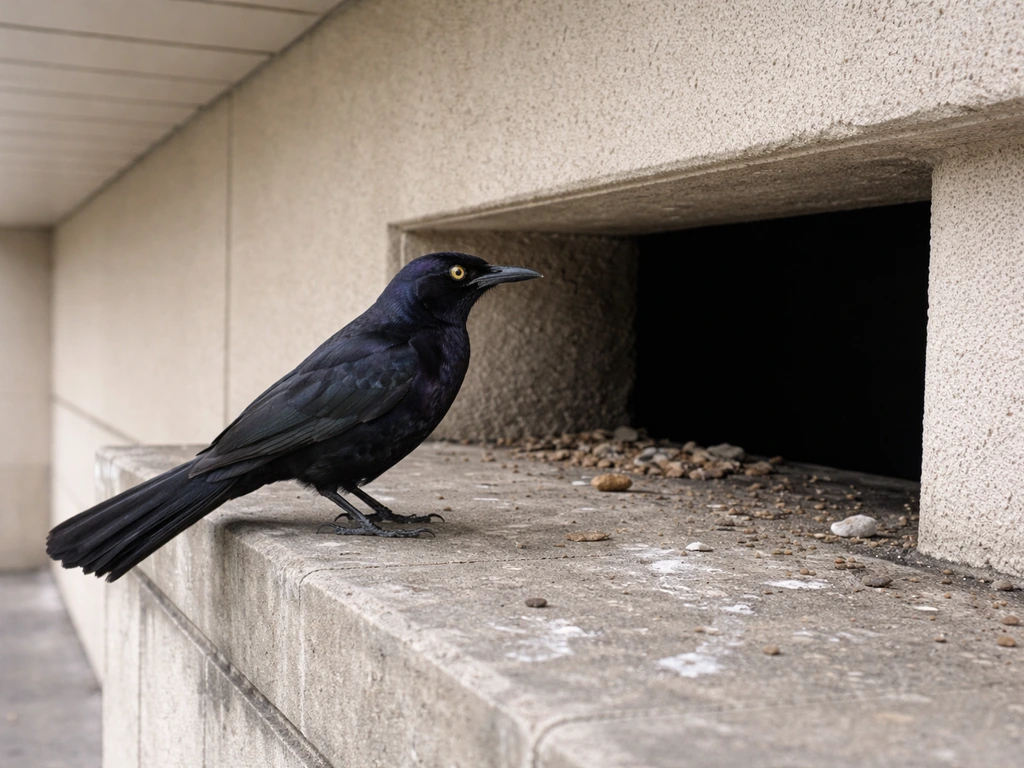
Is it actually a grackle? Quick identification
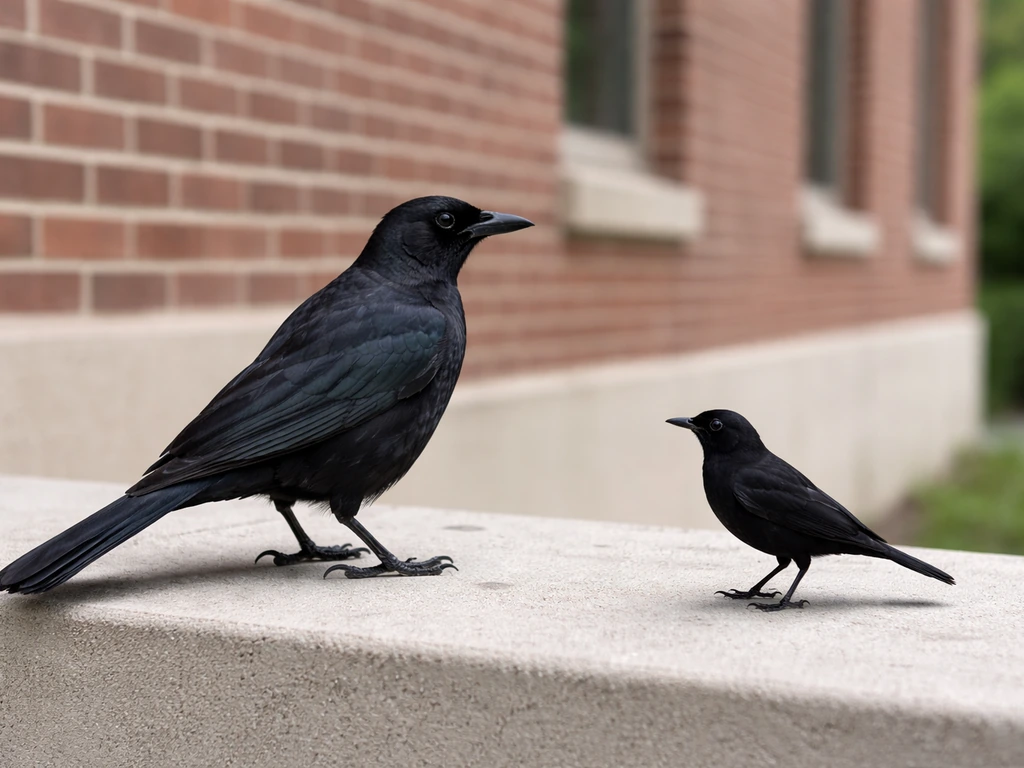
Before you start any control work, confirm you are dealing with grackles. Misidentifying the bird can waste time and money on the wrong approach. (If you are dealing with a very different species, the guidance for getting rid of a crane bird or a kite bird differs meaningfully from what works on grackles. If you are specifically dealing with a koel bird, the steps to get rid of them are different from grackle control.
If you are dealing with a crane bird rather than a grackle, the removal and deterrent approach can be different, so confirm the species first. If you are actually dealing with a kite bird, use a species-appropriate approach and exclusion plan to prevent repeated roosting. )
Common grackles are large blackbirds, noticeably bigger than a starling. In good light, adults show a purplish iridescent sheen on the head and neck and bronze or greenish-blue iridescence across the body. The eye is bright yellow. Boat-tailed grackles are even larger and the most obvious field mark is a long, keel-shaped or V-shaped tail in flight, combined with long legs and a long pointed bill.
Both species forage almost entirely on the ground, walking purposefully through grass, parking lots, and dumpster areas, then roost high up in trees or on power lines and building ledges. That ground-foraging habit is a key identifier: if your nuisance bird is mostly working the ground in large, noisy groups and then flying up to roost on structures at dusk, it is almost certainly a grackle.
Grackles show up near buildings for a short list of reasons. Iowa State University Extension points out that the primary requirement for a nuisance bird problem is an abundance of artificial structures for nesting and roosting combined with a nearby food source. Grackles need all three things at once: food (insects in turf, spilled grain, open dumpsters, bird feeders), water (standing water in gutters, A/C condensate pans, ornamental fountains), and a secure place to roost or nest. Building cavities, hollow soffits, ledges, and dense landscaping near a building all fit the bill. Remove any one of those three pillars and the flock's motivation to stay drops sharply.
Emergency steps: what to do right now
If grackles are actively roosting on your building this evening, or if you have discovered a large accumulation of droppings, take these steps first before moving on to longer-term fixes. If you are dealing with a bird in Granny’s yard, the same longer-term fixes like exclusion and attractant removal will help you stop repeat visits.
- Put on personal protective equipment before touching anything near droppings: an N95 or P100 respirator, disposable gloves, and eye protection. The CDC and USDA-APHIS both flag histoplasmosis (a serious fungal lung infection) as a real risk from grackle droppings. Disrupting dried waste releases spores into the air, so never sweep or blow dry droppings without a respirator.
- Wet the droppings lightly with a diluted disinfectant spray before scooping. This suppresses airborne dust. Bag everything in sealed plastic bags and dispose of it in a lidded dumpster.
- Identify every active roost point on the structure right now: ledges, HVAC equipment curbs, roof parapet edges, tree branches directly over entrances, and any open cavities. Take photos and notes. You will need this map for the exclusion work later.
- Immediately remove any obvious food source in the area: pick up spilled birdseed, secure dumpster lids, pull any outdoor pet food bowls, and drain standing water in gutters or planters.
- If there is a tree directly adjacent to the building that the flock uses as a staging roost before landing on the structure, consider whether branches overhanging the building can be pruned back. Grackles use those branches as a launch point.
- If grackles are actively inside a building space (atrium, loading dock, covered parking), prop open exit doors and use a broom or large flag to gently herd them toward the opening. Do not chase them into enclosed dead ends. Work slowly and patiently.
Day-to-day deterrents: visual, sound, and habitat tweaks
Deterrents work best in combination. A single shiny tape strip rarely moves a determined flock. Stack two or three methods at the same roost location and rotate them regularly so the birds do not habituate.
Visual deterrents

- Reflective tape or holographic flash tape: hang in strips so they spin and catch light. Works best at ledge edges and along parapet walls. Replace every few weeks as it fades.
- Predator decoys: owl or hawk silhouettes placed at roost points. Move them every two to three days or grackles will figure out they are fake within a week.
- Mylar balloons or predator kites: large eye-spot balloons on a line or a hawk kite on a telescoping pole can be effective in open areas like parking lots or courtyards. The movement matters more than the shape.
- Laser deterrents: handheld green lasers (5 mW) used at dusk when grackles are staging to roost. Sweep the beam across the flock repeatedly. This is one of the more effective short-term dispersal methods and is widely used by facility managers.
Sound deterrents
- Distress call speakers: devices that broadcast grackle distress and predator calls. Use them at the start of the roosting period (roughly 30 to 60 minutes before sunset). USDA-APHIS recommends this as part of an integrated approach. Rotate call types so birds do not habituate.
- Propane cannons or pyrotechnics: effective for large open sites like parking lots or athletic fields, but check local noise ordinances before using them. Not appropriate for residential neighborhoods or sites with nearby occupied buildings.
- Ultrasonic devices: the research on ultrasonic repellers for birds is weak. They are generally not worth the investment on their own.
Habitat tweaks
- Reduce ground-level insect habitat: grackles are heavily insectivorous in summer, feeding on beetles, grasshoppers, and caterpillars. A heavily irrigated or over-fertilized lawn concentrates insects. Reduce watering frequency around the perimeter of the building.
- Thin dense ornamental shrubs and trees within 20 feet of the building: grackles like dense canopy for staging and overnight roosting. Opening up the canopy removes that shelter.
- Turn off non-essential exterior lighting at night: lights attract insects, which attract grackles.
Physical exclusion and building repairs
Deterrents buy you time. Physical exclusion is what actually stops grackles from using a specific spot. This is the most labor-intensive step but also the most permanent. Work through it systematically using your roost map from the emergency phase.
Sealing openings
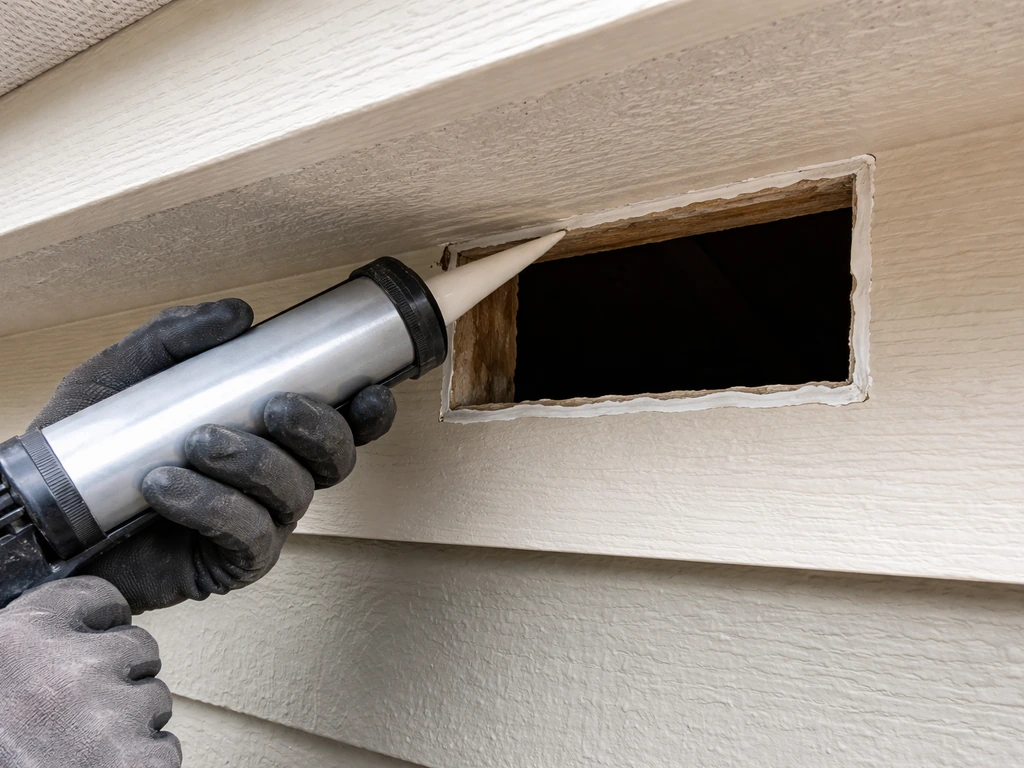
A common grackle needs only a modest gap to enter a building cavity, attic void, or soffit space. The University of Wyoming Extension sets a clear rule of thumb: close all openings larger than 1 inch. Use hardware cloth (galvanized wire mesh) for irregular gaps and foam-backed metal flashing for larger structural openings. For vent covers, the Building America Solution Center recommends corrosion-proof wire mesh with openings of 1/4 inch or smaller, except over vents that serve air handlers (where you need to match the manufacturer's clearance requirements). Inspect the entire roofline, all soffit joints, gable vents, and any point where conduit, pipes, or HVAC lines penetrate the wall.
Ledges, parapets, and beams
- Bird spikes: stainless steel or UV-stabilized polycarbonate spikes on ledges, parapet tops, and window sills. They work by eliminating the flat landing surface. Install them flush with the full width of the ledge so birds cannot land at the edge.
- Electric track systems: a low-profile electrified track that delivers a mild shock when a bird lands. More expensive than spikes but less visible and very effective on architectural ledges where spikes look obtrusive.
- Sloped ledge covers: metal or PVC slope inserts that change a flat ledge into a 45-degree or steeper angle. Birds physically cannot grip them.
- Structural beam netting: for open areas like loading docks, covered walkways, or parking structures, polyethylene netting installed overhead prevents grackles from landing on beams. Follow the USFWS guidance and use netting with a mesh opening no larger than 3/4 inch to prevent birds from becoming entrapped. Larger mesh can catch and injure birds, which may create a legal liability under the Migratory Bird Treaty Act.
Doors, windows, and entrances
- Install strip curtains (PVC strips) on loading dock doors that stay open for extended periods.
- Add automatic door closers to service doors that staff prop open.
- Check that dock leveler pit doors and floor-level drain grates are solid, not grated wide enough for a bird to pass through.
- Apply bird-collision window film to large glazed areas where grackles repeatedly fly into glass, especially if the interior contains plants or sky reflections.
Remove what is attracting them: food, water, and sanitation
Physical exclusion and deterrents will not hold if the food and water attractants remain. A Reddit thread on weight-sensitive bird feeders includes a cautionary report of a dead common grackle found under a “squirrel resistant” weight-sensitive feeder. This step is unglamorous but it is often the single biggest lever you have.
Food sources to eliminate
- Bird feeders: if you have feeders anywhere on the property, either remove them entirely or switch to feeders with weight-sensitive perches that close under a grackle's weight. Common grackles are heavy enough to trip most weight-sensitive feeders designed for songbirds.
- Dumpsters and trash: use lids with latching mechanisms, not just loose-fitting covers. Schedule pickups more frequently during peak grackle season (spring through fall). A compactor with a sealed hopper eliminates open dumpsters entirely.
- Spilled grain or seed: sweep loading dock areas, grain handling areas, and outdoor dining spaces daily. Even a light scatter of crumbs is enough to anchor a flock.
- Outdoor pet food: never leave pet food outside unattended, even briefly.
Water sources to eliminate
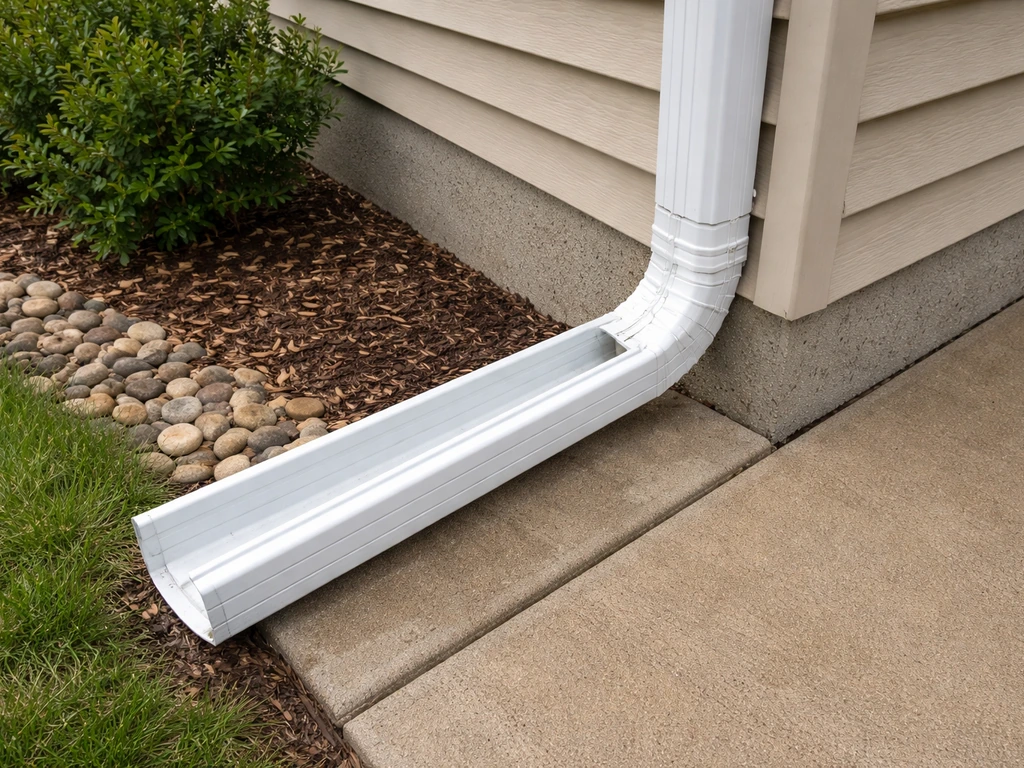
- Clean and slope gutters so they drain completely. A clogged gutter holding 2 inches of water is a drinking and bathing station for grackles.
- Cover or drain ornamental fountains, birdbaths, and water features when not in use, or treat them with a wildlife-safe bird deterrent product (like physical balls that disrupt the water surface).
- Route A/C condensate drain lines to a closed drain rather than an open pan or ground puddle.
- Fill low spots in paved areas that collect rainwater. Even a tire rut or a low spot in a parking lot edge is meaningful.
Ongoing sanitation schedule
Once you have cleaned the initial accumulation using PPE, put a recurring cleaning schedule in place. Grackle droppings accumulate fast under a roost and the fungal risk (histoplasmosis) increases as the pile ages and dries. The CDC notes that [histoplasmosis](https://www. cdc.
gov/histoplasmosis/index. html) is a lung infection caused by breathing in spores of the fungus Histoplasma present in the environment. Grackle droppings can increase the fungal risk of histoplasmosis as they accumulate and dry, so preventing droppings from building up in the first place is an important control goal, as emphasized by CDC (NIOSH) [droppings accumulate fast under a roost and the fungal risk (histoplasmosis) increases](https://www. cdc.
gov/niosh/histoplasmosis/prevention/elimination-and-engineering-controls. html). For a commercial facility, weekly inspection and cleaning of high-use roost areas during peak season is a reasonable baseline. For a residential property, check once or twice a month.
Always rewet before disturbing, always wear a respirator, and bag all waste.
Long-term plan: what to do each season
Grackle pressure is not constant year-round. Their behavior shifts across seasons, and your response should too. Here is a practical seasonal calendar.
| Season | What Grackles Are Doing | Your Priority Actions |
|---|---|---|
| Late Winter (Feb–Mar) | Flocks beginning to break up, early scouts checking nesting sites | Inspect and seal all building cavities and vent openings before nesting begins. This is your single most important window. |
| Spring (Apr–May) | Nesting season. Active nests are federally protected under the MBTA. | Do NOT disturb active nests. Focus on deterrents and exclusion of non-nesting roost spots. Document nest locations for post-nesting removal. |
| Summer (Jun–Aug) | Fledglings and adults foraging heavily (insects, seeds). Juveniles join flocks. | Intensify food/water attractant removal. Increase cleaning frequency. Trim vegetation overgrowth near building. |
| Fall (Sep–Nov) | Large staging flocks form before migration. Worst roosting pressure of the year. | Activate all sound and visual deterrents starting in September. Use laser dispersal at dusk. Confirm all exclusion work from late winter is holding. |
| Early Winter (Dec–Jan) | Resident populations (southern states) hold territory. Northern populations may have migrated. | Repair and upgrade exclusion points. Review what worked and what did not. Plan any netting or ledge work for late winter installation. |
Troubleshooting: when a method stops working
Use this quick decision path when your current approach is failing:
- Birds returning to the same ledge despite spikes or tape? Check whether the product covers the full width of the landing surface. Grackles will use even a 2-inch gap at the end of a spike strip. Extend coverage to the full ledge edge.
- Distress calls no longer working? The flock has habituated. Rotate to a different call type, change the broadcast schedule, or combine calls with a laser deterrent used simultaneously.
- Flock dispersed from one spot but moved 30 feet to a new spot on the same building? Exclusion work was incomplete. Go back to your roost map and identify what secondary roost sites were not treated.
- New flock showing up despite all deterrents? A new food or water source has appeared. Walk the perimeter and check for new attractants: a new food vendor, a new dumpster, a new puddle, or a neighbor starting to use a bird feeder.
- Birds nesting inside a previously sealed void? A seal failed or was breached. Inspect all previous repair points and re-secure with a more durable material (hardware cloth over foam, or caulked metal flashing).
- Problem persists through multiple seasons despite comprehensive action? This is the threshold for calling a licensed wildlife damage management professional.
When to call wildlife control, and what the law says
Grackles, including common grackles and boat-tailed grackles, are listed as protected species under the Migratory Bird Treaty Act (MBTA), confirmed in the federal list at 50 CFR § 10.13. That means it is federally illegal to kill, capture, or destroy their nests or eggs without a permit. This applies even when they are causing significant property damage or health concerns. Fines for MBTA violations are real and can be substantial.
Everything covered in this guide (exclusion, deterrents, habitat modification, attractant removal) is fully legal because you are not killing or capturing birds. You are making the environment unsuitable and physically blocking access. That is always your first path.
If the problem rises to a level where lethal or capture methods seem necessary, the route is a federal Migratory Bird Depredation Permit through the U.S. Fish and Wildlife Service, administered via USDA APHIS Wildlife Services. Iowa State University Extension specifically advises contacting a wildlife conservation officer when protected species are involved and the situation is unclear. USDA APHIS Wildlife Services provides direct wildlife damage management assistance and can authorize actions that a private homeowner legally cannot take on their own.
Call a licensed wildlife professional (or contact USDA APHIS Wildlife Services directly) when any of these apply:
- You have a confirmed active nest inside the building and need it removed or relocated.
- The flock is large enough (hundreds or thousands of birds) that DIY deterrents have not moved them after 2 to 3 weeks of consistent effort.
- There is a significant droppings accumulation requiring hazmat-level remediation (large roof voids, attic infestations, or commercial kitchen areas).
- You are a facility manager with a health or liability concern and need documented, permitted control for compliance purposes.
- You are unsure whether a nest or bird you are dealing with belongs to a different protected species (note that some similar-looking blackbirds have different protection statuses).
When you call a professional, have the following ready: the species (confirm it is a grackle), the approximate flock size, the specific roost or nest locations, photos of the droppings accumulation and any structural damage, and a description of what DIY methods you have already tried. This speeds up their assessment and helps them recommend the right permitted approach immediately.
One final safety note: any work on rooftops, parapets, or elevated ledges carries a fall risk. If exclusion or netting installation requires working at height, use appropriate fall protection or hire a contractor with the proper equipment. The bird problem is not worth a trip to the emergency room.
FAQ
How can I tell if it is really grackles before I start exclusion work?
Use the ground-foraging pattern plus roosting timing, if you watch them for 10 to 15 minutes at dusk. Grackles typically walk through grass, parking lots, and dumpster areas in noisy groups, then fly up to ledges or power lines for the night. If the birds are mostly perching and feeding higher up, or they do not gather and roost on structures at the same sites, you may have a different species and your gaps and deterrents may need to change.
Will shiny tape, balloons, or a single visual deterrent get rid of grackles permanently?
Usually not on its own. Grackles habituate quickly to predictable visuals. Use visuals only as part of a stacked plan at the same roost, and rotate them (for example, tape plus a different motion device) on a set schedule so the birds keep encountering novelty while you also seal entry points.
How long should I wait to see results after I start deterrents?
Expect short-term reduction first, then verify roost behavior within a few days. If droppings or bird activity continues at the exact same ledges nightly, it usually means the birds still have access to a preferred roost or nearby food and water. In that case, prioritize exclusion and attractant removal at those exact locations rather than adding more deterrents.
What is the most common mistake when sealing entry points around a building?
Leaving small openings around rooflines or utilities unsealed. Grackles can use surprisingly modest gaps, and penetrations for conduits, pipes, and HVAC lines are frequent entry paths. Create a roost map, then inspect every penetration and soffit joint, not just obvious cavities.
Can I just block the nest openings, or do I need to exclude the whole roost area?
To stop repeated visits, you generally need to exclude the specific roost and any nearby access routes. Grackles often shift to adjacent ledges if only one spot is blocked. Plan to cover the full set of commonly used roosting surfaces you document during the emergency phase.
How should I clean up droppings safely without spreading contaminants?
Before disturbing droppings, rewet the area and use appropriate respiratory protection, then bag waste promptly. Keep people and pets away until surfaces are handled and sealed in bags. If droppings are heavy on elevated ledges, do not scrape dry material, instead remove gradually after wetting to reduce airborne dust.
Do I need to remove standing water sources even if I think the birds are coming for insects or food?
Yes. Grackles need food and water and a secure roosting place, and standing water can be a major driver in the same area. Check gutter lines, A/C condensate pans, bird baths, fountains, and any spots where water pools after rain, then fix leaks and eliminate puddles near the roost.
What kinds of exclusion materials work best for vents and irregular gaps?
For irregular gaps, hardware cloth is commonly used because it conforms to uneven openings. For vent covers, use corrosion-resistant wire mesh with small openings, but make sure it does not interfere with manufacturer or system clearance requirements on air handler vents. When in doubt, match the ventilation needs first, then scale the mesh openings appropriately.
How should I handle seasonal changes in grackle behavior?
Update your effort when roosting shifts. During certain periods, they may increase use of specific structures or nearby turf feeding sites. Recheck roost locations every week or two during peak pressure, and adjust exclusion coverage and cleaning frequency based on where birds are actually spending their nights.
Are there any legal restrictions I should know before trying lethal or capture methods?
Yes. Grackles are protected under the Migratory Bird Treaty Act, so killing or destroying nests or eggs without a permit is federally illegal. If the situation escalates beyond nonlethal control, the legal route typically involves a federal Migratory Bird Depredation Permit through the U.S. Fish and Wildlife Service, coordinated via USDA APHIS Wildlife Services.
When should I call a wildlife professional instead of continuing DIY?
Call a professional when you have repeated activity despite exclusion and attractant removal, when the roosting is widespread across many buildings, or when you cannot safely access rooflines for sealing. Also contact them if you suspect the species is not a grackle, if you find extensive nest evidence, or if you are considering any method that could involve capture or lethal action.
What should I have ready when I contact USDA APHIS Wildlife Services or a wildlife conservation officer?
Provide the confirmed species, estimated flock size, exact roost or nest or suspected entry points, clear photos of droppings and structural damage, and a list of what you already tried (including dates and deterrent types). This helps them determine whether the situation is best handled by exclusion and habitat modification or whether a permitted depredation approach is necessary.
How do I reduce the risk of falling if exclusion requires work at height?
Do not proceed with netting or exclusion on rooftops without fall protection. Use proper harness and anchor systems when you are working at height, or hire a contractor with the right equipment and experience. Plan your work during calm weather and avoid ladders on unstable surfaces.