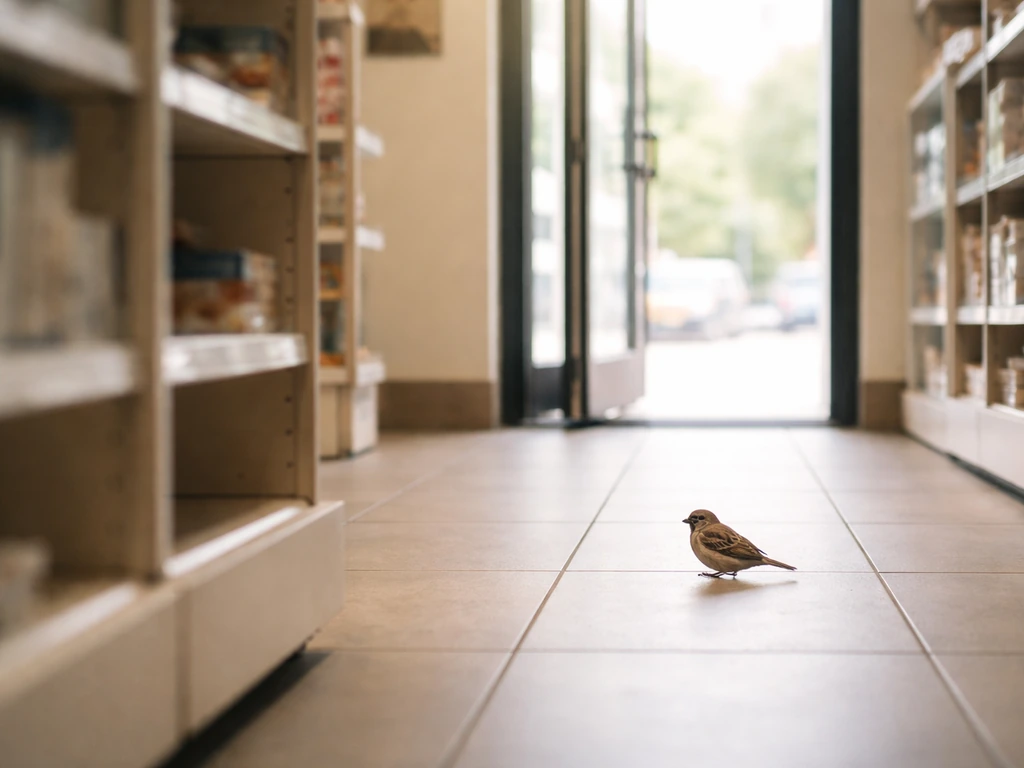
Turn off the lights, open one exit door, and stop chasing the bird. That combination solves most retail bird incidents faster than anything else. Birds instinctively fly toward the brightest point in a space, so if you make the interior dark and leave one door open to daylight, the bird will usually find its own way out within minutes. Everything else in this guide builds on that core idea and covers what to do when the simple approach needs a little backup.
How to Catch a Bird in a Store Safely and Humanely

Maya Carver
30 Apr 2026
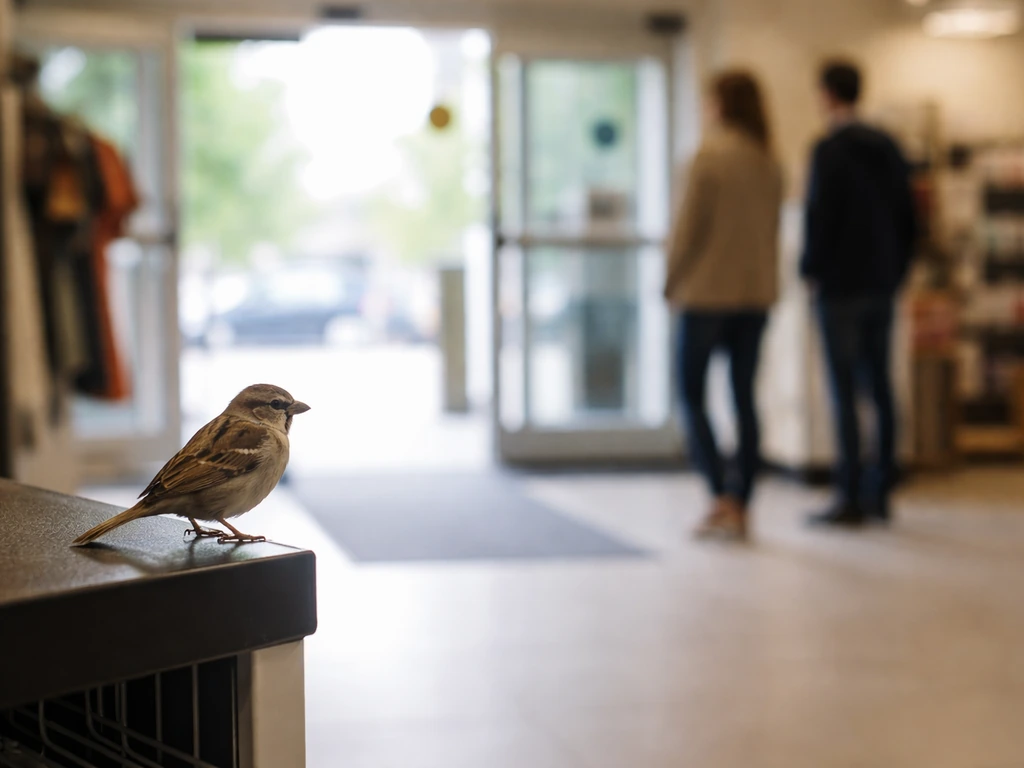
First things first: safety steps when a bird gets loose in a store
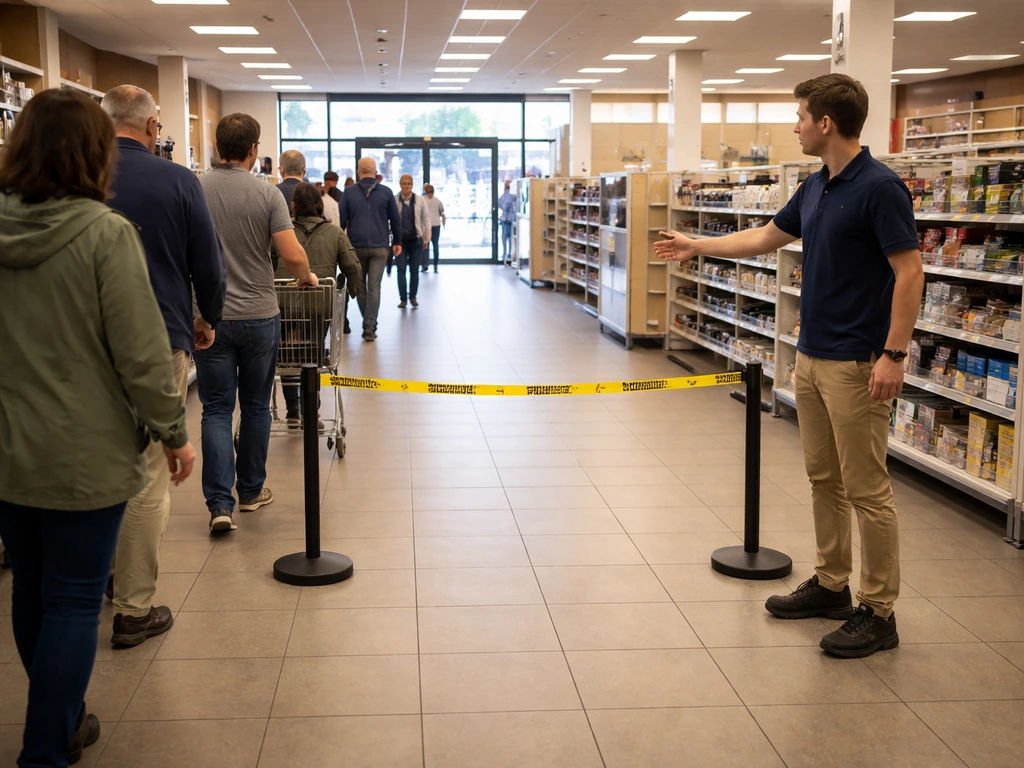
Before anyone tries to catch or redirect the bird, get the basics under control. A panicked bird flying through a retail space can startle customers, knock things off shelves, or collide with glass. Your first few minutes matter a lot.
- Clear the immediate area calmly. Ask customers to move away from the bird's flight path without rushing or making sudden noise. Crowds and raised arms make the bird more frantic.
- Keep staff calm and quiet. Assign one or two people to handle the situation. Everyone else should go back to normal activity as much as possible.
- Protect food and open products. In a grocery or food-service environment, cover or remove any exposed food under the bird's current position to prevent contamination.
- Do not let anyone throw things, swing brooms, or try to grab the bird mid-flight. This is the fastest way to injure the bird and turn a manageable situation into a chaotic one.
- Note where the bird is perching. Birds usually land on high shelving, rafters, or display fixtures between flight attempts. Knowing its resting spots helps you plan the exit strategy.
- Put on gloves if you think hands-on handling might be needed later. Wild birds can scratch and carry mites or bacteria, so basic hand protection is worth having ready.
Once you have the situation stable and staff are coordinated, move into the actual removal strategy below. Do not skip to capture attempts before you have tried the lighting and exit method first.
Herd toward an exit: the step-by-step lighting and door method
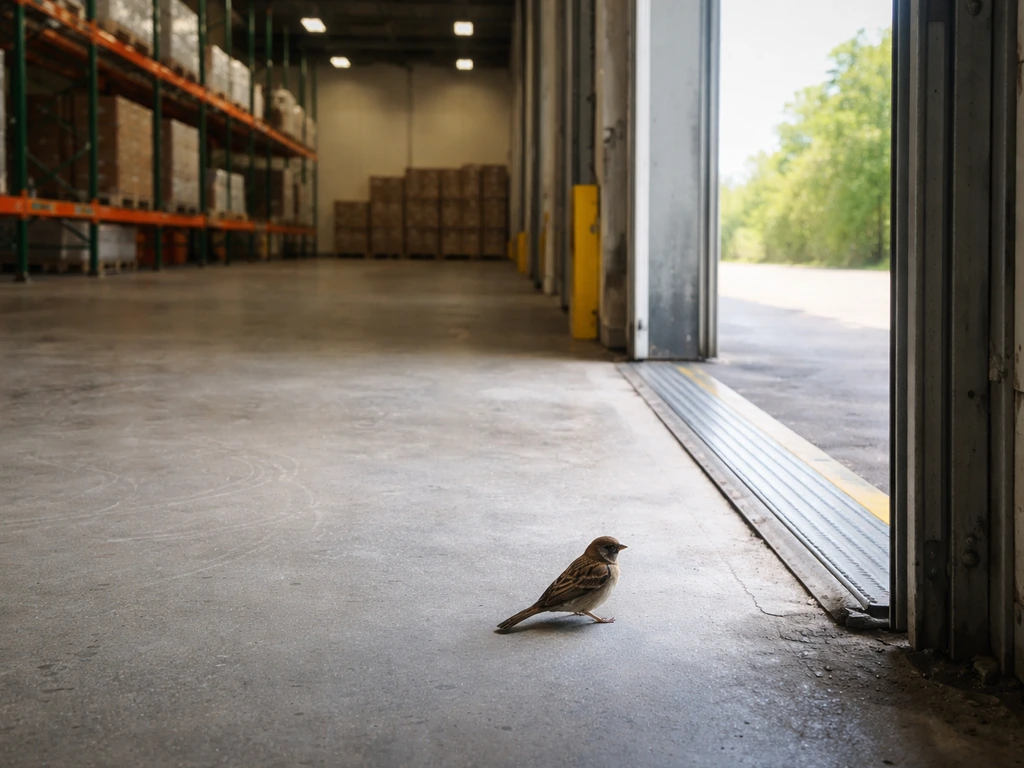
This is the method recommended by humane societies and wildlife rescuers for exactly this kind of situation, and it works whether the bird is in a small boutique or a large-format retail space. The principle is simple: birds fly toward light, so you control the light and let the bird do the work. In a warehouse, the same humane lighting and exit approach can help you catch the bird without causing unnecessary harm how to catch a bird in a warehouse.
- Choose your exit point first. Pick the door or loading bay closest to where the bird is currently perching. It needs to open directly to the outside, not into another interior space.
- Open that door fully and prop it open. The wider the opening, the better. If there is a screen door, remove it or prop it open too.
- Turn off all interior lights in the area around the bird. If your store has skylights, cover them with tarps, blackout curtains, or cardboard if you safely can. The goal is to make the interior noticeably darker than the open doorway.
- If you have windows near the exit door, leave them uncovered so daylight floods in from that direction. This concentrates the bird's attention on the right part of the building.
- Quietly and slowly, have two staff members position themselves on either side of the bird's resting spot (not directly under it) to gently encourage movement toward the exit if the bird doesn't move on its own. Walk slowly, don't wave arms.
- Give the bird time. Once the light and door setup is in place, step back and wait at least 10 to 15 minutes. In many cases the bird will navigate out without anyone approaching it at all.
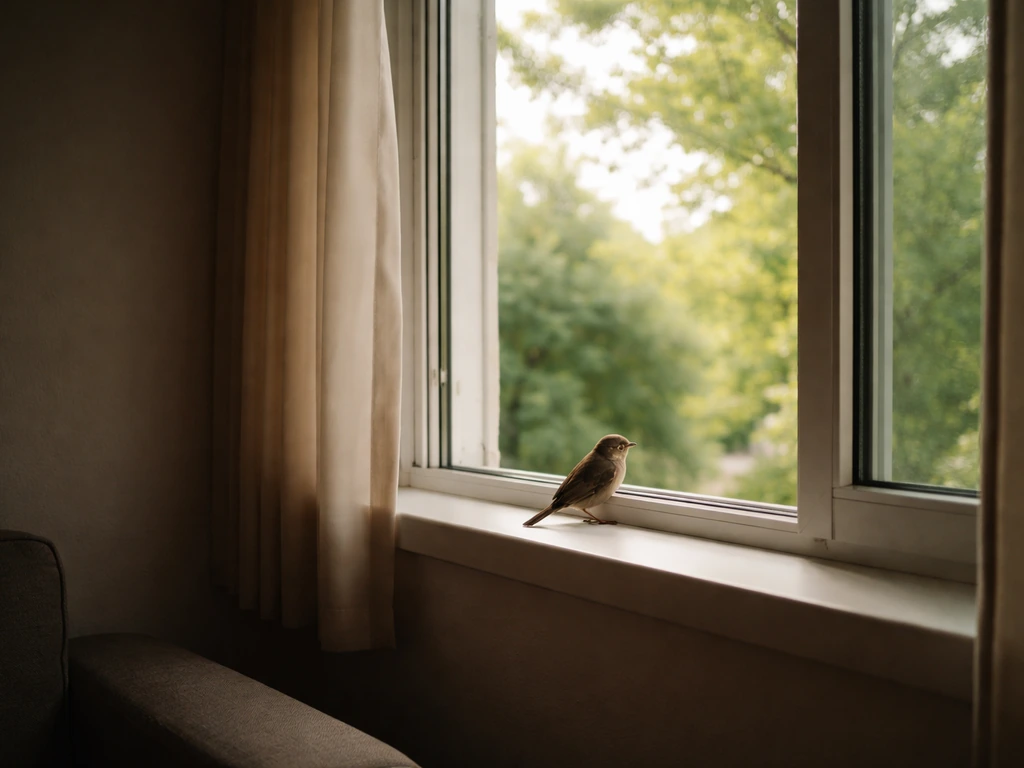
- If the bird flies but keeps hitting windows or looping back, cover those windows temporarily with cardboard or a large sheet to eliminate the confusing reflections and reinforce the one open exit as the only bright option.
This same approach scales up well for larger retail buildings and warehouses, though in a much bigger space you may need to darken more zones and use more people to form a gentle barrier. If you are dealing with a bird in a warehouse and need step-by-step instructions, follow the same lighting-and-exit approach described for store incidents bird in a warehouse how to get rid of.
If you are dealing with a bird in a warehouse setting specifically, the tactics are similar but the scale and coordination requirements are greater. In a warehouse, you can usually lure the bird out using the same lighting and open-door exit method, just with extra coordination to manage the bigger space how to lure a bird out of a warehouse.
In a warehouse, start by controlling the lighting and leaving one exit door open so the bird can move toward daylight warehouse setting. If you need help getting the bird out of a warehouse specifically, keep using the same lighting and exit setup and scale your team coverage as the space gets larger get a bird out of a warehouse. If you are dealing with a bird in a warehouse, use the same lighting and exit-door approach before considering any capture attempts get a bird out of a warehouse.
Humane capture: how to handle a bird without hurting it
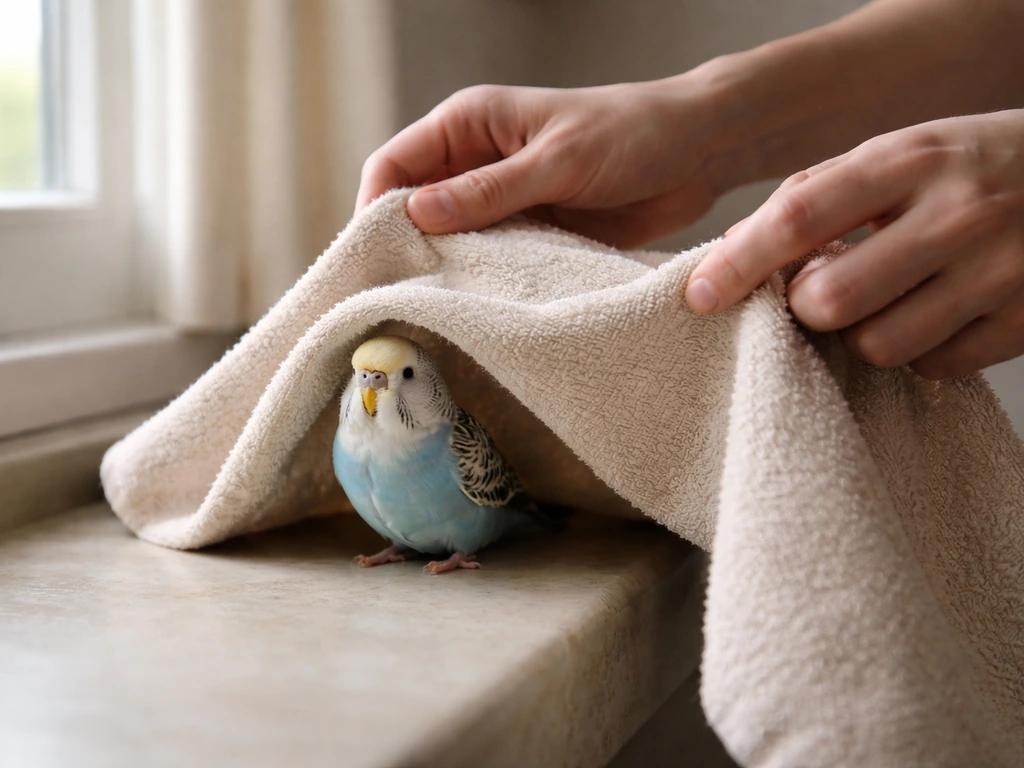
Sometimes the light-and-door method isn't enough. The bird is exhausted, injured, or stuck in a corner and isn't flying toward the exit on its own. In that case, hands-on containment is the right next step, but it needs to be done calmly and correctly.
The towel or blanket method
Drape a large towel, blanket, or bed sheet gently over the bird while it's perched. Don't throw it from a distance and don't drop it hard. Lay it over the bird slowly. The darkness and the gentle pressure immediately calm most birds. Once covered, cup your gloved hands around the bird through the fabric to loosely secure it, then carry it to the exit and release it outside. If the bird seems injured or disoriented, move to the containment steps below instead of releasing immediately.
Box containment for injured or exhausted birds
If the bird can't fly or seems hurt, you'll want to contain it safely until a wildlife professional can take over. Line a cardboard box with a folded towel or paper towels, poke several air holes in the sides and lid, and tilt the box on its side near the bird. Use a small towel to gently guide the bird into the box, then close the lid. Keep the box in a quiet, dim, temperature-stable spot away from customer traffic. Do not offer food or water unless directed by a wildlife rehabber, since improper feeding can cause harm.
The key principle in both approaches is minimizing stress. A bird that's been flying in a panic for 20 minutes in a brightly lit store is already exhausted and vulnerable. Calm, quiet, slow movements make a real difference in whether the bird survives the experience.
Using traps or nets: when it's appropriate and how to do it safely
Traps and nets are rarely needed for a single bird in a retail space, but there are situations where they make sense: the bird is too high to reach with a blanket, the lighting method hasn't worked after a reasonable wait, or you have a repeat bird-entry problem that involves multiple birds. Here's what to know before going that route.
When DIY netting is reasonable
A standard landing net (the kind used in fishing) with a fine, soft mesh can be used to capture a perching bird if you can get close enough. The bird needs to be stationary and within arm's reach. Move slowly, hold the net to the side rather than directly in front of you (so it's less threatening), and scoop the bird in a smooth single motion. Don't swipe repeatedly. Once the bird is in the net, cover the opening with your free hand and transport it outside immediately for release, or into a ventilated box if the bird is injured.
What to avoid
- Mist nets (fine mesh netting used by licensed researchers) require a federal permit to use on migratory birds under U.S. Fish and Wildlife Service regulations. Don't set up mist nets as a DIY solution.
- Glue traps are inhumane and should never be used on birds.
- Cage traps baited with food can work for repeat-entry problems but are best deployed by or in consultation with a licensed wildlife control operator, since catching a protected migratory species without proper authorization can create legal issues under the Migratory Bird Treaty Act (MBTA).
- Never leave a trap unattended for extended periods. A trapped bird can overheat, dehydrate, or injure itself quickly if not checked frequently.
If you're unsure whether the bird you're dealing with is a protected migratory species (which covers most songbirds, pigeons, swallows, starlings in certain contexts, and many others), err on the side of caution and call a wildlife professional before trapping. The MBTA prohibits capturing migratory birds without authorization, and the consequences of getting it wrong aren't worth the risk.
Stopping birds from getting in again: proofing a retail building
One bird getting in is an incident. Two birds in a month is an entry-point problem. Retail buildings, especially grocery stores and big-box stores with high-traffic loading docks and frequently opened delivery doors, are particularly vulnerable. A quick audit of your building's exterior will usually reveal the gap within a few minutes.
The most common entry points in retail buildings
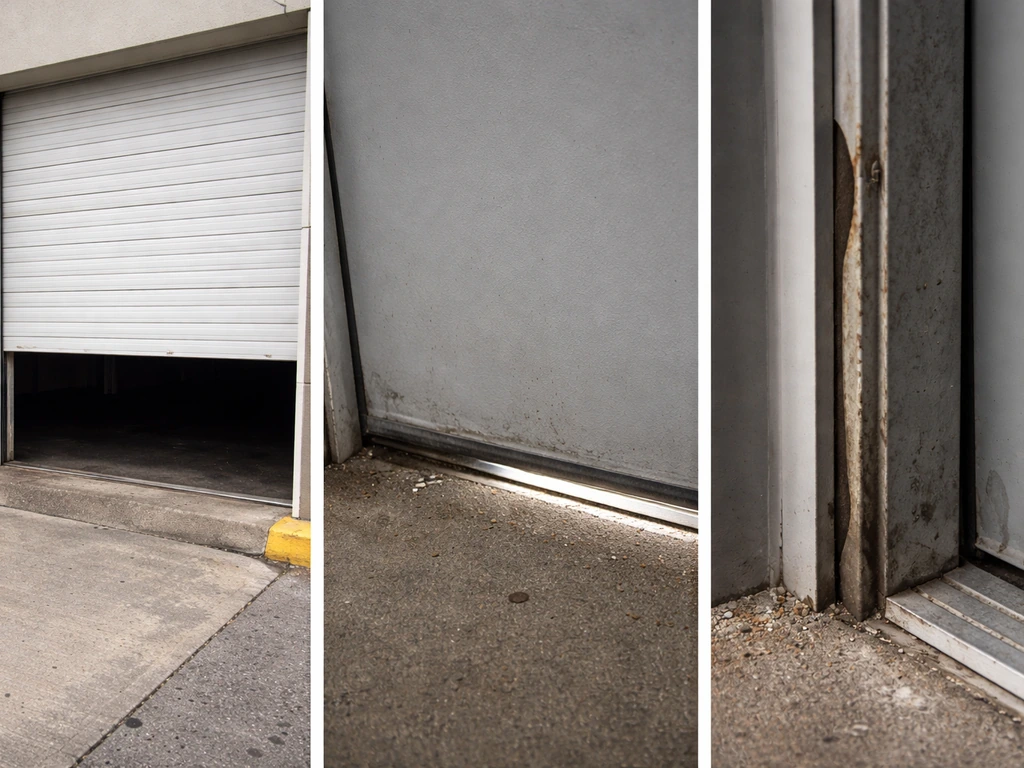
- Loading dock doors left open during deliveries (especially at dawn or dusk when bird activity is high)
- Gaps under exterior doors where door sweeps are missing or worn out
- Unscreened roof vents, exhaust fans, and HVAC intake openings
- Gaps around pipe penetrations, electrical conduits, and cable runs through exterior walls
- Damaged or open eave sections and improperly sealed roofline junctions
- Automatic sliding doors that stay open longer than needed in areas near landscaping or bird attractants
Proofing measures that actually work
| Entry Point | Recommended Fix | Notes |
|---|---|---|
| Loading dock doors | Dock curtains or strip doors during deliveries; schedule deliveries mid-morning rather than at dawn | High-traffic times coincide with peak bird activity at dawn/dusk |
| Gaps under exterior doors | Install heavy-duty door sweeps rated for commercial use | Check sweep condition quarterly; worn sweeps lose effectiveness quickly |
| Roof and wall vents | Install hardware cloth or commercial vent screens (half-inch mesh or smaller) | Inspect annually; debris buildup can damage screens |
| Pipe/conduit penetrations | Seal gaps with appropriate caulk or expanding foam plus hardware cloth backing for larger gaps | Revisit after any utility work that opens walls |
| Eaves and roofline gaps | Repair damaged fascia boards; install bird-proof eave closures or foam backer rod | Best done outside nesting season; check in late winter before spring |
| Interior attractants | Remove standing water, seal trash compactor areas, and clear food debris from loading areas regularly | Birds stay if food is available; removing attractants reduces re-entry motivation |
Exterior deterrents worth adding
If birds are regularly perching near entry points and then flying in when doors open, add physical deterrents at those locations. Bird spikes on ledges and signage above entry doors, bird wire systems, and reflective tape near loading areas all reduce the likelihood that birds will land close enough to dart in when a door opens. Ultrasonic devices have inconsistent results and aren't worth the cost for most retail settings.
Seasonal planning
Spring is the highest-risk season. Migratory birds are moving, nesting birds are actively scouting for shelter, and warmer weather means store doors stay open longer. Do your proofing audit in late winter (February or early March in most U.S. regions) before nesting activity begins. If you find an active nest already in place on or near your building, do not disturb it. Under the Migratory Bird Treaty Act, active nests with eggs or chicks are federally protected, and removal requires proper authorization. Schedule any repair work in that area for after the nesting cycle is complete.
When to call wildlife control and what the law says
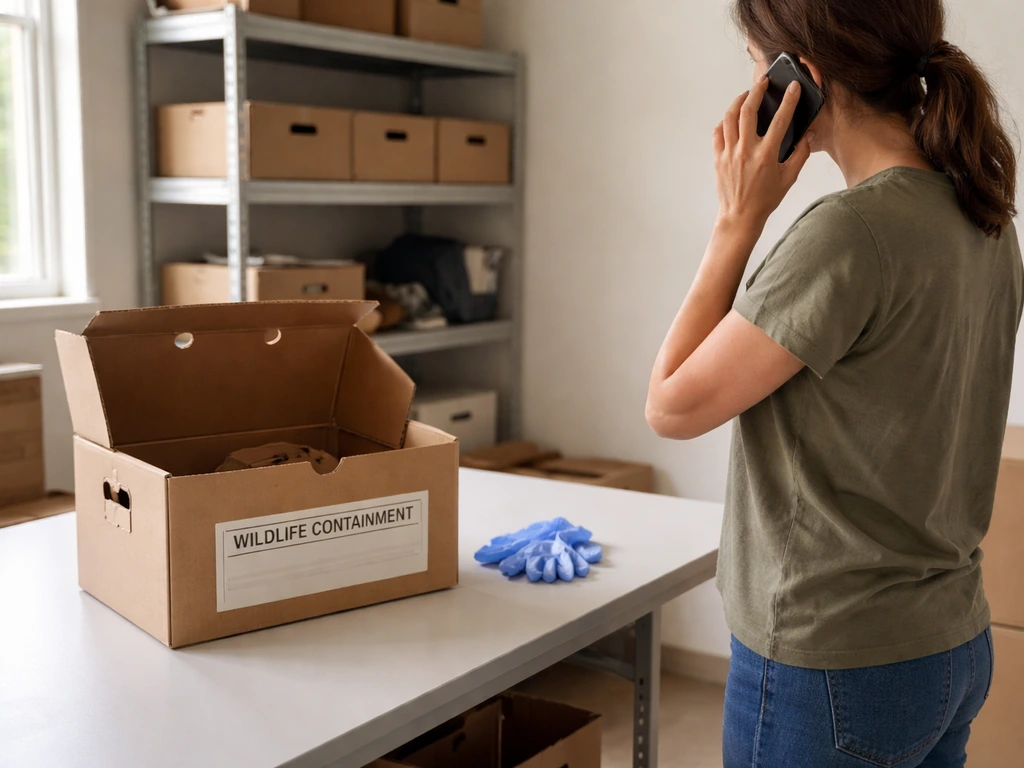
Most single-bird incidents in a retail store can be handled with the methods above, but there are clear situations where you should stop DIY attempts and get a licensed wildlife professional involved.
Call a professional when:
- The bird appears injured (dragging a wing, unable to stand, bleeding) and you can't safely contain it
- The bird has been in the store for more than a few hours and the lighting/exit method isn't working
- You're dealing with multiple birds, which may indicate a roost or nesting site inside or on the building
- You suspect the species is a bird of prey (hawks, owls) or another species with additional federal protections such as eagles, which are covered by both the MBTA and the Bald and Golden Eagle Protection Act
- There is an active nest with eggs or young birds anywhere on or in the building
- Any staff member has been scratched or bitten and medical follow-up is needed
Legal notes every facility manager should know
The Migratory Bird Treaty Act covers the vast majority of wild bird species found in the U.S., including common ones like sparrows, starlings, swallows, and pigeons (with some nuance by species). The MBTA prohibits pursuing, capturing, killing, or possessing migratory birds without federal authorization. In a practical sense, this means that humane, non-lethal methods aimed at safely releasing the bird are legally low-risk. What creates legal exposure is lethal methods, trapping without proper permits, or disturbing active protected nests. If you're unsure about a species, the U.S. Fish and Wildlife Service and your state wildlife agency are the right contacts. A licensed wildlife control operator will already know the applicable rules for your region and species.
When you call a wildlife control operator, give them the species if you can identify it, the bird's current condition, how long it's been in the building, and whether there are signs of nesting nearby. That information helps them come prepared with the right equipment and any required documentation.
The good news is that most retail bird incidents end quickly and without drama when staff stay calm, the lights go off, and a door swings open. If you still need more detailed guidance, follow the steps in our full guide on how to get a bird out of a store. Getting the exit strategy right and doing the proofing work afterward means the next bird that lands on your parking lot stays there instead of finding its way to aisle seven. Iowa DNR notes that blank" rel="noopener noreferrer">windows can be dangerous because birds do not perceive glass as a barrier, and recommends outside screens or netting and visibility treatments to reduce collision risk.
FAQ
How long should I wait before trying a towel or box instead of just using lights and an open door?
Give the bird 10 to 20 minutes after you dim the store and open one exterior exit door to daylight. If it is not moving toward the exit, is stuck in a corner, or is repeatedly slamming into glass, switch to the calm containment approach (towel cover or a ventilated box) rather than continuing to chase.
Can I use food, seed, or bird-safe snacks to lure the bird out of the store?
Avoid offering food unless a wildlife rehabber or licensed wildlife control operator instructs you. Food can cause choking, stress, and improper nutrition, especially if the bird is already exhausted or disoriented.
What if the bird is inside but all exits are locked or blocked by customers?
Do not force doors shut or try to herd people unsafely. Instead, coordinate staff to clear one safe path to an exit, lower lighting in the rest of the area, and use a controlled barrier with people stationed quietly to prevent the bird from darting into a risk zone (like glass doors or stairwells).
Is it okay to turn off all lights, including the area where customers are waiting?
Dim as much of the retail interior as you can while keeping enough visibility for staff to move safely. The key is making the overall space darker than the open doorway so the brightest, easiest route is outdoors, not a lit display or reflective surface.
What should I do if the bird keeps going back toward the store after I open the door?
Close off the bird’s “return path” by controlling light and forming a gentle human barrier in the direction of the doorway. Keep the door open long enough for the bird to commit outdoors, then shut it once the bird is gone to prevent re-entry.
How do I handle it if the bird lands on a high shelf or display I cannot reach?
If a blanket or towel cannot be placed gently from within reach, avoid repeated reaching and sudden motion. Call a licensed wildlife control operator, since they can bring appropriate equipment and use safe capture containment for elevated locations.
Should I cover the bird immediately if it is panicking and flying into walls?
Only after you have stabilized the scene. If the bird is actively colliding or flying wildly, first reduce light and clear the area, then apply a towel cover calmly when the bird has perched or is in a stable position. Dropping or throwing material while it is in mid-flight increases injury risk.
Is it safe to use a landing net on any bird species?
Use a fine, soft-mesh net only when the bird is perching and within arm’s reach. If you cannot identify the species confidently, or if it is not stationary, avoid trapping and contact a wildlife professional to reduce legal and injury risk.
What are the signs the bird is injured and I should not release it outdoors right away?
If you see bleeding, a visible wing or leg deformity, labored breathing, inability to stand or fly, repeated disorientation, or it cannot maintain balance, contain it in a ventilated box and keep it in a quiet dim spot until help arrives.
Where should I keep the bird if I use a box for containment?
Place the ventilated box in a quiet, dim, temperature-stable area away from customers and loud equipment. Check on it periodically without opening the lid, and keep it out of direct sunlight or drafts to prevent overheating or chilling.
Who should I call, and what details should I provide to make the response faster?
Call a licensed wildlife control operator or appropriate wildlife rehab service in your area. Tell them the species if known, the bird’s condition (perching, injured, flying erratically), how long it has been in the store, and whether you have observed nesting or birds repeatedly entering near any specific exterior doors.
Does proofing mean I can permanently remove nests if birds keep appearing?
No. If you find an active nest with eggs or chicks, do not disturb it, even if the bird keeps entering your store. Schedule repairs and exclusion work for after the nesting cycle, and use authorized methods for the protected period.