The fastest way to get a bird back into its cage is to stop moving, dim the lights, cover or block mirrors and windows, and let the bird calm down on its own before you do anything else. Chasing it around the room is the single worst thing you can do. If you already tried calming steps but the bird still is not allowing a calm return, you can use the same “how to get balance back from the bird” approach to guide it into a predictable landing spot without escalating. Once the bird has settled on a perch or flat surface, use a familiar step-up cue, a favorite treat placed inside the open cage, or a slow towel approach if handling is unavoidable. That's the core of what Reddit threads, avian rescues, and vets all agree on, and the rest of this guide walks you through every step in detail.
How to Get a Bird Back in Cage: Reddit-Style Steps
First things first: emergency actions to calm the bird right now
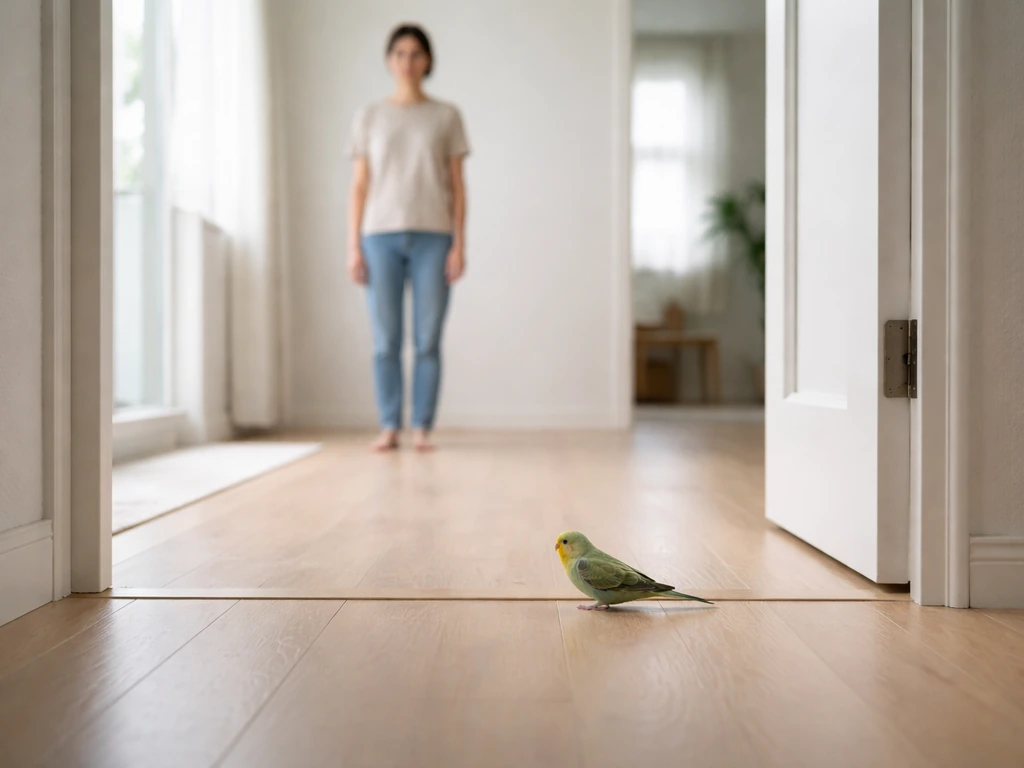
The moment a bird gets loose inside a building, adrenaline kicks in for both of you. Your job in the first two minutes is to slow everything down, not speed it up. A panicked bird will fly into windows, mirrors, ceiling fans, and walls. A calm bird will eventually land somewhere and stay there long enough for you to act.
- Freeze. Stop moving immediately and signal everyone else in the room to stop as well. Sudden movement is the main trigger for repeated flight.
- Lower your voice. No yelling, no clapping, no shoo-ing. Speak softly if at all.
- Turn off ceiling fans. This is a life-or-death step. Do it before anything else.
- Dim overhead lights but do not go completely dark yet. Bright lights encourage birds to fly toward them; dimming slows flight activity.
- Close every exit door and window in the room immediately. Post someone at the door so nobody walks in and startles the bird again.
- Have a towel ready but keep it out of sight for now. Showing a towel too early can trigger a fear response in birds that have had bad handling experiences.
- Assign one person to watch the bird's location without moving. That person's only job is to monitor and to close the cage door the instant the bird flies back in on its own.
If the bird hits a window, mirror, or glass door during its initial flight, treat that as a potential injury situation. Place it gently in a ventilated cardboard box lined with a soft towel, keep it dark and quiet, and contact an avian vet or wildlife rehabilitator immediately. Internal injuries from window strikes are not always visible.
Set the room up before you try anything else
How you configure the space determines whether your next step works or backfires. Taking three to five minutes to prep the environment properly is never wasted time.
Light and windows
Birds fly toward light. If a window is the brightest thing in the room, the bird will keep heading for it and may injure itself. Close blinds or curtains on all windows except one, and leave that one slightly cracked to give the bird a visual reference point that is not a hard surface. Cover large mirrors with a sheet or towel. Mirrors confuse birds into thinking there is open space beyond the glass, and collisions are common. The RSPCA specifically recommends screening mirrors and windows to prevent this kind of misdirection.
Exits and barriers
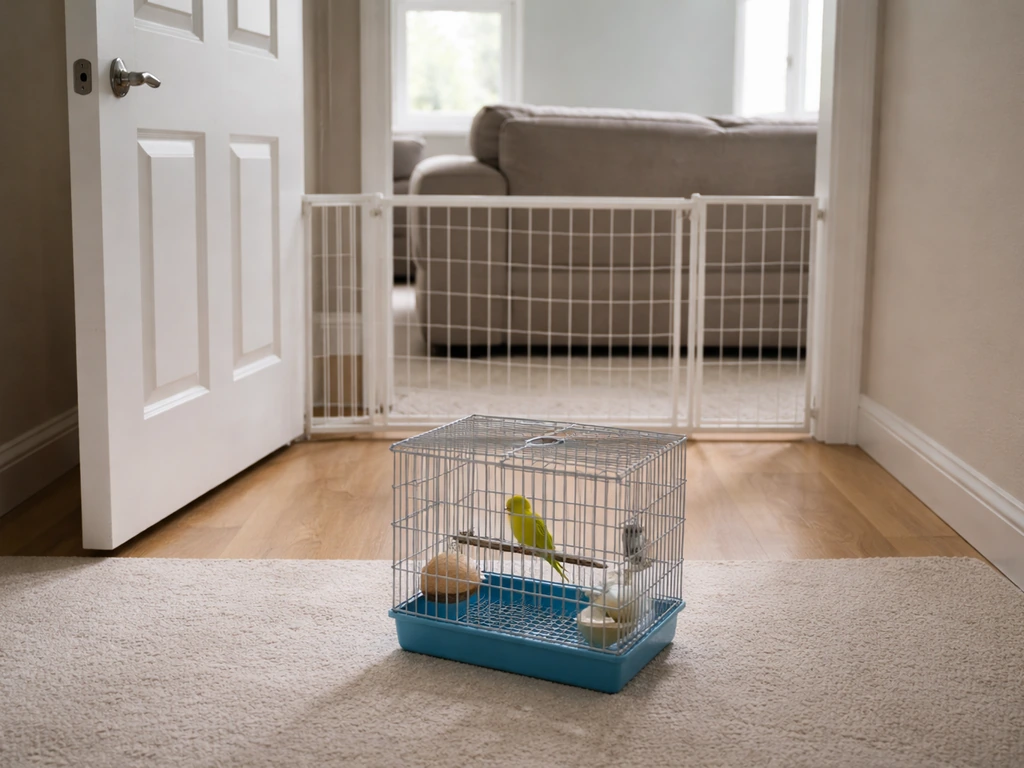
Contain the bird to the smallest usable room you can. Rooms with high ceilings, exposed pipes, or overhead light fixtures are the worst environments for a recovery attempt because the bird can perch well out of reach and you have no good options. If the bird is already in a large open area, try to herd it gently (not chase it) toward a smaller adjoining room by standing quietly and blocking the open space with your body or a sheet. Avoid rooms with ceiling fans, open fireplaces, or gaps behind large appliances.
The cage itself
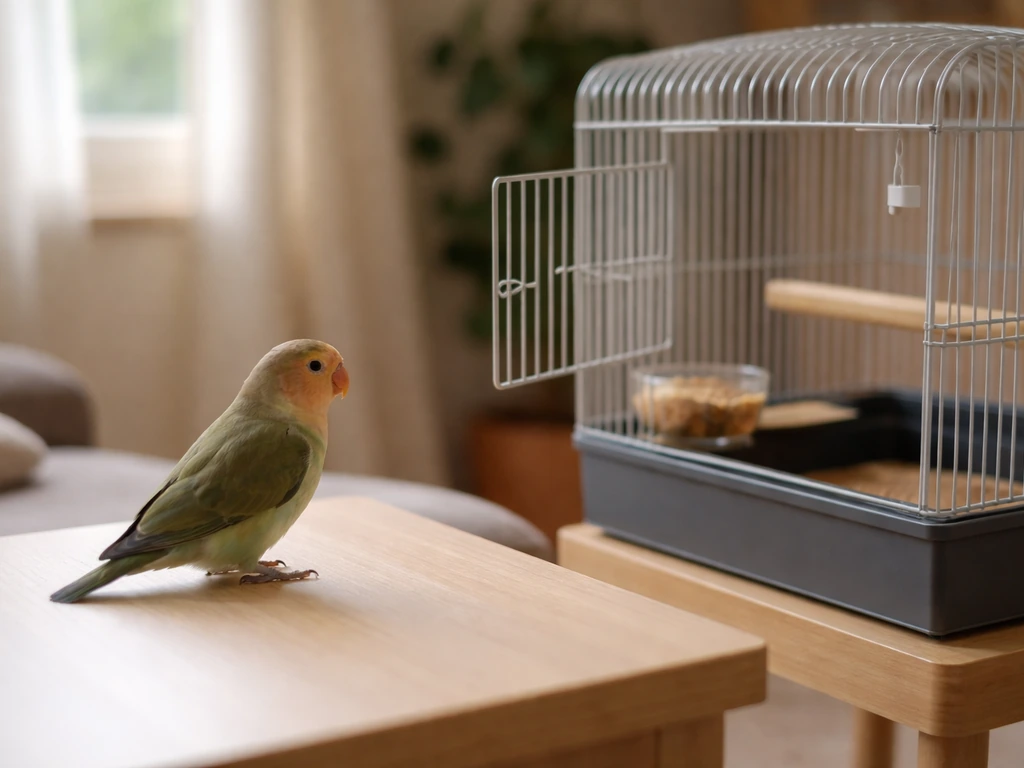
Open the cage door wide. Place a familiar food item (the bird's favorite treat or its regular food) clearly visible inside the cage. Position the cage so it is at the bird's current eye level or slightly below if possible. If you have a perch the bird uses regularly, clip it to the outside of the cage door as a landing pad. The goal is to make the cage look like the most appealing and obvious destination in the room.
Step-by-step methods to guide the bird back in
There is no single method that works for every bird, so the options below go from least intrusive to most hands-on. Always start at the top and only escalate if the earlier methods have genuinely failed after a reasonable wait.
Method 1: wait and reward (works best for tame pet birds)
Once the room is set up correctly, sit quietly near the cage with a treat in your hand. Do not reach for the bird. Let it watch you for a few minutes. Many tame birds will fly back to their cage or to you within 10 to 20 minutes once the initial panic passes, especially if their cage is their safe space and food is visible inside. If your bird knows a 'step-up' or 'come' cue, say it once in a calm voice and hold your hand or arm out. Do not repeat the cue over and over; one or two calm repetitions is enough.
Method 2: step-up onto a perch (great for smaller birds like budgies and cockatiels)
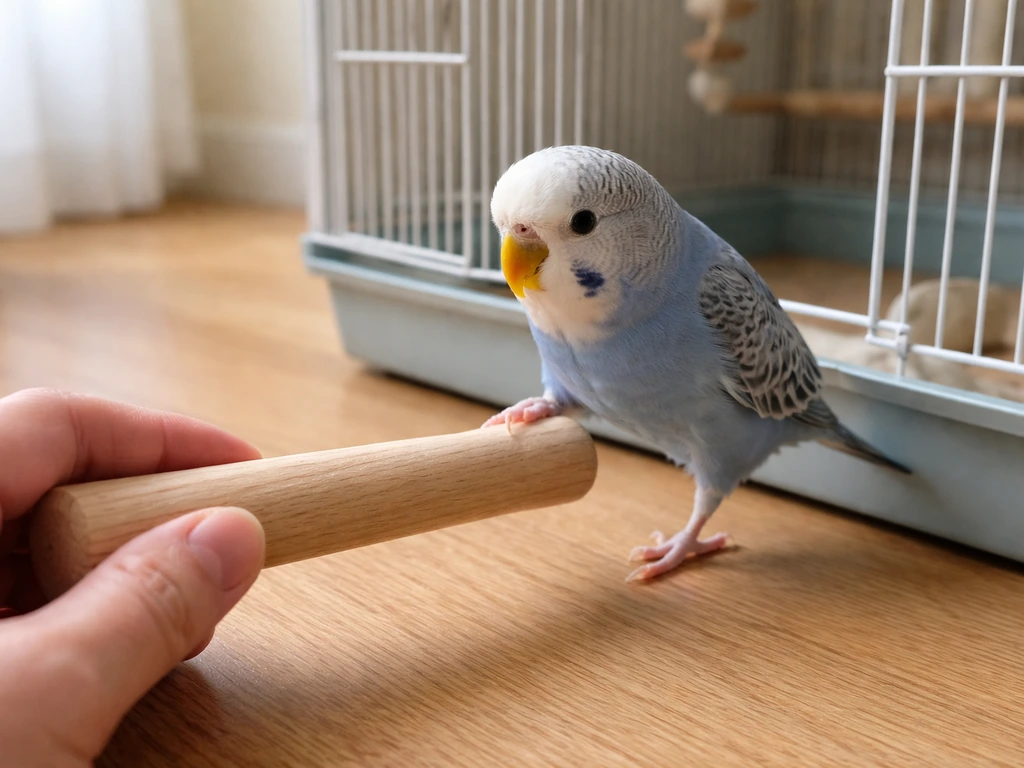
Slowly extend a familiar perch (a hand perch, a dowel, or even a finger if the bird is hand-tame) toward the bird's feet at a low angle. Do not push it at the bird from the front. Move from the side and slightly below the feet, which triggers the natural step-up reflex. Once the bird steps onto the perch, carry it slowly and at a low height (never above your eye level) directly to the cage opening and let it step off onto the cage perch inside. Lafeber's avian care guides describe this exact approach, including using the bird's existing step-up cue and a waiting food reward to make the transfer smooth.
Method 3: wait until dark (the Reddit classic, and it genuinely works)
This is probably the most consistently recommended approach across Reddit's bird communities and it is backed up by how birds actually behave. As the room gets darker, birds become calmer, less motivated to fly, and easier to locate and handle. Turn off all lights except one low lamp near the cage. Wait for the bird to settle. Once it is still and quiet, approach slowly with a towel held loosely in front of you (not raised above your head). Drape the towel gently over the bird, covering its head first, and tuck the wings lightly against its body. Then carry the bird calmly to the cage and release inside. Keep pressure off the chest at all times. Birds breathe by expanding their chest, and squeezing even slightly can be dangerous.
Method 4: controlled herding into a corner (for larger or semi-tame birds)
If the bird is on the floor or a low surface and cannot be reached with a perch, two people can work together to gently herd it into a corner by slowly walking toward it from opposite sides. Do not rush. The goal is a calm, deliberate narrowing of space, not a chase. Once the bird is cornered and still, use the towel cover technique described above. The Psittacine Disaster Team specifically recommends calm herding into a corner as the least stressful capture method for parrots, over any kind of net or grab attempt.
A quick comparison of methods by bird type and situation
| Method | Best for | Avoid if |
|---|---|---|
| Wait and reward | Tame birds, birds with step-up training | Bird is injured or panicking actively |
| Step-up onto perch | Budgies, cockatiels, hand-tame parrots | Bird is on a high or unstable surface |
| Wait until dark | Any bird that won't cooperate during the day | Bird is injured or you cannot safely monitor overnight |
| Towel cover | Birds that cannot be step-up trained, urgent containment | Bird has a history of panic attacks with towels |
| Calm herding | Larger parrots, floor-level birds | Small room with fragile objects or hazards at floor level |
What not to do: mistakes that injure birds (and people)
Reddit threads on this topic are full of people describing what went wrong, and the mistakes cluster around the same handful of actions. Avoid all of these.
- Do not chase the bird. Chasing causes repeated flight, exhaustion, window strikes, and genuine panic. It also makes future cage-return attempts harder because the bird now associates you with threat.
- Do not grab by the legs or wings. This is how fractures happen. Even a firm grip on a bird's body can cause injury if the bird is struggling. Grabbing legs is one of the most common causes of serious injury during amateur captures.
- Do not use a net unless you are trained. Even professional avian teams note that net injuries are common and can be fatal. A poorly aimed net in a home setting is far more dangerous than a patient wait.
- Do not use sprays, irritants, or anything that alters the air quality in the room. Birds have extremely sensitive respiratory systems.
- Do not use sticky traps or adhesives. These cause severe feather and skin damage.
- Do not shake or rattle the cage to attract the bird. This reads as a threat rather than an invitation.
- Do not involve pets (dogs, cats) in the room during recovery. Even a calm pet is terrifying to a bird on the loose.
- Do not squeeze the bird's chest when handling. Birds cannot breathe if their chest cannot expand. This is the most common cause of handling-related death.
- Do not keep trying the same method for more than 20 to 30 minutes if it is not working. Switch approach or call for help.
Why won't the bird just go back in? Troubleshooting common causes
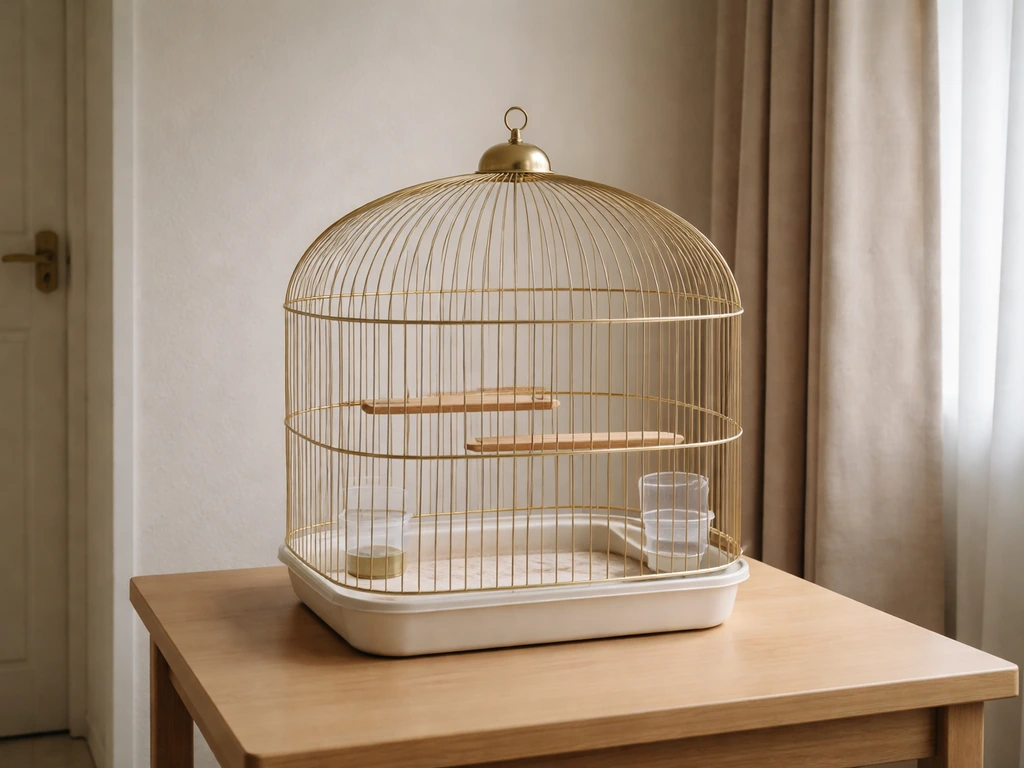
If this is a recurring problem or if your bird refuses to go back no matter what you try, something in the setup or the bird's experience is working against you. Here are the most common causes and what to do about each.
The cage is in the wrong place
Cages placed near drafty windows, in high-traffic hallways, or facing open rooms give birds a constant sense of vulnerability. A bird that does not feel safe in its cage will resist going back into it. The RSPCA recommends positioning the back of the cage against a solid wall and keeping the top partially covered with a cloth so the bird feels protected from above and behind. The VBSPCA guide similarly advises keeping cages away from windows and drafty areas.
Light and mirror confusion
If there is a large mirror, shiny surface, or bright window near the cage, the bird may interpret it as open space and keep flying toward it instead of into the cage. Cover mirrors and reposition the cage away from direct window glare.
Food and water placement
If the bird's main food and water sources are outside the cage (on a play stand, on top of the cage, or around the room), there is no food-based incentive to go back inside. Move everything the bird values back into the cage before the next out-of-cage session.
No step-up training or cage-return cue
A bird that has never been trained to step up onto a hand or perch on cue, or that has never learned a 'go in' command, has no vocabulary for voluntary return. This is a training gap, not a personality flaw, and it is fixable. PetMD describes training a cage-return command using the same positive reinforcement method as step-up training: reward and praise every time the bird goes in voluntarily, and build the association over short daily sessions.
Territorial or fear-based resistance
Some birds resist returning because going back into the cage has become associated with something unpleasant, like being locked in when they wanted to stay out, or being handled roughly during previous returns. If your bird consistently fights cage return at the end of out-of-cage time, the relationship between the bird and the cage needs rebuilding through positive reinforcement, not force.
Poor perch and landing options near the cage
If there is no obvious place for the bird to land near the cage entrance, it will not approach. A perch clipped to the outside of the cage door, a separate T-perch placed next to the cage, or even your arm positioned near the open door gives the bird a landing target and a transition point.
How to prevent this from happening again
Cage and door design
Cage door latches are a frequent escape point. Spring-loaded latches, combination-style clips, or padlock-style clasps are significantly more secure than simple slide latches, which many parrots and even some smaller birds can open on their own. Check door alignment regularly; a door that does not hang straight can be pushed open from the inside. Avoid 'parrot tent' accessories inside the cage: STAR-ST. LOUIS AVIAN RESCUE notes these have been responsible for more avian injuries and deaths than almost any other cage product, including entrapment and fall hazards.
Room proofing and access control
Establish a clear protocol for any room where the bird has out-of-cage time: windows closed and latched before the bird is out, ceiling fans off, other pets out of the room, and a designated person responsible for watching the door. In larger facilities, this means a posted checklist at the room entry. Treat it like a standard operating procedure, not an afterthought.
Cage cover and light cycle
Using a cage cover at night serves two purposes: it signals 'sleep time' to the bird, reducing startled nighttime flights, and it creates a consistent dark period that supports normal hormone and behavior cycles. Purdue University's avian husbandry guidance recommends matching the bird's light-dark cycle to natural patterns as closely as possible. A covered cage also means the bird has a clear, consistent cue that the cage is its safe space.
Training the 'go in' cue and target training
The best long-term prevention is a bird that goes back into its cage voluntarily on a verbal or hand cue. This is built through target training: teaching the bird to touch a target (a stick with a colored tip, for example) with its beak, and then moving the target progressively toward the cage door and eventually inside. Target training for birds is taught by rewarding cooperative behavior when the bird reaches a designated target, and that targeting can be generalized to voluntary approach toward the cage entry This is built through target training. The Parrot Society describes target training as foundational cooperative behavior that can be generalized to any movement goal, including voluntary cage return. Keep sessions short, three to five minutes at most, and always end on a success. RSPCA training guidance specifically notes that birds become suspicious of new objects appearing suddenly, so introduce any training prop gradually.
Seasonal considerations
Spring and summer bring open windows, screen doors, and increased household activity, which together raise escape risk significantly. Do a seasonal check at the start of warmer months: inspect window screens for gaps or tears, check that cage latches have not loosened over winter, and refresh the room-proofing protocol with anyone who cares for the bird. In facilities with multiple staff members, a written seasonal checklist posted near the bird's enclosure reduces the chance of a gap in coverage.
When to call a wildlife professional or avian rescue
Most situations involving a pet bird loose inside a building can be resolved with the methods above. But there are specific circumstances where you need professional help, and recognizing them early saves the bird's life. Best Friends also advises that if a bird is noticeably injured or acting off, a licensed wildlife rehabilitator may need to intervene, rather than continuing to chase without a safe way to catch it a licensed wildlife rehabilitator may need to intervene if a bird is noticeably injured or acting off.
- The bird has hit a window, mirror, or wall and is on the ground, disoriented, or not responding normally. This is a potential head injury or internal injury situation. Place the bird in a ventilated box on a soft towel, keep it dark and quiet, and contact an avian vet or licensed wildlife rehabilitator immediately.
- The bird cannot fly or is holding a wing abnormally. Do not attempt to force it back into the cage. Contain it gently and get veterinary help.
- The bird is a wild or protected species that has come inside a building. Do not attempt to cage or handle it without guidance. In the US, most wild bird species are protected under the Migratory Bird Treaty Act, and handling them without a permit is a federal offense. Contact your state wildlife agency or a licensed wildlife rehabilitator for direction.
- You have tried all reasonable methods over several hours and the bird is exhausted, stressed, or you are unable to safely approach it. Continued failed attempts do more harm. Call an avian rescue or wildlife rehabilitator for a hands-on assist.
- The bird is showing signs of illness (fluffed feathers, labored breathing, inability to perch) in addition to being out of its cage. This is a medical situation first, a containment situation second.
- You are in a facility with a large flock and one bird is loose: the risk of disease transmission, injury from other birds, and difficulty identifying the individual all justify calling in professional help earlier rather than later.
To find a licensed wildlife rehabilitator in your area, contact your state's fish and wildlife agency, call the National Wildlife Rehabilitators Association hotline, or ask your avian vet for a referral. When you call, be ready to describe the species (or your best guess), the bird's current condition, how long it has been loose, and what you have already tried. That information helps the responder give you the right next step quickly.
If you are dealing with a bird that flew out of the building entirely rather than just loose inside, or a bird that escaped and has not returned, that is a different situation with its own set of steps around outdoor searching, posting notices, and monitoring the area near the cage. If your bird flew away outside, a different set of steps for searching, notices, and monitoring nearby areas can help you get it back safely how to get bird back that flew away. Similarly, if you are planning the next supervised out-of-cage session and want to do it safely from the start, thinking through how to let the bird out with proper controls in place from the beginning makes the return process much easier. This section also explains how to guide your bird back in after you successfully let it out of its cage how to let the bird out.
FAQ
My bird won’t go near the cage, even after dimming lights. How long should I wait before trying something else?
If the bird is still panicking after you prep the room and stop chasing, give it more time before escalating to handling. A practical rule is to wait 10 to 20 minutes with lights dimmed and cage food visible, then reassess. Only move to a perch or towel capture if the bird has clearly calmed and is staying in one area, since chasing while it is fully keyed up often drives it toward windows or other hazards.
What should I do if the loose bird hit a window, but I’m not sure it’s injured?
If your bird is showing injury signs after a window or mirror strike, do not attempt repeated transfers yourself. Put it in a ventilated, dark, quiet container with a soft towel and contact an avian vet or wildlife rehabilitator right away. Internal injuries can worsen after handling, so avoid prolonged attempts to “test” if it will step up.
The bird seems calm at times, but still won’t enter. How do I know when to intervene?
If your bird is eating or singing near where it is currently perched, that’s a good sign you should hold steady and let it make the next move. Sit quietly near the cage, keep the environment stable, and offer a visible treat in the cage. If the bird suddenly flies up and away, that’s usually stress spikes, so pause and re-reduce stimulation instead of trying to approach immediately.
Should I move the cage closer while I’m trying to get the bird back in?
Don’t use the cage as a “trap” by moving it toward the bird while it is moving around. Keep the cage in a consistent spot at bird eye level (or slightly below) so it looks like a reliable destination. If you need to change placement, do it before you attempt step-up or towel capture, then let the bird settle again.
What’s the safest way to use a towel if I have to pick up my bird?
Do not cover the bird in a way that blocks breathing or heavily compresses the chest. With towel capture, cover the head first, tuck wings lightly, and keep pressure off the sternum, then keep the bird low and direct it to the cage opening. If the bird struggles hard or is becoming difficult to control, stop and switch to professional help if available.
How can I tell if my cage door is the real reason my bird won’t go back in?
If the cage door latch has been left partially open or is unreliable, it can sabotage every attempt. Check that the door hangs straight, the latch fully engages, and the inside cannot be pushed to open. For peace of mind, confirm the cage is ready before the bird becomes calm, because once the bird sees the door “not working,” it may escalate and refuse return.
I don’t have the usual outside cage perch. What can I use instead to guide a step-up?
If you don’t have a perch the bird already uses, create a stable landing target near the cage door, such as a small dowel or a safe hand perch at low height. The key is offering a predictable step-up path from the side and slightly below the feet. Avoid reaching toward the bird from the front, since many birds interpret that as a grab.
My bird has never been trained to step up. What’s the best approach to get it back in?
If your bird has a hard time with step-up training, still prioritize non-hand methods first, like keeping the cage door open, food visible, and mirrors/windows managed. Then use the least intrusive guided approach that matches the bird’s comfort level, for example a landing target outside the cage door or quiet herding into a corner before any towel capture.
The bird keeps going to the same spot. How do I break that pattern without chasing?
If the bird keeps flying to the same “escape zone” (often windows, bright areas, or a favorite mirror), treat it like a mapping problem. Close or cover other light sources and mirrors, position the cage so the cage opening is the most obvious landing option, and leave only one dim visual reference point away from hard surfaces.
What’s the biggest mistake during out-of-cage time that leads to a difficult cage return?
During out-of-cage attempts, make sure ceiling fans are off, pets are out of the room, and there is a single person responsible for door control. Also ensure windows are latched before the bird is released, since a small gap can turn a “routine” session into a full escape and drastically change the success of getting the bird back in.
How do I handle it if my bird isn’t in the building anymore?
If the bird flew away outside or cannot be found after making the room return attempts, switch to an outdoor recovery plan rather than continuing indoor capture methods. Use the information you already have, such as where it was last seen and whether it returned toward the cage area, and consider professional guidance early if time is passing quickly or weather is dangerous.
What training can I start after this incident so future cage returns are easier?
For next time, build a voluntary cage return routine, but introduce new training props gradually so they do not startle the bird. Keep sessions very short and always end with success, then generalize by moving the target gradually toward the cage door and eventually inside. Over time, your “how to get bird back in cage” process becomes a cue-based routine instead of a stressful scramble.
Humane steps to stop birds entering, clean safely, exclude and proof, and prevent return with seasonal guidance and lega
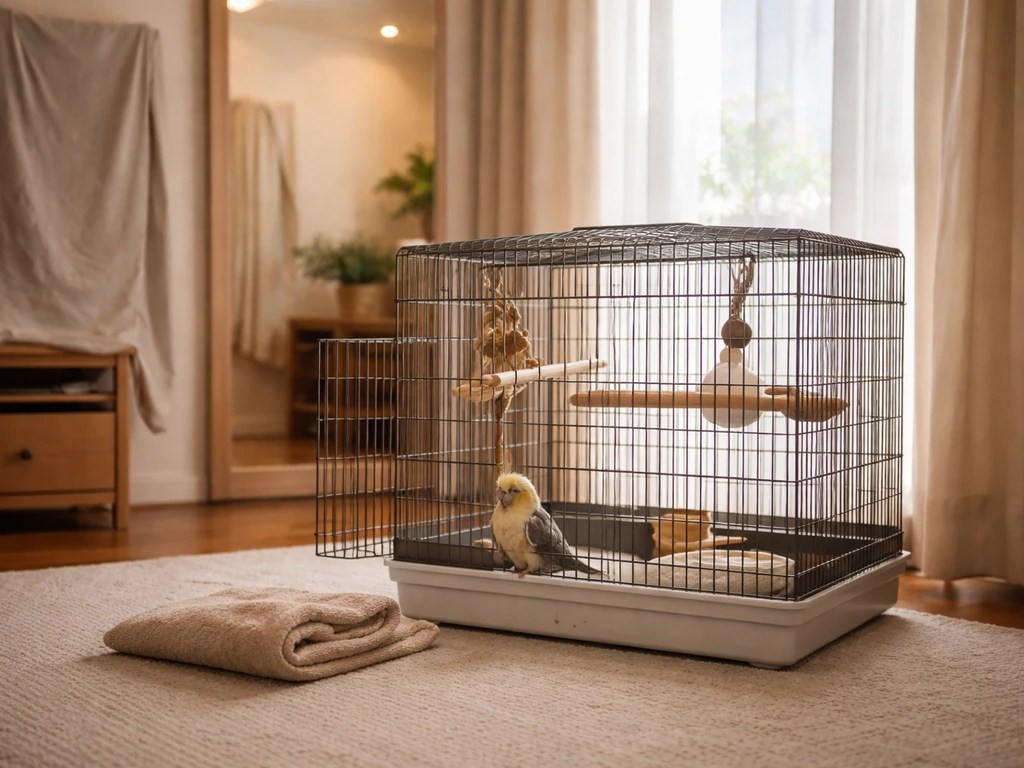
Step-by-step humane, calm steps to get a scared or escaped pet bird back in its cage safely today.
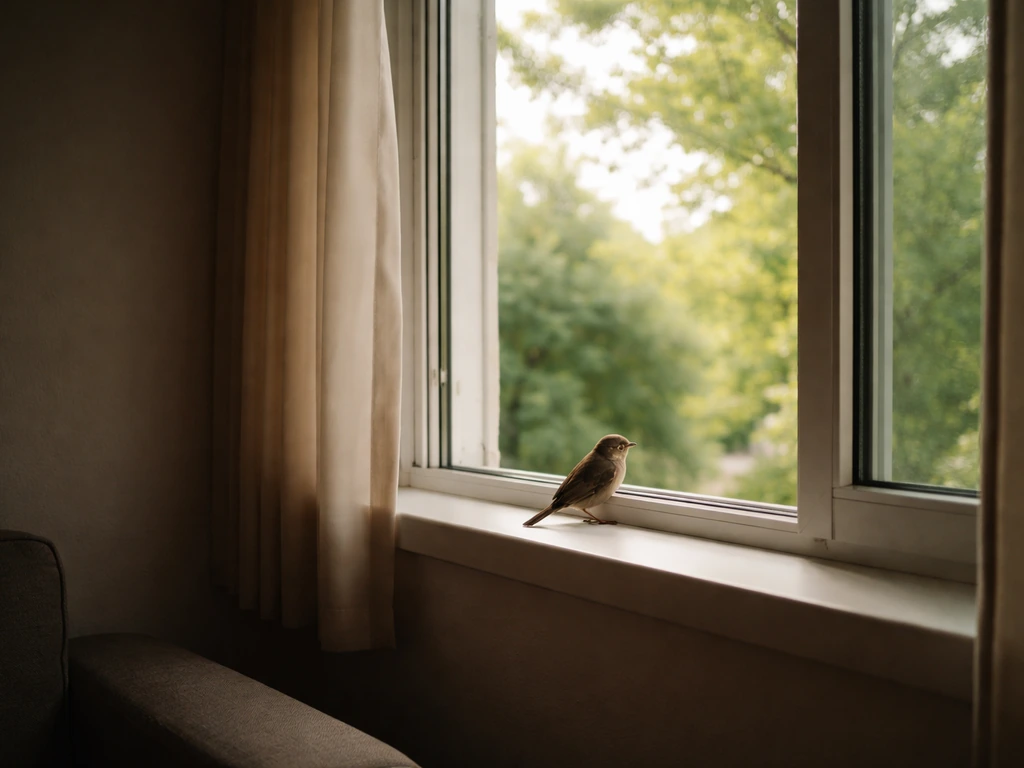
Humane, step-by-step guide to get a trapped bird out safely, handle injuries, and prevent future entry.