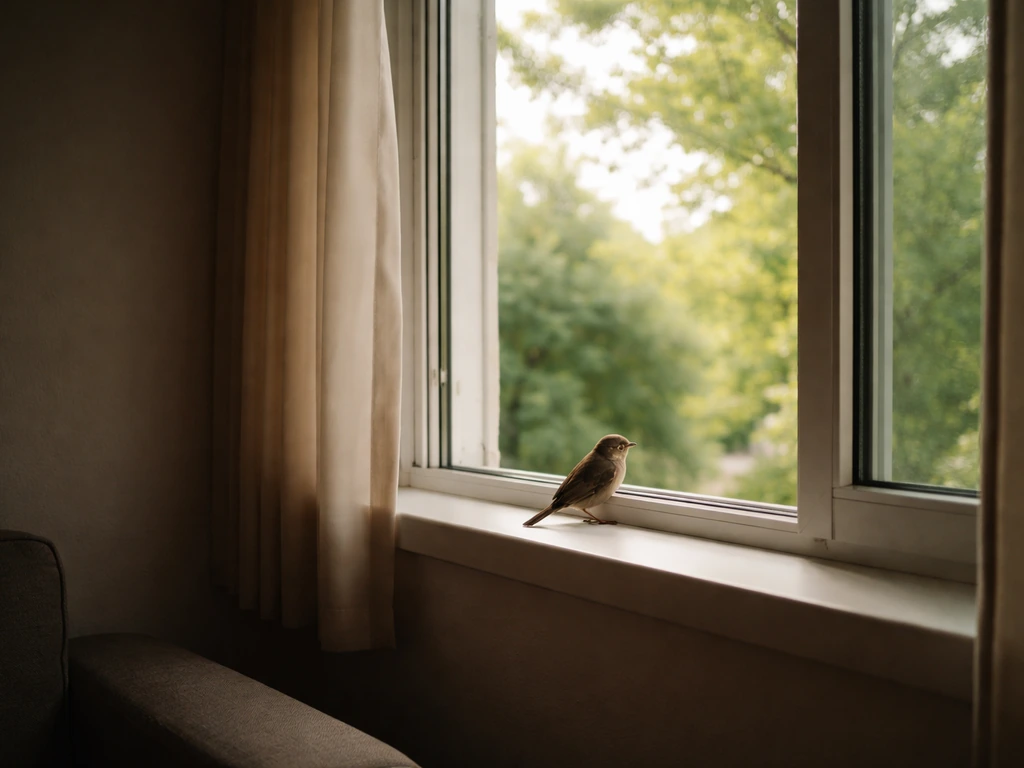
The fastest way to get a bird back in its cage is to stop chasing it, dim the room, remove distractions, and let the cage itself do the work. Place the open cage near the bird with familiar food inside, speak softly, move slowly, and give the bird a clear, unobstructed path back in. Most pet birds will return on their own within minutes if you resist the urge to corner or grab them. The steps below walk you through the full process, including what to do when the bird is scared, stuck, or simply refusing to cooperate.
How to Get a Bird Back in Its Cage Safely Today
Maya Carver
30 Apr 2026
First: Calm the room before you do anything else
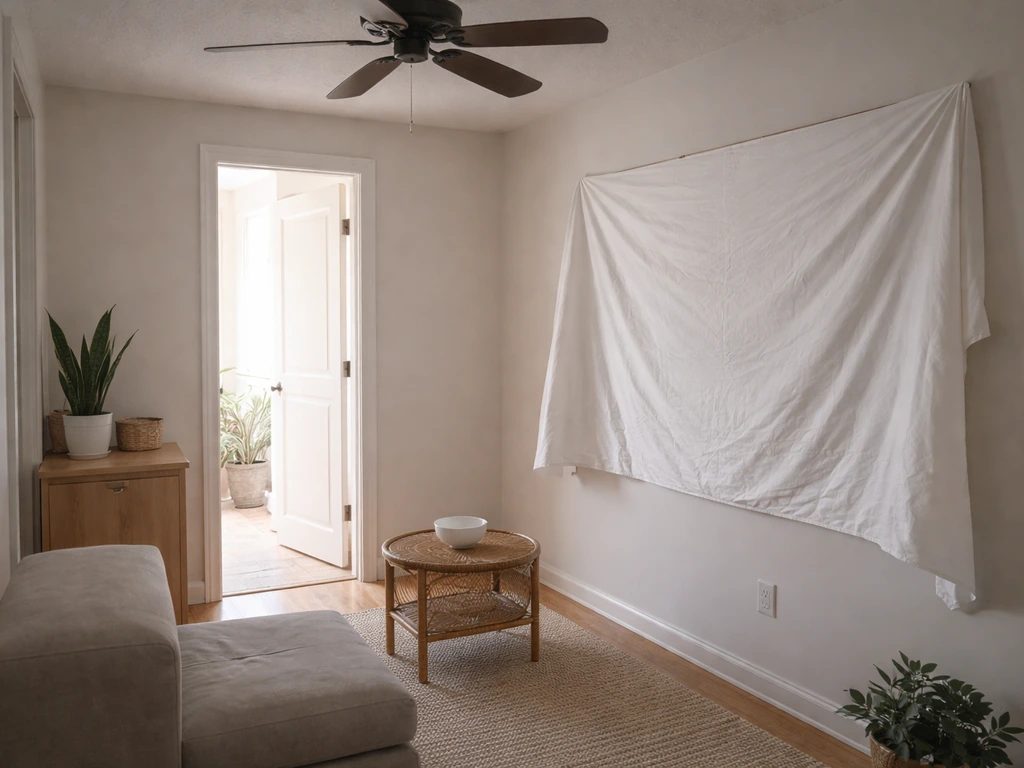
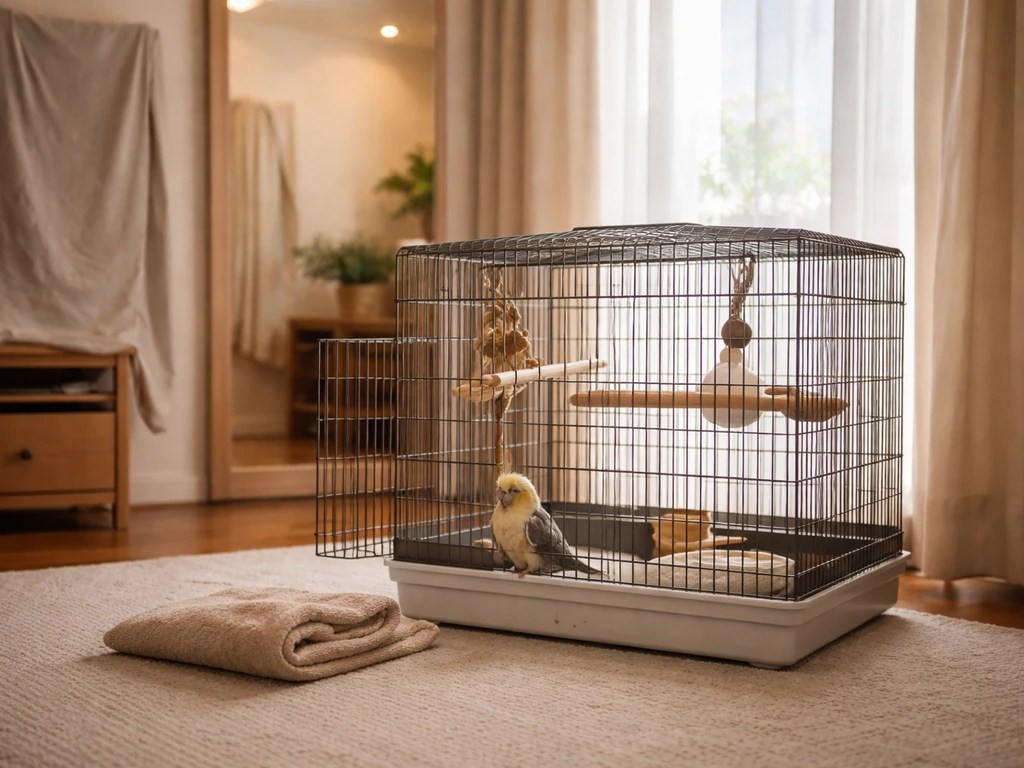
Before you approach the bird, take 60 seconds to set up the environment. A panicked bird in a chaotic room will keep flying until it injures itself. Ceiling fans, uncovered mirrors, and open windows are the biggest immediate dangers. Birds frequently sustain head trauma from flying into glass or reflections because they perceive a reflection as open space or as another bird. Turn off any ceiling fans right now, cover mirrors and large windows with a sheet or towel, and close all doors and windows except for one exit point if the bird is loose inside a larger building.
- Turn off ceiling fans immediately
- Cover mirrors, glass doors, and large windows to prevent collision and reduce panic-looping
- Close all interior doors to contain the bird to one room
- Turn off TVs, loud music, and anything that adds noise
- Ask other people and pets to leave the room
- Keep one light source on near the cage and dim or block other light sources — birds naturally move toward light
That last point about light is worth emphasizing. The RSPCA's guidance for trapped birds recommends leaving one clear light source and blocking others so the bird has an obvious visual cue about where to go. You can use the same principle here: position the open cage near a lamp or a window with natural light, and darken the rest of the room. The bird will gravitate toward the brightest, most familiar spot.
How to lure a bird back to its cage, step by step
This approach works for the vast majority of pet birds, including parrots, parakeets, cockatiels, and canaries. The key principle is that the bird needs to choose to go in, your job is to make that choice easy and obvious. If you are dealing with a bird that has flown away, these same calming and luring principles can help you get it back safely how to get bird back that flew away.
- Move the cage to the same room as the bird. Position it at roughly the bird's current perch height if possible, with the door fully open.
- Place the bird's favorite food or treats visibly inside the cage — on the floor near the door, on a familiar perch, or in its regular food dish. The smell and sight of known food is a powerful draw.
- If the bird has cagemates, move the cage close enough that the escaped bird can see and hear them. Social attraction is one of the most effective lures available.
- Play familiar sounds quietly — the bird's own calls if you have a recording, or just your normal speaking voice. Omlet notes that familiar voices are one of the best tools for coaxing an escaped bird back.
- Remove anything competing for the bird's attention: other food sources, interesting perches around the room, open water dishes.
- Step back at least 6 to 8 feet from the cage and wait quietly. Do not hover over the bird or the cage.
- As the bird moves closer, stay still. If it retreats, you have moved too fast — give it more space.
- Once the bird is on or near the cage door, use a calm, familiar "step up" cue if it knows the command. Offer your finger or a perch stick at a low, non-threatening angle.
- When the bird is inside, gently close the door. Avoid slamming or sudden movements.
- Reward with a treat and calm verbal praise immediately after the door is closed.
If the bird keeps exploring and ignoring the cage, Omlet's guidance for escaped parakeets suggests simply waiting for dusk. As natural light fades, birds feel the instinct to roost in a safe, enclosed space. A treat-filled cage positioned near a soft light at the end of the day is often all it takes for a stubborn bird to walk itself back in voluntarily.
Special steps for a scared or reactive bird
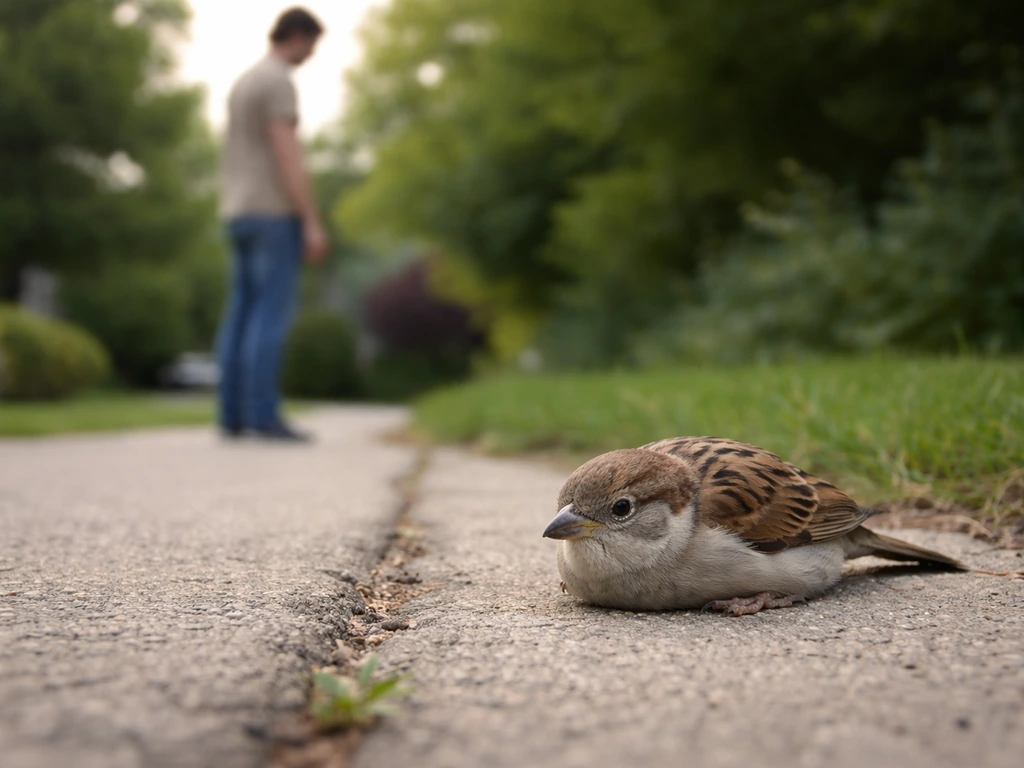
A frightened bird behaves differently from a curious or playful one. It will flatten its feathers, crouch low, or fly repeatedly into walls or windows. Approaching too fast or making direct eye contact will push it further into panic. This is the situation where patience matters more than speed.
What to do
- Approach only as far as the bird tolerates without showing stress signals (rapid breathing, wing flapping, lunging). Stop and hold that distance.
- Avoid direct eye contact — look slightly to the side of the bird. This is less threatening to a reactive animal.
- Use a very quiet, low, steady voice. Keep talking softly even if the bird doesn't respond.
- Move in slow, small increments. Advance only after the bird has visibly relaxed at your current distance. Parrots.org calls this a "retreat with calm" approach: you only progress once the previous step is accepted.
- Crouch down to be at or below the bird's level. Looming from above triggers a predator response.
- Offer a familiar perch stick or dowel rather than your bare hand if the bird is aggressive or biting.
- Keep sessions short. If the bird is escalating rather than calming, back off completely for 15 to 20 minutes and let it settle before trying again.
What not to do
- Do not chase the bird around the room — this will exhaust it and can cause injury from crashing into walls
- Do not grab the bird suddenly with both hands unless it is in immediate physical danger
- Do not use towels to trap it unless absolutely necessary (more on towel capture below)
- Do not make loud noises or sudden gestures to herd it toward the cage
- Do not involve multiple people trying to corner it from different sides
- Do not turn all the lights off and try to catch it in the dark — this causes additional panic and makes injury more likely
Rebuilding trust after a scare is its own process. Once the bird is safely caged, give it an hour or two of quiet before interacting again. Place the cage in a calm part of the room and let it decompress. Northern Parrots notes that trust-building after a frightening event works best with distance-based gradual approaches: sit near the cage without interacting, then slowly re-introduce hand proximity over days if the bird remains reactive.
Troubleshooting: why the bird won't go back in
If the luring approach isn't working, something specific is usually blocking it. Run through these common failure points before escalating to physical capture. Many people also compare these cage-return tactics with what they see in r/birdkeeping and similar threads on Reddit Run through these common failure points before escalating to physical capture..
| Problem | Likely cause | Fix |
|---|---|---|
| Bird flies toward the cage but veers away at the last second | Mirror or window reflection visible near the cage | Cover all reflective surfaces within 3 feet of the cage opening |
| Bird is perched high and won't come down | High perches feel safer to a scared bird; room is too bright below | Dim lower lighting, leave cage elevated on a table, and wait |
| Bird ignores food in the cage | Too much competing food or stimulation in the room | Remove all other food sources and interesting objects |
| Bird approaches your hand but won't step up | Hand is too high or approaching from above | Lower your hand below the bird's feet and angle it upward gently |
| Bird keeps flying in loops rather than settling | Room too large, too many windows, reflections causing panic | Contain to a smaller space, cover glass, reduce light sources |
| Bird escaped into a very high or hard-to-reach area | Bird is perching on high shelves, curtains, or ceiling fixtures | Don't climb unsafely — see humane handling options below |
| Bird has been out for hours and is lethargic | Exhaustion, possible injury, or illness | Check for injury signs; move to quiet capture if needed; call a vet |
One thing that trips up a lot of people: they leave the room door open, which gives the bird an incentive to keep exploring. If the luring approach seems to fail, try the practical troubleshooting in how to get balance back from bird, since small setup mistakes can keep the bird refusing the cage. Closing all doors except the one to the room you want the bird in narrows its choices significantly and makes returning to the cage the path of least resistance.
Humane handling options and when not to DIY
Sometimes a bird won't return voluntarily and needs to be physically guided or captured. There are humane ways to do this, but some situations call for professional help rather than a DIY attempt.
Towel capture (use only when necessary)
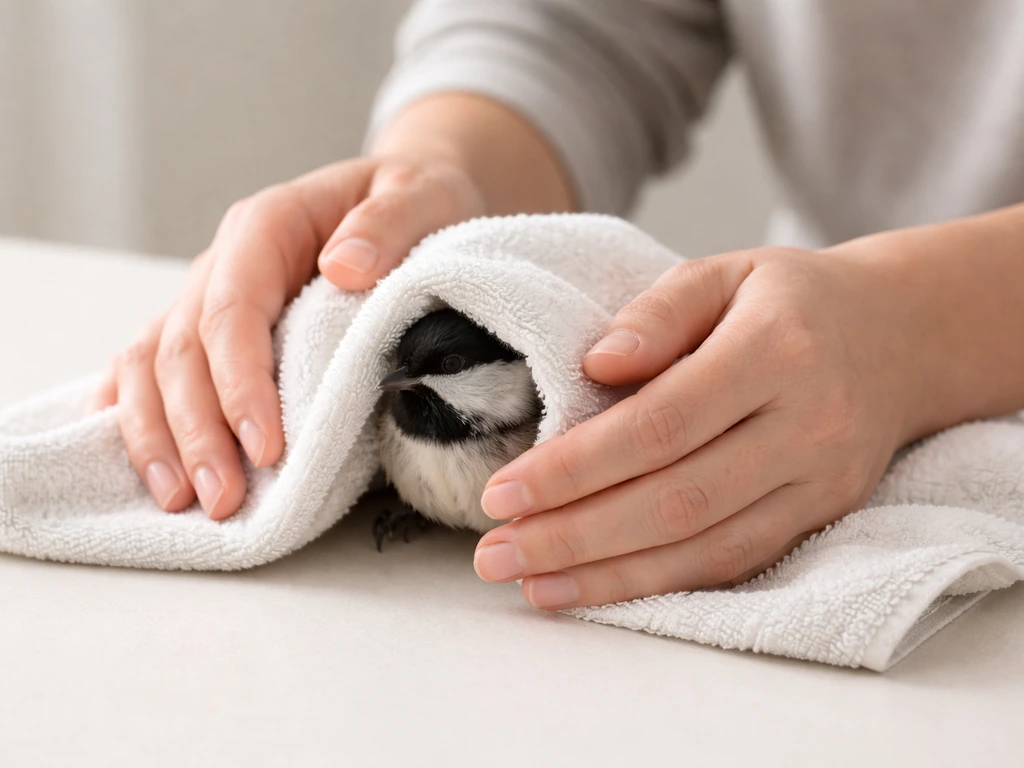
A soft towel capture is the most common hands-on method for an uncooperative bird. Use a lightweight, light-colored towel. Approach slowly from the side, not from above. Drape the towel gently over the bird, then cup your hands around its body through the towel, keeping its wings against its sides. The goal is to minimize the time the bird spends restrained. Merck's guidance on pet bird handling is clear: minimize restraint time, move slowly, and use a quiet voice throughout. Carry the bird directly to the cage, lower it inside, release, and close the door before removing the towel.
Darkened room capture
If the bird is completely unmanageable, dim the room to very low light (not total darkness). Most birds become calmer and less flighty in near-darkness and will often drop to a lower perch or the floor, making a gentle towel capture much easier. Work slowly and avoid startling the bird once the lights are low.
Dark carrier for an injured or very stressed bird
If the bird appears injured, is breathing rapidly, or is showing signs of shock (fluffed feathers, eyes closed, listing to one side), physical handling should be minimized. Gently place the bird in a dark, ventilated carrier or box lined with a soft cloth. Keep it warm, quiet, and away from other animals while you arrange a vet visit. SpectrumCare recommends this approach specifically to reduce stress, prevent further injury, and avoid the extra physiological changes that come from handling alone.
When not to attempt DIY capture
- The bird is clearly injured (can't fly, limping, bleeding, wing drooping abnormally)
- The bird has crashed into a window or fan and is disoriented
- The bird is in a location that requires climbing or reaching that puts you at fall risk
- The bird is wild or unidentified — it may be a protected migratory species
- Multiple capture attempts have failed and the bird is becoming more distressed, not less
- The bird is showing signs of severe illness: abnormal droppings, discharge from eyes/nostrils, significant lethargy
Preventing future escapes: cage security and daily routines
Once your bird is safely back, spending 20 minutes on cage security now will save you a lot of stress later. Most escapes happen because of latches that are easy to open from inside, doors left ajar during cleaning, or moments when the cage is moved and a latch comes undone.
Cage-proofing checklist
- Inspect all latches and replace any that can be opened by the bird's beak or foot — parrots especially are excellent at working simple spring latches
- Add a secondary clip or carabiner to every door latch as a backup
- Check for gaps at the corners of the cage where bars may have bent or separated
- Confirm the cage door swings inward or is designed so the bird pushing against it from inside keeps it closed, not opens it
- Place the cage away from furniture, curtains, or shelving the bird could use as a launch point to climb out
- During cleaning, use a travel carrier to confine the bird rather than leaving the cage door open
Room safety for out-of-cage time
If your bird gets regular out-of-cage time (which most parrots and parakeets need for their wellbeing), build a consistent pre-flight routine. Before every session: fans off, doors and windows closed, mirrors covered, and anyone else in the household notified. A consistent end-of-session cue, like a specific phrase before presenting your hand or the perch stick, makes "step up and back into the cage" a predictable, positive routine rather than something the bird resists. This ties directly into the voluntary return behavior you rely on in an escape situation, birds that practice stepping up and going back in regularly are far easier to retrieve.
For facility managers
If you manage a building where a wild bird has gotten inside (a warehouse, retail space, or office), the cage-return steps above don't apply directly, but the environmental principles do. Open one exterior door or window, block all other light sources, and let the bird find its own way out. Do not chase it, and do not attempt to catch it unless it is clearly injured. In most cases a calm, patient setup of a single egress point solves the problem without any handling at all.
When to call a wildlife or avian professional
There are situations where calling a professional is not optional, it is the right call. This is especially true if the bird involved might be wild rather than a pet.
Legal notes on wild and migratory birds
If the bird in your space appears wild, you need to know that the Migratory Bird Treaty Act (MBTA) prohibits the take, possession, transport, or sale of most migratory bird species without federal authorization. This is a federal statute (16 U.S.C. § 701 and related sections) enforced by the U.S. Fish and Wildlife Service. In practical terms, this means that capturing, holding, or attempting to rehab a wild migratory bird on your own, even with the best intentions, can be illegal. The correct action is to contact a licensed wildlife rehabilitator or your state wildlife agency. State rules add another layer: some states have additional protections for threatened or endangered species, and some state rehabilitators are not authorized to handle certain protected categories. When in doubt, call first and ask.
Signs that mean call a professional today
- The bird has visible injuries: broken wing, bleeding, inability to stand or perch
- The bird crashed into a window or fan and shows signs of head trauma (disorientation, circling, inability to hold its head upright)
- You see abnormal discharge from the eyes or nostrils, or droppings are significantly abnormal in color or consistency
- The bird is a species you don't recognize and may be wild or migratory
- Multiple humane recovery attempts have failed and the bird is deteriorating
- The bird is in a location (high ceiling, roof space, enclosed attic area) where retrieval puts you at serious fall or injury risk
- You suspect the bird is sick rather than just escaped
Who to call and what to tell them
For a pet bird showing injury or illness signs, call an avian veterinarian. Not all general vets have avian experience, so specifically ask for one before making the appointment. For a wild or migratory bird, contact your state wildlife agency or search the USFWS directory for a licensed wildlife rehabilitator in your area. When you call, have this information ready: the species if you know it, how long the bird has been loose or injured, what symptoms you have observed, and whether the bird is currently contained or still mobile. This helps the professional advise you correctly on whether to transport the bird or wait for them to respond.
If the situation is a pet bird that simply escaped but is uninjured, and all voluntary and gentle hands-on methods have failed, an avian behaviorist or experienced bird trainer can often help in ways that a veterinarian cannot. They can assess whether there are behavioral reasons the bird is refusing the cage, like a negative association with a specific cage design or location, and walk you through targeted trust-building steps. This also connects to broader questions about how a bird's routine and out-of-cage experience shapes how easily it returns, something worth exploring if repeat escapes are a pattern in your household.
FAQ
What should I do if my bird is panicking and won’t look at the cage?
If you suspect the bird is panicking, avoid approaching from above or reaching toward the head. Instead, keep your body still, keep the room dim with one clear light source, and let the bird choose the route to the open cage. If the bird is too scared to move toward you, staying quiet and stationary is often more effective than trying to “guide” it with your hands.
Can I lure my bird with treats, or will that make it harder?
Yes. Keep the cage door open and place the cage where the bird can see it, then offer familiar food or favorite treats inside. If your bird is treat-motivated, pre-portion small amounts so you do not have to move around near the bird while it is deciding where to land.
How close should I place the open cage to the bird?
Do not leave the open cage as a “random” object across a room from the bird. Birds return more reliably when the cage is positioned near their current flight path and near the single brightest, familiar area. In practice, try moving the cage only after the bird settles briefly, and avoid sudden loud movement.
When should I stop trying to lure and call a vet instead?
If the bird is injured or you notice rapid breathing, listing, uncontrolled fluffed posture, or eye closure, avoid towel capture unless there is immediate danger. Put it in a dark, ventilated carrier or box lined with soft cloth, keep it warm and quiet, and contact an avian vet for the next steps rather than attempting multiple capture attempts.
Is it better to turn all the lights off, or just dim them?
Avoid fully covering the room with total darkness. The article’s near-darkness approach works because birds calm in low light but still need enough vision to find a familiar enclosed space. If you go too dark, you can accidentally increase collisions and make a towel capture harder.
My bird keeps bumping into things. How do I know when to switch tactics?
Do not assume “it will come back” if the bird is repeatedly hitting windows or mirrors. Those behaviors usually mean the bird is stuck in a panic loop. Focus on removing reflective surfaces, turning off fans, and establishing one exit-like cue (a single light plus the open cage). If it does not improve after setup changes, switch to a humane towel capture or get professional help depending on injury risk.
What’s the best way to handle my bird once I manage to get it into the cage?
If you need to transport the bird, keep handling time short and carry it calmly and directly to the cage. After caging, give a quiet decompression period (about an hour or two) before resuming training or normal interaction, because immediate handling can rebuild fear and delay future step-up cooperation.
Should I keep the cage layout the same during an escape recovery?
Not always, and it depends on your bird. Some birds return faster to a predictable environment when they can roost in familiar positions, so keep perches and cage setup consistent. If you change cage location or layout during an escape, you may accidentally create a new “unknown” that the bird avoids.
What cage-security checks actually stop most repeat escapes?
Prevent repeat escapes by checking the exact latch type and whether it can be opened from inside, including after cleaning and after moving the cage. Also confirm cage doors are latched fully, not just “closed,” because a door left ajar by a few millimeters is often enough to trigger a breakout.
Does time of day matter, and what if it’s daytime?
If the bird has been loose for more than a short period, treat timing like a variable you can use. Try dusk as described, but if it is daytime and your bird remains unresponsive, do not keep chasing. Instead, re-run the environment checklist (fans off, mirrors covered, one clear light, closed doors) and then wait for the bird to decide.
How can I rebuild trust with my bird after it finally returns to its cage?
For training-style recovery after a scare, use distance-based steps rather than forcing touch. For example, sit near the cage without reaching, then gradually decrease distance over days only if the bird stays calm. If the bird becomes reactive again, increase distance rather than pushing closer.
What should I do if I’m not sure whether the bird is wild or a pet?
If you cannot safely confirm whether the bird is a pet (for example, no owner tags, unknown origin, or it appears outside like a wild bird), switch to the wild-bird approach: do not attempt capture, and contact a licensed wildlife rehabilitator or your state wildlife agency. Capturing or transporting a potentially wild migratory bird can be illegal without authorization.
Next Article
How to Get a Trapped Bird Out of Your House Safely
Humane, step-by-step guide to get a trapped bird out safely, handle injuries, and prevent future entry.