If there's a bird in your gutter right now, here's what to do: stay calm, keep people and pets away from the area, and resist the urge to poke or prod. Most healthy birds that end up in a gutter can be coaxed out on their own with a little patience and the right approach. The situations that require hands-on intervention are less common than you'd think, and the ones that require a wildlife professional are more common than most people realize. This guide walks you through the whole thing, start to finish.
How to Get a Bird Out of a Gutter Safely and Humanely
Maya Carver
1 May 2026
Quick safety steps and what to check first
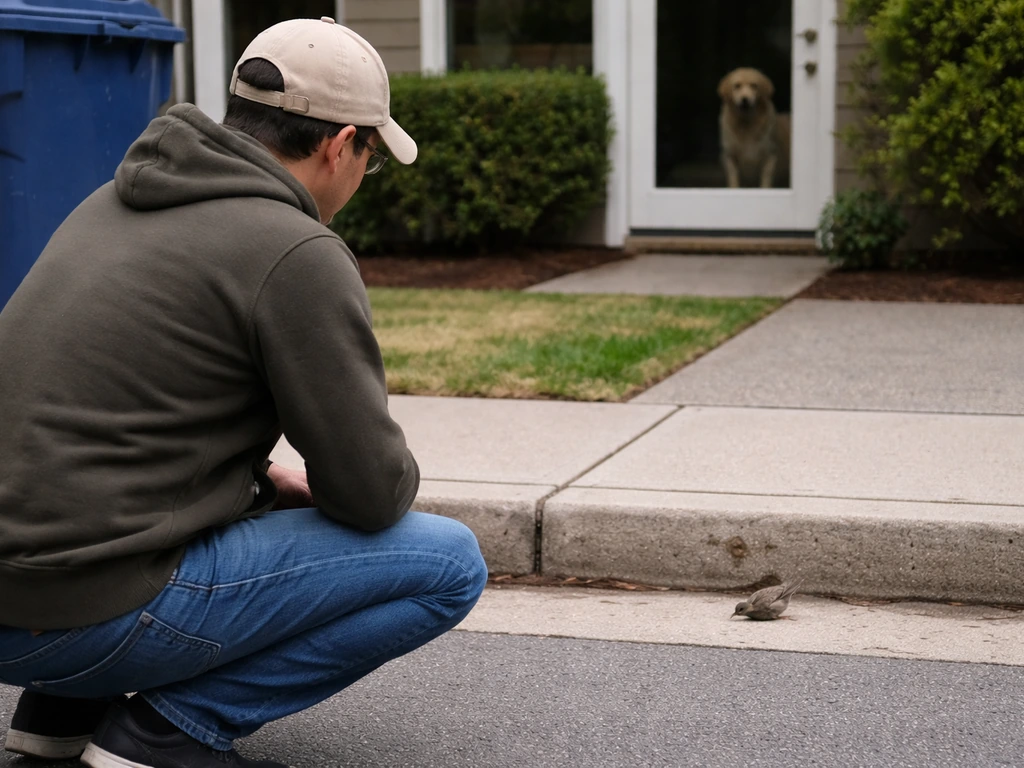
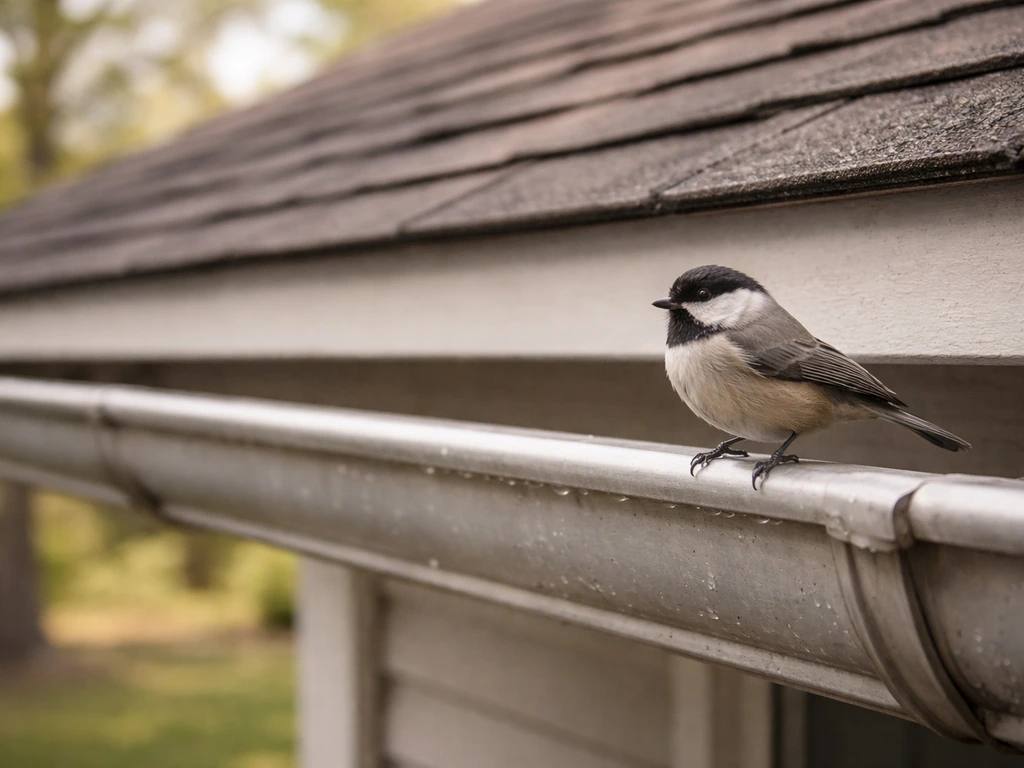
Before you do anything else, take 60 seconds to assess the situation from a safe distance. You want to figure out three things: Is the bird stuck or just resting? Is it injured? And is anyone (you, a pet, a child) in immediate danger? Getting those answers right shapes everything that follows.
- Keep children and pets indoors or well away from the area. A stressed bird can scratch or bite, and ladder work adds real fall risk.
- Do not use a ladder yet. Watch the bird from ground level for at least 5 to 10 minutes first.
- Look for movement: Is it hopping, flapping, or trying to fly? A bird that is alert and moving is very different from one sitting still with eyes closed.
- Check the gutter shape and debris load from below if you can. Birds often get stuck in leaf-packed sections or wedged near a downspout opening.
- Note the species if possible. Small songbirds, starlings, and sparrows are the most common gutter offenders. Raptors and waterfowl are rare but escalate faster to professional territory.
- Wear nitrile or leather gloves any time you go near the bird. Bird droppings and feathers can carry Salmonella and other pathogens, and even a small bird can break skin with a well-aimed peck.
- If you need a ladder, set it on stable ground, have a spotter, and wear non-slip footwear. Never overreach from the ladder.
One more legal note worth knowing before you start: most wild birds in the U.S. are protected under the Migratory Bird Treaty Act, which makes it illegal to pursue, kill, capture, or possess them, or to disturb an active nest without a permit. You are not going to get in trouble for safely freeing a bird that is trapped or injured, but you do want to handle the situation in a way that is genuinely humane, not just fast. Keep that framing in mind through every step.
Humane ways to encourage the bird to leave on its own
The best outcome is always a bird that leaves on its own, and it happens more often than you might expect if you just give it room and the right conditions. If the bird seems like it is stuck on a ledge or high place, use the same calm, escape-route approach described for how to get a bird down from a high place. Birds in gutters are usually there because they feel sheltered, and the trick is making the space feel less safe while leaving an obvious escape route open.
- Clear the area of people, pets, and noise. Give the bird at least 15 to 20 minutes of quiet. Stress is a major reason birds freeze instead of flying.
- Use light as a guide. If part of the gutter is in shadow, gently illuminate the open end (the direction you want the bird to go) with a flashlight pointed away from the bird, not at it. Birds tend to move toward light.
- Create a gentle shadow near the bird. Slowly moving a piece of cardboard or a towel near (not over) the bird can encourage it to hop toward the open end of the gutter without touching it at all.
- Make soft noise at the closed end. A light tap on the gutter near where the bird is stuck, not loud or startling, can encourage it to move away from the sound and toward the open exit.
- If the bird is near a downspout opening and seems to be heading in the wrong direction, loosely drape a towel over that end to block the path downward and redirect it toward the open gutter end.
Do not use sprays, chemicals, or anything that could coat the bird's feathers or eyes. Do not use noise machines, ultrasonic devices, or anything that causes prolonged distress. The goal is gentle encouragement, not panic. A panicked bird in a narrow gutter can injure itself badly.
Step-by-step DIY removal from the gutter
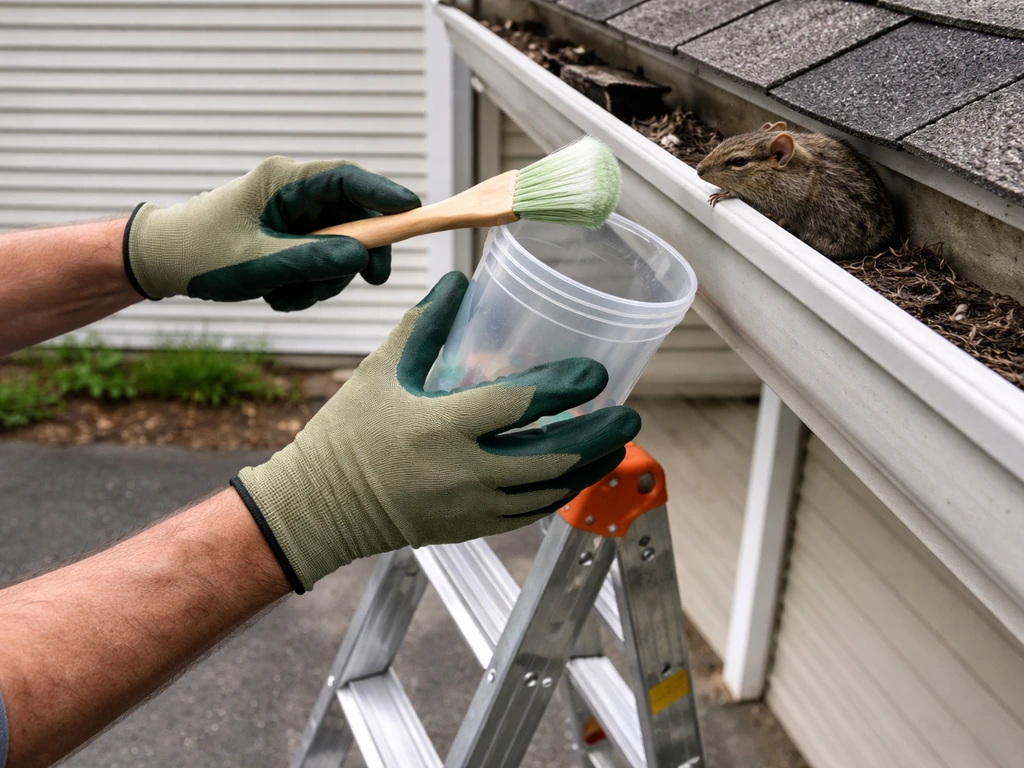
If 20 to 30 minutes of passive encouragement have not worked, it is time for a more hands-on approach. This is where most homeowners feel uncertain, but the process is straightforward if you take it slowly and stay calm. Your calm directly affects the bird's stress level.
What to gather before you go up
- Nitrile or thick leather gloves (essential, not optional)
- A lightweight towel or small fleece cloth
- A shoebox or similar cardboard box with a lid, pre-punched with several air holes (a 1/4-inch drill bit or a pen works fine)
- A piece of flat cardboard or a thin cutting board to use as a slide-under scoop
- A spotter on the ground if you are working on a ladder
- A small flashlight if the gutter section is in shade
- A zip-lock bag for any debris you remove (for safe disposal)
The removal process, step by step
- Set up your ladder safely and climb to a level where you can see into the gutter without leaning over uncomfortably. Do not rush this part.
- Assess the bird's condition up close. Before touching anything, spend 30 seconds watching. Is the bird alert and reactive? Good. Is it dull-eyed, limp, or not reacting to your presence? That changes the plan (see the escalation section below).
- If the bird is alert and capable of flying, try one more round of passive encouragement from up close. Hold the towel behind it gently, and it may simply flush out on its own from this closer proximity.
- If the bird needs to be physically moved, drape the towel loosely over it with one smooth, confident motion. Do not hesitate or make multiple grabs. A single calm motion is less stressful than repeated attempts.
- Cup your gloved hands gently around the towel-wrapped bird. Hold it securely but without squeezing. You should feel it breathe; you should not feel it struggling to breathe.
- Lower yourself and the bird carefully. Do not try to manage the ladder one-handed while holding the bird. Have your spotter hold the ladder steady.
- Place the bird into the pre-prepared box by setting it down inside, still loosely wrapped in the towel, and gently withdrawing the towel. Place the lid on.
- Set the box in a quiet, shaded spot away from pets and children. If the bird is healthy, it may only need 10 to 20 minutes to calm down before you can open the lid and let it fly out on its own.
Timing matters too. Early morning is the best time to attempt removal because birds are most alert and temperatures are cooler. Midday heat in a metal gutter can make the situation more urgent in summer months. If you are working in late spring or early summer, also check whether there are nestlings present before you move anything. A bird that repeatedly returns to the same gutter section may be a nesting parent, not a trapped bird.
If the bird is injured or won't come out: when to stop DIY and call for help
This is the decision point most guides gloss over, but it is genuinely the most important one. There are situations where continuing to try DIY removal makes things worse, and knowing when to stop is just as important as knowing what to do.
Signs the bird needs professional help, not DIY
- Visible bleeding or open wounds
- A drooping or obviously broken wing
- Lameness or inability to stand or grip
- Labored, fast, or open-mouthed breathing that has continued for more than two hours
- The bird is not reactive to your presence at all (dull eyes, no movement)
- You can see maggots or signs of fly strike on the bird
- The bird has been in the gutter for more than an hour and shows no signs of trying to leave
- You have made two or more careful attempts at removal and the bird is still stuck
If any of those apply, stop. Do not chase the bird and do not make repeated grab attempts. Instead, if you can safely reach the bird, use the box-over method: set an open box over the bird from above, then slide a flat piece of cardboard underneath to seal it in. This keeps the bird contained and calm while you get help. If you cannot reach it safely, leave it where it is and call a wildlife rehabilitator immediately.
It is also worth noting that even a lay person with good intentions can miss signs of internal injury. A bird that looks okay after a fall or entrapment may have injuries that only an avian vet or rehabilitator can diagnose. When in doubt, err on the side of calling. Taking a photo or short video before you do anything else is a smart move because it helps the rehabilitator assess the situation before they arrive or advise you by phone.
Who to call and what to tell them
Search for a licensed wildlife rehabilitator in your area through the National Wildlife Rehabilitators Association (NWRA) or your state's fish and wildlife agency. When you call, have ready: the species (or your best description), how long the bird has been there, what you observed about its behavior and condition, and your address. Do not attempt to give the bird food or water while you wait. Keep it contained, quiet, and in a shaded spot away from temperature extremes.
Clean-up: removing debris and nesting material safely
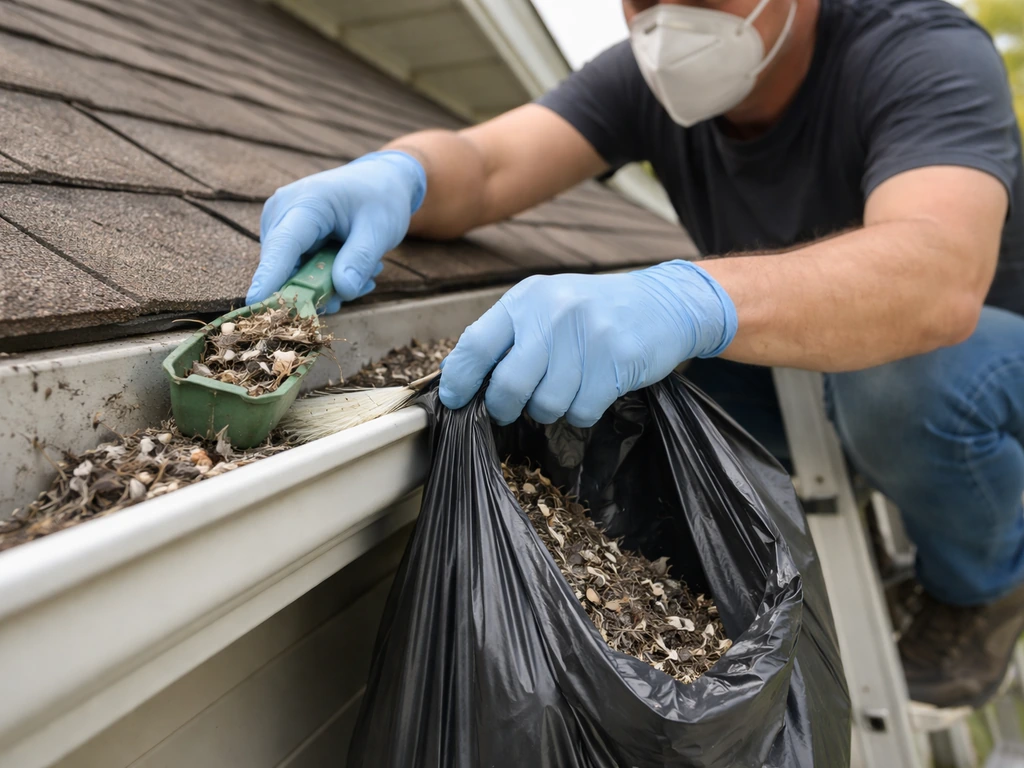
Once the bird is gone, you have a second job to do before you close up the ladder. A gutter that trapped one bird is likely to trap another unless you deal with what made it attractive or hazardous in the first place. This is also the step most homeowners skip, and it is why the same thing keeps happening.
- Wear gloves and, ideally, an N95 mask. Bird droppings and nesting material can carry Histoplasma fungal spores and Salmonella bacteria. Do not skip this.
- Remove leaf litter, twigs, and any accumulated debris from the gutter section where the bird was found. Double-bag it in plastic before disposal.
- If there is a nest present, check its status carefully before removing it. An active nest with eggs or live chicks cannot be legally removed without a wildlife permit under the MBTA. A clearly abandoned nest (no eggs, no adult birds returning over 24 to 48 hours of observation) can be removed and double-bagged.
- Flush the gutter section with a garden hose to clear any remaining debris and wash out droppings. Direct the runoff away from garden beds if possible.
- Check the downspout opening for stuck material. A clogged downspout is one of the most common reasons birds get wedged in gutters: they drop in and cannot get out past the blockage. Clear it fully.
- Inspect the gutter brackets and hangers for any gaps or low spots where debris pools. These are prime bird traps and should be corrected before you install guards.
If the bird was stuck because of heavy debris buildup, consider this a sign that your gutters need a full cleaning, not just a spot clean. A debris-heavy gutter is a magnet for nesting birds in spring, and the trapped-bird problem is almost always a symptom of a maintenance backlog.
Gutter-proofing and long-term prevention
The most effective prevention combines physical exclusion with regular maintenance and a seasonal schedule. No single product solves this permanently on its own, but the right combination of guards, sealing, and timing means you are very unlikely to deal with a trapped bird again.
Physical guards and deterrents: what actually works
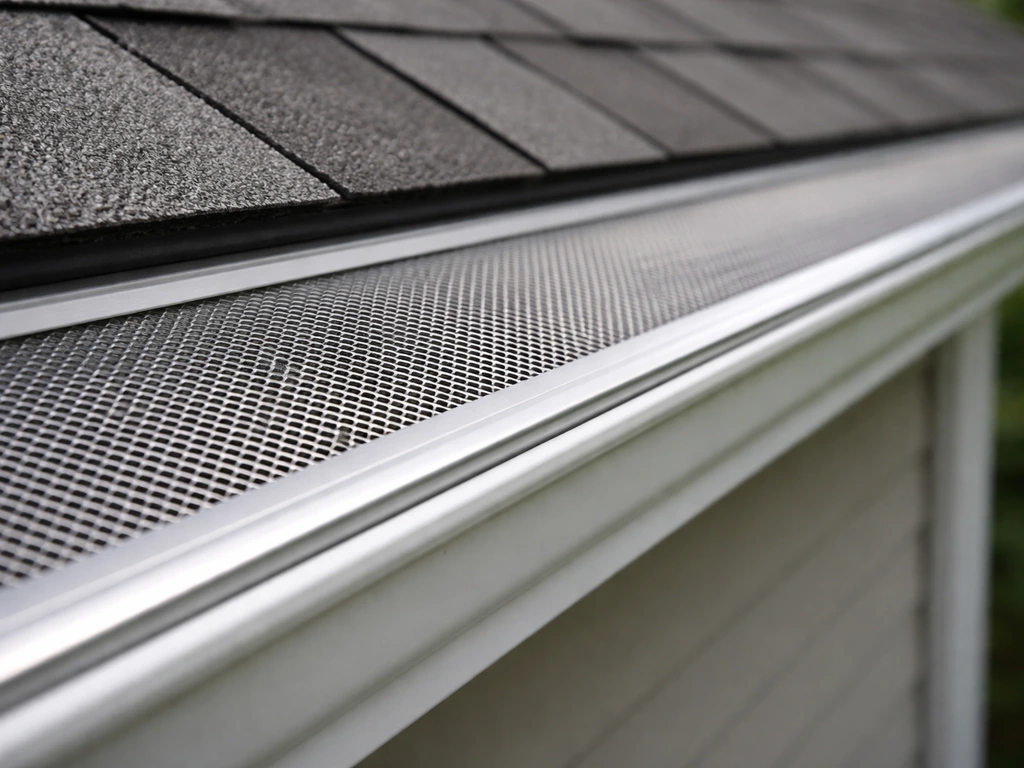
| Option | How It Works | Best For | Limitations |
|---|---|---|---|
| Micro-mesh gutter guards | Fine stainless mesh covers the gutter opening, blocking debris and bird access entirely | Most homes; best all-around solution | Higher upfront cost; some require professional installation |
| Brush/bristle inserts | Cylindrical brushes sit inside the gutter and trap debris on top; birds cannot nest inside | DIY-friendly; works on standard K-style gutters | Bristles can collect debris over time and need periodic cleaning |
| Bird spikes (gutter edge) | Plastic or stainless spikes along the gutter lip deter perching and nesting at the rim | Flat-rimmed gutters where birds perch before dropping in | Does not protect inside the gutter; birds can still enter from downspout end |
| Downspout bird guards/screens | Wire mesh cap or cage fits over the downspout inlet, blocking entry from below | Any gutter where birds have entered via the downspout | Must be checked and cleared seasonally; debris can clog the screen |
| Foam gutter inserts | Dense foam fills the gutter channel, leaving no open space for nesting or entrapment | Low-debris environments | Can degrade over time; may hold moisture and cause rust in older gutters |
The best combination for most homes is micro-mesh gutter guards paired with a downspout bird guard at the inlet. This covers both entry points: over the top and up from below. If budget is a constraint, prioritize the downspout guard first because that is where most entrapments happen.
Sealing and structural fixes
- Seal any gaps between the gutter and fascia board with exterior-grade caulk. These gaps are nesting sites for sparrows and starlings.
- Check soffit vents near the roofline. Birds that access gutters often do so after first roosting in a nearby soffit or eave gap. Seal those with hardware cloth (1/4-inch galvanized mesh).
- Replace any damaged or sagging gutter sections that create low points where debris and water pool. Standing water and debris are the two biggest bird attractants.
- If you have open-top box gutters or older half-round gutters with wide openings, a custom-fit screen or mesh cover is worth the investment.
Seasonal maintenance schedule
The bird-in-gutter problem peaks in two windows: early spring (February through April) when birds are actively scouting nesting sites, and late fall (October through November) when gutters fill with leaves and birds get trapped in debris. Build your maintenance around those windows.
| Time of Year | Key Tasks |
|---|---|
| Late February / Early March | Full gutter clean before nesting season begins. Check and clear downspout guards. Inspect for new gaps in fascia and soffits. |
| April / May | Watch for nesting activity. Do not disturb active nests. If a nest is started in the gutter, contact a rehabilitator for advice on timing of removal. |
| Late June / July | Mid-season debris flush with a hose. Check that guards are seated correctly after spring storms. |
| October / November | Full gutter clean after leaf fall. Replace or reposition any guards that shifted. Check downspout inlets for blockage before winter. |
| December / January | Visual inspection after major storms. Clear ice dams that can trap birds in pooled water areas near downspouts. |
If you are dealing with a situation where a bird has gone down a downspout rather than sitting in the gutter trough itself, the approach and tools are slightly different. If you are dealing with the more specific case of how to get a bird out of a downspout, follow the tailored removal steps for a vertical pipe. That specific scenario (a bird stuck inside a vertical pipe) has its own set of steps and considerations worth reading through separately.
The bottom line: most birds in gutters are there because the gutter gave them an opportunity, whether that is a debris pile to nest in, a low-spot to fall into, or a downspout opening to explore. If the bird ended up in a window well instead of a gutter, the same goal applies, but the exact steps and tools differ. If your pet bird is stuck in a tree, the safest approach is to use calm, passive encouragement and avoid actions that could cause panic or injury pet bird out of a tree. Fix the opportunity and you fix the problem. The bird you helped today is the easy part. The 20 minutes you spend on prevention this weekend is what keeps it from happening again.
FAQ
What if the bird keeps dropping back into the gutter after I open a clear escape route?
If it repeatedly returns to the same spot, treat it like a nest-related situation rather than a simple rest. Stop further DIY attempts and look for signs of nesting nearby (quiet calling, repeated visits, birds appearing from the roofline). Contact a licensed wildlife rehabilitator or your state wildlife agency for guidance before moving anything.
How can I tell if the bird is injured versus just frightened or resting?
Look for asymmetry (one wing hanging lower, one leg not bearing weight), trouble breathing, blood, or inability to stand upright. Birds that are only startled usually can reposition and, after a short period, try to escape once they feel safe. If you see any injury signs, switch from passive coaxing to calling for help rather than continuing attempts.
Is it okay to throw a towel or cloth over the bird to slow it down?
Usually no. Covering can startle the bird and it may panic into the gutter surface, causing head or wing injuries. The safer approach is the box-over method only if you can do it from above and then calmly contain the bird for retrieval.
Can I use a broom, tongs, or a net to physically move the bird?
Avoid tools that require prodding or pinching. Nets increase entanglement risk, and brooms or similar items can break feathers or cause fractures if the bird thrashes. If you cannot reach safely for a contained box-over, the recommended next step is to stop and call a wildlife professional.
What should I do if the bird is in the gutter but it’s dark or raining and I can’t get a safe view?
Wait until conditions allow safe, low-stress handling. Poor visibility increases accidental contact and reduces your ability to judge injury or nesting. If it seems active and not injured, give it time, keep people and pets away, and call a rehabilitator if it does not clear up after a reasonable period.
Should I give the bird water or food while I’m waiting for help?
No. Food and water can worsen stress, attract other animals, and lead to improper feeding if it is a species with specific dietary needs. Keep the area quiet and the bird contained if you have already used the box-over method, then contact a rehabilitator for species-appropriate care instructions.
What if the bird is wedged in a tight corner near the fascia or behind siding, and I can’t slide cardboard underneath?
Do not force cardboard into small gaps or try to pry trim. That can injure the bird and damage exterior materials. If you cannot perform a careful contained box-over, leave it in place and call a wildlife rehabilitator, especially if it appears injured or stuck for more than the initial passive period.
How long should I wait before deciding that DIY is not working?
A common rule is to try passive encouragement for about 20 to 30 minutes with the escape route clear and no distress triggers. If it has not improved by then, or you suspect injury, stop and move to hands-on containment only if safe. If you cannot safely reach, call immediately.
Do I need to worry about bird droppings and sanitation after the situation is resolved?
Yes. After removal, clean up droppings and wet debris using appropriate protective gear (gloves, mask if needed), and wash hands thoroughly. This reduces odor and helps prevent pests from being drawn to the area.
What is the best way to prevent repeat gutter entrapments if I rent or can’t install guards?
If you cannot install guards, prioritize temporary risk reduction by scheduling regular gutter cleanouts around peak windows and ensuring downspouts are unobstructed. For rentals, notify your landlord in writing and document the dates you found birds so maintenance can be prioritized. Permanent exclusion (guards and sealing) is usually the most reliable long-term fix.
Next Article
How to Get a Bird Out of a Tree Safely and Humanely
Step-by-step, humane ways to get a bird out of a tree safely, including emergency actions, when to call pros, and preven