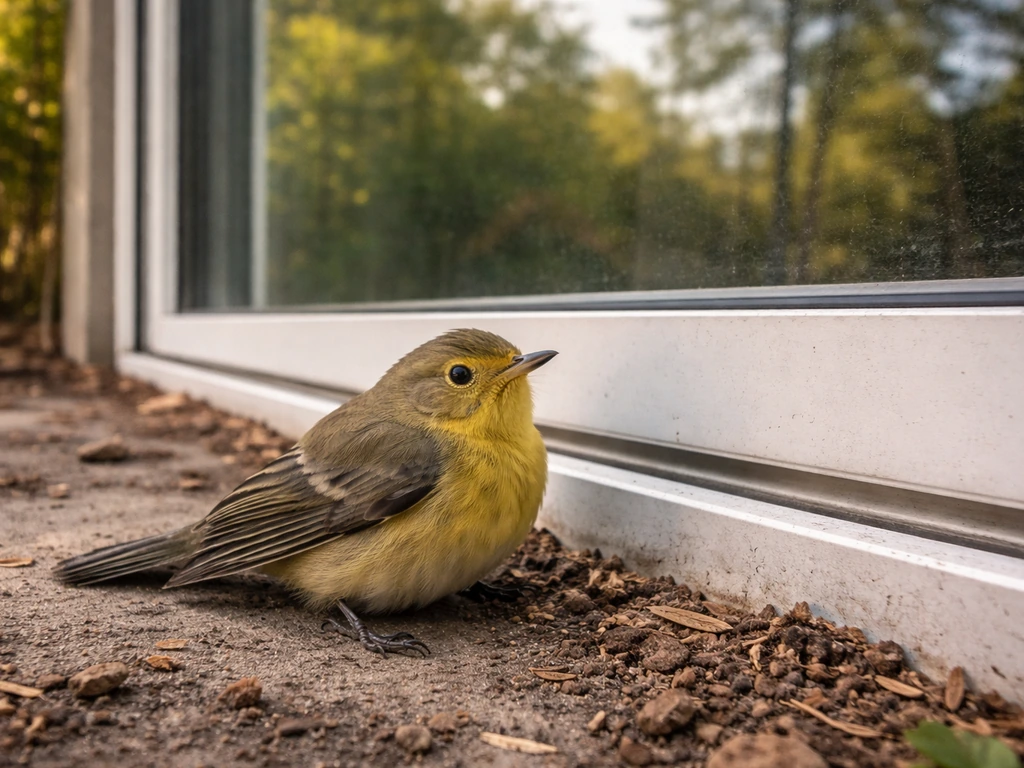
If a bird just hit your window and is sitting on the ground stunned, here is what to do right now: keep people and pets away, resist the urge to pick it up immediately, and prepare a safe, dark container so it can recover quietly. If you are wondering what to do after a bird hits glass, start by keeping it calm and preventing further exposure to predators. Most birds that survive the initial impact are concussed, not dead, and they need calm and darkness more than anything else. Act quickly but gently, and you give it the best shot at flying away on its own.
Bird Hit Window What Do I Do Step-by-Step Emergency Help
Maya Carver
21 Apr 2026
Immediate steps when a bird hits your window
The first few minutes matter most. A stunned bird sitting on the ground is immediately vulnerable to cats, dogs, and other predators, so you need to act fast but stay calm. Here is the sequence to follow:
- Keep everyone back. Tell kids, dogs, and cats to stay inside or move away from the area. Stress slows the bird's recovery and can tip a stunned bird into shock.
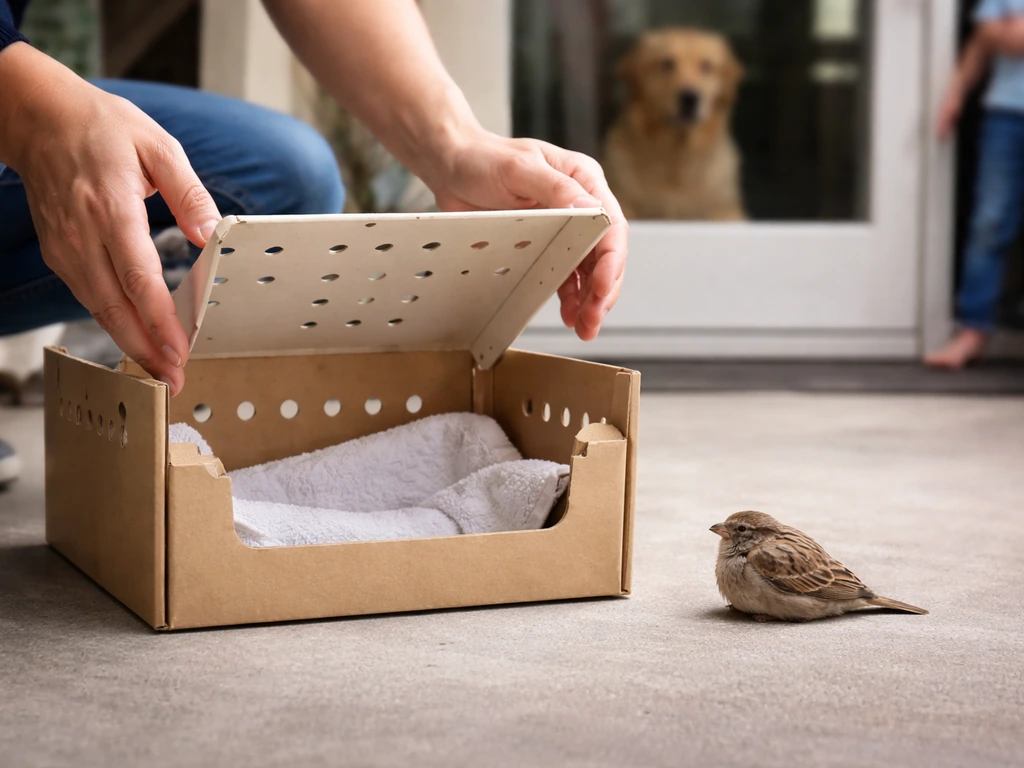
- Find a small cardboard box or paper bag. Poke a few small air holes in the lid or top. Line the bottom with a soft cloth or paper towels.
- Put on thin gloves if you have them. Gently scoop the bird with both hands (never grip it) and place it upright in the box. If it is on the ground, you can also slide a piece of cardboard under it.
- Close the box loosely. You want airflow but darkness. Darkness reduces stress and helps the bird's nervous system settle.
- Place the box somewhere quiet, warm, and safe indoors or in a sheltered spot out of direct sun and away from predators. A corner of a room away from noise is ideal.
- Set a timer for one hour. Check quietly by opening the box slightly. If the bird is upright and alert, you are making progress.
Do not skip the box step and just leave the bird on the ground. Even if it looks like it is recovering, it is still disoriented and slow to react, which makes it easy prey. The box keeps it safe and calm while its brain recovers from the impact.
Stunned vs. actually injured: how to tell the difference
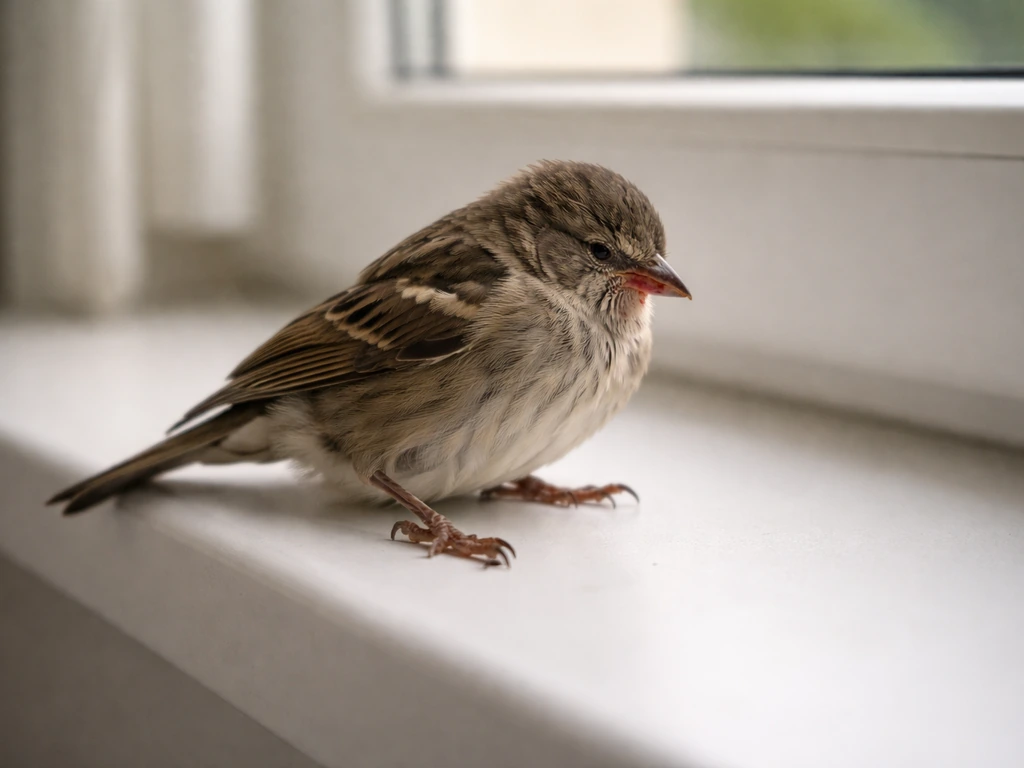
This distinction matters because it changes what you do next. A stunned bird has taken a hard knock to the head and is temporarily dazed, similar to a concussion in humans. An injured bird has physical damage, like broken bones, bleeding, or a puncture wound, that requires professional care. The tricky part is that from the outside, they can look almost the same right after impact. If the bird seems stunned but you cannot tell whether it is actually injured, follow up with what to do if a bird hits your window so you handle it safely.
Signs a bird is likely stunned (and may recover on its own)
- Sitting upright or righting itself after being placed in the box
- Eyes open and tracking movement
- Breathing visible but not labored or open-mouthed
- No visible blood, drooping wing, or crooked limb
- Alert enough to try to move away from your hand
- Improving noticeably within 30 to 60 minutes
Signs the bird needs professional help right away
- Bleeding from the beak, nostrils, or body
- A visibly drooping or dangling wing
- One leg hanging limply or turned at an odd angle
- Eyes closed and unresponsive after more than 20 to 30 minutes
- Labored breathing, open-mouthed gasping, or gurgling sounds
- Seizure-like trembling or inability to hold its head upright
- Still unable to perch or stand after 2 to 3 hours
Here is the hard truth: even a bird that looks fine on the outside may have internal injuries or head trauma that are not visible. Wildlife specialists are clear that window-strike survivors can appear temporarily okay and then die hours later. In a r/WildlifeRehab discussion, a commenter also warns not to assume a window-strike bird is fine after initial recovery because it may have internal injuries and die later window-strike survivors can appear temporarily okay and then die hours later. This is why the 3-hour rule (explained in the monitoring section below) is so important and why you should never just walk away and assume it will be fine.
Safe ways to help the bird recover
Once the bird is in the box, your job is mostly to stay out of its way and let its body do the work. Here is how to set it up for the best recovery:
Darkness and quiet
This is the single most important thing you can do. A dark, quiet environment calms the bird's stress response and lets its nervous system recover from the impact. Keep the box away from TVs, conversation, and foot traffic. If you have kids who want to check on it every five minutes, assign one check every hour and stick to it.
Temperature
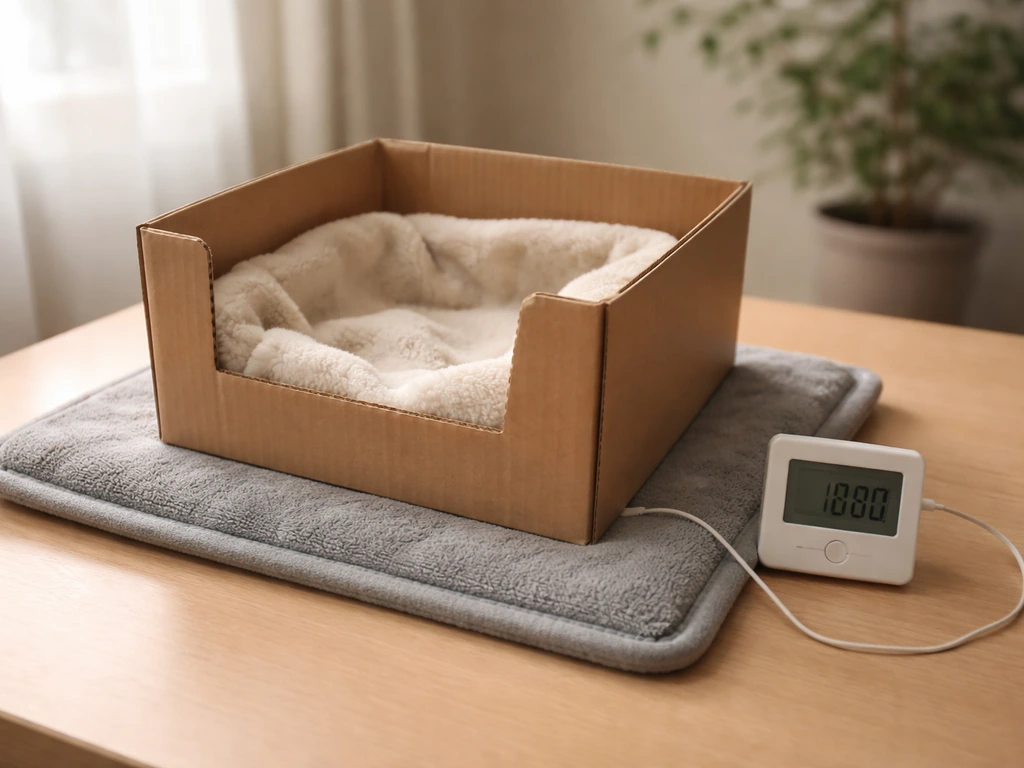
Keep the bird at a comfortable room temperature, roughly 65 to 75 degrees Fahrenheit. If the bird feels cold to the touch, you can place the box on a heating pad set to low, but make sure only half the box sits on the pad so the bird can move off the heat if it gets too warm. Never place the box in direct sunlight or in a car that will heat up.
Handling
Minimize it. Every time you pick up the bird, you are stressing it and slowing recovery. Use gloves when you must handle it, both for your protection and to reduce the transmission of your scent and heat. After placing the bird in the box, close the lid and leave it alone. Resist the urge to keep checking.
What NOT to do after a bird hits your window
Several common instincts people have in this situation can actually hurt the bird. If you are dealing with a bird window strike, follow these steps to keep it safe while it recovers bird hits your window. For more tips on bird behavior and proven ways to stop repeat window strikes, see our guide on bird keeps hitting window how to stop. Here are the most important ones to avoid:
- Do not feed or water the bird. This is one of the most repeated pieces of guidance from wildlife rehabilitators. A stunned bird cannot swallow safely and may aspirate water into its lungs, which can be fatal. No seeds, no fruit, no water droppers, no eyedroppers.
- Do not leave it on the ground unprotected. Cats and other predators can strike faster than the bird can react.
- Do not place the box in direct sunlight or in a hot car. Overheating is a serious and quick risk, especially in spring and summer.
- Do not give it any medication, including pain relievers intended for humans or pets. These can be toxic to birds at very small doses.
- Do not keep it as a pet or delay calling a professional if it is not improving. Many migratory and wild birds are federally protected, and holding one without authorization can carry legal consequences.
- Do not release it indoors or toss it into the air to 'get it started.' A bird that cannot fly on its own is not ready to be released.
- Do not handle it excessively or show it to friends and neighbors. The stress alone can kill an already compromised bird.
Aftercare and monitoring: when is it ready to fly?
Check the bird gently once every hour by carefully opening the box in a quiet, enclosed space like a bathroom (so it cannot fly out a window if it suddenly recovers). You are looking for progressive improvement: from lying flat, to sitting upright, to gripping your finger or a small perch, to actively trying to leave the box.
The 3-hour rule
If after about 3 hours the bird has not recovered enough to fly, contact a licensed wildlife rehabilitator. This is not a suggestion: a bird that is still grounded after 3 hours likely has injuries beyond a simple concussion and needs professional assessment. Do not keep waiting and hoping. The sooner it gets proper care, the better its chances.
How to release it
When the bird is clearly alert, gripping strongly, and actively trying to escape the box, take it outside to a sheltered spot away from windows, near shrubs or trees where it can perch low and rest. Open the box and tilt it gently so the bird can choose to leave on its own. Do not throw or drop it. If it flies up into a tree and sits quietly, that is normal. Watch from a distance for 15 to 20 minutes to make sure it is stable. If it falls back to the ground or cannot maintain its perch, it needs professional help.
Where to place it during recovery
Indoors in a quiet room is best while it is still stunned. Once it is alert and mobile but not quite ready to fly, you can move it to a sheltered outdoor spot like a covered porch or garage (with the door slightly open) so it can acclimate to outside temperature and sounds before full release. Keep pets strictly away from the area the entire time.
Stopping it from happening again: quick fixes and long-term proofing
Birds hit windows because they do not perceive glass as a barrier. They see the reflection of sky and trees and fly straight toward it. Homes with bird feeders are at roughly double the collision risk, so if you have feeders, the prevention steps below are not optional. The good news is that even simple, inexpensive changes can dramatically reduce strikes.
Quick fixes you can do today
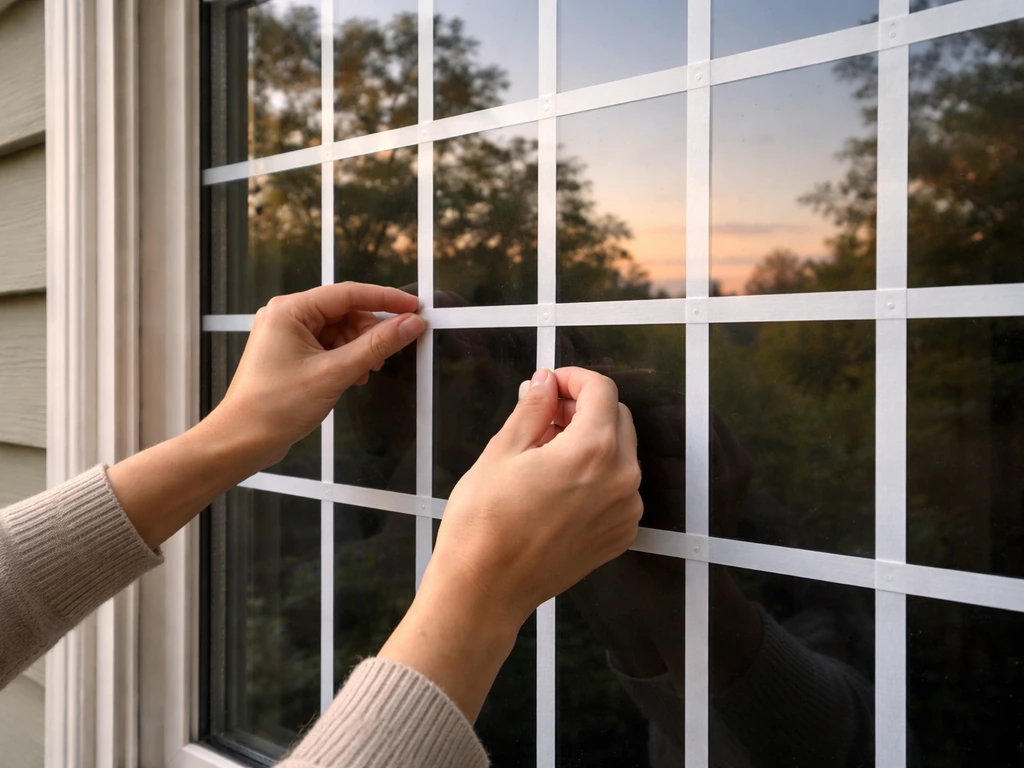
- Apply exterior window tape or decals in a grid pattern: markers need to be at least 1/4 inch wide and spaced no more than 2 inches apart to be effective. Randomly placed stickers (like a single hawk silhouette) do not work well enough.
- Apply the treatment to the outside surface of the glass. Exterior placement is significantly more effective than interior because birds need to see the barrier before they reach the glass.
- Apply tempera paint or soap in a dot or stripe pattern on the outside of the glass. It is cheap, weather-resistant for a season, and effective.
- Move bird feeders to within 3 feet of the window (so birds cannot build up enough speed to cause fatal strikes) or more than 30 feet away (so they are not approaching at window-strike angles).
- Close blinds or curtains on problem windows, especially during peak migration season (spring: March to May, and fall: August to November).
Longer-term proofing options
| Solution | How it works | Best for | Approx. cost range |
|---|---|---|---|
| Exterior screens or netting | Makes glass surface visible and softens impact if a bird still strikes | Large windows, high-collision areas | Low to moderate (DIY possible) |
| Frosted or etched window film | Applied to exterior surface, breaks up the reflective surface birds see | Rental or permanent installs | Low to moderate |
| Bird-safe UV-patterned glass | Patterns visible to birds (who see UV) but largely invisible to humans | New construction or full window replacement | High, but no ongoing maintenance |
| Exterior rope or cord curtains | Vertical cords hung 4 inches apart break up reflection and create a visible barrier | Decks, porches, picture windows | Low |
| Adjusting interior lighting at night | Turning off unnecessary interior lights reduces the beacon effect during migration | All buildings, especially during migration season | Free |
The pattern-spacing rule is not just a recommendation: research and federal guidance are consistent that markers must be spaced no more than 2 inches apart both horizontally and vertically to be effective. Wider spacing leaves gaps that birds attempt to fly through. If you use tape strips, go with a consistent grid, not decorative shapes scattered across the glass.
Seasonal planning
Spring (March to May) and fall (August to November) are the highest-risk periods because billions of birds are migrating, often at night, and unfamiliar with local terrain. Before each migration season, do a quick check of your problem windows, refresh any tape or paint treatments, and consider turning off non-essential interior lights after 11 p.m. on clear nights when migration is heaviest. Facility managers should add window-strike audits to their spring and fall maintenance schedules.
When to call a wildlife professional (and why it matters legally)
You should contact a licensed wildlife rehabilitator any time the bird shows serious injury signs, has not recovered within 3 hours, or you are simply not sure what you are dealing with. If you suspect a window strike and the bird can be safely contained, the Window Collision Protocol advises having it brought to a wildlife rehabilitator for the next step the bird needs professional assessment. You can find licensed rehabilitators through your state wildlife agency, the National Wildlife Rehabilitators Association, or by calling your local animal control office. When you call, have this information ready:
- The species if you can identify it (or a description: size, color, beak shape)
- When the strike happened and how long the bird has been down
- What symptoms you are observing
- Whether you have it contained in a box already
- Your location so they can direct you to the nearest facility
Here is the legal piece that often surprises people: most wild birds in the United States and Canada are protected under federal law, including the Migratory Bird Treaty Act. This means you cannot legally keep a wild bird without authorization, even with the intention of helping it. Holding a bird longer than necessary while waiting to see if it improves on its own can put you in a legally gray area. The practical answer is simple: if the bird needs more than basic first aid and a few hours of quiet recovery, hand it off to a licensed professional as quickly as you can.
Escalate immediately (do not wait for the 3-hour mark) if the bird is bleeding, seizing, has visible broken bones, is a bird of prey (hawk, owl, falcon), or is a species you do not recognize. Raptors and certain other birds can inflict serious injuries when stressed and should be handled only by trained rehabilitators. In these situations, use a thick towel over gloves and minimize contact until you can transfer the bird.
If you manage a facility and window strikes are a recurring problem, consider logging each event: date, window location, species if known, and outcome. This kind of monitoring data is exactly what the National Park Service and other agencies use to identify high-risk windows and prioritize treatment. It also makes the case internally for investing in longer-term bird-safe glass or screening solutions, which pay for themselves in reduced liability and compliance with building best practices.
FAQ
What if I think it might be injured, not just stunned, but I am not sure how to tell?
If the bird is bleeding, has a visible puncture, is wobbling uncontrollably, or you see a broken wing or leg, treat it as injured and contact a licensed wildlife rehabilitator immediately. Do not wait to see if it “turns out okay,” and avoid feeding or giving water, since aspiration is a real risk if it is dazed.
What kind of box or container should I use, and what should I avoid?
Use a container you can keep stable and dark, like a rigid plastic box with air holes or a small pet carrier lined with a towel. Make sure there is enough space so the bird can shift positions, but not so much room that it can slam into the sides. Avoid cardboard that can soften and avoid clear containers that do not block light.
The bird is moving around a lot, how do I get it into a box safely?
If the bird will not fit or cannot be safely secured, do not chase it around the room. Instead, create a dark, quiet barrier area, gently place a towel over it only enough to reduce stress, then transfer it to the container. If it is actively bleeding, use thick gloves and prioritize moving it out of sight from pets.
What should I do if the bird hits outside, not inside?
If you are outside when the strike happens, keep people and pets away first, then move the bird to a sheltered, dark spot (for example, inside a garage or under a covered entry) using the same container method. Timing still matters, so plan to contact a rehabilitator if it has not improved enough to fly within about 3 hours.
What if the bird recovers quickly and flies off, do I still need to monitor it?
If the bird flies away before the 3-hour check, watch from a distance for stability for 15 to 20 minutes, and stop following it closely. If it suddenly collapses, cannot maintain an upright perch, or appears to crash again, assume delayed injury and contact a rehabilitator.
Can I feed or water the bird while it is recovering?
Do not give food, water, or “bird supplements” during recovery. A concussed bird may not swallow correctly, and fluids can get into the lungs. Also avoid touching the head, performing a forced “test,” or trying to assess reflexes.
How should I handle it if I need to drive it to a rehabilitator?
If you must transport it, keep it in the same dark container, maintain comfortable room temperature, and avoid driving with the lid off or leaving it where it can overheat. Place the container on a stable surface and minimize vibration, then hand it over to the rehabilitator as soon as you arrive.
What if more than one bird hits the window at the same time?
If you have multiple window strikes or more than one bird, treat each bird separately with its own dark container. Do not mix birds in one box, because stress increases and there is also a risk of injury from shifting bodies.
How do I know it is ready to be released, and where should I release it?
Do not release it outdoors until it is clearly alert, gripping well, and actively trying to escape the container. For release, use a sheltered spot away from windows and predators, near low cover like shrubs or trees, then watch briefly to confirm it can perch and stay stable.
What are the signs that mean I should escalate immediately, before 3 hours?
If you can find the bird’s condition worsening, like increasing limpness, repeated falling, open-mouth breathing, or continuous disorientation, escalate immediately. Species that require special handling, like raptors, also count as “do not wait” because injuries and stress can be severe.
After it is gone or after I contact a rehabilitator, what cleanup should I do?
Clean up any feathers or blood carefully after you are done. Wash your hands thoroughly, and if you handled it with gloves, discard or disinfect them. Keep the area closed off so pets cannot access the bird’s remains or waste.
What if the bird lands somewhere I cannot easily reach, like a roof or balcony?
If the bird is on a high ledge, roof, or balcony where predators are likely, use a long-handled net only if you can do it calmly and safely, otherwise call the rehabilitator or local animal control. For safety, do not climb if it requires stepping on unstable surfaces or crossing traffic hazards.
Next Articles
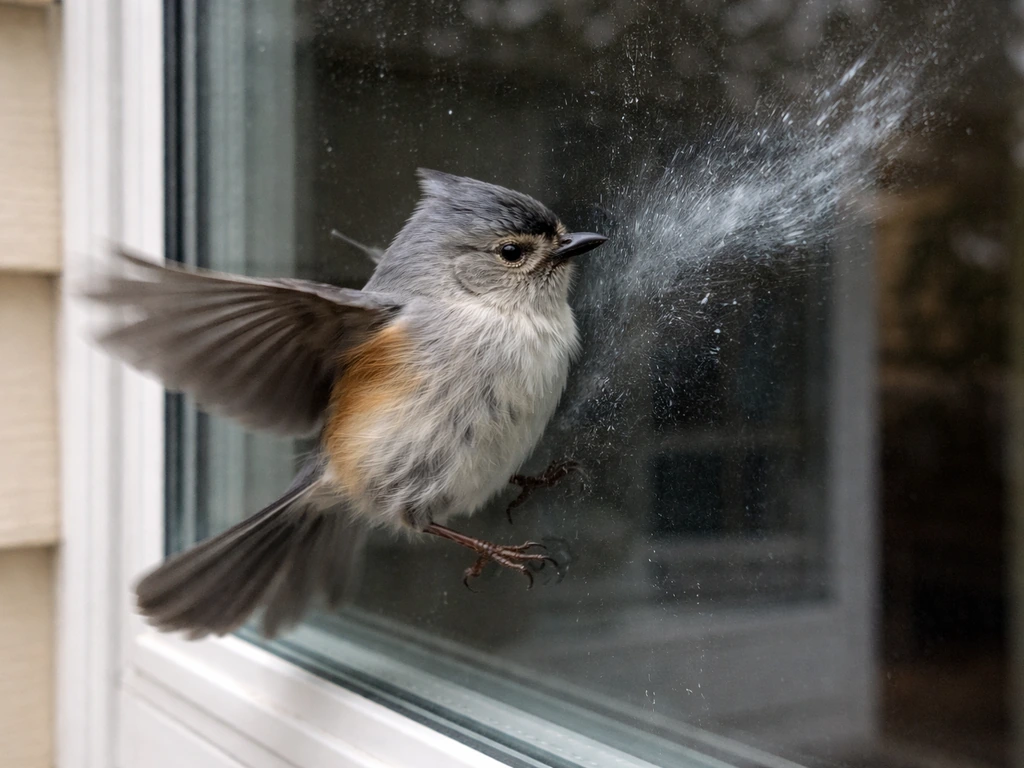
What to Do If a Bird Hits Your Window: Step-by-Step
Immediate steps after a bird hits your window, humane care, when to call wildlife help, and prevention to stop repeat st
How to Get a Trapped Bird Out of Your House Safely
Humane, step-by-step guide to get a trapped bird out safely, handle injuries, and prevent future entry.
How to Get a Bird Out of Your House Reddit Guide
Step-by-step humane bird escape, DIY fixes, prevention tips, and when to call wildlife experts for indoor bird incidents